Cambridge House, Auberge Collection is scheduled to open in February 2027 at 94 Piccadilly in Mayfair with 102 rooms and residences. Cambridge House Auberge London is worth tracking now if you want first-season access to Auberge Collection's first UK hotel; wait if you need proven service reports before paying new-opening rates (Hoteldesigns1).
The draw is concrete: a Grade I-listed Georgian mansion, a £1 billion Reuben Brothers regeneration of 1.3 acres of the Piccadilly Estate, Jean-Louis Deniot on hotel and guest spaces, Laura Gonzalez on the bar, wellbeing facilities and members club, and Major Food Group opening Major's in the restored Georgian ballroom. Rates are not yet the deciding factor because they have not been published in the announcement. The decision now is whether Cambridge House belongs on your 2027 London shortlist. It does (Hoteldesigns1).
Why Cambridge House Auberge London Matters Now
Auberge Collection already has European properties, but Cambridge House is its first hotel in London and the UK. That matters because Mayfair does not reward generic luxury. Regulars already have preferred suites, concierges, bars and drivers. A new hotel needs a sharper reason to interrupt habit.
Cambridge House has one: 94 Piccadilly, between Green Park and Shepherd Market. If your London itinerary runs through Mayfair dinners, St James's appointments, private clubs and park walks, the address works. If your week is built around Shoreditch restaurants or Covent Garden theatre, this is a less efficient base.
The February 2027 opening gives serious planners time to watch the room release and restaurant mechanics before the opening rush. Managing Director Etienne Haro has said reservations are opening, so this is not a vague future project. For fixed-date trips, the smart move is to register interest early, then wait for rates, room categories and Major's access rules before committing.
Within Auberge's European portfolio, Cambridge House is closer in use to The Woodward in Geneva than to Grace Hotel in Santorini or Domaine des Etangs in France. This is a city hotel with a social program, not a hideaway. The question is whether Auberge can make a Mayfair address feel personal when guests will also expect speed, privacy and precision.
The Georgian Mansion at 94 Piccadilly
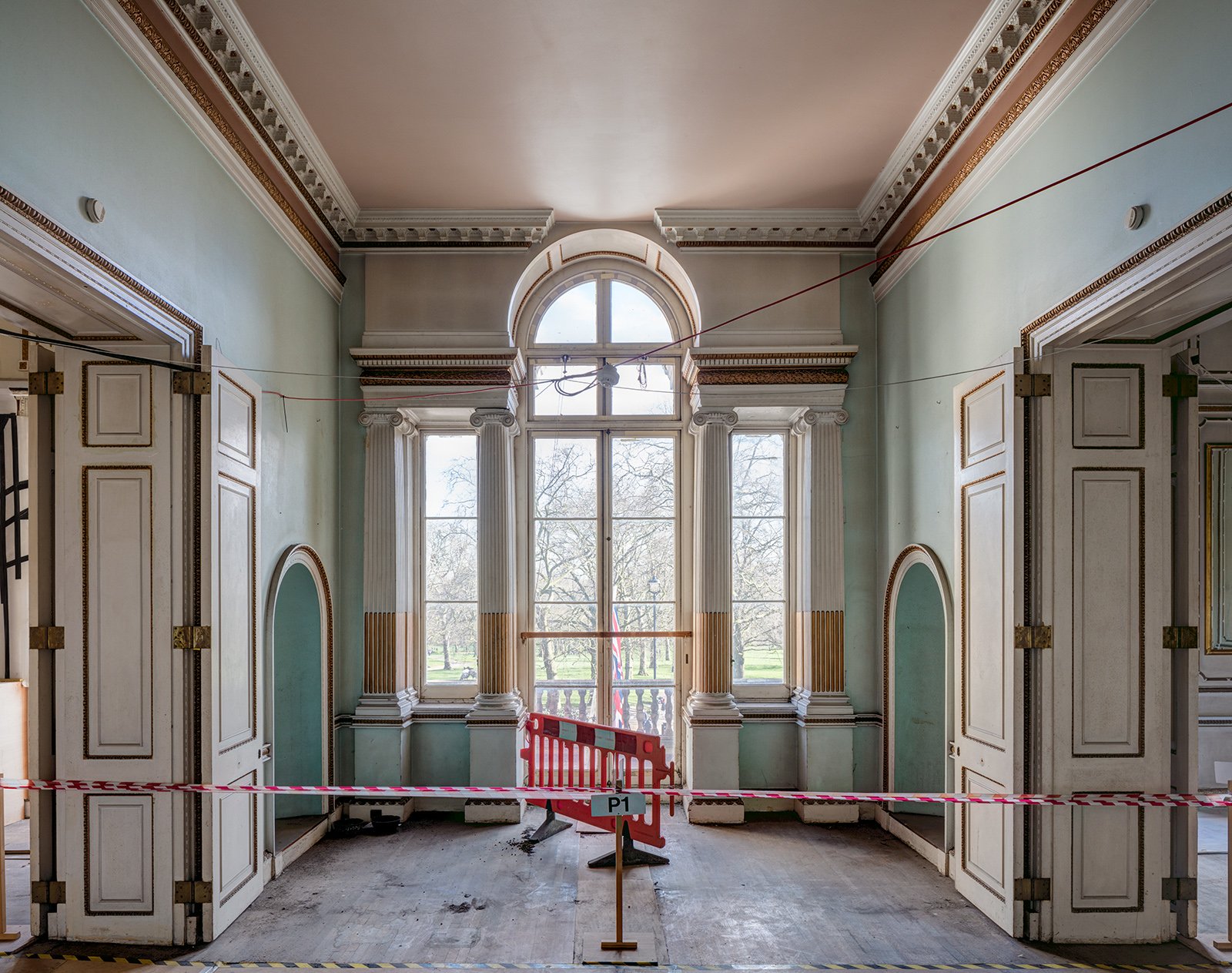
The building is the strongest reason to care before anyone has slept there. Cambridge House is a Grade I-listed Georgian mansion commissioned by the 2nd Earl of Egremont in 1756. It later served as the In & Out Naval and Military Club from 1865 to 1999, giving the property a specific London identity rather than a heritage label pasted onto a hotel conversion (Hoteldesigns1).
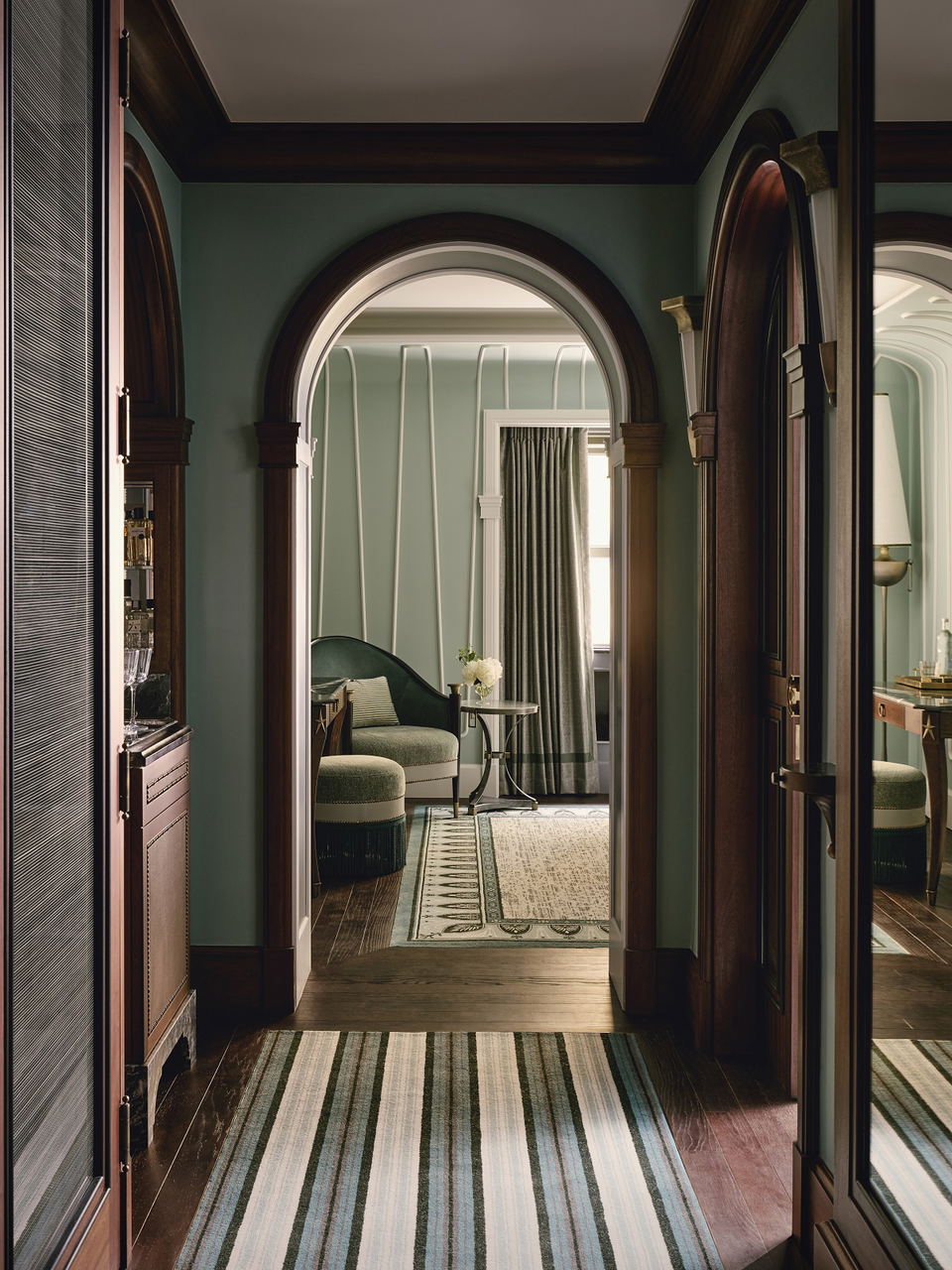
That history is an advantage, but it is also the operational test. Grade I-listed buildings can deliver rooms, staircases and proportions that new-build hotels cannot copy. They can also make circulation, sound control and room consistency harder. Before booking an expensive first-season stay, ask which rooms sit inside the historic mansion, which face Piccadilly, and how the residences differ from the hotel rooms.
Jean-Louis Deniot is overseeing the transformation of the hotel and guest spaces. Laura Gonzalez is designing the signature bar, wellbeing facilities and members club. That split should give Cambridge House more range than a single-look hotel, but it also raises the coherence question. The best version feels like one address with several moods. The weaker version feels like a design roster.
The Reuben Brothers' £1 billion regeneration of 1.3 acres of the Piccadilly Estate gives the opening more scale than a mansion restoration. For guests, the practical payoff should be arrival, privacy and the feel of the surrounding block. A Mayfair hotel can lose you before check-in if the entrance feels awkward or the street experience works against the room rate.
Major Food Group's London Grill Test
Major's is the main reason food-focused travelers should watch Cambridge House Auberge London. Major Food Group, the group behind CARBONE, Torrisi and ZZ's Club, is opening the restaurant in the restored Georgian ballroom. The concept brings the American chophouse into conversation with London grill traditions, which is exactly the kind of import that either lands hard in Mayfair or feels too rehearsed.
The format is clear enough to make an early call. Major's will focus on British ingredients and the farmers, fishermen, foragers and hunters behind them. The announced menu direction includes seafood towers, formal caviar service, meat, fish and game, plus British-made china and trolleys for carving spit-roasted Prime Rib and other tableside service. The bar will offer at least 10 takes on the martini.
Book Major's if you like caviar service, carved beef, martinis and a dining room with ceremony. Skip it if your preferred London dinner is a quiet tasting counter or a modern small-plates room. The restored Georgian ballroom is the right setting for a restaurant built around trolleys and a martini list. It would be wasted on minimalism.
The peer comparison inside Major Food Group's own portfolio is useful. CARBONE trades on Italian-American familiarity, Torrisi works from New York Italian references, and ZZ's Club leans into members-club hospitality. Major's has to prove the group can handle British grill codes without flattening them into a steakhouse export. Mayfair already has moneyed rooms, caviar and beef. Repetition will not be enough.
Booking difficulty is not yet knowable, but the pressure points are obvious: Major Food Group demand, hotel-guest priority, local curiosity and opening-season coverage. If Major's releases tables separately, take an early dinner slot rather than waiting for the room to settle. If Cambridge House gives in-house guests priority, a one-night stay may become the cleaner route to a prime table.
Rooms, Residences and the Auberge Use Case
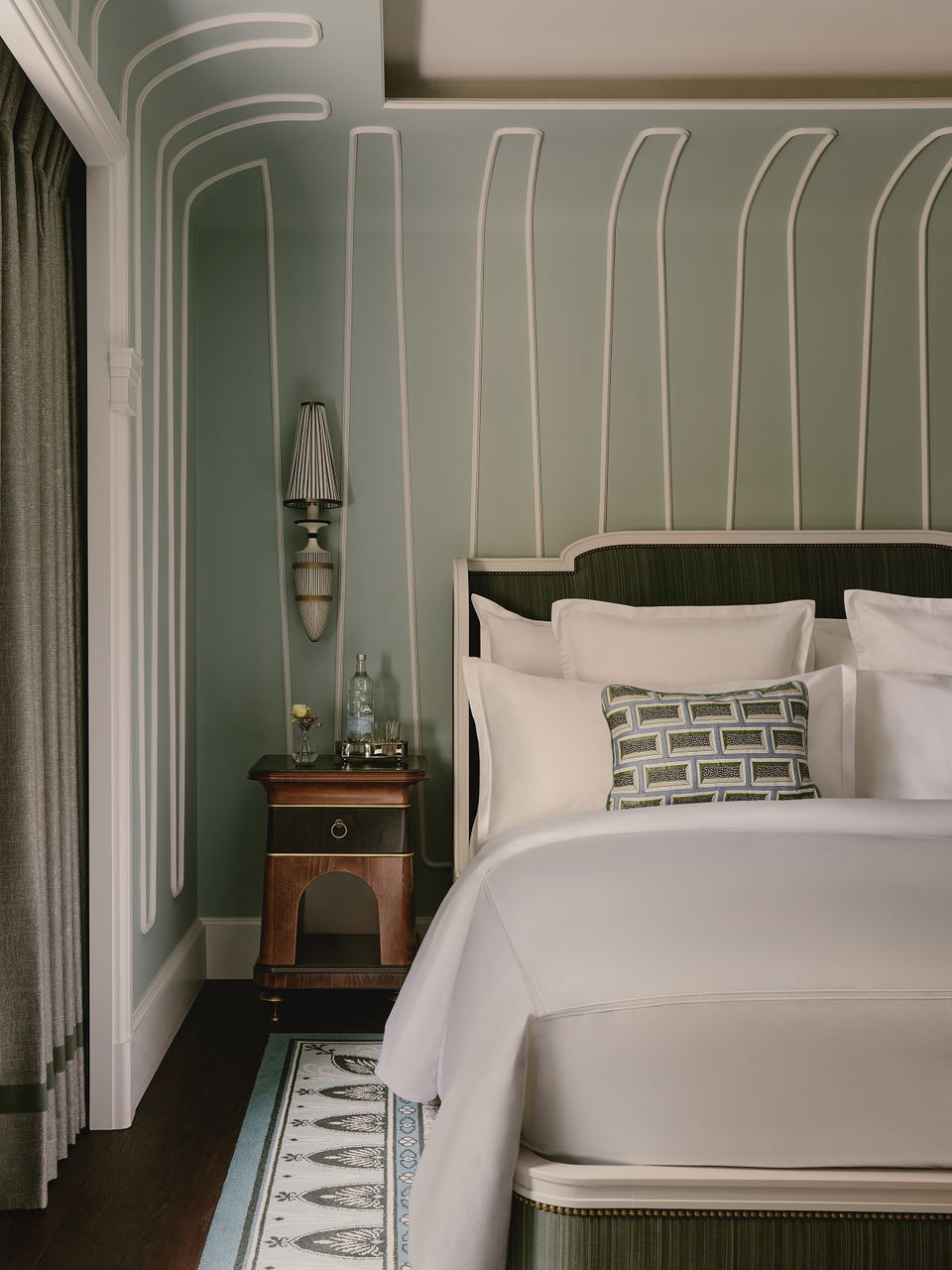
Cambridge House will have 102 rooms and residences. That is small enough to avoid feeling like a large conference hotel, but large enough to support proper service infrastructure. For Mayfair, that middle scale is attractive if the best rooms carry the building's character and the entry categories do not feel like an afterthought (Hoteldesigns1).
The announcement does not include starting rates, room sizes, suite names or residence layouts. That missing information matters. In a Grade I-listed conversion, category choice can decide the stay. One room may get the proportions and history that justify the hotel; another may simply give you the postcode. Do not book the cheapest room reflexively unless the category details support it.
Cambridge House is better for travelers who use a hotel as a social and dining base than for guests who want a quiet pied-à-terre with minimal in-house traffic. The hotel will include restaurants, bars, private rooms and, later in 2027, a members club. Early guests may experience a calmer version before the club opens. Later guests may get the fuller social version, with more competition for bar seats and more reason to stay inside the building.
Auberge's wider growth gives some context. The brand opened Collegio alla Querce in Florence and The Woodward in Geneva in 2025, already had Domaine des Etangs in France and Grace Hotel in Santorini, and plans The Knox in Dallas in 2027. Cambridge House is the London test: whether Auberge's style can satisfy guests who judge a hotel by how it handles a car, a table, a pressed jacket and a quiet exit.
The Three-Floor Wellbeing Play
The wellbeing offer is not filler. Cambridge House plans a three-floor space with hydrotherapy facilities, a heated swimming pool and six treatment rooms. In central London, that is a meaningful amenity because many hotels can sell heritage and location. Fewer can give you a proper pool and wet program without making the spa feel secondary.
Laura Gonzalez is designing the wellbeing facilities, along with the signature bar and members club. The plans include a circular relaxation lounge with a fire pit at its centre, plus a gym, immersive studios, wet and heat rooms and a bathhouse. That points to a social model, not just a row of treatment rooms behind reception.
The six treatment rooms also set limits. If hotel guests, local members and outside demand converge after launch, appointment times could be tight. If you book Cambridge House for the wellbeing program, reserve treatments as soon as the system allows and ask whether access changes when the members club opens later in 2027.
This is where Cambridge House may become more than a restaurant-led hotel opening. Major's will drive early demand, but the pool, hydrotherapy facilities and bathhouse may decide whether guests return for two-night stays rather than one dinner and a bed.
Practical Details: Reservations, Timing and Who Should Book
Put Cambridge House Auberge London on your 2027 shortlist if you want Mayfair, Georgian architecture, Major Food Group dining and a hotel with a serious wellbeing component. Do not book blindly if rates arrive far above your usual London ceiling and room-category information remains thin. The address and restaurant justify tracking; they do not replace the need to know what you are buying.
The cleanest strategy is to separate the booking decisions. First, watch February 2027 availability if your dates are fixed. Second, monitor Major's reservation rules, because the restaurant may be harder to access than the bedroom. Third, decide whether you want the quieter pre-club version of Cambridge House or the fuller version after the members club opens later in 2027.
Book early if you enjoy first-season hotel openings and can tolerate some unknowns. Wait if you need settled service reports, clear room hierarchy and confirmed restaurant access before paying Mayfair rates. The next meaningful signals will be rates, room categories and Major's booking rules, because those will decide whether Cambridge House becomes a smart 2027 reservation or a beautiful address to watch from Piccadilly.