The confirmation never comes through an app. There is no Resy page, no Tock link, no OpenTable listing. Getting into Sushi Saito in Tokyo's Minato ward means knowing someone who already has a seat, or knowing someone who knows someone. For the vast majority of readers, access is effectively closed to first-time visitors without a personal introduction. The restaurant is impossible to book unless you are a regular patron.1 If that is your situation, the alternatives below are the most useful part.
Why Sushi Saito's Eight Seats Are Effectively Off the Market
The counter holds 8 seats1 and no public reservation system, and does not accept cold inquiries from unknown diners. In 2019, Sushi Saito stopped taking reservations from first-timers entirely.2 Seats circulate almost entirely among a closed network of regulars and their guests. Tokyo's luxury hotel concierges, the Park Hyatt, the Aman Tokyo, the Four Seasons Marunouchi, and the Mandarin Oriental, have some allocation for Sushi Saito,3 but even that route is unreliable and depends on the concierge's personal relationship with the restaurant, not the hotel's brand affiliation.
The demand side is not hard to explain. Sushi Saito is widely cited among Japanese food professionals as the finest sushi counter in Tokyo. Not listed (no Michelin star)4 It was removed from the Michelin Guide in 2019 because it is no longer open to the public.1 The supply side is eight seats, no public access. The math does not work in a stranger's favor.
This is not a situation where persistence or early-morning refreshing changes the odds. The reservation system is relational, not transactional. There is no drop time to camp.
When Reservations at Sushi Saito Actually Open (and for Whom)
New phone reservations are not accepted.5 There is no public booking window, no announced drop date, and no waitlist that a new visitor can join through any verified channel. The restaurant does not maintain a public-facing website with a booking portal.
In practice, seats open when a regular cancels or when the restaurant chooses to extend an invitation. The timing is entirely at the restaurant's discretion. Any source claiming a specific release window or a reliable drop time is not working from verified information. Confirm directly with the restaurant, or, more realistically, with a concierge who has an established relationship there, before building a trip around a specific date.
The Channels That Actually Exist (Ranked by Realistic Yield)
1. Personal introduction from a current regular. A personal referral from an existing regular, who calls on your behalf, is a realistic path for a first-time visit.3 If you have a business contact, a friend, or a professional acquaintance who dines at Saito regularly and is willing to vouch for you, ask them directly. The restaurant's culture is built on this model. A cold ask from a stranger, even a well-connected one, rarely works; a warm introduction from someone the restaurant trusts has a real chance.
2. A luxury hotel concierge with a genuine relationship. Not every concierge can deliver this. The ones who can are typically at properties where the concierge team has been stable for years and has cultivated the relationship personally. The Park Hyatt, Aman Tokyo, Four Seasons Marunouchi, and Mandarin Oriental are the properties most frequently cited for this kind of access,3 though no hotel can guarantee a seat. Ask the concierge directly whether they have placed a guest at Saito in the past year. If the answer is vague, the relationship probably does not exist.
3. A specialist Japan travel fixer or dining concierge service. A small number of Tokyo-based fixers work specifically in high-end restaurant access. They operate on retainer or per-booking fees, and the good ones are transparent about which restaurants they can and cannot reliably access. Saito is at the outer edge of what even the best fixers can deliver. If a fixer guarantees a Saito reservation without qualification, treat that as a yellow flag.
4. Showing up. Do not show up. The restaurant does not seat walk-ins, and arriving unannounced at a reservation-only counter in Japan is a social misstep that will not be rewarded.
There is no public booking link for Sushi Saito because no public booking surface exists.
Cost Breakdown: What You Pay at Each Step
Expect roughly 50,000 yen and up per person.5 The omakase course is listed at 49,500 yen (tax included) per person on the Shokuoku platform, where seat bidding is separate from the menu price.6 Seat auctions on Shokuoku typically start above 100,000 yen just for the seat itself.7 Confirm the current cost directly when you secure a reservation. The cancellation policy runs 30% for seven or more days in advance, 50% the day before, and 100% on the day.6 At top Japanese restaurants, failing to show up with the exact number of guests or cancelling at the last minute means losing your reservation for all future visits.8
Mistakes That Actually Cost People the Access
Asking a concierge who doesn't have the relationship. Many hotel concierges will say yes to a Saito request and then spend weeks confirming what they should have said upfront: they cannot deliver it. Ask the qualifying question first, have you placed a guest there once or twice in the last year?
Treating the introduction as a transaction. Guests who arrive at Saito through a personal introduction and then behave as though they purchased a luxury product, photographing every course, leaving early, treating the chef as a service provider, damage the introducer's relationship with the restaurant. The seat is borrowed social capital. Treat it accordingly.
Building the trip around the reservation before it is confirmed. Tokyo has enough to justify a trip on its own terms. Book flights and hotels first; pursue Saito in parallel. Do not commit to dates based on a fixer's optimistic timeline.
Contacting the restaurant directly without an introduction. A cold email or phone call from an unknown foreign diner does not open a door at Saito. It may close one. If you have a potential introducer, let them make the approach.
Eight Seats, No Menu Card: What Happens Inside Sushi Saito
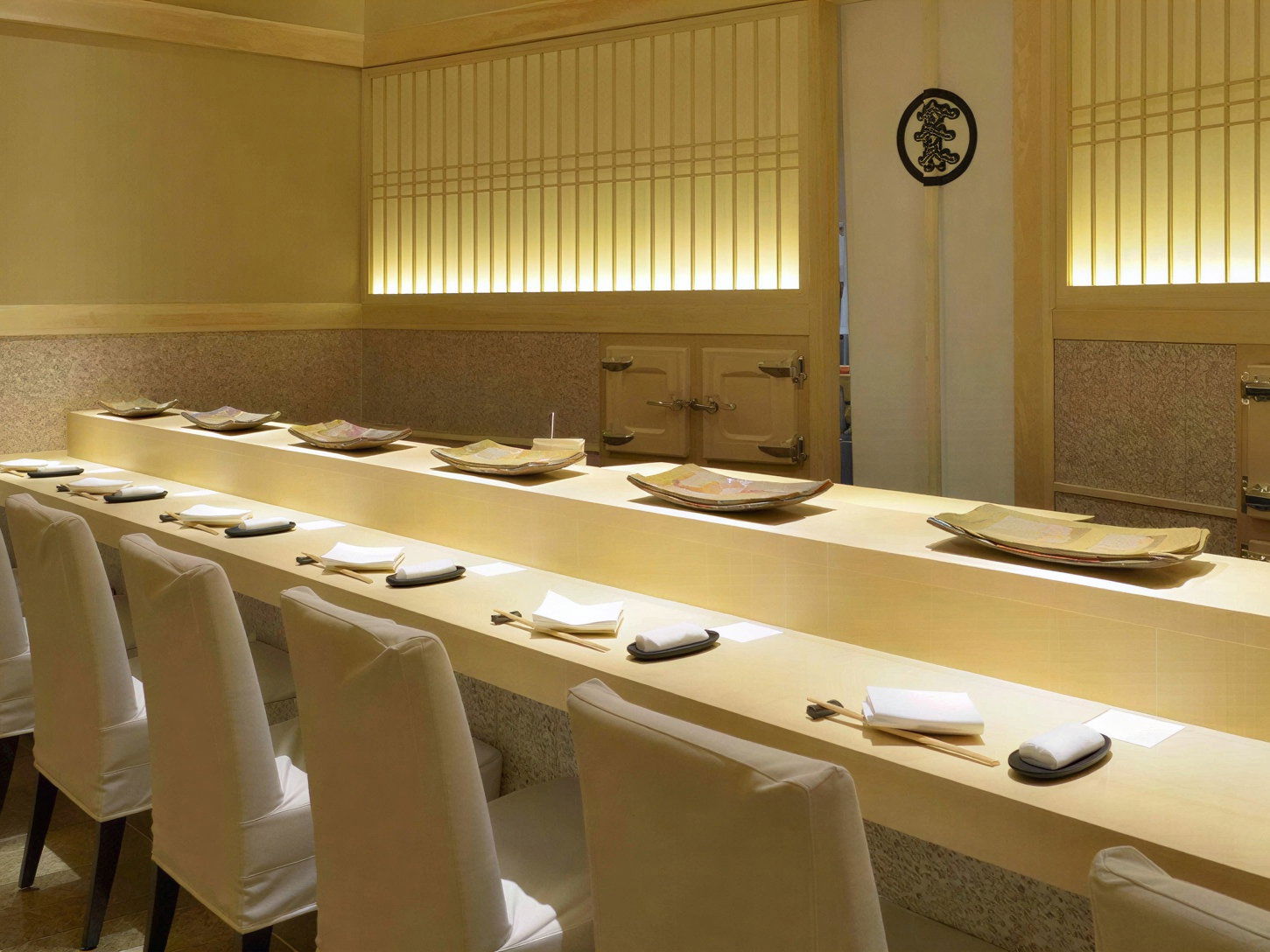
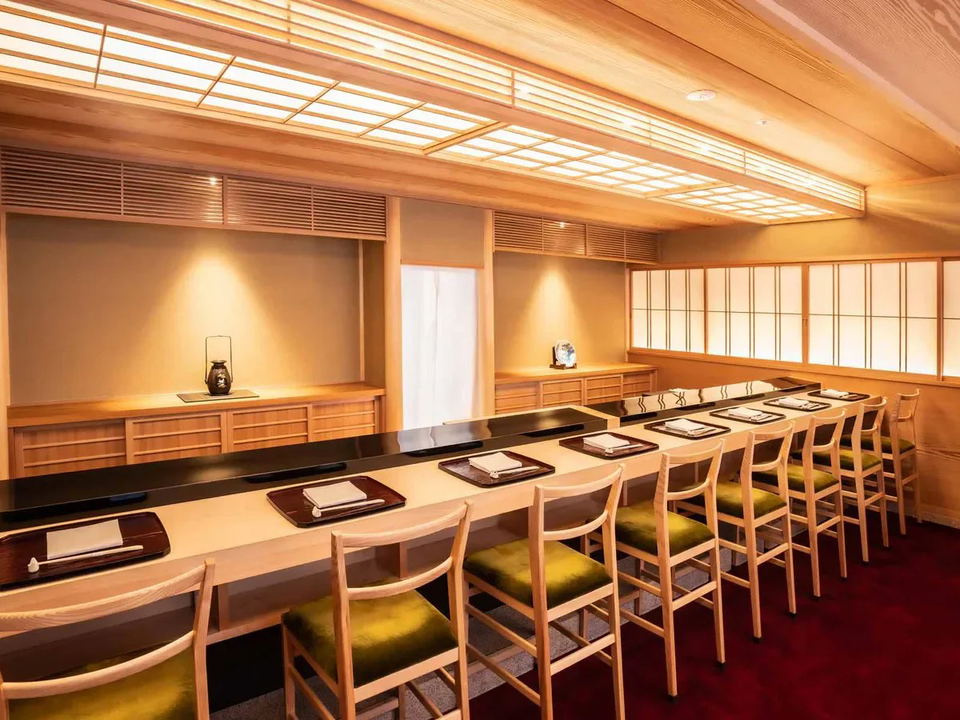
The room is small and spare in the way that serious Tokyo sushi counters tend to be: a hinoki wood counter, eight seats and no private room,6 no decorative distraction from the fish. The head chef works directly in front of guests, and the format is traditional Edomae omakase, the chef decides the sequence, the pacing, and the selection based on what the market yielded that morning. There is no printed menu and no à la carte option.
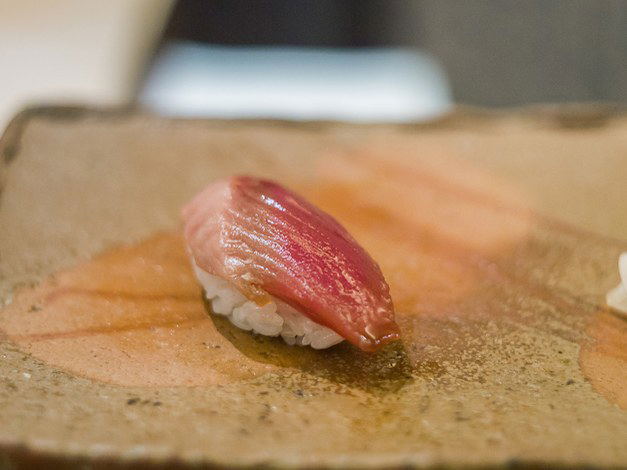
The experience runs at the pace the kitchen sets, which by most accounts is unhurried but focused. Courses move from lighter preparations through richer cuts; the rice temperature and seasoning are treated as seriously as the fish itself, which is the marker that separates Edomae purists from the broader omakase field. Conversation happens, but the counter is not a performance space, it is a working kitchen with guests present.
Guests are asked to avoid strong perfumes.5 The restaurant is closed Sundays and public holidays.3 What guests consistently report is the absence of theater: no tableside preparations designed for visual effect, no dry ice, no narrative interludes. The food is the event.
How to Improve Your Odds Without Wasting Six Months
The most time-efficient strategy is to identify your warmest possible introduction and pursue it once, clearly. If that introduction does not exist, move to a specialist fixer and ask the qualifying question about their Saito track record before paying a retainer. If neither route is available, book one of the alternatives below and plan a return trip to Tokyo with more lead time to build the network.
For the concierge route: contact the hotel's concierge team well before your travel dates, the longer lead time does not guarantee access, but it gives a concierge with a real relationship time to work the request into a natural conversation rather than a cold ask. Confirm the timeline directly with the concierge.
Do not pay a fixer who cannot name a specific guest they have placed at Saito in the past year. The restaurant's access is tight enough that a fixer without a current relationship is essentially charging you for a cold inquiry you could make yourself.
If you are traveling to Tokyo specifically for high-end sushi and Saito is the primary target, build in a backup reservation at one of the alternatives below before you leave home. The backup is not a consolation prize, several of them are genuinely excellent counters that are easier to access and, for some diners, more enjoyable because the social pressure is lower.
Where to Eat Instead: Tokyo Omakase Counters You Can Actually Book
Sushi Saito vs. Accessible Tokyo Omakase Alternatives
| Venue | Booking Difficulty | Booking Channel | Michelin Recognition | Best For |
|---|---|---|---|---|
| Sushi Saito | Effectively closed to new visitors | Personal introduction only | Three stars (removed from guide 2019) | Those with an existing introduction |
| Sushi Yoshitake | Hard but bookable | Direct / hotel concierge | Two stars | Visitors who want two-star Edomae without the closed-network barrier |
| Sushi Sho (Yotsuya) | Very hard; introduction preferred | Introduction / concierge | One star | Purists who prioritize rice and technique over prestige signaling |
| Harutaka | Moderate; bookable with lead time | Direct reservation / concierge | Three stars | First-time Tokyo omakase visitors who want a serious counter without the access anxiety |
| Sushi Sawada | Hard but publicly bookable | Direct / hotel concierge | Three stars | Diners who want a slightly more accessible path |
Sushi Yoshitake is the most direct substitute for readers who want two Michelin stars and Edomae technique without the closed-network problem. It is hard to book but operates through normal reservation channels. A concierge at a major Tokyo hotel can often place a guest here with two to three months' notice.
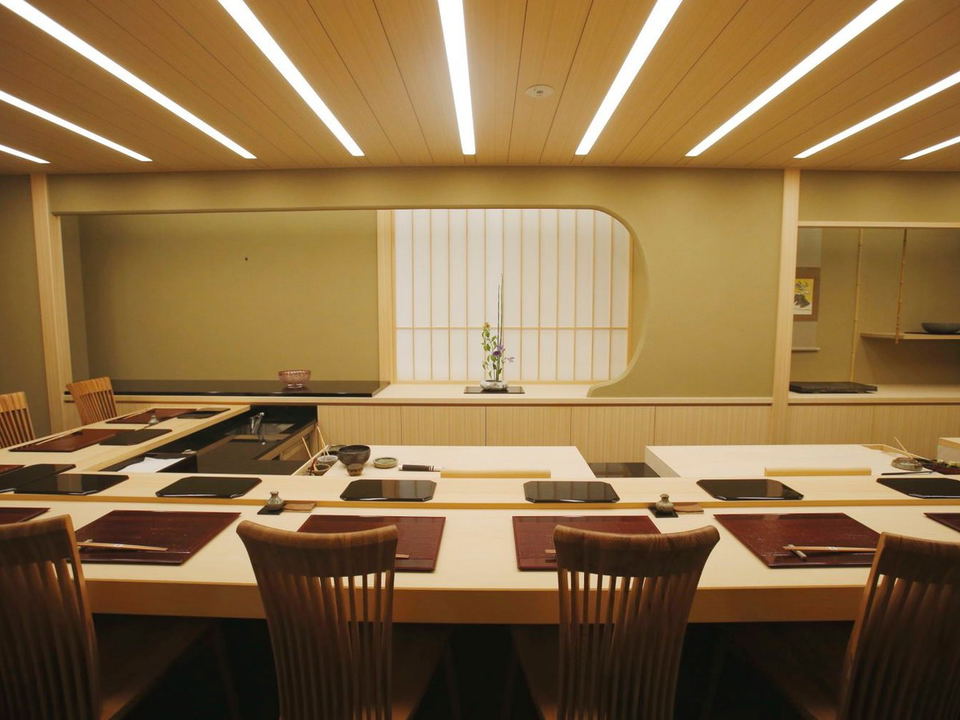
Harutaka in Ginza is the practical recommendation for a first Tokyo omakase trip. Three Michelin stars, a counter that accepts reservations through more accessible channels, and a kitchen whose fish sourcing is taken seriously by Tokyo professionals. Less fraught than chasing Saito, and the meal stands on its own terms.
Sushi Sho in Yotsuya is the counter that serious sushi obsessives often cite alongside Saito. Access is also restricted, but the introduction network is slightly wider. Worth pursuing in parallel if you are working the introduction route anyway.
The Bottom Line on Sushi Saito
Sushi Saito is not a restaurant you book. It is a restaurant you get invited to, and the invitation comes through a relationship, not a platform. If you have that relationship, or access to someone who does, pursue it, the counter's reputation among people who have actually eaten there is consistent enough to justify the effort. If you do not have that relationship, no amount of planning, no hotel concierge brand, and no fixer fee reliably changes that in the short term.
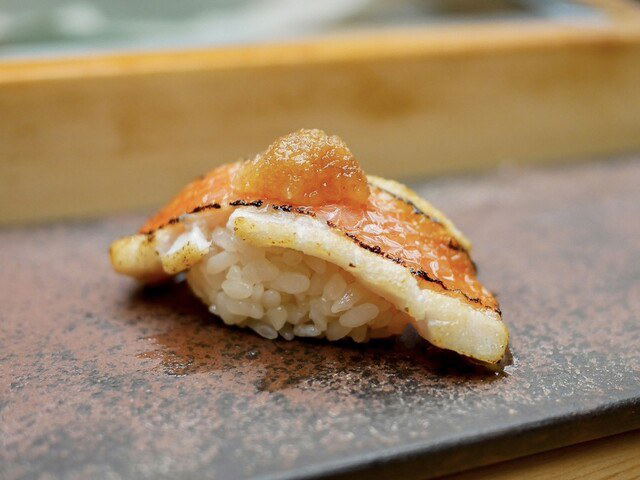
The practical move for most readers planning a Tokyo trip in 2026 is to secure a reservation at Harutaka or Sushi Yoshitake before leaving home, pursue the Saito introduction in parallel without building the trip around it, and treat any Saito access that materializes as a bonus rather than the plan. Tokyo's top omakase tier is deep enough that a trip built around the accessible alternatives is not a compromise, it is a serious meal in one of the world's best cities for sushi.
The allocation at Saito is not a list you join; it is a relationship you build over years, or inherit from someone who already has one. For most visitors, the more rewarding path is the counter you can actually sit at, and in Tokyo, that counter is very good indeed.
Frequently Asked Questions
Can you book Sushi Saito online through Resy, Tock, or OpenTable?
No. Sushi Saito does not operate through any public reservation platform. There is no Resy page, no Tock listing, and no OpenTable profile. Any third-party site claiming to offer Sushi Saito reservations is not a verified booking channel. The restaurant operates exclusively through personal introductions and direct contact from guests with an established relationship.
Does the Aman Tokyo or Park Hyatt concierge have access to Sushi Saito reservations?
Occasionally, but only if the concierge has a genuine, current relationship with the restaurant, not just a willingness to try. Before relying on this route, ask the concierge directly whether they have placed a guest at Sushi Saito in the past year. If the answer is vague or qualified, the relationship likely does not exist. Properties most frequently cited for this kind of access include the Aman Tokyo and the Park Hyatt Tokyo, though no hotel can guarantee a seat.
How much does a meal at Sushi Saito cost per person?
The omakase course is listed at 49,500 yen (tax included) per person on the Shokuoku platform, with seat auction bids on that platform typically starting above 100,000 yen separately. Pearl's own data places the per-head range at JPY 50,000 to 59,999. Confirm the current cost directly when you secure a reservation, and budget conservatively for the upper tier of Tokyo omakase pricing.
Is there a waitlist you can join at Sushi Saito as a new visitor?
No public waitlist exists. The restaurant does not maintain a signup form, mailing list, or queue that new visitors can join through any verified channel. Access is relational rather than sequential, seats go to people the restaurant knows or to guests introduced by someone it trusts, not to the next name on a list.
What is the best realistic alternative to Sushi Saito for a first-time Tokyo omakase visit?
Harutaka in Ginza is the most practical recommendation for visitors who want a serious Edomae omakase counter without the access barriers that Saito presents. It holds three Michelin stars and accepts reservations through more accessible channels, including hotel concierge requests with adequate lead time. Sushi Yoshitake is the closest substitute for readers specifically seeking two Michelin stars, and it operates through normal reservation channels, though it is still hard to book without advance planning.