







Park Hyatt Tokyo
Shinjuku, Tokyo
Hotel in Tokyo, Japan
 Book with Pearl
The Read
Vertical Tokyo Address
Why go
Park Hyatt Tokyo is worth booking for a special-occasion Shinjuku stay where the hotel itself needs to carry weight, not just provide a bed. Its 2025 MICHELIN hotel selection and 2026 hotel-list recognition give it stronger credibility than most neighborhood peers, but value-focused travelers should compare simpler Shinjuku options first.
About Park Hyatt Tokyo
Park Hyatt Tokyo is a Tokyo hotel with recognition from La Liste Top Hotels 2026, where it is listed with 91 points, as well as MICHELIN Guide, Hotels, Virtuoso Luxury Hotel Partner 2026, Esquire Best New Hotels 2026, Condé Nast Hot List Hotels 2026, Town & Country Hotel Awards 2026, and Travel + Leisure It List Hotels 2026. Its dress code is smart casual, providing a basic style cue without implying more specific wardrobe requirements.
Park Hyatt Tokyo is a premium Tokyo stay, but specific claims about rooms, dining, facilities, prices, service format, or booking difficulty are not available. The distinction matters: recognition can help place a hotel in context, while operational details still need to be checked before a traveler builds an itinerary around them. For a simpler comparison set in Tokyo, travelers may also look at Hotel Sunroute Plaza Shinjuku, Keio Plaza Hotel Tokyo, Keio Plaza Hotel Tokyo Premier Grand, Kimpton Shinjuku Tokyo, or Apartment Hotel Shinjuku.
Choose it for a recognized Tokyo hotel stay, not for specific details
Park Hyatt Tokyo's hotel recognition is a key highlight. La Liste Top Hotels 2026 lists it at 91 points, and it also appears in MICHELIN Guide, Hotels and several 2026 hotel award lists. Taken together, those signals make it a credible premium choice in Tokyo without needing to invent details about views, room categories, facilities, or dining. They are useful as a high-level reference point, especially for travelers who prefer to start with hotels that have already been surfaced by established travel and hospitality references.
If the decision depends on a particular amenity, exact room setup, food and beverage program, or price point, those details should be confirmed directly before booking. Park Hyatt Tokyo is a recognized Tokyo hotel with a smart-casual dress code and multiple 2026 hotel accolades.
The stay makes sense when recognition matters
Park Hyatt Tokyo is best framed as a hotel to consider when external recognition is part of the decision. Its mentions include La Liste Top Hotels 2026, MICHELIN Guide, Hotels, Virtuoso Luxury Hotel Partner 2026, Esquire Best New Hotels 2026, Condé Nast Hot List Hotels 2026, Town & Country Hotel Awards 2026, and Travel + Leisure It List Hotels 2026. For travelers comparing Tokyo hotels, that list can function as a concise evidence base: it shows that the property has been identified across multiple hotel-focused sources, while still leaving practical stay details to be checked separately.
For alternatives in Tokyo, compare Apartment Hotel Shinjuku, Hotel Sunroute Plaza Shinjuku, Keio Plaza Hotel Tokyo, Keio Plaza Hotel Tokyo Premier Grand, and Kimpton Shinjuku Tokyo. The right choice depends on the traveler's priorities. When comparing, consider its recognition and dress-code note against details available for other hotels, rather than assuming parity across categories.
Quick reference: choose Park Hyatt Tokyo when a recognized Tokyo hotel with a smart-casual dress code and 2026 hotel accolades fits the trip. Confirm any room, facility, dining, price, or operational details directly before relying on them, particularly if those specifics will determine whether the hotel is the right match.
Part of
Park Hyatt71 locations on PearlInside Park Hyatt Tokyo
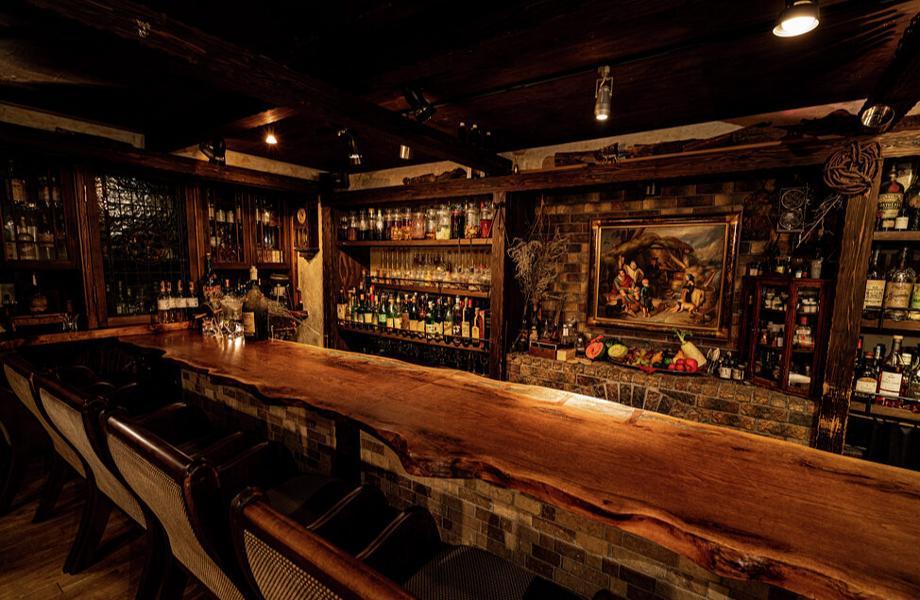
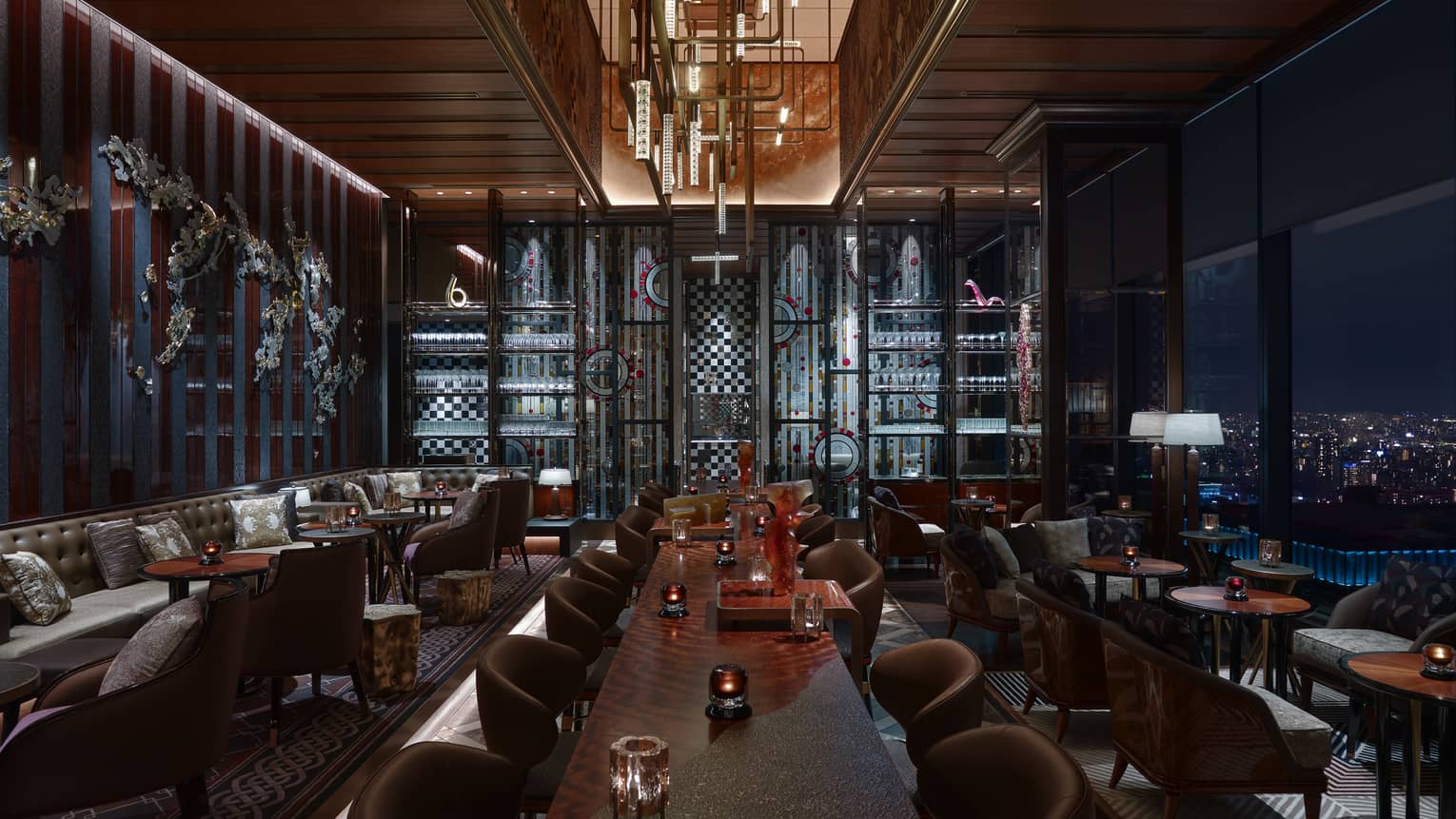
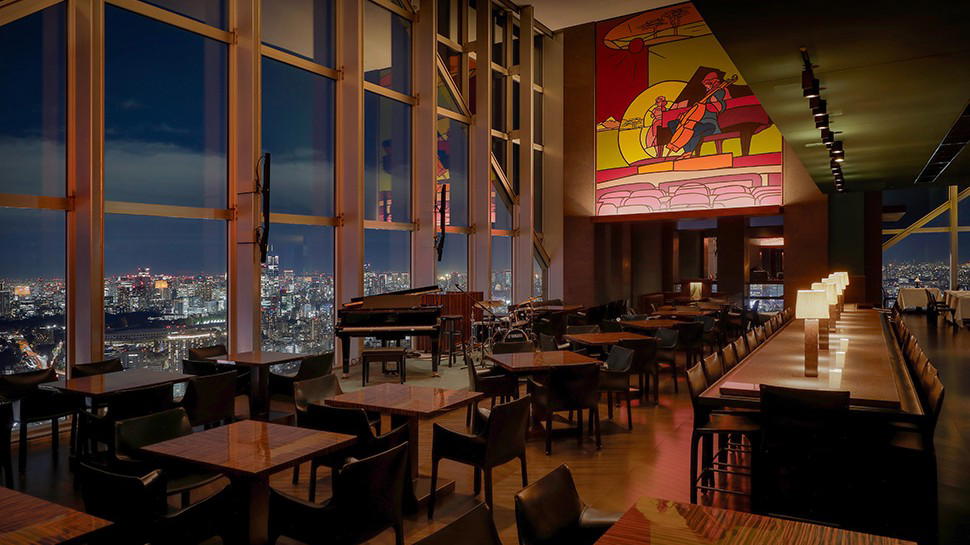
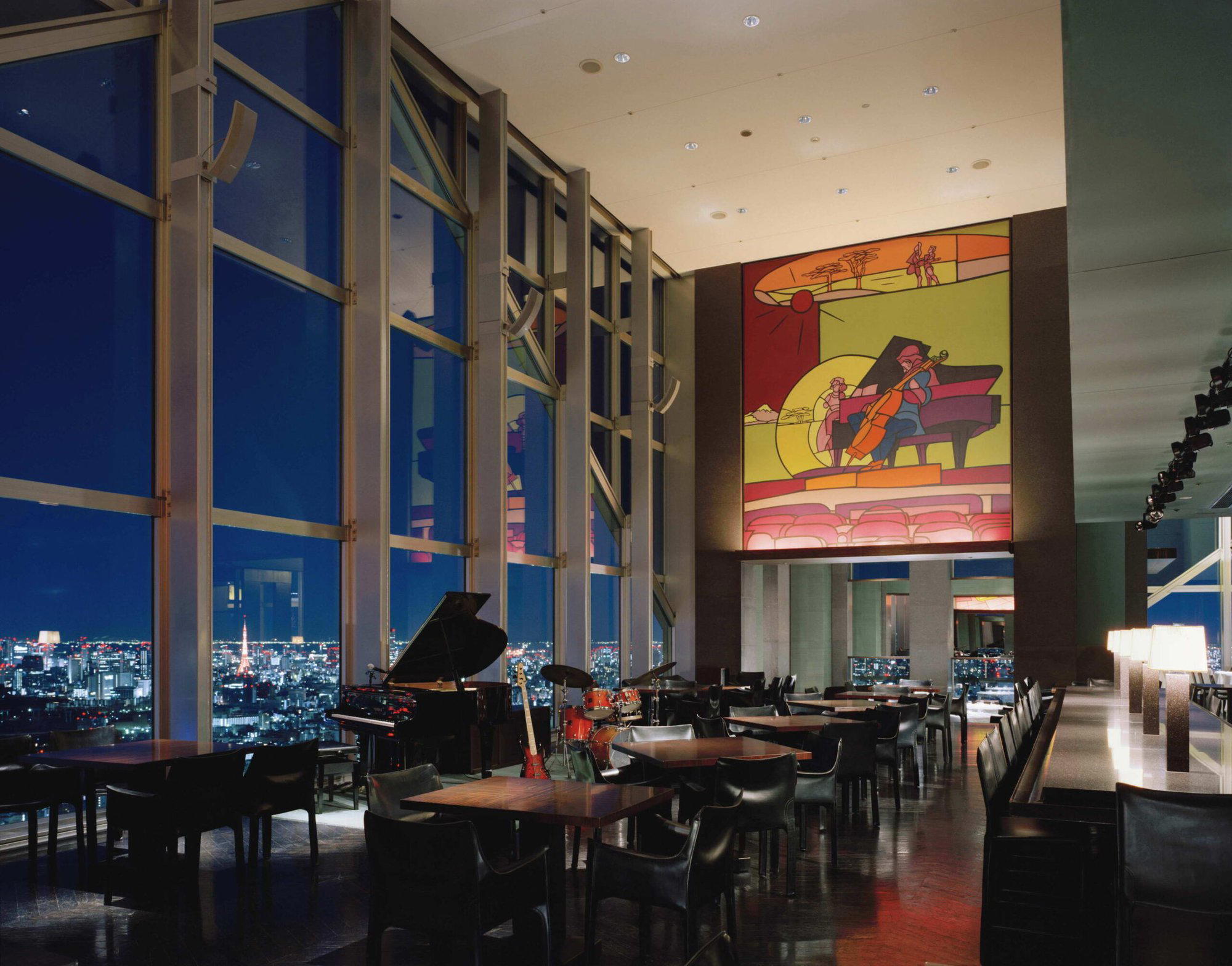 barNew York BarPerched on the 52nd floor of the Park Hyatt Tokyo in Nishishinjuku, New York Bar occupies a particular place in Tokyo's bar culture: part cinematic reference point, part serious drinks destination. Floor-to-ceiling windows frame the city grid in every direction, making the room one of the most recognisable drinking spaces in Japan. The bar has drawn an international following since the Park Hyatt opened in 1994.
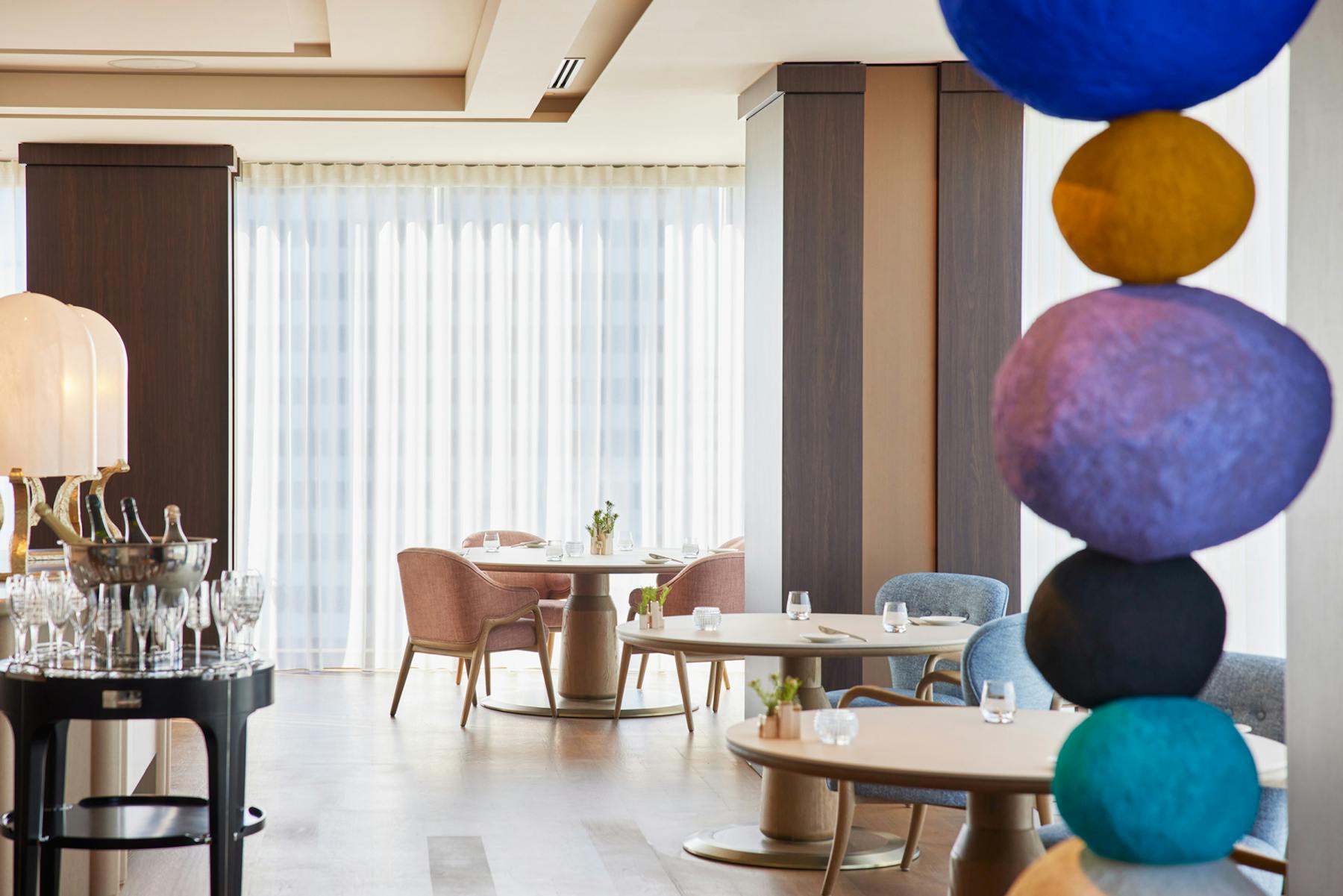
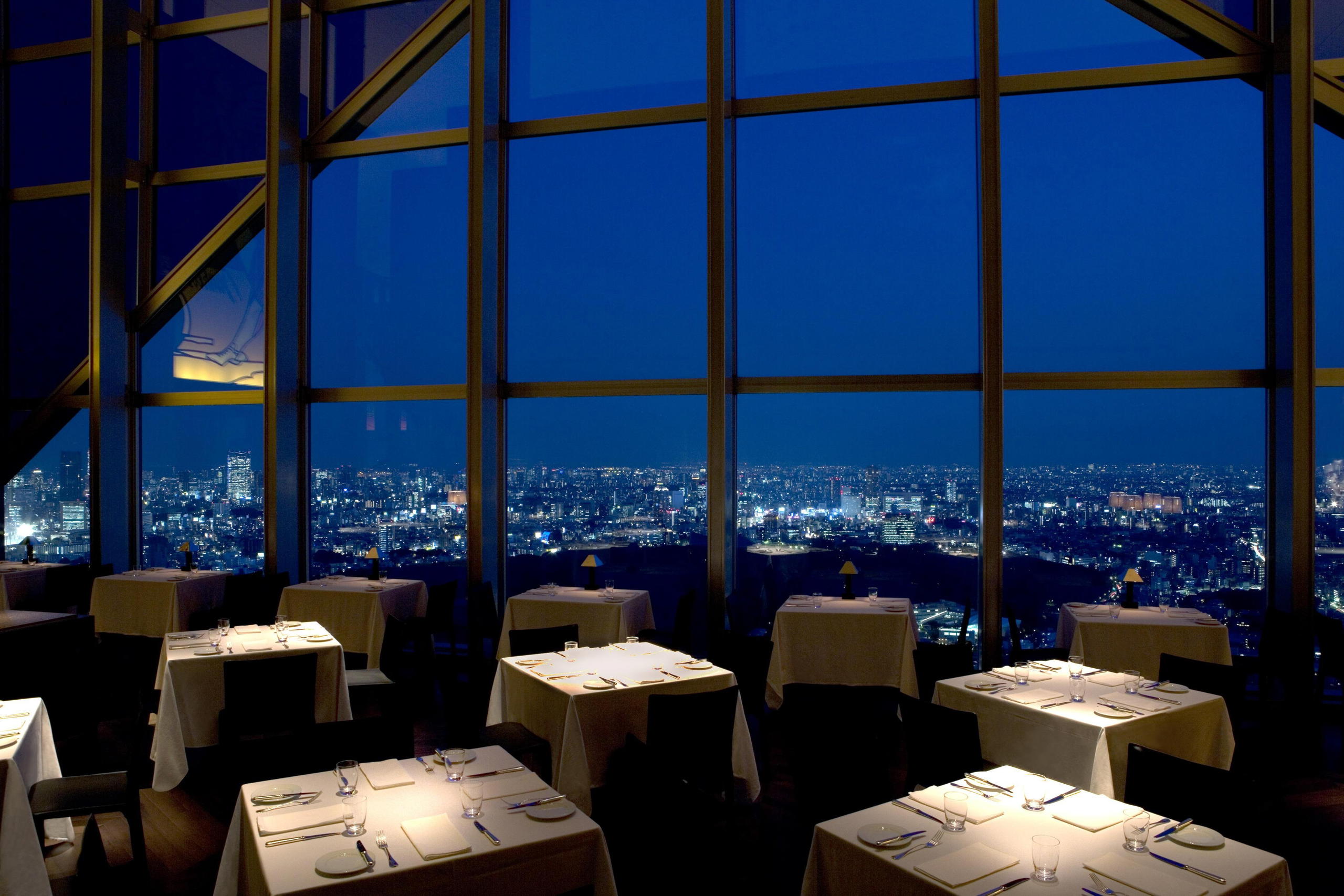 restaurantNew York GrillNew York Grill occupies the 52nd floor of the Park Hyatt Tokyo in Nishishinjuku, a Western kitchen that appeared at World's 50 Best Restaurants in 2003. Under Chef Steffan Heerdt, the restaurant has long anchored the upper tier of Tokyo's hotel dining scene, offering a multi-course format with a skyline that few rooms in the city can match. Google reviewers rate it 4.2 stars across recent submissions.
Planning details
- Location
- 2, 3-chōme-7-1 Nishishinjuku, Shinjuku City, Tokyo 163-1055
- Website
- hyatt.com/en-US/hotel/japan/park-hyatt-tokyo/tyoph?src=corp_lclb_google_seo_tyoph
- Phone
- +81 3-5322-1234
The take
The Take
The Vibe
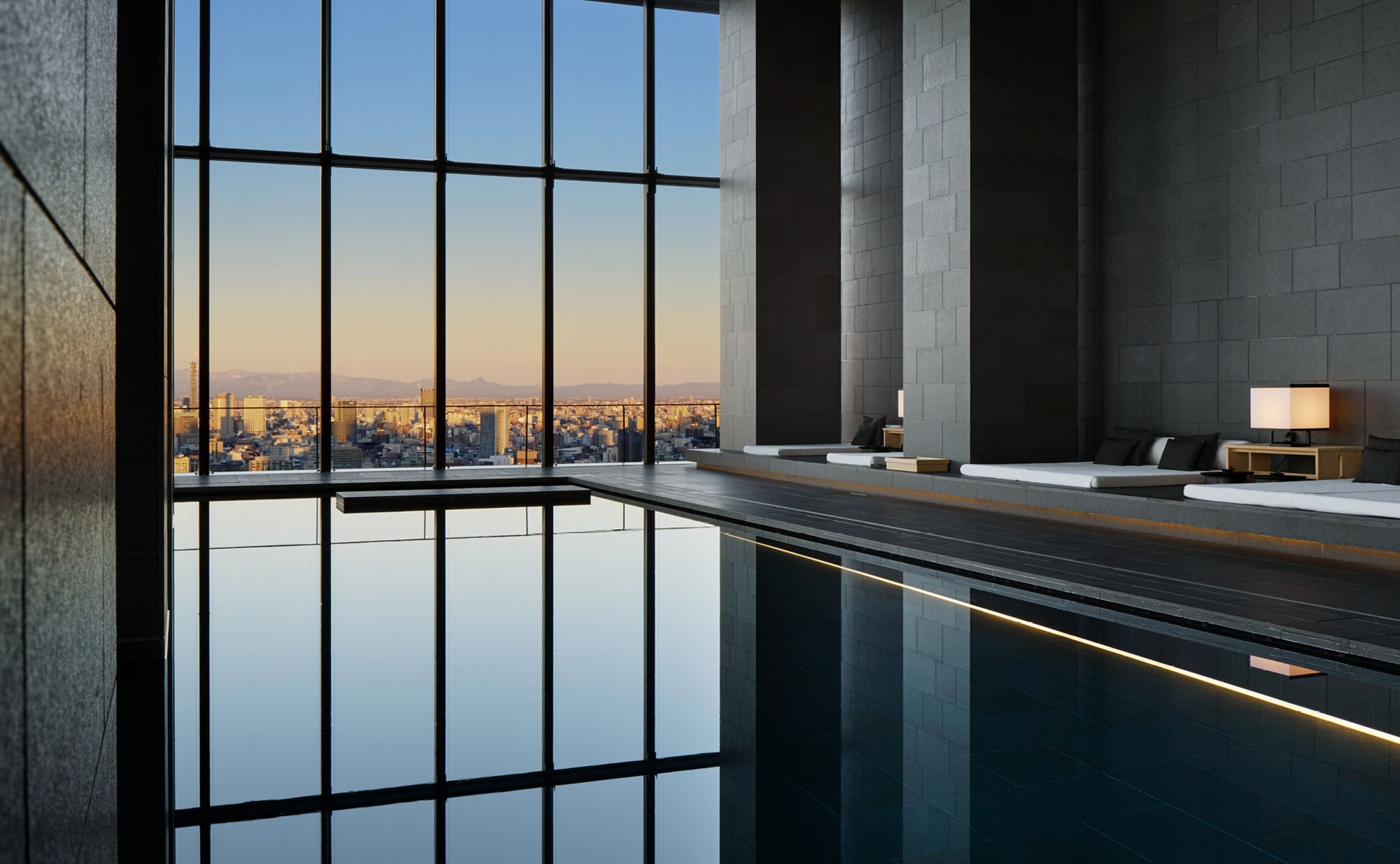
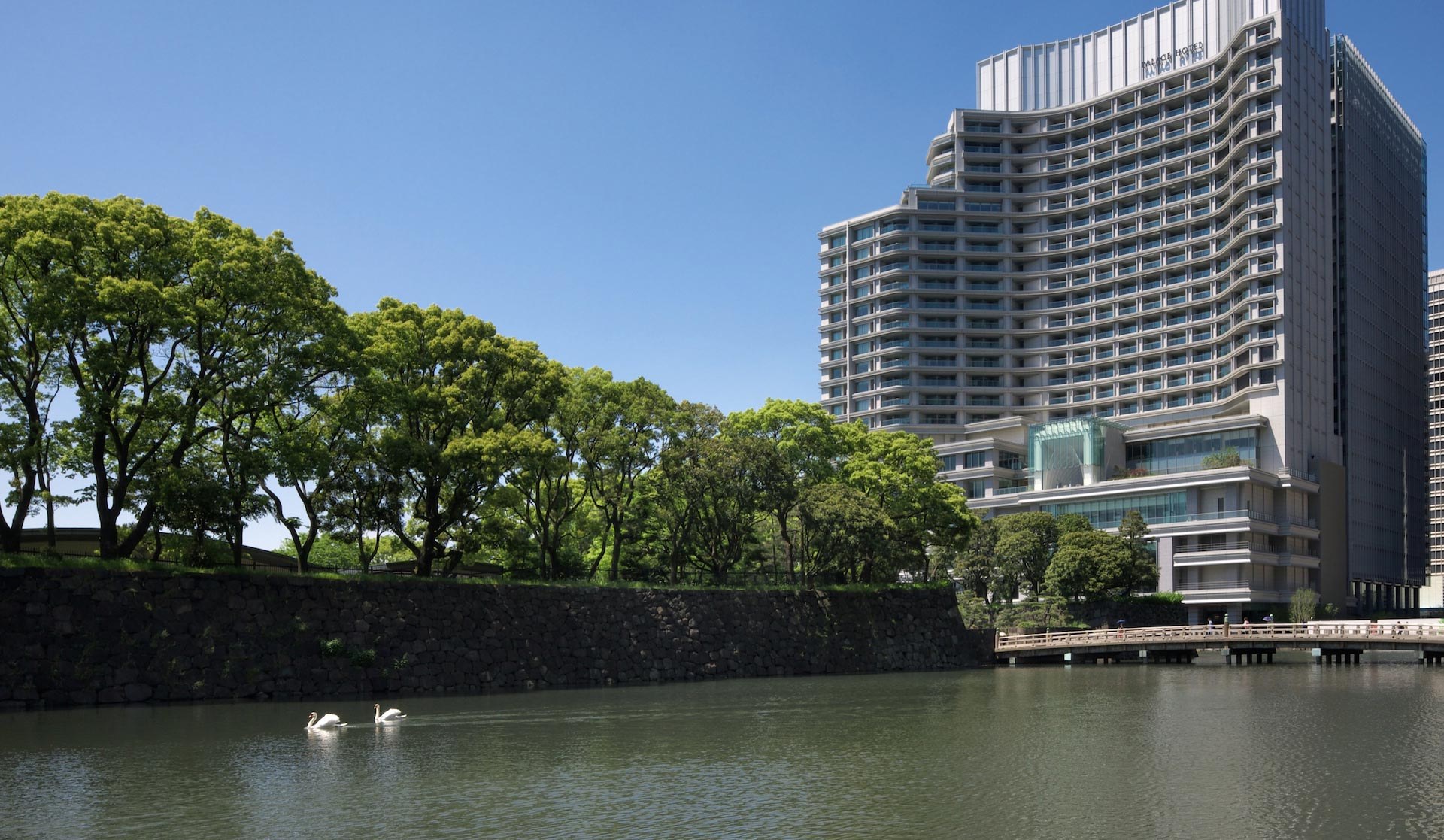
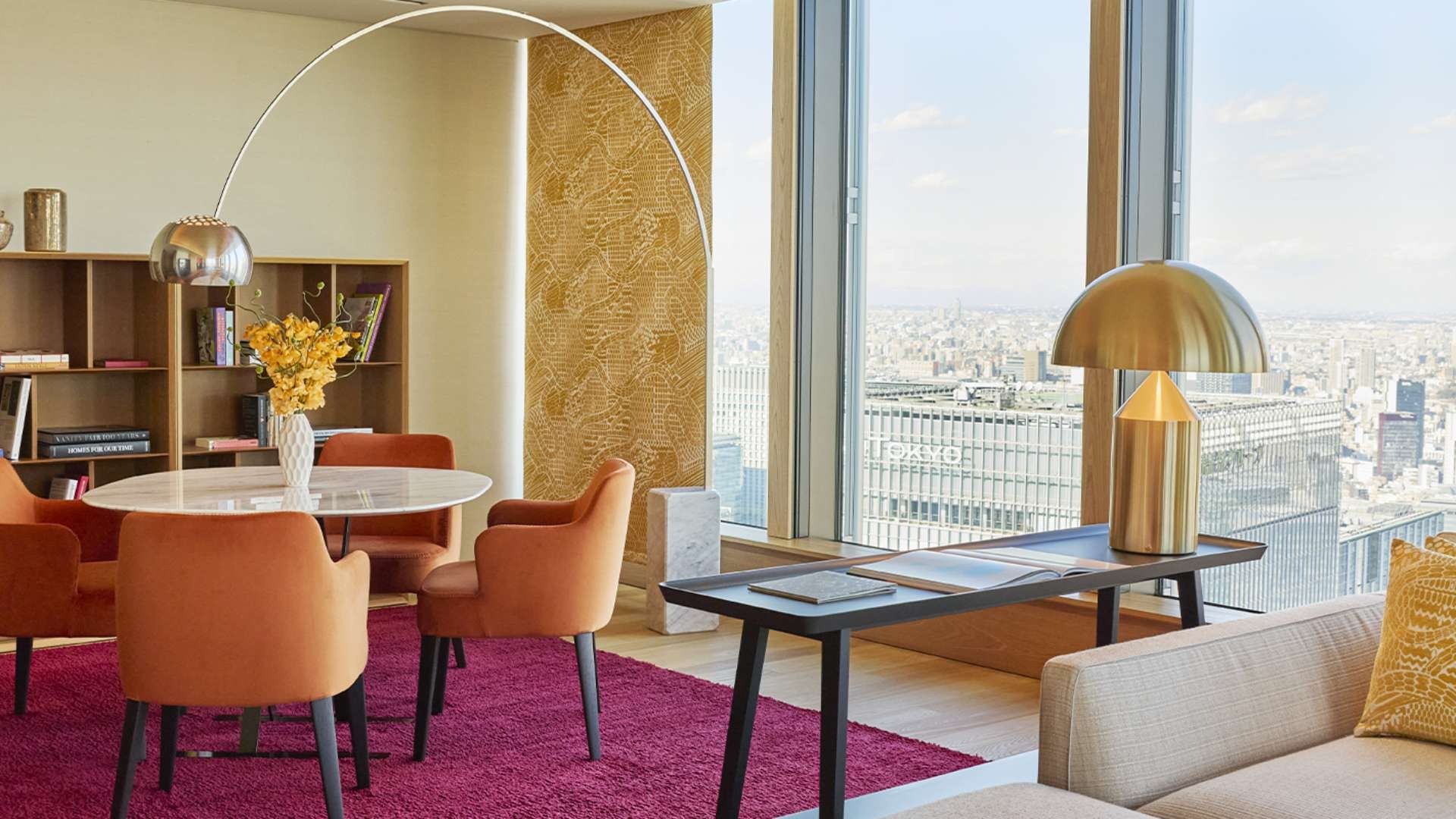
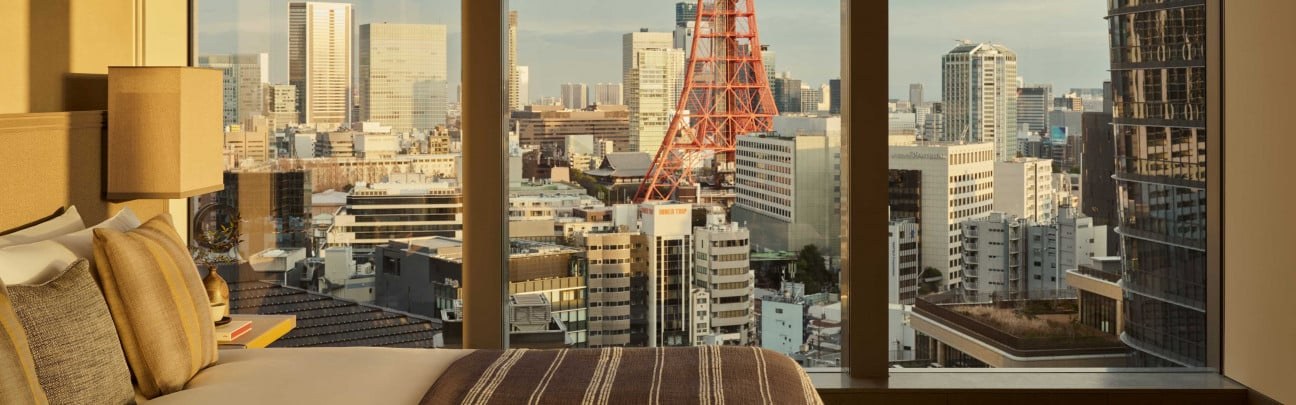
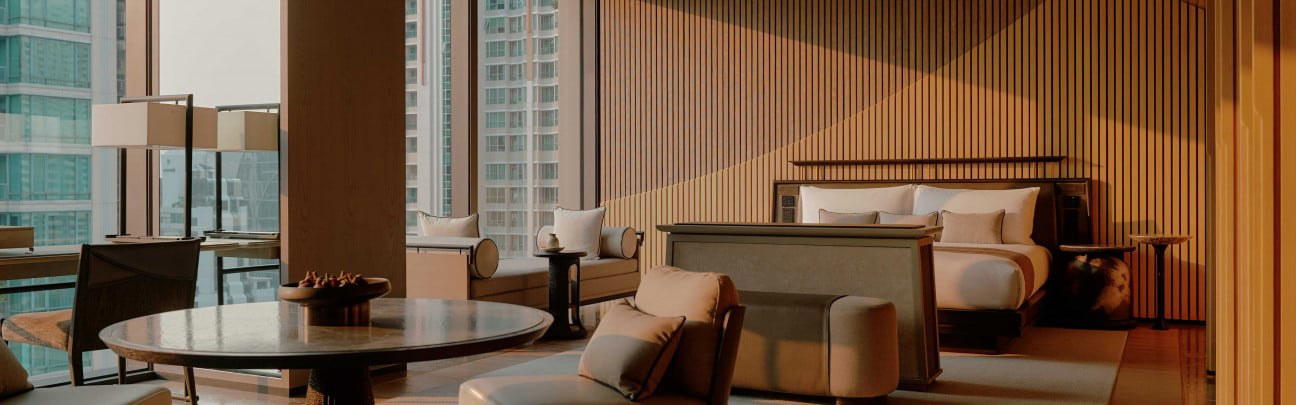
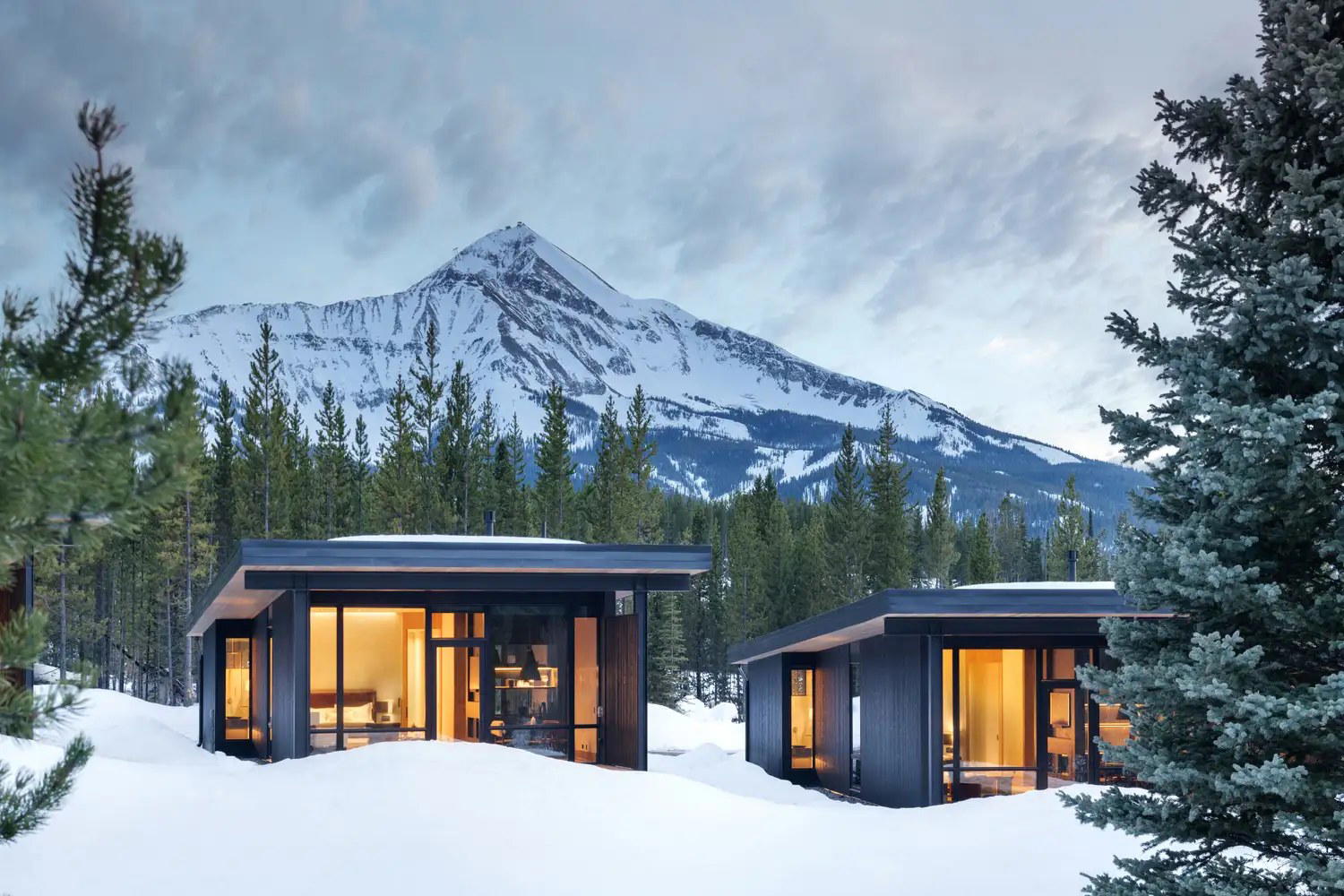
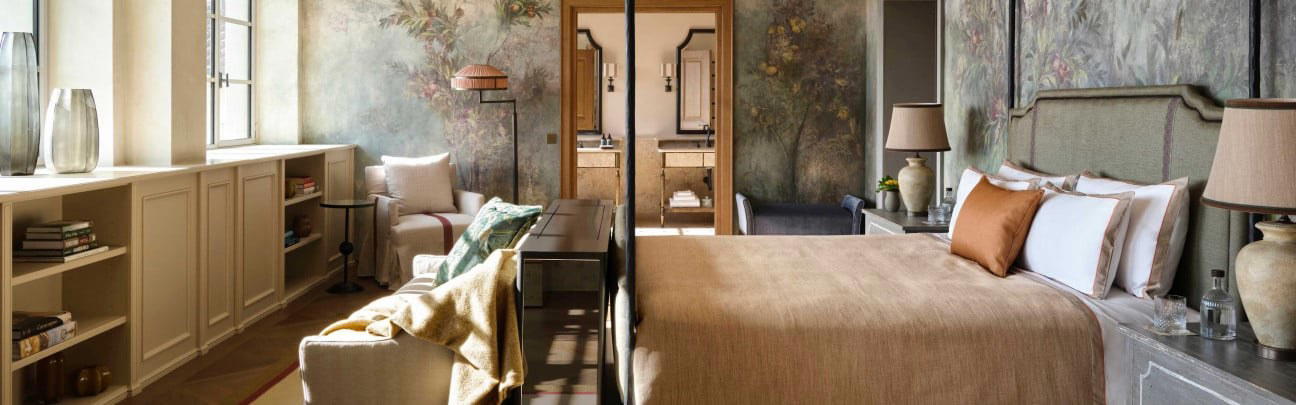
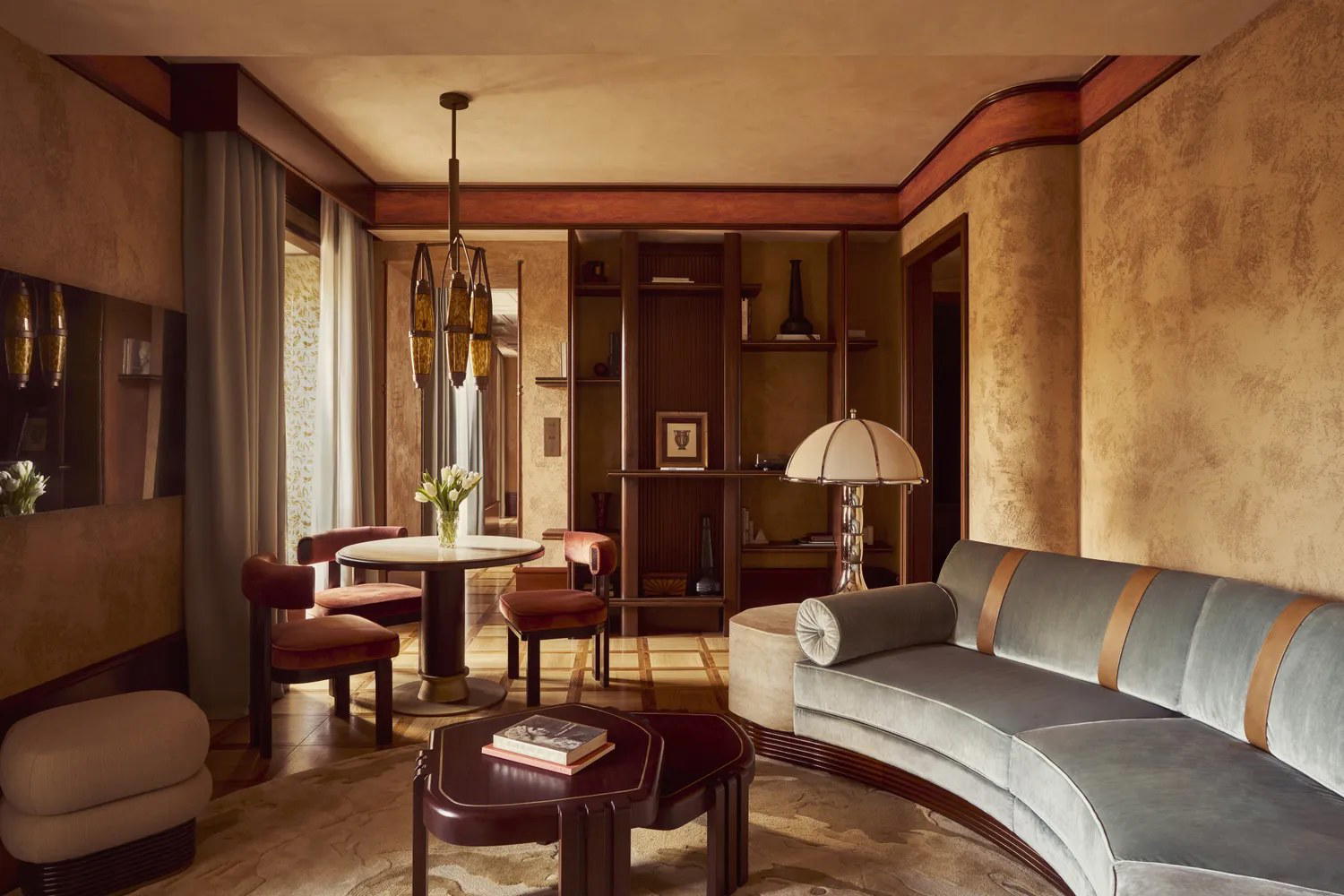
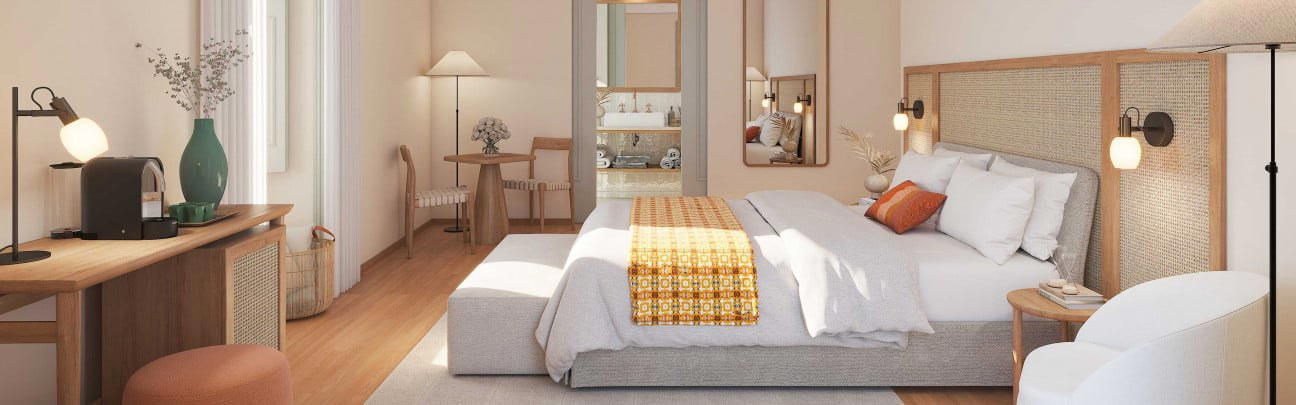
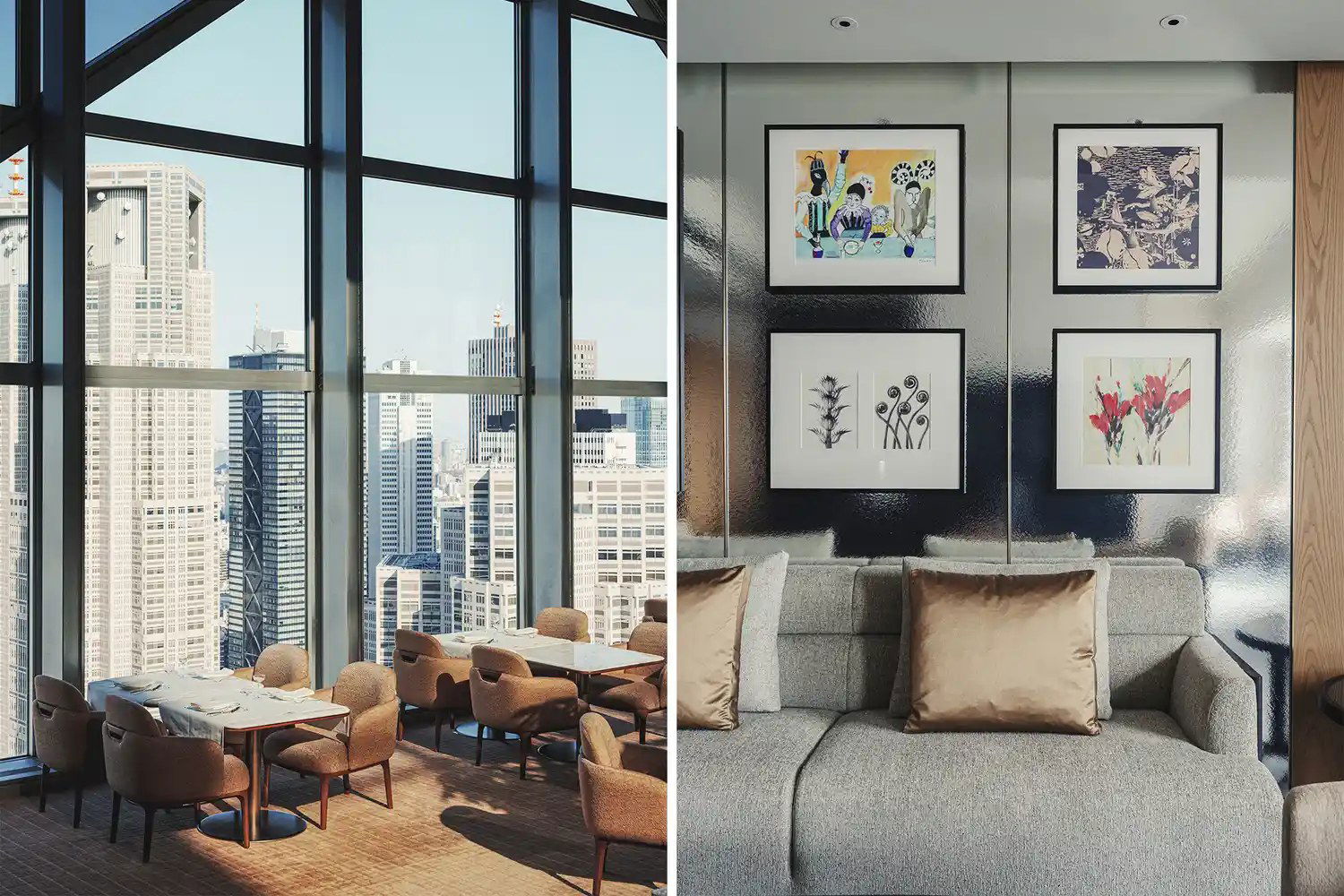
Park Hyatt Tokyo trades on altitude and restraint. Occupying floors 39 through 52 of Kenzo Tange’s Shinjuku Park Tower, the hotel deliberately mutes the city below; street-level noise "becomes irrelevant," and rooms and public spaces retain a quiet, residential calm. A 2024–25 interior refinement evolves the original John Morford palette rather than replacing it, so the property feels both cared-for and familiar. The result is a serene, design-forward hotel that emphasizes long sightlines, material restraint and the kind of composed luxury that reads as timeless rather than trendy.
Best For
This is a destination for travelers who prize composed luxury and dramatic elevation. Guests who want a calm counterpoint to Shinjuku’s energy—whether for a special celebration, a weekend escape from the city, or focused work punctuated by panoramic views—find the hotel particularly well suited. The high-floor vantage and preserved interior DNA appeal to design-minded visitors and those seeking a measured, low-key luxury experience with the occasional reward of a clear-day view of Mt. Fuji.
Venue details
Ambiance
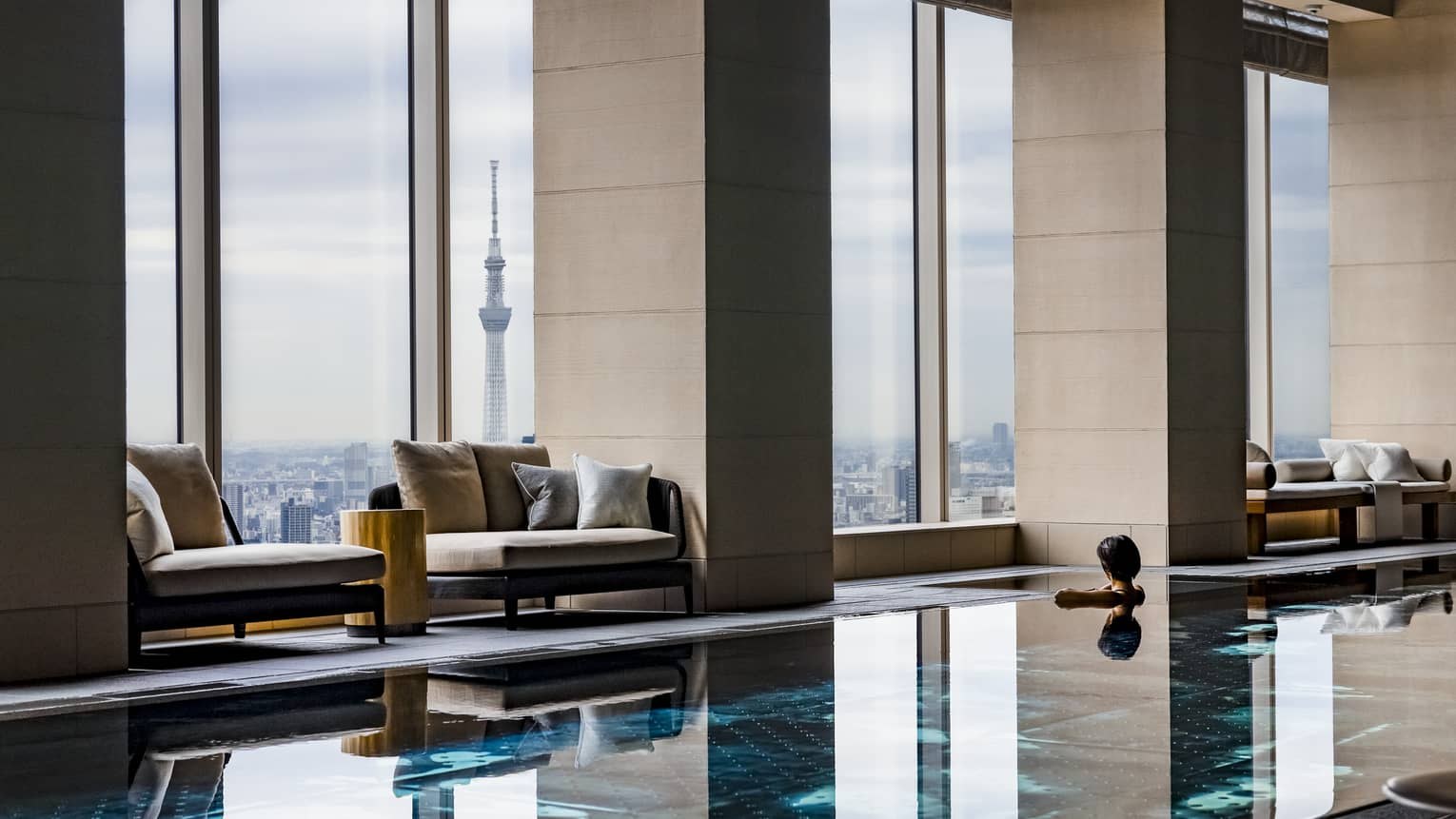
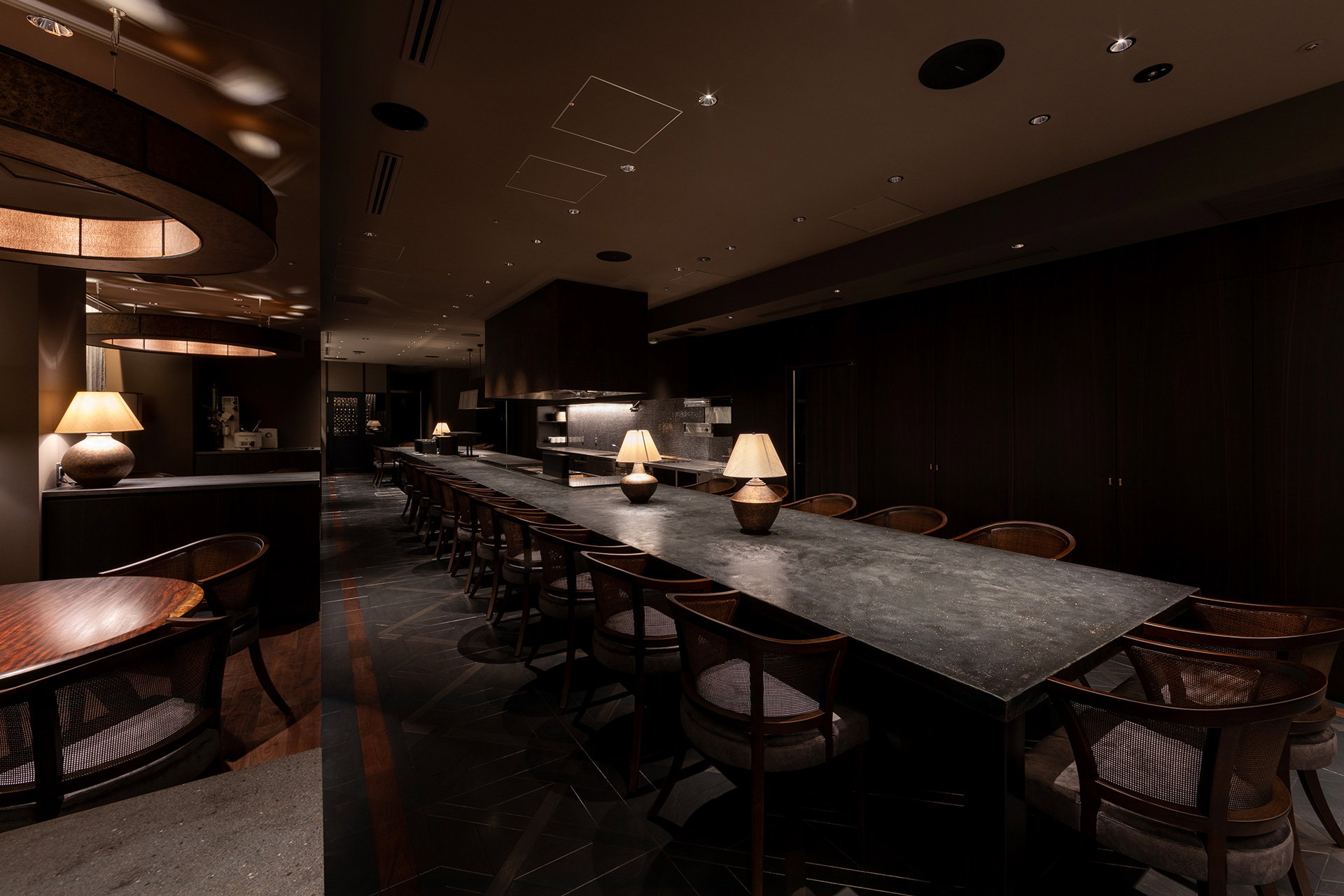
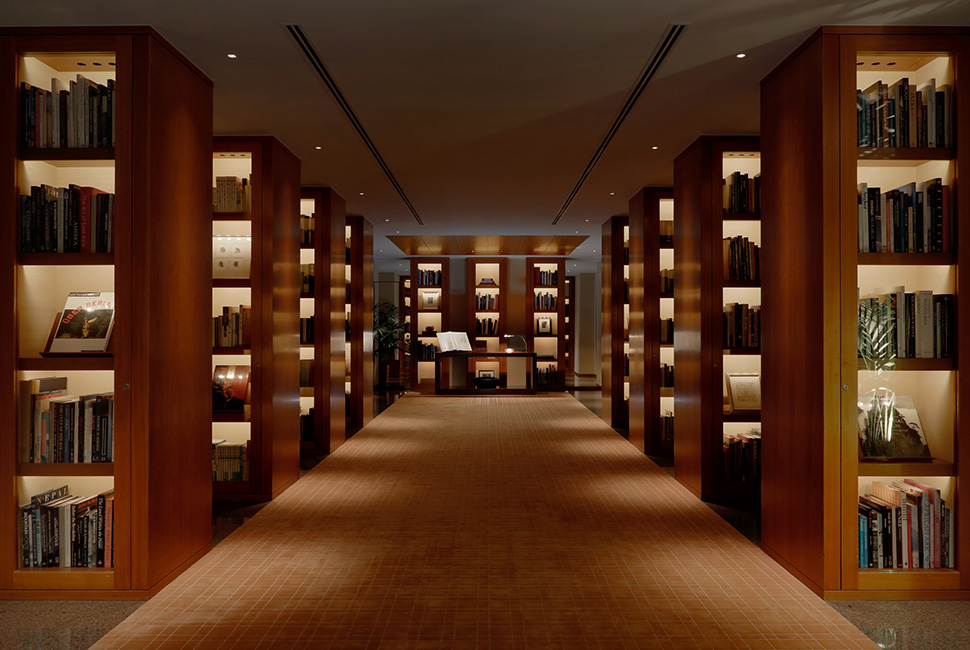
Peaceful library-like lobby with high ceilings, serene wellness areas, and elegant spaces bathed in natural light from expansive windows.
Tags
Vibe
Best For
Experience
Amenities
View
Accessibility
About the Stay
- Rooms
- 171
- Check-in
- 15:00
- Check-out
- 12:00
- Property Type
- Design hotel
- Property Style
- Timeless Luxury Residence Atop Shinjuku Skyscraper
- Design Style
- Contemporary Elegance with Bespoke Furnishings and Curated Artwork
- Pool
- Yes
- Spa
- Yes
- Families
- Welcome
Know before you go
Know Before You Go
- Getting there
- 2, 3-chōme-7-1 Nishishinjuku, Shinjuku City, Tokyo 163-1055
Planning details
Location
2, 3-chōme-7-1 Nishishinjuku, Shinjuku City, Tokyo 163-1055 · Directions
hyatt.com/en-US/hotel/japan/park-hyatt-tokyo/tyoph?src=corp_lclb_google_seo_tyoph
Recognition and awards







Also consider
Also Consider
- Kimpton Shinjuku Tokyo, Notable alternative
- Keio Plaza Hotel Tokyo, Notable alternative
- Keio Plaza Hotel Tokyo Premier Grand, Notable alternative
- Hotel Sunroute Plaza Shinjuku, Notable alternative
- Apartment Hotel Shinjuku, Notable alternative
Hotel context
How it compares in Shinjuku
Park Hyatt Tokyo is the splurge choice in this set: better suited to anniversaries, executive stays, and travelers who want the hotel to feel like part of the trip. Kimpton Shinjuku Tokyo is the better fit for a more casual, design-forward stay in the same broad area, while Keio Plaza Hotel Tokyo is easier to justify for families, groups, or travelers who want scale and convenience over occasion value.
Keio Plaza Hotel Tokyo Premier Grand is the closest cross-shop for guests who want an upgraded Shinjuku stay without choosing the more formal luxury-hotel mood. Hotel Sunroute Plaza Shinjuku is the practical value pick if transport access matters more than atmosphere. Apartment Hotel Shinjuku makes more sense for independent travelers who want space and flexibility rather than full-service hotel polish.
Booking difficulty is listed as easy, so Park Hyatt Tokyo is not the pick because it is hard to access. It is the pick when the stay needs a stronger sense of occasion and more award-backed confidence than the nearby alternatives.
Explore Tokyo
Around this place
Discover more on Pearl
Unlock the full Park Hyatt Tokyo guide in Pearl, including awards, comparisons, FAQs, planning details, and nearby places.
Compare Park Hyatt Tokyo
| Venue | Location | Awards |
|---|---|---|
| Park Hyatt Tokyo | Tokyo | 2026 Robb Report The 50 Greatest Luxury Hotels on Earth · #42026 World’s 50 Best Hotels 51-100 · #532026 Virtuoso Luxury Hotel Collection2026 Travel + Leisure It List Hotels2026 Robb Report Best Luxury Hotels in Tokyo2026 Conde Nast Traveler Hot List HotelsTown & Country Hotel Awards 2026Esquire Best New Hotels in the World 20262026 La Liste Top Hotels |
| Kimpton Shinjuku Tokyo | Tokyo | No published awards |
| Keio Plaza Hotel Tokyo | Tokyo | Preferred Hotels Member 2025 |
| Keio Plaza Hotel Tokyo Premier Grand | Tokyo | No published awards |
| Hotel Sunroute Plaza Shinjuku | Tokyo | No published awards |
| Apartment Hotel Shinjuku | Tokyo | No published awards |

How Park Hyatt Tokyo compares with similar nearby venues.
FAQ
Frequently Asked Questions
How is the pool and spa at Park Hyatt Tokyo?
Details about the pool or spa are not available. Park Hyatt Tokyo is recognized by La Liste Top Hotels 2026, MICHELIN Guide, Hotels, Virtuoso Luxury Hotel Partner 2026, Condé Nast Hot List Hotels 2026, and other 2026 hotel lists.
Which room category is best at Park Hyatt Tokyo?
Specific room categories, views, sizes, or suite details are not available. If room type matters, confirm current options directly with Park Hyatt Tokyo before booking.
Is Park Hyatt Tokyo family-friendly?
What is check-in like at Park Hyatt Tokyo?
Check-in details or a street address are not available. Park Hyatt Tokyo is in Tokyo; for a different stay style, Apartment Hotel Shinjuku is another option to compare.
When is the best time to book Park Hyatt Tokyo?
Booking difficulty, seasonal demand, or pricing information is not available. If timing is important, confirm availability directly; compared with Hotel Sunroute Plaza Shinjuku, Park Hyatt Tokyo's distinction is its hotel recognition and smart-casual dress code.