The bar where Bill Murray whispered to Scarlett Johansson is exactly where you left it. That's not an oversight, it's the most deliberate decision in the Park Hyatt Tokyo renovation, a 19-month, 30th-anniversary overhaul that reopened one of hospitality's most culturally loaded addresses with a clear brief: refine, don't reinvent. If you've been waiting to book, the answer is yes. The hotel is better than it was, and it still feels like itself.
What the Park Hyatt Tokyo Renovation Actually Changed, And What It Didn't
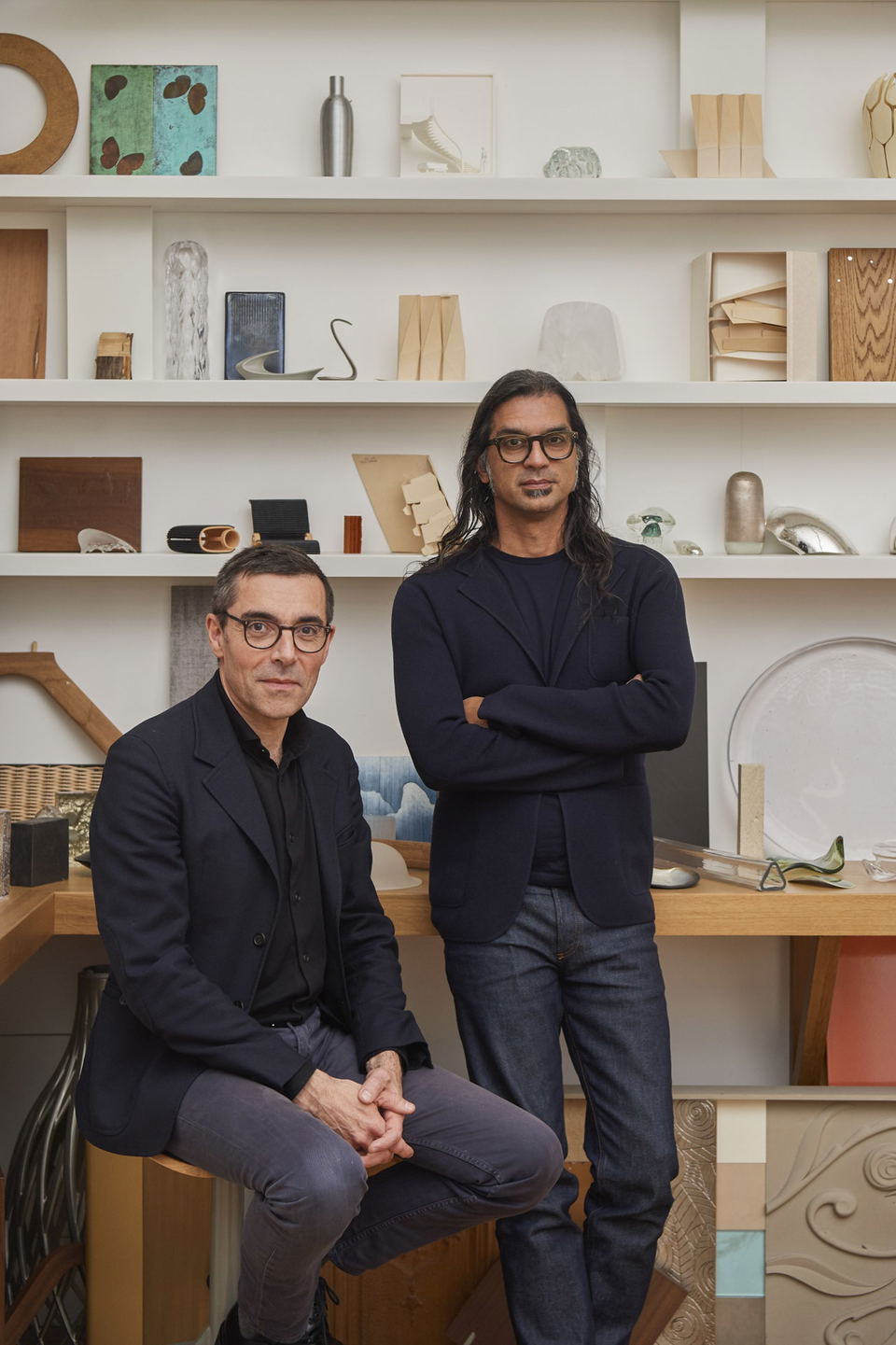
Four years of planning preceded the 19-month physical closure. Paris-based Studio Jouin Manku, co-founded by architect Sanjit Manku and designer Patrick Jouin, led the redesign. Their prior work includes the Forbes Travel Guide Four-Star La Mamounia and the Five-Star Mandarin Oriental, Paris, both landmark renovations of properties where the wrong move would have cost the hotel its identity. The same stakes applied here.
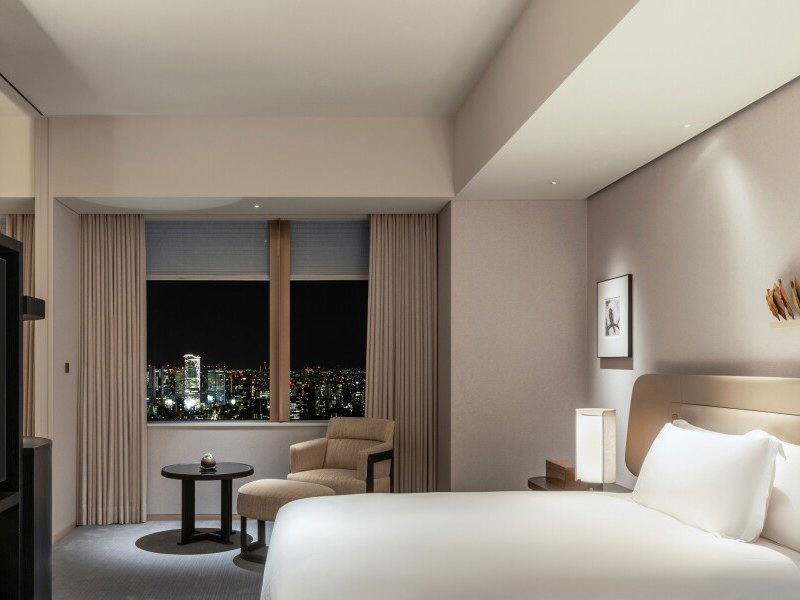
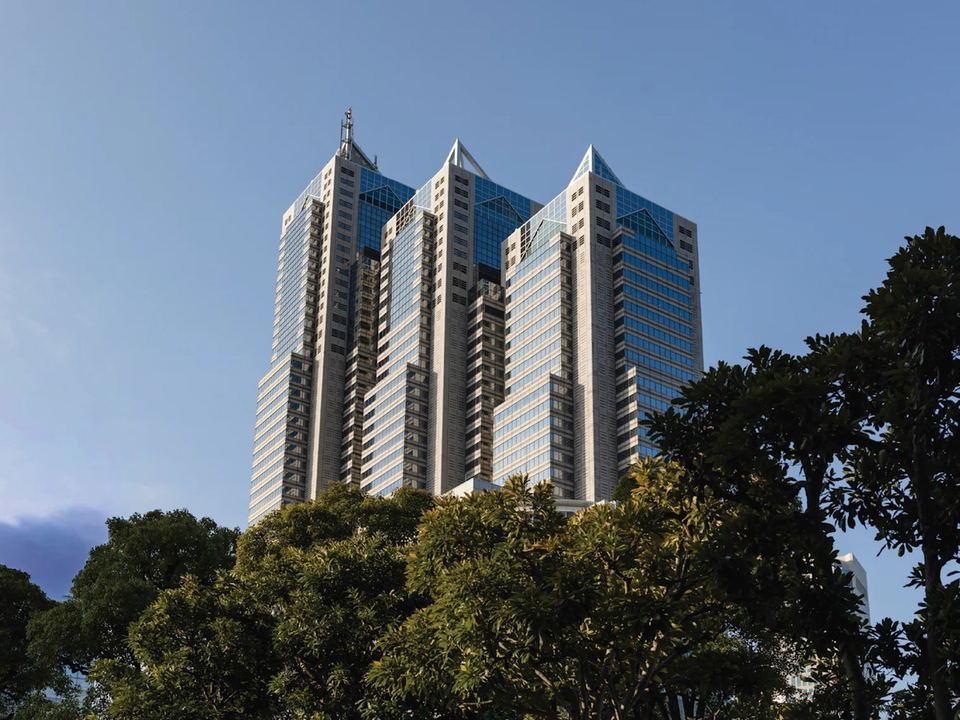
The Park Hyatt Tokyo renovation did not touch the spatial grammar of the building. The 171 rooms still occupy floors 39 to 52 of Kenzo Tange's Shinjuku Park Tower, and the wide, low-lit corridors, pyramidal atriums, and floor-to-ceiling windows remain structurally intact.
What changed is subtler: carpet tones shifted cooler, headboards and daybeds grew bigger and curvier, and custom furnishings across most rooms kept the black-anthracite palette while becoming softer and rounder in form.
The large TV armoire now doubles as a fully functional bar, glassware cabinet, and coffee station, a practical upgrade that the original John Morford design never quite resolved.
One detail captures the renovation's sensibility precisely: the original clear acrylic dimmer knobs were preserved and repurposed on bedside lamps, while the actual lighting controls moved to clearly marked panels inlaid in the wall. The past and the present occupy the same room without arguing. General manager Fredrik Harfors framed the mandate directly: "The goal was never to reinvent the hotel, but to refine it, walking a careful line between preserving what guests know and love and thoughtfully adapting the experience for a new generation of travelers."
At a Glance
| Suite | Floor | Key New Feature | Bathroom Upgrade | Notable Detail |
|---|---|---|---|---|
| Diplomat Suite | 48, 49F | Grand piano | Breccia Capraia marble | Walk-in closet added |
| Governors Suite | 44F | Grand piano | Japanese cedar, Ombra di Caravaggio marble, and hinoki soaking tub | Walk-in closet added |
| Presidential Suite | 51F | Grand piano, steam sauna | Breccia Capraia marble | Walk-in closet added |
| Tokyo Suite | 50 | Steam sauna | Restored to original design | Flagship suite, original design preserved |
The New Spaces: Warmer, More Sensuous, Built for the Next 30 Years
Jouin and Manku were explicit about what they wanted the renovation to feel like. Patrick Jouin described working on "what is almost invisible, the way materials respond to light, the way surfaces absorb or reflect it, the way textures create a more immediate relationship to the body." The result is a hotel that reads warmer than its 1990s minimalist origins without abandoning the cool precision that made it iconic.
[It's] one of the only places where you collectively celebrate being at the top…not being removed from the world but having a privileged view of it.1
Sanjit Manku, Architect, Cofounder of Studio Jouin Manku
"It is not a museum. We don't want to give the feeling that life has stopped in this place. Using nostalgia as the only guide would mean everything is frozen."
, Patrick Jouin, co-founder, Studio Jouin Manku
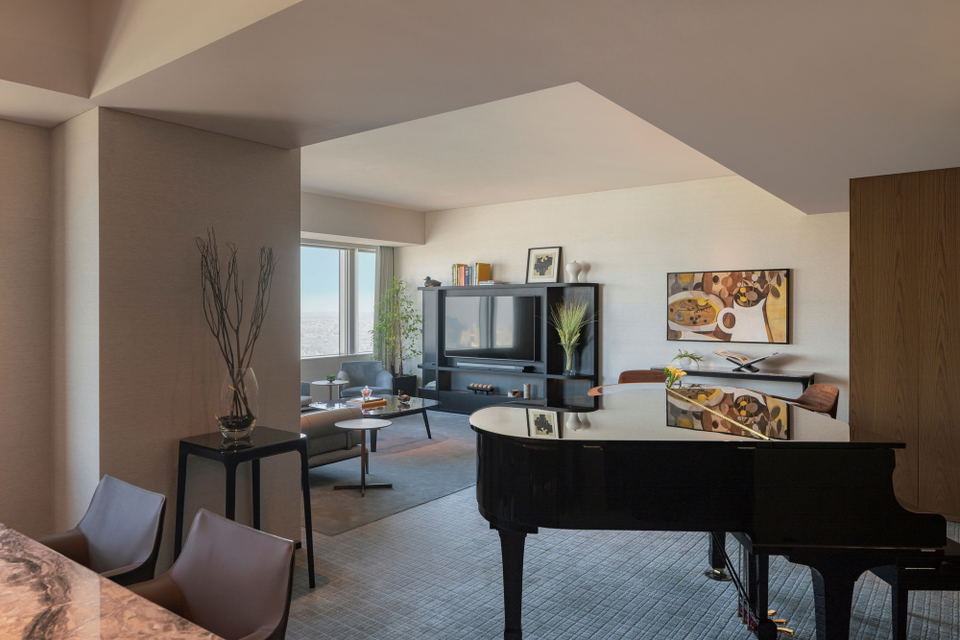
The suites received the most extensive treatment. The Diplomat Suite on floors 48 and 49 now features a grand piano, a Breccia Capraia marble bathroom, and a walk-in closet. The Governors Suite on the 44th floor has a grand piano, a bathroom in Japanese cedar and Ombra di Caravaggio marble with a hinoki soaking tub, and a walk-in closet. The Presidential Suite on the 51st floor has a grand piano, a steam sauna, a Breccia Capraia marble bathroom, and a walk-in closet. On the 50th floor, the Tokyo Suite was restored to its original design and includes a steam sauna. These are not cosmetic upgrades, they're the kind of suite-level amenities that justify a return visit even for guests who know the property well.
The Peak Lounge, which frames Mount Fuji on clear days through floor-to-ceiling panoramas, has new curvilinear furniture and freshly planted golden bamboo. High tea is still served there. A new cocktail menu, "Six Prefectures, One Skyline," highlights ingredients and stories from six distinct districts, a program that gives the lounge a reason to visit beyond the view. The pool and gym area retained its signature light-flooded atrium while gaining new Technogym Artis equipment; water aerobics remain on the schedule.
The art collection, which includes Yoshitaka Echizenya silkscreens, Valerio Adami murals, Amedeo Modigliani line drawings, and Robin Whyler sketches of Tokyo neighborhoods, has been partially rehung. Some familiar pieces appear in new positions; standard rooms now carry commissioned lithographs. The overall effect is a hotel that feels curated rather than decorated.
The New York Bar: Why Leaving It Untouched Was the Boldest Move
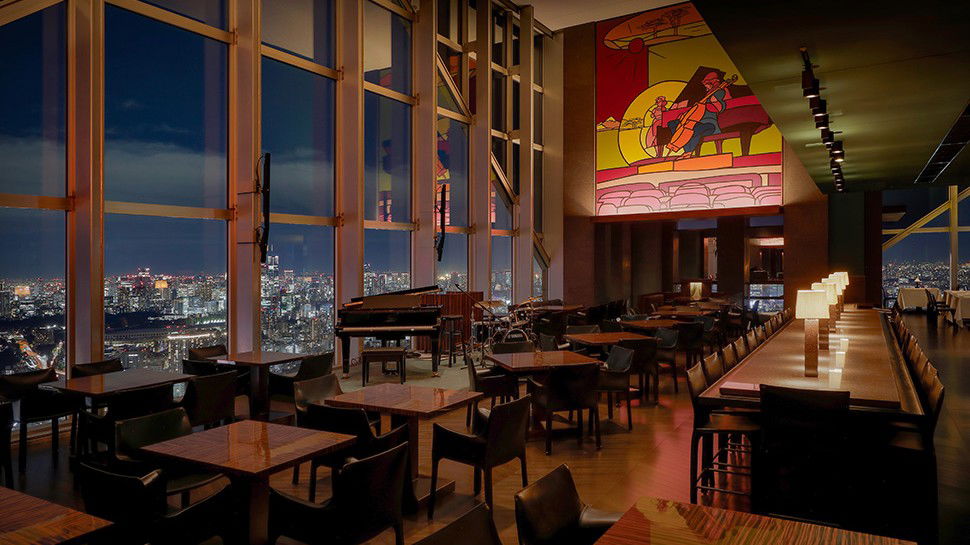
Sofia Coppola was reportedly worried she wouldn't recognize the hotel after the renovation. She needn't have been, particularly about New York Bar. The 52nd-floor bar featured in the Oscar-winning 2003 film was left entirely untouched. No new furniture, no relit ceiling, no refreshed back bar. It is, by design, the same room.
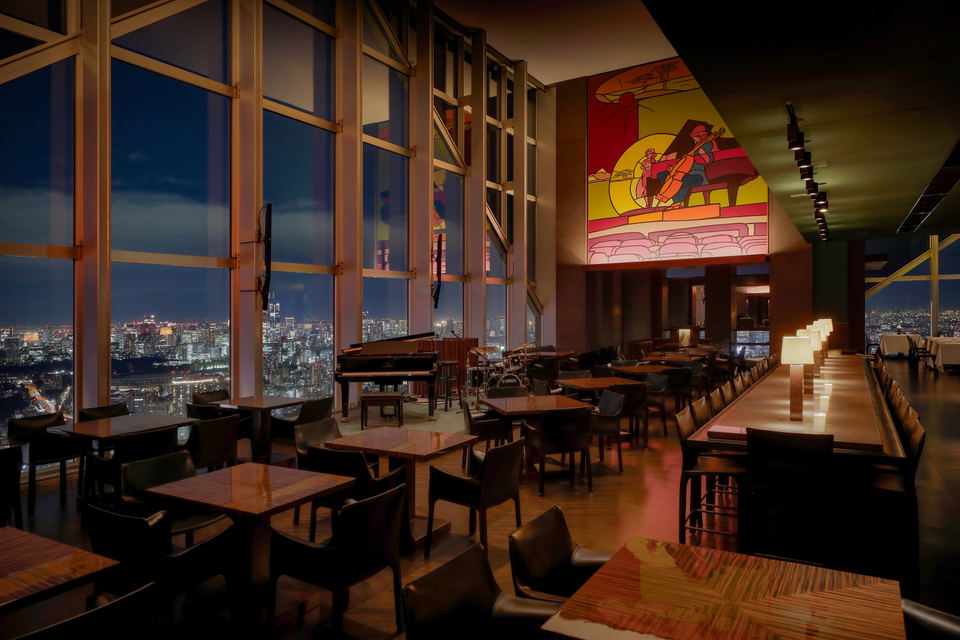
This is not inertia. In a renovation driven by the logic of moving a property forward, choosing to freeze one room requires as much conviction as changing everything else. The bar's cultural weight is specific and non-transferable: it's the room where the film's most memorable scenes were shot, where guests still ask bartenders to "make it Suntory time," and where the hotel's chief concierge reports that not a single day passes without someone trying to recreate a moment from the film. Touching it would have been a provocation with no upside.
Jouin's reading of the film as a cautionary tale shapes how he approached the rest of the hotel. He saw Lost in Translation not as a love letter to the property but as "a form of critique of modernity and solitude", and said the renovation's ambition was "almost the opposite, to transform that introspection into something more joyful and positive." The rest of the hotel moved in that direction. New York Bar stayed still. The contrast is the point.
Practical Details: Floors, Rooms, and How to Book the Renovated Park Hyatt Tokyo
The hotel occupies floors 39 to 52 of Shinjuku Park Tower in West Shinjuku, a 15-minute taxi ride from most of Tokyo's central neighborhoods and a short walk from Shinjuku Station. With 171 rooms across that footprint, it is not a large property by Tokyo standards, which means availability at peak periods is constrained. Book directly through Park Hyatt's website or via a luxury travel advisor for suite categories, which tend to move first after a high-profile reopening.
Room rates for the renovated property have not been publicly disclosed in available sources, but the pre-renovation Park Hyatt Tokyo sat in Tokyo's top pricing tier. Post-renovation suite pricing for the Diplomat, Governors, and Presidential categories will reflect the suite-level bathroom upgrades. If design and suite amenities matter more to you than concierge depth, the Park Hyatt is the stronger call. If you're primarily after the Lost in Translation experience, a standard room with a view and a night at New York Bar delivers the pilgrimage without the suite premium.
For film-focused visitors: the custom Masaru Mineo yukata is still available in rooms, and the geometric portico, window sills, and elevators that guests use for scene recreations are all intact. The hotel's illustrated skyline guides in guest rooms are a practical addition for anyone who wants to orient their window-gazing.
Why This Renovation Sets a Standard for Legacy Luxury Hotels
Tokyo's luxury hotel market has expanded significantly since Park Hyatt Tokyo opened as Asia's first Park Hyatt in the 1990s.
Aman Tokyo, which opened in Otemachi, offers a different proposition: a smaller room count, a stronger spa program, and a design language rooted in Japanese spatial traditions rather than the international modernism of Kenzo Tange's Shinjuku Park Tower. The Tokyo EDITION, in Toranomon, targets a younger, design-forward traveler with a more social atmosphere.
Neither competes directly with what Park Hyatt Tokyo offers: the specific combination of cinematic legacy, sky-high seclusion, and the kind of hushed, personalized service the Forbes Travel Guide source describes as "impeccable, immediate and customized."
What Studio Jouin Manku achieved here is a model worth watching as other legacy properties face similar decisions. The DNA of the original John Morford design was, as Sanjit Manku noted, "very, very strong", and the renovation's discipline was in recognizing that strength rather than overwriting it.
The hotel that reopened is recognizably the same building, on the same floors of the same Kenzo Tange tower, with the same art on the walls and the same bar on the 52nd floor. It is also warmer, more functional, and better equipped for the next 30 years than it was before the closure began.
That is a harder outcome to achieve than a full redesign, and it's the reason the Park Hyatt Tokyo renovation will be studied by anyone planning a similar project at a property with genuine cultural weight.
Harfors put it plainly: "Ultimately, what remains unchanged is that sense of calm, perspective and connection to Tokyo, which continues to define the experience." The hotel kept what made it worth visiting and improved what time had made tired. Book it on your next Tokyo trip.
Frequently Asked Questions
When did the Park Hyatt Tokyo renovation reopen?
The Park Hyatt Tokyo reopened after a 19-month closure that marked the hotel's 30th anniversary. Four years of planning preceded the physical closure before Studio Jouin Manku led the redesign.
What did the Park Hyatt Tokyo renovation actually change in the guest rooms?
Guest rooms received new carpet tones, larger and curvier headboards and daybeds, and custom furnishings that softened the original black-anthracite palette. The most practical upgrade was a redesigned TV armoire that now functions as a fully integrated bar, glassware cabinet, and coffee station.
Did the Park Hyatt Tokyo renovation change the New York Bar?
No, the New York Bar, made famous by the film Lost in Translation, was deliberately left in place as part of the renovation's core philosophy. The overhaul was guided by a brief to refine rather than reinvent the hotel's most iconic spaces.
Which design firm led the Park Hyatt Tokyo renovation?
Paris-based Studio Jouin Manku, co-founded by architect Sanjit Manku and designer Patrick Jouin, led the redesign. The firm previously handled landmark renovations at La Mamounia and the Mandarin Oriental Paris, both properties where preserving identity was equally critical.
What new amenities did the Park Hyatt Tokyo renovation add to the suites?
The Diplomat Suite on floors 48 and 49 now features a grand piano, a Breccia Capraia marble bathroom, and a walk-in closet. The Governors Suite on the 44th floor has a grand piano, a bathroom in Japanese cedar and Ombra di Caravaggio marble with a hinoki soaking tub, and a walk-in closet. The Presidential Suite on the 51st floor has a grand piano, a steam sauna, a Breccia Capraia marble bathroom, and a walk-in closet. The Tokyo Suite on the 50th floor was restored to its original design and gained a steam sauna.