The confirmation email from Maido arrives, and the relief is real: you've secured one of the harder restaurant reservations in South America. The Nikkei tasting counter in Lima's Miraflores district has held a place on the World's 50 Best Restaurants list for over a decade, and demand has never softened. Getting in is genuinely difficult but not impossible. The most reliable route for international visitors is booking directly through the restaurant's own reservations system as early as the platform allows.
Why Maido's 52 Seats Fill Before Most Visitors Even Start Looking
Maido runs a single tasting menu format called the Maido Experience,1 no à la carte, no walk-in gaps to fill. With just 52 seats,1 every cover is spoken for from the moment the reservation window opens. International food travelers, Lima locals, and corporate dining programs are all competing for the same fixed inventory, and reservations book out months in advance.2
Lima itself amplifies the pressure. The city has become a serious destination for food-focused travel, and Maido sits at the top of that itinerary for most visitors. Unlike Tokyo's omakase scene, where the sheer number of high-caliber options distributes demand, Lima has fewer venues operating at this tier, so Maido absorbs a disproportionate share of the city's fine-dining traffic.
The Nikkei format, Japanese technique applied to Peruvian ingredients, is also genuinely specific. There is no close substitute in Lima that replicates both the culinary approach and the level of execution, which means diners who want this particular experience have nowhere else to redirect.
When Maido's Reservation Window Opens
The restaurant's reservations open through its own booking system. Do not plan around a specific drop time you read on a forum or travel blog without confirming it directly with the restaurant. Contact Maido by email or phone to ask the current booking window before you build your Lima itinerary around a specific date.
What is consistent across traveler reports: reservations should be made around 60 days in advance, and most dates book out within a few hours of becoming available.3 Off-peak windows are more forgiving, but "more forgiving" at Maido still means days, not weeks, of availability.
Seasonal Access: When Your Odds Improve or Collapse
Lima's high season for international visitors runs roughly July through September, when dry, mild weather draws the largest volume of tourists. Maido's reservation pressure peaks during this window. If your travel dates are flexible, January through March, Lima's summer, which is warm and humid, sees meaningfully lower inbound tourism, and reservation availability at Maido tends to open up. The weeks around major international food events (the World's 50 Best ceremony, when it is held in the region) also spike demand from industry travelers specifically.
Peruvian national holidays and long weekends create local demand surges that international visitors often don't anticipate. Fiestas Patrias (late July) is the most significant: Lima fills with domestic travelers, and restaurant reservations across Miraflores tighten sharply. Avoid targeting that window unless you've booked months in advance.
The Best Channels for Booking Maido
Maido accepts reservations through its own website and by direct contact. Book via maido.pe or call +51 (01) 313-5100.1 You can also email informes@maido.pe4 for group inquiries or when the online system shows no availability. The restaurant does not appear to operate through third-party platforms like Resy or OpenTable in the way that North American and European venues do. Verify the current booking method directly with the venue, as platform arrangements can change.
Hotel concierge: If you're staying at a top Miraflores or San Isidro property, the Belmond Miraflores Park, the JW Marriott Lima, or similar, the concierge desk maintains relationships with Lima's leading restaurants. This route works better for last-minute requests than for planning months out, but it is a real channel, not a polite fiction.
Luxury travel advisors: Advisors who specialize in South American itineraries and have existing relationships with Maido's reservations team can sometimes access inventory that isn't publicly visible. You pay for the advisor's service, but you arrive in Lima with the booking confirmed.
Money vs. Time: The Two Routes to the Table
The patient route: monitor the restaurant's booking system yourself, set calendar reminders for when the window opens for your target dates, and be ready to book the moment availability appears. This costs nothing beyond time and attention, and it works, but it requires flexibility on dates and a willingness to check repeatedly.
The expensive route: engage a luxury travel advisor or a concierge-level hotel booking service. You'll pay a premium on the overall trip cost, but the reservation is handled for you. The Maido Experience tasting menu starts at S/ 1,295 per person (approximately $331 USD) without a wine pairing,1 with pairing options ranging from S/ 1,985 to S/ 2,525 per person, inclusive of tax and service charge.1 The meal itself is not the budget constraint, the access is.
What the Maido Experience Actually Looks Like at the Table
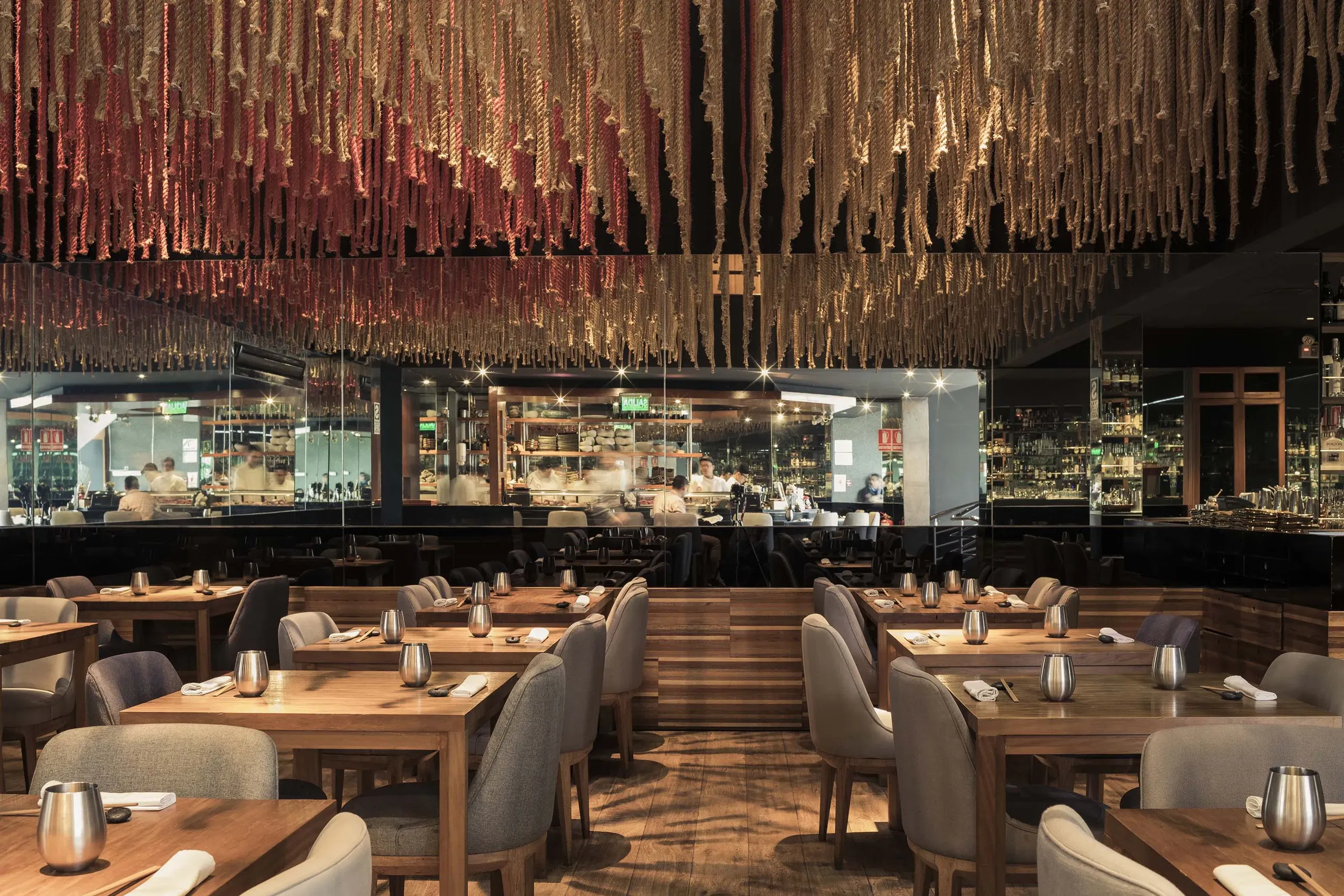
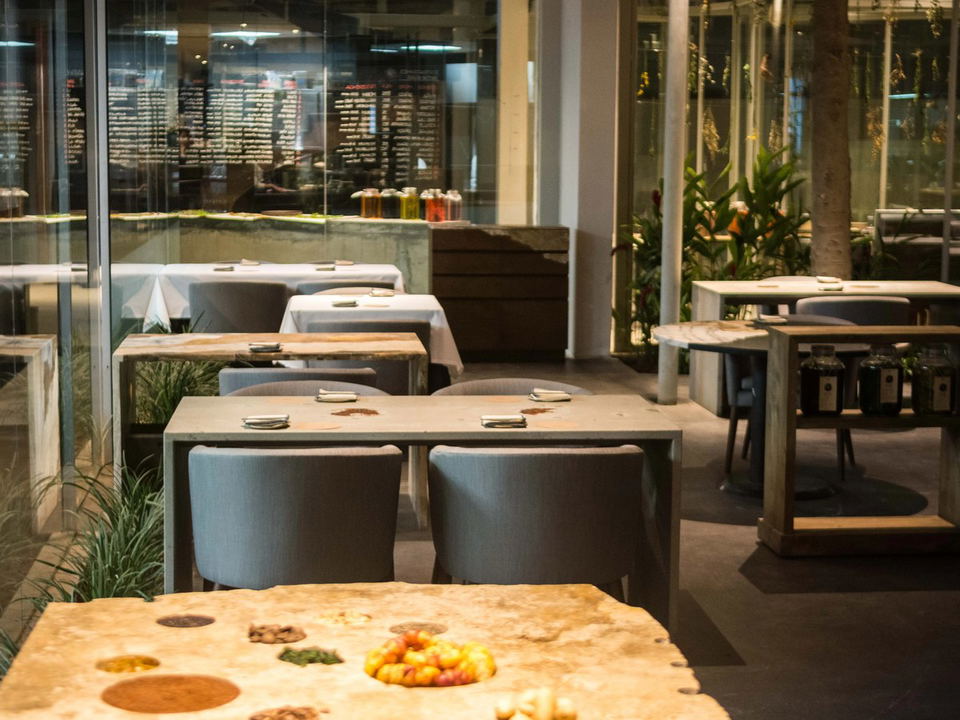
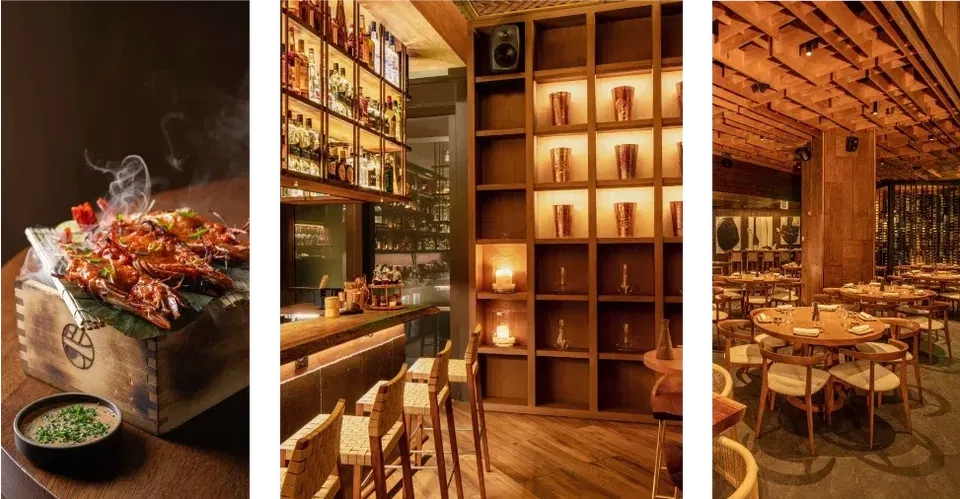
Maido's dining room in Miraflores is calm and considered, not the production some visitors expect from a top-tier global restaurant. The space is relatively modest in scale, which is part of why the reservation pressure is what it is. Service is attentive without being performative; the team is practiced at hosting international guests who may be unfamiliar with specific Peruvian ingredients or Nikkei technique, and explanations are offered without condescension.
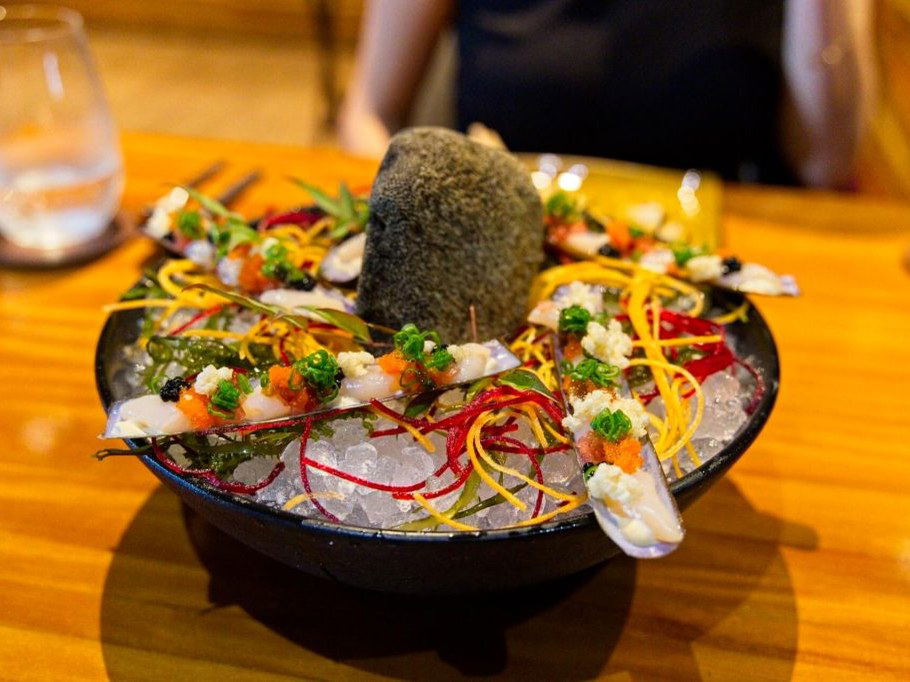
The Maido Experience runs through 10 or more courses with no à la carte alternative.1 The sequence moves between Japanese precision and Peruvian ingredient depth: seafood from Peru's Pacific coast treated with the restraint of Japanese cooking rather than the acidity-forward approach of traditional Peruvian preparation. The menu changes seasonally, so what you eat in February will differ from what's served in August, this is a feature, not a risk.
The beverage pairing is worth considering. Maido's program includes Peruvian pisco in formats that go beyond the standard sour, and the sommelier team is knowledgeable about pairing South American spirits with the menu's Japanese-inflected courses. If you're visiting Lima specifically for the food culture, the pairing adds context that a wine-only list wouldn't.
Who You'll Actually Sit Next to at Maido
The room skews international on most nights, particularly during Lima's high season. Expect a mix of food-focused travelers from North America and Europe who have built their Lima itinerary around this reservation, alongside Lima's own professional class celebrating occasions. The atmosphere is not the hushed reverence of a Tokyo omakase counter, there's conversation, some celebration, and a warmth that reflects Lima's dining culture. Solo diners and couples are common; large groups are less so, given the tasting menu format and the room's scale.
Tactics That Actually Improve Your Odds at Maido
Book for lunch if dinner is unavailable. Maido serves lunch Monday to Saturday from 12:30 p.m. to 4 p.m., and dinner from 7 p.m. to 10:45 p.m.4 The lunch service is the same kitchen and the same menu, but with meaningfully less competition for reservations. International visitors default to dinner; locals and food industry travelers are more likely to use the lunch slot. This is the single most underused tactic for getting into Maido.
Be flexible on day of week. Weekends are harder. A Tuesday or Wednesday lunch in the low season is the path of least resistance to this table.
Check for cancellations close to your travel dates. That said, arriving at 3:30 p.m. at the end of lunch service, or at the doors at 12:25 p.m., five minutes before lunch opens, has worked for some visitors without reservations.5 If you're already in Lima, checking the system daily in the week before your departure is not a long shot.
Contact the restaurant directly for groups of five or more. Large-group bookings sometimes have a separate process, and the reservations team may have options that the online system doesn't surface for standard two- or four-top requests. Note that joining the waiting list requires providing credit card information.6
Where to Eat If Maido Doesn't Come Through
Lima Fine Dining: Maido vs. Its Closest Alternatives
| Venue | Format | Booking Difficulty | Approximate Cost (per person) | How to Book | What It Substitutes |
|---|---|---|---|---|---|
| Maido | Nikkei tasting menu, 10+ courses | High, books out within hours of opening3 | From ~$331 USD without pairing1 | Direct via maido.pe or phone1 | N/A, the benchmark |
| Central | Peruvian tasting menu (altitude-based) | Very high | Comparable range (confirm with venue) | Direct via restaurant website | Top-tier tasting menu; different cuisine logic |
| Kjolle | Peruvian tasting menu | Moderate-high | Lower than Central (confirm with venue) | Direct via restaurant website | Serious cooking, more accessible booking |
| Osaka Lima | Nikkei à la carte | Low-moderate | Lower (à la carte) | Direct / walk-in possible | Nikkei format without the tasting menu commitment |
Central, led by the head chef and team behind its altitude-driven Peruvian menu, is the only Lima restaurant that competes with Maido on global profile, and it is arguably harder to book. If you're choosing between the two, Maido's Nikkei approach is more singular; Central's altitude-driven menu is more conceptually ambitious. Both are worth the effort; neither is a consolation prize for the other.
Kjolle, which operates in the same building as Central and is led by the chef who received the World's Best Female Chef award in 2021, is easier to book. The cooking is serious and the reservation is achievable with reasonable advance planning. If Maido and Central are both unavailable, Kjolle is not a fallback, it's a destination in its own right.
Osaka Lima covers the Nikkei format without the tasting menu commitment or the booking difficulty. It's a useful option if you want the Japanese-Peruvian flavor logic in a more relaxed, à la carte setting.
Who Should Chase This Reservation, and Who Shouldn't
Maido is the right call if you're traveling to Lima specifically for the food, you have flexibility on dates and meal times, and you're comfortable with a structured tasting menu for a significant meal. It's also the right call for anyone who wants to eat Nikkei cuisine at the level where it was developed into a serious culinary form, there is no equivalent outside Peru.
Skip the chase if you dislike tasting menus on principle, if your Lima trip is short and you'd rather spread across multiple restaurants than commit a full evening to one, or if the booking process stress outweighs the meal's appeal. Lima has enough serious cooking at the tier below Maido that a visitor who doesn't land this reservation is not eating badly.
Maido suits couples celebrating occasions, solo food travelers, and small groups of two to four who share a serious interest in the cuisine. It is less suited to large groups, business dinners where conversation is the priority, or diners who want a flexible, drop-in experience. Smart casual dress is recommended,1 treat it as you would any serious fine-dining occasion.
Worth the Chase?
Yes, but with clear eyes about what the chase involves. Maido is one of a small number of restaurants in South America where the cooking justifies the booking difficulty, and the Nikkei format is specific enough that no other Lima venue fully substitutes for it. The effort required is real: you need to engage the reservation system early, consider the lunch service as your primary target, and have a backup plan (Kjolle, at minimum) in case the dates don't align.
The lunch-over-dinner tactic is the single most practical piece of advice in this guide. Most visitors overlook it, which is exactly why it works. The kitchen is identical; the competition for the table is not.
If you're building a Lima food itinerary and Maido is the anchor, plan the rest of the trip around the Maido booking rather than the reverse. Secure the reservation first, then fill in the surrounding days. Trying to retrofit Maido into a fixed itinerary is where most visitors run into trouble.
For the traveler who lands the table: the meal will hold up. For the traveler who doesn't: Kjolle and Central are not consolations, they are the reason Lima rewards a food-focused trip regardless of which door opens first.
Frequently Asked Questions
How far in advance should I try to book Maido?
Contact the restaurant directly to ask the current lead time before your trip dates are fixed. Traveler reports consistently suggest booking around 60 days out, and most dates fill within hours of becoming available. For peak season (July, September), several months of lead time is not excessive. For low season (January, March), you may find availability with four to six weeks' notice, but this is not guaranteed.
Can you walk into Maido without a reservation?
In practice, no. Maido runs a tasting menu format, which means the room is effectively pre-sold for each service. Walk-in availability is not a realistic strategy. Your best near-term option if you're already in Lima is to check the reservation system daily for cancellations, try arriving just before a service opens, and ask your hotel concierge to make inquiries on your behalf.
Does Maido serve lunch, and is it the same menu as dinner?
Yes, Maido serves lunch, and the kitchen and menu are the same as dinner service. Lunch reservations are meaningfully easier to secure than dinner, because most international visitors default to the evening slot. If your goal is to eat at Maido rather than to eat there specifically at dinner, the lunch service is the smarter target.
Is there a dress code at Maido?
Maido does not enforce a formal dress code, but the room skews smart-casual to business-casual. Arriving in resort wear or very casual clothing would be out of step with the room's tone. For a tasting menu at this level, treat it as you would a serious fine-dining occasion: neat, considered, not necessarily formal.
How does Maido compare to Central for a first-time Lima visitor?
Both are serious restaurants with global profiles, and both are difficult to book. Maido's Nikkei format, Japanese technique applied to Peruvian ingredients, is more singular and harder to find elsewhere in the world. Central's altitude-driven Peruvian menu is more conceptually ambitious and arguably more representative of Peru's own culinary identity. If you can only do one, the choice comes down to whether you're more drawn to the Nikkei approach or to a purely Peruvian tasting experience. Neither is the wrong answer.