

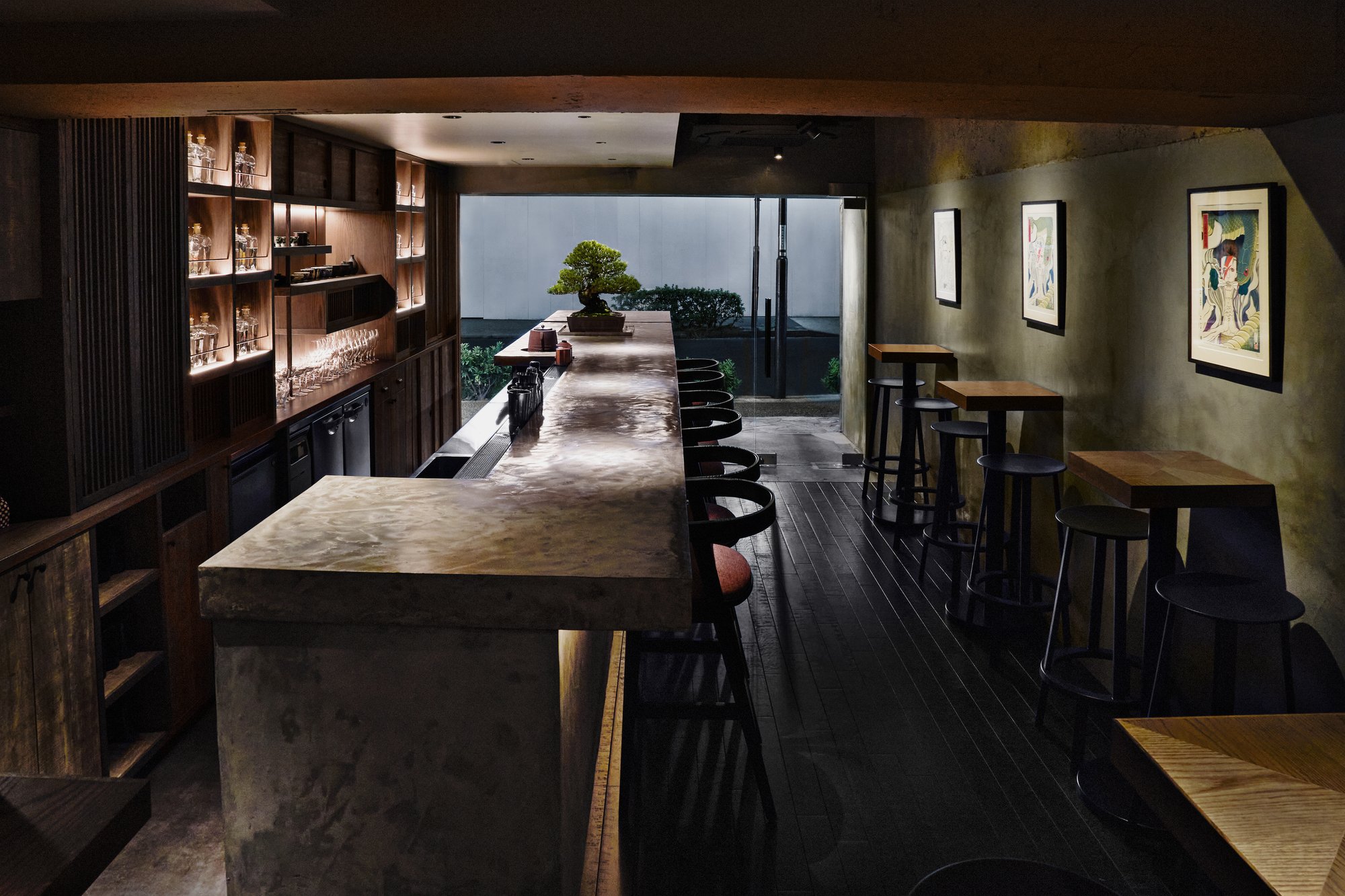
Unknown
Shibuya, Tokyo
Bar in Tokyo, Japan
 Book with Pearl
The Read
Residential-Quarter Bar Culture
Why go
Unknown is a cautious Ebisu pick for readers who need a convenient Tokyo bar stop rather than a proven destination. With no verified drinks specialty, pricing, hours, or booking details, it works better as a flexible add-on to dinner than as the anchor for a date, celebration, or group plan.
About Unknown
Unknown is a Tokyo venue with limited public detail. The clearest confirmed planning note is the dress code: smart casual. Beyond that, there is not enough information on food, drinks, pricing, hours, room style, or service format to treat it as a destination booking on specifics alone.
The decision is simple: consider it only if Unknown already fits your Tokyo plans and confirm the practical details directly before going. If the night needs a clearly defined bar style, menu, or booking format, compare other Tokyo options before committing.
Use it as a Tokyo option, not the whole plan
This is better suited to flexible planning than to a night where everyone needs a known format in advance. For broader planning, scan our full Tokyo bars guide, then widen the night with our full Tokyo restaurants guide, our full Tokyo hotels guide, our full Tokyo wineries guide, or our full Tokyo experiences guide.
If the brief is a more clearly defined bar identity, compare known Tokyo options such as A10, Bar Martha, Bar TRAM, Bar Trench, or Winestand Waltz. Unknown may still fit a smart-casual Tokyo night, but the available detail is too limited to describe a specific food, drink, or service experience.
Planning details
- Location
- Lions Plaza Ebisu, 3-chōme-25-3 Higashi, Shibuya, Tokyo 150-0011
- Website
- instagram.com/unknown_ebisu_tokyo
- Phone
- +81 3-6427-2239
The take
The Take
The Vibe
This is a small, considered neighbourhood bar that favours restraint over spectacle. The room reads intimate: low ceilings, warm directional lighting and a bar counter that acts as the focal point. Rather than theatrical hotel-bar ritual, the address signals close attention to the sensory details that matter for serious drinking — glassware, temperature and acoustics — so the overall feeling is cozy, quietly sophisticated and deliberately pared back. You get the sense the space is designed for conversation and craft rather than for showing off, a distinctly local Tokyo approach to late-evening drinking.
Best For
This address suits quiet date nights and casual hangouts with friends who appreciate craft-focused drinking. It attracts neighbourhood regulars and drinkers who’ve moved beyond Ginza’s grand ritual and prefer smaller formats with tighter menus. The conversational noise level and compact layout make it a good pick for pairs or small groups who want to focus on the drink and the interaction at the bar. It is less about spectacle and more about a refined, product-led experience in an understated Shibuya-side setting.
Ordering Tips
Lean on the bar counter and the bartender: the venue’s emphasis on a tighter, product-focused menu means the staff are likely the best guide to what’s worth ordering. Expect a concise selection rather than an extensive list; ask about the house focus and let the bartender recommend based on provenance and technique. Because the room is small and acoustically considered, approach conversation and ordering with that intimacy in mind — quick clarifications at the bar seat work better than loud group exchanges.
Venue details
Tags
Best For
Experience
Format
At the Bar
- Bar Category
- Cocktail Bar
- Late Night
- Open Until 2am
Signature Pours
- umami old fashioned
- green tea old fashioned
Know before you go
Know Before You Go
- Getting there
- Lions Plaza Ebisu, 3-chōme-25-3 Higashi, Shibuya, Tokyo 150-0011
Planning details
Location
Lions Plaza Ebisu, 3-chōme-25-3 Higashi, Shibuya, Tokyo 150-0011 · Directions
Also consider
Also Consider
- Bar TRAM, Notable alternative
- Bar Trench, Notable alternative
- A10, Notable alternative
- Bar Martha, Notable alternative
- Winestand Waltz, Notable alternative
Bar context
How it compares with Tokyo bar peers
Against Bar TRAM and Bar Trench, Unknown is the less certain choice because its drinks identity is not defined. Pick TRAM or Trench when the night needs a clearer cocktail-bar brief; keep Unknown for Ebisu convenience when flexibility matters more than a known program.
A10 and Bar Martha are safer for readers choosing based on atmosphere and experience quality. Unknown may be easier to treat as a casual fallback, but it is harder to recommend for a celebration or date where the room itself needs to carry the night.
If value for money is the main filter, Winestand Waltz is the cleaner cross-shop because the name signals a wine-led format. Unknown should be booked only if the location is the deciding factor or the group wants to stay close to Higashi-Ebisu without locking into a specialist bar.
Explore Tokyo
Around this place
Discover more on Pearl
Unlock the full Unknown guide in Pearl, including awards, comparisons, FAQs, planning details, and nearby places.
Compare Unknown
| Venue | Location | Awards |
|---|---|---|
| Unknown | Tokyo | No published awards |
| Bar TRAM | Tokyo | Tabelog 100 - Cafe - EAST - 2025 · #22 |
| Bar Trench | Tokyo | 2026 Asia's 50 Best Bars 51-100 · #532025 World's 50 Best Bars · #93Top 500 Bars 2025 · #1852022 Asia's Best Bars · #252021 World's 50 Asia's Best Bars · #432020 World's 50 Asia's Best Bars · #392019 World's 50 Asia's Best Bars · #232018 World's 50 Asia's Best Bars · #162017 World's 50 Asia's Best Bars · #28 |
| A10 | Tokyo | No published awards |
| Bar Martha | Tokyo | No published awards |
| Winestand Waltz | Tokyo | No published awards |



How Unknown Tokyo compares with similar nearby venues.
FAQ
Frequently Asked Questions
Is the food good at Unknown?
Do I need a reservation at Unknown?
Does Unknown have outdoor seating?
Is Unknown good for a date?
It could suit a smart-casual Tokyo plan, but there is not enough detail to describe the atmosphere, room style, or service format. Confirm the basics before making it the focus of the night.














