Socialista New York
SoHo-Little Italy-Hudson Square, New York City
Bar in New York City, United States
 Book with Pearl
The Read
Price
$30–50per person
Why go
Socialista New York is a late-night Soho pick for groups who care more about room, address, and after-dinner energy than published pricing or a clearly defined spirits program. It is worth considering for Thursday-to-Saturday plans, but value-focused guests should compare it with nearby peers before committing.
About Socialista New York
Socialista New York is a late-night New York City venue with a narrow schedule: Thursday, Friday, and Saturday from 9 PM to 2 AM, and closed Monday, Tuesday, Wednesday, and Sunday. The practical read is simple: consider it for a smart-casual late-night plan, not for lunch, early-evening service, or a daytime stop.
Because public details are limited, plan around what is known rather than assuming a specific menu, drink program, price point, service style, or room setup. The dress code is smart casual, and the operating window makes it best treated as a late-start option. If pricing, food, seating, or any specific offering matters to the group, confirm current details directly before committing.
Late-night New York City planning, with limited hard detail to price-check
This is a content-thin call, so the safest recommendation is schedule-based. Socialista New York works if the priority is a late start and a smart-casual night out in New York City. It is weaker if the priority is transparent pricing, a clearly defined specialty, lunch, or a venue that can be fully evaluated before arrival. If a particular menu item, beverage category, or service detail is the reason for the night, choose only after confirming the current details directly through the venue's own channels.
For planning around the wider city, use Our full New York City bars guide first, then cross-check dinner options in Our full New York City restaurants guide. If the evening needs a hotel or a broader weekend plan, Our full New York City hotels guide, Our full New York City experiences guide, and Our full New York City wineries guide can help with the rest of the itinerary.
Who should choose it
Choose Socialista New York for a Thursday-to-Saturday late-night plan where the hours and smart-casual dress code match the occasion. Skip it for plans that need lunch, early-evening availability, published pricing before committing, or detailed menu and beverage information in advance. The smart move is to treat it as a possible late-night stop, then keep a fallback in New York City if the group's priorities change.
Part of
Cipriani17 locations on PearlPlanning details
- Location
- 376 W Broadway 2nd Floor, New York, NY 10012
- Website
- socialistalounge.com/location-new-york
- Phone
- +1 646 723 0816
The take
The Take
The Vibe
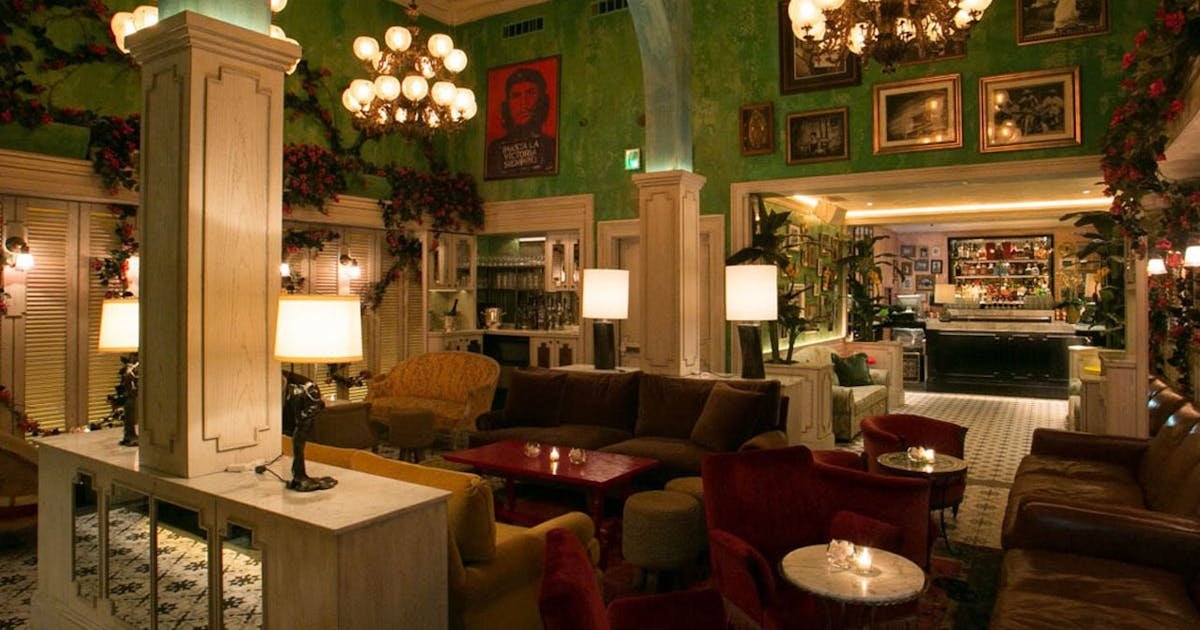
Socialista is a deliberately curated late-night room that leans into social selectivity as a defining element of its character. The Cuban‑inflected interior sits above street level on West Broadway and operates as a controlled, smaller-scale venue rather than a high-volume nightclub. Rather than loud throughput, the bar cultivates an atmosphere where the composition of the crowd matters as much as the drinks. Guests find a polished, discreet energy—the kind of place that rewards local knowledge and a certain presentation at the door, making the room feel both exclusive and intentionally edited.
Best For
This is a venue built for late-night moments when the door policy and crowd composition are part of the experience. It suits visitors seeking a curated, after‑hours outing rather than a conventional bar crawl; regulars and those with local context are at an advantage. The room’s second‑floor location and controlled entry make it a good match for small groups arriving with some awareness of the scene. Because Socialista prioritizes who’s in the room, it’s best for focused social evenings where atmosphere and company matter as much as the drinks.
Ordering Tips
Practical logistics drive the visit here: there is no public reservations portal or listed phone number, and entry is managed at the door. For guests without existing connections, the most effective approach is to arrive early relative to peak hours—before midnight on weekends is generally more accessible than after. Presenting as a small group rather than a large party and traveling with someone familiar to the venue improves the odds of getting in. Expect selection at the door to factor into the outcome; plan your arrival and group size accordingly.
Venue details
Ambiance
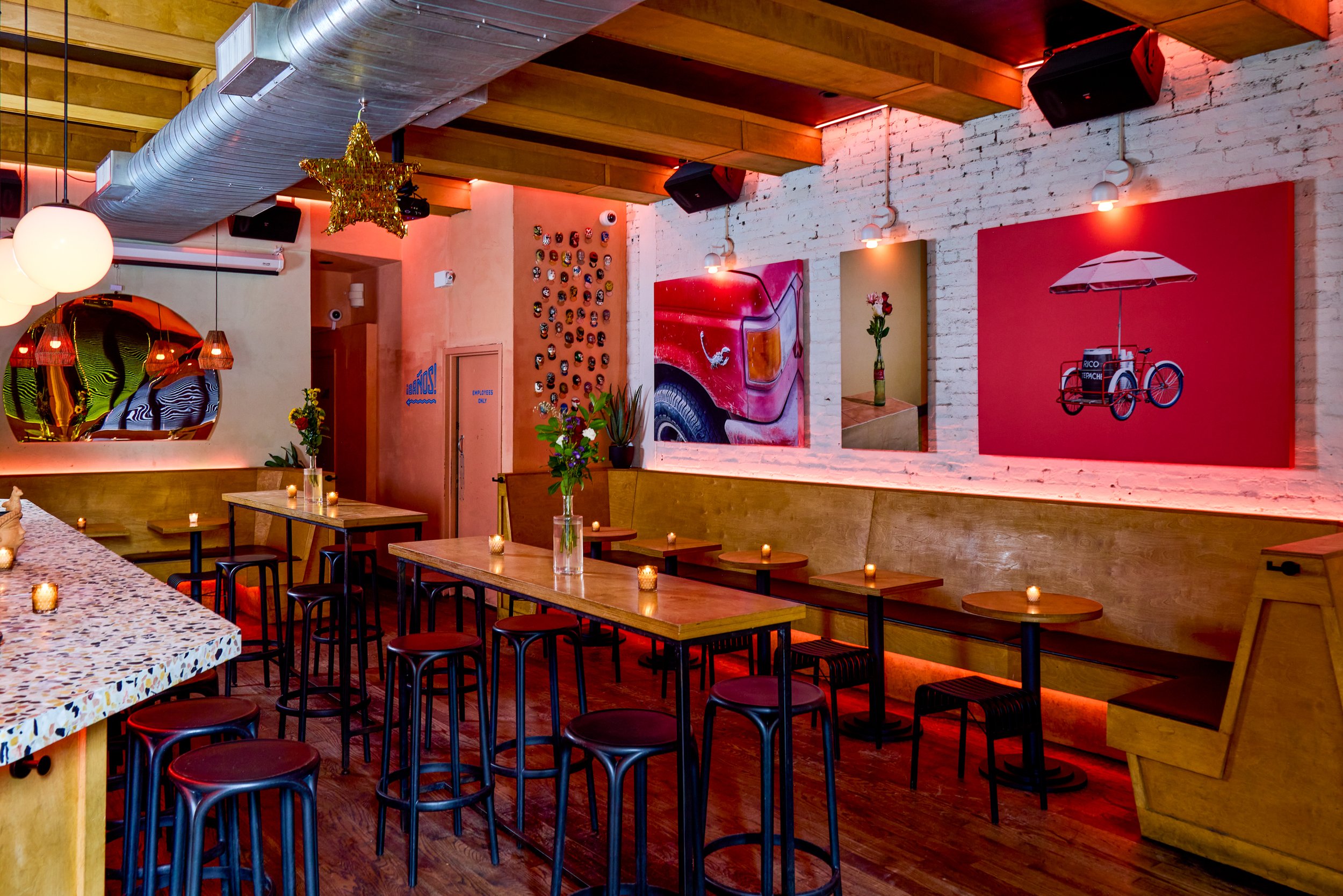
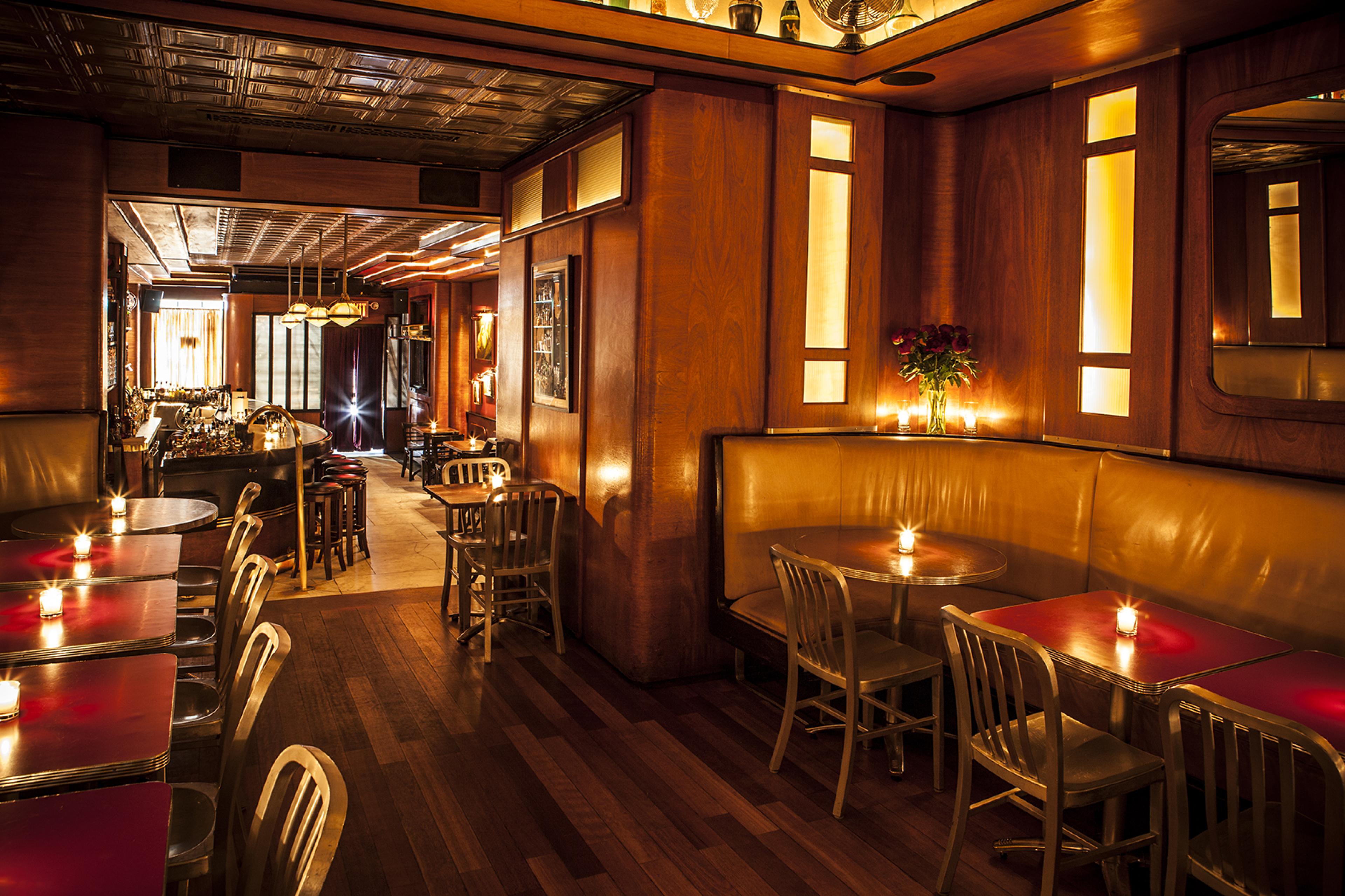
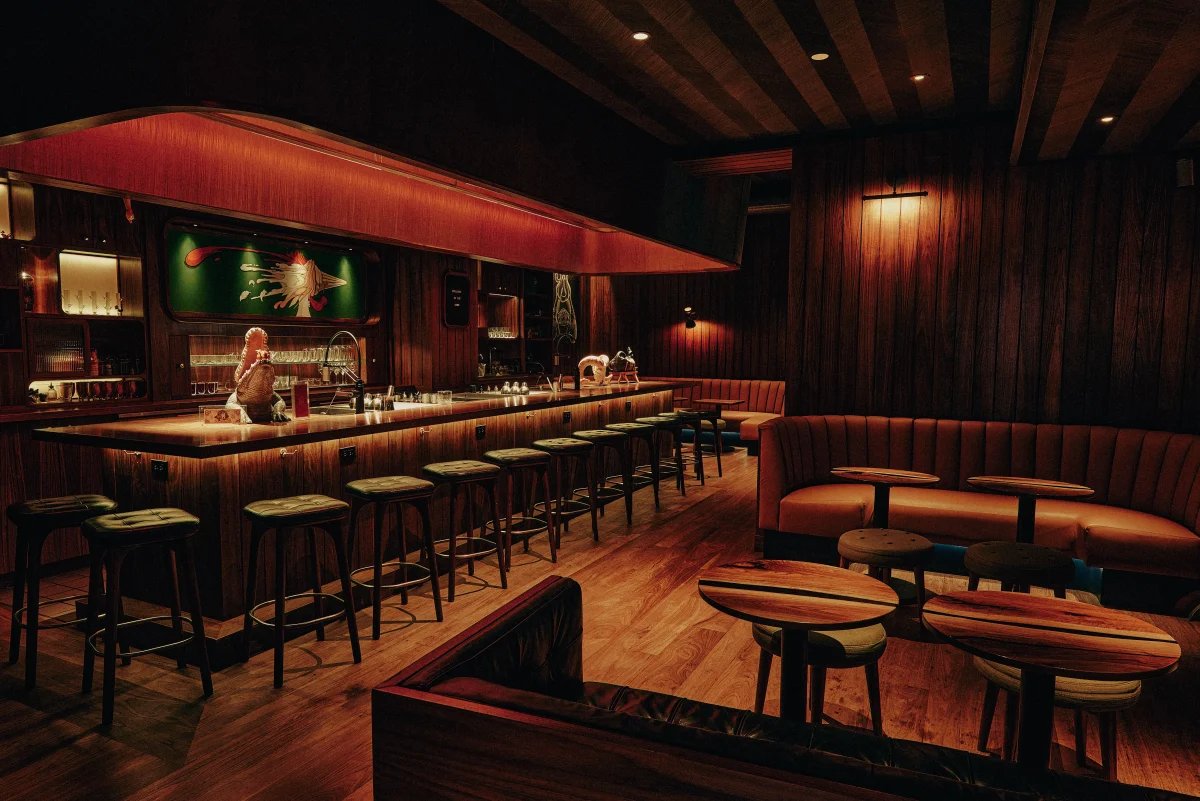
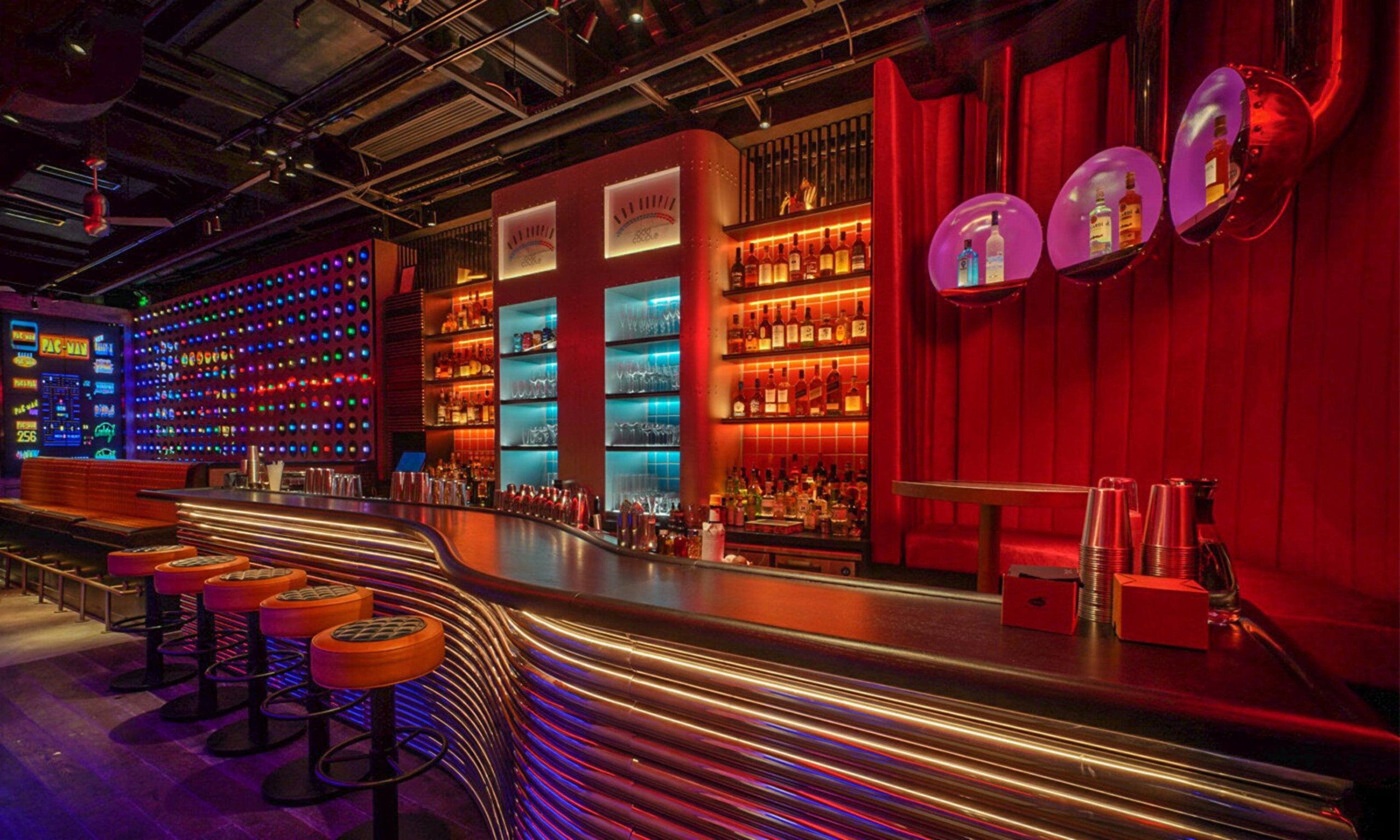
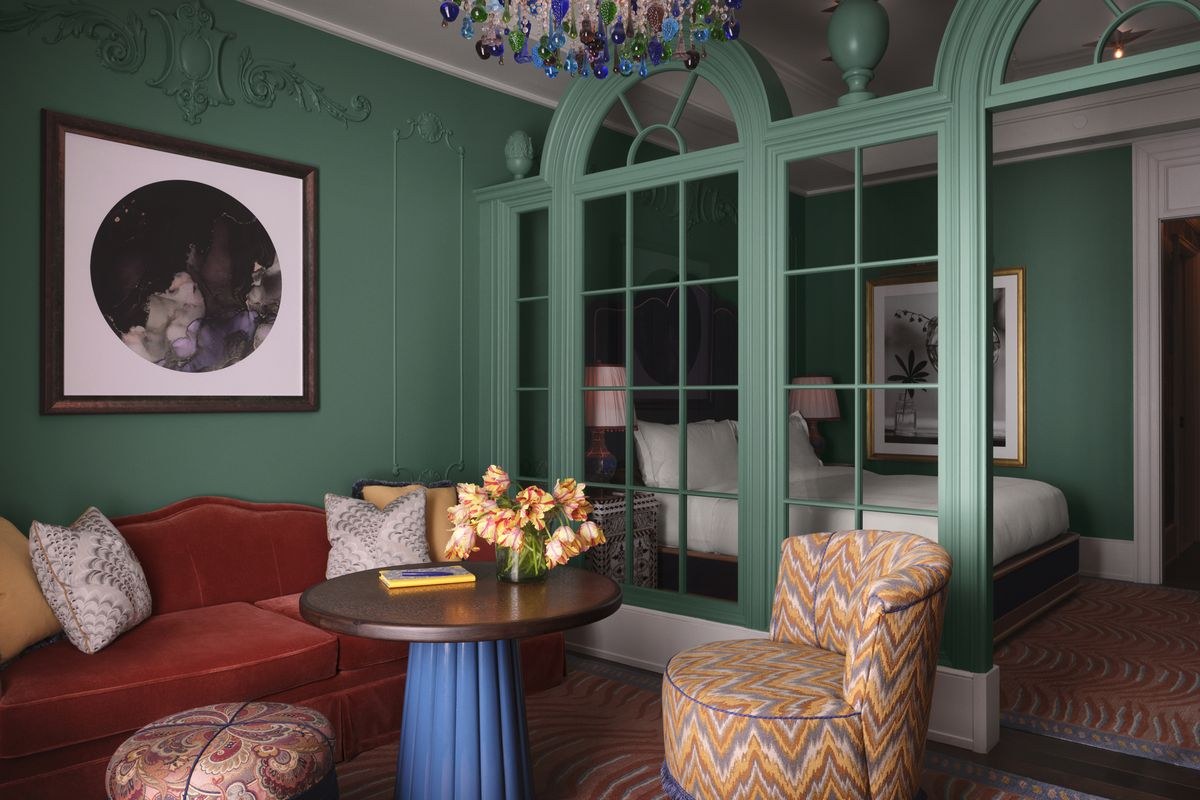
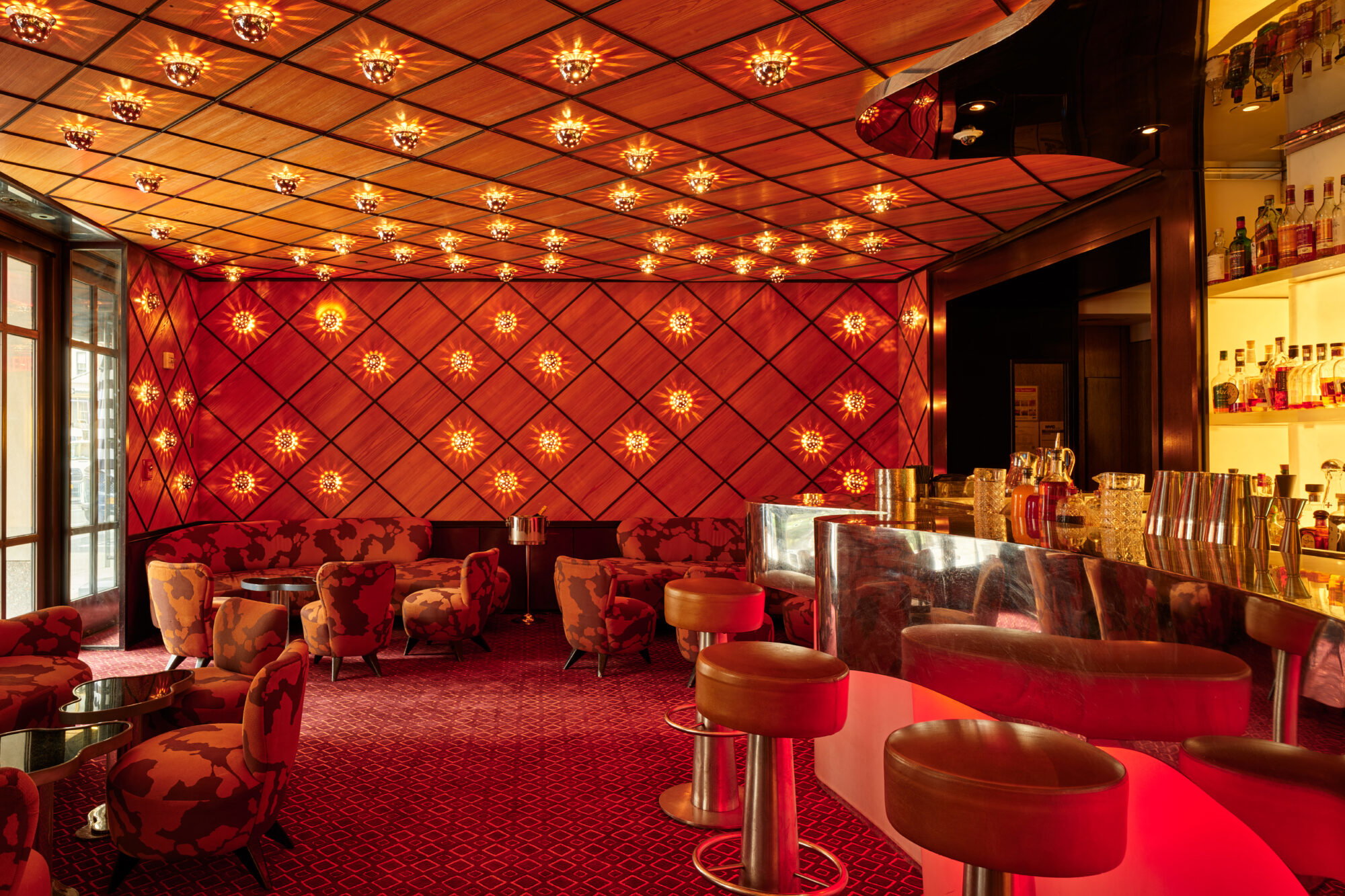
Lavish colonial European aesthetic with French antiques, plantation-style rattan furniture, rich velvets and brocades, intentionally aged peeling paint, and tropical ceiling fans creating a shabby-chic 1940s Havana atmosphere.
Tags
Vibe
Best For
Experience
Format
At the Bar
- Bar Category
- Lounge
- Late Night
- Open Until 2am
- Music
- World Music and Live Cubano Band
- Live Music
- Yes
- Spirits Focus
- Rum
Signature Pours
Hemingway
Know before you go
Know Before You Go
- Getting there
- 376 W Broadway 2nd Floor, New York, NY 10012
Planning details
Location
376 W Broadway 2nd Floor, New York, NY 10012 · Directions
Also consider
If you cannot make this work
Try Milady's if the group wants a more cocktail-forward backup, or JIMMY if the night needs a rooftop angle. For a dinner-led substitute, The Dutch is the more practical pivot.
Bar context
How it compares in Soho and downtown New York
Choose Socialista New York over Sloane's when the night is more about late Soho energy than a conventional bar stop. Sloane's is the safer cross-shop if the group wants a more direct drinks plan; Socialista is the better fit when ambiance carries more of the value.
JIMMY is the stronger choice for a rooftop-driven night, while Socialista makes more sense for an indoor, late-start plan. Milady's is the easier recommendation for guests who want a clearer cocktail-bar read before going; Socialista asks for more trust in the room and the crowd.
If food is part of the decision, compare against Blue Ribbon Brasserie and The Dutch instead. Both are better suited to anchoring the evening around eating; Socialista is better treated as the post-dinner move.
Explore New York City
Around this place
Discover more on Pearl
Unlock the full Socialista New York guide in Pearl, including awards, comparisons, FAQs, planning details, and nearby places.
Compare Socialista New York
| Venue | Location | Awards |
|---|---|---|
| Socialista New York | New York City | No published awards |
| Sloane's | New York City | No published awards |
| JIMMY | New York City | No published awards |
| Blue Ribbon Brasserie | New York City | No published awards |
| Milady's | New York City | Top 500 Bars 2026 · #3112026 Pinnacle GuideTop 500 Bars 2025 · #1402024 North America's 50 Best Bars · #442023 World's 50 North America's Best Bars · #50 |
| The Dutch | New York City | No published awards |



How Socialista New York compares with similar nearby venues.
FAQ
Frequently Asked Questions
Is Socialista New York good for groups?
It may fit a late-night group outing if everyone is comfortable with a Thursday-to-Saturday schedule and a smart-casual dress code. Seating, room size, pricing, or a group service format are not specified, so confirm directly before planning around it. Blue Ribbon Brasserie and JIMMY are other New York City venues you may want to compare while planning.
Do I need a reservation at Socialista New York?
Plan ahead, especially because the operating window is limited to Thursday, Friday, and Saturday from 9 PM to 2 AM. Reservation requirements are not specified, so check the venue's current booking process before going. Milady's or Blue Ribbon Brasserie may be useful New York City alternatives to compare.
What's the best time to go to Socialista New York?
Go after 9 PM on Thursday, Friday, or Saturday, since that is the operating window. Earlier in the evening is not listed, and the venue is closed Monday, Tuesday, Wednesday, and Sunday. If you want another New York City option to compare before or after, The Dutch may be worth checking; if you want to start later, Socialista New York fits that timing.
Does Socialista New York have happy hour deals?
Do not count on happy hour. The schedule is Thursday to Saturday, 9 PM to 2 AM, and happy-hour pricing is not listed. If happy hour is the goal, check current details directly with New York City venues such as JIMMY or Blue Ribbon Brasserie.