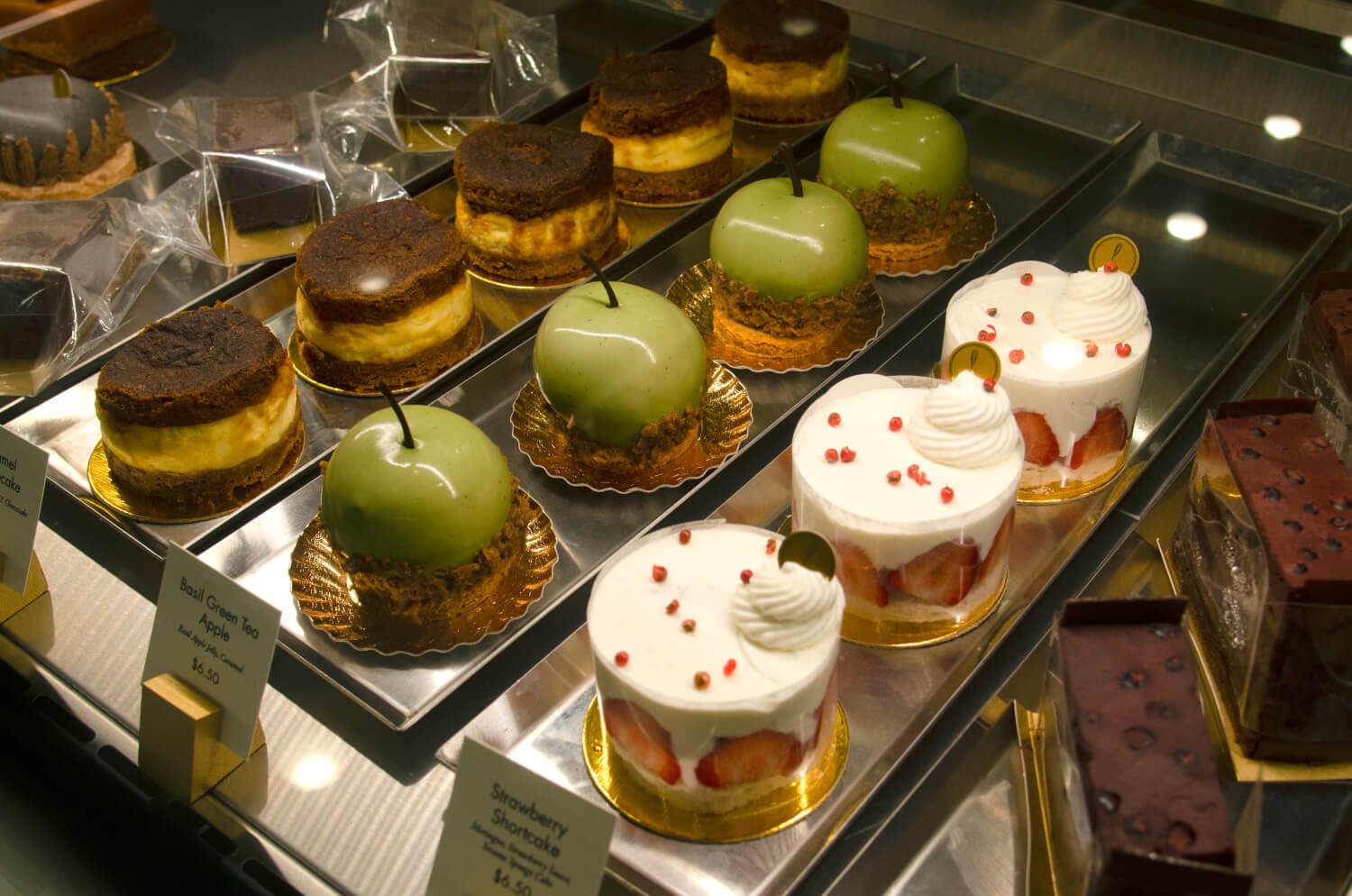
Patisserie Fouet
Greenwich Village, New York City
Bar in New York City, United States
 Book with Pearl
The Read
Price
$30–50per person
Why go
Patisserie Fouet is worth choosing as a polished dessert-led stop near Union Square, especially for dates, birthdays, or a lighter finish after dinner. It is not the right pick if the night needs a full restaurant arc, published chef format, or destination cocktail program; use it as a flexible second stop rather than the main event.
About Patisserie Fouet
Patisserie Fouet is a New York City venue open Tuesday through Sunday with a smart casual dress code. Plan around its hours and dress code rather than assuming a specific menu format, chef narrative, beverage program, or awards history.
The decision is simple: consider Patisserie Fouet when its posted hours and smart casual dress code fit the occasion. It is closed on Monday, open from 12 PM to 9:30 PM Tuesday through Friday, and open from 11 AM to 9:30 PM Saturday and Sunday. For a fuller New York City dining plan, compare it with resources such as Our full New York City restaurants guide, Our full New York City hotels guide, and Our full New York City bars guide.
A practical New York City planning stop
The strongest use case is an occasion where the schedule works for your group. Patisserie Fouet is available into the evening Tuesday through Sunday, with weekend hours starting earlier than weekday hours. If your plans depend on a tasting format, chef-led counter, beverage program, price point, or award record, check those details before committing.
For readers building a larger New York City plan, keep the itinerary flexible and avoid overcommitting to assumptions. If the plan expands beyond this stop, use Our full New York City restaurants guide, Our full New York City hotels guide, and Our full New York City bars guide for the rest of the itinerary.
Who should choose it, and who should not
Choose Patisserie Fouet if you want a New York City venue with smart casual dress and hours from Tuesday through Sunday. Skip it if your decision depends on specifics such as a published awards record, a known drinks program, a particular chef, exact pricing, a set menu format, or a service style. For other New York City dining options, compare it with venues such as Barn Joo Union Square, Gotham Restaurant, Leon's, Ootoya - Union Square, and Ootoya Chelsea.
Planning details
- Location
- 15 E 13th St, New York, NY 10003
- Website
- fouetnyc.com
- Phone
- +1 212 620 0622
The take
The Take
The Vibe
Patisserie Fouet operates at a deliberately slow, quiet tempo that fits the surrounding stretch of East 13th Street. It reads like a small European pastry address dropped into Greenwich Village: classic in approach, intimate in scale and designed for lingering rather than speed. The shop feels like a neighborhood destination—sheltered from tourist bustle and geared toward regulars—so the experience is calm and relaxed. You come expecting a measured ritual: choosing slowly from the counter, settling in to savor pastry and coffee without external hurry, often alone or in a companionable pair rather than in a group.
Best For
This is a place built for solo indulgence and quiet pairings. The write-up stresses that the patisserie’s ritual is self-directed—there is no server resetting the clock—so it lends itself to reflective mornings, a deliberate snack between errands, or a low-key date where the pastry is the point. Its small-format, neighborhood-anchored profile makes it less suited to large gatherings; instead, it rewards those seeking a calm stop in the Village to taste technically minded pastries at their own pace. Expect a short, focused outing rather than a long communal meal.
Ordering Tips
Treat your visit like a ritual: take time at the counter to make your selections and resist the impulse to rush. The description makes clear that items "arrive at the counter" and that the guest sets the pace, so come with the intention to linger and savor rather than grab and go. Be mindful that this is a small-format address with "shorter hours," so plan visits within typical morning-to-afternoon pastry service. Because tables are not turned by servers, allow yourself the space to finish without feeling hurried—this is an experience you control.
Venue details
Ambiance
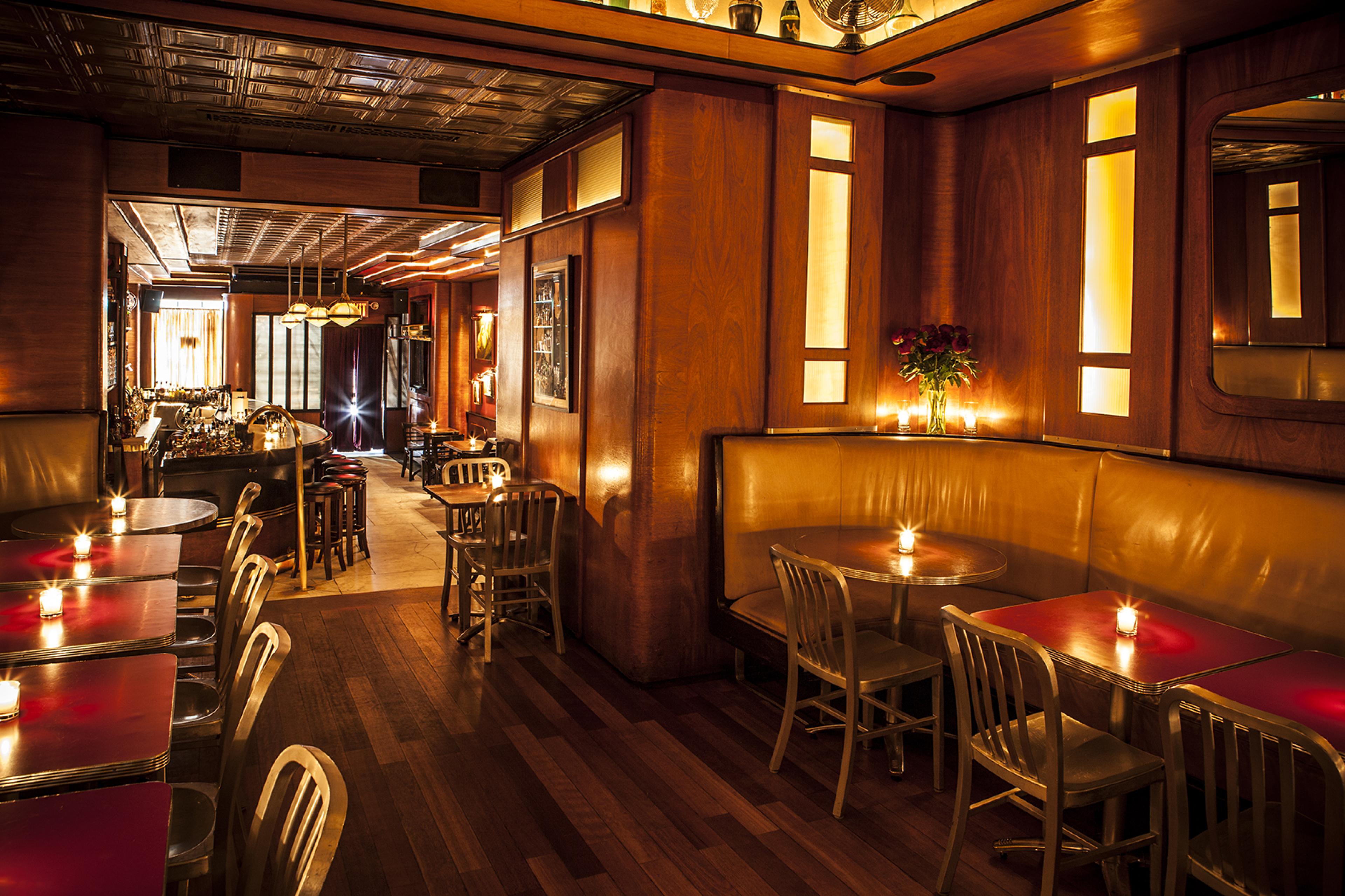
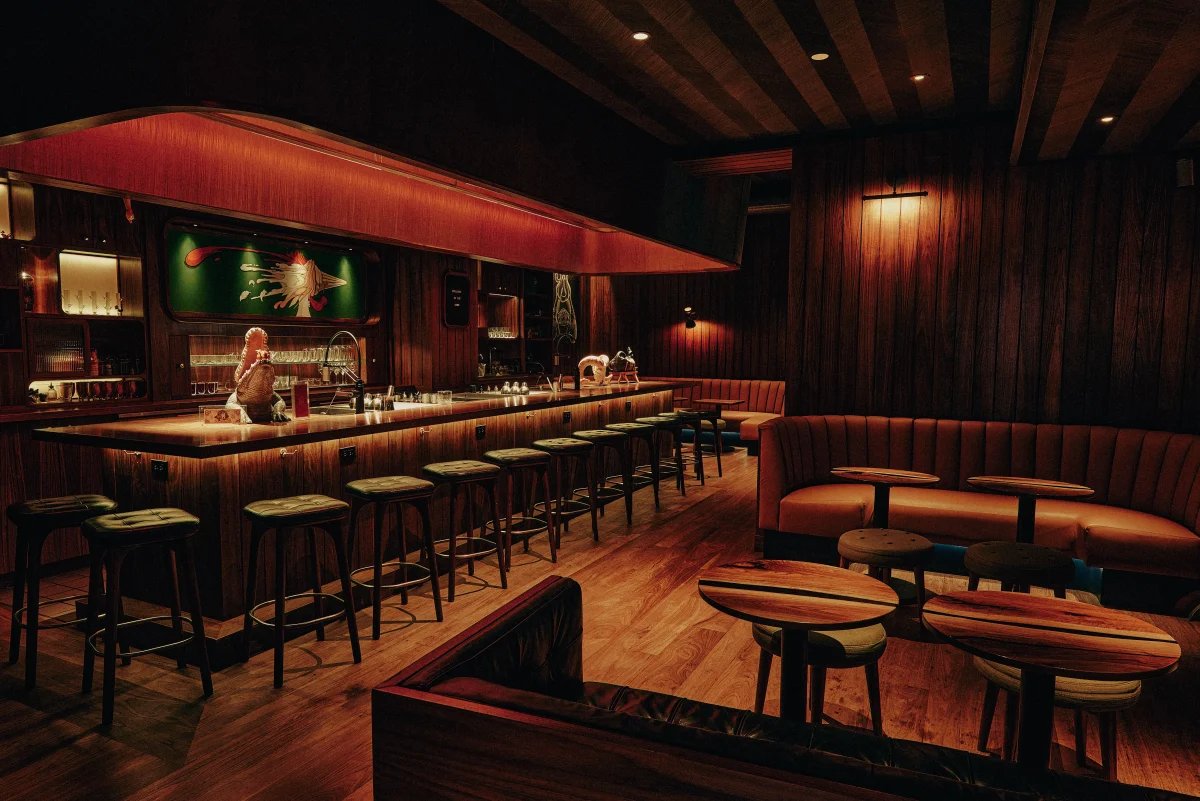
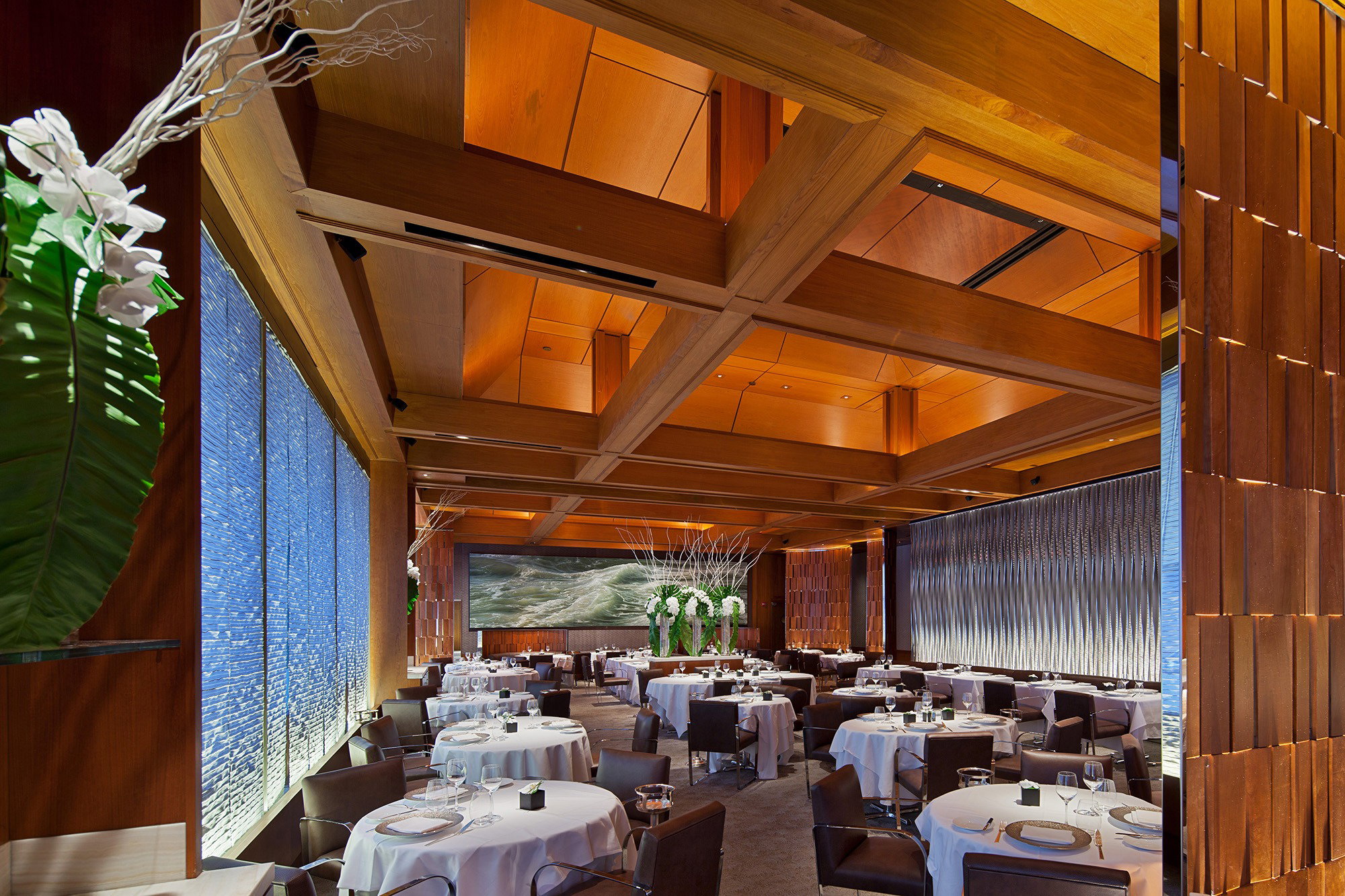
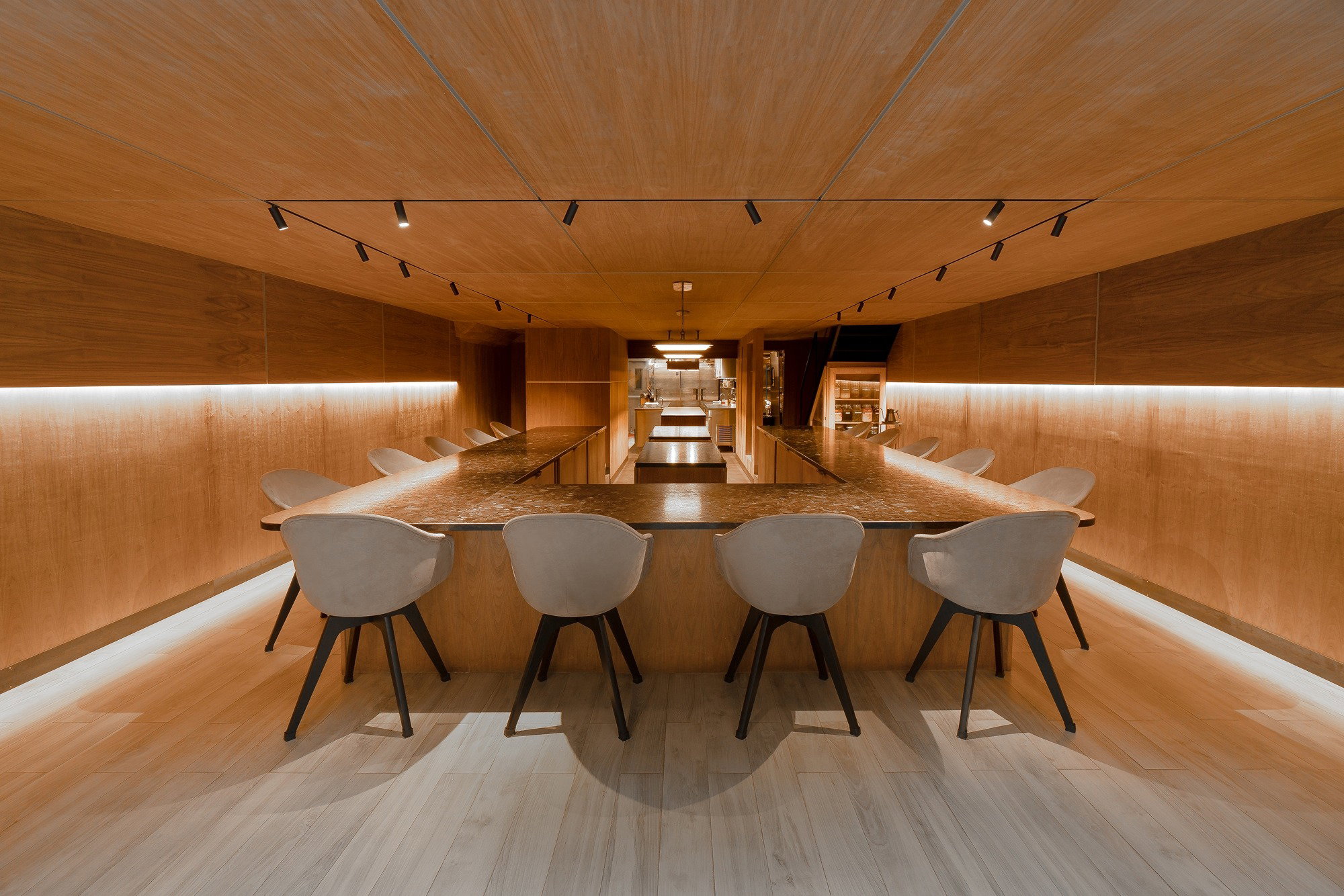
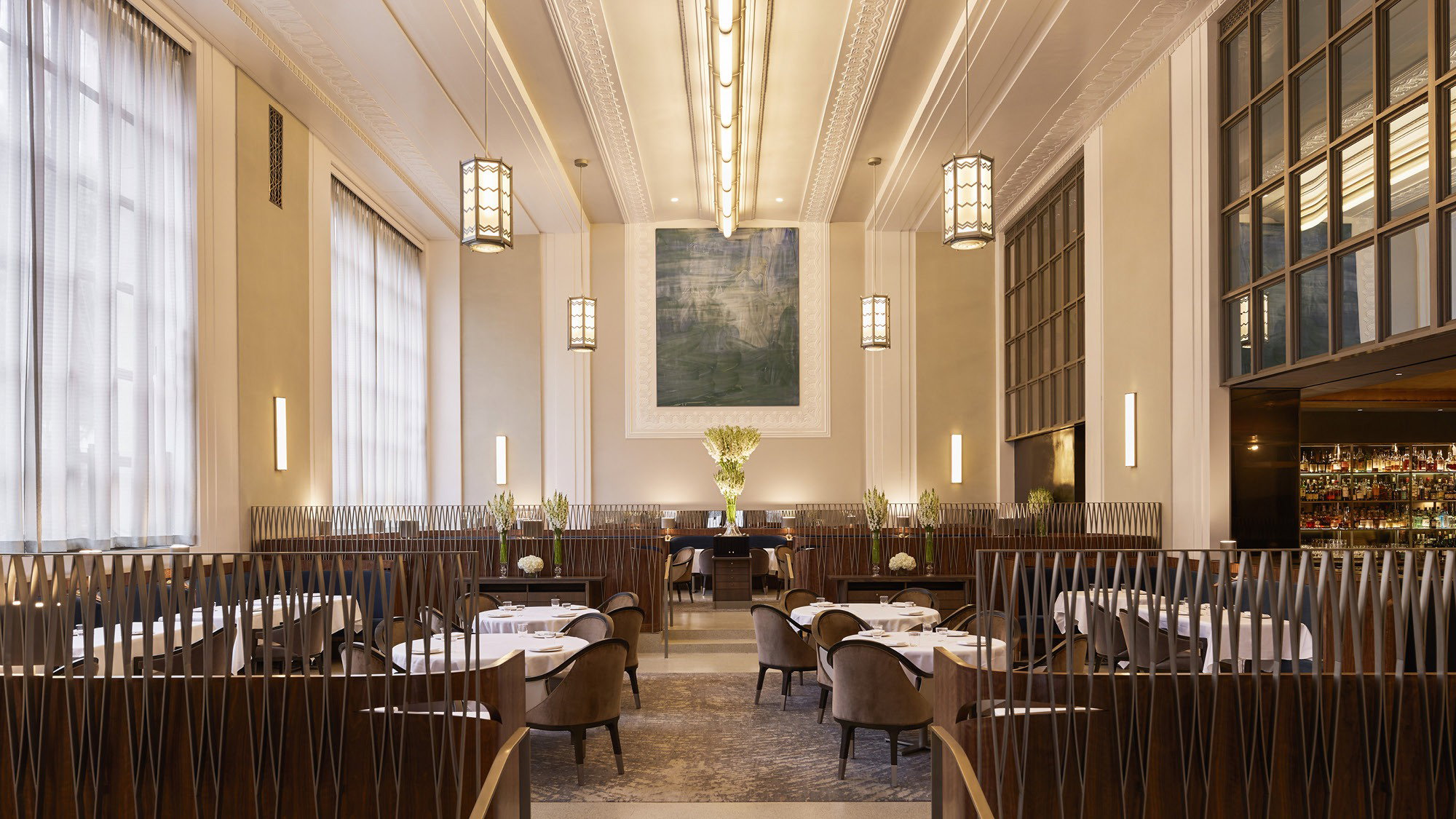
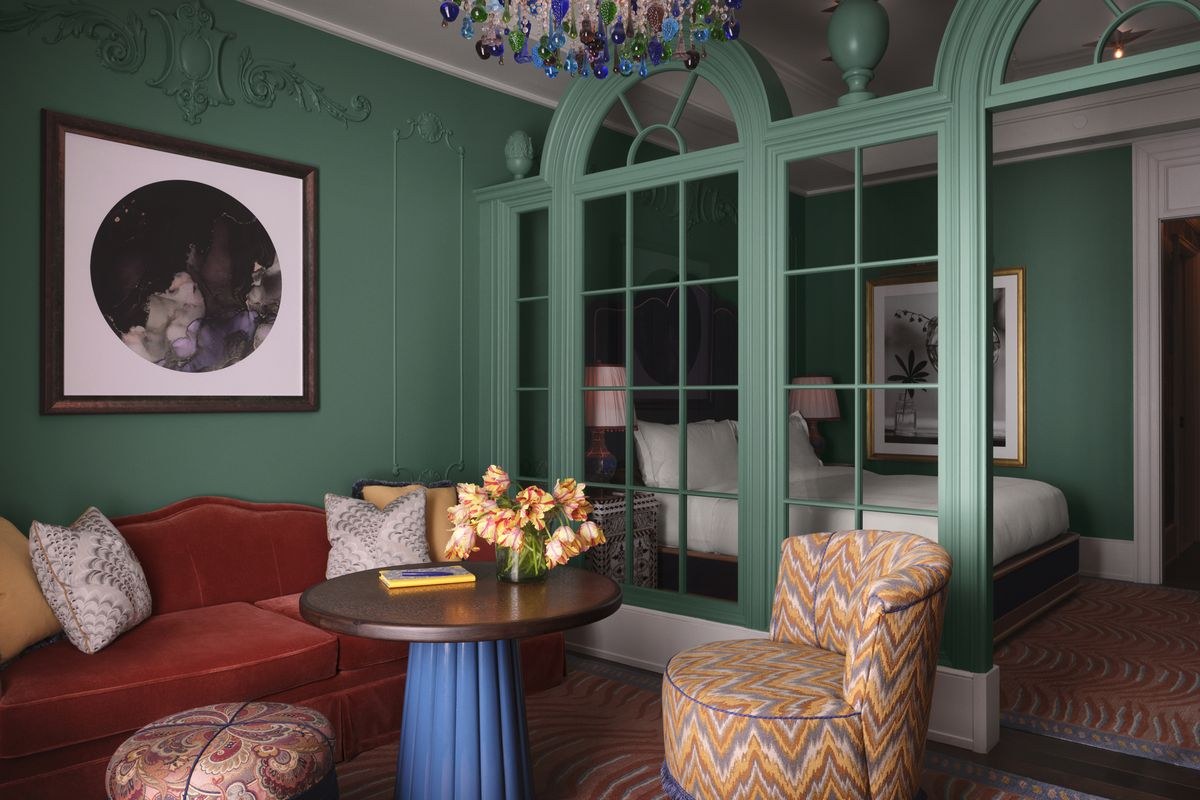
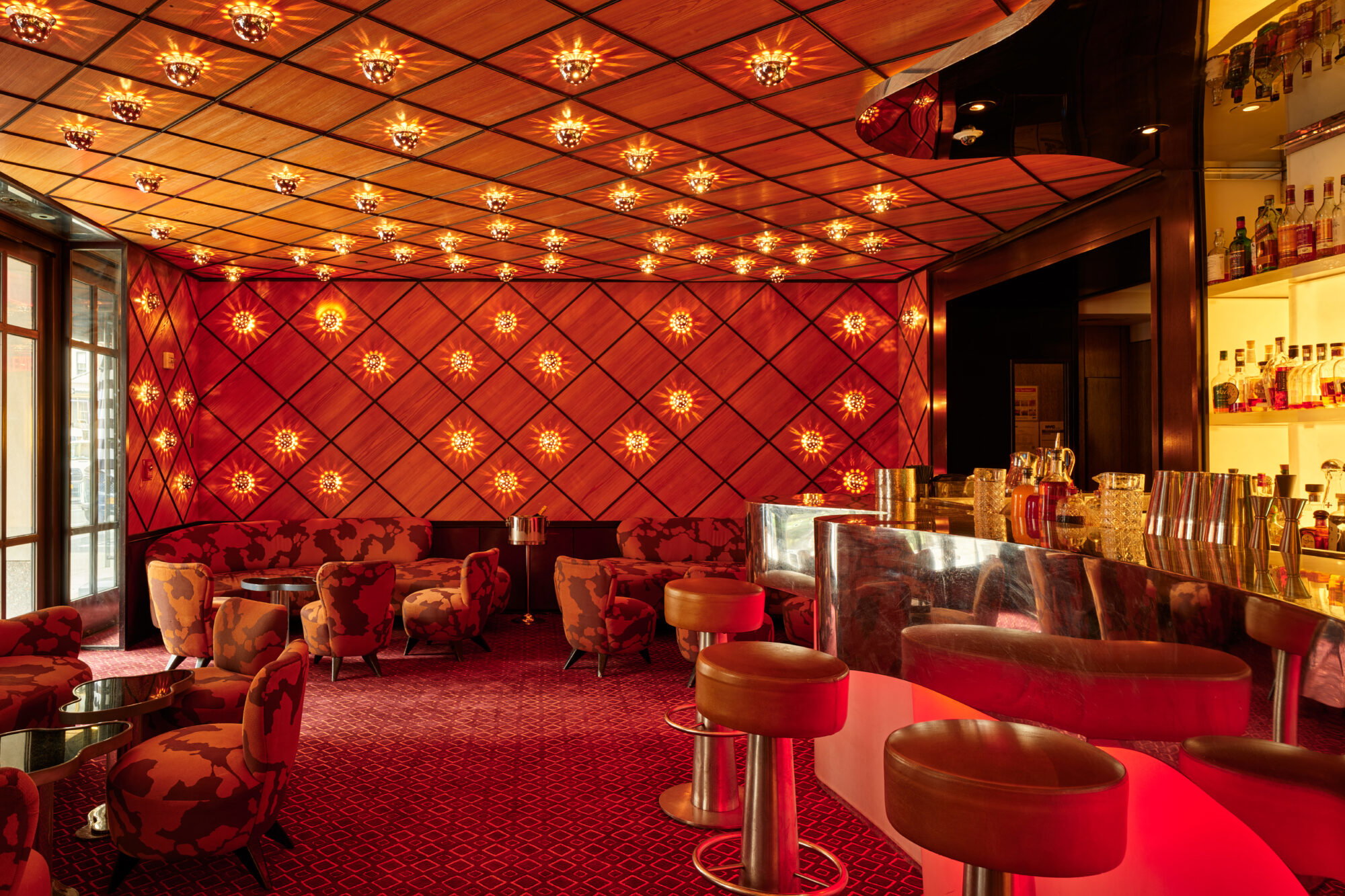
Relaxing atmosphere with great music selection, fancy interiors, and intimate hideaway feel overlooking a quiet street.
Tags
Vibe
Best For
Experience
Format
View
At the Bar
- Late Night
- Closes by Midnight
- Music
- Relaxing
Know before you go
Know Before You Go
- Getting there
- 15 E 13th St, New York, NY 10003
Planning details
Location
Also consider
Also Consider
- Gotham Restaurant, Notable alternative
- Ootoya - Union Square, Notable alternative
- Leon's, Notable alternative
- Barn Joo Union Square, Notable alternative
- Ootoya Chelsea, Notable alternative
Bar context
How it compares near Union Square
Patisserie Fouet is the easier, lighter choice when the plan is dessert or a short special-occasion stop near 13th Street. Gotham Restaurant is the better fit for a full dinner with a more formal restaurant feel, while Ootoya - Union Square is a stronger value play when the group wants a complete casual meal nearby.
For ambiance, choose Patisserie Fouet when quiet polish matters more than a broad menu. Leon's is the cross-shop for readers who want a livelier restaurant night, while Barn Joo Union Square makes more sense for groups that want a busier, more social setting. Ootoya Chelsea is the practical fallback if the itinerary shifts west and convenience beats neighborhood specificity.
Booking difficulty favors Patisserie Fouet for flexible plans. If the occasion needs a table that feels like the centerpiece, start with Gotham Restaurant. If the goal is value and minimal planning, compare Ootoya - Union Square and Ootoya Chelsea. If the night needs energy, Leon's or Barn Joo Union Square will suit more groups than a dessert-led stop.
Explore New York City
Around this place
Discover more on Pearl
Unlock the full Patisserie Fouet guide in Pearl, including awards, comparisons, FAQs, planning details, and nearby places.
Compare Patisserie Fouet
| Venue | Location | Awards |
|---|---|---|
| Patisserie Fouet | New York City | No published awards |
| Gotham Restaurant | New York City | No published awards |
| Ootoya - Union Square | New York City | No published awards |
| Leon's | New York City | No published awards |
| Barn Joo Union Square | New York City | No published awards |
| Ootoya Chelsea | New York City | No published awards |
How Patisserie Fouet New York City compares with similar nearby venues.
FAQ
Frequently Asked Questions
Is Patisserie Fouet open late?
Patisserie Fouet is open until 9:30 PM Tuesday through Sunday. It is closed on Monday.
What's the best time to go to Patisserie Fouet?
Plan around its hours: Tuesday through Friday, it is open from 12 PM to 9:30 PM; Saturday and Sunday, it is open from 11 AM to 9:30 PM. It is closed on Monday.
What is Patisserie Fouet known for?
Patisserie Fouet is a New York City venue with a smart casual dress code and posted hours Tuesday through Sunday.
Where is Patisserie Fouet located?
Patisserie Fouet is located in New York City.