Hatsu Omakase
East Village, New York City
Bar in New York City, United States
 Book with Pearl
The Read
Price
$50–100per person
Why go
Hatsu Omakase is worth considering for a focused East Village sushi night, especially for two diners who want a set-format dinner rather than a flexible bar crawl. Confirm current pricing before committing, and skip it for large groups, outdoor seating plans, or deal-driven dining.
About Hatsu Omakase
Hatsu Omakase is a New York City venue with evening hours every day and a smart casual dress code. The safest way to plan is to confirm any menu, pricing, seating, reservation, and service details directly before you commit. That is especially useful if the evening has a fixed budget, a tight schedule, or a group that needs to know exactly what to expect before arriving.
Pick it for an evening plan with confirmed details
The schedule is evening hours: Monday through Thursday from 5:30–10 PM, Friday and Saturday from 5–11 PM, and Sunday from 5:30–10 PM. The dress code is smart casual, which gives the night a defined but flexible tone: polished enough to feel intentional, without requiring a formal approach. For a broader New York City dining scan, use Our full New York City restaurants guide.
The practical decision is simple: treat Hatsu Omakase as an evening plan, confirm current pricing and availability before you commit, and make sure the details align with your expectations. That confirmation step matters most when the meal is tied to a special occasion, a narrow arrival window, or a group with different expectations around pace, seating, or spend. If the night is more about comparing other options, consider New York City venues generically or compare it with Bar Snack, Mayahuel, Monsieur, Nai, or Schmuck where relevant. The point is not to overcomplicate the choice, but to keep the plan grounded and to leave room for a smoother alternative if the details do not line up.
Use other options as the pressure release valve
If the timing is not available, do not force the plan. New York City has many other dining and bar options, so a missed slot can still become a good night if the group is comfortable pivoting. This is especially useful when the evening is already underway, when people are meeting from different parts of the city, or when the group would rather keep momentum than wait on an uncertain opening. Start with Our full New York City bars guide if the priority is a drink-first itinerary, or branch into Our full New York City hotels guide if the evening needs a wider plan.
Bottom line: consider Hatsu Omakase when its evening hours and smart casual dress code fit your plans. Confirm the specifics that matter most to your group before booking, including price, menu, seating, and reservation requirements. If those details are clear and the timing works, it can sit neatly within an evening-focused New York City night; if they are not, the smarter move is to keep the evening flexible and choose the option with the fewest unknowns.
Planning details
- Location
- 133 E 4th St, New York, NY 10003
- Reservations
- Book on Resy
- Website
- instagram.com/hatsu_nyc?igsh=dmFrZnN1dzdxMXhs
- Phone
- +1 631 868 8600
The take
The Take
The Vibe
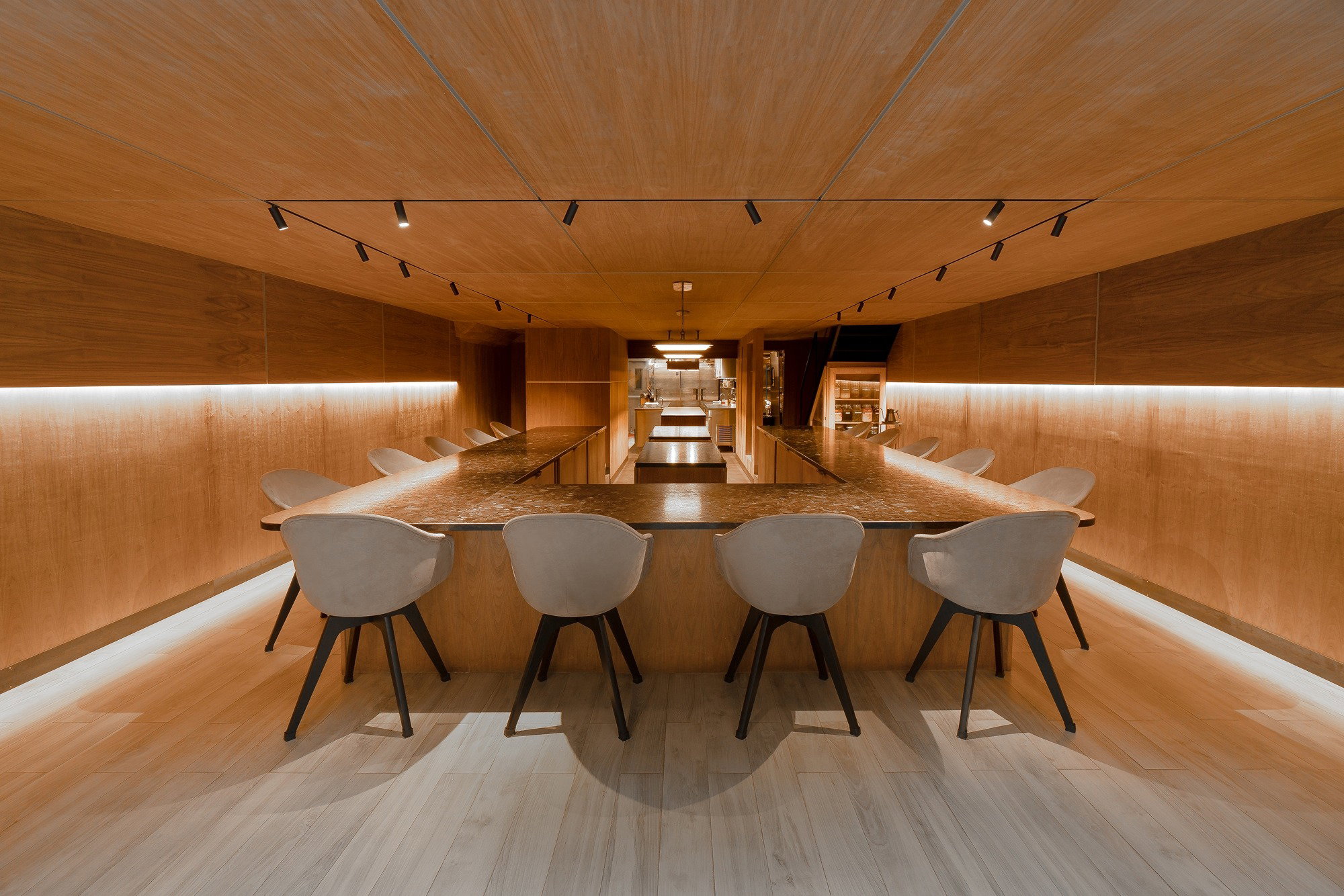
Hatsu Omakase presents an intentionally low‑key, counter‑forward experience tucked into the East Village. The street‑level approach—no marquee, no window displays—reinforces a quietly focused mood: this is about the back‑and‑forth between chef and diner rather than theatrical presentation. The space reads compact and purposeful, the kind of place where trust replaces hype and each course is composed at the itamae’s discretion. Downtown energy and a willingness to take culinary risks give the counter a contemporary edge, so the overall vibe is understated, attentive, and firmly centered on the craft of the meal.
Best For
This counter is best for diners who want a concentrated, chef‑led meal: intimate couples, solo patrons who enjoy direct interaction with the itamae, and small parties seeking a focused tasting experience. Because the format privileges a set sequence led by the chef, it suits occasions that favor attention to technique and progression over casual group conversation. The East Village location and tight counter format also make it a choice spot for those looking to experience a downtown, creative take on traditional omakase without the formality of midtown dining rooms.
Ordering Tips
Approach Hatsu Omakase in the spirit the format intends: leave the sequence to the chef and be prepared to receive a curated progression of bites. The copy emphasizes the relationship between itamae and diner, so resist asking for major substitutions or treating the meal as à la carte. Expect a paced tasting where trust yields the best result—arrive ready to engage with the chef, be open to unexpected preparations, and let the counter rhythm guide the evening. Embracing the omakase ethos leads to the most rewarding experience.
Venue details
Ambiance
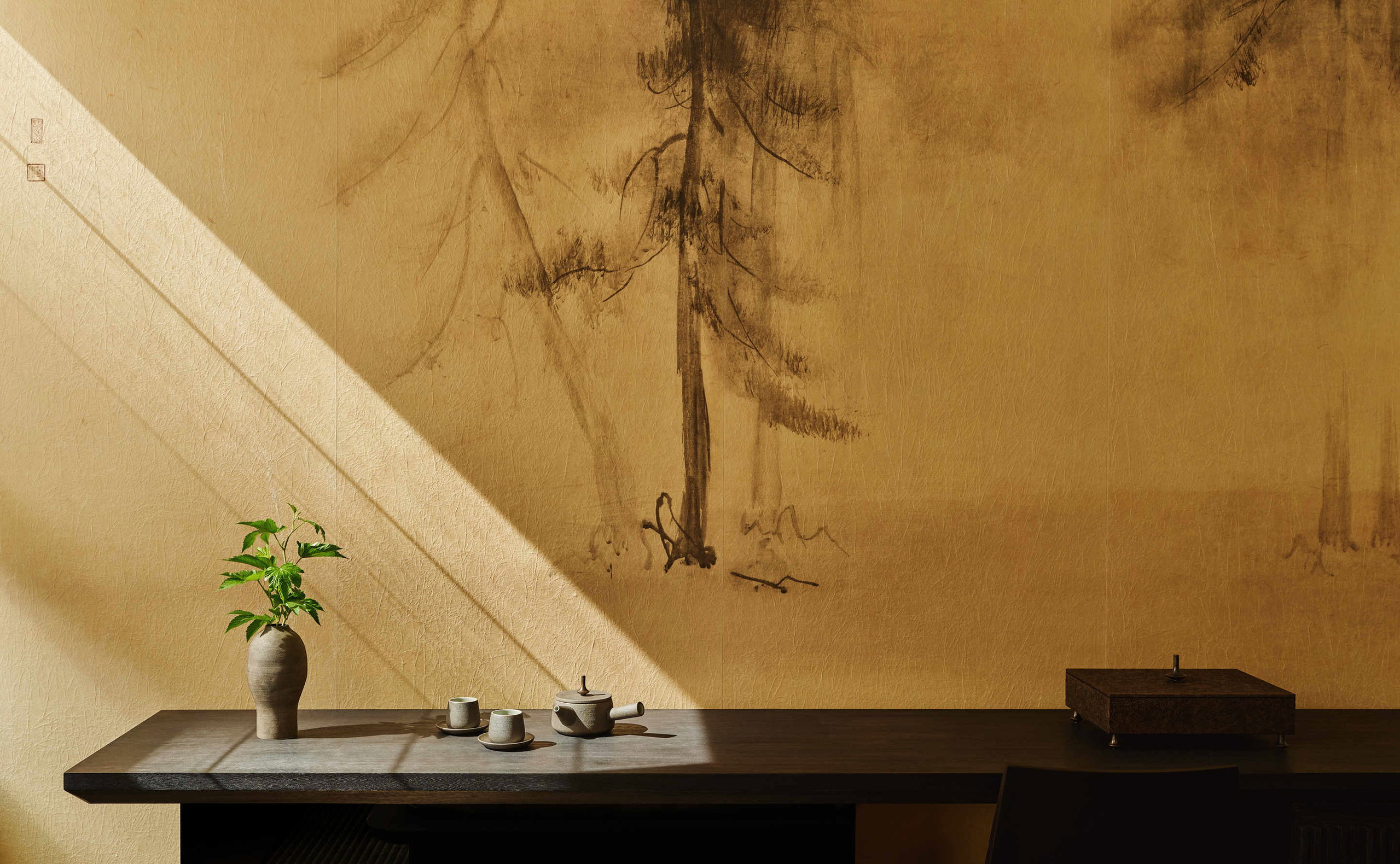
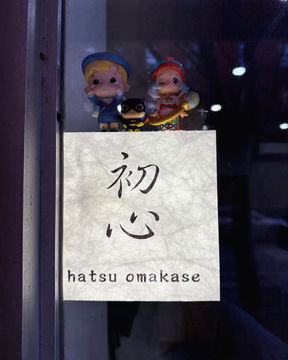
Cozy space adorned with cute anime miniatures and plushies, creating an intimate and charming atmosphere.
Tags
Vibe
Best For
Format
Know before you go
Know Before You Go
- Getting there
- 133 E 4th St, New York, NY 10003
Planning details
Location
133 E 4th St, New York, NY 10003 · Directions
Also consider
Where to go if this does not fit
If the issue is group flexibility, cross-shop Schmuck or Bar Snack. If the night is shifting toward cocktails after dinner, Mayahuel is the cleaner pivot than trying to force an omakase booking.
Bar context
How it compares for a night out in New York City
Choose Hatsu Omakase when the table wants a dinner-led night with a set sushi format. Choose Schmuck or Monsieur when the value equation is about cocktails, room energy, and the ability to keep the night more flexible. Those bars are easier fits for mixed groups because no one has to commit to the same dining rhythm.
Nai and Bar Snack are better cross-shops for diners who want food in the plan but do not want the structure of omakase. Mayahuel is the cleaner pick if the group cares more about agave drinks and a late-evening bar mood than sushi pacing.
For value, Hatsu Omakase only makes sense if everyone is aligned on the format before sitting down. For booking ease and group flexibility, the bar peers are safer. For a date or a small dinner where the format is the point, Hatsu Omakase is the more focused choice.
Explore New York City
Around this place
Discover more on Pearl
Unlock the full Hatsu Omakase guide in Pearl, including awards, comparisons, FAQs, planning details, and nearby places.
Compare Hatsu Omakase
| Venue | Location | Awards |
|---|---|---|
| Hatsu Omakase | New York City | No published awards |
| Schmuck | New York City | No published awards |
| Monsieur | New York City | No published awards |
| Nai | New York City | No published awards |
| Bar Snack | New York City | No published awards |
| Mayahuel | New York City | No published awards |
How Hatsu Omakase NYC compares with similar nearby venues.
FAQ
Frequently Asked Questions
Does Hatsu Omakase have happy hour deals?
Check directly with Hatsu Omakase for any current happy hour promotions. Its New York City location, evening hours, and smart casual dress code make it an evening-focused option.
What's the crowd like at Hatsu Omakase?
Plan around evening service: Hatsu Omakase is open Monday through Thursday from 5:30–10 PM, Friday and Saturday from 5–11 PM, and Sunday from 5:30–10 PM.
Is Hatsu Omakase good for groups?
For group plans, confirm seating, booking requirements, and any party-size limits directly with the venue; for a looser comparison, you might also look at Mayahuel or Bar Snack.
Does Hatsu Omakase have outdoor seating?
Do I need a reservation at Hatsu Omakase?
Check availability in advance, especially on Friday and Saturday when the closing time is 11 PM; Nai or Monsieur may also be worth comparing for a different kind of night out.