Gyu-Kaku Japanese BBQ
Hell's Kitchen, New York City
Bar in New York City, United States
 Book with Pearl
The Read
Price
$30–50per person
Why go
Gyu-Kaku Japanese BBQ is a practical Times Square-area choice for a casual, hands-on meal, especially for first-timers who want something more interactive than a standard Midtown dinner. Book it for small groups or an informal date; choose The Rum House or Smith's Bar instead if the night is mainly about conversation and drinks.
About Gyu-Kaku Japanese BBQ
Gyu-Kaku Japanese BBQ is a New York City option with daily hours and a casual dress code. Details for service style, menu format, pricing, reservations, seating, or specific location within the city are not available.
Plan with the basics in mind
Gyu-Kaku Japanese BBQ is open from 11 AM to 10 PM Monday through Thursday and Sunday, and from 11 AM to 11 PM on Friday and Saturday. The dress code is casual.
Because reservation policy, menu structure, price range, or seating details are not available, it is best not to rely on this information for fine-grained booking strategy. If you are comparing it with other plans, use the basics first: hours, city, and casual dress. For a different kind of outing, Dallas BBQ Times Square, The Rum House, Smith's Bar, Elephant Bar, and Gui Steakhouse – NYC Times Square are other named options to consider separately.
The casual dress code makes Gyu-Kaku Japanese BBQ a casual choice, but its suitability for dates, groups, solo dining, business meals, or pre-show plans is not specified. If those details matter, confirm directly before building an itinerary around them.
Award signals, ratings, chef details, price points, takeout or delivery information, outdoor seating details, or dietary guidance are not available. Compare it with Gui Steakhouse – NYC Times Square, Smith's Bar, Elephant Bar, The Rum House, or Dallas BBQ Times Square based on your own preferred plan.
Quick reference: Gyu-Kaku Japanese BBQ is in New York City, has a casual dress code, and is open daily from 11 AM, with later closing on Friday and Saturday.
Planning details
- Location
- 321 W 44th St #103, New York, NY 10036
- Reservations
- Book on OpenTable
- Website
- gyu-kaku.com/times-square
- Phone
- +1 646 561 8877
The take
The Take
The Vibe
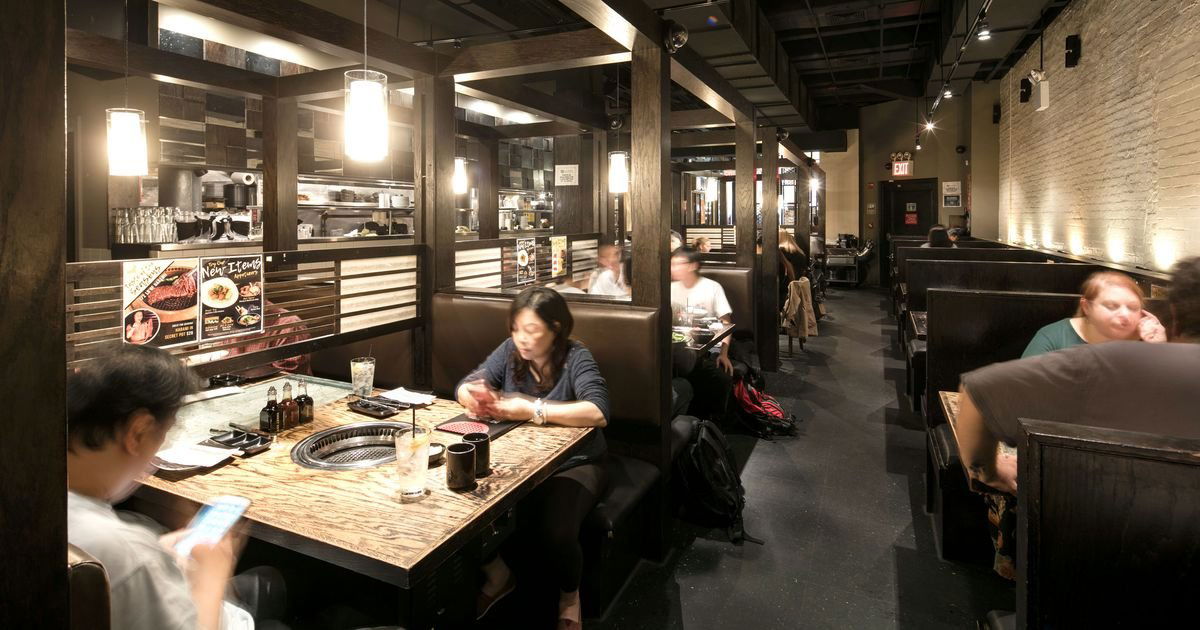
Gyu-Kaku on West 44th Street reads as a pragmatic, casual outpost of a national yakiniku chain that plugs directly into the Theater District's rhythms. The restaurant leans into tabletop grilling rather than theatrical service, letting diners set the pace as smoke and char become part of the experience. That self-directed cooking model feels intentionally counter to the corridor’s usual hurry — it’s less about fine dining ceremony and more about convivial, hands-on meals shared across the table. The writing frames the place as unpretentious and social, matching the energetic Midtown setting without trying to be more formal than it needs to be.
Best For
This Gyu-Kaku bifurcates by time of day: lunch functions as a practical, compressed version of the yakiniku ritual—efficient, solo-friendly counter seating and quicker turns—while evenings invite slower, communal grilling that suits groups, post-work gatherings and pre-theater plans. The West 44th Street location’s proximity to Broadway and office towers makes it a natural stop for theatergoers and the after-work crowd; understanding the lunch-versus-dinner divide helps you pick the right visit. If you’re short on time, midday visits emphasize speed; nights are for lingering and sharing the table’s grill.
Ordering Tips
Think about timing before you go: if you have a strict schedule, aim for the lunch service, where orders tend to be tighter and the counter format suits solo diners. For evening visits, embrace the shared grilling ritual and expect a more relaxed pace—plan for the table to cook together rather than for a rapid prix-fixe turnover. The piece specifically mentions simple daytime combos (kalbi and rice) as a compact option, so ordering straightforward sets at lunch is a smart, time-saving move.
Venue details
Ambiance
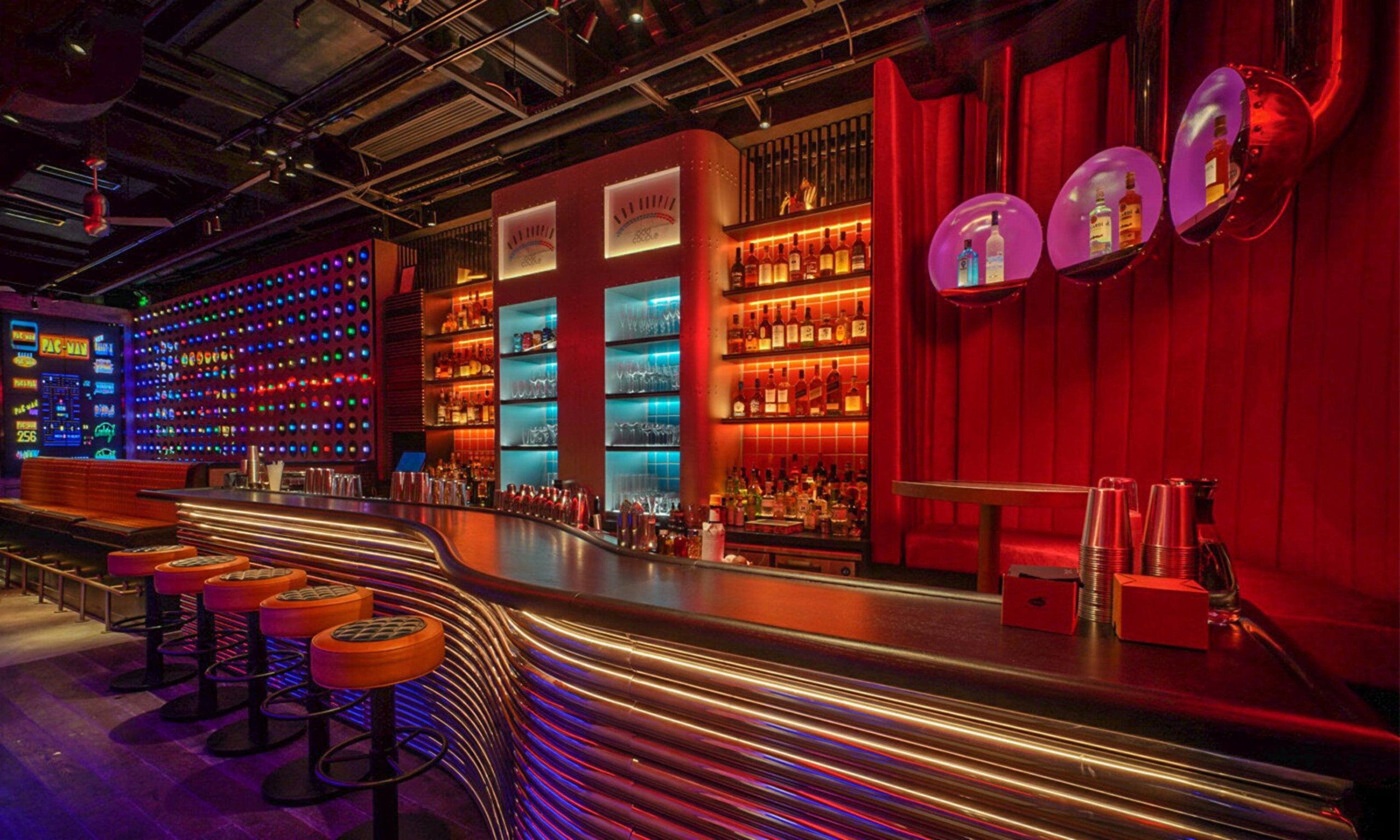
Vibrant and energetic atmosphere with contemporary music appealing to younger crowds; lively communal dining environment focused on interactive cooking experience.
Tags
Vibe
Best For
Experience
Format
Accessibility
At the Bar
- Bar Category
- Sake Bar
- Late Night
- Closes by Midnight
- Music
- Contemporary Pop and Upbeat Music Appealing to Younger Demographics
- Spirits Focus
- Sake, Shochu, Beer
Signature Pours
- Harami Skirt Steak in Miso marinade
- Certified Angus Kalbi Short Rib in Tare Soy marinade
Know before you go
Know Before You Go
- Getting there
- 321 W 44th St #103, New York, NY 10036
Planning details
Location
321 W 44th St #103, New York, NY 10036 · Directions
Also consider
If you cannot get the table
Try Dallas BBQ Times Square for an easier big-group backup with a louder Times Square feel. For a date or smaller group that wants drinks more than a full interactive meal, The Rum House is the cleaner alternative.
Bar context
How it compares in the Times Square mix
Gyu-Kaku Japanese BBQ is the better choice than Smith's Bar or The Rum House when dinner needs to be the main event. Those two make more sense for drinks-first plans, while Gyu-Kaku gives the table an activity and works better when the group wants to linger over food rather than stand around a bar.
Against Dallas BBQ Times Square, the decision is mostly about mood. Dallas BBQ is the easier pick for a loud, big-group Times Square outing; Gyu-Kaku is more controlled and interactive, especially for smaller groups who want a shared meal without the full sports-bar feel. Gui Steakhouse – NYC Times Square is the better fit when the brief is steakhouse-style rather than table-grill Japanese BBQ.
Elephant Bar sits closer to the drinks-and-ambience lane, so use it as a fallback if the group decides food is secondary. For easiest overall planning, Gyu-Kaku is a strong casual dinner choice; for conversation, go Rum House; for louder group energy, go Dallas BBQ.
Explore New York City
Around this place
Discover more on Pearl
Unlock the full Gyu-Kaku Japanese BBQ guide in Pearl, including awards, comparisons, FAQs, planning details, and nearby places.
Compare Gyu-Kaku Japanese BBQ
| Venue | Location | Awards |
|---|---|---|
| Gyu-Kaku Japanese BBQ | New York City | No published awards |
| Smith's Bar | New York City | No published awards |
| Dallas BBQ Times Square | New York City | No published awards |
| Gui Steakhouse – NYC Times Square | New York City | No published awards |
| Elephant Bar | New York City | No published awards |
| The Rum House | New York City | Pearl Recommended Bars |

How Gyu-Kaku Japanese BBQ New York City compares with similar nearby venues.
FAQ
Frequently Asked Questions
What are Gyu-Kaku Japanese BBQ's hours?
Gyu-Kaku Japanese BBQ is open from 11 AM to 10 PM Monday through Thursday and Sunday, and from 11 AM to 11 PM on Friday and Saturday. The Rum House is another option to consider for a different kind of plan.
Do I need a reservation at Gyu-Kaku Japanese BBQ?
Is Gyu-Kaku Japanese BBQ good for a date?
The dress code is casual, but details about atmosphere, seating, or service style are not available. If you are comparing date-night options, Gui Steakhouse – NYC Times Square is another named venue to evaluate separately.
Does Gyu-Kaku Japanese BBQ have outdoor seating?
Outdoor seating information for Gyu-Kaku Japanese BBQ in New York City is not available. If outdoor seating is important, confirm directly before choosing it over another option such as Dallas BBQ Times Square.
Is the food good at Gyu-Kaku Japanese BBQ?
Ratings, menu details, chef information, or award information for Gyu-Kaku Japanese BBQ are not available. If food polish or format matters, compare current details directly with Gui Steakhouse – NYC Times Square or other New York City dining options.
Is Gyu-Kaku Japanese BBQ good for groups?
Group-dining, seating, or reservation details for Gyu-Kaku Japanese BBQ are not available. Compare current details with Smith's Bar, Elephant Bar, or other options before deciding.