
Bar in New York City, United States
Gui Steakhouse – NYC Times Square
100Pearl PointsMidtown steakhouse stop
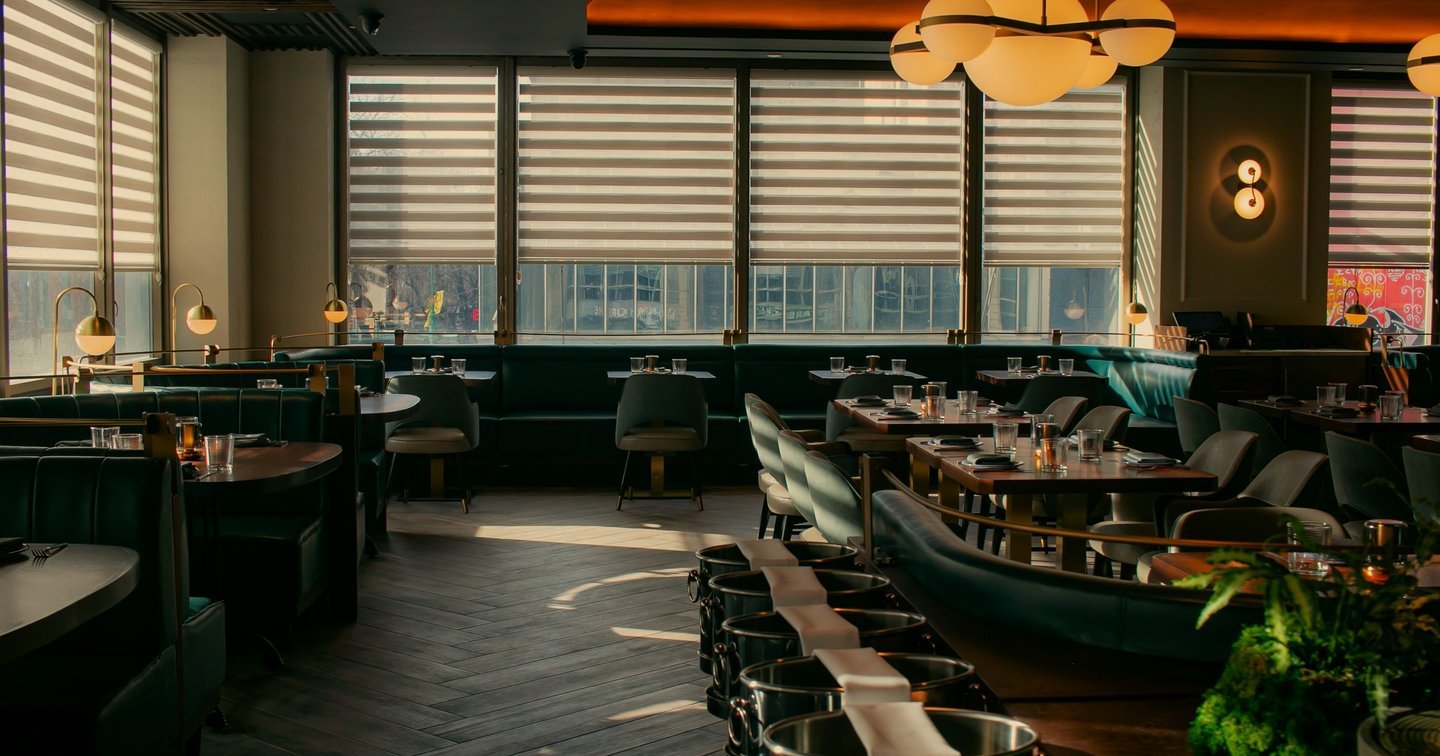
About Gui Steakhouse – NYC Times Square
Gui Steakhouse – NYC Times Square is worth considering when location and easy planning matter more than culinary credentials. It works as a practical Midtown steakhouse-format option for theater-area meals or groups, but diners chasing a food-first New York night should compare alternatives before booking.
Gui Steakhouse – NYC Times Square is a New York City venue with a verified smart-casual dress code and daily hours split between a midday window and evening hours. Beyond those basics, the available verified details are limited, so the safest way to plan is to treat it as a venue defined by schedule and dress-code fit rather than by confirmed awards, chef details, prices, cuisine, or signature dishes.
For a first-timer, the main reason to consider it is practical fit. The listed hours are 12–2:30 PM and 4–10 PM Monday through Saturday, and 12–2:30 PM and 4–9 PM on Sunday. If those hours match your plans, it may be useful for a meal in New York City; if you need a more specific culinary hook, the verified information does not provide one.
Choose it for convenience, not for a trophy night
The smart expectation is a practical New York City dining choice: easy to identify by name, with verified daily hours and a smart-casual dress code. Because there are no verified awards, chef details, price range, cuisine details, or named signature dishes here, treat the food decision with discipline: consider it if the schedule solves the plan; do not choose it expecting a documented culinary draw that justifies a special trip on its own.
That matters for value. Convenience can become the main thing diners are weighing, especially when plans are built around timing. If the plan is a direct meal, this can make sense. If the plan is a serious food-first night, scan Our full New York City restaurants guide before committing, because the city has other options when cuisine, chef, and menu specificity are the deciding factors.
Better for simple planning than a highly specific occasion
Gui Steakhouse – NYC Times Square is easiest to evaluate as a simple planning option: verified daily hours, a smart-casual dress code, and a clear venue name. That makes it more useful when the group wants a clear, uncomplicated meal plan than when the occasion depends on a documented tasting menu, a named chef, or a confirmed drinks program. If you are comparing alternatives, The Rum House, Broadway Lounge, or Smith's Bar are also names to consider based on the kind of outing you want.
Bottom line: consider it when New York City convenience and daily hours are enough. Skip it when the night needs a clearly documented culinary point of view, detailed public menu information, or confirmed recognition.
Frequently Asked Questions
Is the food good at Gui Steakhouse – NYC Times Square?
The verified details do not include ratings, awards, chef information, prices, cuisine details, or signature dishes. It is best considered if you want a straightforward New York City option and the listed hours fit your plans.
Does Gui Steakhouse – NYC Times Square have happy hour deals?
There is no verified happy hour information, so do not plan around discounts. The verified hours are 12–2:30 PM and 4–10 PM Monday through Saturday, and 12–2:30 PM and 4–9 PM on Sunday.
Is Gui Steakhouse – NYC Times Square good for a date?
It can work for a simple New York City meal if the verified smart-casual dress code and hours fit what you want. The verified information does not include details about ambience, seating, or special-occasion features, so avoid assuming more than the basics.
Is Gui Steakhouse – NYC Times Square good for groups?
It may be a sensible pick for groups that want a straightforward plan and can work within the listed hours. If you are comparing it with The Rum House or Broadway Lounge, choose based on the basics you can verify for your specific plan.
Is Gui Steakhouse – NYC Times Square open late?
It is listed open until 10 PM Monday through Saturday, and until 9 PM on Sunday. If that does not fit your timing, Smith's Bar or Elephant Bar may be worth comparing depending on the kind of night you want.
Location
776 8th Ave, New York, NY 10036
New York City, United States
Compare Gui Steakhouse – NYC Times Square
Decision guide against nearby peers
Choose Gui Steakhouse – NYC Times Square for a dinner-led plan in the Broadway area. Choose The Rum House or Broadway Lounge when the evening is more about drinks and room feel than a steakhouse-format meal.
Smith's Bar and Elephant Bar are better backups for casual bar-led plans. THE Q NYC is a stronger fit for a social night where the venue energy matters more than dinner structure.
Where to go if this is not the right fit
If the group wants cocktails before or after a show, book The Rum House instead. If a hotel-lounge setting is more useful for meeting out-of-town guests, Broadway Lounge is the cleaner alternative.
How it compares in Times Square
Gui Steakhouse – NYC Times Square is the easier food-led choice if the group wants a familiar steakhouse-format meal near the theater district. The Rum House is the better pick for a drinks-first evening with more of a bar identity, while Broadway Lounge makes more sense when the priority is a hotel-lounge setting and a polished Midtown meet-up.
For value, the safer decision is to match the venue to the plan. Choose Gui when dinner is the anchor and booking ease matters. Choose Smith's Bar when the night is casual and flexible, or Elephant Bar when the room and cocktail-bar feel matter more than a full steakhouse meal.
THE Q NYC is the clearer cross-shop for a social night rather than a sit-down dinner decision. Gui is the practical call for a first-timer who needs a central meal with easy booking; the peers are stronger when drinks, ambiance, or post-show flexibility matter more.
Explore New York City
Save or rate Gui Steakhouse – NYC Times Square on Pearl
Keep this venue in your Pearl passport, rate it after you visit, and track it alongside every other place you collect.