Forgtmenot
Chinatown-Two Bridges, New York City
Bar in New York City, United States
 Book with Pearl
Why go
Forgtmenot is a practical Lower East Side pick for a casual date, loose group plan, or low-pressure night out. Book it when flexibility matters more than a published chef, awards, or a clearly defined tasting or cocktail program; choose a more structured peer if the occasion needs certainty.
About Forgtmenot
For a casual New York City night where flexibility matters more than ceremony, Forgtmenot is a sensible pick. It has a casual dress code and long hours, including being open until 1:30 AM on Friday, Saturday, and Sunday.
The main reason to consider it is occasion fit. It is best evaluated as a casual New York City option when timing and informality matter more than a highly documented dining plan.
Choose it for a low-pressure New York City plan, not a documented destination meal
The food and drink case is harder to judge: there is no listed cuisine, chef, awards, signature dish, price range, or published booking method here. That matters. If the meal itself is the priority, use Our full New York City restaurants guide before committing. If the night is more about timing and an informal plan, this is where the venue makes more sense.
For comparison, Parcelle Chinatown, Le Dive, Clandestino, Sunn's, and Swan Room are other options to consider depending on the kind of evening you want. For broader planning, Our full New York City bars guide is a cleaner starting point than treating this as a destination booking.
Good backup energy, weaker special-occasion certainty
The tradeoff is clarity. Without a price tier, reservation system, outdoor-seating details, or named specialties, the safest recommendation is to use Forgtmenot as a flexible casual option rather than the centerpiece of a formal night. The dress code is casual, and the hours are useful for later plans.
Readers building a fuller New York City itinerary can also cross-check other planning options through Our full New York City hotels guide. Specifically, Forgtmenot is in New York City, has a casual dress code, and keeps long daily hours.
Planning details
- Location
- 138 Division St, New York, NY 10002
- Website
- forgtmenot.order.online
- Phone
- +1 646 707 3195
The take
The Take
The Vibe
Forgtmenot presents itself as the kind of Lower East Side bar that accrues reputation quietly rather than demanding attention. It favors neighborhood logic over spectacle, fitting into a block of aging signage and long-standing businesses, and it draws a steady local crowd. The tone is understated and intimate: no velvet ropes or press launches, just a bar that feels embedded in its surroundings. Bartending leans toward legibility and ingredient focus rather than theatricality, so the overall impression is a charming, low-key spot for people who value substance and familiarity over flash.
Best For
This is a neighborhood bar built for late-night and casual visits, especially by locals and solo patrons who appreciate an unpretentious setting. It works well for after-work drinks when you want something reliable without pretense, and for late-night pours when surrounding blocks quiet down. The crowd skews toward an embedded clientele rather than tourists, so the atmosphere rewards repeat visits and low-key evenings. If you prefer conversational volumes and a bar that blends into its residential stretch, Forgtmenot delivers that steady, familiar experience.
Ordering Tips
The bar's program emphasizes ingredient logic and explanation, so order with curiosity: ask what defines each cocktail and which flavors the bartender is highlighting. The write-up situates Forgtmenot among ingredient-attentive programs, noting a turn toward legible, bite-sized explanations of what’s in a drink and why. If you like bitter-forward or restrained, technique-driven cocktails, signal those preferences and expect bartenders to discuss components rather than perform tricks. Because the place is low-key, staff are positioned to give thoughtful recommendations rather than sell spectacle.
Venue details
Ambiance
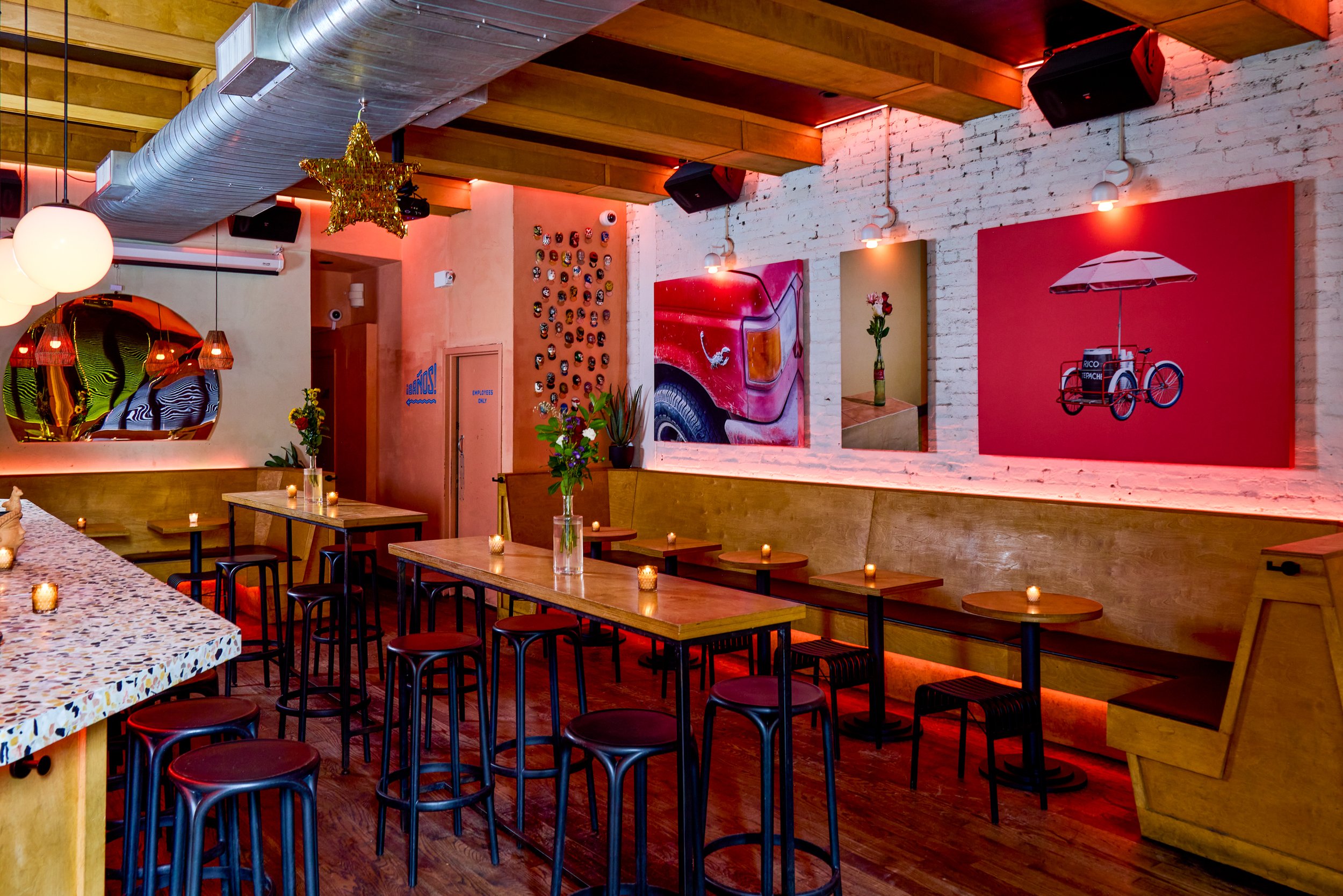
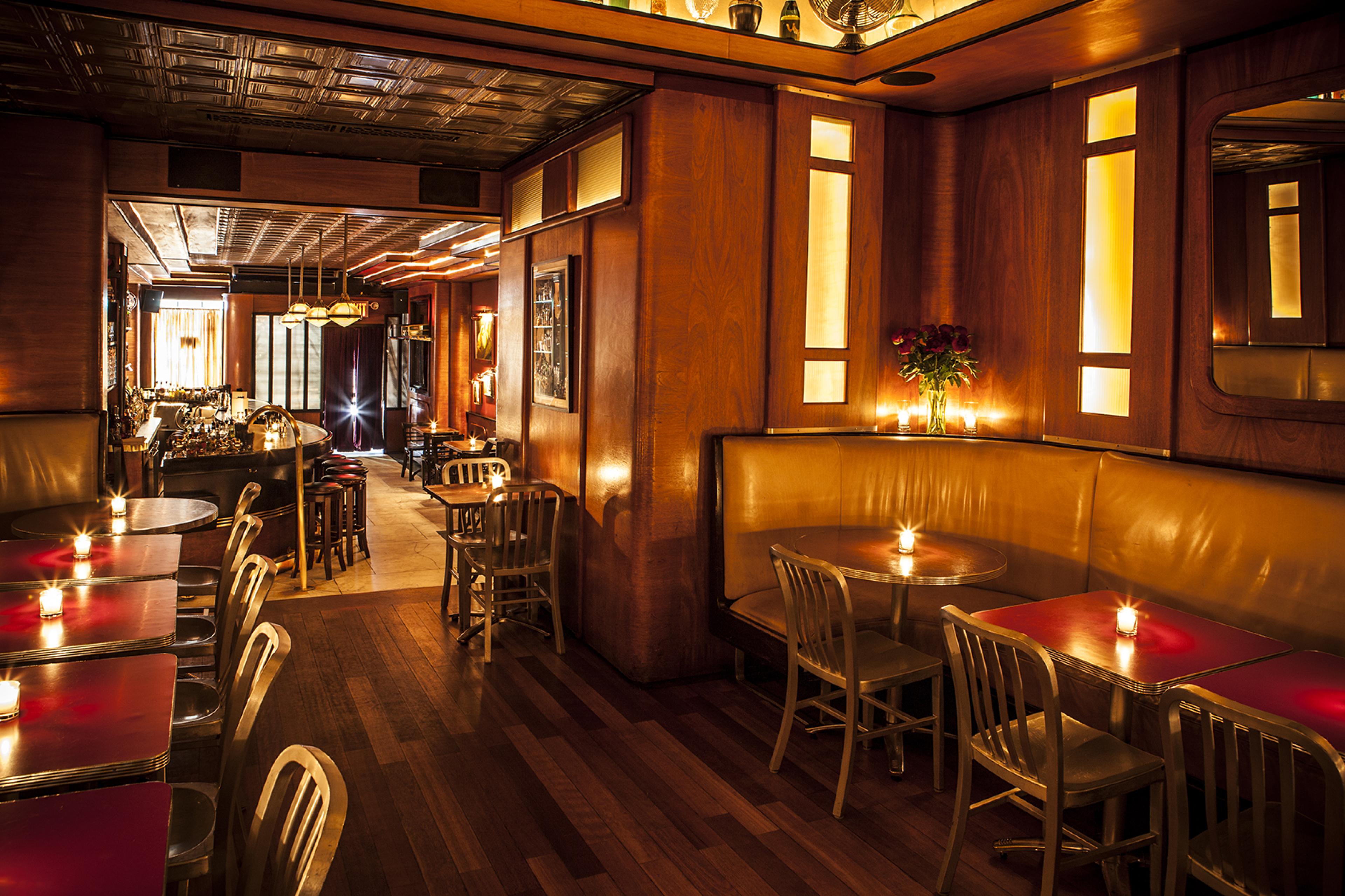
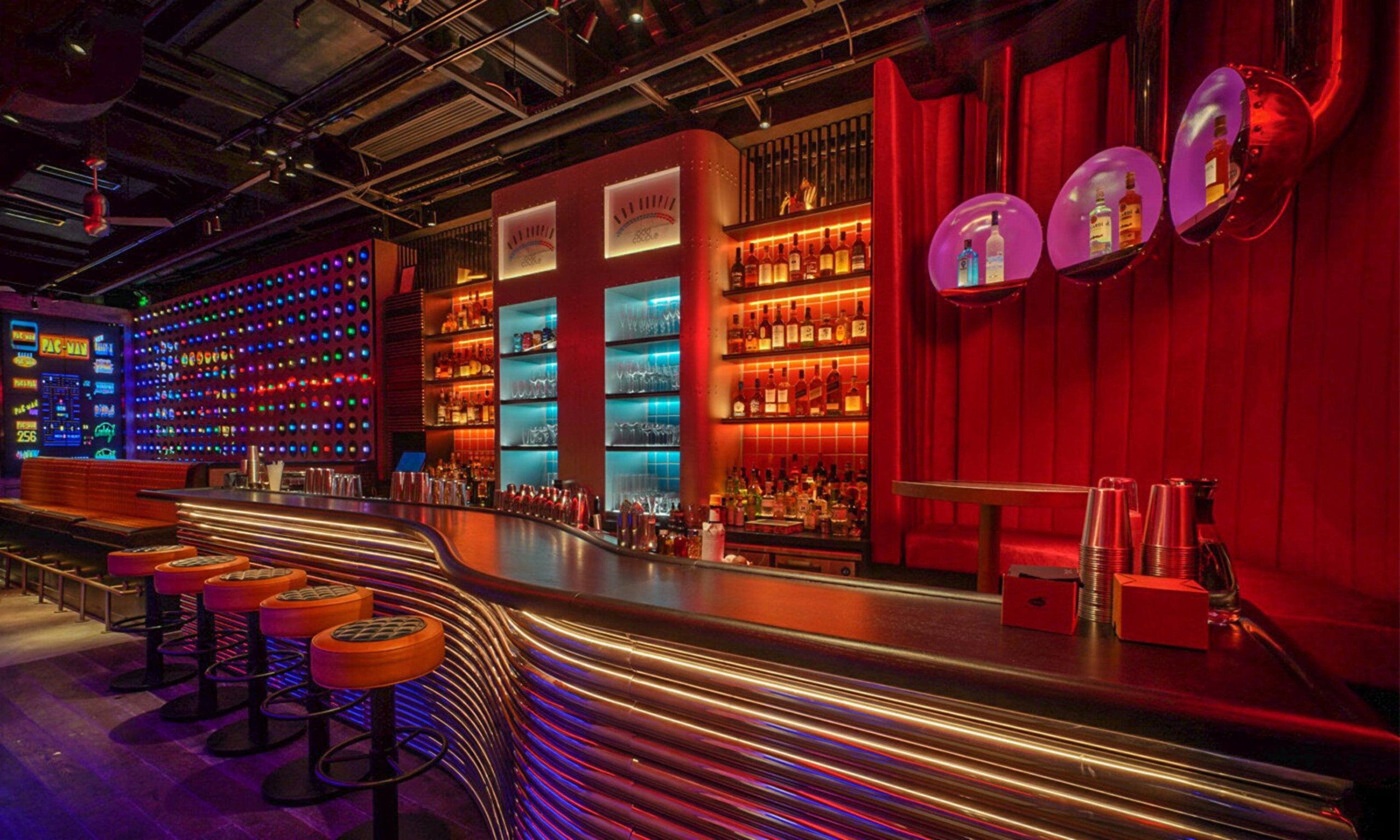
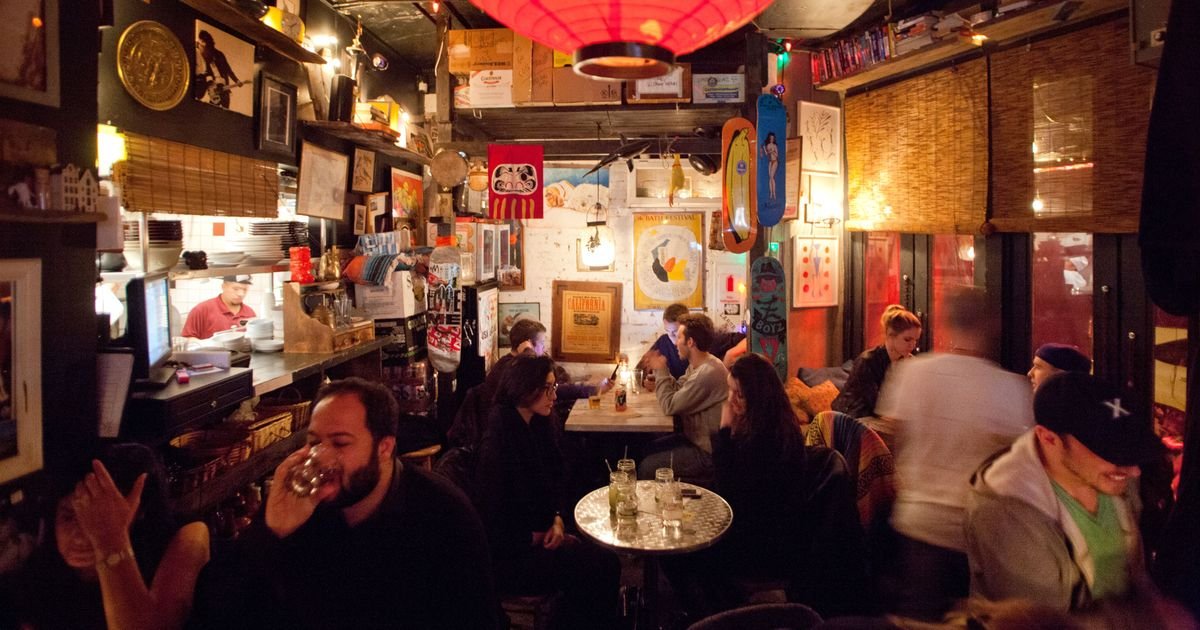
Laid-back, eclectic atmosphere combining dive bar casualness with cozy, homey surfer and diner elements.
Tags
Vibe
Best For
Experience
Format
At the Bar
- Bar Category
- Dive Bar
- Late Night
- Open Until 2am
Know before you go
Know Before You Go
- Getting there
- 138 Division St, New York, NY 10002
Planning details
Location
Also consider
Also Consider
- Parcelle Chinatown, Notable alternative
- Sunn's, Notable alternative
- Le Dive, Notable alternative
- Swan Room, Notable alternative
- Clandestino, Notable alternative
Bar context
How it compares in downtown New York
Pick Forgtmenot when the plan needs to stay casual and easy. Compared with Parcelle Chinatown, it is the less wine-specific choice; Parcelle makes more sense when the bottle list is the reason for going. Compared with Sunn's, it reads as more of a flexible neighborhood stop than a place to organize the whole evening around.
Le Dive is the better fit for a scene-forward downtown night, while Forgtmenot is safer for people who want less commitment and fewer expectations. Swan Room should be the cross-shop for a more polished room or special-occasion feel. Clandestino is the closest comparison for an unfussy bar decision; choose between them based on where the rest of the night is happening.
On value, Forgtmenot's lack of a published price signal means it is not the smartest choice for diners trying to plan spend tightly. On booking difficulty, it is the easier kind of choice: use it when convenience beats ceremony, and move to Parcelle Chinatown, Le Dive, or Swan Room when the drinks program, room, or occasion needs to do more work.
Explore New York City
Around this place
Discover more on Pearl
Unlock the full Forgtmenot guide in Pearl, including awards, comparisons, FAQs, planning details, and nearby places.
Compare Forgtmenot
| Venue | Location | Awards |
|---|---|---|
| Forgtmenot | New York City | No published awards |
| Parcelle Chinatown | New York City | No published awards |
| Sunn’s | New York City | No published awards |
| Le Dive | New York City | No published awards |
| Swan Room | New York City | No published awards |
| Clandestino | New York City | No published awards |
How Forgtmenot New York City compares with similar nearby venues.
FAQ
Frequently Asked Questions
Is Forgtmenot open late?
Yes. Forgtmenot is open until 12 AM Monday through Thursday and until 1:30 AM Friday through Sunday in New York City.
Is Forgtmenot good for a date?
It can make sense for a casual, low-pressure date in New York City. The dress code is casual, and the venue keeps late hours, but there are no details here on menu, seating style, or reservations.
Does Forgtmenot have outdoor seating?
There is no outdoor-seating detail available here, so do not plan around outdoor tables. If that matters, compare options such as Le Dive or Clandestino and check official channels before you go.
Does Forgtmenot have happy hour deals?
There is no happy-hour detail available here, so do not plan around a deal. If value is the priority, compare options such as Swan Room or Le Dive based on the kind of night you want, and check official channels for current details.