
Catch
West Village, New York City
Bar in New York City, United States
 Book with Pearl
The Read
Price
$50–100per person
Why go
Catch is worth booking when the goal is a lively Meatpacking dinner that can turn into a longer night. It is better for groups and first-timers who want atmosphere with food than for diners seeking a quiet, food-only decision. Booking difficulty is easy, which makes it useful for flexible downtown plans.
About Catch
Catch is a New York City venue with evening hours throughout the week and a smart casual dress code. Plan your visit around the current schedule and confirm any menu or service details directly with the venue before you go.
The practical verdict: use the schedule first. Catch opens at 5 PM daily, closes at 9:30 PM on Monday through Wednesday and Sunday, at 10:30 PM on Thursday, and at 11:30 PM on Friday and Saturday. If you are comparing options for a New York City night out, keep the decision grounded in the current hours and the smart casual dress code.
Choose it when the timing fits your evening
Catch is best evaluated here by what matters most: its New York City setting, evening operating hours, and smart casual dress code. If you are weighing it against other New York City options, you can also consider Catch, Chez Margaux, FIG & OLIVE | Meatpacking, RH Rooftop Restaurant at RH New York, The Champagne & Caviar Bar, and The Standard Grill as part of the same broader planning process.
For broader planning, compare it with our full New York City restaurants guide and our full New York City bars guide.
Know Before You Go
- Location: New York City.
- Hours: Monday 5–9:30 PM; Tuesday 5–9:30 PM; Wednesday 5–9:30 PM; Thursday 5–10:30 PM; Friday 5–11:30 PM; Saturday 5–11:30 PM; Sunday 5–9:30 PM.
- Dress code: Smart casual.
- Planning note: Confirm current availability and any menu or service details directly with the venue.
- Do not assume: specific cuisine, pricing, seating, awards, lunch service, takeout, delivery, or dietary accommodations from this guide.
For a broader New York City plan, use Pearl's city pages rather than forcing one venue into every itinerary: New York City hotels, New York City experiences, and New York City wineries.
Planning details
- Location
- 21 9th Ave, New York, NY 10014
- Reservations
- Book on Resy
- Website
- catchrestaurants.com/location/catch-nyc
- Phone
- +1 212 392 5978
The take
The Take
The Vibe
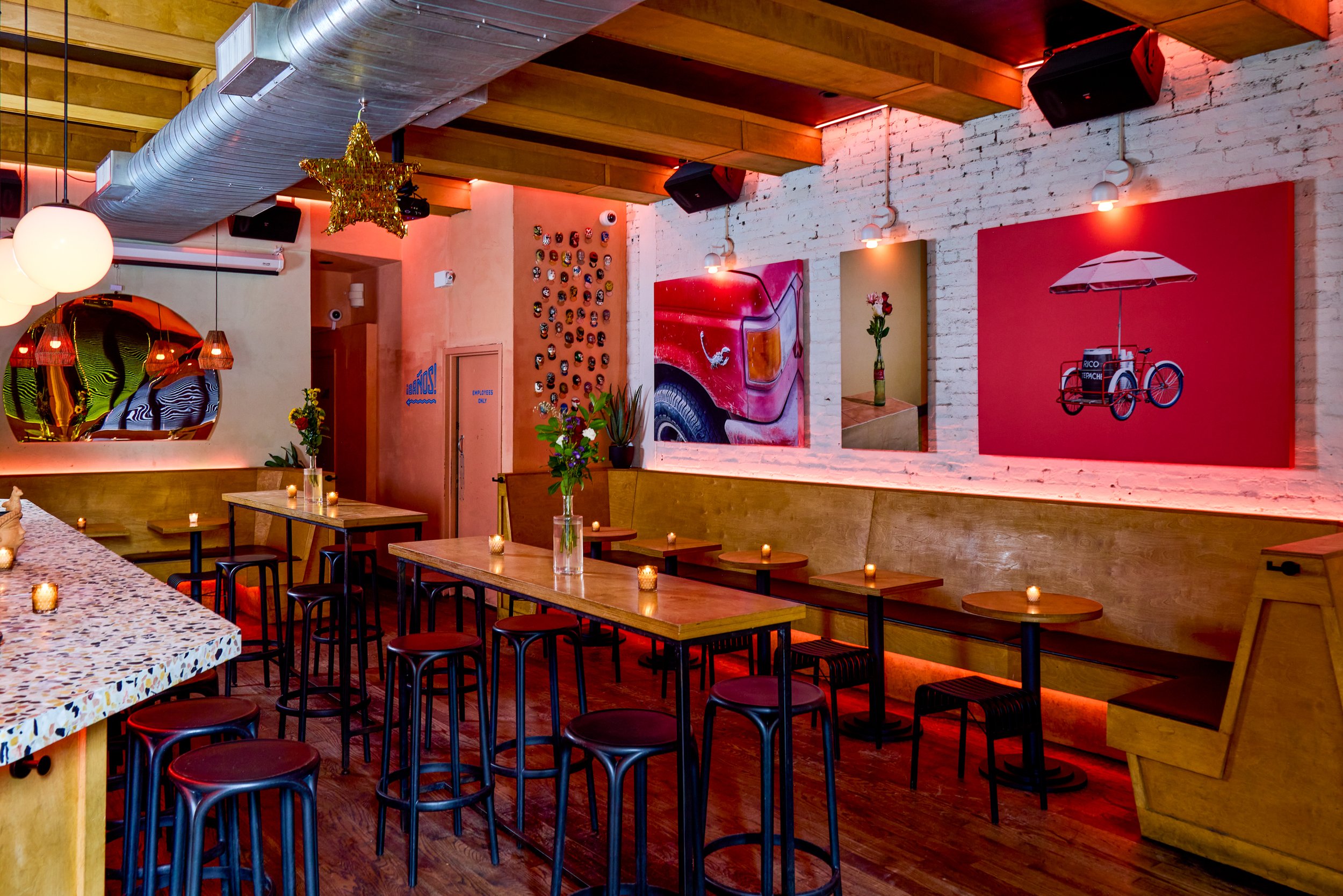
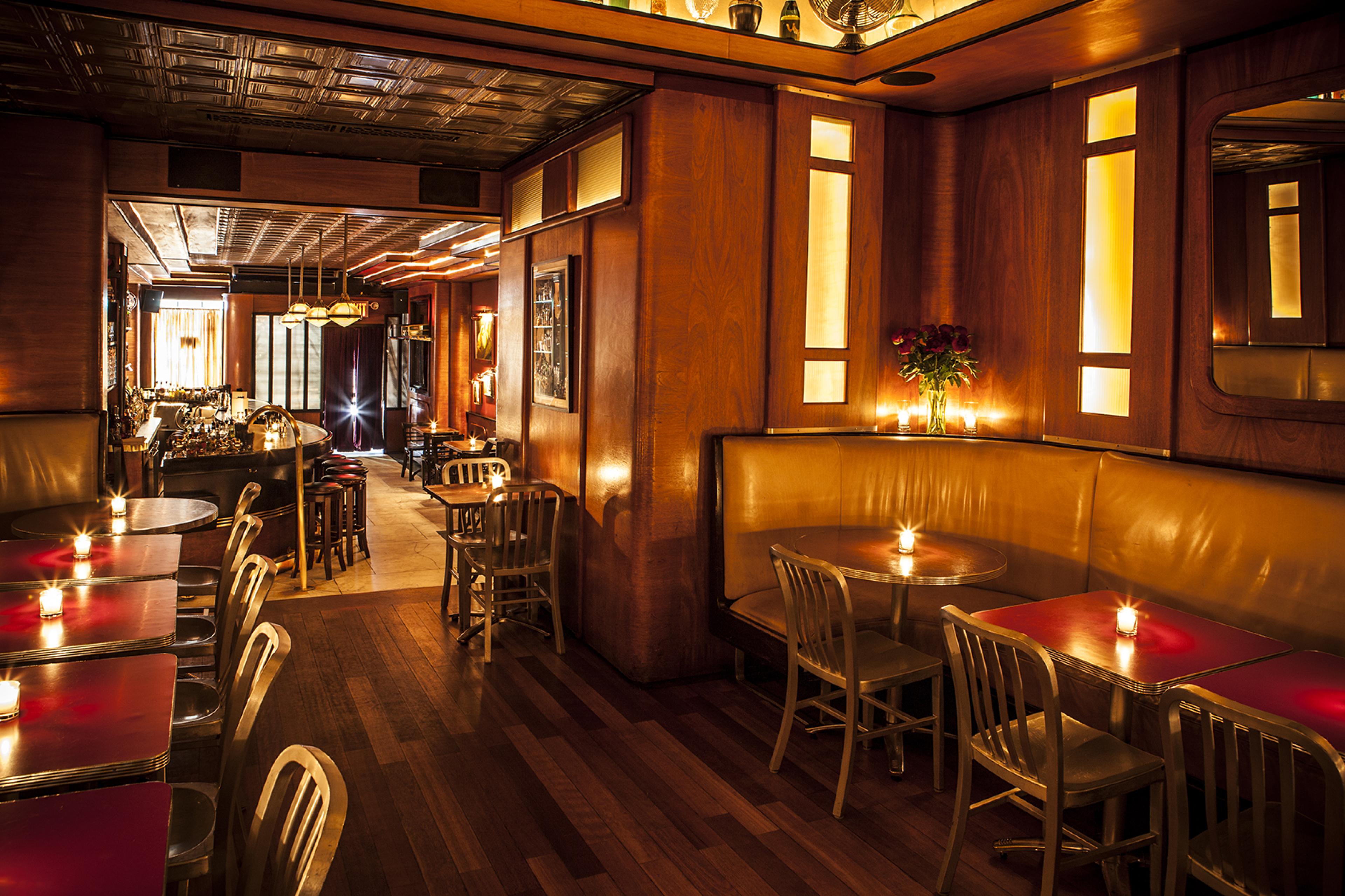
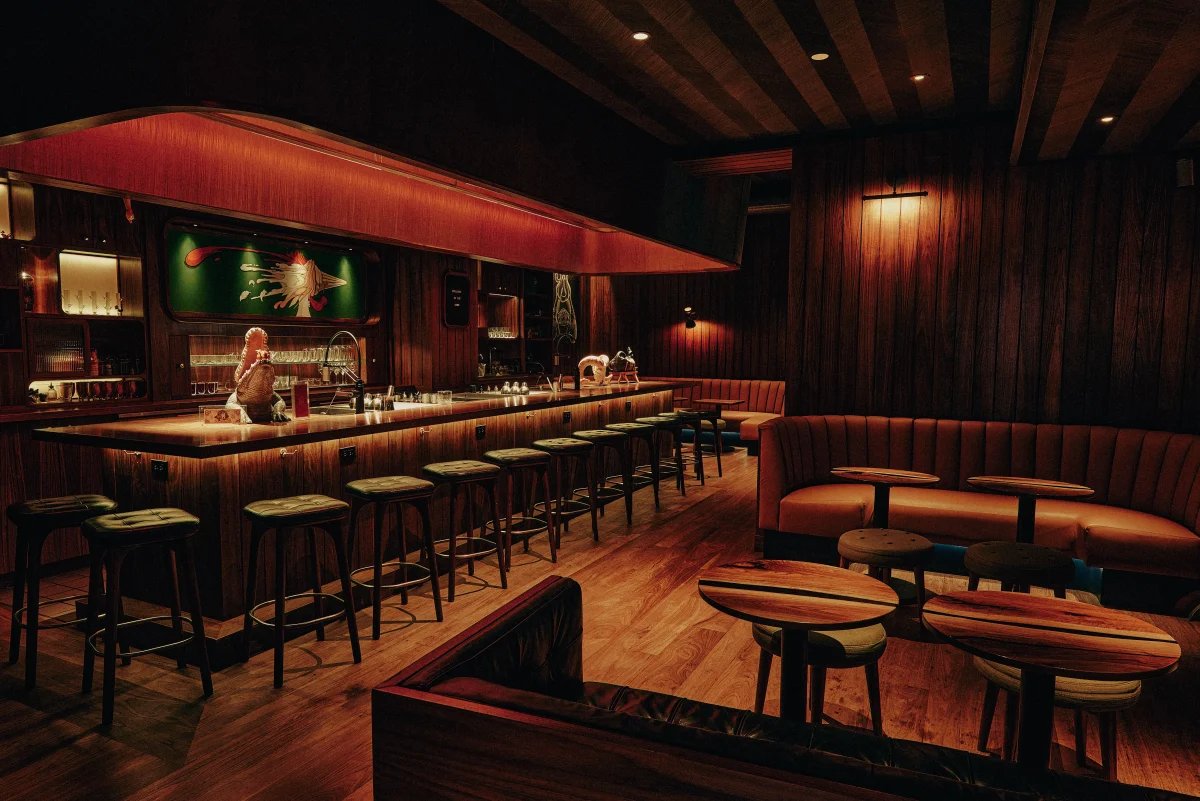
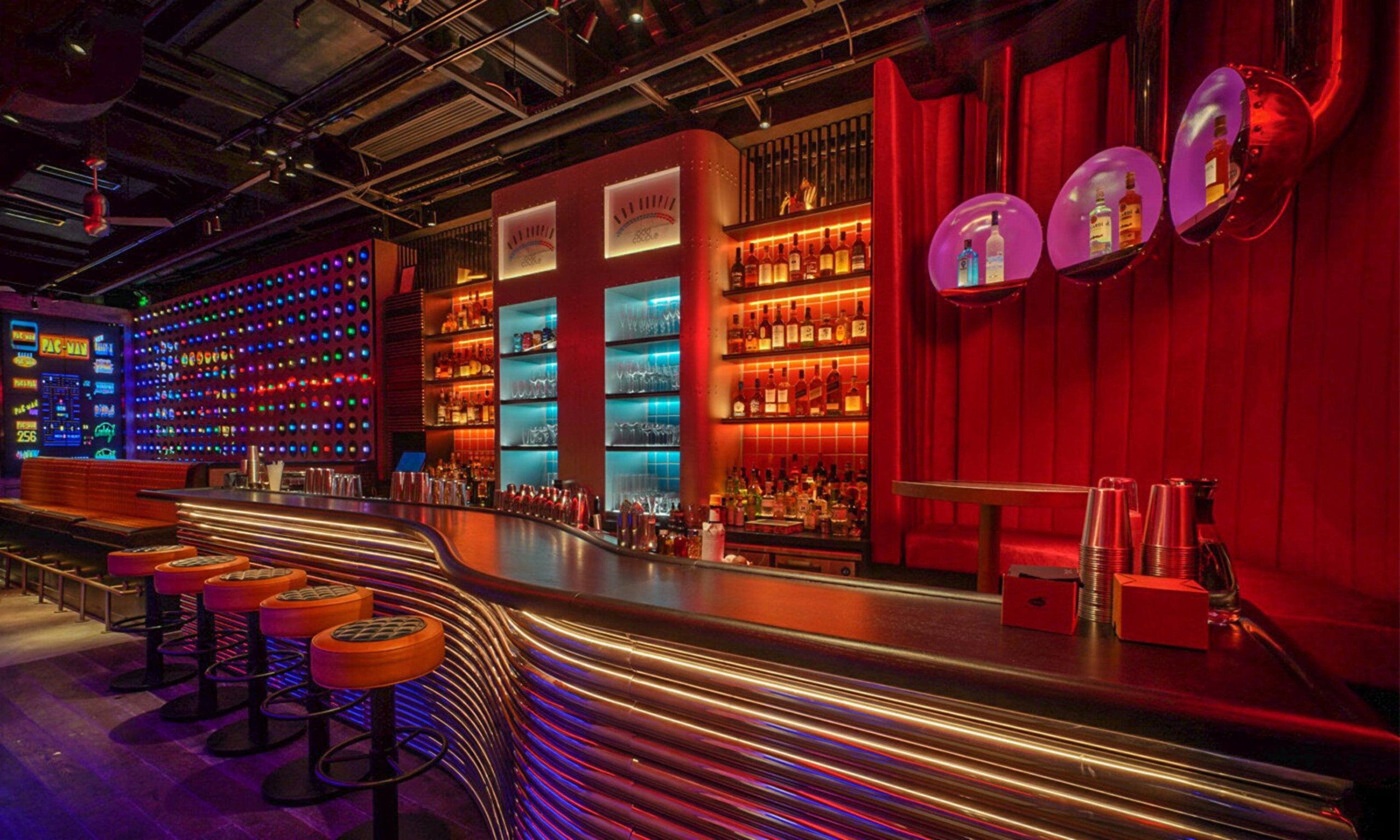
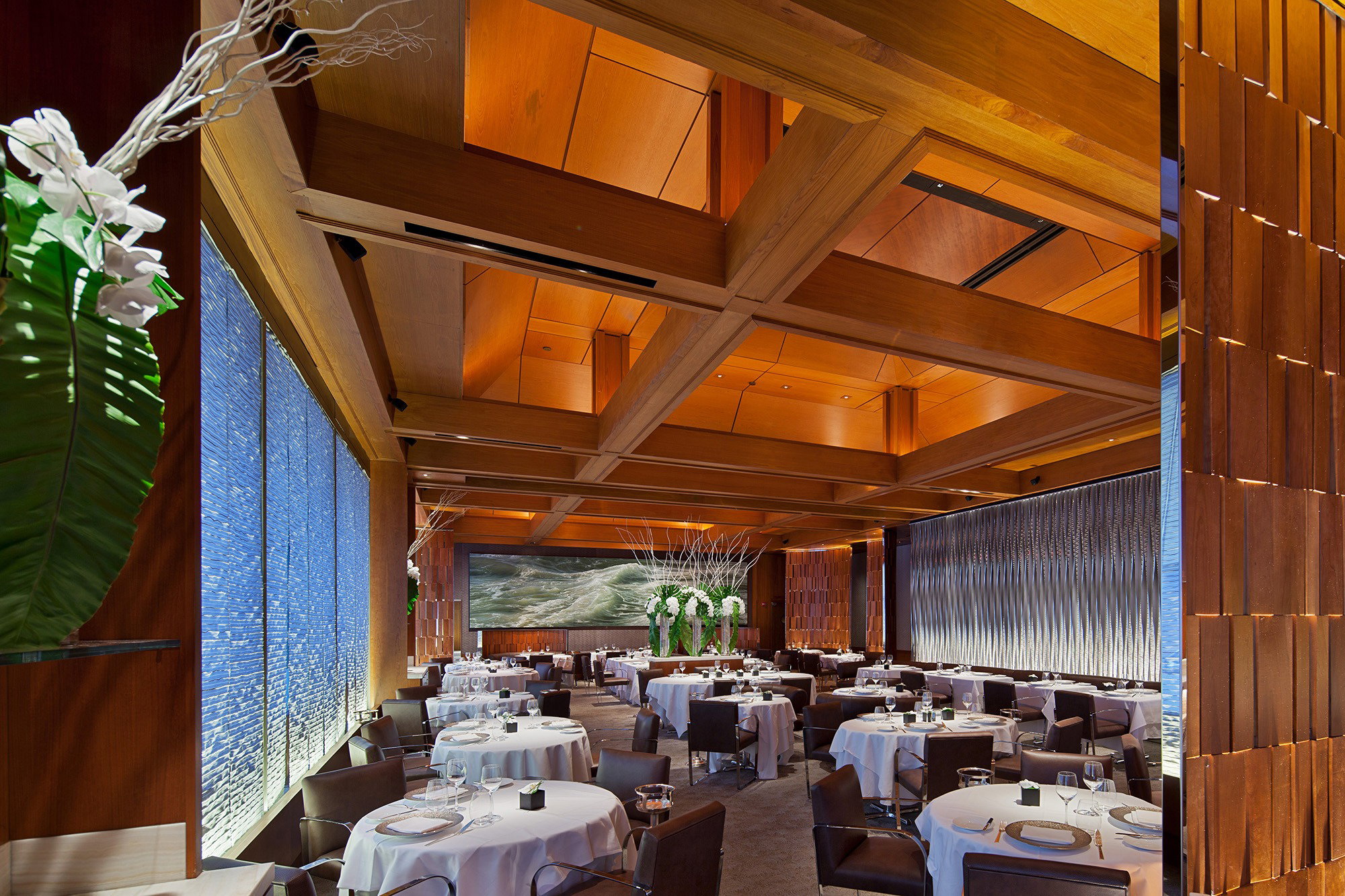
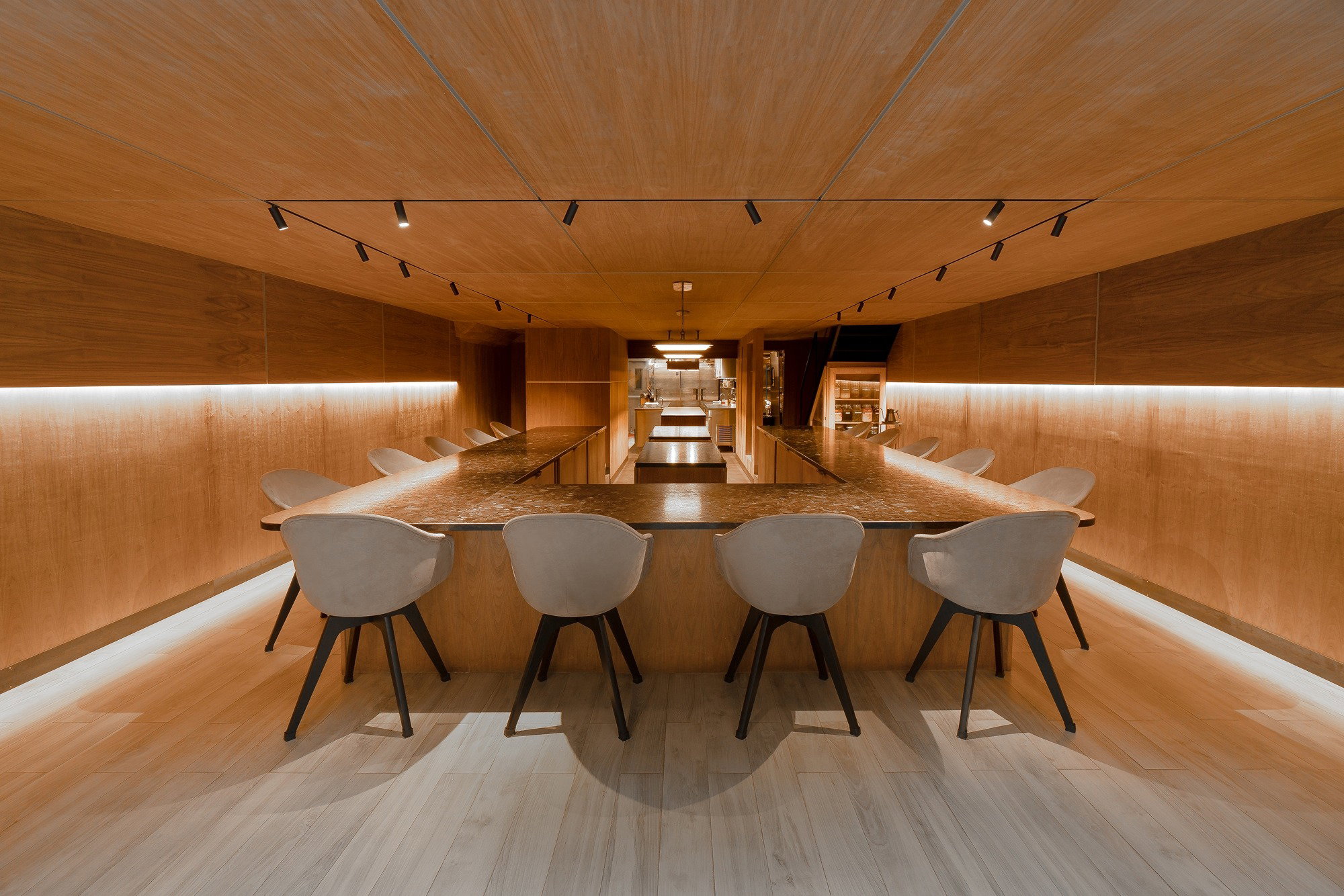
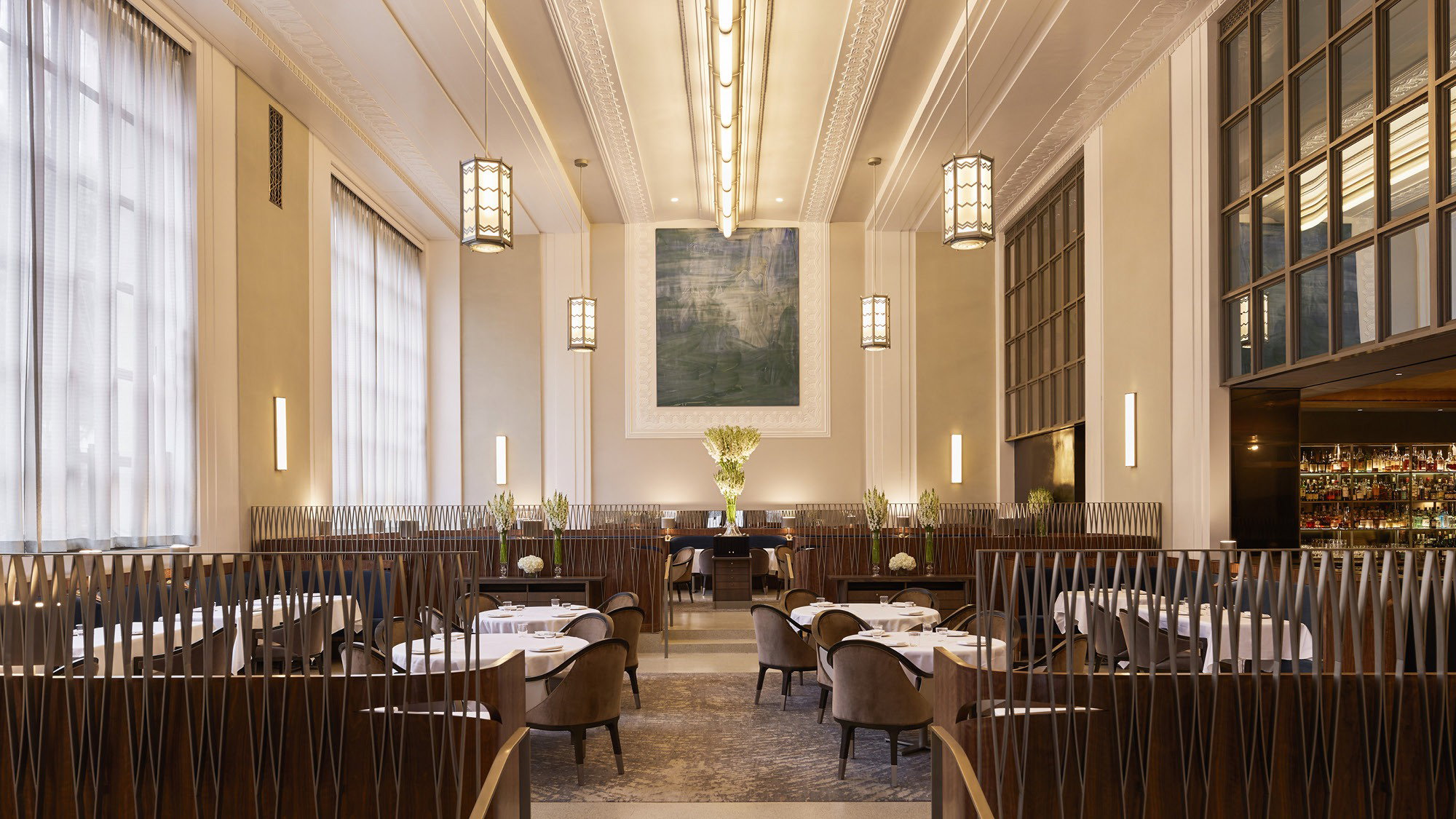
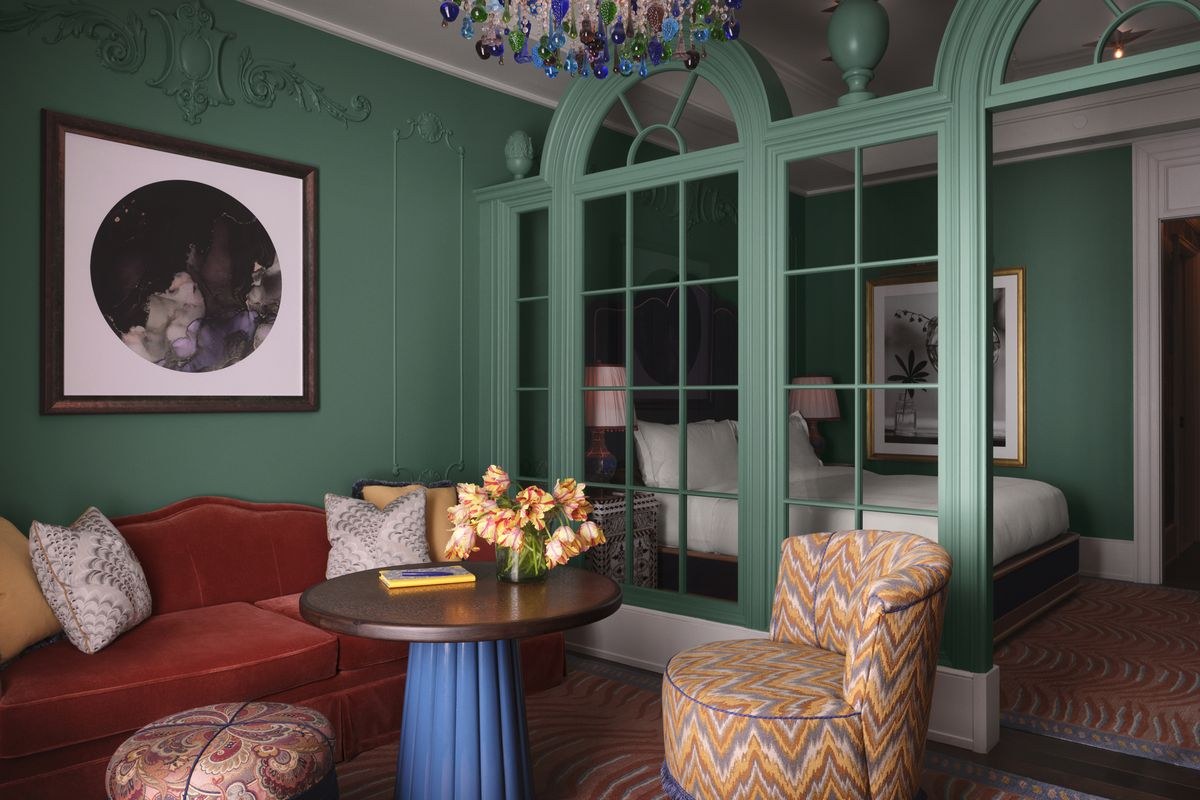
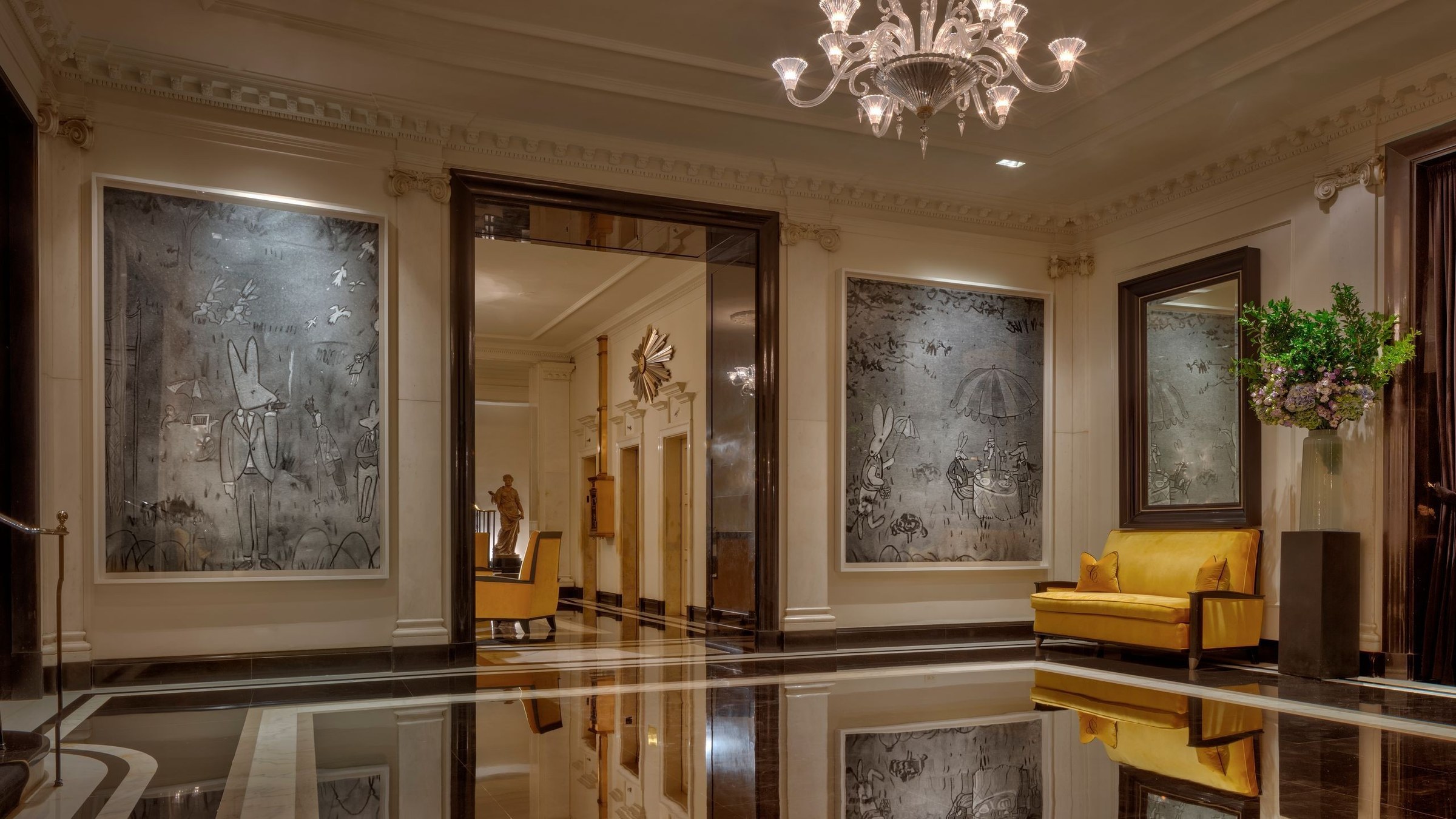
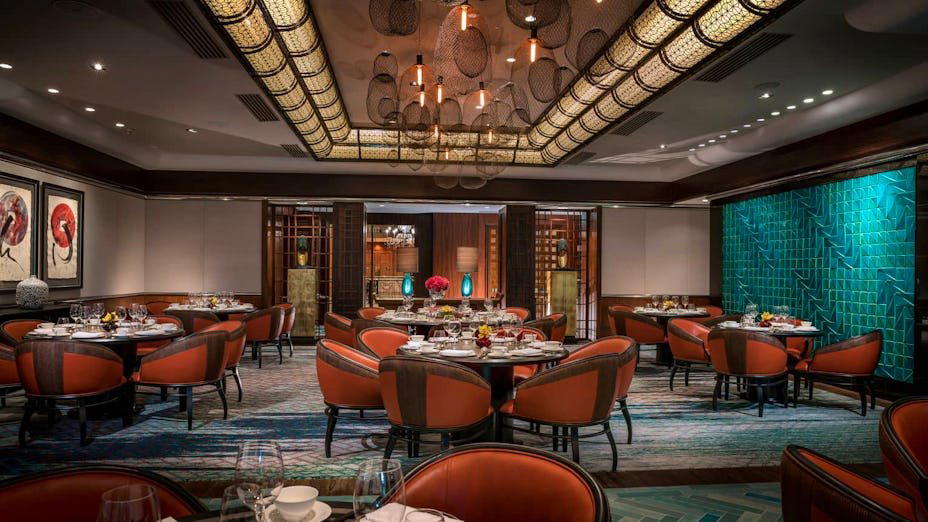
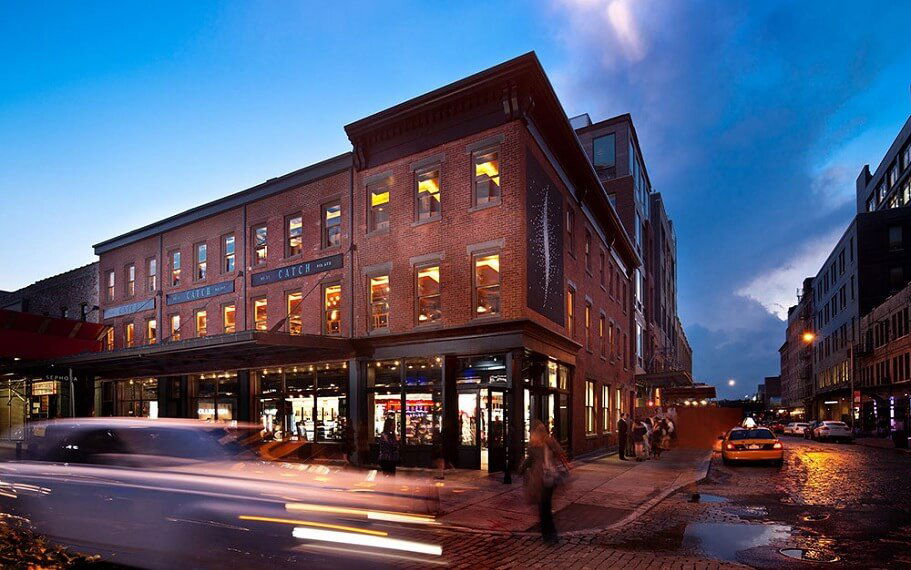
Catch reads as a modern, design-led destination that leans into the Meatpacking District’s industrial virtues. The piece emphasizes preserved architectural 'bones' and a spatially ambitious, multi-level layout that treats the room as carefully as the menu. Lower floors settle into a more focused dining register while upper levels open toward the city, creating scenic, dramatic moments. The result is a polished, modern-industrial setting where material heft and curated sightlines are as central to the experience as food and drink.
Best For
The venue is best for evenings that want both structure and spectacle: book the lower floors for a focused dinner and move upstairs for drinks, views, and a more animated late-night scene. Its multi-level footprint lets different groups occupy distinct moods simultaneously, so it works for date nights, after-work cocktails, celebratory gatherings and late-night visits. The space’s design-forward identity also suits special occasions when the room itself is part of the evening’s appeal.
Ordering Tips
Rather than menu-specific advice, choose seating to match your plan: reserve lower-level tables when you want a concentrated dinner experience; request an upper-level or terrace spot if the view and a livelier drink-focused night are your priority. Timings matter too — earlier evenings skew toward focused dining, while later hours emphasize the drink program and the city-facing atmosphere. The room’s layered zones reward aligning your reservation with the mood you want to have.
Venue details
Ambiance
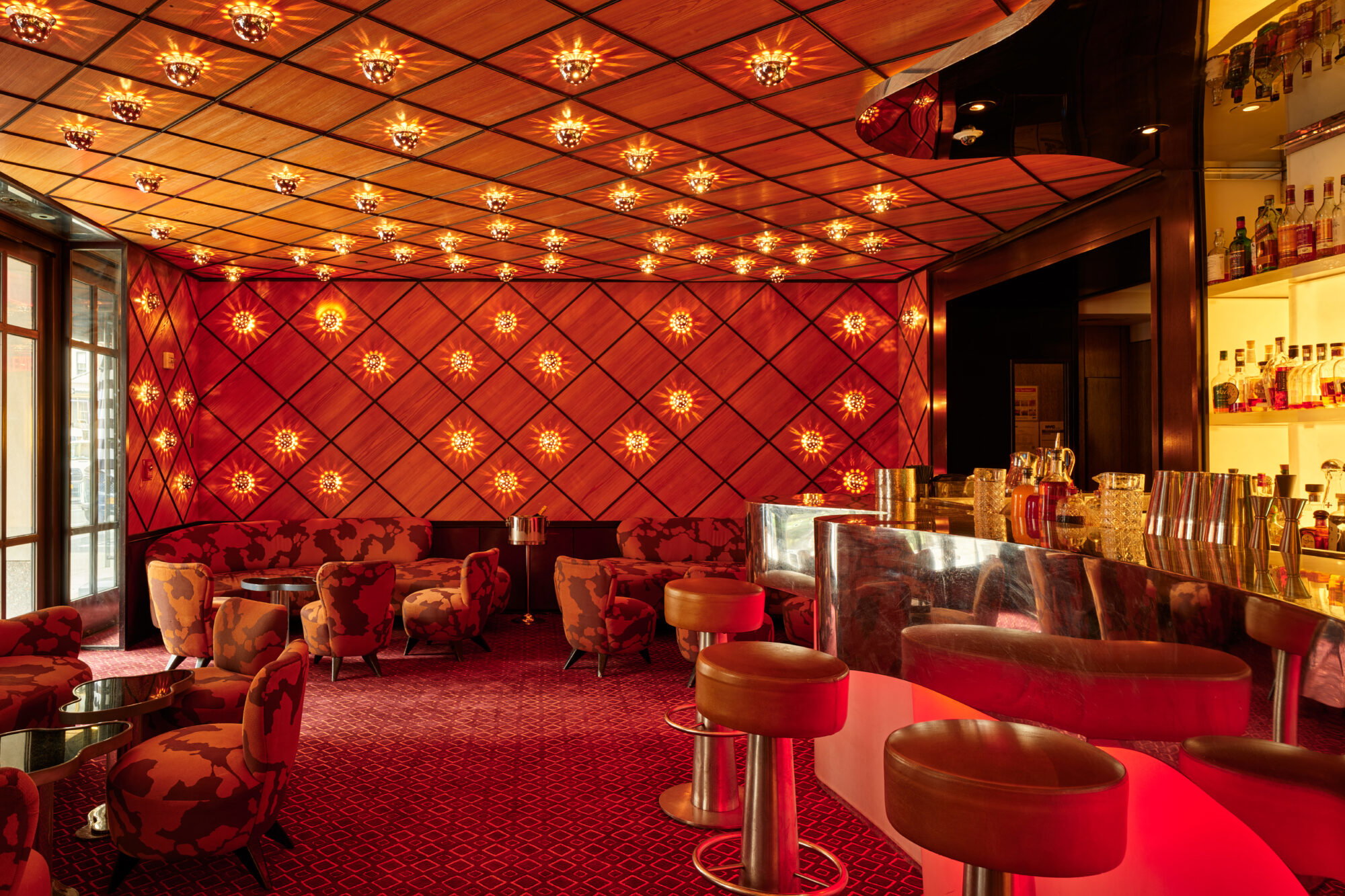
Energetic warehouse-style space with lively main dining room, cocktail patio, and glass-walled rooftop lounge; sophisticated yet trendy atmosphere with dynamic lighting and upscale nightclub ambiance in evening hours.
Tags
Vibe
Best For
Experience
Format
View
Accessibility
At the Bar
- Bar Category
- Rooftop Bar
- Late Night
- Open Until 2am
- Music
- Curated in House Mix Including Hip Hop, Top 40, and Edm
- Live Music
- Yes
- Spirits Focus
- Gin, Tequila, Whiskey
Signature Pours
- Catch Dirty Martini
- Fluffy Margarita
- Bananas Foster Old Fashioned
- Old Fashioned
- Espresso Martini
Know before you go
Know Before You Go
- Getting there
- 21 9th Ave, New York, NY 10014
Planning details
Location
21 9th Ave, New York, NY 10014 · Directions
Recognition and awards
Also consider
Also Consider
- Chez Margaux, Notable alternative
- RH Rooftop Restaurant at RH New York, Notable alternative
- FIG & OLIVE | Meatpacking, Notable alternative
- The Champagne & Caviar Bar, Notable alternative
- The Standard Grill, Notable alternative
Bar context
How It Compares
Catch is the group-night pick in this set: easier to use when the table wants dinner, drinks, and Meatpacking energy in one booking. Chez Margaux reads as the more polished splurge choice, while RH Rooftop Restaurant at RH New York is stronger for a design-led meal where the setting is the main draw.
For value and lower-friction neighborhood dining, FIG & OLIVE | Meatpacking and The Standard Grill are safer alternatives, especially if the group wants less late-night momentum. Catch is the better fit when the room's energy is part of the reason to go.
The Champagne & Caviar Bar is the narrower, occasion-led choice. Pick it for a focused drinks-and-luxury-snack plan; pick Catch when the group needs a full dinner format and an easier path into the rest of the night.
Explore New York City
Around this place
Discover more on Pearl
Unlock the full Catch guide in Pearl, including awards, comparisons, FAQs, planning details, and nearby places.
Compare Catch
| Venue | Location | Awards |
|---|---|---|
| Catch | New York City | 2026 Wine Spectator Award of Excellence |
| Chez Margaux | New York City | No published awards |
| RH Rooftop Restaurant at RH New York | New York City | No published awards |
| FIG & OLIVE | Meatpacking | New York City | No published awards |
| The Champagne & Caviar Bar | New York City | No published awards |
| The Standard Grill | New York City | No published awards |
How Catch NYC compares with similar nearby venues.
FAQ
Frequently Asked Questions
What's the best time to go to Catch?
Catch opens at 5 PM daily in New York City. Hours run until 9:30 PM on Monday through Wednesday and Sunday, 10:30 PM on Thursday, and 11:30 PM on Friday and Saturday. For comparisons, you may also look at Chez Margaux and The Standard Grill.
What is Catch known for?
Catch is a New York City venue with evening hours and a smart casual dress code. Specific cuisine, menu format, pricing, awards, and service details are not listed here.