Little Lilly Sushi
Ridglea Village, Fort Worth
Bar in Fort Worth, United States
 Book with Pearl
Why go
Choose Little Lilly Sushi when you want a calmer Camp Bowie dinner centered on sushi rather than burgers, Italian, or hotel-bar drinks. It is a practical pick for dates and small catch-ups in Fort Worth, especially when conversation matters and the night does not need a big-room energy.
About Little Lilly Sushi
Little Lilly Sushi is a Fort Worth venue with casual dress and a schedule that includes lunch-and-dinner service Tuesday through Saturday, Friday and Saturday evening hours until 10 PM, Sunday service from noon to 9 PM, and a Monday closure. Beyond those basics, plan with care regarding details such as reservations, menu format, seating, pricing, and special services.
A casual Fort Worth option with clear weekly hours
The strongest planning facts for Little Lilly Sushi are its hours and casual dress code. It is closed Monday; open Tuesday through Thursday from 11 AM–2 PM and 5–9 PM; open Friday and Saturday from 11 AM–2 PM and 5–10 PM; and open Sunday from 12–9 PM.
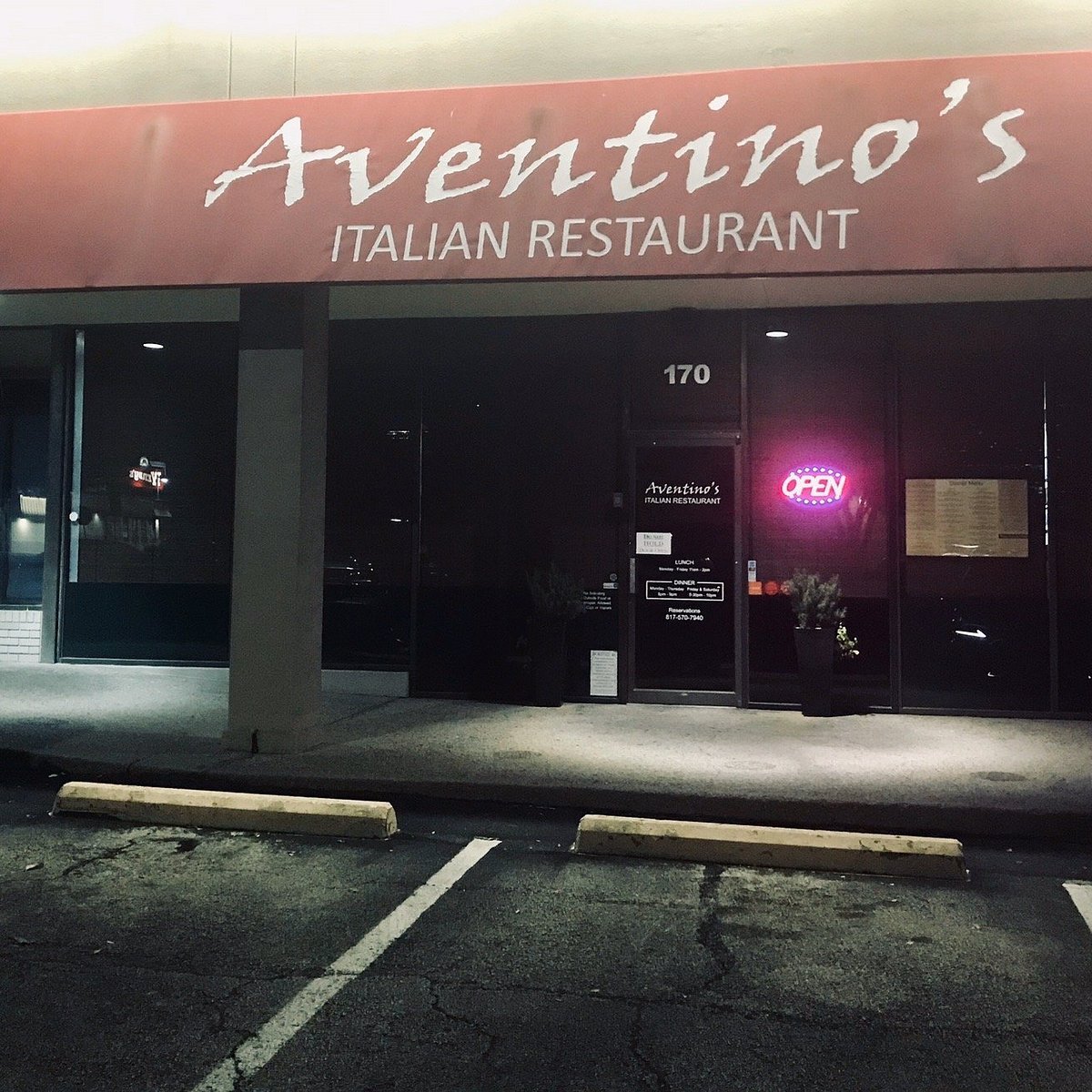
If you are comparing it with other options such as Fred's Texas Cafe - Camp Bowie West, Big Kat Burgers @Crystal Springs Hideaway, The Bar at Bowie House, Aventino's Italian Restaurant, or The Circle Bar, use the schedule first. Little Lilly Sushi is easiest to plan around when those hours match the meal time you need.
Where it fits in a first Fort Worth dinner plan
For a first visit, treat Little Lilly Sushi as a casual Fort Worth venue, and plan based on its hours rather than making assumptions about menu style, service format, price, seating, or atmosphere. Aventino's Italian Restaurant, The Circle Bar, The Bar at Bowie House, Fred's Texas Cafe - Camp Bowie West, and Big Kat Burgers @Crystal Springs Hideaway can be useful comparison points when building a broader shortlist.
Use Our full Fort Worth restaurants guide if this is part of a broader dinner shortlist, and check Our full Fort Worth bars guide if the plan needs a second stop. For visitors building a wider trip, Our full Fort Worth hotels guide, Our full Fort Worth wineries guide, and Our full Fort Worth experiences guide are better planning tools than stretching one meal into an all-night itinerary.
Planning details
- Location
- 6100 Camp Bowie Blvd #12, Fort Worth, TX 76116
- Website
- littlelillysushi.com
- Phone
- +1 817 989 8886
The take
The Take
The Vibe
Little Lilly Sushi reads like a neighborhood institution: unpretentious, familiar, and quietly confident. It occupies a suite on Camp Bowie Boulevard and aligns with the corridor's steady rhythm of dependable local dining. Rather than staging a theatrical omakase performance, the room prioritizes ease — diners choose from the menu, set their own pace, and settle into a relaxed, conversational meal. The result is an approachable sushi experience that favors consistency and comfort over spectacle, making it feel like a comfortable fallback for Westside locals who want good food without fuss.
Best For
This spot is best for low-key neighborhood dinners where the company matters as much as the food. Because Little Lilly Sushi emphasizes a self-directed, table-paced meal, it suits couples seeking an informal date night, groups who enjoy sharing plates and pacing their own order, and locals who return for reliable Japanese fare. It's not positioned as an out-of-town destination or formal tasting room; instead, it shines as a dependable evening option for people in the community who want straightforward sushi in a relaxed setting.
Ordering Tips
Treat Little Lilly Sushi like a neighborhood sushi joint rather than an omakase counter: study the menu, order what appeals, and let the meal unfold at your table's pace. Sharing plates and sequencing small orders works well here, since the restaurant emphasizes autonomy over a chef-driven progression. If you prefer a structured tasting, this isn’t the format; instead, come ready to pick favorites, add as you go, and enjoy the communal rhythm of ordering, waiting, and eating together.
Venue details
Ambiance
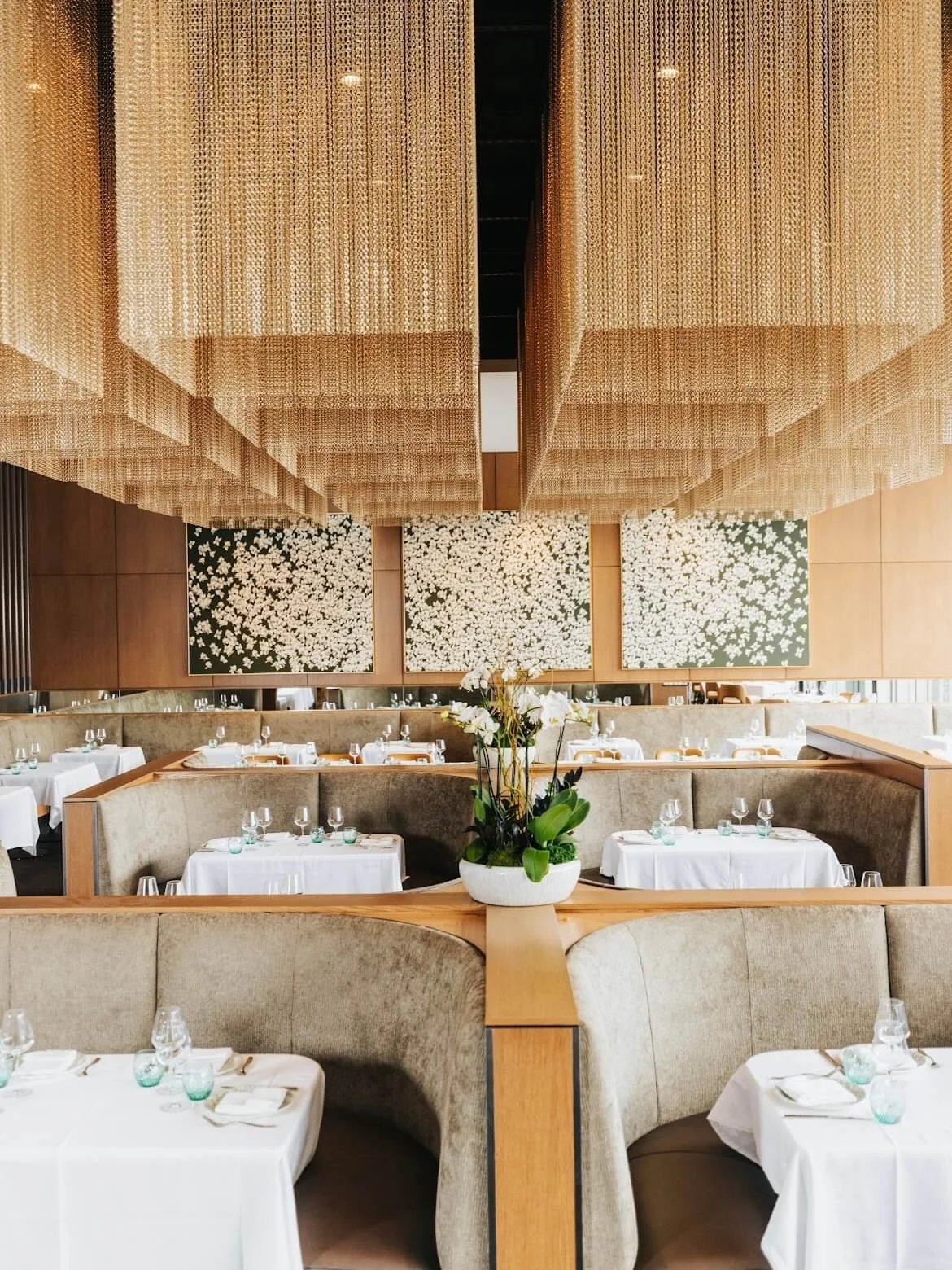
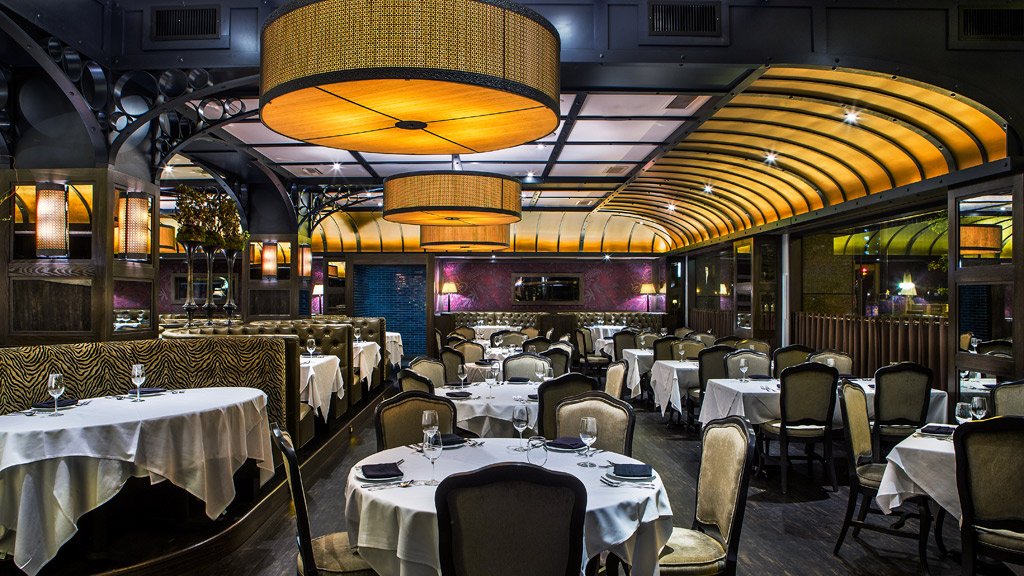
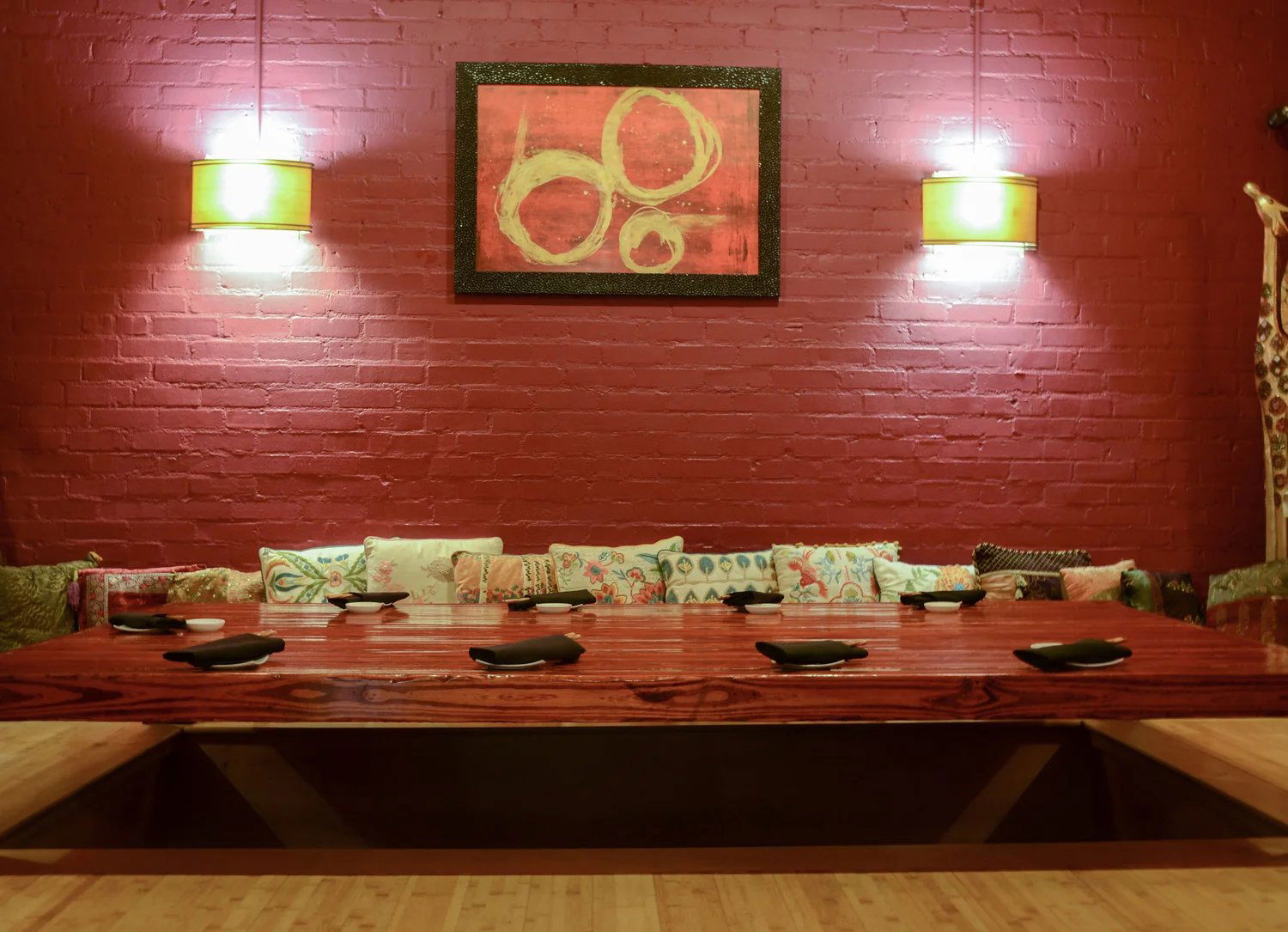
Modest, well-kept interior with sparse decor centered around an L-shaped sushi bar with open kitchen, starburst chandeliers, and warm patio seating.
Tags
Vibe
Best For
Experience
Format
Accessibility
At the Bar
- Bar Category
- Sake Bar
- Late Night
- Closes by Midnight
Know before you go
Know Before You Go
- Getting there
- 6100 Camp Bowie Blvd #12, Fort Worth, TX 76116
Planning details
Location
Also consider
Where to go if this is not the right fit
Choose Aventino's Italian Restaurant if the table wants a more classic dinner format. Choose The Bar at Bowie House if the plan is drinks-first and atmosphere matters more than a sushi-focused meal.
Bar context
How Little Lilly Sushi compares in Fort Worth
Against Aventino's Italian Restaurant, Little Lilly Sushi is the better pick when the group wants sushi and a lighter-feeling dinner. Aventino's is the safer choice for a more traditional sit-down meal, especially if pasta and Italian comfort are the target rather than a tighter sushi-focused plan.
Compared with Fred's Texas Cafe - Camp Bowie West and Big Kat Burgers @Crystal Springs Hideaway, this is the calmer call. Those two are better for casual Fort Worth energy, burgers, and a looser group meal; Little Lilly Sushi is better for dates, quieter conversation, and a dinner that does not revolve around bar food.
The Bar at Bowie House and The Circle Bar make more sense when drinks are the main event. Pick Little Lilly Sushi when food needs to lead the plan; pick the bars when the night is about cocktails, lingering, or a later stop.
Explore Fort Worth
Around this place
Discover more on Pearl
Unlock the full Little Lilly Sushi guide in Pearl, including awards, comparisons, FAQs, planning details, and nearby places.
Compare Little Lilly Sushi
| Venue | Location | Awards |
|---|---|---|
| Little Lilly Sushi | Fort Worth | No published awards |
| Aventino's Italian Restaurant | Fort Worth | No published awards |
| Fred's Texas Cafe - Camp Bowie West | Fort Worth | No published awards |
| Big Kat Burgers @Crystal Springs Hideaway | Fort Worth | No published awards |
| The Bar at Bowie House | Fort Worth | No published awards |
| The Circle Bar | Fort Worth | No published awards |
How Little Lilly Sushi Fort Worth compares with similar nearby venues.
FAQ
Frequently Asked Questions
Do I need a reservation at Little Lilly Sushi?
For reservation details, please check directly with the venue. The schedule is Monday closed; Tuesday through Thursday 11 AM–2 PM and 5–9 PM; Friday and Saturday 11 AM–2 PM and 5–10 PM; and Sunday 12–9 PM. If you need a flexible plan, compare those hours with another option such as The Bar at Bowie House.
Is Little Lilly Sushi good for a date?
Little Lilly Sushi has a casual dress code. It may be worth considering if its Fort Worth location and hours fit your plan. If you are comparing alternatives, The Circle Bar is another option to consider.
Is Little Lilly Sushi open late?
Not especially. Friday and Saturday service runs until 10 PM, Tuesday through Thursday close at 9 PM, Sunday runs from 12–9 PM, and Monday is closed. If you need more timing flexibility, compare the schedule with The Bar at Bowie House before deciding.
What's the crowd like at Little Lilly Sushi?
Little Lilly Sushi is in Fort Worth, has a casual dress code, and keeps posted weekly hours with Monday closed. Fred's Texas Cafe - Camp Bowie West and Big Kat Burgers @Crystal Springs Hideaway are other named options to compare while planning.
Is the food good at Little Lilly Sushi?
Regarding food quality, specific dishes, prices, and menu format, Little Lilly Sushi is a Fort Worth venue with casual dress and set weekly hours. If you want another option to compare, Aventino's Italian Restaurant is one option.
Is Little Lilly Sushi good for groups?
For group suitability, seating capacity, and service format, confirm current details directly and use the posted hours as the reliable baseline. The Circle Bar and The Bar at Bowie House are other options you may want to compare for a group plan.
Does Little Lilly Sushi have outdoor seating?
Key details include the Fort Worth location, casual dress code, and weekly hours. If outdoor seating is important, confirm directly before making plans or compare with another option such as The Bar at Bowie House.