


Bowie House, Auberge Resorts Collection
Cultural District, Fort Worth
Hotel in Fort Worth, United States
 Book with Pearl
The Read
Texan Vernacular Luxury
Why go
Book Bowie House, Auberge Resorts Collection when the hotel itself is part of the Fort Worth plan, not just a place to sleep. Its Camp Bowie setting and Auberge affiliation make it a stronger fit for polished weekends, hosted stays, and return visitors than for price-led downtown trips.
About Bowie House, Auberge Resorts Collection
Bowie House, Auberge Resorts Collection is a Fort Worth hotel choice with an awards profile that supports closer consideration: Michelin 2 Keys in 2024, La Liste Top Hotels 2026 with 92pts, and Virtuoso Luxury Hotel Partner status for 2026.
The useful decision point is simple: consider it when those hotel accolades matter to the trip, and compare it carefully when price, exact location needs, amenities, dining specifics, or service details are the deciding factors. The cleanest read is to treat Bowie House as a Fort Worth stay with notable third-party recognition, then check any trip-specific details directly before reserving.
Choose it for a recognized Fort Worth stay
For travelers comparing hotel options in and around Fort Worth, Bowie House, Auberge Resorts Collection stands out for its recognition profile. The dress code on record is smart casual, which is useful to know when planning the stay.
If you are weighing alternatives, The Crescent Hotel Fort Worth and Kimpton Harper Hotel are Fort Worth comparisons depending on the style of stay you want. Hotel Drover, Autograph Collection is another Fort Worth hotel to consider, while The Ritz-Carlton Dallas, Las Colinas and The Sanford House Inn & Spa may be relevant for travelers comparing a broader North Texas hotel set.
The awards profile supports the splurge, but the rate still needs a reason
The trust signals are meaningful: Michelin 2 Keys, La Liste Top Hotels 2026 at 92pts, and Virtuoso Luxury Hotel Partner status for 2026 put the property in a more selective conversation than a standard hotel listing. That does not automatically make it the right booking for every traveler. It means the premium is easier to defend when a recognized hotel stay is part of the purpose of the trip.
There is no need to overcomplicate the choice. If the goal is to compare notable Fort Worth hotels, look at Bowie House alongside Hotel Drover, Autograph Collection, The Crescent Hotel Fort Worth, and Kimpton Harper Hotel. If the search extends beyond Fort Worth, The Ritz-Carlton Dallas, Las Colinas and The Sanford House Inn & Spa can also be part of the conversation.
For planning around the stay, pair the hotel decision with Pearl's city guides rather than treating the room in isolation: Our full Fort Worth hotels guide, Our full Fort Worth restaurants guide, Our full Fort Worth bars guide, Our full Fort Worth wineries guide, and Our full Fort Worth experiences guide will help decide whether the hotel works for the whole itinerary.
Who should book, and who should cross-shop
Book here if you want a Fort Worth hotel with notable recognition and are comfortable checking the remaining details directly before reserving. Cross-shop if the trip depends on specific amenities, dining, exact logistics, or a particular price point that needs to be pinned down before booking. In those cases, comparing Bowie House with other Fort Worth options is the more practical move.
Part of
Auberge Resorts Collection39 locations on PearlPlanning details
- Location
- 3700 Camp Bowie Blvd, Fort Worth, TX 76107
- Website
- auberge.com/bowie-house
- Phone
- +1 855-683-4092
The take
The Take
The Vibe
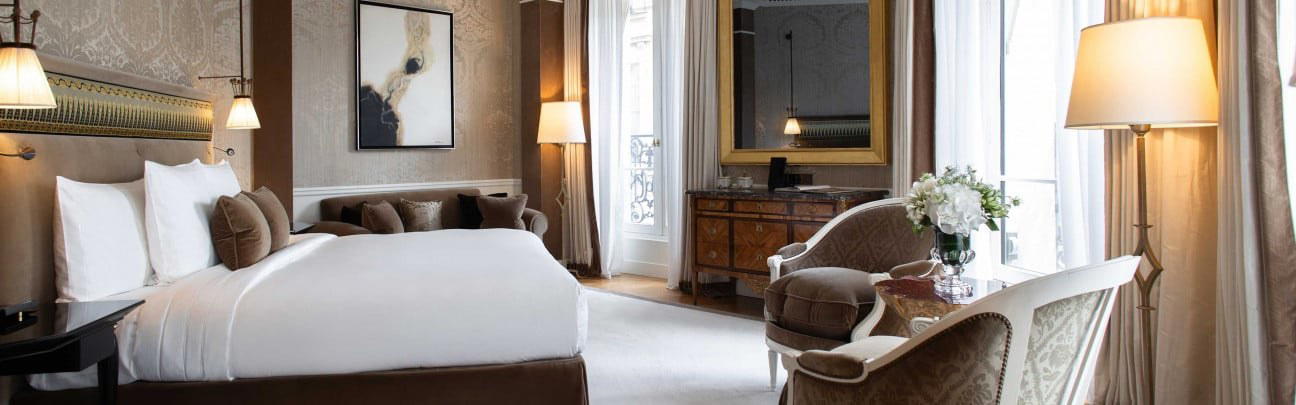
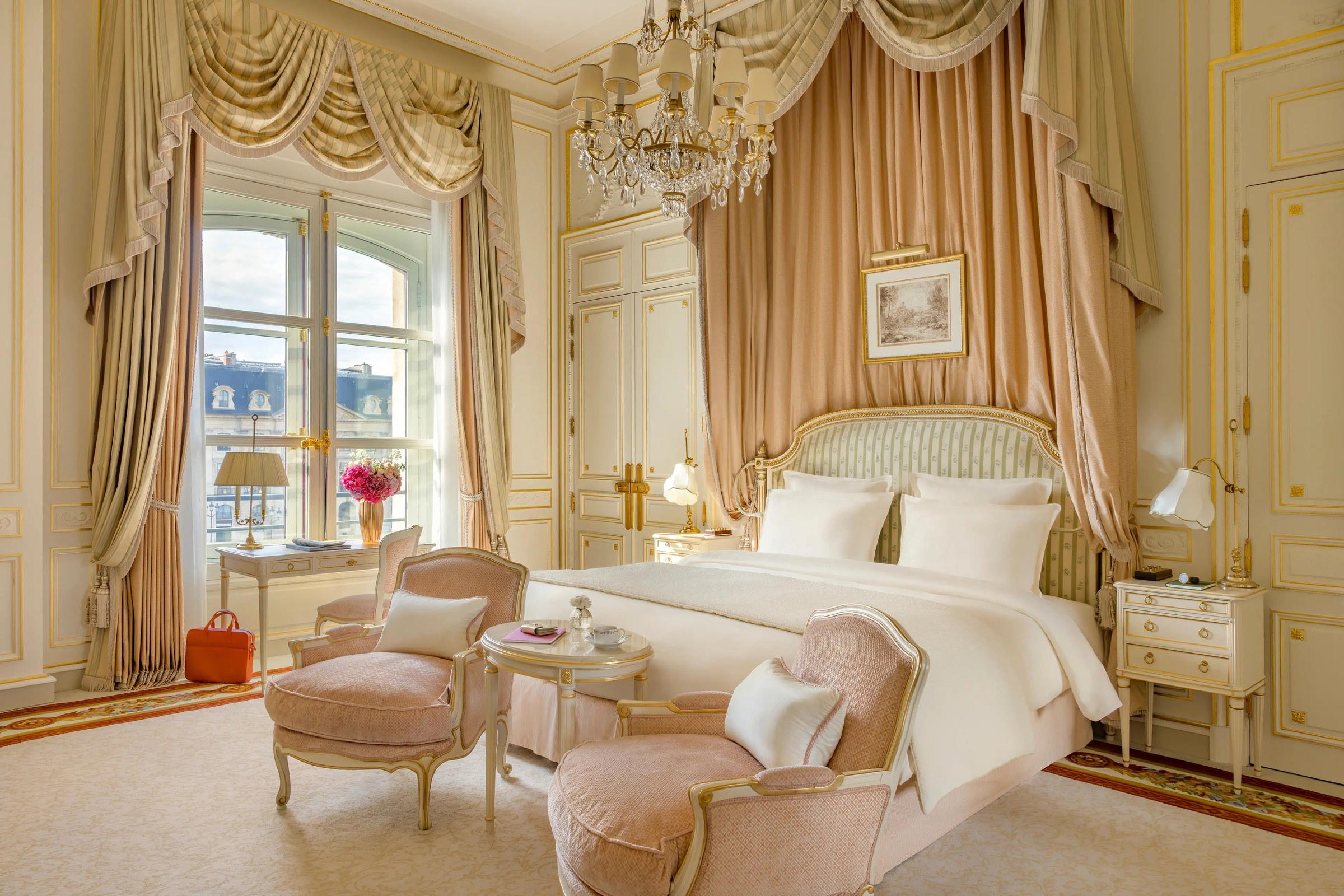
Bowie House reads as a regional interpretation of luxury rather than a transplanted coastal aesthetic. The design leans on local materials and references—cowhide armchairs and artworks by regional artists—to translate Fort Worth’s cattle-town and equestrian legacy into a contemporary architectural language. The hotel presents its identity through built form and interiors, positioning the physical environment as the property’s primary editorial statement. That restrained regionalism keeps the vibe grounded and thoughtful: luxurious without excess, attentive to place and history rather than pastiche.
Best For
Set on Camp Bowie Boulevard in the city’s Cultural District—steps from the Kimbell Art Museum and the Amon Carter—Bowie House suits travelers who want a design-forward, culturally anchored stay. Its emphasis on regional character and urban-luxury positioning makes it a natural pick for romantic getaways, weekend escapes and milestone celebrations where setting and sense of place matter as much as service. The property reads like a boutique, museum-neighboring option for visitors who plan museum visits or want a refined base for exploring Fort Worth’s cultural offerings.
Venue details
Ambiance
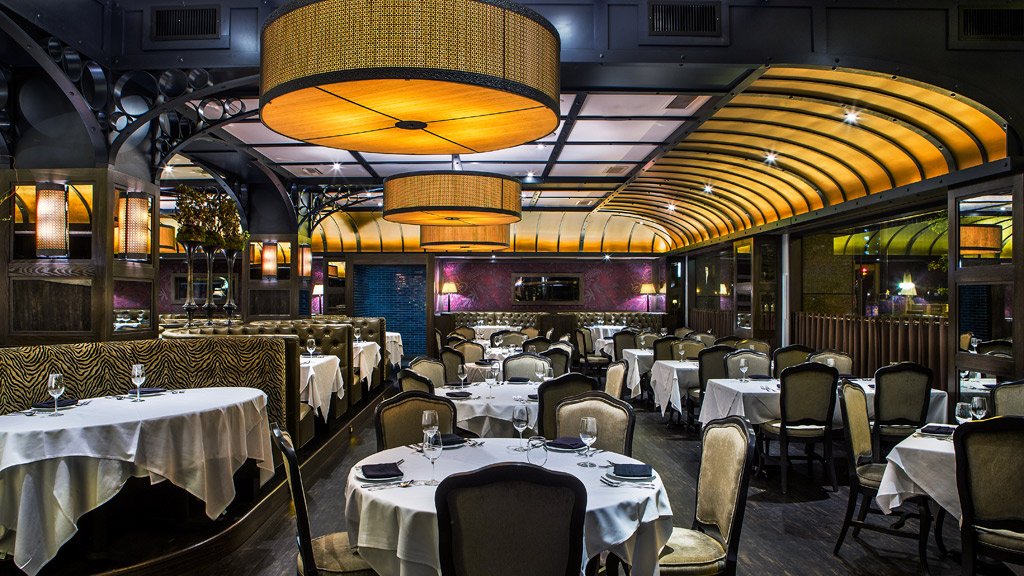
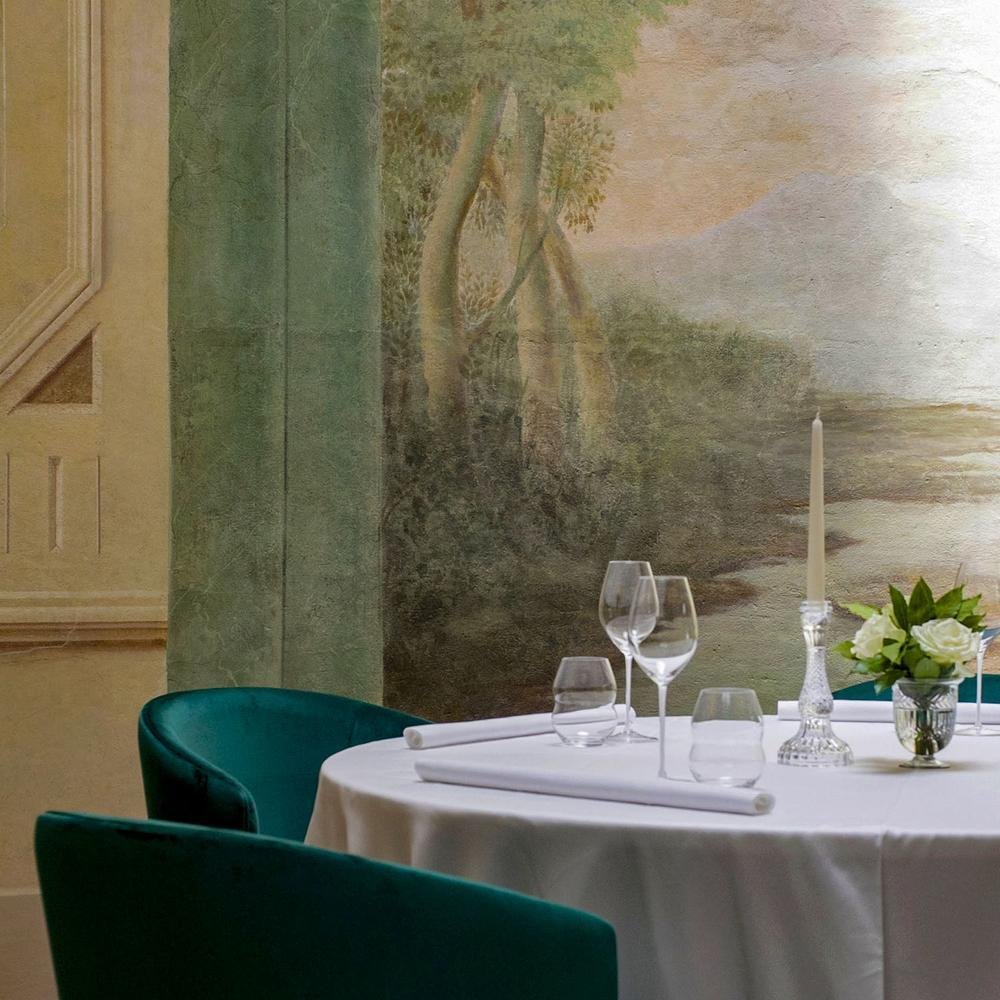
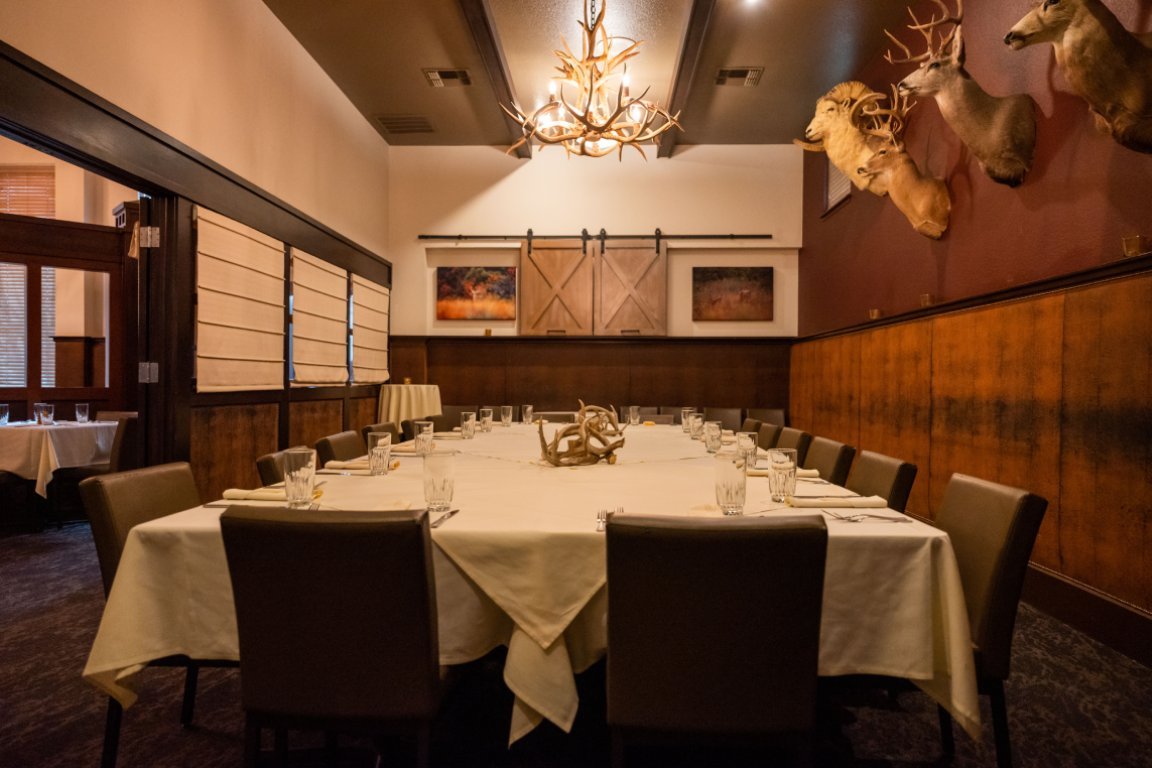
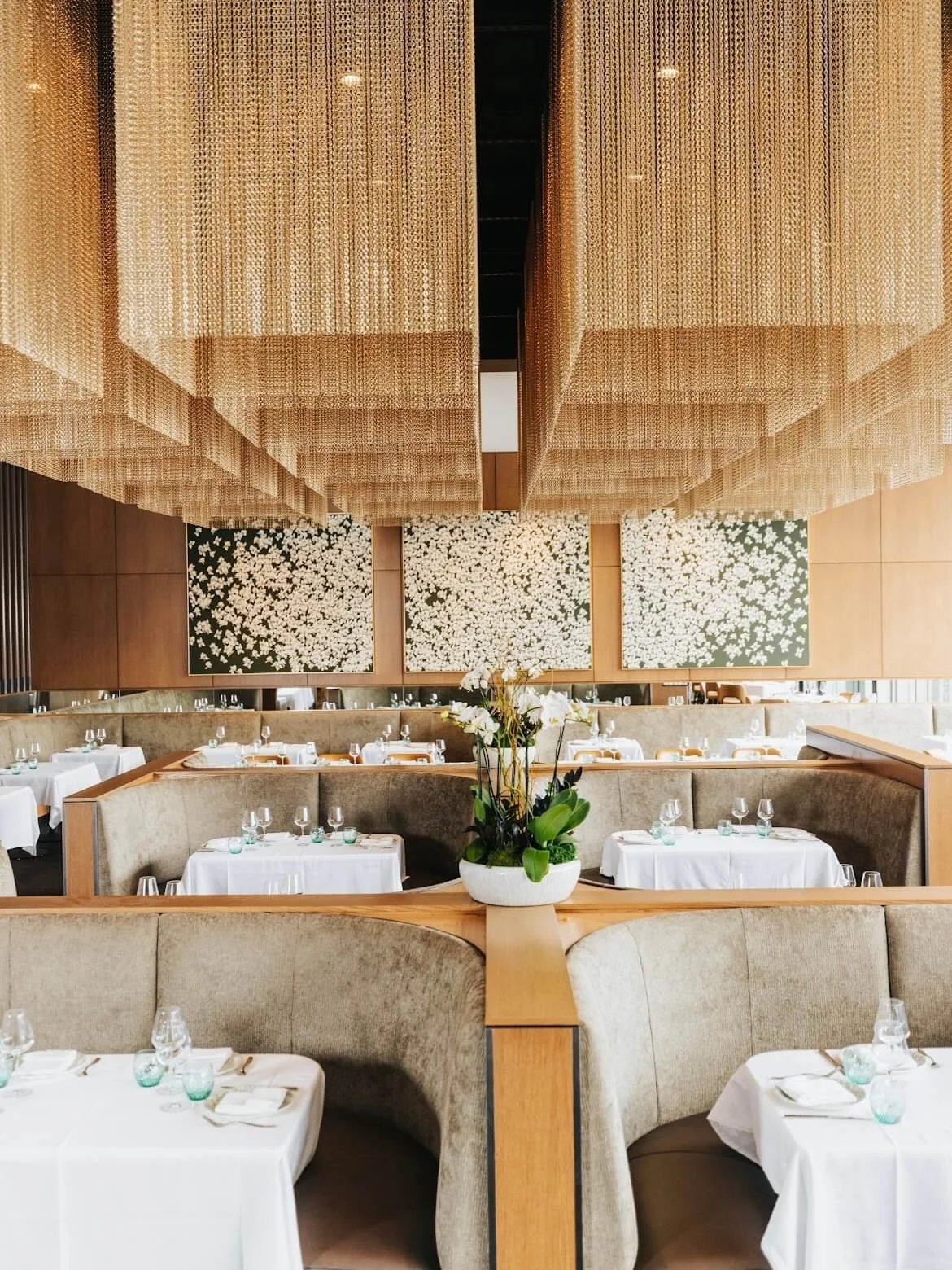
Warm Western spirit with sophisticated, artistic spaces, ample dimmable lighting, and a vibrant yet inviting atmosphere.
Tags
Vibe
Best For
Experience
Amenities
Accessibility
About the Stay
- Rooms
- 106
- Check-in
- 15:00
- Check-out
- 12:00
- Property Style
- Western Inspired Luxury Hotel with Warm Tones and Classic Detailing
- Design Style
- Modern Western with Cowboy Aesthetics, Original Artwork, and Design Led Comfort
Know before you go
Know Before You Go
- Getting there
- 3700 Camp Bowie Blvd, Fort Worth, TX 76107
Planning details
Location
Recognition and awards


Also consider
Also Consider
- The Crescent Hotel Fort Worth, Notable alternative
- Kimpton Harper Hotel, Notable alternative
- Hotel Drover, Autograph Collection, Notable alternative
- The Sanford House Inn & Spa, Notable alternative
- The Ritz-Carlton Dallas, Las Colinas, Notable alternative
Hotel context
How It Compares
Bowie House, Auberge Resorts Collection is the luxury-first choice in this Fort Worth set, helped by Michelin 2 Keys and La Liste recognition. The Crescent Hotel Fort Worth is the sharper cross-shop for travelers prioritizing the museum district, while Kimpton Harper Hotel is the more practical downtown play if convenience beats atmosphere.
For a Fort Worth trip with a stronger Western identity, Hotel Drover, Autograph Collection is the clearer alternative. Bowie House is better for a composed Camp Bowie stay; Hotel Drover is better when the Stockyards are the point of the trip. Booking difficulty is a real factor here, so flexible dates matter more than at a standard business hotel.
The Sanford House Inn & Spa is the softer, inn-style out-of-metro option, while The Ritz-Carlton Dallas, Las Colinas makes sense when the trip can shift toward the Dallas side for a larger luxury-resort frame. Stay with Bowie House if the brief is Fort Worth polish with a stronger sense of address.
Explore Fort Worth
Around this place
Discover more on Pearl
Unlock the full Bowie House, Auberge Resorts Collection guide in Pearl, including awards, comparisons, FAQs, planning details, and nearby places.
Compare Bowie House, Auberge Resorts Collection
| Venue | Location | Awards |
|---|---|---|
| Bowie House, Auberge Resorts Collection | Fort Worth | 2026 Virtuoso Luxury Hotel Collection2026 La Liste Top HotelsMichelin 2 Keys 20252025 Michelin 2 Keys2024 Michelin 2 Keys |
| The Crescent Hotel Fort Worth | Fort Worth | No published awards |
| Kimpton Harper Hotel | Fort Worth | No published awards |
| Hotel Drover, Autograph Collection | Fort Worth | 2025 Michelin 1 Key2024 Michelin 1 Key |
| The Sanford House Inn & Spa | Arlington | No published awards |
| The Ritz-Carlton Dallas, Las Colinas | Dallas | 2026 Forbes Recommended2026 Virtuoso Luxury Hotel CollectionStar Wine Lists 20262026 La Liste Top Hotels2025 Forbes Recommended2025 Michelin Selected Hotels |




How Bowie House Fort Worth compares with similar nearby venues.
FAQ
Frequently Asked Questions
How is the pool and spa at Bowie House, Auberge Resorts Collection?
For pool or spa plans, check the hotel's current amenity details before booking. Bowie House, Auberge Resorts Collection has notable recognition, including Michelin 2 Keys and La Liste Top Hotels 2026 at 92pts. If you are comparing hotel styles, Kimpton Harper Hotel is another Fort Worth option to review.
When is the best time to book Bowie House, Auberge Resorts Collection?
If the stay is important, compare rates and availability early and confirm any trip-specific needs directly with the hotel. If you are comparing options, The Crescent Hotel Fort Worth is another Fort Worth stay to cross-shop.
What is check-in like at Bowie House, Auberge Resorts Collection?
Before arrival, check timing and any service needs directly with Bowie House, Auberge Resorts Collection. If you are comparing a broader North Texas set, The Sanford House Inn & Spa may also be worth reviewing.
How does Bowie House, Auberge Resorts Collection compare to nearby hotels?
It is a strong choice for guests who want a Fort Worth hotel backed by notable recognition, including Michelin 2 Keys, La Liste Top Hotels 2026 at 92pts, and Virtuoso Luxury Hotel Partner status for 2026. The Crescent Hotel Fort Worth and Kimpton Harper Hotel are Fort Worth comparisons, while Hotel Drover, Autograph Collection is another Fort Worth hotel to review. For a broader North Texas comparison, The Ritz-Carlton Dallas, Las Colinas and The Sanford House Inn & Spa may also be relevant.