
Red Lion at East Chisenbury
East Chisenbury
Bar in East Chisenbury, United Kingdom
 Book with Pearl
Why go
Red Lion at East Chisenbury is a safer pick for a quality-led Wiltshire pub meal than for diners who need full menu, price, or seating specifics before committing. The Good Food Guide 2025 “Very Good” recognition gives it a credible reason to book, especially for a relaxed date or small catch-up in the area.
About Red Lion at East Chisenbury
The clearest signal for Red Lion at East Chisenbury is its Good Food Guide 2025 “Very Good” recognition. Beyond that, public details are limited, so the safest way to judge it is as an East Chisenbury venue with guide recognition rather than by assuming a specific cuisine, menu format, price point, or service style.
Use it when that level of recognition is enough to put a place on your shortlist. Information available does not support a detailed steer on dishes, format, pricing, seating, or opening pattern, so plan around the basics: Red Lion at East Chisenbury is in East Chisenbury, has a smart-casual dress code, is listed by The Good Food Guide 2025 as “Very Good.”
Choose it for a guide-recognised East Chisenbury meal, not a high-control dining plan
This is a stronger fit when you are comfortable choosing from guide recognition rather than a long list of published specifics. If you need details on menu structure, spend, seating, dietary handling, or service format before committing, check the venue directly before booking.
For crowd fit, the only dress guidance is smart casual. That makes it reasonable to approach Red Lion at East Chisenbury as a place where a little polish is appropriate, without assuming a formal fine-dining setup or a particular occasion style.
Who should put it on the shortlist
Put it on the shortlist if Good Food Guide 2025 “Very Good” recognition is a meaningful signal for you and East Chisenbury is the right location. Skip it as a first choice if the deciding factors are a named chef, a published tasting menu, precise spend per head, outdoor seating, or large-party arrangements, because those details are not available.
If you are comparing options, keep the comparisons broad and location-aware. Other alternatives such as The Bath Arms at Longleat, The Beckford Arms, The Greyhound on the Test, The Longs Arms, Valentine's Bar may help calibrate the kind of outing you want, but Red Lion at East Chisenbury should be judged on its own details: East Chisenbury location, smart-casual dress code, Good Food Guide 2025 “Very Good” recognition.
Planning details
- Location
- Red Lion, East Chisenbury, Pewsey SN9 6AQ, United Kingdom
- Website
- eastchisenbury.com
- Phone
- +44 1980 671124
The take
The Take
The Vibe
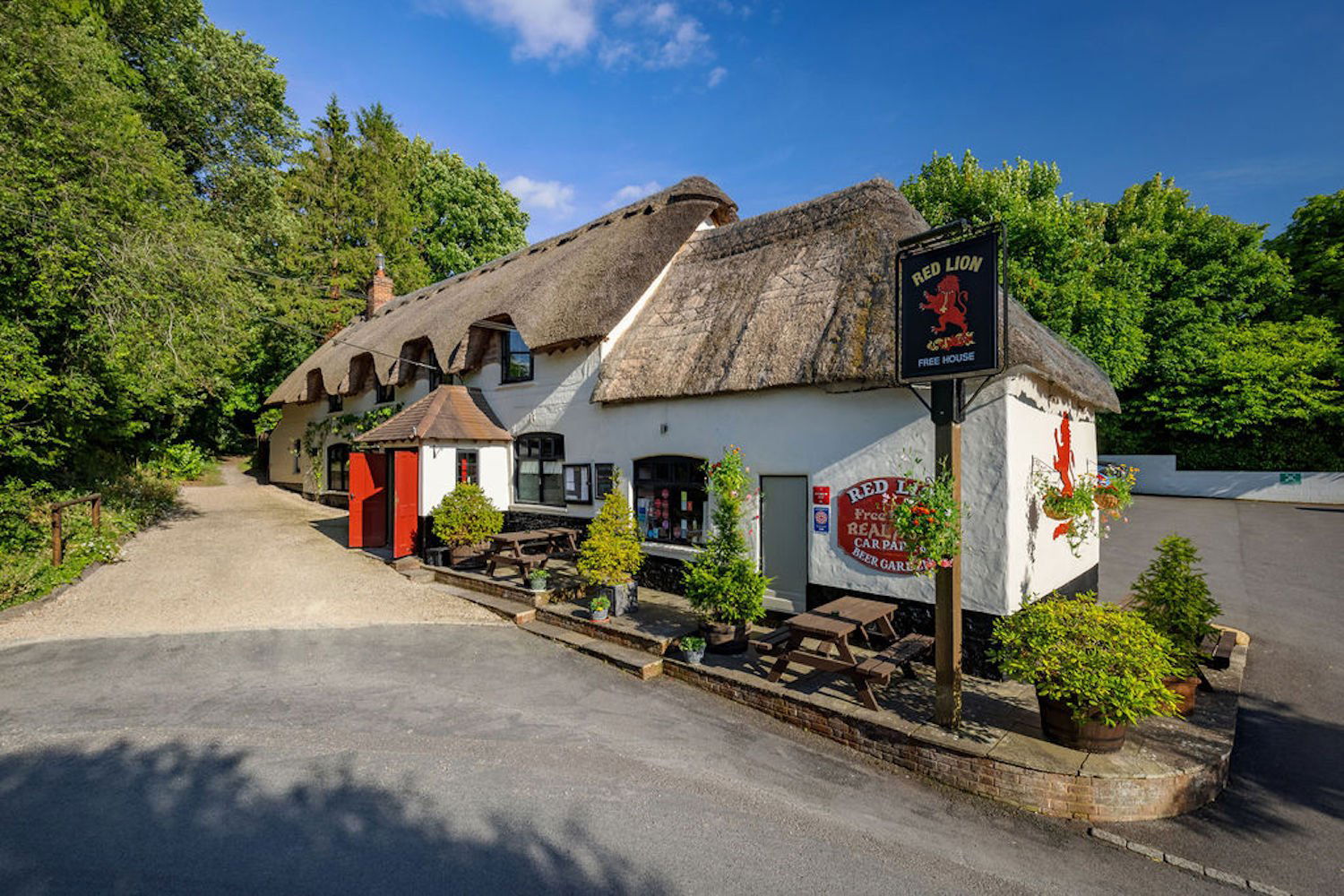
The Red Lion at East Chisenbury settles into the landscape like it belongs there: a thatched, quintessential village pub on the remote fringes of Salisbury Plain. The piece leans into pastoral details — narrowing lanes, downs pressing in — so the arrival feels like a small pilgrimage. Inside, the place reads as unpretentious and authentic, with a local crowd lending easy noise and a bar stocked with real ales. The editorial tone frames it as the sort of pub that balances traditional charm with serious cooking and drinks, earning a reputation that pulls London readers out into the country.
Best For
This is a venue for people who plan journeys as part of the evening: those happy to drive out for an authentic country pub experience and a well-run kitchen. It works for casual catch-ups with locals and for visitors making a special trip — critics and readers describe it as worth a long drive. The setting and informal service suit relaxed dinners where the emphasis is on conviviality, good ales and straightforward, well-executed food rather than formal dining rituals.
Ordering Tips
Lean into the pub’s strengths: the write-up highlights 'real ales on the bar' and a drinks programme that privileges the right drink for the place. Order from the cask-ale selection and trust the kitchen, which the piece singles out as operating seriously despite the village setting. Expect well-crafted pub fare rather than haute cuisine; let the bar staff guide beer or simple drink pairings and treat the visit as an occasion to enjoy quality, unfussy cooking in a proper freehouse.
Venue details
Ambiance
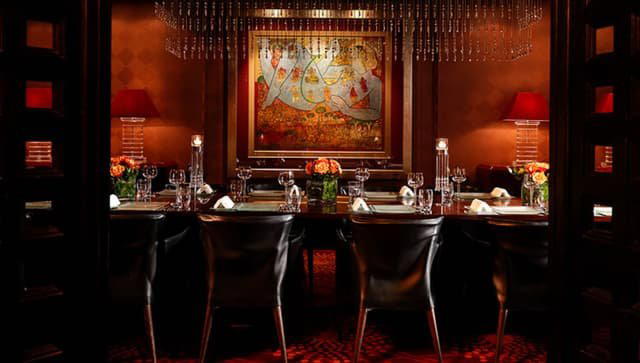
Relaxed and convivial rural pub atmosphere with warm service, jolly bar chatter, and characterful decorative touches.
Tags
Vibe
Best For
Experience
Format
View
At the Bar
- Bar Category
- Pub
- Late Night
- Closes by Midnight
Planning details
Location
Red Lion, East Chisenbury, Pewsey SN9 6AQ, United Kingdom · Directions
Recognition and awards
Also consider
Also Consider
- The Greyhound on the Test, Notable alternative
- The Beckford Arms, Notable alternative
- The Longs Arms, Notable alternative
- The Bath Arms at Longleat, Notable alternative
- Valentine's Bar, Notable alternative
Bar context
How it compares with nearby Pearl picks
Choose Red Lion at East Chisenbury if the priority is a recognised rural pub meal in Wiltshire rather than a broader day-trip dining plan. The Greyhound on the Test is the better cross-shop when you want a Hampshire setting with more of a destination-pub feel, while The Beckford Arms is the cleaner alternative if you are building the meal around a countryside stay.
The Longs Arms and The Bath Arms at Longleat make more sense for readers comparing pub atmosphere across Wiltshire and nearby country-house territory. Red Lion at East Chisenbury is the tighter call for a village-pub meal with food-guide backing; The Bath Arms at Longleat is easier to justify when the surrounding estate area is part of the plan.
Valentine's Bar is the wrong substitute if what you want is a meal-led rural pub. Use it as the fallback only when the occasion shifts toward drinks and a bar setting rather than a slower lunch or dinner.
Explore East Chisenbury
Around this place
Discover more on Pearl
Unlock the full Red Lion at East Chisenbury guide in Pearl, including awards, comparisons, FAQs, planning details, and nearby places.
Compare Red Lion at East Chisenbury
| Venue | Location | Awards |
|---|---|---|
| Red Lion at East Chisenbury | East Chisenbury | The Good Food Guide 2025 |
| The Greyhound on the Test | Stockbridge | No published awards |
| The Beckford Arms | Fonthill Gifford | No published awards |
| The Longs Arms | Bradford-on-Avon | No published awards |
| The Bath Arms at Longleat | Horningsham | No published awards |
| Valentine's Bar | Bath | No published awards |
How Red Lion at East Chisenbury compares with similar nearby venues.
FAQ
Frequently Asked Questions
What's the crowd like at Red Lion at East Chisenbury?
Details describing the crowd are not available. The safest expectation is a smart-casual East Chisenbury venue with Good Food Guide 2025 “Very Good” recognition.
Do I need a reservation at Red Lion at East Chisenbury?
Reservation requirements are not specified. Because the venue has Good Food Guide 2025 “Very Good” recognition, it is sensible to check availability directly rather than assume walk-in space.
Is Red Lion at East Chisenbury good for a date?
It may suit a date if you want a smart-casual meal in East Chisenbury with guide recognition. Specific details such as seating style, menu format, price are not specified, so check directly if those will shape the occasion.
Is the food good at Red Lion at East Chisenbury?
The strongest signal is its Good Food Guide 2025 “Very Good” recognition. No specific dishes, cuisine, chef, or menu format are specified.