





The Jackdaw
Modern British · Conwy
Restaurant in Conwy, United Kingdom
 Book with Pearl
The Read
Welsh Terroir Tasting Counter
Price
$50–100per person
Dress
Smart Casual
Why go
The Jackdaw is the best reason to plan a meal in north Wales. Chef Nick Rudge (formerly of The Fat Duck) serves a nine-course tasting menu built around hyper-local heritage produce — including near-extinct apple varieties from Anglesey — in an intimate first-floor room in Conwy's walled town centre. It holds a Michelin Plate and books out fast; plan ahead.
About The Jackdaw
The Jackdaw, Conwy: Should You Book?
Picture this: you find an unmarked door on a high street in a medieval walled town, climb a winding stone staircase, and emerge into a tranquil first-floor room where every dish on your nine-course tasting menu has been built around ingredients sourced within a few miles of where you're sitting. That's The Jackdaw. If you're visiting north Wales and serious about eating well, this is where you book first. Chef Nick Rudge, formerly of The Fat Duck in Bray, has opened one of the most purposeful tasting-menu restaurants in the UK here in Conwy, and the Michelin Plate he's held since 2024 confirms this isn't a well-kept local secret so much as a destination that rewards a detour.
What Makes It Worth the Trip
The sourcing is the story here, and it's worth understanding before you arrive. Rudge works directly with farmers, most notably Dilwyn Owen on Anglesey, who supplies heritage varieties that barely exist anywhere else: the near-extinct Bardsey apple (afal ynys enlli) and the y ddraig goch tomato. These aren't decorative provenance claims. They shape the menus structurally. When a dessert is built around a specific apple variety grown on a tidal island off the Llŷn Peninsula, you're eating something that genuinely cannot be replicated elsewhere. That's the practical case for the price point, and it's a persuasive one. For comparison, L'Enclume in Cartmel operates on a similar hyper-local philosophy in the Lake District, but The Jackdaw does it at what will feel like a more accessible scale and a more intimate room.
The wine list is worth a separate mention. Bottles are organised by distance from Conwy, which sounds like a gimmick but functions as genuine curation: it pushes Welsh and nearby producers to the front, includes mead and regional spirits, and gives the front-of-house team a clear framework for pairing conversations. Staff are described across multiple sources as warm and genuinely knowledgeable rather than formally recitative, which matters when you're committing to nine courses. For broader context on what's available to drink around the region, see our full Conwy wineries guide.
The Room and the Experience
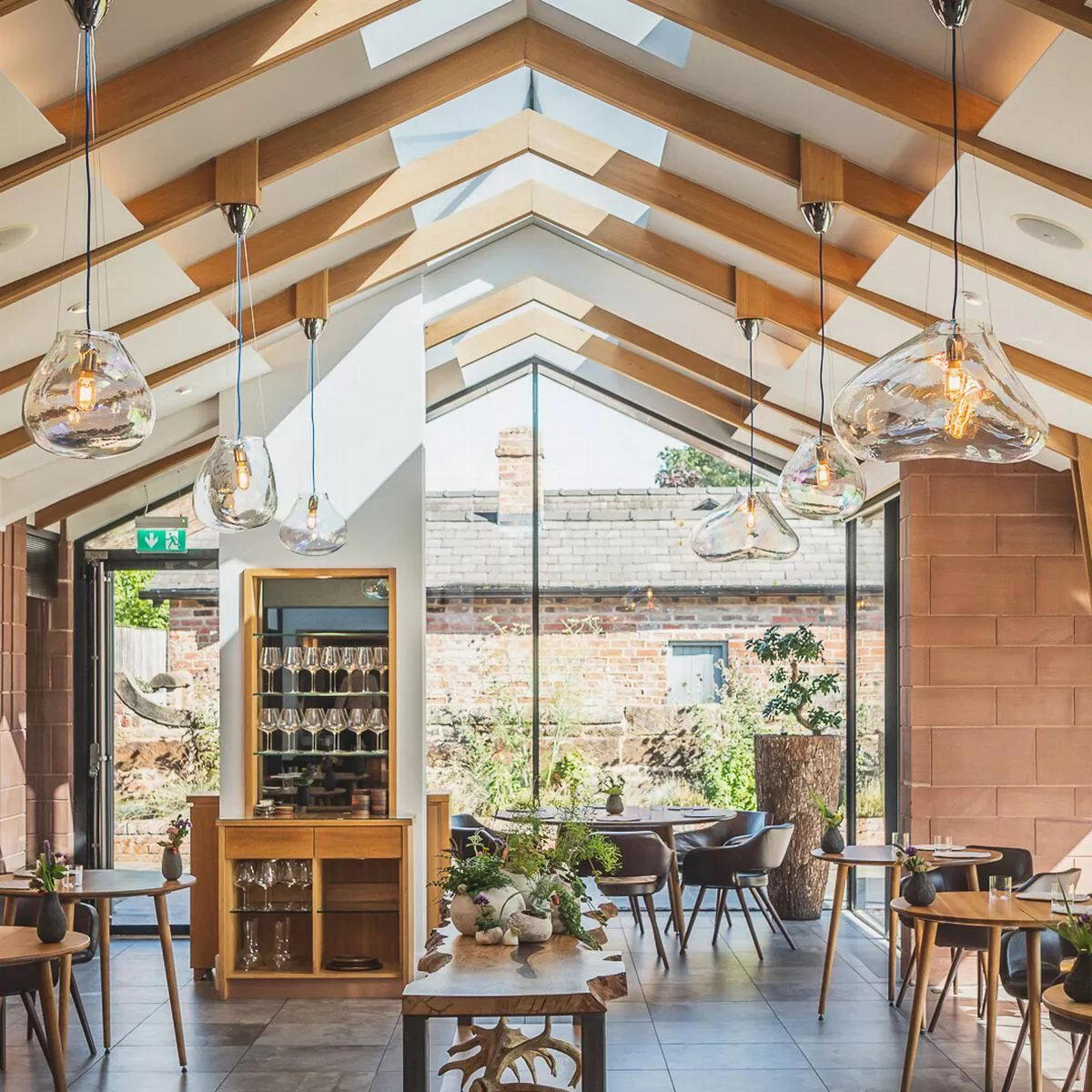
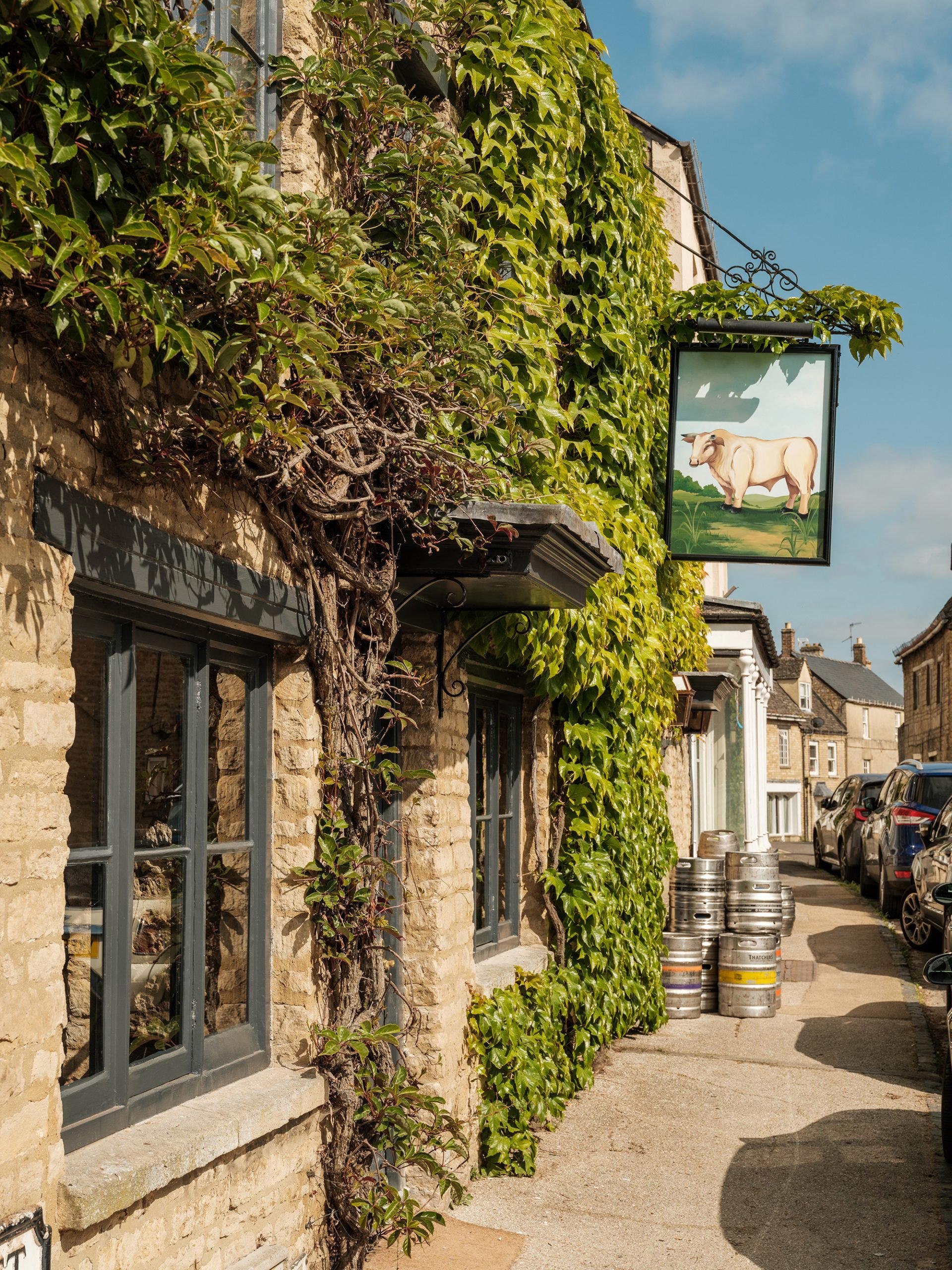
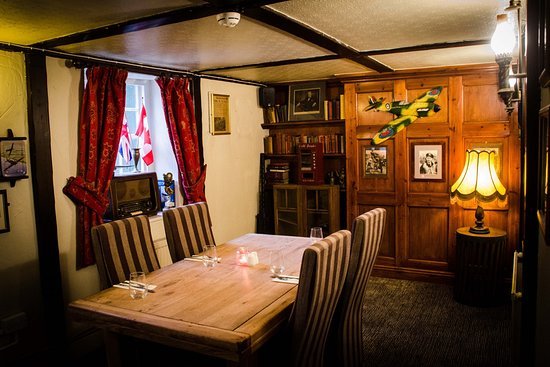
Visual experience at The Jackdaw starts before you sit down. The entrance is intentionally understated: a modest name plaque, a narrow staircase, a dim corridor. The room itself is a single, simply furnished space with wooden chairs softened by fleecy rugs, bookshelves at one end, a bar at the other. It seats a small number of covers, which is central to the whole experience: this is not a restaurant that scales. The intimacy is structural, not incidental. First-timers should know that the atmosphere is tranquil rather than buzzy, formal in its intent but not stiff in its delivery. If you're looking for a celebratory dinner that feels genuinely special without the ceremonial weight of a three-Michelin-star room, this hits the register well.
Name itself is a piece of Welsh cultural intelligence. A 'Jackdaw' is the traditional nickname for anyone born within Conwy's castle walls. Rudge, Conwy-born himself, has woven that identity into every layer of the restaurant, from the menu's references to Welsh history and dialect (dishes like 'riwbob and cwstard', 'llymru', and 'bara brith' echoes) to the production of lesser-known regional traditions that most diners won't encounter elsewhere.
Timing and Booking
Book well in advance. With a small room, limited covers, and a growing reputation backed by consecutive Michelin Plates (2024 and 2025), availability fills fast. This is a hard booking. Don't assume you can plan a trip to north Wales and add The Jackdaw as a last-minute dinner. Build the meal into your itinerary first, then arrange everything else around it. Spring is a particularly strong time to visit: wild garlic and asparagus feature prominently in the sourcing calendar, and the menu's connection to the season is explicit rather than gestural. Autumn is equally worth considering for the apple harvest, when varieties like the Bardsey apple move from supporting role to centrepiece. For places to stay nearby, our full Conwy hotels guide covers the leading options within reach.
How It Fits the Region
Conwy is a more serious food town than visitors expect. The high street runs to a Turkish baker, a French pâtissier, an Italian coffee shop, an excellent cheesemonger, and a top-flight chocolatier. The Jackdaw sits at the top of that ecosystem. If you're planning a wider eating trip through north Wales, it's the anchor venue. For a broader view of where else to eat and drink in the area, see our full Conwy restaurants guide, our full Conwy bars guide, and our full Conwy experiences guide.
For context against other destination tasting-menu restaurants in the UK, The Jackdaw sits in the same conversation as Moor Hall in Aughton and hide and fox in Saltwood as places where a single chef's vision, applied to a specific place and its produce, produces something that feels earned rather than constructed. It's a different proposition from Le Manoir aux Quat' Saisons in Great Milton or Midsummer House in Cambridge, where the setting and occasion carry equal weight to the plate. At The Jackdaw, the plate is the occasion.
Know Before You Go
- Address: High St, Conwy LL32 8DB, United Kingdom
- Price range: ££££ (nine-course tasting menu)
- Format: Set tasting menu only, nine courses
- Awards: Michelin Plate 2024 and 2025; White Star (Star Wine List)
- Booking difficulty: Hard — book as early as possible, well ahead of your travel dates
- Ideal time to visit: Spring (wild garlic, asparagus) or autumn (heritage apple harvest)
- Entrance: Unmarked door on High Street; look for the modest name plaque and take the stone staircase to the first floor
- Wine list note: Organised by distance from Conwy; Welsh producers and regional mead and spirits feature prominently
- Dress code: Smart casual is appropriate given the price point and setting; no strict code confirmed
Planning details
- Location
- High St, Conwy LL32 8DB, United Kingdom
- Reservations
- Book on the venue's website
- Website
- thejackdawconwy.co.uk
- Phone
- +44 1492 596922
The take
The Take
The Vibe
The Jackdaw presents itself like a hidden chapter of Conwy: arrive up a winding stone staircase and enter a single, tranquil room that reads less like a restaurant and more like a restored private house. Fleecy rugs, wooden chairs and a wall of books create a quietly charming, historic atmosphere that deliberately conceals its culinary ambition. The room’s restraint—dim corridor, modest plaque on the High Street—frames the food as the main reveal. The overall effect is a meditative, carefully composed space where modern British cooking feels both rooted in place and discretely refined.
Best For
This is a destination for diners who prize thoughtful modern British tasting menus in an intimate, non-metropolitan setting. The Jackdaw suits evening visits centered on a composed, multi-course experience: the sort of dinner you plan around rather than stumble into. Its placement in a small, walled town with notable local artisans underlines a terroir-aware approach, making it appropriate for couples celebrating quietly, food-focused visitors exploring regional producers, and anyone seeking a focused, single-room dining encounter that emphasizes technique and local sourcing.
Ordering Tips
Expect a tasting-menu-format experience and an intimate, single-room setting rather than a bustling dining hall. The restaurant’s concealed approach—a modest plaque and a winding stone staircase up from High Street—means guests should be prepared for an upstairs entry and close quarters once inside. Given the emphasis on modern British terroir, prioritize the house specialties when available: the Blaenau Slate dessert, leek and potato soup and the lamb cawl are signature items to look for. The restrained room and bar at one end reward a visit where the food is the central focus.
Venue details
Ambiance
Snug and intimate first-floor dining room in a characterful historic building, with relaxed, informal yet stylish and cozy atmosphere.
Tags
Vibe
Best For
Experience
Sourcing
At the Table
- Dress Code
- Smart Casual
- Noise Level
- Conversational
- Service Style
- Upscale Casual
- Meal Pacing
- Leisurely
- Capacity
- Intimate
- Kitchen
- Modern
- Menu Format
- Tasting menu
- Wine Program
- Curated
- Dietary
- Vegetarian friendly
Signature Dishes
- Blaenau Slate dessert
- leek and potato soup
- lamb cawl
Know before you go
Know Before You Go
- Getting there
- High St, Conwy LL32 8DB, United Kingdom
Planning details
Location
High St, Conwy LL32 8DB, United Kingdom · Directions
Recognition and awards




Also consider
Also Consider
- CORE by Clare Smyth, Modern British, ££££
- Restaurant Gordon Ramsay, Contemporary European, French, ££££
- Sketch, The Lecture Room and Library, Modern French, ££££
- The Ledbury, Modern European, Modern Cuisine, ££££
- Dinner by Heston Blumenthal, Modern British, Traditional British, ££££
Restaurant context
The comparison peers listed, CORE by Clare Smyth, Restaurant Gordon Ramsay, Sketch, The Lecture Room and Library, The Ledbury, and Dinner by Heston Blumenthal, are all ££££ London restaurants with Michelin stars, significantly larger operations, and the full weight of a metropolitan dining infrastructure behind them. They are not competitors in any practical sense. The useful comparison is this: those restaurants will cost you a similar amount per head, will be harder to book, and will deliver a more formally orchestrated experience. The Jackdaw will cost you less in total (no London transport, accommodation premiums aside), deliver a more personal room, and serve food with a regional specificity that no London tasting menu can replicate.
If the choice is between spending a weekend in London for CORE or The Ledbury versus a weekend in north Wales for The Jackdaw, the answer depends on what you're optimising for. For technical ambition and service depth in a major city setting, CORE and The Ledbury are the stronger picks. For a meal where place and produce are inseparable from the plate, The Jackdaw is the more distinctive choice and arguably the harder reservation to regret.
Within the ££££ Modern British category, Dinner by Heston Blumenthal is the closest philosophical parallel given Rudge's Fat Duck background, but the two restaurants are doing different things. Dinner is a large-scale, hotel-based interpretation of British culinary history aimed at a global tourist audience. The Jackdaw is a small, owner-run restaurant interpreting Welsh culinary history for a room of perhaps 20 to 30 people at a time. If you've eaten at Dinner and want to understand what a single chef doing a version of the same intellectual project at intimate scale looks like, The Jackdaw is the answer.
Explore Conwy
Around this place
Discover more on Pearl
Unlock the full The Jackdaw guide in Pearl, including awards, comparisons, FAQs, planning details, and nearby places.
Compare The Jackdaw
| Venue | Awards | Price |
|---|---|---|
| The Jackdaw | SquareMeal UK Top 100 Restaurants 2026 · #782026 Harden's Top 100 UK Restaurants · #95Star Wine Lists 20262026 AA 3-Rosette RestaurantsMichelin Guide Great Britain & Ireland 20262026 Michelin PlateAA Hospitality Awards 2026 Winners & New RatingsThe Good Food Guide 20252025 Michelin Plate | ££££ |
| CORE by Clare Smyth | Star Wine Lists 2026 · #12026 Harden's Top 100 UK Restaurants · #252026 OAD Top Restaurants in Europe Ranked · #532026 National Restaurant Awards Top 100 · #872026 AA 5-Rosette RestaurantsMichelin Guide Great Britain & Ireland 20262026 La Liste Top Restaurants2025 National Restaurant Awards Top 100 · #382025 OAD Top Restaurants in Europe Ranked · #46 | ££££ |
| Restaurant Gordon Ramsay | 2026 OAD Classical in Europe Ranked · #682026 AA 4-Rosette RestaurantsMichelin Guide Great Britain & Ireland 20262026 La Liste Top Restaurants2026 Falstaff Restaurant Guide2025 National Restaurant Awards Top 100 · #142025 OAD Classical in Europe Ranked · #96The Good Food Guide 20252025 Michelin 3 Stars | ££££ |
| Sketch, The Lecture Room and Library | 2026 Harden's Top 100 UK Restaurants · #532026 OAD Classical in Europe Ranked · #1202026 AA 5-Rosette RestaurantsMichelin Guide Great Britain & Ireland 20262026 La Liste Top Restaurants2025 OAD Classical in Europe Ranked · #105We're Smart World Top Restaurants 20252025 Michelin 3 Stars2024 OAD Classical in Europe Ranked · #117 | ££££ |
| The Ledbury | Star Wine Lists 2026 · #12026 Harden's Top 100 UK Restaurants · #42026 National Restaurant Awards Top 100 · #42026 OAD Top Restaurants in Europe Ranked · #142026 AA 4-Rosette RestaurantsMichelin Guide Great Britain & Ireland 20262026 La Liste Top Restaurants2026 Falstaff Restaurant Guide2025 National Restaurant Awards Top 100 · #3 | ££££ |
| Dinner by Heston Blumenthal | Star Wine Lists 2026 · #12026 OAD Top Restaurants in Europe Ranked · #1442026 AA 4-Rosette Restaurants2026 OAD Top Restaurants in Asia Recommended2026 La Liste Top RestaurantsMichelin Guide Great Britain & Ireland 20262026 Falstaff Restaurant Guide2025 Michelin 2 Stars2025 La Liste Top Restaurants | ££££ |
.png?width=1200&quality=80)







Side-by-side comparison to help you decide where to book.
FAQ
Frequently Asked Questions
What should I wear to The Jackdaw?
The tone here is relaxed but considered. The room is intimate, the service warm rather than stiff, and the setting — a first-floor space above a former cinema in a medieval walled town — lends itself to dressing thoughtfully without requiring formality. Think a neat outfit you'd wear to a serious dinner with friends: no tie required, but you'll feel underdressed in activewear given the ££££ price point.
What should I order at The Jackdaw?
There's no à la carte — The Jackdaw runs a nine-course tasting menu only, so the kitchen decides the sequence. Arrive hungry: the kefir bread with cultured butter is a known early highlight and the temptation to overeat it is real. The menu draws on Welsh heritage ingredients and shifts with the season, so what arrives will reflect both where and when you're eating.
Is the tasting menu worth it at The Jackdaw?
Yes, provided you're committed to the format. The nine-course structure is the entire offer, and it's built around genuine culinary logic — hyper-seasonal Welsh produce sourced directly from local farmers, not trend-following. Chef Nick Rudge's Fat Duck background shows in the precision of the cooking, and back-to-back Michelin Plates in 2024 and 2025 confirm the consistency. If you want flexibility or à la carte, this isn't the venue.
Is The Jackdaw worth the price?
At ££££ in Conwy rather than London, the value case is strong. You're getting Michelin Plate-level cooking (awarded consecutively in 2024 and 2025), sourcing that goes well beyond name-dropping local farms, and a wine list with genuine editorial thinking behind it. Comparable tasting menus in London at this credential level cost considerably more. The main caveat: you're committing to a full nine courses, so it's not a drop-in dinner.
What are alternatives to The Jackdaw in Conwy?
Within Conwy itself, no direct like-for-like tasting menu alternative is documented. The town's food scene — a French pâtissier, Turkish baker, Italian coffee shop, and a well-regarded cheesemonger and deli on the same high street — is strong for casual eating but not for comparable formal dining. For serious tasting menus in north Wales more broadly, research the wider region before defaulting to a longer drive.
Is The Jackdaw good for a special occasion?
Yes, and it's well-suited to the format. The room is small and tranquil, service is warm without being theatrical, and a nine-course menu tied to Welsh history and the seasons gives the evening a natural narrative arc. The Michelin Plate recognition (2024 and 2025) means the kitchen is performing reliably, not just on good nights. Book well ahead — small covers and a growing reputation make last-minute availability rare.