
Domaine Gros Frère et Sœur
Vosne-Romanée
Winery in Vosne-Romanée, France
 Book with Pearl
The Read
Grand Cru Terroir Precision
Why go
A serious Vosne-Romanée target for Burgundy collectors, not a casual drop-in winery. The Pearl 2 Star Prestige signal makes it worth prioritizing if the trip is built around producer-led buying decisions, but the better fit is a focused two-person wine visit rather than a flexible group itinerary.
About Domaine Gros Frère et Sœur
Domaine Gros Frère et Sœur is a venue in Vosne-Romanée with a smart casual dress code and Pearl 2 Star Prestige recognition for 2025. Specific visit formats, booking rules, prices, hours, services, or hospitality features are not detailed, so the recommendation remains deliberately narrow.
Treat this as a conservative planning note rather than a full service profile. Vosne-Romanée is the location, and the recognition is Pearl 2 Star Prestige for 2025. If you are comparing Domaine Gros Frère et Sœur with Domaine Henri Jayer, Domaine Méo-Camuzet, Domaine Rene Engel, Domaine d'Eugénie, or Domaine du Comte Liger-Belair, treat those comparisons as general context references, not as evidence of any specific shared visit style, access policy, or service format.
Value is strongest for readers seeking a Vosne-Romanée reference
The grounded case for Domaine Gros Frère et Sœur is simple: it is a Vosne-Romanée venue with Pearl 2 Star Prestige recognition in 2025. Detailed claims about tastings, allocations, prices, lists, or any particular offering are not provided, so value should not be framed around such specifics.
For readers already studying Vosne-Romanée, it may be useful to compare the name alongside Domaine Méo-Camuzet, Domaine du Comte Liger-Belair, Domaine d'Eugénie, Domaine Henri Jayer, and Domaine Rene Engel. Keep the comparison high-level unless you have current information from the venue itself. Key planning facts are the venue name, Vosne-Romanée location, smart casual dress code, and Pearl 2 Star Prestige recognition for 2025.
Book this for focus, not convenience
Hours, reservation requirements, visit length, format, shipping, or on-site services are not detailed, so do not build an itinerary around assumptions. If you plan to include Domaine Gros Frère et Sœur, confirm the practical details directly before you go and dress smart casual.
For the rest of the trip, use Our full Vosne-Romanée restaurants guide and other Vosne-Romanée planning resources to keep the day organized. The safest approach is to treat Domaine Gros Frère et Sœur as a Vosne-Romanée listing with limited operational detail, rather than as a venue with a fully documented public visit format.
Planning details
- Location
- 6 Rue des Grands Crus, 21700 Vosne-Romanée
- Website
- gros-frere-et-soeur.com
- Phone
- +33 3 80 61 12 43
The take
The Take
The Vibe
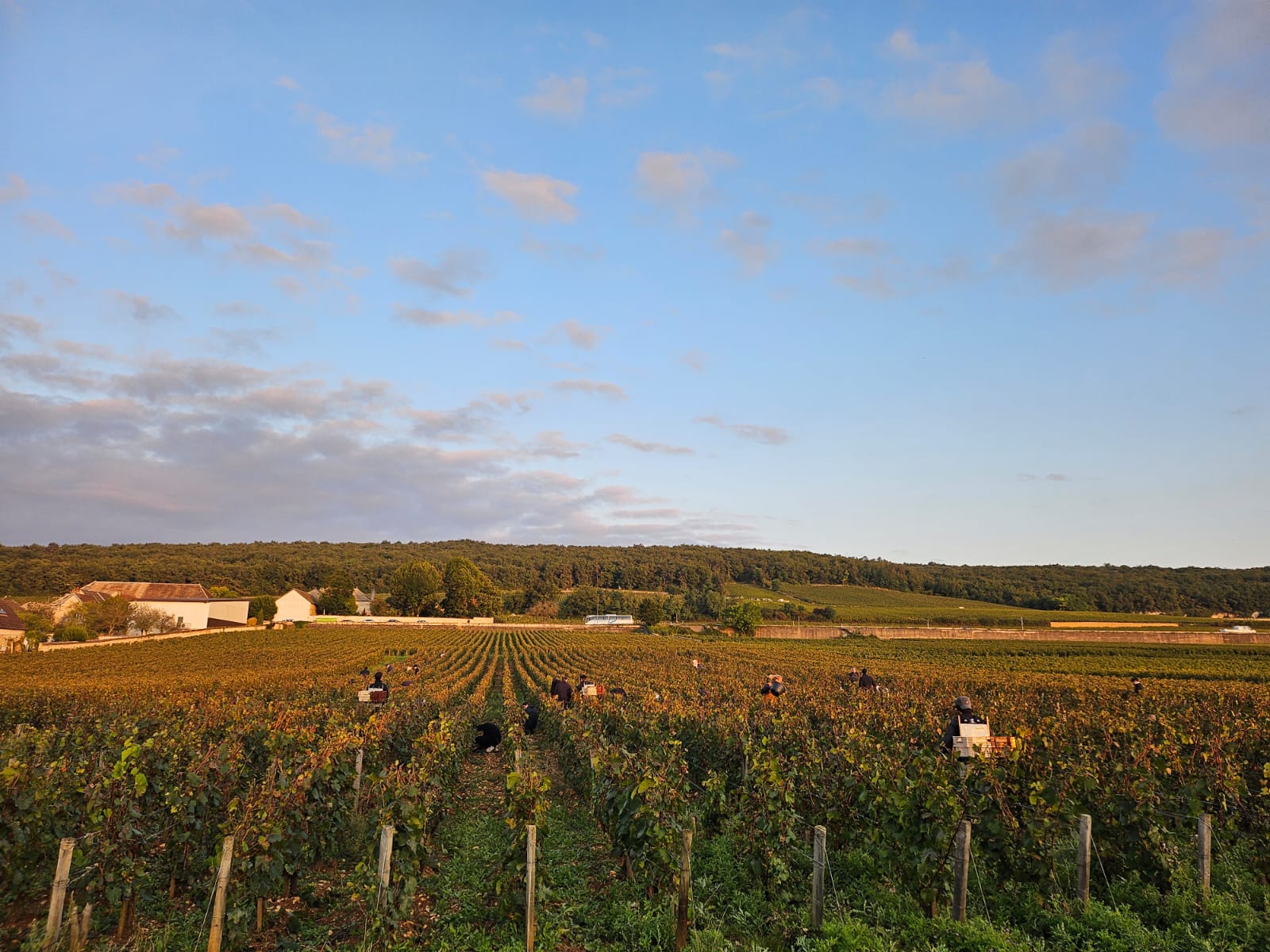
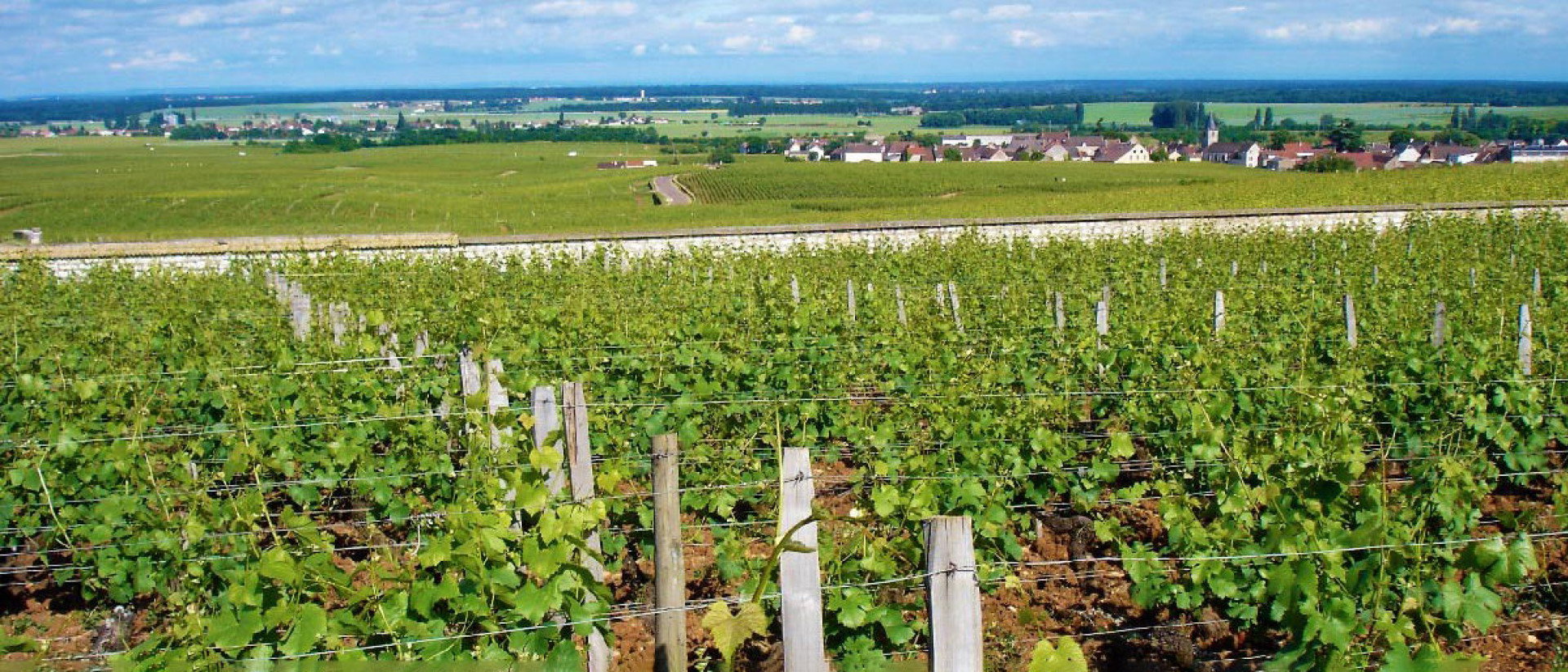
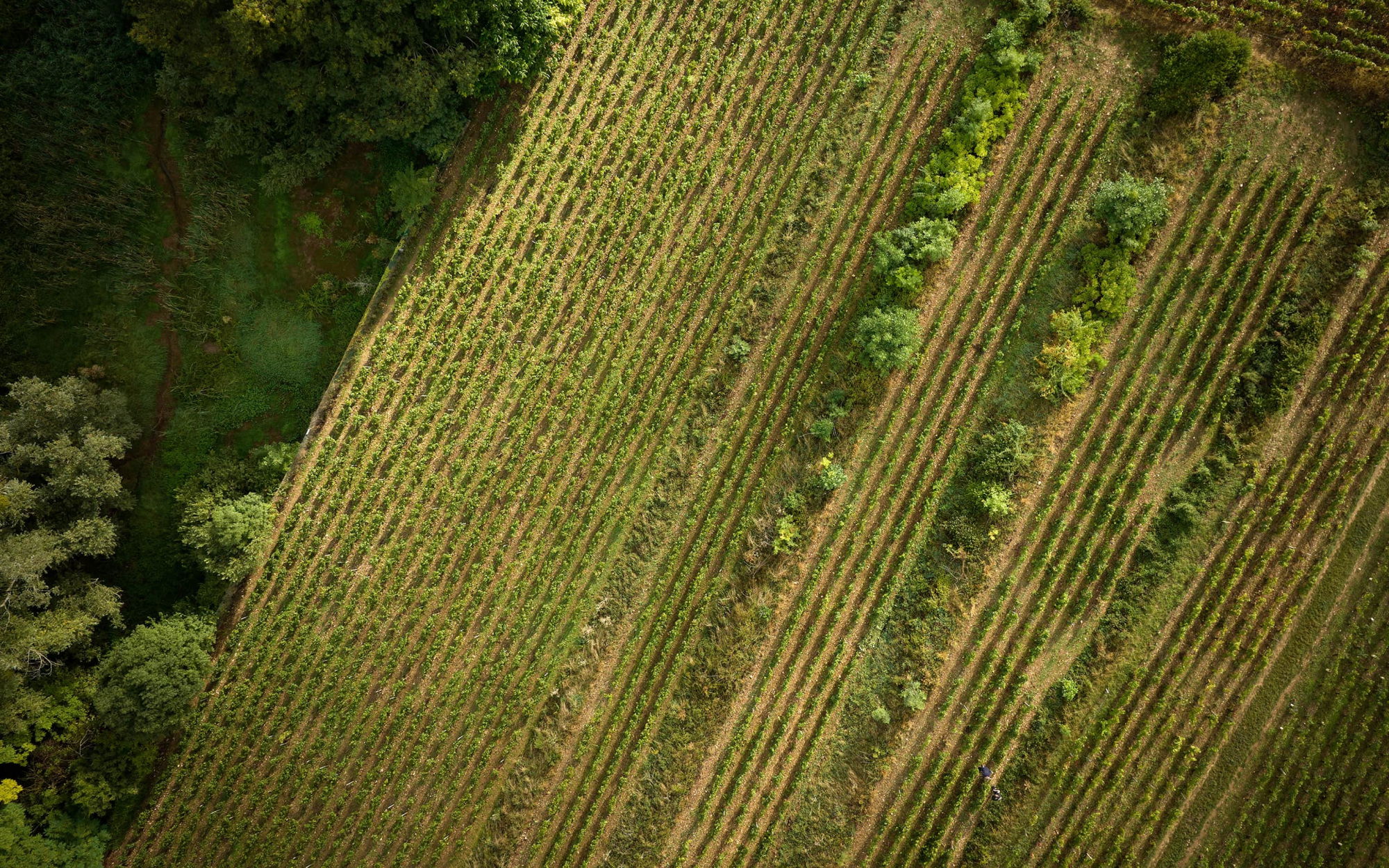
Domaine Gros Frère et Sœur reads like a quietly authoritative Burgundian address. Situated on Rue des Grands Crus, the domaine lives in the shadow of parcels that have defined Pinot Noir, and the writing emphasizes lineage and precision over flash. The tone is exacting and historically rooted: old vines, low-intervention farming and village provenance matter here. That seriousness translates into an experience that feels resolutely traditional and measured rather than trendy — a place for focused tasting and for appreciating how terroir and parcel selection shape the most refined expressions of Côte de Nuits.
Best For
This domaine is best for visitors who want a deep, terroir-focused encounter rather than casual sampling. Its placement among Vosne-Romanée’s top parcels and a Pearl 2 Star Prestige rating mark it as a destination for serious wine study, milestone celebrations or a quiet, elevated getaway centered on great Pinot Noir. Travelers who prize vineyard context and parcel-level distinctions will find it especially rewarding; it’s less about spectacle and more about understanding how vine age, geology and minimal intervention inform the wine.
Tasting Tips
When engaging with the domaine, center the conversation on provenance: ask which parcels are in the blend, the age of the vines and how low-intervention practices shape each bottling. Because the write-up emphasizes the difference between village, premier cru and grand cru sourcing, request comparisons across those levels or vintages to hear how geology and site selection change the wines. Prioritize tasting wines that highlight old-vine character and minimal intervention to appreciate the estate’s stated strengths rather than seeking experimental or modern-styled cuvées.
Venue details
Ambiance
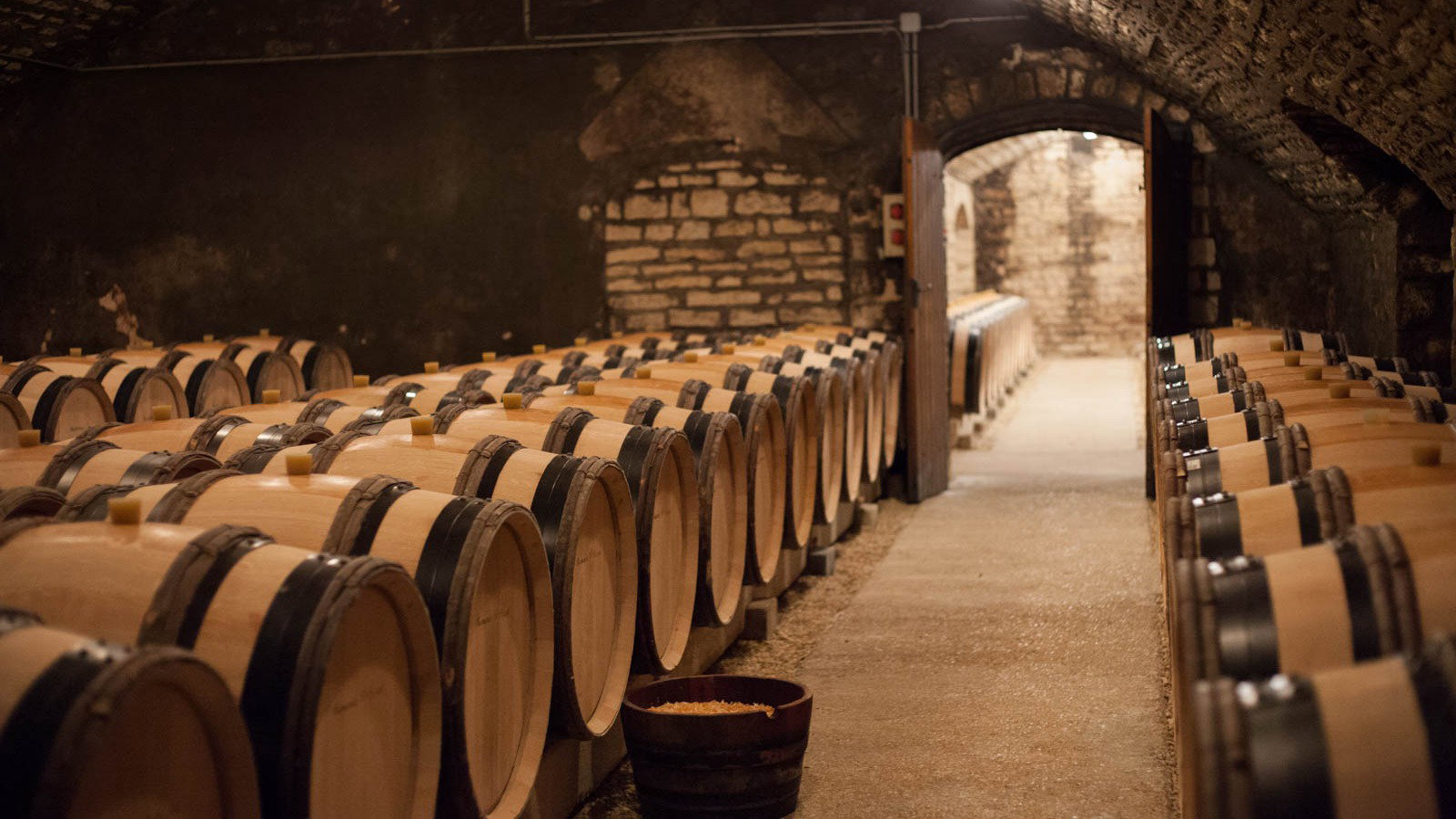
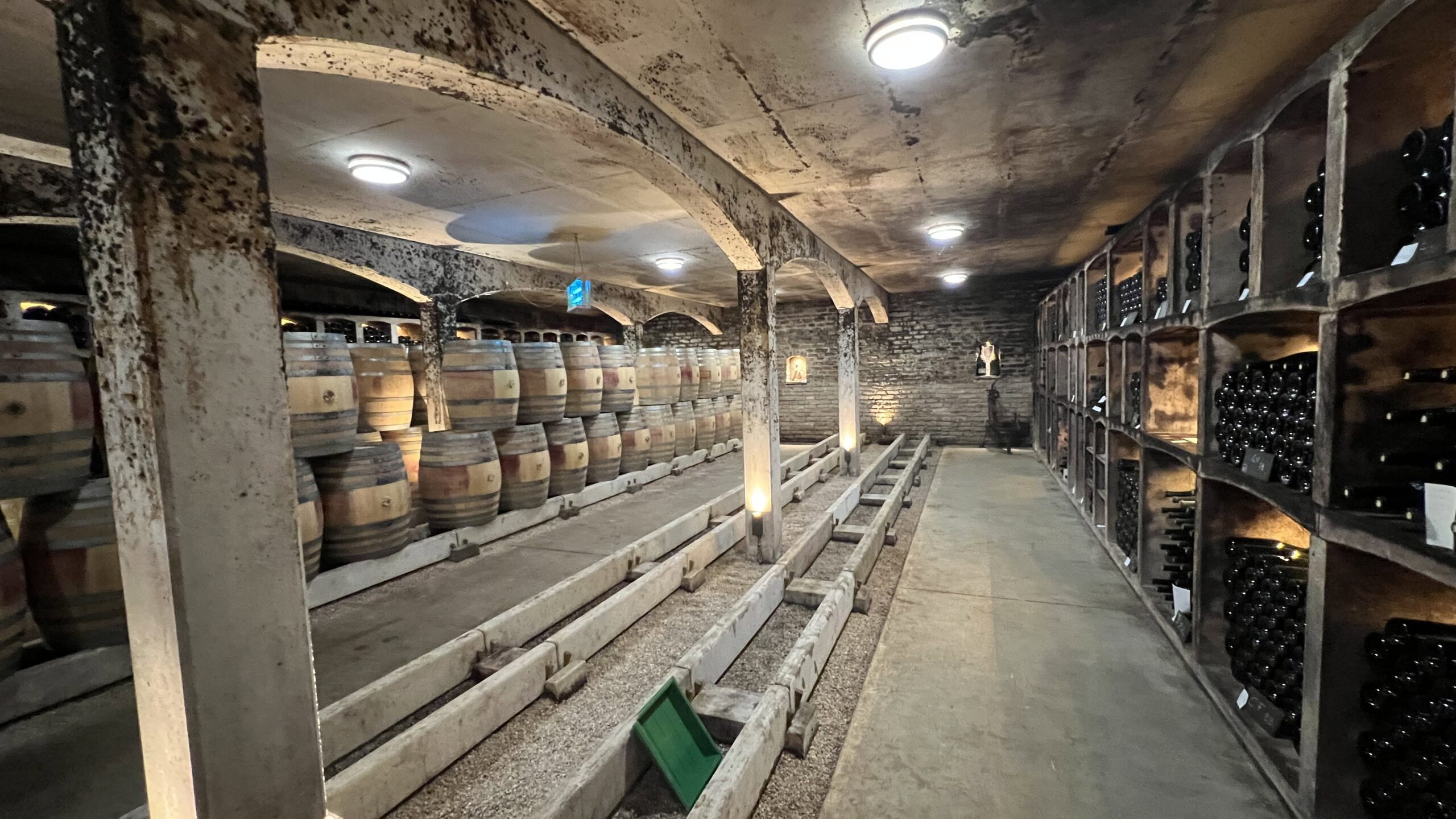
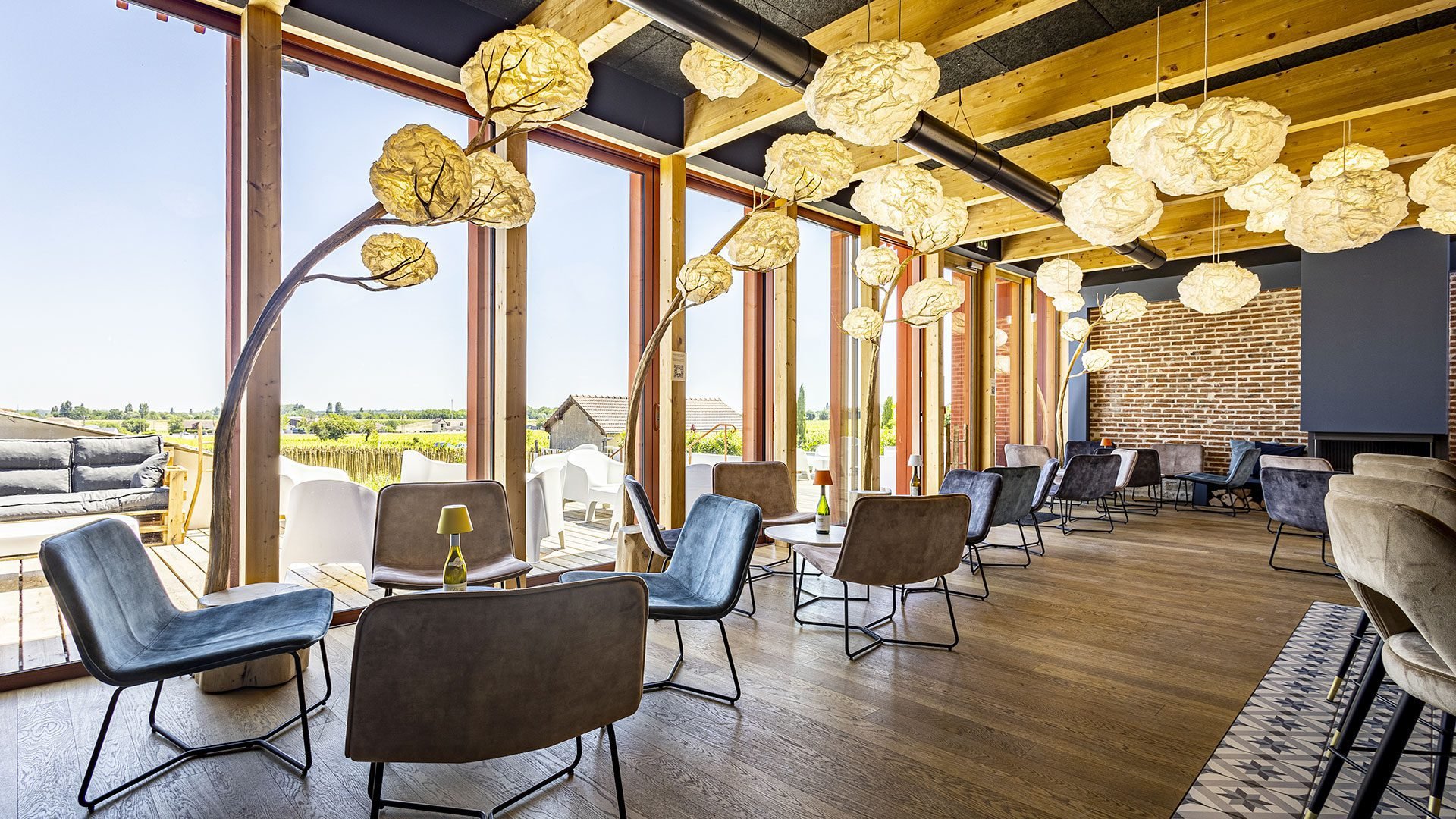
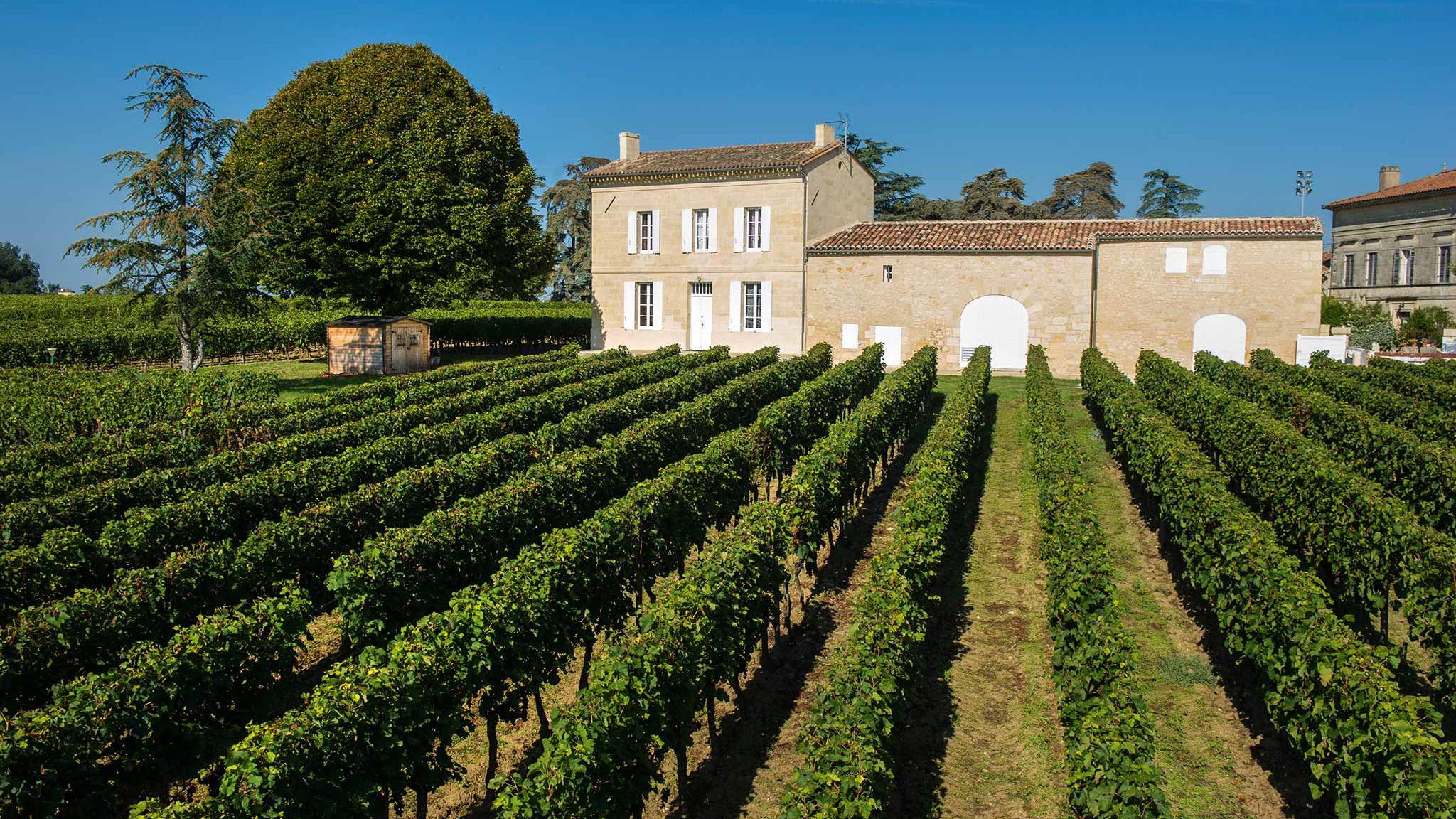
Traditional Burgundian estate atmosphere with refined, elegant surroundings reflecting centuries of winemaking heritage and commitment to terroir expression.
Tags
Vibe
Best For
Experience
Sourcing
View
At the Vineyard
- Appellation
- Vosne-Romanée AOC
- Varietals
- Pinot Noir, Chardonnay
- Tour Duration
- 90-120 minutes
- Wine Club
- Not available
Know before you go
Know Before You Go
- Getting there
- 6 Rue des Grands Crus, 21700 Vosne-Romanée
Planning details
Location
Recognition and awards

Also consider
Also Consider
- Domaine Méo-Camuzet, Notable alternative
- Domaine Rene Engel, Notable alternative
- Domaine Henri Jayer, Notable alternative
- Domaine du Comte Liger-Belair, Notable alternative
- Domaine d'Eugénie, Notable alternative
Winery context
How It Compares
Against Domaine Méo-Camuzet and Domaine du Comte Liger-Belair, Domaine Gros Frère et Sœur is the better call for readers weighing value inside Vosne-Romanée rather than chasing the hardest name on the label. Méo-Camuzet and Comte Liger-Belair carry heavier collector gravity, which can make access and pricing feel less forgiving. Choose those if prestige is the priority; choose Gros Frère et Sœur if the goal is a serious Burgundy stop with a clearer value argument.
Domaine Rene Engel and Domaine Henri Jayer function more as collector reference points than practical visit alternatives for most travelers. They matter when benchmarking reputation, but they are not useful if the decision is where to spend limited time in Vosne-Romanée. For a live itinerary, Gros Frère et Sœur is a more realistic target, though still difficult enough that backup planning is sensible.
Domaine d'Eugénie is the closest cross-shop for a polished Vosne-Romanée plan. It is the safer pick if the reader wants a more composed luxury-wine feel; Gros Frère et Sœur is the better fit for a buyer who wants the producer decision to lead the day. For ambiance, expect the village itself to do more of the work than hospitality staging, so prioritize the appointment that aligns with the bottles you actually want to understand.
Explore Vosne-Romanée
Around this place
Discover more on Pearl
Unlock the full Domaine Gros Frère et Sœur guide in Pearl, including awards, comparisons, FAQs, planning details, and nearby places.
Compare Domaine Gros Frère et Sœur
| Venue | Location | Awards |
|---|---|---|
| Domaine Gros Frère et Sœur | Vosne-Romanée | 2026 Falstaff Winery Guide |
| Domaine Méo-Camuzet | Vosne-Romanée | 2026 Falstaff Winery Guide2026 Michelin 1 Grape - Burgundy2025 Pearl 4 Star Prestige |
| Domaine Rene Engel | Vosne-Romanée | 2025 Pearl 3 Star Prestige |
| Domaine Henri Jayer | Burgundy | No published awards |
| Domaine du Comte Liger-Belair | Vosne-Romanée | 2026 Falstaff Winery Guide2025 Pearl 5 Star Prestige |
| Domaine d'Eugénie | Vosne-Romanée | 2026 Falstaff Winery Guide |


How Domaine Gros Frère et Sœur compares with similar nearby venues.
FAQ
Frequently Asked Questions
What specific offerings are available at Domaine Gros Frère et Sœur?
Specific offerings for Domaine Gros Frère et Sœur are not detailed here. Treat the venue name, its Vosne-Romanée location, smart casual dress code, and Pearl 2 Star Prestige recognition for 2025 as the primary reference points, and confirm any offering-specific details directly before making plans.
When is the best time to visit Domaine Gros Frère et Sœur?
Hours or visit timing for Domaine Gros Frère et Sœur are not available. If you plan to go, confirm timing directly and note that the location is Vosne-Romanée.
How long should I plan for a visit to Domaine Gros Frère et Sœur?
A visit length or service format for Domaine Gros Frère et Sœur is not specified. The venue has Pearl 2 Star Prestige recognition for 2025, but any timing should be confirmed before you build an itinerary around it.
Does Domaine Gros Frère et Sœur offer shipping or collection services?
A shipping or collection policy for Domaine Gros Frère et Sœur is not detailed. Confirm shipping, purchase, or collection details directly before relying on them.
Do I need a reservation at Domaine Gros Frère et Sœur?
A reservation policy for Domaine Gros Frère et Sœur is not specified. Before visiting in Vosne-Romanée, confirm access details directly and plan for the smart casual dress code.