
Org de Rac Organic Wines
Piketberg, Swartland
Winery in Swartland, South Africa
 Book with Pearl
The Read
Certified Organic Dry-Land Viticulture
Price
$1–10tasting
Why go
Org de Rac Organic Wines is worth considering if organic production is the reason for your Swartland winery day and the route already takes you near Piketberg. Treat it as a planned stop with confirmation ahead, and cross-shop Kloovenburg, Sadie Family Wines, or David & Nadia if you want a more predictable regional itinerary.
About Org de Rac Organic Wines
Should you visit Org de Rac Organic Wines in Swartland? Yes, if you are planning a Swartland stop and want to include this Pearl 2 Star Prestige venue in your route. Details about the venue are limited, so the safest way to approach it is as a planned visit in Swartland rather than a stop built around assumptions about tastings, pricing, food, shipping, or opening hours.
Org de Rac Organic Wines is best considered on the strength of its name, its Swartland setting, and its confirmed 2025 Pearl 2 Star Prestige recognition. Beyond that, confirm practical arrangements directly before travelling, and consider the visit as one part of a wider plan.
Plan it as a route stop, not the whole Swartland day
For a first visit to Swartland, Org de Rac Organic Wines works best as one confirmed stop rather than the only anchor for the day. If you are comparing choices, look at Kloovenburg Wine & Olive Estate, Sadie Family Wines, David & Nadia (Sadie Family), Rijk's Wine Estate, or Saronsberg Cellar. Each can help shape a broader itinerary depending on the kind of day you want.
The planning call is simple: do not rely on assumptions. Hours, booking requirements, tasting details, pricing, and purchasing logistics should be checked directly before travelling. That is especially important when building a route where one missed stop can affect the rest of the day. Use broader Swartland planning resources to build backups before setting the itinerary.
Who should prioritise it, and who should cross-shop
Prioritise Org de Rac Organic Wines if you want to include a confirmed Pearl 2 Star Prestige venue in a Swartland plan. Cross-shop if your priority is a more clearly documented visitor setup, a highly structured tasting plan, or wider facilities. The dress code is casual, so the visit does not need to be planned as a formal occasion.
Visitors planning a fuller stay should compare Org de Rac Organic Wines with other relevant options rather than expecting one stop to cover the whole trip. Keep the plan flexible, and confirm the practical details that matter most before travelling.
Planning details
- Location
- N 7, R399, Piketberg, 7320
- Website
- orgderac.com
- Phone
- +27 22 913 2397
The take
The Take
The Vibe
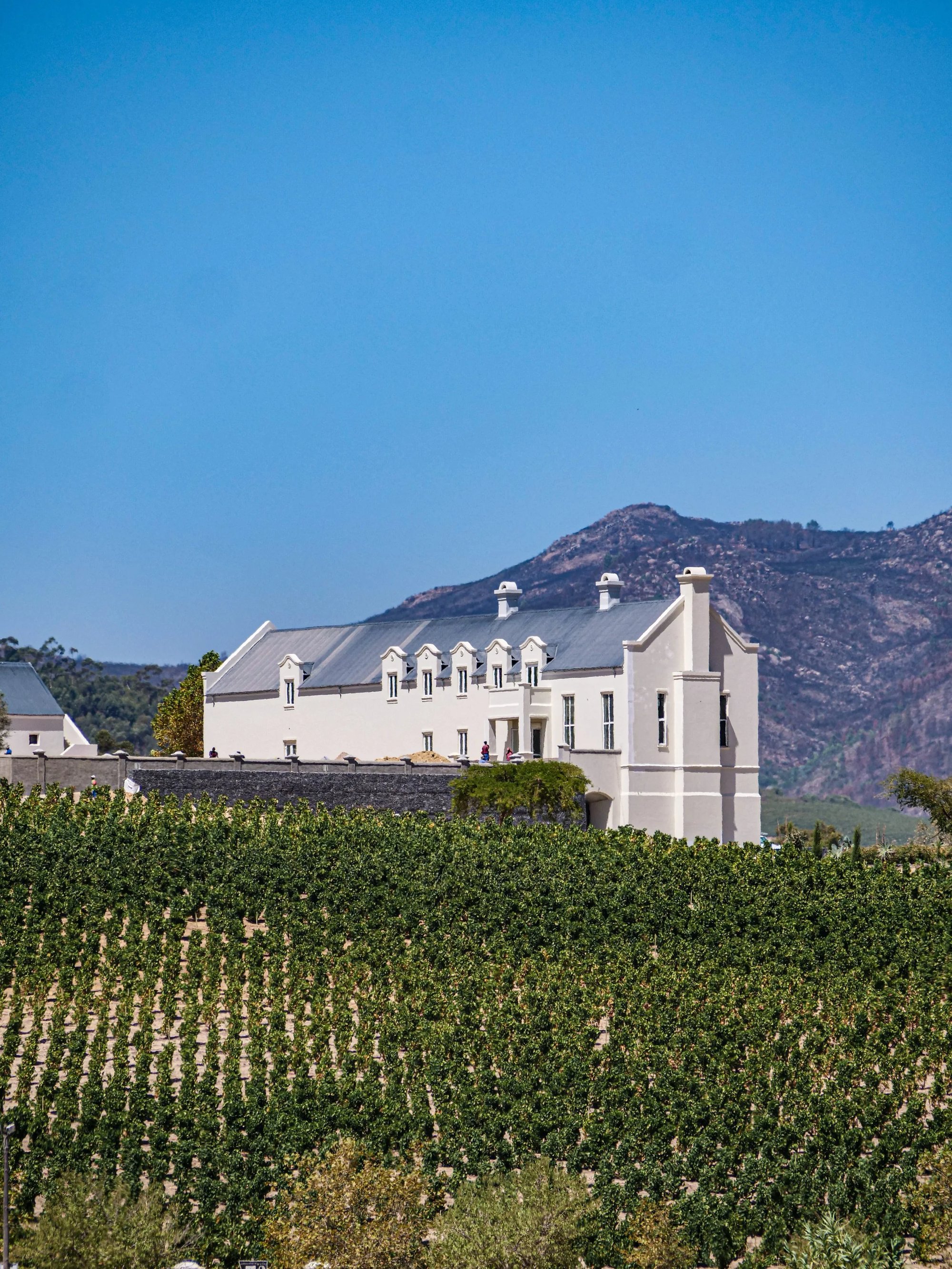
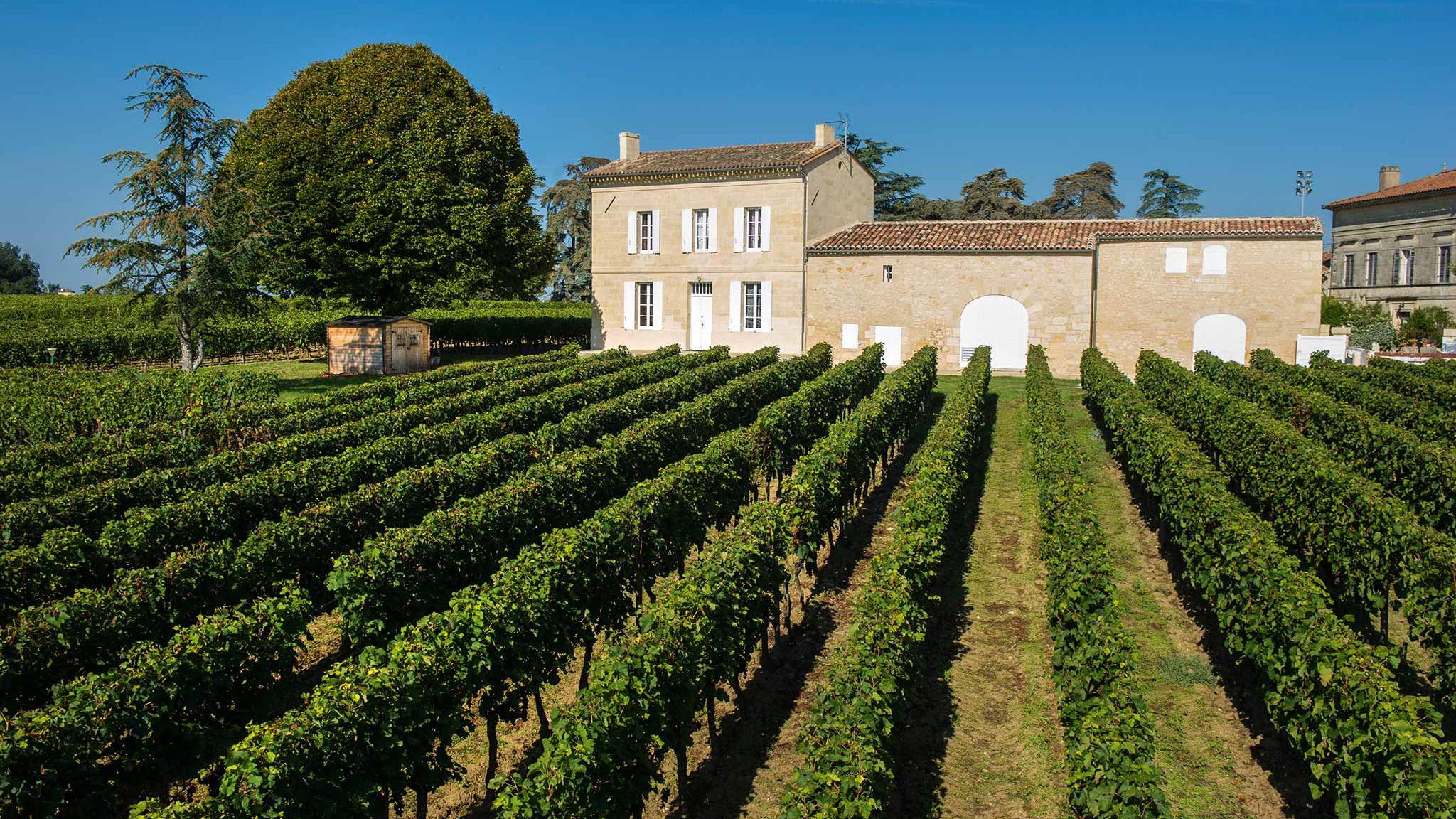
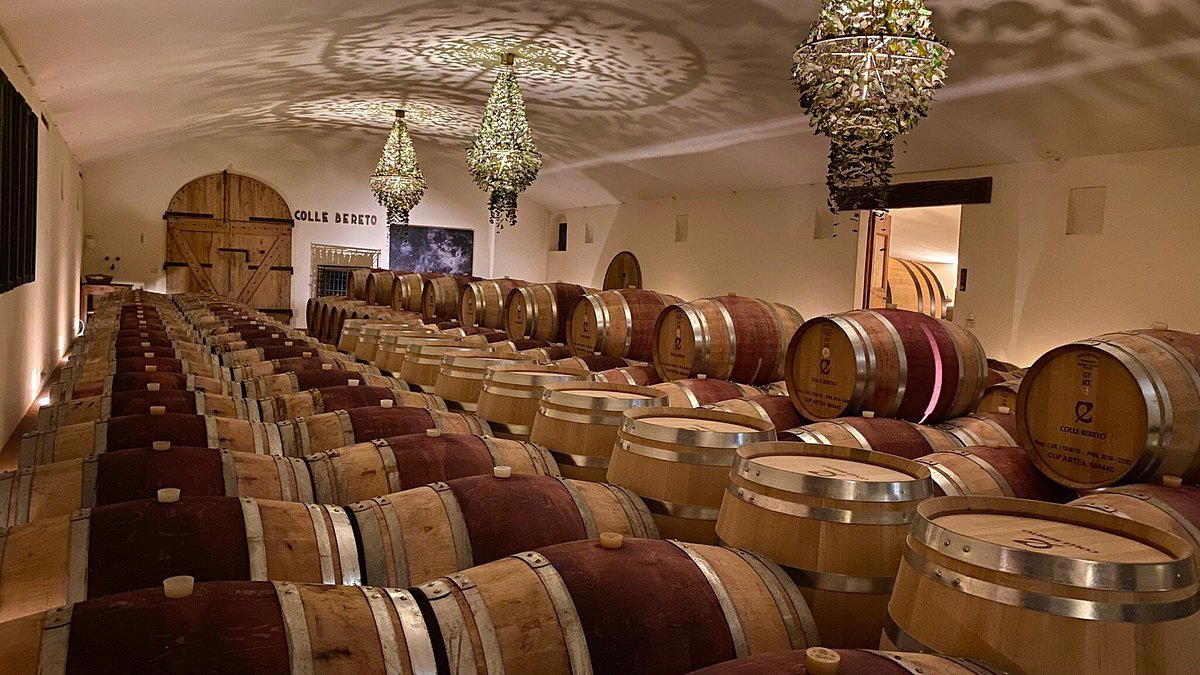
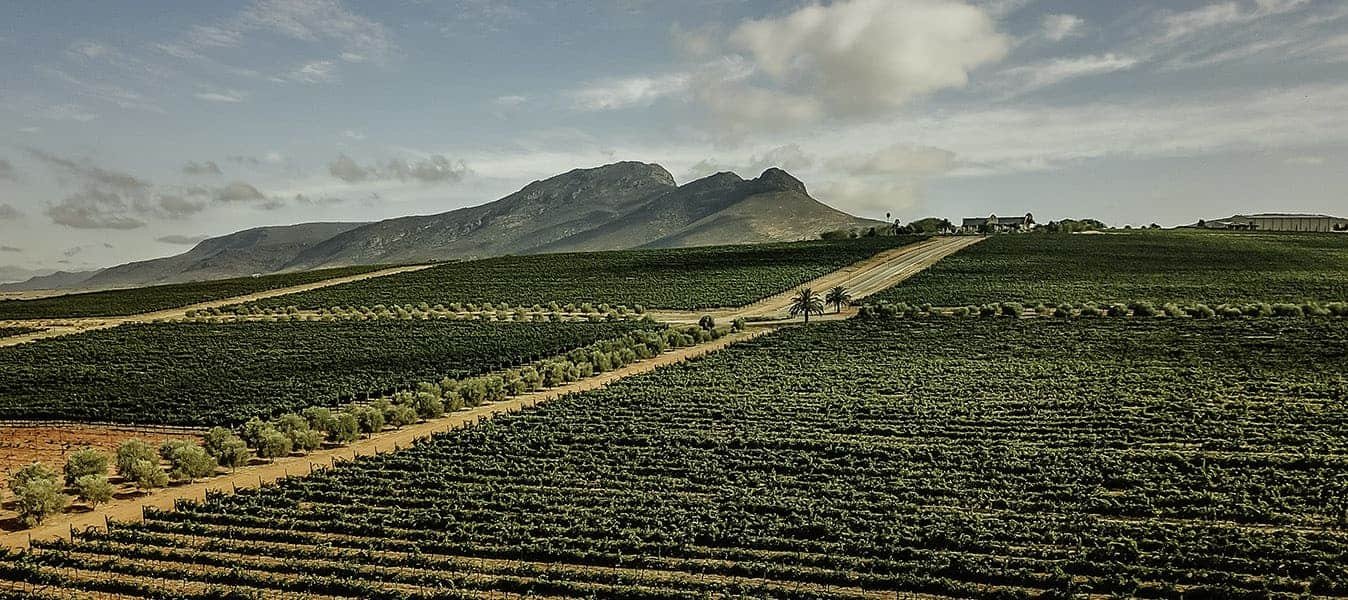
Org de Rac presents as a quietly purposeful estate where the emphasis is squarely on farming and certified organic practice rather than spectacle. Arrival feels like entering working vineyards: restrained, tidy and intentionally unvarnished. The writing highlights a stillness in this part of the Swartland and a commitment to place that registers throughout the property. Visitors encounter wines that are framed by their farm provenance, and the overall impression is one of measured confidence — a modest, serene spot that privileges agricultural authenticity over theatrical tasting-room flourishes.
Best For
This is a destination for visitors who want to learn about organic viticulture and experience an authentic estate environment. It suits wine-education visits where the farming story matters, solo explorers who appreciate contemplative tasting settings, and groups interested in seeing working vineyards rather than polished hospitality stages. The tone of the property — deliberate, organic and farm-focused — makes it less about flash and more about understanding how long-term organic farming shapes the wine.
Tasting Tips
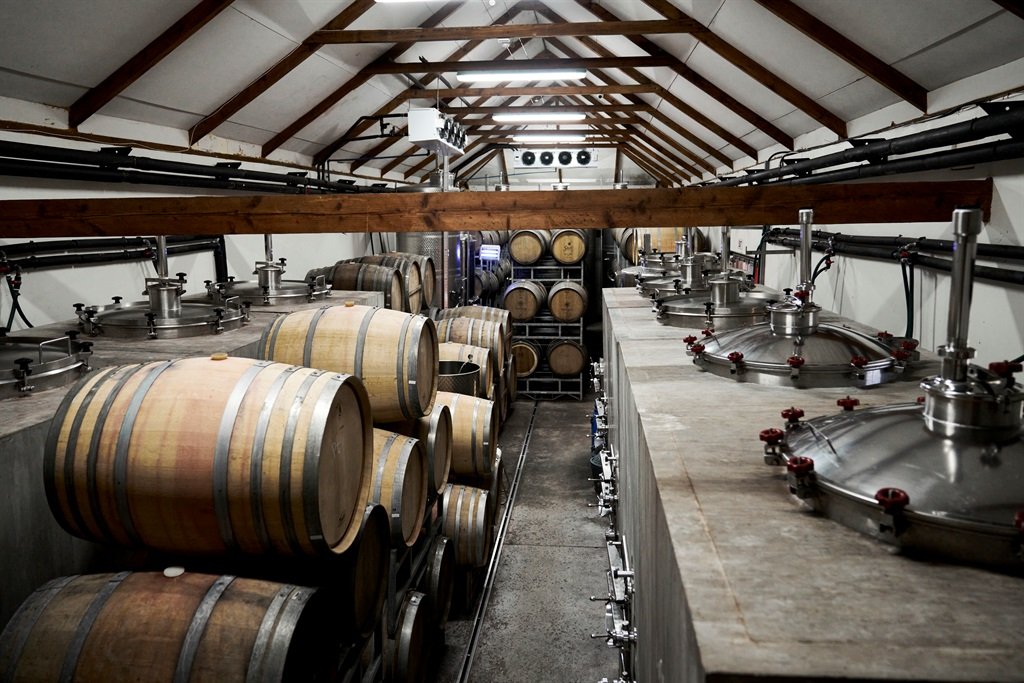
Ask about the estate's certified-organic lineup and how certification influences vineyard decisions and cellar handling; the description makes certification a defining feature. If available, request a tasting that foregrounds single-vineyard or estate-designate bottlings so you can trace how the farm's soils and farming choices show up in the glass. Bring curiosity about farming timelines and production approach — staff at this kind of working estate are likely to foreground vineyard history and agricultural practice in conversation.
Venue details
Ambiance
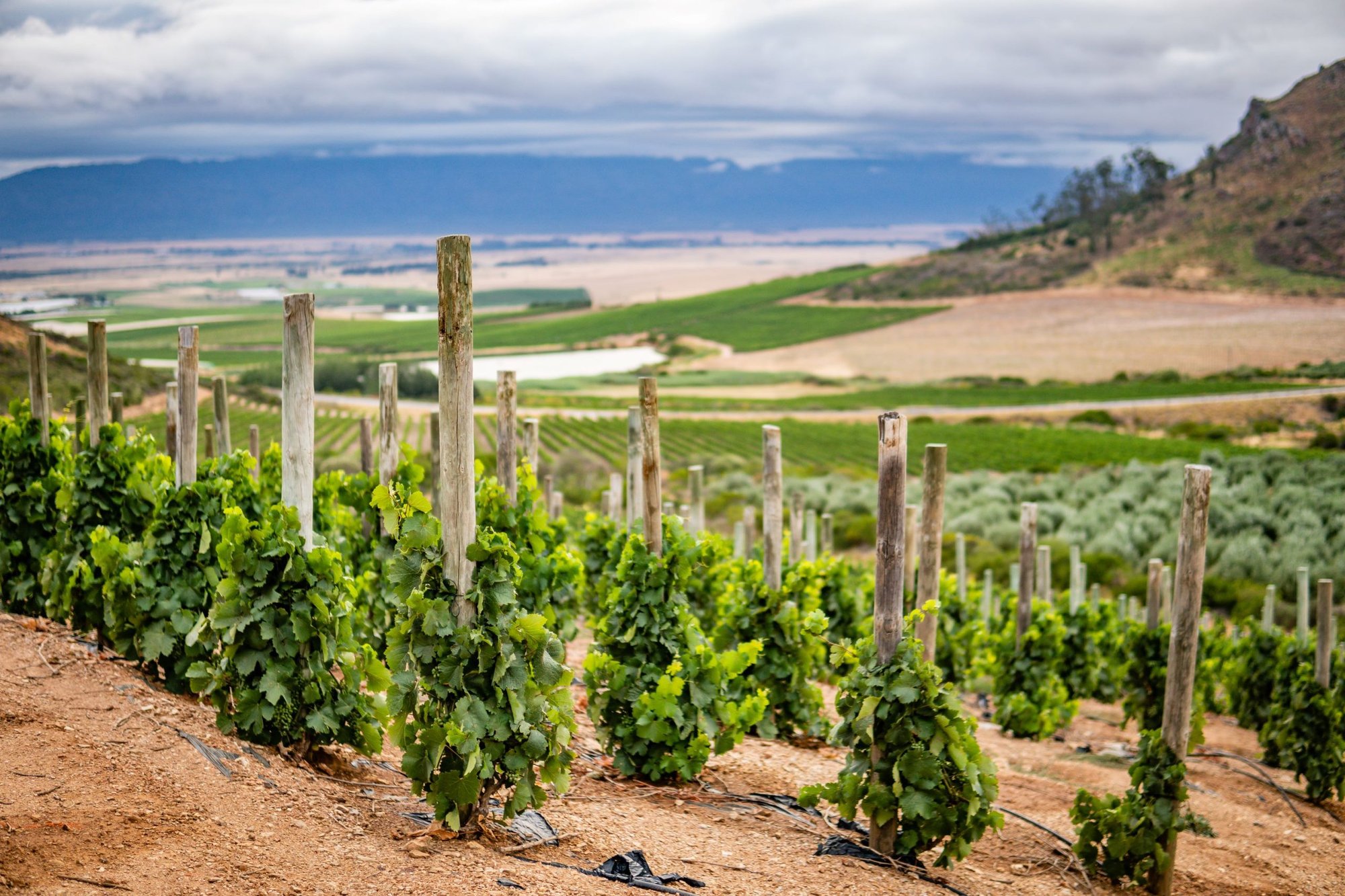
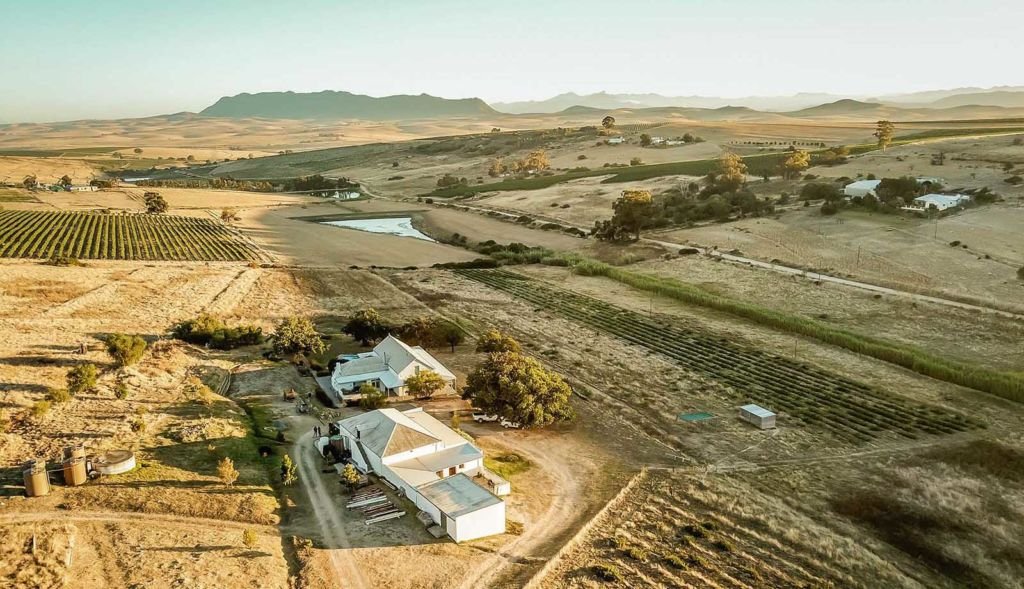
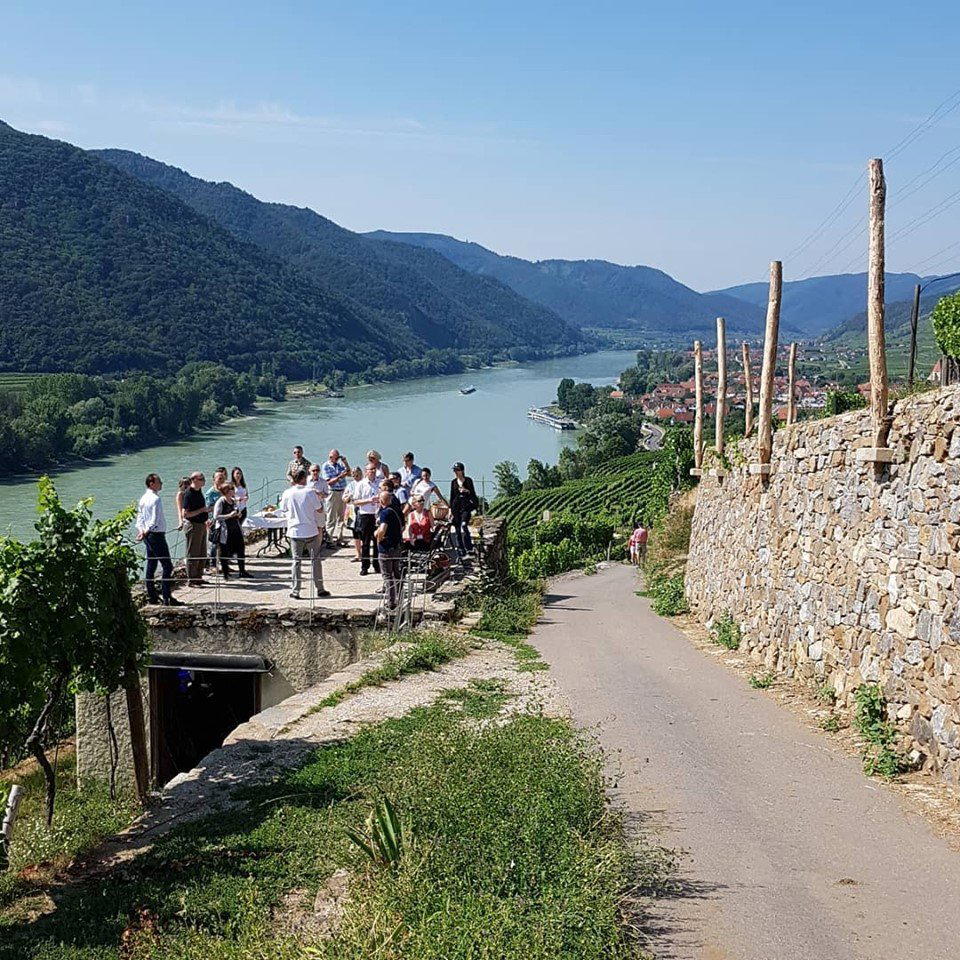
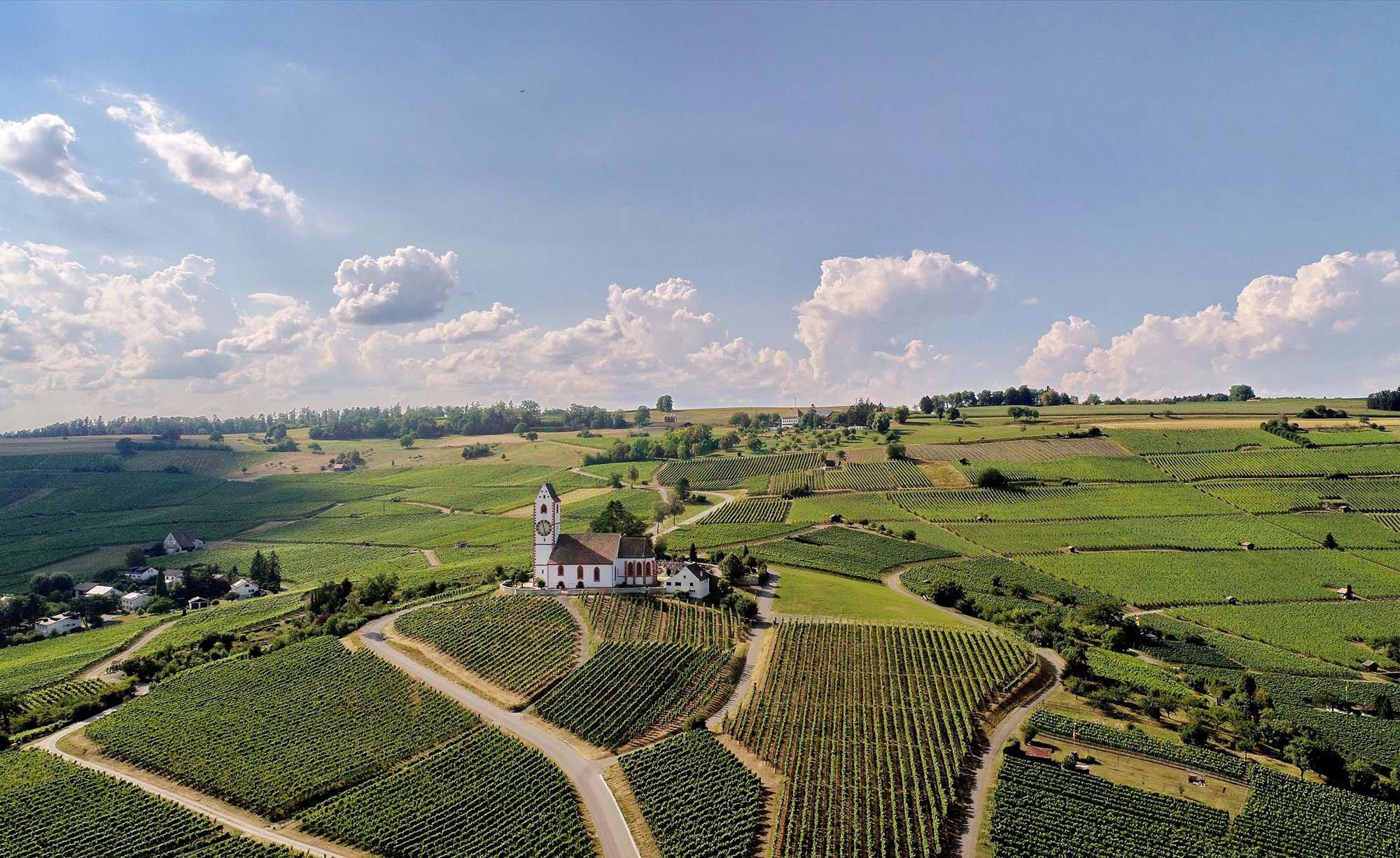
Relaxed country atmosphere with stunning panoramic views of vines and wheat fields, enhanced by friendly staff and natural surroundings.
Tags
Vibe
Best For
Experience
Sourcing
View
At the Vineyard
- Appellation
- Swartland
- Varietals
- Chardonnay, Chenin Blanc, Sauvignon Blanc, Syrah, Grenache Noir
- Tour Duration
- 60-90 minutes
- Visits
- Walk-ins welcome
- Farming
- Organic
- Production
- Mid-size producer
- Wine Styles
- Still Red, Still White, Still Rose, Sparkling
- Food Pairing
- Offered
- Wine Club
- Not available
Know before you go
Know Before You Go
- Getting there
- N 7, R399, Piketberg, 7320
Planning details
Location
Recognition and awards

Also consider
If this stop does not line up with the day's route, try Kloovenburg Wine & Olive Estate for an easier Swartland estate-style alternative. If the trip is more wine-serious, put David & Nadia (Sadie Family) or Sadie Family Wines higher on the list and plan earlier.
Winery context
Against Kloovenburg Wine & Olive Estate, Org de Rac Organic Wines is the more focused pick if organic wine is the filter. Kloovenburg is the safer cross-shop for visitors who want a broader estate-style stop in Swartland, while Org de Rac makes more sense as part of a route built around production values rather than amenities.
Sadie Family Wines and David & Nadia (Sadie Family) are stronger choices for serious collectors or anyone planning a producer-led Swartland itinerary. Org de Rac is easier to justify for first-timers who want an organic angle without making the day entirely about allocations, prestige, or specialist access.
Saronsberg Cellar and Rijk's Wine Estate are better treated as out-of-metro comparisons rather than direct same-day substitutes. Choose them when the itinerary points that way; choose Org de Rac when the practical route is Swartland and the decision is about organic wine rather than a more conventional cellar-door experience.
Explore Swartland
Around this place
Discover more on Pearl
Unlock the full Org de Rac Organic Wines guide in Pearl, including awards, comparisons, FAQs, planning details, and nearby places.
Compare Org de Rac Organic Wines
| Venue | Location | Awards |
|---|---|---|
| Org de Rac Organic Wines | Swartland | 2026 Falstaff Winery Guide |
| Saronsberg Cellar | Tulbagh | 2026 Falstaff Winery Guide |
| Kloovenburg Wine & Olive Estate | Swartland | No published awards |
| Rijk’s Wine Estate | Tulbagh | No published awards |
| Sadie Family Wines | Swartland | 2026 Falstaff Winery Guide |
| David & Nadia (Sadie Family) | Swartland | No published awards |
How Org de Rac Organic Wines compares with similar nearby venues.
FAQ
Frequently Asked Questions
What other venues can I compare with Org de Rac Organic Wines?
Use Rijk's Wine Estate, Kloovenburg Wine & Olive Estate, Sadie Family Wines, Saronsberg Cellar, and David & Nadia (Sadie Family) as the main comparison set for planning. Org de Rac Organic Wines can be considered alongside them when deciding how to structure the route.
Are delivery or collection details available for Org de Rac Organic Wines?
Delivery and collection details are not available. If logistics matter, confirm directly with Org de Rac Organic Wines before planning any purchase around them. You can also compare practical arrangements with Kloovenburg Wine & Olive Estate and David & Nadia (Sadie Family) when planning a wider itinerary.
Do I need a reservation at Org de Rac Organic Wines?
Reservation requirements are not specified. If Org de Rac Organic Wines is an important stop in your Swartland plan, confirm directly before travelling rather than relying on walk-in assumptions. For comparison, Sadie Family Wines can be considered when building a more structured itinerary.
How long should I plan for a visit to Org de Rac Organic Wines?
A specific visit length is not specified. Plan conservatively, confirm arrangements in advance, and leave enough flexibility in your route in case the available visit format differs from your expectations.
When is the best time to visit Org de Rac Organic Wines?
Specific opening times and best visiting windows are not specified. Check directly with Org de Rac Organic Wines before setting the day's schedule, especially if you are pairing it with David & Nadia (Sadie Family), Kloovenburg Wine & Olive Estate, Rijk's Wine Estate, Sadie Family Wines, or Saronsberg Cellar.