Kloovenburg Wine & Olive Estate
Riebeek Kasteel, Swartland
Winery in Swartland, South Africa
 Book with Pearl
The Read
Dry-Land Integrated Estate
Why go
Kloovenburg Wine & Olive Estate is worth shortlisting for a Riebeek-Kasteel wine day when the goal is a rounded estate visit rather than a single trophy bottle. Choose it for Swartland context, wine-and-olive breadth, and a less narrow brief than scarcity-driven producers; look elsewhere if the trip is mainly about collectible releases.
About Kloovenburg Wine & Olive Estate
Kloovenburg Wine & Olive Estate is a Swartland venue with a casual dress code and Pearl 2 Star Prestige recognition for 2025. It is a relaxed stop to consider when you want a premium Swartland estate visit rather than a venue defined by menu details, pricing, hours, or a named flagship bottle.
For the best plan, confirm practical details directly before you go. The main facts support a casual Swartland visit, while current tasting formats, food service, group setup, opening schedule, and wine-club offers should be checked ahead of time.
Choose it for a casual Swartland estate visit
Kloovenburg Wine & Olive Estate is best framed as a Swartland estate option. The Pearl 2 Star Prestige recognition gives it a clear place in a premium shortlist, while the casual dress code keeps expectations relaxed.
If you are comparing notable winery names, Kloovenburg Wine & Olive Estate can sit alongside David & Nadia (Sadie Family), Sadie Family Wines, Rijk's Wine Estate, and Saronsberg Cellar as part of a broader winery-planning conversation. The right choice depends on the kind of visit you want, so verify current arrangements with each venue before building the day.
Plan the Swartland stop before building the rest of the day
Swartland planning works well when the key stop is chosen first. Start with the winery or estate that matters most, then keep the rest of the day flexible. For broader planning, use Our full Swartland wineries guide before adding any other regional choices.
For Kloovenburg Wine & Olive Estate specifically, confirm current visiting arrangements, any booking requirements, and any available on-site services directly with the estate before travelling.
The practical verdict: choose Kloovenburg Wine & Olive Estate when you want a casual Swartland estate visit with confirmed Pearl 2 Star Prestige recognition. If your plans depend on food, group facilities, a specific tasting format, or a particular bottle, check the venue's official channels first.
Planning details
- Location
- R46, Riebeek-Kasteel, 7307
- Website
- kloovenburg.com
- Phone
- +27 22 448 1635
The take
The Take
The Vibe
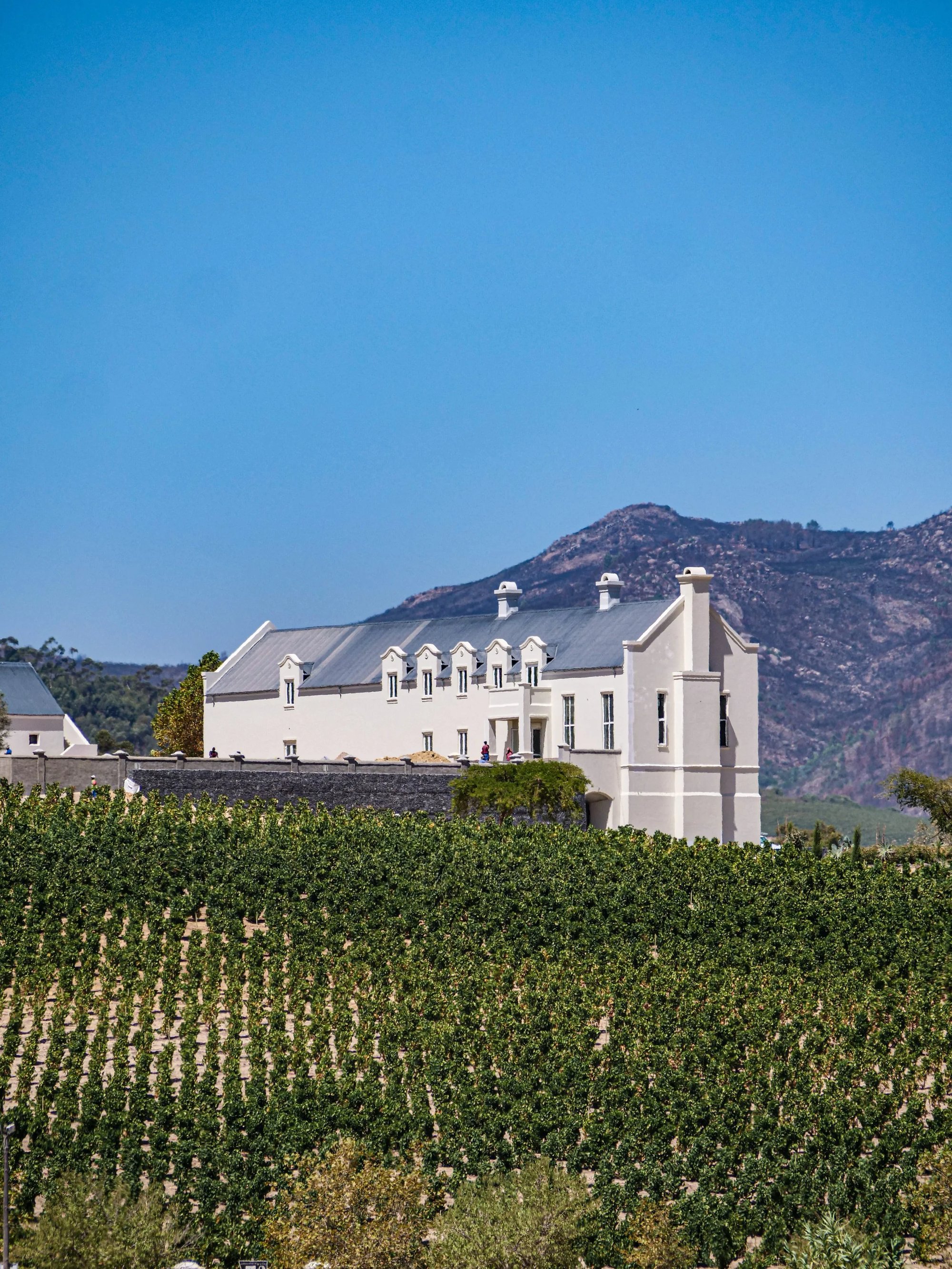
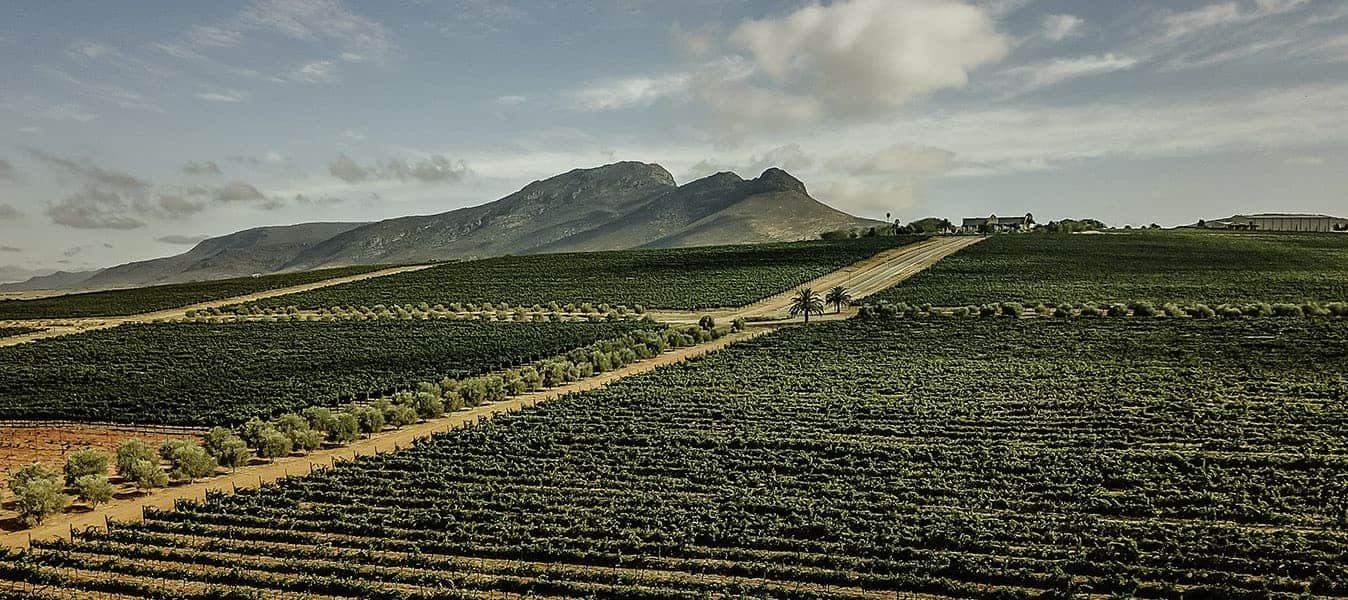
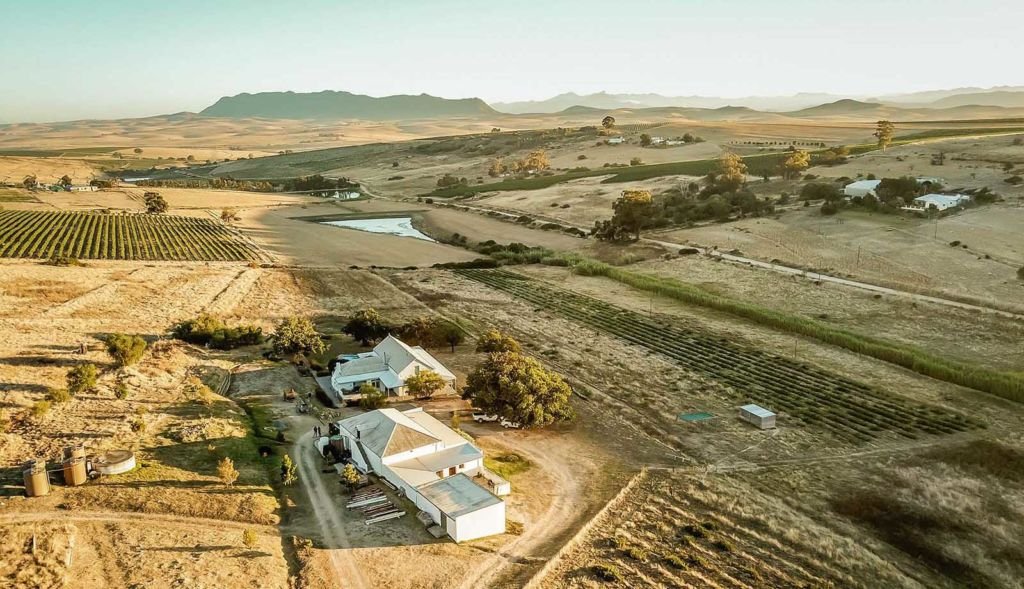
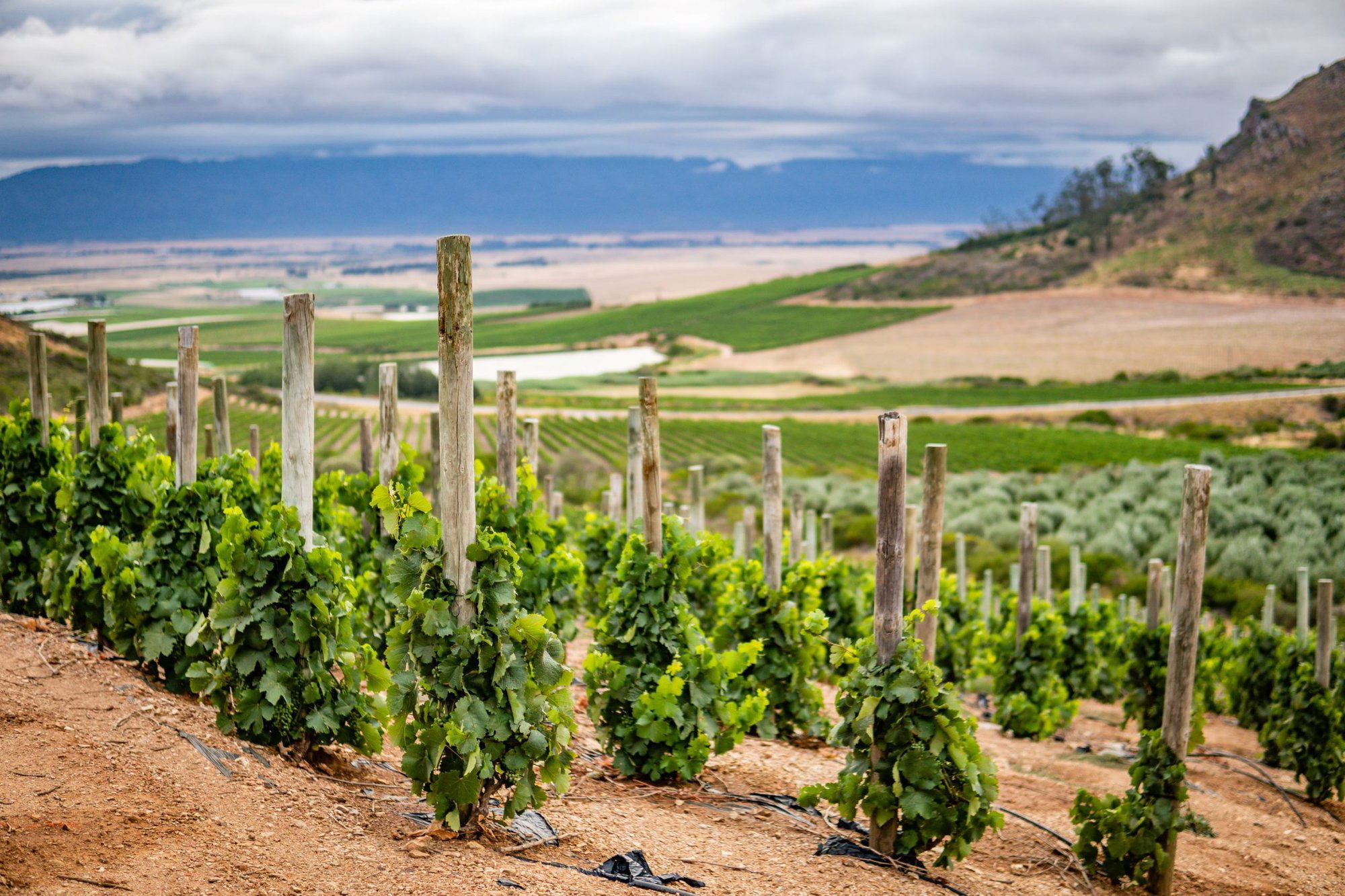
Kloovenburg presents as a working estate that foregrounds agricultural integrity over weekend spectacle. The copy emphasizes dryland farming—wheat, olives and vines rotating on schist and granite soils—so the place reads as grounded, quietly confident and approachable rather than theatrical. The 2025 Pearl 2 Star Prestige award underlines consistent quality without upending the farm-forward character: this is an estate that combines practical, hands-on viticulture with a clear commitment to accessible, reliably good wines. Visitors can expect a low-key, charming atmosphere where the land and its seasonal realities are the principal attractions.
Best For
Kloovenburg is best suited to curious wine visitors, small groups and families who appreciate a farm-oriented experience rather than a showy tasting room. The estate’s emphasis on dryland viticulture and its dual production of wine and olive oil make it a good stop for guests interested in learning how a working agricultural property balances multiple outputs. The tone of the description suggests a place for leisurely exploration and education—people who enjoy regional context, terroir-driven conversation and estate provenance will get the most out of a visit here.
Tasting Tips
Focus on estate expressions and the farm’s awarded releases: the text highlights a Pearl 2 Star Prestige accolade, so seek out the wines tied to that recognition. Because Kloovenburg also produces olive oil from the same land, look for opportunities to taste or purchase estate oil alongside the wines to understand the site’s agricultural logic. Plan visits with the understanding that this is a working farm rather than a spectacle-driven tourist stop—arrive prepared for a grounded, educational-style tasting rather than a party atmosphere.
Venue details
Ambiance
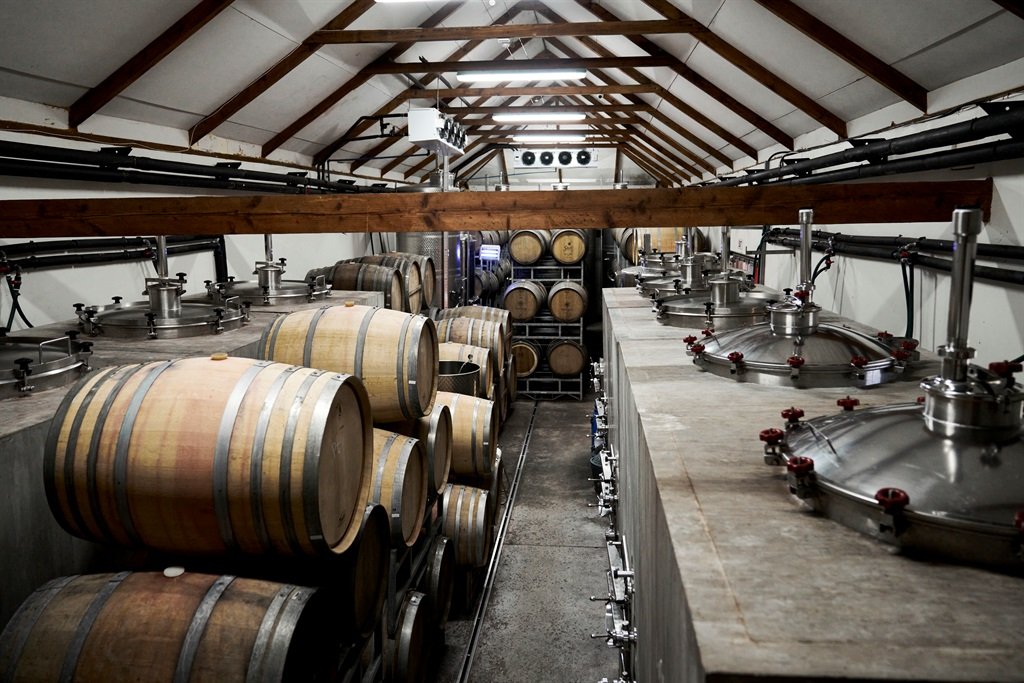
Relaxed and authentic with shaded outdoor seating under century-old oaks, offering picturesque mountain and vineyard views in a cool, quiet cellar atmosphere.
Tags
Vibe
Best For
Experience
View
At the Vineyard
- Appellation
- Swartland
- Varietals
- Shiraz, Chardonnay, Merlot, Sauvignon Blanc, Grenache
- Tour Duration
- 60-90 minutes
- Visits
- By reservation
- Farming
- Sustainable
- Production
- Mid-size producer
- Wine Styles
- Still Red, Still White, Sparkling
- Food Pairing
- Offered
- Shipping
- Available
- Wine Club
- Not available
Know before you go
Know Before You Go
- Getting there
- R46, Riebeek-Kasteel, 7307
Planning details
Location
Also consider
Where to look if this does not fit
If the goal is a more collector-led Swartland visit, cross-shop Sadie Family Wines or David & Nadia (Sadie Family) first. If the group wants a broader estate outing outside the immediate Swartland plan, compare Rhebokskloof Wine Estate.
Winery context
How it compares in Swartland
Kloovenburg Wine & Olive Estate is the more estate-led choice, while Sadie Family Wines and David & Nadia (Sadie Family) are better fits for visitors who care first about producer reputation and bottle focus. If the group includes casual wine drinkers, the broader estate format is easier to justify; if everyone is there for serious Swartland collecting, start with the Sadie-linked options.
Saronsberg Cellar and Rijk's Wine Estate read as stronger alternatives when the day can stretch beyond the immediate Riebeek-Kasteel plan and the goal is a more cellar-focused outing. Rhebokskloof Wine Estate is the more obvious cross-shop for travellers who want an estate setting with a wider hospitality feel rather than a narrow tasting objective.
For value, Kloovenburg is easiest to defend when the visit includes interest in both wine and olives. For ambiance, it suits a slower estate stop better than a high-intensity collector itinerary. For booking pressure, treat Sadie Family Wines and David & Nadia as the harder targets and keep Kloovenburg in the plan when the group needs a more flexible Swartland anchor.
Explore Swartland
Around this place
Discover more on Pearl
Unlock the full Kloovenburg Wine & Olive Estate guide in Pearl, including awards, comparisons, FAQs, planning details, and nearby places.
Compare Kloovenburg Wine & Olive Estate
| Venue | Location | Awards |
|---|---|---|
| Kloovenburg Wine & Olive Estate | Swartland | No published awards |
| Sadie Family Wines | Swartland | 2026 Falstaff Winery Guide |
| David & Nadia (Sadie Family) | Swartland | No published awards |
| Saronsberg Cellar | Tulbagh | 2026 Falstaff Winery Guide |
| Rijk’s Wine Estate | Tulbagh | No published awards |
| Rhebokskloof Wine Estate | Paarl | 2026 Falstaff Winery Guide |

How Kloovenburg Wine & Olive Estate compares with similar nearby venues.
FAQ
Frequently Asked Questions
Is there a wine club at Kloovenburg Wine & Olive Estate?
Wine-club benefits, pricing, and terms should be checked directly with Kloovenburg Wine & Olive Estate before committing. The confirmed facts are its Swartland location, casual dress code, and Pearl 2 Star Prestige recognition for 2025.
When is the best time to visit Kloovenburg Wine & Olive Estate?
Opening hours and the best time of day to visit should be checked before travelling. Plan ahead and check Kloovenburg Wine & Olive Estate's official channels before travelling to Swartland.
Do I need a reservation at Kloovenburg Wine & Olive Estate?
If your visit depends on a set time, a group arrangement, or a specific experience, contact Kloovenburg Wine & Olive Estate directly before you go. Saronsberg Cellar is another winery name to consider when comparing options.
Does Kloovenburg Wine & Olive Estate serve food?
Check directly before assuming any dining, lunch, or menu offering. Treat Kloovenburg Wine & Olive Estate as a Swartland estate visit first. Rhebokskloof Wine Estate is another wine-estate option to compare when planning a broader trip.
Can Kloovenburg Wine & Olive Estate handle large groups?
Large-group capacity, private event space, and group booking arrangements should be confirmed directly if you are planning anything beyond a standard visit. Rijk's Wine Estate is another winery name to compare for trip planning.
What is the flagship wine at Kloovenburg Wine & Olive Estate?
Kloovenburg Wine & Olive Estate does not name a flagship wine here. Do not plan a visit around a specific bottle unless the estate confirms it directly. If you are comparing other winery names, Sadie Family Wines and David & Nadia (Sadie Family) are relevant points of reference.
What other wineries should I compare with Kloovenburg Wine & Olive Estate?
Useful winery names to compare include Sadie Family Wines, David & Nadia (Sadie Family), Rijk's Wine Estate, and Saronsberg Cellar. Keep the route focused and confirm current visiting details with each venue before finalising the day.