
Saronsberg Cellar
Tulbagh
Winery in Tulbagh, South Africa
 Book with Pearl
The Read
Continental-Climate Precision
Price
$20–30tasting
Why go
Saronsberg Cellar is worth prioritizing for a wine-focused Tulbagh itinerary, especially if the goal is a serious cellar stop rather than a broad estate day. It is a stronger fit for travelers building the trip around tasting depth and regional context than for groups needing a fully mapped food-and-activities venue.
About Saronsberg Cellar
Saronsberg Cellar is a Tulbagh venue with Pearl 2 Star Prestige (2025). For travelers weighing it against other stops, the clearest reasons to place it on a shortlist are its Tulbagh setting, its recognition, and the smart-casual dress code.
Keep the visit flexible and confirm the current menu, tasting format, bottle lineup, food service, group setup, and operating schedule directly before going, especially if the day depends on precise logistics.
Choose it for a focused Tulbagh stop, not an all-details-guaranteed outing
Saronsberg Cellar is best considered when Tulbagh itself is the destination and you want a recognized venue. The safest decision is to check current details with the venue before building a full itinerary around it.
For planning, keep expectations simple: smart casual is the dress code, and Pearl 2 Star Prestige (2025) is the recognition. If the day also requires meals, accommodation, bars, or other activities, plan those separately rather than assuming Saronsberg Cellar covers every part of the outing.
How to decide between this and other comparison venues
Rijk's Wine Estate is one natural comparison for travelers considering Saronsberg Cellar. Saronsberg Cellar remains the direct choice when you specifically want this Tulbagh venue and are comfortable confirming visit details directly.
If the wider day allows additional stops, Kloovenburg Wine & Olive Estate, Org de Rac Organic Wines, Sadie Family Wines, and David & Nadia (Sadie Family) are other names to weigh, depending on the shape of the itinerary. The practical verdict: choose Saronsberg Cellar when Tulbagh is the destination and you want a recognized stop with Pearl 2 Star Prestige (2025).
Quick reference: Saronsberg Cellar is in Tulbagh, has a smart-casual dress code, and holds Pearl 2 Star Prestige (2025). Confirm current visit details directly before you go.
Planning details
- Location
- Waveren Road, Tulbagh, 6820
- Website
- saronsberg.com
- Phone
- +27 23 230 0707
The take
The Take
The Vibe
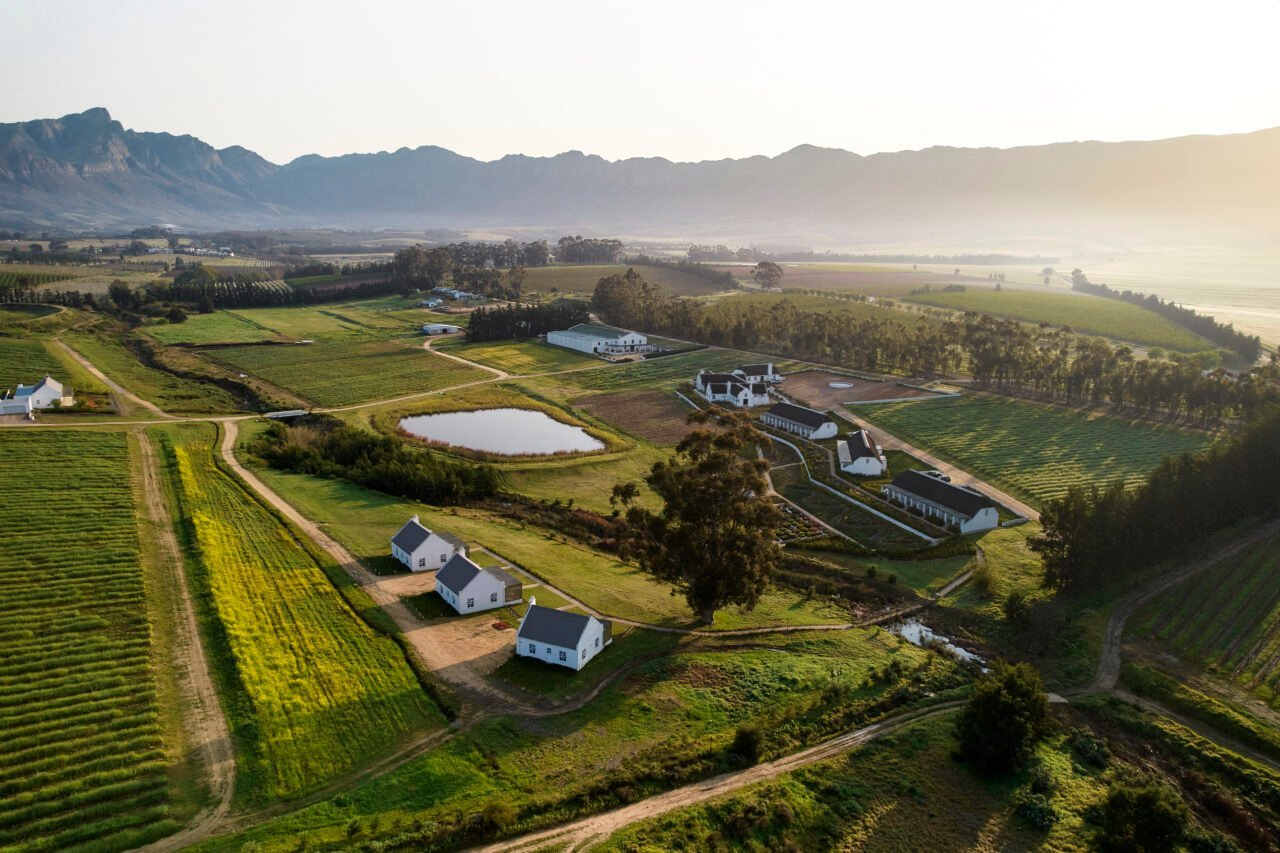
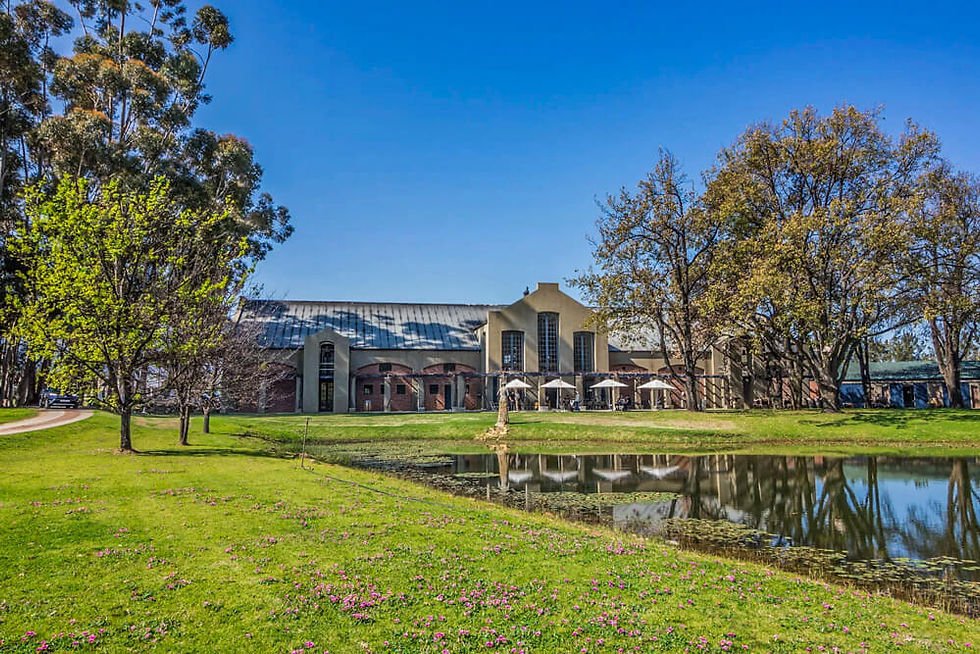
Saronsberg Cellar reads as a quietly determined estate that prioritizes terroir over theatrical hospitality. Approaching on Waveren Road reveals vineyards edging the road, low-profile architecture and a domestic scale that feels more like a working farm than a resort. The surrounding amphitheatre of mountains — Winterhoek, Witzenberg and Obiqua — gives the site a clear geographic identity and a cool-climate tension that comes through in the wines. The tone is unflashy and earnest: visitors encounter a place where rigorous viticulture and a restrained, agricultural aesthetic define the experience.
Best For
This estate is best for visitors interested in the mechanics and expressions of a distinctive terroir rather than a loud tasting-room spectacle. The writing emphasizes structural tension, acidity and site-driven character, so Saronsberg suits wine-minded visitors and students of viticulture seeking context about the Tulbagh Valley. Because the property keeps a domestic, low-key profile, it also works well for small, intimate visits and modest celebrations where the wine is the focus and the setting is quietly scenic rather than ostentatious.
Tasting Tips
When visiting or buying from Saronsberg, prioritize estate bottlings that speak to Tulbagh’s cooler nights and shale-to-granite soils — the copy highlights acidity and structural tension as distinguishing features. Pay attention to the estate’s Pearl 2 Star Prestige mention for 2025 as an indicator of consistent quality across releases. On site, ask staff about specific vineyard parcels and vintage differences to understand how the valley’s amphitheatre and soil shifts influence each wine; the property’s narrative centers on site expression, so guided, focused tastings yield the clearest picture.
Venue details
Ambiance
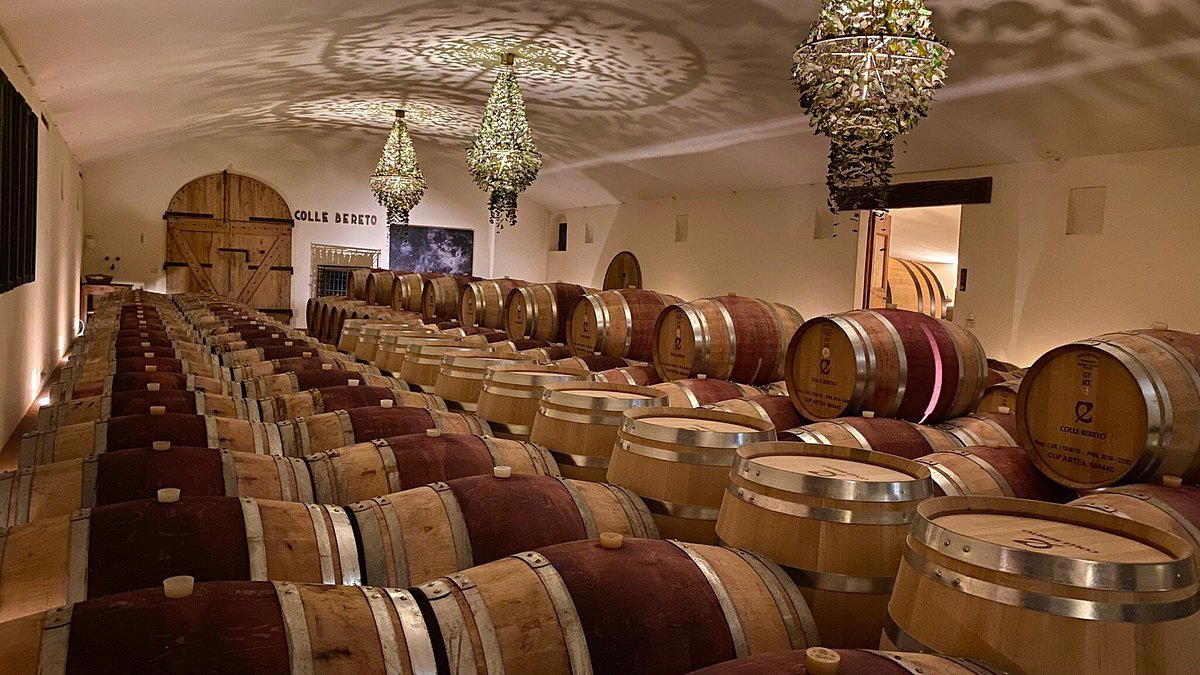
Contemporary industrial-chic space with cool cavernous feel, moss-green velvet armchairs by open hearth, heavy wooden tables, and views into fermentation and barrel rooms amid serene water features.
Tags
Vibe
Best For
Experience
Sourcing
View
At the Vineyard
- Appellation
- Tulbagh
- Varietals
- Shiraz, Viognier, Grenache, Mourvedre, Cabernet Sauvignon
- Tour Duration
- 60-90 minutes
- Tour Languages
- English
- Visits
- Walk-ins welcome
- Farming
- Sustainable
- Production
- Small producer
- Wine Styles
- Still Red, Still White, Sparkling
- Shipping
- Available
- Wine Club
- Not available
Know before you go
Know Before You Go
- Getting there
- Waveren Road, Tulbagh, 6820
Planning details
Location
Recognition and awards

Also consider
Also Consider
- Rijk's Wine Estate, Notable alternative
- Kloovenburg Wine & Olive Estate, Notable alternative
- Sadie Family Wines, Notable alternative
- David & Nadia (Sadie Family), Notable alternative
- Org de Rac Organic Wines, Notable alternative
Winery context
Saronsberg Cellar is the stronger pick when the day is built around Tulbagh and the tasting is the main event. Rijk's Wine Estate is the more obvious cross-shop inside Tulbagh for visitors who want a broader estate feel, while Saronsberg is better for travelers who want a tighter wine-led stop.
Kloovenburg Wine & Olive Estate and Org de Rac Organic Wines make more sense if the itinerary can stretch beyond the immediate Tulbagh plan and the group wants a wider estate or organic-wine angle. They are useful backups, but they change the shape of the day from focused Tulbagh tasting to broader regional driving.
Sadie Family Wines and David & Nadia (Sadie Family) are better cross-shops for collectors who are already thinking beyond Tulbagh. Choose Saronsberg for location discipline and a serious cellar stop; choose the Swartland peers when producer access and collector interest matter more than keeping the route compact.
Explore Tulbagh
Around this place
Discover more on Pearl
Unlock the full Saronsberg Cellar guide in Pearl, including awards, comparisons, FAQs, planning details, and nearby places.
Compare Saronsberg Cellar
| Venue | Location | Awards |
|---|---|---|
| Saronsberg Cellar | Tulbagh | 2026 Falstaff Winery Guide |
| Rijk’s Wine Estate | Tulbagh | No published awards |
| Kloovenburg Wine & Olive Estate | Swartland | No published awards |
| Sadie Family Wines | Swartland | 2026 Falstaff Winery Guide |
| David & Nadia (Sadie Family) | Swartland | No published awards |
| Org de Rac Organic Wines | Swartland | 2026 Falstaff Winery Guide |
How Saronsberg Cellar Tulbagh compares with similar nearby venues.
FAQ
Frequently Asked Questions
Do I need a reservation at Saronsberg Cellar?
Confirm current booking requirements with the venue before visiting. Saronsberg Cellar has Pearl 2 Star Prestige (2025), so it is sensible to check ahead.
What other venues can I compare with Saronsberg Cellar?
Rijk's Wine Estate, Kloovenburg Wine & Olive Estate, Sadie Family Wines, David & Nadia (Sadie Family), and Org de Rac Organic Wines are comparison names to weigh depending on the wider itinerary.
Are membership or club details available for Saronsberg Cellar?
If membership or club details matter to your decision, check directly with Saronsberg Cellar and compare the current terms with how often you expect to visit.
Can Saronsberg Cellar handle large groups?
How long should I plan for a visit to Saronsberg Cellar?
Build in enough flexibility to confirm current arrangements with the venue, and keep the rest of the itinerary light if Saronsberg Cellar is a priority stop.