Rijk’s Wine Estate
Tulbagh
Winery in Tulbagh, South Africa
 Book with Pearl
The Read
Winterhoek Mountain Viticulture
Why go
Rijk's Wine Estate is worth considering as a planned Tulbagh anchor stop, especially for a slower special-occasion wine day rather than a rushed multi-winery crawl. Availability should be treated as tight, so confirm arrangements before building the rest of the itinerary around it.
About Rijk’s Wine Estate
Is Rijk's Wine Estate worth planning a Tulbagh stop around? It can be, provided you are looking for a wine-estate visit in Tulbagh and are comfortable confirming the practical details directly. The venue details are limited, so the safest approach is to avoid assuming a particular tasting format, food offering, price point, schedule, or service style before you go.
The clearest confirmed points are the venue name, its Tulbagh location, a smart-casual dress code, and Pearl 2 Star Prestige recognition for 2025. Beyond that, treat the visit as one to verify in advance rather than one to build on unconfirmed assumptions about menus, bookings, group capacity, or opening times.
Plan it as a confirmed stop, not filler between bigger names
For a special occasion or a carefully timed wine-country day, give Rijk's Wine Estate enough room in the itinerary and confirm arrangements before finalising the rest of the schedule. If the goal is a broader Tulbagh itinerary, build the day around confirmed details rather than assuming a specific format at Rijk's Wine Estate.
Better for a deliberate Tulbagh wine day than an overbuilt route
Within a Tulbagh-focused plan, Rijk's Wine Estate is best considered as a deliberate stop rather than a rushed add-on. If you are comparing wine-estate options, Saronsberg Cellar is a natural reference point to consider, while keeping the details of each visit separate until confirmed.
If the trip is stretching beyond Tulbagh, compare the time cost honestly and avoid treating every wine destination as interchangeable. Kloovenburg Wine & Olive Estate, Rhebokskloof Wine Estate, Sadie Family Wines, and David & Nadia (Sadie Family) may be useful reference points for a wider wine-country map, but they should not be treated as direct substitutes for a confirmed Rijk's Wine Estate visit in Tulbagh.
Keep the Rijk's Wine Estate plan simple: confirm the current arrangements, dress smart casual, and build the rest of the day around facts rather than assumptions.
Planning details
- Location
- Rijks Cellar, Van der Stel street, Tulbagh, 6820
- Website
- rijks.co.za
- Phone
- +27 23 230 1622
The take
The Take
The Vibe
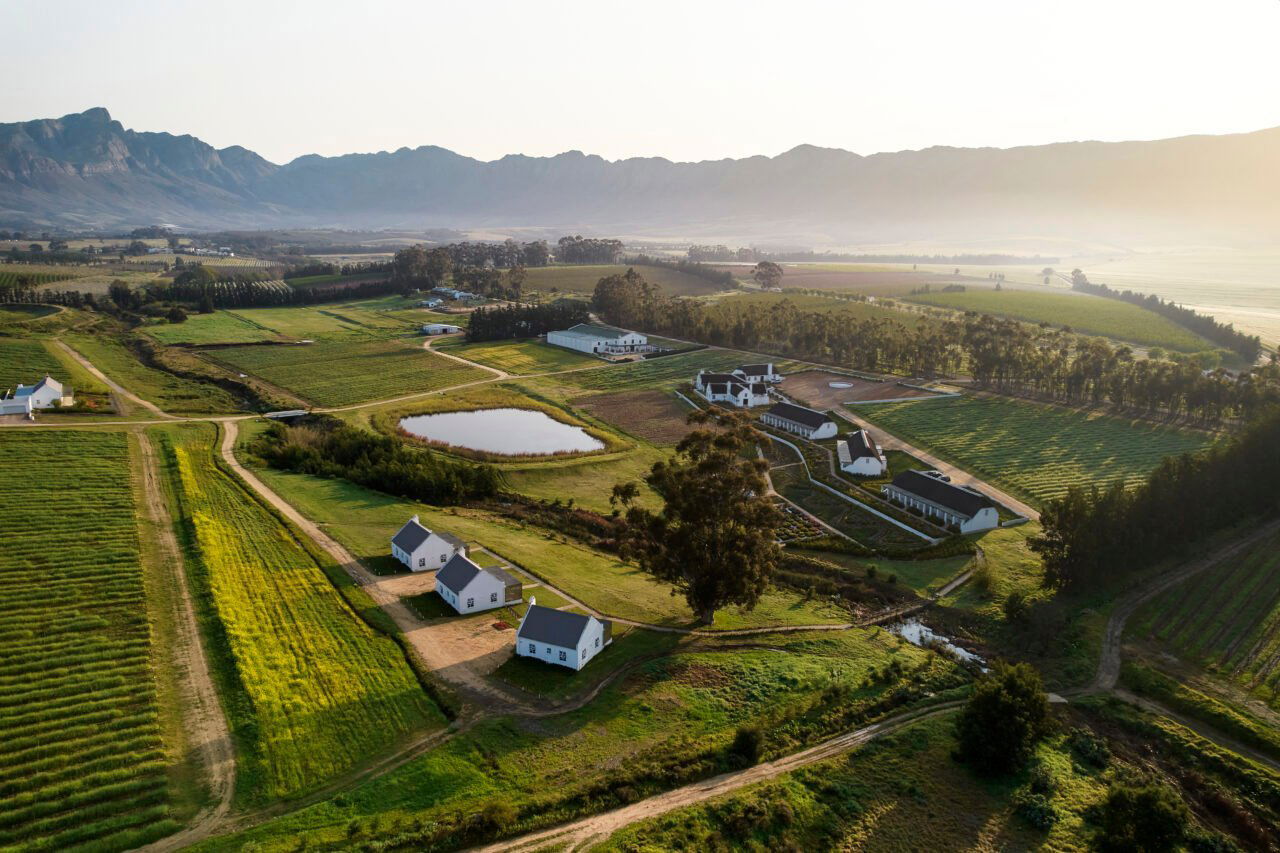
Rijk’s Wine Estate presents itself as a measured, sophisticated presence in Tulbagh: an estate that reads its site with precision rather than chasing volume. The prose emphasizes the theatre-like enclosure of surrounding ranges and the climatic role they play, so the place feels quietly purposeful — refined rather than flashy. The tone is pastoral and contemplative; this is an estate where landscape and geology are central to the experience, and that focus gives the visit a composed, earnest elegance. Expect a tranquil pace and an emphasis on terroir-driven wines rather than trendy presentation.
Best For
Rijk’s is best for visitors who care about region and place. The write-up repeatedly frames the estate in terms of site-specific viticulture and a Pearl 2 Star Prestige recognition, so it’s a strong fit for people seeking education about how mountain-influenced climates and varied soils shape wine. It also suits couples or small groups who value scenic, contemplative settings — those who want to experience the valley’s geography as part of a tasting. The estate is not presented as mass-market; it appeals to travelers who prioritize terroir, thoughtful winemaking and quiet, studied enjoyment.
Tasting Tips
When you taste at Rijk’s, focus on expressions that highlight site specificity and acidity — the copy stresses cool nights and slow ripening as defining features. Ask for the wines tied to the estate’s notable recognition (the 2025 Pearl 2 Star Prestige) and for single-site or site-focused bottlings that reflect the decomposed granite slopes versus the clay-enriched valley floor. Framing your conversation around soil, aspect and night-time cooling will steer you to the wines that most clearly communicate Tulbagh’s distinct terroir; request tasting notes that explain how the mountain barriers influence each vintage.
Venue details
Ambiance
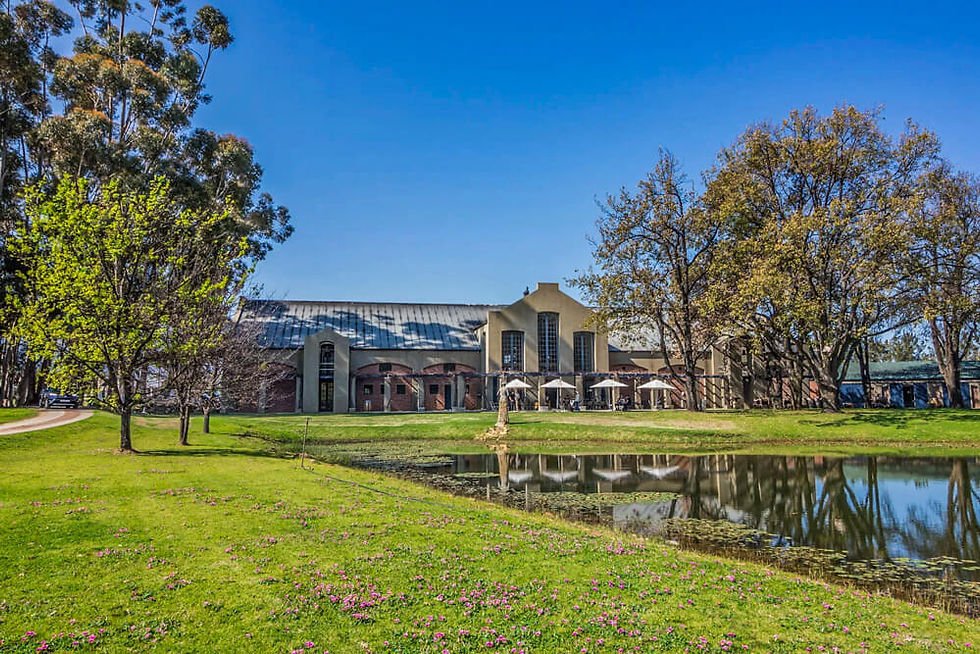
Tranquil and relaxing atmosphere with picturesque mountain and vineyard scenery, enhanced by warm hospitality and peaceful surroundings.
Tags
Vibe
Best For
Experience
Sourcing
View
At the Vineyard
- Appellation
- Tulbagh
- Varietals
- Syrah
- Tour Duration
- 60-90 minutes
- Visits
- Walk-ins welcome
- Farming
- Sustainable
- Production
- Small producer
- Wine Styles
- Still Red
- Food Pairing
- Offered
- Wine Club
- Not available
Know before you go
Know Before You Go
- Getting there
- Rijks Cellar, Van der Stel street, Tulbagh, 6820
Planning details
Location
Also consider
Where to Try If You Can't Get In
Start with Saronsberg Cellar if the plan needs to stay in Tulbagh. It is the cleanest nearby substitute from the comparison set and keeps the day's route simple.
If the group is willing to reroute, Kloovenburg Wine & Olive Estate or Rhebokskloof Wine Estate are better fallbacks than forcing an overpacked Tulbagh schedule.
Winery context
How It Compares
For a Tulbagh-focused day, Rijk's Wine Estate is the deliberate anchor choice, while Saronsberg Cellar is the clearest local cross-shop if the group wants another recognizable winery in the same area. Pick Rijk's when the visit is the occasion; pick Saronsberg when the plan needs a second Tulbagh stop with less itinerary pressure.
Kloovenburg Wine & Olive Estate and Rhebokskloof Wine Estate make more sense for readers prioritizing broader estate-style outings outside Tulbagh. They are better cross-shops for groups that want a more flexible day, while Rijk's is stronger for a quieter, more intentional booking.
Sadie Family Wines and David & Nadia (Sadie Family) sit in a different planning category: serious wine travelers will compare them for producer focus, but they are not casual replacements for a Tulbagh stop. If availability is the issue, look first to Saronsberg before rerouting the whole day out of town.
Explore Tulbagh
Around this place
Discover more on Pearl
Unlock the full Rijk’s Wine Estate guide in Pearl, including awards, comparisons, FAQs, planning details, and nearby places.
Compare Rijk’s Wine Estate
| Venue | Location | Awards |
|---|---|---|
| Rijk’s Wine Estate | Tulbagh | No published awards |
| Saronsberg Cellar | Tulbagh | 2026 Falstaff Winery Guide |
| Kloovenburg Wine & Olive Estate | Swartland | No published awards |
| Sadie Family Wines | Swartland | 2026 Falstaff Winery Guide |
| David & Nadia (Sadie Family) | Swartland | No published awards |
| Rhebokskloof Wine Estate | Paarl | 2026 Falstaff Winery Guide |

How Rijk's Wine Estate Tulbagh compares with similar nearby venues.
FAQ
Frequently Asked Questions
What should I confirm before visiting Rijk's Wine Estate?
Do I need a reservation at Rijk's Wine Estate?
For a planned Tulbagh visit, contact Rijk's Wine Estate directly rather than assuming walk-in availability.
When is the best time to visit Rijk's Wine Estate?
No confirmed opening hours or best visiting window are listed in the details. Confirm the current arrangements directly before building a Tulbagh itinerary around the estate.
What is the dress code at Rijk's Wine Estate?
The confirmed dress code for Rijk's Wine Estate is smart casual.
Can Rijk's Wine Estate handle large groups?
Larger parties should contact Rijk's Wine Estate directly before planning a visit in Tulbagh.
What recognition does Rijk's Wine Estate have?
Rijk's Wine Estate is recognised with Pearl 2 Star Prestige for 2025.
What other wine venues can I compare with Rijk's Wine Estate?
Saronsberg Cellar is a useful comparison when considering Rijk's Wine Estate. Kloovenburg Wine & Olive Estate, Rhebokskloof Wine Estate, Sadie Family Wines, and David & Nadia (Sadie Family) can also serve as broader wine-country reference points, depending on the route you are planning.