
Winery in Spring Mountain District (St. Helena), United States
Fantesca Estate & Winery
500ptsMountain-Elevation Cabernet
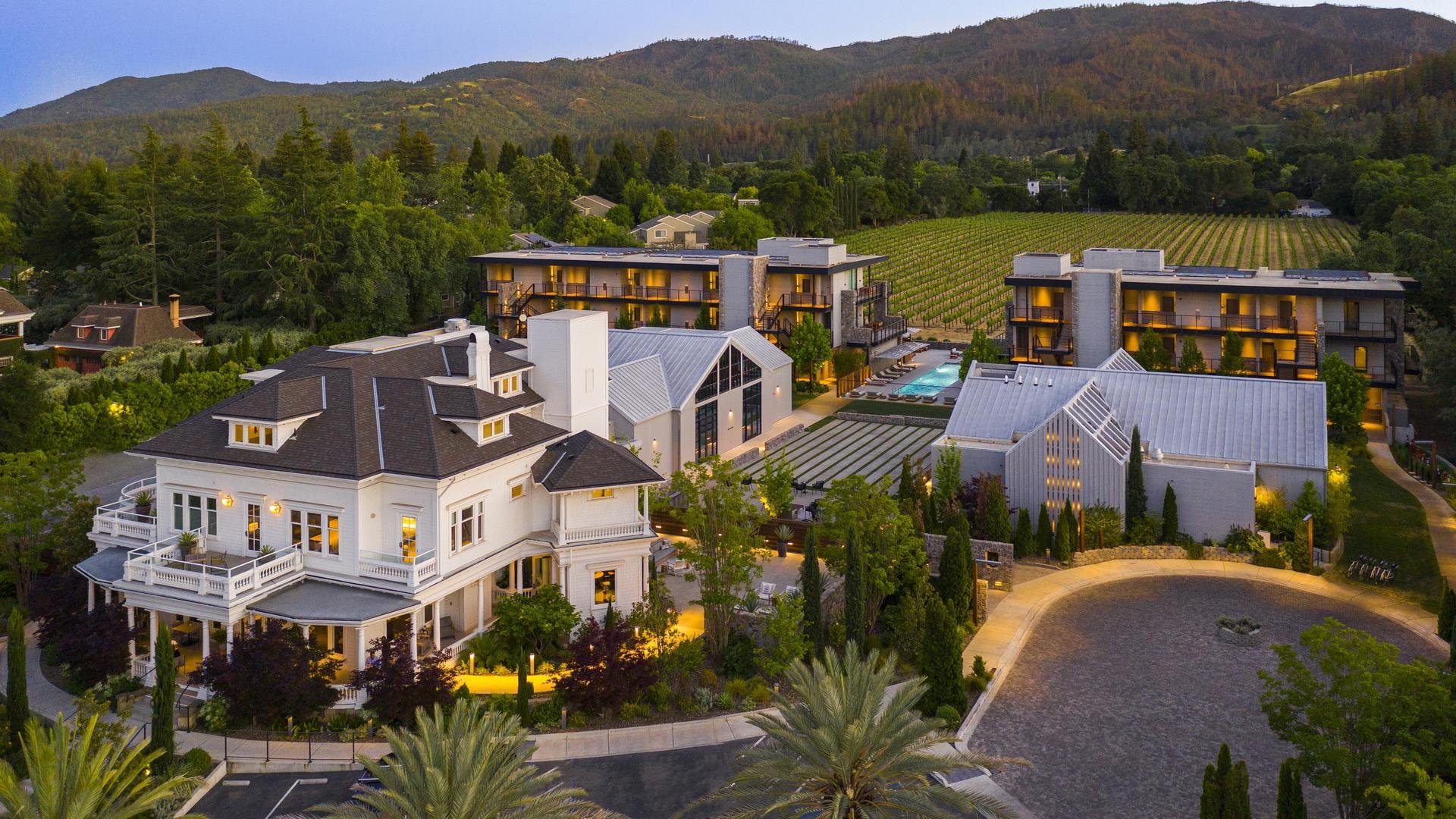
About Fantesca Estate & Winery
Fantesca Estate & Winery sits on Spring Mountain Road in St. Helena, where mountain-grown Cabernet Sauvignon operates in a different register than its valley-floor counterparts. The estate holds a Pearl 2 Star Prestige rating for 2025, placing it within the upper tier of Spring Mountain's small-production houses. Visits here are by appointment, in keeping with the district's approach to considered, unhurried tasting experiences.
Spring Mountain's Elevation Play
The road up Spring Mountain climbs quickly out of the Napa Valley floor, and by the time you reach the 2920 Spring Mountain Road address, the air is cooler, the soils are thinner, and the logic of the wines shifts accordingly. This is the terrain that produces Cabernet Sauvignon with a different structural profile than the benchland and alluvial sites below — more angular tannin, slower ripening, higher natural acidity. Fantesca Estate & Winery sits within that refined corridor, a district where estates like Barnett Vineyards and Keenan Winery have long made the case that Spring Mountain deserves consideration as a distinct appellation rather than a geographic footnote to St. Helena.
Spring Mountain District earned its own AVA designation in 1993, and the differentiation it claimed was real. The volcanic and sedimentary soils, combined with elevations that can exceed 2,000 feet in places, produce wines that tend toward restraint rather than density — a structural quality that positions Spring Mountain producers against a specific peer set of mountain-grown California Cabernet rather than the broader Napa valley floor category. Fantesca's 2025 Pearl 2 Star Prestige rating from EP Club places it within the upper tier of that peer group, alongside neighbors including Calla Lily Estate & Winery, Frias Family Vineyard, and Sherwin Family Vineyards.
What the Tasting Experience Looks Like Here
Spring Mountain tastings operate on a different rhythm than those in the valley. The district has no main street corridor, no walk-in tourist infrastructure. Appointments are the norm across virtually every estate on the mountain, and that structure shapes the experience before you even arrive. When you visit Fantesca, you are not joining a tasting room queue or rotating through a counter with a dozen other parties. The format is closer to a private wine session , the kind of low-volume, host-led approach that characterizes mountain Napa at this level.
This format matters because mountain wines at this tier reward conversation. The structural differences between a Spring Mountain Cabernet and, say, a Rutherford estate are legible in the glass but become more meaningful when set against the context of site, elevation, and the specific decisions made in the vineyard. At estates like Fantesca, the tasting is designed to deliver that context rather than simply pour through a flight. The Pacific fog that pushes through the Petaluma Gap and the western ridgelines moderates summer temperatures on Spring Mountain in ways that simply do not apply at valley-floor addresses, and that thermal difference shows up directly in the wine's acidity structure.
For visitors planning a Spring Mountain day, it helps to think of the mountain estates as a half-day minimum commitment. The drives between properties are winding and slow, and the appointments themselves are unhurried by design. Booking two to three estates in a single morning is feasible; attempting four risks losing the quality of engagement that makes mountain tastings worthwhile. Fantesca's address on Spring Mountain Road places it well within a logical circuit that could include Barnett and one or two other neighbors, depending on availability.
Where Fantesca Sits in the Spring Mountain Tier
The EP Club Pearl 2 Star Prestige designation is not a participation award. At the 2025 level, it signals positioning within the premium bracket of its appellation peer set , a distinction that separates Fantesca from the broader category of Napa estates and places it in conversation with the mountain AVAs that have built consistent reputations for structured, age-worthy Cabernet. In Spring Mountain's context, that means wines that are less about immediate richness and more about what happens in the bottle over five to fifteen years.
Compare that to the valley-floor model at an estate like Accendo Cellars in St. Helena, which operates within a different soil and microclimate regime entirely, or to the Central Coast approach at Adelaida Vineyards in Paso Robles, where limestone-driven acidity creates a structural analogue from a completely different geographic position. The point is that Fantesca's peer set is mountain Napa, not Napa as an undifferentiated whole, and the tasting experience is calibrated accordingly.
Willamette Valley producers like Adelsheim Vineyard in Newberg operate under a different grape variety and climate entirely, but the underlying logic of terroir-specificity and appointment-based tasting is broadly shared across small-production premium American wine. What distinguishes Spring Mountain is the combination of volcanic soil complexity and the particular way Cabernet Sauvignon responds to that refined, fog-moderated environment , a combination that does not replicate easily.
Planning a Visit
Spring Mountain appointments should be secured well in advance, particularly for the spring and fall shoulder seasons when demand from wine-focused visitors peaks. The mountain's limited production estates do not hold spare capacity the way larger valley hospitality operations do, and the leading appointment slots at prestige-rated estates tend to fill four to eight weeks out during busy periods. Direct contact through the estate's website is the standard booking method for Spring Mountain producers at this level.
The practical geography is worth noting: Spring Mountain Road connects to Highway 29 via Madrona Avenue in St. Helena, making the mountain accessible from the valley's main artery without requiring significant detour. The drive from downtown St. Helena to the upper mountain addresses takes roughly fifteen to twenty minutes in normal conditions, though the road narrows considerably as elevation increases. For visitors unfamiliar with mountain driving, the pace is slower than the valley floor , plan accordingly rather than stacking appointments too tightly.
Those building a broader Spring Mountain itinerary can reference our full Spring Mountain District guide, which maps the district's estates and explains the appellation's character in more detail. For context beyond the mountain, estates like Alexander Valley Vineyards in Geyserville and Andrew Murray Vineyards in Los Olivos offer instructive points of comparison for understanding how California's diverse mountain and hillside appellations approach structured red wine production from different geographic and climatic positions.
One practical point that often goes underweighted: Spring Mountain tastings are almost always conducted standing or walking in the vineyard, depending on the property and the season. The format rewards appropriate footwear and layers, since the temperature differential between the valley floor and the upper mountain can be noticeable, particularly in the morning hours when the leading tasting windows often fall. Arriving for a mid-morning appointment at an estate like Fantesca in August may mean starting in a jacket that comes off by noon , the fog burns off gradually, and the mountain holds the coolness longer than the valley below.
Frequently Asked Questions
- What wines should I try at Fantesca Estate & Winery?
- Fantesca's Spring Mountain address situates it firmly within Napa's mountain Cabernet Sauvignon tradition. Spring Mountain AVA wines at this prestige tier typically emphasize structure, acidity, and aging potential over immediate fruit weight. The estate's EP Club Pearl 2 Star Prestige rating for 2025 confirms its position within the upper tier of mountain-grown Napa Cabernet, which is the core focus of the district. Specific current bottlings and library availability are leading confirmed directly with the estate at the time of booking.
- What makes Fantesca Estate & Winery worth visiting?
- The case for Fantesca rests on three overlapping factors: its Spring Mountain AVA location, which produces structurally distinct Cabernet Sauvignon from volcanic soils at elevation; its EP Club Pearl 2 Star Prestige recognition for 2025, which places it within a defined premium tier; and the appointment-only tasting format that characterizes mountain Napa at this level. Visitors seeking the low-volume, context-rich experience that separates mountain estate visits from valley-floor tastings will find Fantesca representative of Spring Mountain's approach.
- How far ahead should I plan for Fantesca Estate & Winery?
- Spring Mountain estates at the prestige tier typically book four to eight weeks ahead during peak periods, specifically April through June and September through November. If your dates are flexible, mid-week appointments in summer often carry more availability than weekends. Contact the estate directly through their website to confirm current booking windows and format options , spring mountain producers at this level do not typically use third-party reservation platforms, and direct contact yields the most accurate availability picture.
Related editorial
- Asia's 50 Best Restaurants 2026: The Chairman and Wing Go 1-2 from the Same BuildingThe Chairman takes No. 1 and Wing climbs to No. 2 at Asia's 50 Best Restaurants 2026. Both operate from the same Hong Kong building. Here's what it means.
- Four Seasons Yachts Debut: 95 Suites, 11 Restaurants, and a March 2026 Maiden VoyageFour Seasons I launches March 20, 2026, with 95 suites, a one-to-one staff ratio, and 11 onboard restaurants. Worth tracking if you want hotel-grade service at sea.
- LA Michelin Guide 2026: Seven New Restaurants from Tlayudas to Uzbek DumplingsMichelin's March 2026 California Guide update adds six LA restaurants and one Montecito newcomer, spanning Oaxacan tlayudas, Uzbek manti, and Korean-Italian pasta.
Save or rate Fantesca Estate & Winery on Pearl
Keep this venue in your Pearl passport, rate it after you visit, and track it alongside every other place you collect.