Ilegal (Palenque Mal de Amor)
Santiago Matatlán
Winery in Santiago Matatlán, Mexico
 Book with Pearl
The Read
Traditional-Method Palenque
Why go
Book Ilegal (Palenque Mal de Amor) if the goal is a special-occasion stop in Santiago Matatlán's mezcal country, not a simple tasting checklist. The value is in the palenque setting and scarcity; travelers who need easy logistics or larger-group certainty should cross-shop nearby producers first.
About Ilegal (Palenque Mal de Amor)
Ilegal (Palenque Mal de Amor) is a Santiago Matatlán venue with a casual dress code and Pearl 2 Star Prestige recognition for 2025.
Plan around the confirmed basics rather than assuming a specific menu, tasting format, group policy, schedule, or service offering. If you need a more certain fit for timing, group size, or other logistics, compare it with other options before committing.
Book this for a Santiago Matatlán stop with confirmed recognition
Ilegal (Palenque Mal de Amor) is in Santiago Matatlán, has a casual dress code, and holds Pearl 2 Star Prestige recognition for 2025. Those details are enough to place it on a premium shortlist, but not enough to assume specific food, beverage, tasting, booking, or hospitality details.
Keep expectations narrow and confirm directly with the venue. For a wider day in the area, compare options such as Fidencio, El Rey Zapoteco, Los Javis, Los Danzantes, and Real Matlatl.
Worth it if the confirmed recognition matters to your plans
This is a stronger recommendation for travelers who specifically want to include a Pearl-recognized Santiago Matatlán venue than for anyone who needs detailed public logistics in advance. If a confirmed visit, timing, or group handling is essential, have another option ready. Los Javis, Fidencio, Los Danzantes, Real Matlatl, and El Rey Zapoteco are relevant cross-shops, with the better choice depending on what details you can confirm for your date.
The broader planning move is to keep Ilegal (Palenque Mal de Amor) on the shortlist while verifying the essentials directly. Use broader Santiago Matatlán planning resources for the rest of your itinerary.
Quick reference: choose this if you want a casual Santiago Matatlán venue with Pearl 2 Star Prestige recognition; choose another option if you need more confirmed logistical detail before booking.
Planning details
- Location
- Carretera Oaxaca-Istmo, km 46.2, 70440 Santiago Matatlán, Oax.
- Website
- maldeamor.com
- Phone
- +52 951 653 8445
The take
The Take
The Vibe
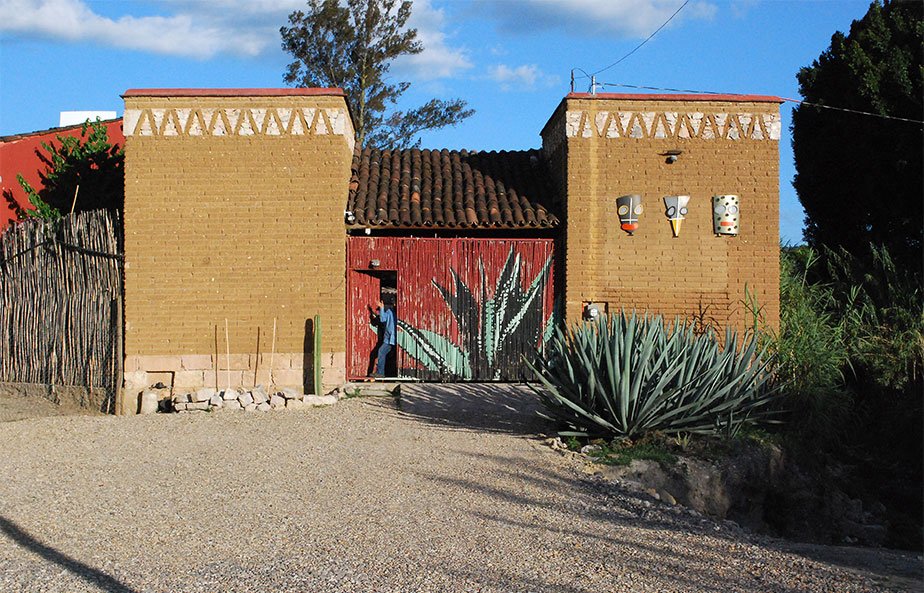
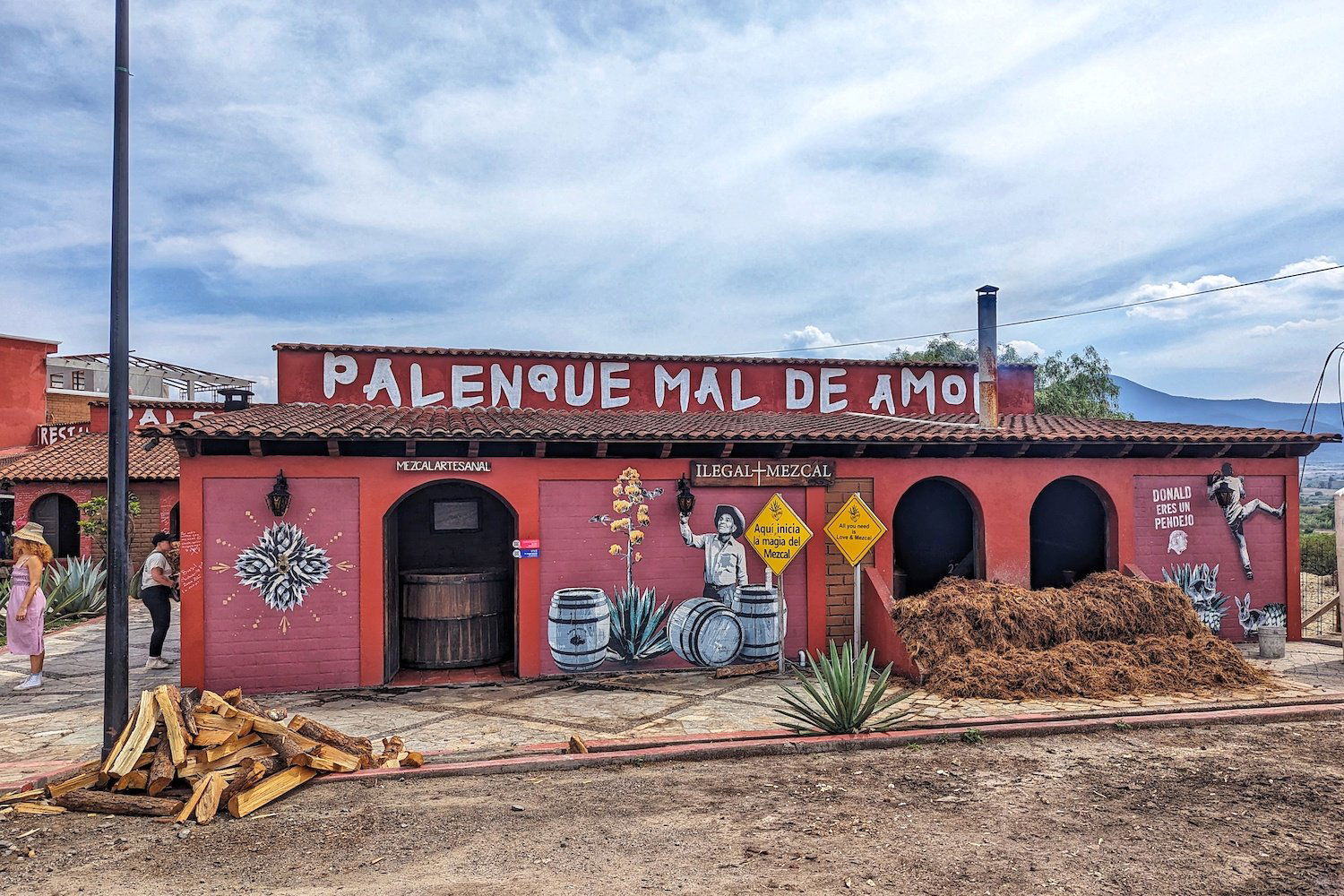
Ilegal (Palenque Mal de Amor) reads as a working, rural production site where the landscape does the talking. The agave fields sit literally at the center of operations, and the palenque’s open-air setup and generational history give visits a grounded, no-frills character. Recognition from EP Club underscores a serious, craft-focused approach: this is not a tourist spectacle but a place where sourcing, timing and process shape the spirit. Visitors encounter a hands-on, production-first atmosphere that feels both elemental and purposeful, with grit and tradition more evident than polish.
Best For
This palenque suits people who come for production insight rather than creature comforts. It is ideal for curious spirits—learners, solo explorers and focused groups—who want to see agave-to-bottle realities and hear about sourcing and process discipline. The site’s reputation and awards signal appeal to collectors and enthusiasts who prioritize provenance and consistency. Travelers seeking picturesque, educational visits to a serious mezcal maker will find the environment rewarding; those seeking a glossy tasting-room experience should temper expectations, as the operation foregrounds craft over presentation.
Tasting Tips
When you visit, treat conversation and bottles as the main attractions: ask specifically about agave sourcing and how Espadin from Santiago Matatlán informs each expression. The write-up emphasizes sourcing and process discipline, so request details about harvest timing, fermentation and distillation choices that shape flavor. Prioritize expressions that the palenque highlights for their provenance or that reference single-source agave; those are most likely to show the character the text praises. Keep expectations practical—this is a working distillery experience focused on education and authenticity rather than luxury service.
Venue details
Ambiance
Authentic, rustic Oaxacan atmosphere with clean production facilities and welcoming family hospitality.
Tags
Vibe
Best For
Experience
Sourcing
View
At the Vineyard
- Appellation
- Santiago Matatlán, Oaxaca
- Varietals
- cuishe, tepextate, jabali, americana, barril
- Tour Duration
- 60-90 minutes
- Tour Languages
- Spanish, English
- Visits
- Walk-ins welcome
- Farming
- Sustainable
- Production
- Small producer
- Food Pairing
- Offered
- Wine Club
- Not available
Know before you go
Know Before You Go
- Getting there
- Carretera Oaxaca-Istmo, km 46.2, 70440 Santiago Matatlán, Oax.
Planning details
Location
Carretera Oaxaca-Istmo, km 46.2, 70440 Santiago Matatlán, Oax. · Directions
Also consider
Also Consider
- Los Javis, Notable alternative
- Fidencio, Notable alternative
- Los Danzantes, Notable alternative
- Real Matlatl, Notable alternative
- El Rey Zapoteco, Notable alternative
Winery context
How it compares in Santiago Matatlán
Ilegal (Palenque Mal de Amor) is the harder-chase option in this set, so it makes sense when scarcity and atmosphere are part of the occasion. Los Javis and Fidencio are the more practical cross-shops if the priority is building a cleaner day around confirmed stops rather than making one palenque the whole anchor.
For travelers comparing value for money, the lack of public pricing means the safer read is experience value rather than bottle-by-bottle value. Los Danzantes is the better-known polished comparison, while Real Matlatl and El Rey Zapoteco are sensible backups when access matters. Choose Ilegal for a higher-effort celebration; choose one of the peers for a less fragile itinerary.
If the group is small and mezcal-focused, start here and protect the day with a second confirmed stop. If the group is larger, mixed-interest, or time-sensitive, lead with El Rey Zapoteco, Fidencio, or Los Javis instead, then keep this as the aspirational booking.
Explore Santiago Matatlán
Around this place
Discover more on Pearl
Unlock the full Ilegal (Palenque Mal de Amor) guide in Pearl, including awards, comparisons, FAQs, planning details, and nearby places.
Compare Ilegal (Palenque Mal de Amor)
| Venue | Location | Awards |
|---|---|---|
| Ilegal (Palenque Mal de Amor) | Santiago Matatlán | No published awards |
| Los Javis | Santiago Matatlán | No published awards |
| Fidencio | Santiago Matatlán | No published awards |
| Los Danzantes | Santiago Matatlán | No published awards |
| Real Matlatl | Santiago Matatlán | No published awards |
| El Rey Zapoteco | Santiago Matatlán | No published awards |
How Ilegal (Palenque Mal de Amor) Santiago Matatlán Guide compares with similar nearby venues.
FAQ
Frequently Asked Questions
Does Ilegal (Palenque Mal de Amor) serve food?
Food service is not available to rely on. Do not plan on Ilegal (Palenque Mal de Amor) as a meal stop unless you confirm that directly with the venue.
Can Ilegal (Palenque Mal de Amor) handle large groups?
How long should I plan for a visit to Ilegal (Palenque Mal de Amor)?
A specific visit length is not available. Treat Ilegal (Palenque Mal de Amor) as a Santiago Matatlán stop that requires direct confirmation of timing and logistics.
What is confirmed about Ilegal (Palenque Mal de Amor)?
The confirmed planning facts are its Santiago Matatlán location, casual dress code, and Pearl 2 Star Prestige recognition for 2025.