
Winery in San Baltazar Guelavila, Mexico
Mezcal Unión (bottled of origin)
250ptsVillage-Bottled Agave Terroir
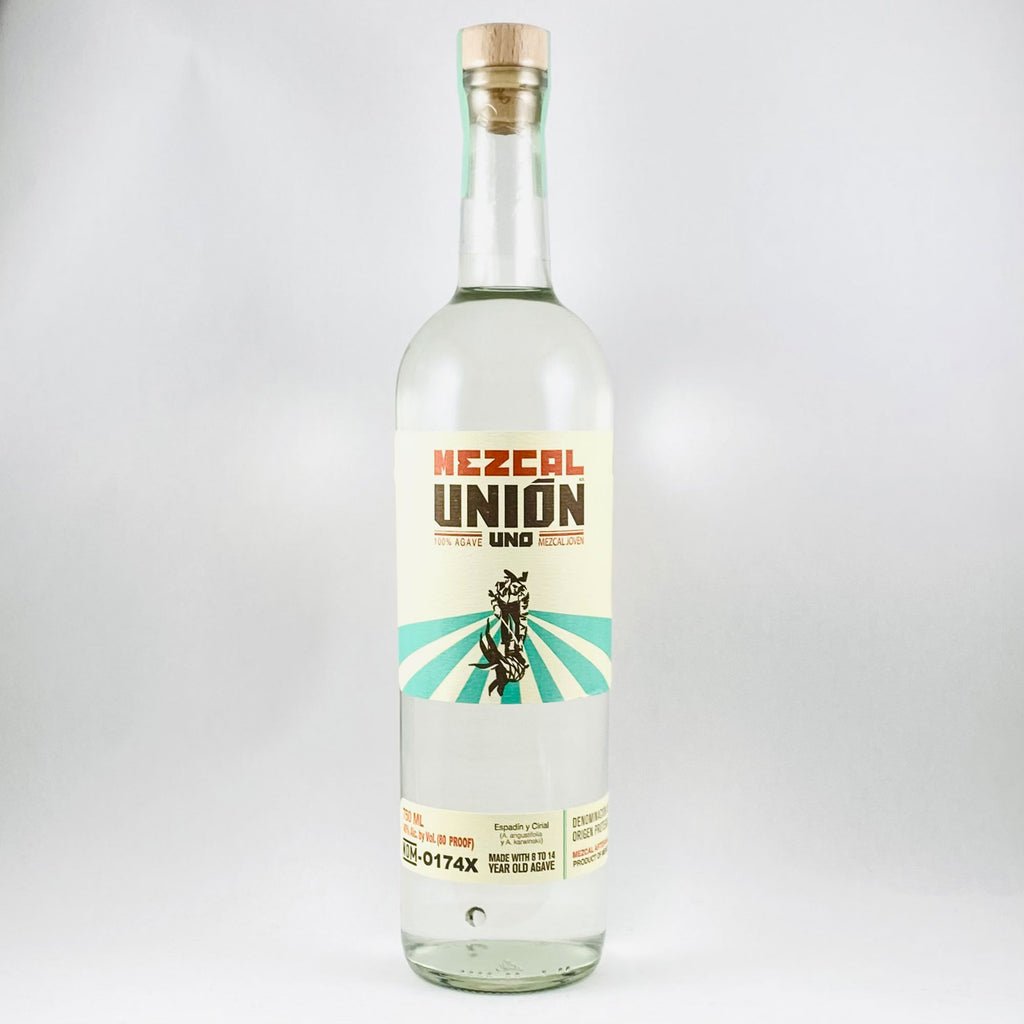
About Mezcal Unión (bottled of origin)
Mezcal Unión is a bottled-at-origin mezcal producer operating out of San Baltazar Guelavila, a village in Oaxaca's Central Valleys with deep agave cultivation roots. Awarded a Pearl 1 Star Prestige in 2025, the label represents the terroir-driven, cooperative-style production approach that has made this corner of Oaxaca a reference point for serious mezcal drinkers seeking provenance over polish.
San Baltazar Guelavila and the Logic of Origin-Bottled Mezcal
There is a reason the mezcal category began demanding origin transparency long before most spirits categories caught up. The agave plant is a direct recorder of its environment: rainfall patterns, altitude, soil mineral composition, and temperature swings between day and night all leave legible marks in the final distillate. San Baltazar Guelavila, a Zapotec-rooted village in the Central Valleys of Oaxaca, sits in a zone where those variables converge in ways that serious producers have long recognised. The terrain here is dry, the elevation meaningful, and the agave cultivation practices are generational rather than industrial. When a mezcal is bottled at origin in this village rather than blended at a facility closer to export infrastructure, the decision is an argument about what the liquid should be allowed to say.
Mezcal Unión operates within that tradition. Its 2025 Pearl 1 Star Prestige award places it in the recognised tier of Oaxacan mezcal production, a category that has grown more competitive as international attention on the spirit has intensified over the past decade. For our full San Baltazar Guelavila guide, the label appears as one of the addresses that earns the village its production reputation rather than simply inheriting it.
What Terroir Means for Agave Distillation
The terroir concept applied to mezcal is not a marketing import from the wine world. It is an observable reality that practitioners in Oaxaca's production villages have described in practical terms for generations. Agave varieties respond to soil chemistry at the root level, and in the Central Valleys the combination of clay-rich soils and refined growing zones produces espadin plants with a different sugar profile than the same variety grown closer to sea level. That difference shows up in fermentation behaviour and carries through distillation into the finished spirit.
Bottling at origin, as Mezcal Unión does, removes a step at which that signal could be diluted. Production facilities that blend batches from multiple municipalities often do so for consistency, which is commercially rational but editorially a different proposition from what a single-village label offers. The peer comparison is instructive: operations like Los Danzantes in Santiago Matatlán and Don Amado in Santa Catarina Minas have built identities around their specific municipal origins for similar reasons. The mezcal category has effectively sorted itself into a tier of origin-specific producers and a tier of consistent blended labels, and the two tiers are not really in competition with each other.
For context at the far end of the agave spirits spectrum, industrially produced tequila operations like Jose Cuervo (La Rojeña) in Tequila and La Primavera (Don Julio) in Atotonilco El Alto represent a production scale and blending approach that is categorically distinct from what small-municipality mezcal producers are doing. Even within the tequila category, estate-driven operations like Casa Herradura in Amatitán occupy a different position relative to volume blenders, which illustrates how origin specificity functions as a quality and identity signal across Mexican spirits more broadly.
The Village as Production Unit
San Baltazar Guelavila is not a destination in the tourist infrastructure sense. There is no hotel district, no curated visitor experience built around the mezcal trade. What the village has is production continuity: families with palenques who have been roasting agave hearts in earthen pits, fermenting in open wooden vats, and distilling in clay or copper pot stills for multiple generations. That continuity is what gives origin-bottled mezcal from this location its argumentative weight.
The cooperative and small-producer model that operates in villages like San Baltazar Guelavila has an analogue in the Banhez UPADEC cooperative in San Miguel Ejutla, which has built a recognised label around ensemble production rather than a single estate. The difference with Mezcal Unión is that the bottled-at-origin identity anchors the provenance to a single municipality rather than a cooperative spread across multiple growing zones.
Visiting San Baltazar Guelavila requires planning that most casual Oaxaca itineraries do not accommodate. The village sits in the Central Valleys region, accessible from the city of Oaxaca de Juárez, but the infrastructure for receiving visitors is limited. Travellers serious about seeing production-level mezcal at source should approach this as a contact-ahead, purpose-specific trip rather than a spontaneous detour from Oaxaca's colonial centre. The El Rey de Matatlán operation in Tlacolula de Matamoros and Casa Cortés in La Compañía are more visitor-oriented alternatives for those without established contacts in the production community.
The 2025 Pearl 1 Star Prestige in Context
The Pearl 1 Star Prestige recognition earned by Mezcal Unión in 2025 places it in a tier that acknowledges both production integrity and liquid quality. For a bottled-at-origin label operating from a village without significant export infrastructure, that kind of formal recognition functions differently than it does for an established distillery with a full distribution network. It signals that the liquid cleared a credentialled assessment at a moment when the mezcal category is increasingly subject to critical scrutiny from spirits professionals outside Mexico.
The mezcal category's credentialling ecosystem is still younger and less standardised than what exists for tequila or, for an entirely different spirits context, the kind of formal recognition that Scotch operations like Aberlour or wine-focused producers like Accendo Cellars in St. Helena operate within. That makes a formal prestige designation for a small-production Oaxacan label a more directional signal than it might appear at first: it means the liquid was assessed by people who understand what origin-bottled mezcal is supposed to be doing, and it cleared the bar.
For comparison within the broader agave landscape, labels with defined estate or municipal identities from other Mexican states, including El Pandillo (G4) in Jesús María for agave tequilana or Lágrimas de Dolores in Durango for sotol production, demonstrate that the logic of place-specific production is not exclusive to Oaxaca. But Oaxaca's mezcal villages remain the densest cluster of origin-specific production in Mexico, and San Baltazar Guelavila sits within that cluster with its own distinct elevation and soil profile. The Cazadores Distillery in Arandas and Hacienda Corralejo in Pénjamo represent the industrialised end of Mexican spirits production that is institutionally separate from what Mezcal Unión represents.
What to Know Before Sourcing or Visiting
Mezcal Unión as a bottled-at-origin label is primarily encountered through specialist spirits retail and curated mezcal lists in Oaxaca city rather than through a walk-in tasting room in San Baltazar Guelavila itself. Given the village's limited visitor infrastructure, the more practical access point for most travellers is a specialist mezcalería in Oaxaca's centre, where the label can be tasted in context alongside other single-village expressions from the Central Valleys region. The 2025 prestige recognition may expand its presence in export markets, but as of that award cycle, sourcing requires either direct contact with the producer or established relationships with mezcal importers who work at the village-production level.
Pricing for origin-specific, small-batch mezcal from Oaxacan villages sits at a premium relative to blended category entries, which reflects both the lower production volumes and the non-industrial roasting and distillation methods involved. For a complete picture of the San Baltazar Guelavila production scene and how it fits within Oaxaca's broader mezcal geography, our San Baltazar Guelavila guide maps the relevant context in detail.
Frequently Asked Questions
- What should I expect atmosphere-wise at Mezcal Unión (bottled of origin)?
- Mezcal Unión is a bottled-at-origin production label rather than a visitor destination with a formal tasting room. San Baltazar Guelavila is a working production village in Oaxaca's Central Valleys, and the atmosphere is that of active small-scale distillation rather than curated hospitality. Travellers seeking a guided mezcal experience with structured infrastructure should consider Oaxaca city as their base. For its production context, the village earned Pearl 1 Star Prestige recognition in 2025.
- What spirits is Mezcal Unión (bottled of origin) known for?
- Mezcal Unión produces mezcal bottled at source in San Baltazar Guelavila, a Central Valleys municipality known for agave cultivation with a distinct altitude and soil profile. The label's 2025 Pearl 1 Star Prestige award places it in the recognised tier of Oaxacan single-origin production. Specific agave varieties and expressions are not publicly detailed in available records, so enquiry with specialist importers or Oaxaca-based mezcalerías is advisable before purchase.
- What should I know about Mezcal Unión (bottled of origin) before I go?
- San Baltazar Guelavila does not have standard visitor infrastructure. Plan any visit around direct contact with the producer rather than expecting walk-in access. The 2025 Pearl 1 Star Prestige award confirms liquid quality recognised at a credentialled level. Travellers arriving in Oaxaca city will find specialist mezcalerías an accessible way to encounter the label before committing to a village visit.
- How hard is it to get in to Mezcal Unión (bottled of origin)?
- There is no public booking system, website, or telephone contact listed for Mezcal Unión in San Baltazar Guelavila. Access to the production site is leading arranged through specialist mezcal importers, established Oaxaca-based spirits guides, or personal introductions within the production community. The 2025 Pearl 1 Star Prestige recognition may bring greater external visibility, but the village-level operation is not oriented toward independent tourist access at this time.
- What should I do before I arrive at Mezcal Unión (bottled of origin)?
- Given the absence of a public website or phone listing, pre-arrival research should focus on specialist mezcal importers in your home market or knowledgeable mezcal bars in Oaxaca city who may have direct producer relationships. Confirming logistics before travelling to San Baltazar Guelavila is advisable, as the village has limited public transport connections and no confirmed visitor amenities. The 2025 prestige award is a useful starting credential when approaching importers or distributors for sourcing information.
- How does the bottled-at-origin designation affect what ends up in the bottle?
- Bottling at origin in San Baltazar Guelavila means the mezcal is not transported in bulk to a third-party facility for dilution, filtration, or blending before bottling, which preserves the characteristics that the local roasting pits, fermentation vessels, and still type contribute to the spirit. For a label that earned Pearl 1 Star Prestige in 2025, the at-origin designation is part of what the credentialling process assessed: the liquid reflects a specific place and process rather than a blended category standard.
Related editorial
- Asia's 50 Best Restaurants 2026: The Chairman and Wing Go 1-2 from the Same BuildingThe Chairman takes No. 1 and Wing climbs to No. 2 at Asia's 50 Best Restaurants 2026. Both operate from the same Hong Kong building. Here's what it means.
- Four Seasons Yachts Debut: 95 Suites, 11 Restaurants, and a March 2026 Maiden VoyageFour Seasons I launches March 20, 2026, with 95 suites, a one-to-one staff ratio, and 11 onboard restaurants. Worth tracking if you want hotel-grade service at sea.
- LA Michelin Guide 2026: Seven New Restaurants from Tlayudas to Uzbek DumplingsMichelin's March 2026 California Guide update adds six LA restaurants and one Montecito newcomer, spanning Oaxacan tlayudas, Uzbek manti, and Korean-Italian pasta.
Save or rate Mezcal Unión (bottled of origin) on Pearl
Keep this venue in your Pearl passport, rate it after you visit, and track it alongside every other place you collect.