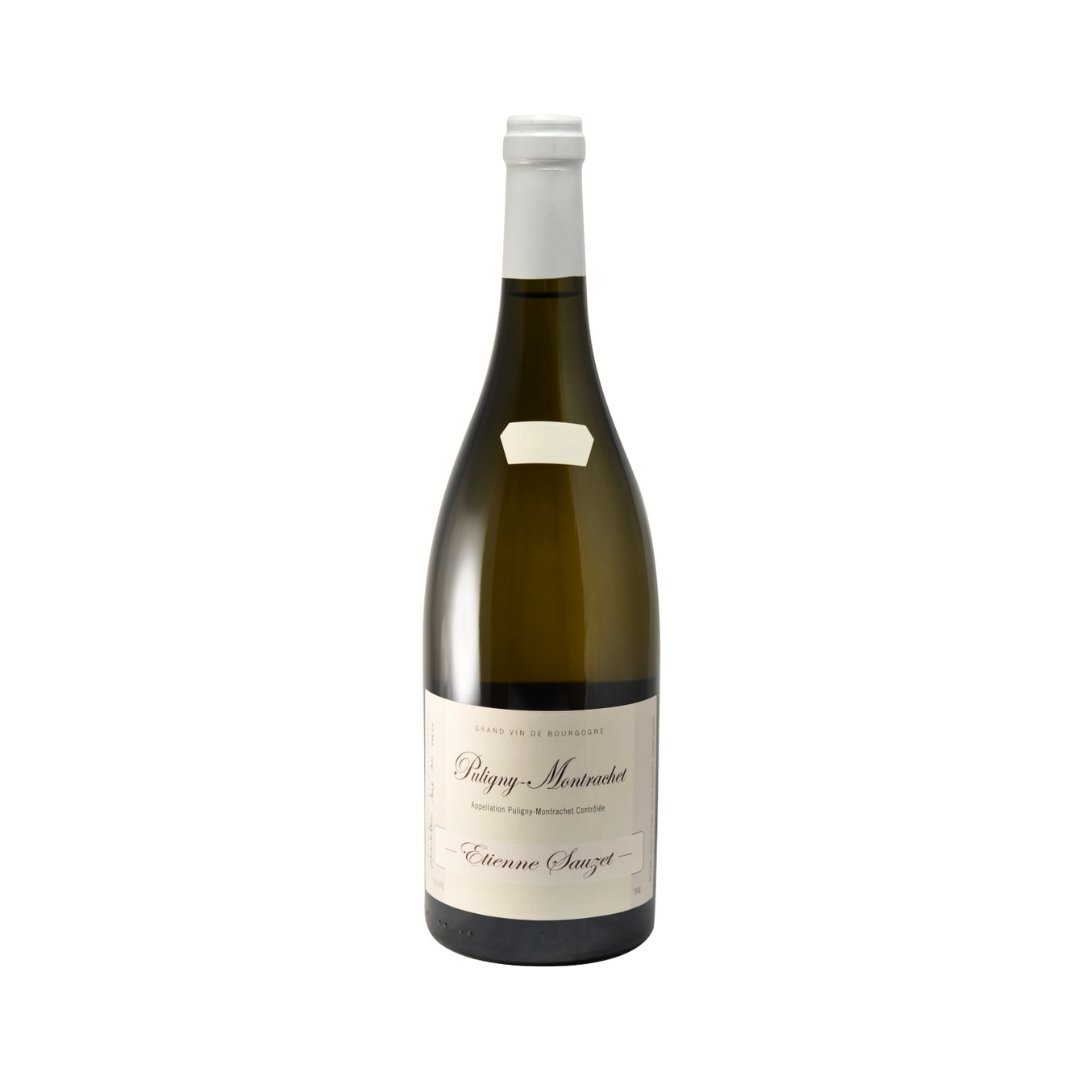


Domaine Etienne Sauzet
Puligny-Montrachet
Winery in Puligny-Montrachet, France
 Book with Pearl
The Read
Terroir-Fidelity Viticulture
Why go
Domaine Etienne Sauzet is worth pursuing for serious white Burgundy travelers who want producer depth in Puligny-Montrachet, but it is not an easy casual stop. Booking is highly difficult, so treat it as an anchor request and cross-shop nearby domaines if your schedule needs certainty.
About Domaine Etienne Sauzet
Domaine Etienne Sauzet is a Puligny-Montrachet venue with Pearl 2 Star Prestige recognition for 2025. Details are limited, identifying the venue, its location, its recognition, and a key planning note. For anyone mapping time in and around Puligny-Montrachet, these essentials still matter, but they should be treated as a starting point rather than as a complete set of instructions.
The dress code is smart casual. Beyond the venue name, Puligny-Montrachet location, Pearl 2 Star Prestige recognition for 2025, and dress code, specifics such as hours, pricing, format, menu details, capacity, and booking process are not available. A careful visitor should plan with available information and confirm other details directly, especially when turning a venue listing into a timed itinerary or a firm plan.
Plan from essentials, not assumptions
For planning around Puligny-Montrachet, Domaine Etienne Sauzet can be considered alongside Domaine François Carillon, Domaine Jacques Carillon, and Domaine Paul Pernot et ses Fils as another named reference point. Within that context, it may be useful as part of a wider shortlist of places to research, compare, or contact while shaping time in the village and surrounding area. Because detailed operating information is not available, confirm any practical requirements directly before building it into an itinerary. That direct confirmation is especially important if the day has other fixed elements, because unconfirmed details can affect timing, transport, pacing, and expectations.
Avoid assuming walk-in access, a food component, group capacity, a specific schedule, or a particular service format unless those details are confirmed by the venue. Those are precisely the kinds of practical points that can change the character of a plan, and they are not available here. The safest way to use this listing is to hold onto the basics while leaving room for follow-up. Domaine Etienne Sauzet is in Puligny-Montrachet, has a smart casual dress code, and holds Pearl 2 Star Prestige recognition for 2025. Everything beyond that should be checked before decisions are made.
Who should prioritize it
Prioritize Domaine Etienne Sauzet if you are specifically interested in a Pearl-recognized Puligny-Montrachet venue and are comfortable confirming practical details in advance. It suits the kind of planner who is prepared to use available essentials as a prompt for direct confirmation. If your plans depend on known hours, transparent pricing, or a clearly published format, confirm those points before committing. This is particularly relevant for visitors working with limited time, coordinated group plans, or a schedule that cannot absorb uncertainty. For broader trip planning around Puligny-Montrachet, use Pearl's Puligny-Montrachet guides, then round out the stay with our full Puligny-Montrachet restaurants guide and our full Puligny-Montrachet hotels guide.
Planning details
- Location
- 11 Rue de Poiseul, 21190 Puligny-Montrachet
- Website
- etiennesauzet.com
- Phone
- +33 3 80 20 98 40
The take
The Take
The Vibe
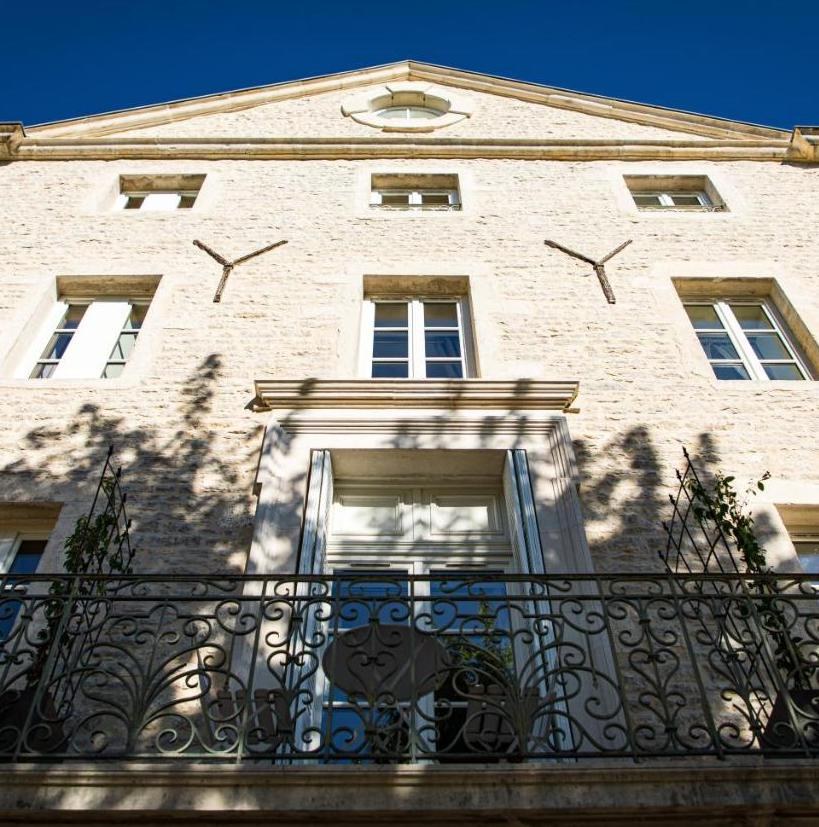
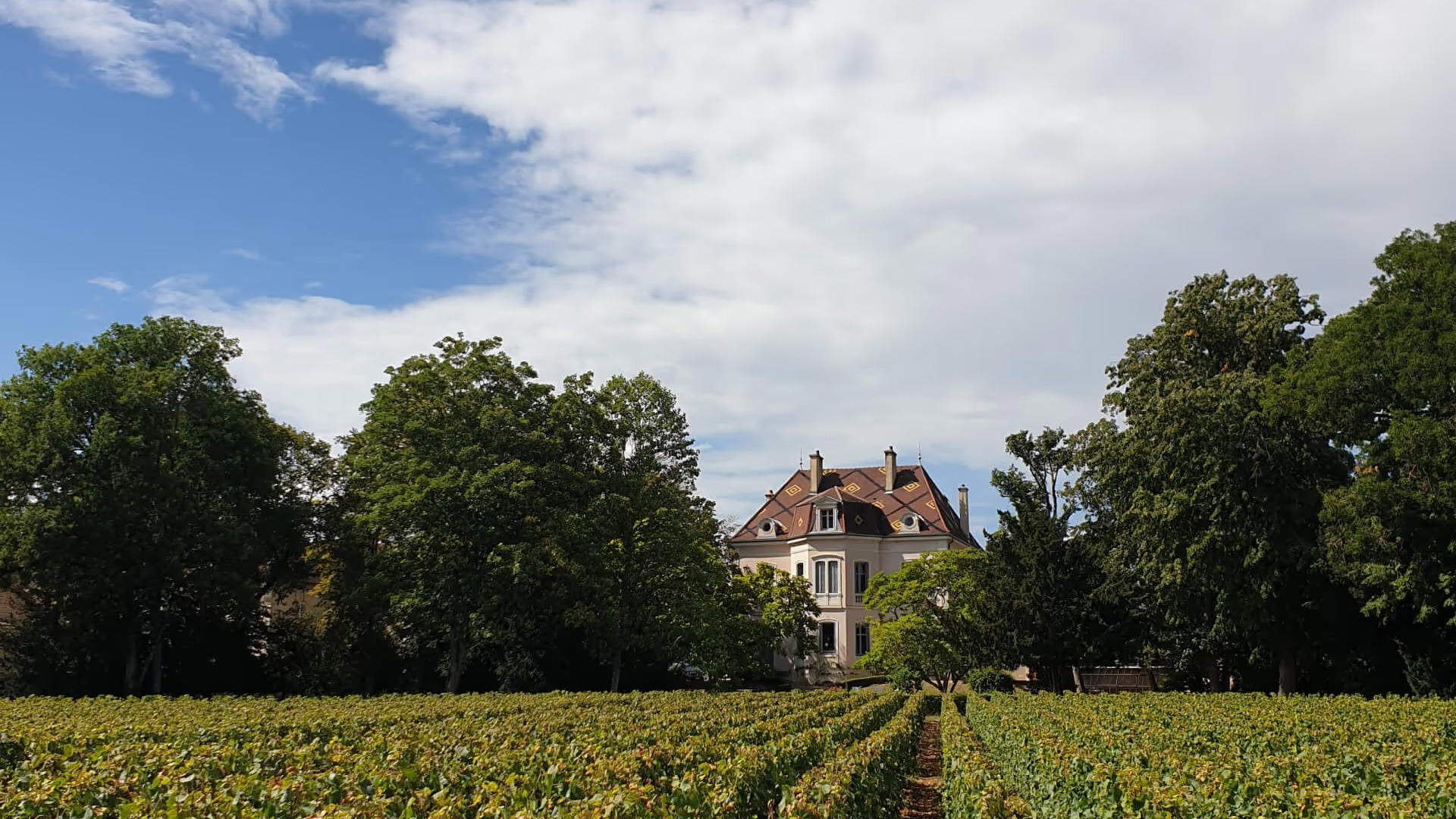
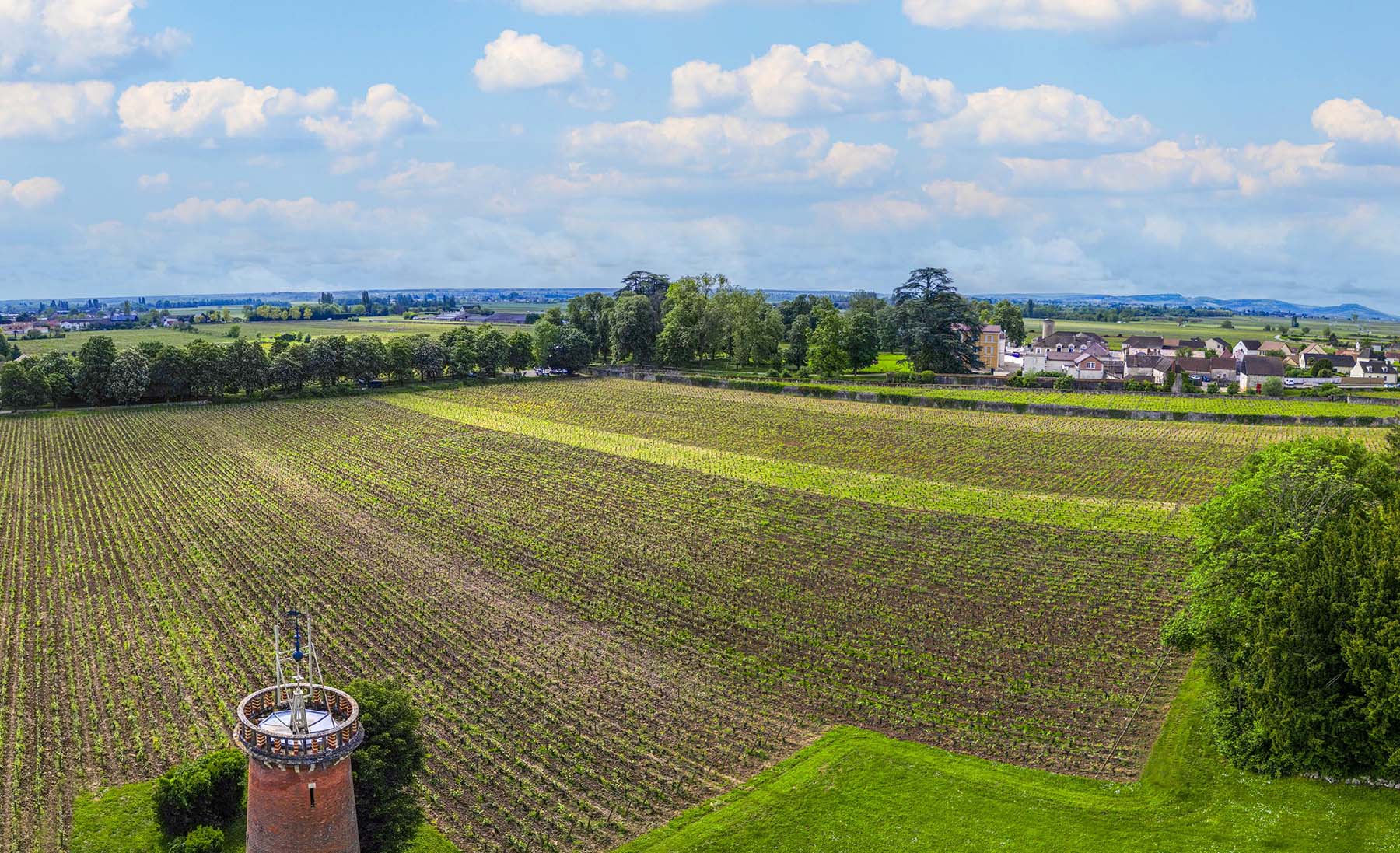
Domaine Etienne Sauzet sits quietly in Puligny-Montrachet, where restrained architecture puts the vineyards front and centre. The compound on Rue de Poiseul blends in with its neighbours; the estate’s statement is its terroir rather than showy buildings. That silence of design underscores a classic Burgundy ethic: focus on site expression, precision and the gradual accrual of reputation. The writing positions Sauzet as a place of concentrated attention—vineyard rows, parcel distinctions and a measured, collector-oriented pedigree define the experience more than hospitality theatrics.
Best For
Sauzet is best for people who come ready to study white Burgundy—collectors, students of Chardonnay and anyone tracing the nuances of Puligny’s premier-cru mosaic. The domaine’s Pearl 2 Star Prestige rating and the description of tight competition for allocation make it especially relevant to buyers seeking notable bottlings rather than casual, everyday drinking. It also suits a reflective solo visit or a small, focused tasting where the goal is to compare site expressions and understand how Sauzet fits into the Côte de Beaune’s top-tier hierarchy.
Tasting Tips
Expect allocation pressure and a collector-oriented market: the text highlights a competitive landscape for critical attention and allocation access. Use the domaine’s Pearl 2 Star Prestige designation as a cue when prioritising purchases and consider focusing on premier-cru expressions if you want the estate’s most characteristic wines. When sourcing bottles, pay attention to vineyard-designated labels and provenance—Puligny’s hierarchy of premiers and neighbouring grands crus is central to understanding quality differences. Treat releases with patience and, where possible, check specialist lists or trusted merchant allocations.
Venue details
Ambiance
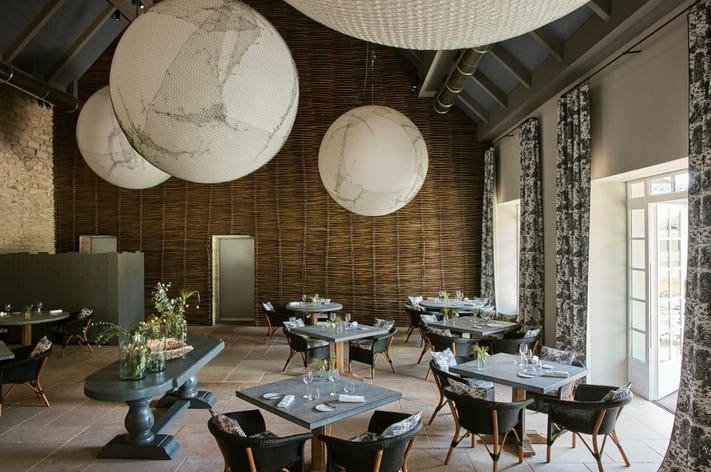
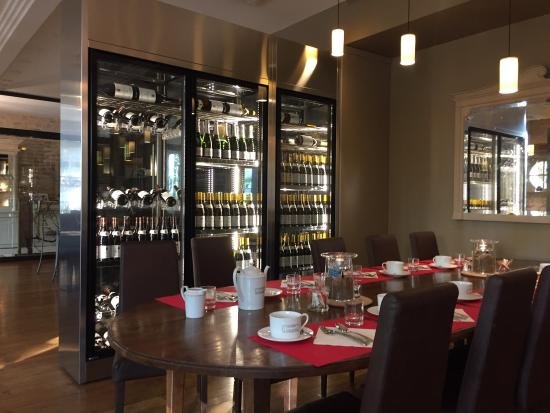
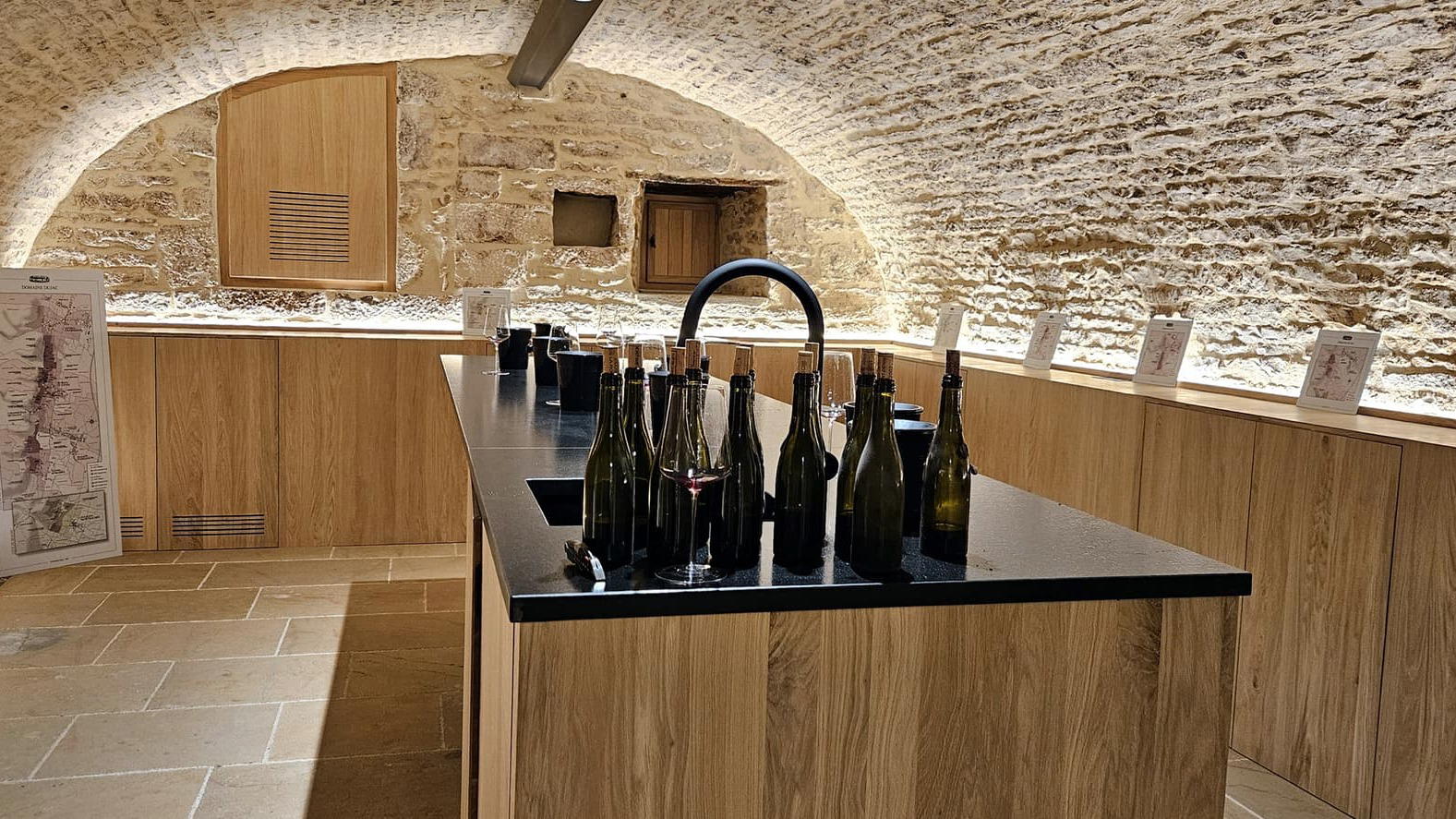
Elegant and refined atmosphere in the new tasting room overlooking the Puligny vines, offering a serene sensory experience focused on terroir expression.
Tags
Vibe
Best For
Experience
Sourcing
View
At the Vineyard
- Appellation
- Puligny-Montrachet AOC
- Varietals
- Chardonnay
- Visits
- By appointment only
- Farming
- Biodynamic
- Wine Styles
- Still White
- Wine Club
- Not available
Know before you go
Know Before You Go
- Getting there
- 11 Rue de Poiseul, 21190 Puligny-Montrachet
Planning details
Location
Recognition and awards

Also consider
Also Consider
- Domaine François Carillon, Notable alternative
- Domaine Jacques Carillon, Notable alternative
- Domaine Leflaive, Notable alternative
- Domaine Paul Pernot et ses Fils, Notable alternative
- Chapelle de Blagny, Notable alternative
Winery context
How It Compares
Domaine Etienne Sauzet is the harder, more specialist play in Puligny-Montrachet: better for travelers building a white Burgundy itinerary around producer comparison than for anyone seeking a simple tasting-room experience. Domaine François Carillon and Domaine Jacques Carillon are the natural cross-shops if the goal is to understand family-domaine Puligny from several angles rather than chase one appointment.
Domaine Leflaive sits in the same serious white Burgundy conversation, but it should be treated as a separate high-demand target rather than a fallback. If availability is the deciding factor, Domaine Paul Pernot et ses Fils and Chapelle de Blagny are the names to check next from this group, especially if the trip needs a Puligny-area appointment with less schedule risk.
For value, do not judge this set by tasting-room polish. The better question is how much context each stop adds to your understanding of Puligny-Montrachet. Choose Sauzet when producer reputation and depth matter more than convenience; choose the Carillon domaines for a tighter village comparison; choose Paul Pernot or Chapelle de Blagny when the itinerary needs a more flexible backup.
Explore Puligny-Montrachet
Around this place
Discover more on Pearl
Unlock the full Domaine Etienne Sauzet guide in Pearl, including awards, comparisons, FAQs, planning details, and nearby places.
Compare Domaine Etienne Sauzet
| Venue | Location | Awards |
|---|---|---|
| Domaine Etienne Sauzet | Puligny-Montrachet | 2026 Falstaff Winery Guide2026 Michelin 2 Grapes - Burgundy |
| Domaine François Carillon | Puligny-Montrachet | 2026 Falstaff Winery Guide |
| Domaine Jacques Carillon | Puligny-Montrachet | 2026 Michelin Grape Main Selection - Burgundy |
| Domaine Leflaive | Chassagne-Montrachet | 2026 Falstaff Winery Guide2026 Michelin 2 Grapes - Burgundy2025 Pearl 4 Star Prestige |
| Domaine Paul Pernot et ses Fils | Puligny-Montrachet | No published awards |
| Chapelle de Blagny | Puligny-Montrachet | No published awards |


How Domaine Etienne Sauzet Puligny-Montrachet compares with similar nearby venues.
FAQ
Frequently Asked Questions
What is known about Domaine Etienne Sauzet?
Domaine Etienne Sauzet is in Puligny-Montrachet, has a smart casual dress code, and holds Pearl 2 Star Prestige recognition for 2025. Other practical details should be confirmed directly before relying on them.
When is the best time to visit Domaine Etienne Sauzet?
Pearl does not have hours or seasonal guidance for Domaine Etienne Sauzet. If you plan to include it in a Puligny-Montrachet itinerary, confirm timing directly with the venue before travel.
How long should I plan for Domaine Etienne Sauzet?
Pearl does not have a duration or format for Domaine Etienne Sauzet. Confirm the expected timing directly before scheduling other plans in Puligny-Montrachet around it.
Do I need a reservation at Domaine Etienne Sauzet?
Pearl does not have reservation requirements for Domaine Etienne Sauzet. Because practical details are not available, check directly with the venue before arriving in Puligny-Montrachet.
Are access or booking details available for Domaine Etienne Sauzet?
Pearl does not have access or booking information for Domaine Etienne Sauzet. If those details matter to your plans, confirm the current policy directly with the venue.
Does Domaine Etienne Sauzet serve food?
Pearl does not have food-service information for Domaine Etienne Sauzet. Do not assume food is available unless the venue confirms it directly.