
Château Les Carmes Haut-Brion
Pessac-Léognan, Pomerol
Winery in Pomerol, France
 Book with Pearl
The Read
Urban-Edge Terroir
Why go
Château Les Carmes Haut-Brion is worth pursuing for a serious Bordeaux itinerary if the goal is flagship-wine assessment, not a casual drop-in tasting. Its 1782 first vintage and Guillaume Pouthier's winemaking role give collectors enough reason to prioritise it, but the practical fit is strongest for planned special-occasion or cellar-focused trips.
About Château Les Carmes Haut-Brion
On a return trip to Pomerol, the smarter question is whether Château Les Carmes Haut-Brion fits the kind of stop you are planning. The verified public details are limited: Guillaume Pouthier is listed as chef/owner, the dress code is smart casual, the venue holds Pearl 4 Star Prestige (2025). Beyond that, specific claims about menus, visitor formats, prices, hours, seat counts, or services should be checked directly with the venue before you build an itinerary around them.
For a special occasion, this works best as a planned Pomerol stop rather than an improvised visit. Because the verified information does not confirm a standard public programme, dining format, or tasting structure, the safest planning move is to confirm the current experience directly and avoid assuming lunch, food service, delivery, or any particular access.
Book for verified essentials, not assumed extras
The value case should rest on what is confirmed, not on unverified add-ons. Château Les Carmes Haut-Brion is associated with Guillaume Pouthier, has a smart-casual dress code, is recognised with Pearl 4 Star Prestige (2025). No verified price, menu format, visitor schedule, or hospitality package is available here, so treat those points as questions for the venue rather than settled facts.
That makes this a stop for travellers who are comfortable confirming details in advance. If you need a guaranteed meal, a published visit format, or a precisely timed service, verify those details before committing. If your plan is simply to include a recognised Pomerol venue in a broader itinerary, Château Les Carmes Haut-Brion can be considered on that basis.
Who should prioritise it
Prioritise this for a milestone trip, anniversary, client itinerary, or carefully planned route where you are willing to confirm practical details directly. It is less suited to planners who need fully published information on food service, timing, pricing, or group logistics before making a decision.
For regional planning, use the available Pomerol guides to build the trip around confirmed availability, then fill gaps with Our full Pomerol restaurants guide and other Pomerol planning resources. You can also compare the planning fit with other Bordeaux names such as Chateau Haut-Brion, Château La Mission Haut-Brion, Château Pape Clement, Domaine Clarence Dillon, Domaines Barons de Rothschild (Lafite), while keeping Château Les Carmes Haut-Brion as the Pomerol focus.
Planning details
- Location
- 20 Rue des Carmes, 33000 Bordeaux
- Website
- les-carmes-haut-brion.com
- Phone
- +33 5 56 93 23 40
The take
The Take
The Vibe
Château Les Carmes Haut-Brion reads like a classic Left Bank estate: historically rooted, measured and quietly assured. The copy places the property in an urban-agricultural seam of Pessac-Léognan, where gravelly soils and careful planting produce wines built on precision rather than immediate opulence. Visitors and readers encounter an estate that privileges structure, mineral tension and longevity—qualities that feel traditional rather than flashy. The narrative voice is academic and observant, underscoring lineage and terroir fingerprints rather than hospitality flair, so the impression is of a refined, time-honored place where winemaking craft is the main attraction.
Best For
This estate is especially well suited to people interested in learning how Pessac-Léognan gravel shapes Cabernet-led blends and how older practices inform modern precision. The text emphasizes terroir comparison—leaner, mineral-inflected profiles and Cabernet Franc/Cabernet Sauvignon performing alongside Merlot—making the property a fit for tasting-focused visits and serious oenophiles. It is also a natural choice for marking special occasions: the wines’ structural longevity and restrained elegance imply bottles meant to be considered and savored on memorable evenings rather than casual, fast-paced drinking.
Tasting Tips
When tasting Les Carmes Haut-Brion, sequence samples to track the estate’s terroir expression: begin with wines that showcase Cabernet Franc and Cabernet Sauvignon to sense the gravel-driven lift and minerality, then move to the Merlot-dominant bottlings to appreciate the textural differences. Compare younger releases against older vintages to follow the evolution the copy highlights—patience and structure over immediate richness. Avoid jumping between very different styles; the point here is to perceive subtlety and precision, so deliberate, side-by-side comparisons yield the clearest insights.
Venue details
Ambiance
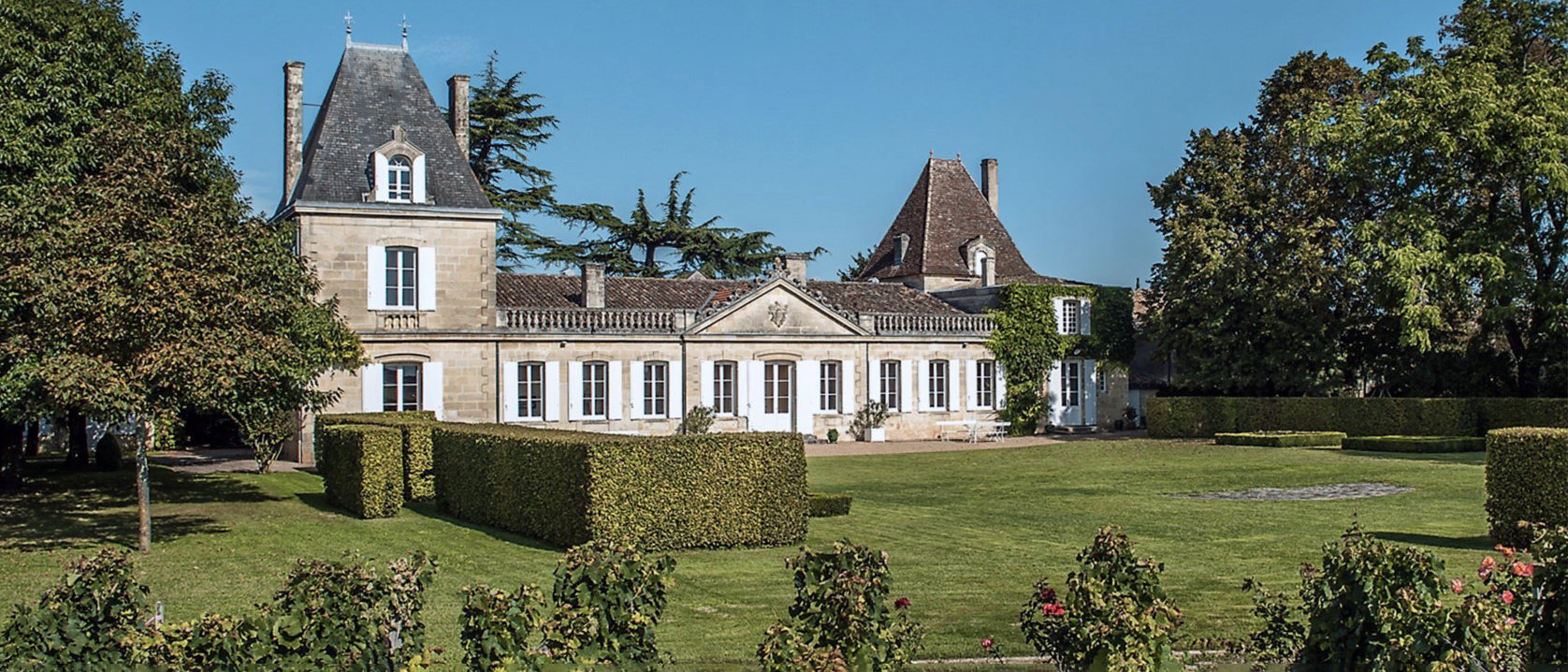
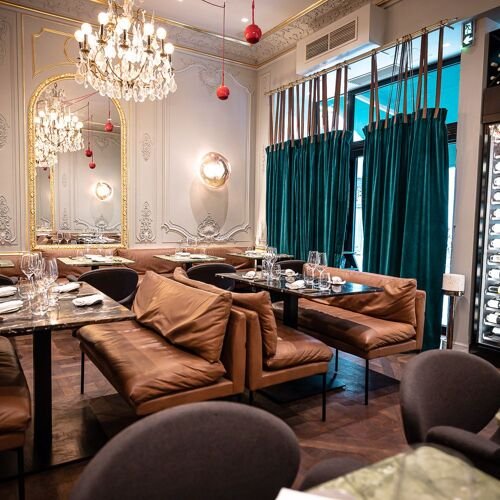
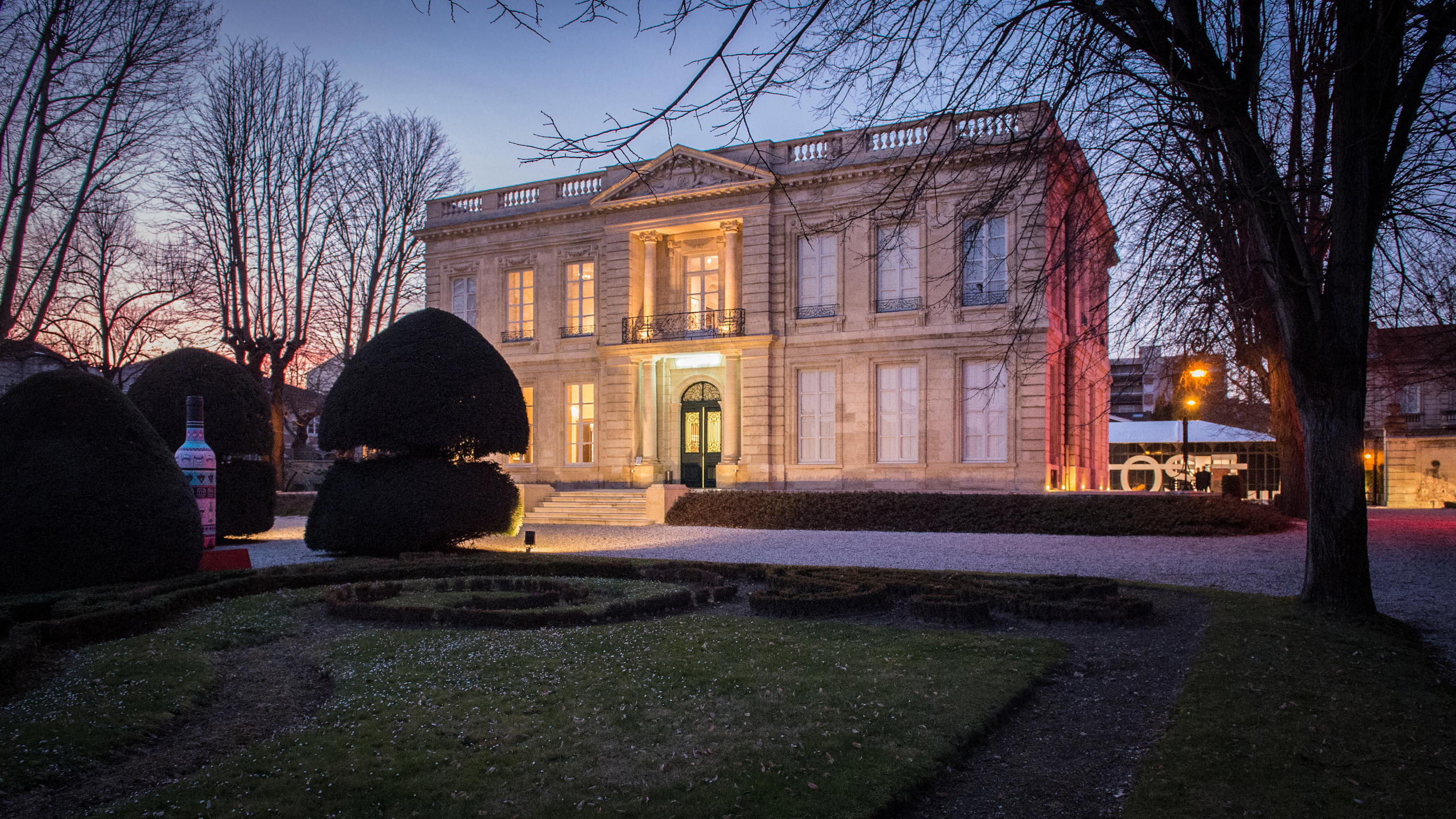
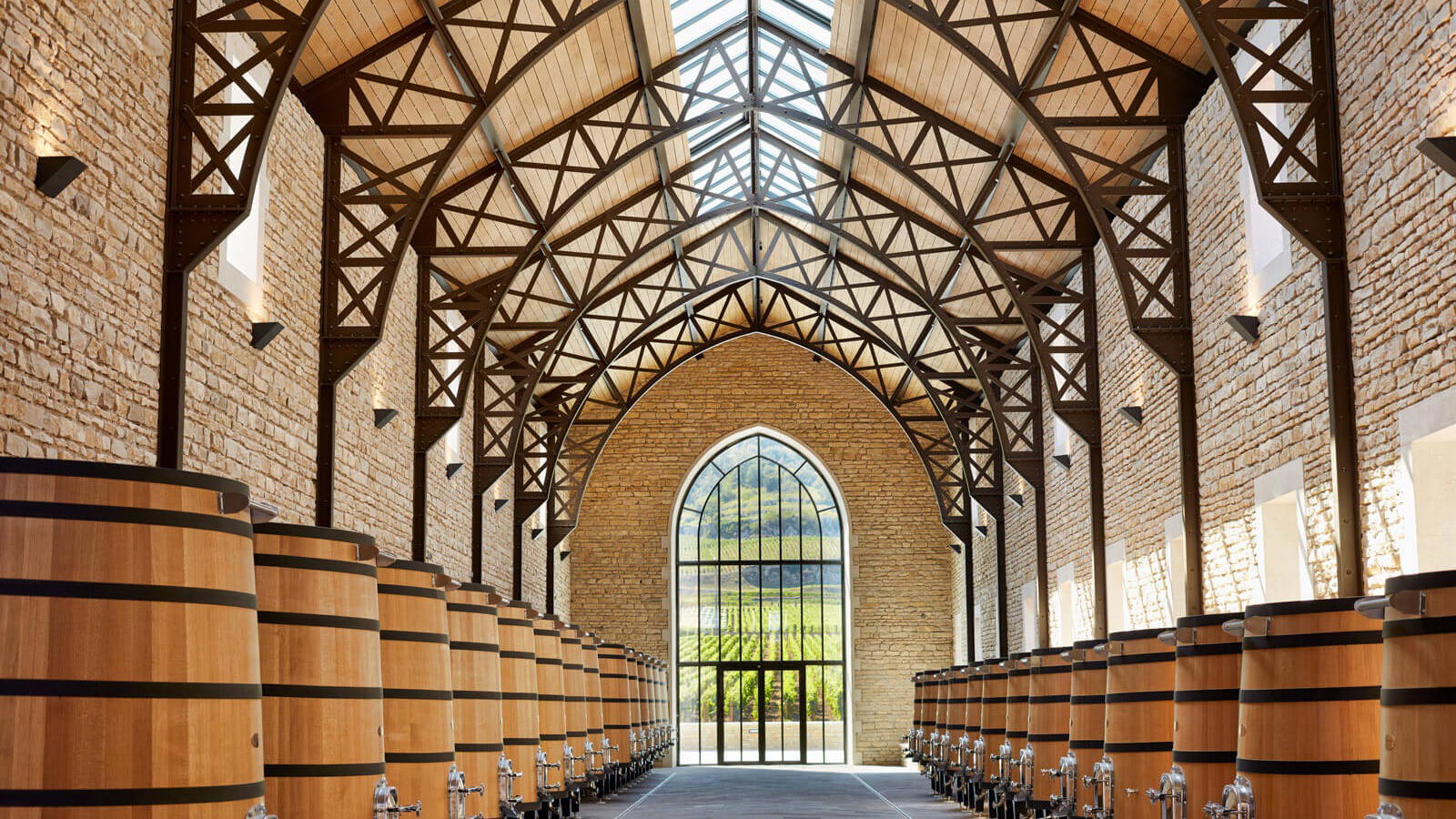
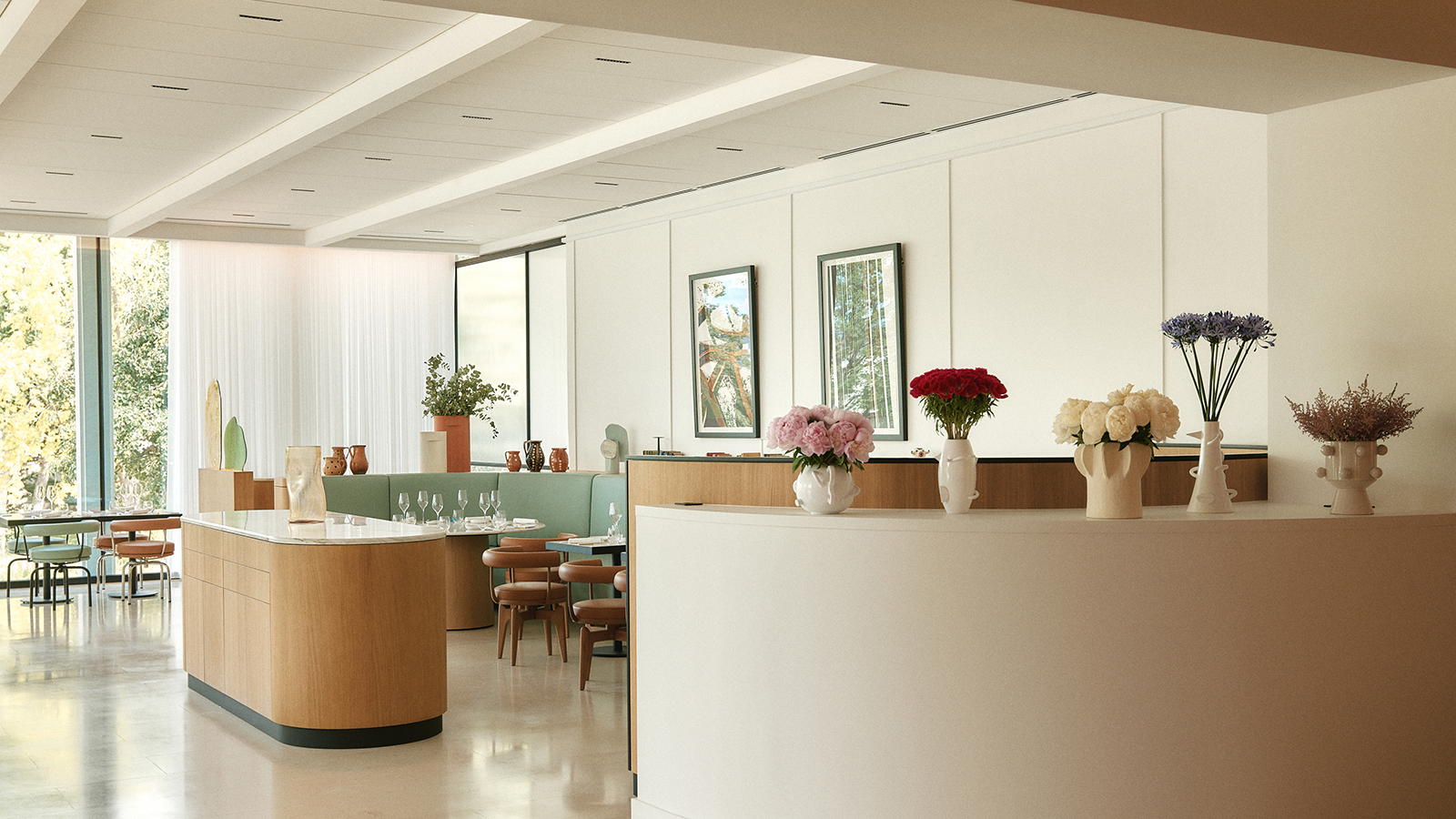
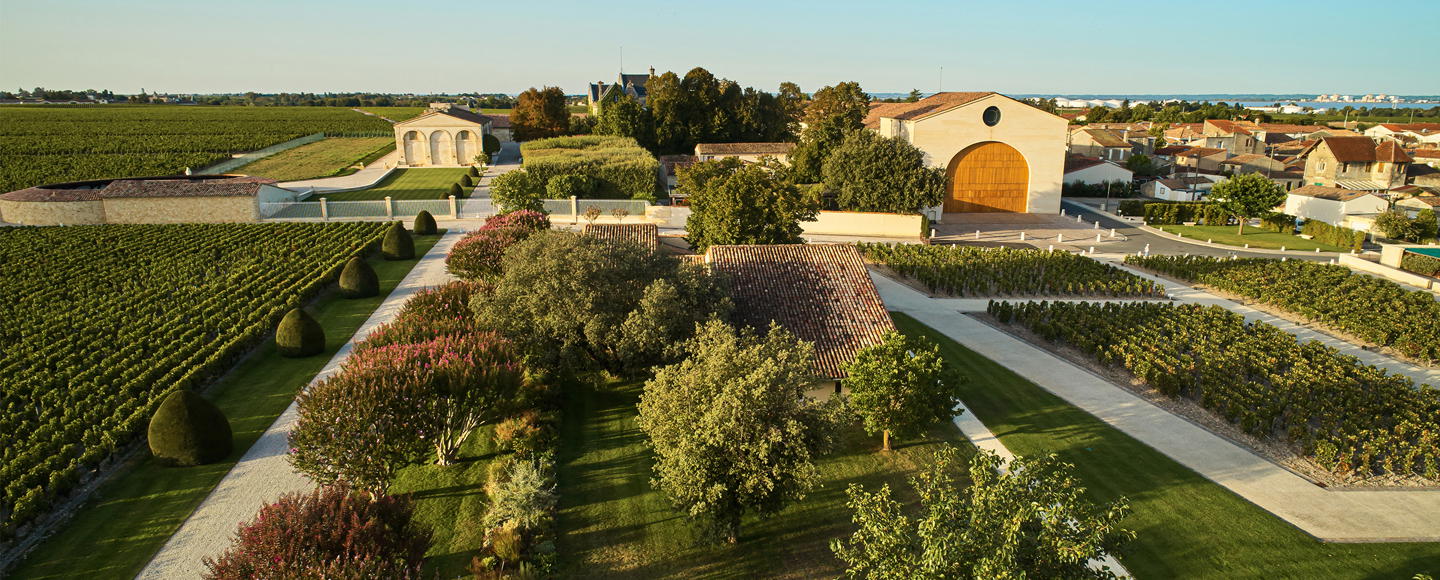
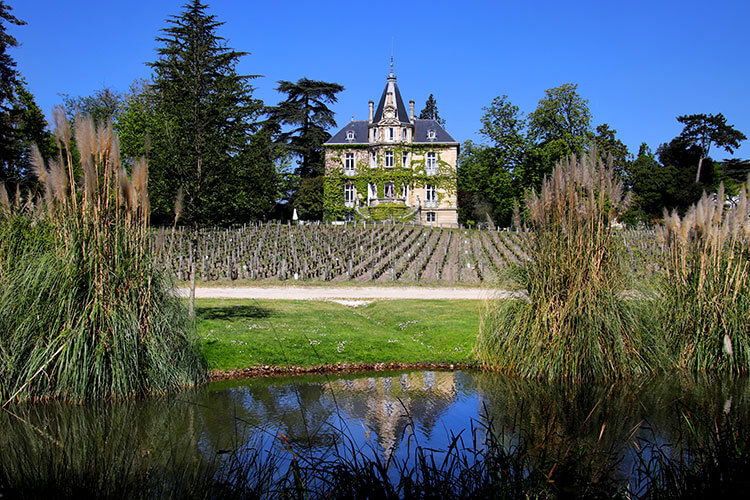
Historic 19th-century château surrounded by parkland and vines, blending classical elegance with modern, opulent architecture in a serene urban green haven.
Tags
Vibe
Best For
Experience
Sourcing
View
At the Vineyard
- Appellation
- Pessac-Léognan
- Varietals
- Cabernet Franc, Merlot, Cabernet Sauvignon
- Wine Club
- Available
Planning details
Location
Recognition and awards
Also consider
If you cannot secure it
Try Chateau Haut-Brion if the trip needs a classic Bordeaux reference point, or Château La Mission Haut-Brion if the goal is a serious rather than a broader tourist stop.
For a more flexible backup, Château Pape Clement is the pragmatic cross-shop to check before rebuilding the whole day around another region.
Winery context
How it compares for a Bordeaux winery itinerary
Choose Château Les Carmes Haut-Brion when the priority is a focused flagship-wine conversation and the group is small enough to handle a difficult booking process. Chateau Haut-Brion and Château La Mission Haut-Brion are stronger cross-shops for travellers who want a more classic first-growth or major-estate reference point in the same broad orbit.
Domaine Clarence Dillon makes more sense for guests who want the broader house context around Bordeaux prestige, while Château Les Carmes Haut-Brion is the sharper pick when the decision is about whether the estate's own bottles justify cellar space or shipping cost. For a less constrained visit plan, Château Pape Clement may be the easier comparison to test first, depending on availability.
Domaines Barons de Rothschild (Lafite) belongs in the conversation for collectors calibrating against Bordeaux's highest-recognition names. The practical difference is intent: Lafite is the benchmark-style comparison, while Château Les Carmes Haut-Brion is better for guests who want a more targeted read on one estate's flagship identity.
Explore Pomerol
Around this place
Discover more on Pearl
Unlock the full Château Les Carmes Haut-Brion guide in Pearl, including awards, comparisons, FAQs, planning details, and nearby places.
Compare Château Les Carmes Haut-Brion
| Venue | Location | Awards |
|---|---|---|
| Château Les Carmes Haut-Brion | Pomerol | 2025 Pearl 4 Star Prestige |
| Chateau Haut-Brion | Pessac | 2025 Pearl 5 Star Prestige2022 World's 50 Best Vineyards · #35 |
| Domaine Clarence Dillon | Pessac | No published awards |
| Château La Mission Haut-Brion | Bommes | 2025 Pearl 5 Star Prestige |
| Château Pape Clement | Pessac | 2025 World's 50 Best Vineyards · #272025 Pearl 4 Star Prestige2024 World's 50 Best Vineyards · #212023 World's 50 Best Vineyards · #192022 World's 50 Best Vineyards · #26 |
| Domaines Barons de Rothschild (Lafite) | Bordeaux | No published awards |

How Château Les Carmes Haut-Brion compares with similar nearby venues.
FAQ
Frequently Asked Questions
What is verified about Château Les Carmes Haut-Brion?
The confirmed essentials are limited: Château Les Carmes Haut-Brion is in Pomerol, is associated with Guillaume Pouthier, has a smart-casual dress code, holds Pearl 4 Star Prestige (2025).