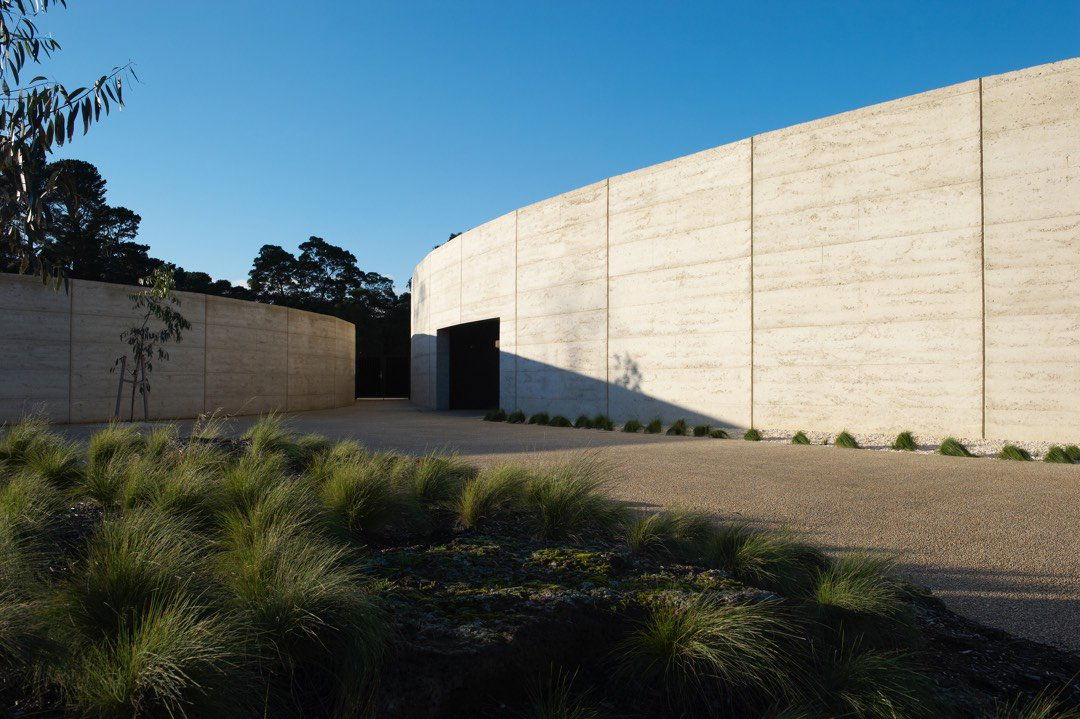
Port Phillip Estate/Kooyong
Red Hill South, Mornington Peninsula
Winery in Mornington Peninsula, Australia
 Book with Pearl
The Read
Dual-Label Cool-Climate Precision
Price
$50–100tasting
Why go
Prioritise Port Phillip Estate/Kooyong for a planned Mornington Peninsula celebration where the estate setting matters as much as the meal. It is a stronger choice for dates, anniversaries, and business lunches than for casual drop-ins, especially given the difficult booking signal. Build the day around it rather than treating it as a quick tasting stop.
About Port Phillip Estate/Kooyong
Port Phillip Estate/Kooyong is a Mornington Peninsula venue with Pearl 2 Star Prestige recognition for 2025. It is best approached as a higher-expectation booking, with current availability and service details checked directly with the venue before making firm plans.
The dress code is smart casual, which makes it a better fit for a considered outing than for an entirely improvised stop. Beyond that, specific details about cuisine, pricing, menu format, hours, or service style should be confirmed before visiting.
Book this for a planned Mornington Peninsula outing
For a special outing or organised Peninsula itinerary, Port Phillip Estate/Kooyong is worth considering because of its Pearl 2 Star Prestige recognition. Build the day with enough flexibility to account for booking availability and current venue operations rather than relying on assumptions about exact formats or timings.
Because the available detail does not support a precise read on menu format, price, hours, or service structure, the safest expectation is to confirm those points directly before visiting. If the group needs a specific style of visit, check the current offering first; if the priority is a recognised Mornington Peninsula venue with a smart-casual standard, this remains a strong candidate.
Who should choose it over another Mornington Peninsula venue
Choose Port Phillip Estate/Kooyong when the group wants a recognised Mornington Peninsula venue and is comfortable confirming the practical details in advance. It is less suitable for planning based on assumptions about specifics such as lunch service, menu format, pricing, or particular dishes.
For broader planning around the area, compare other nearby options such as Crittenden Estate, Montalto, Bass & Flinders Distillery, Paringa Estate, and Ten Minutes by Tractor before locking the route. Port Phillip Estate/Kooyong is the better fit when its recognition and smart-casual expectation match the occasion.
Planning details
- Location
- 263 Red Hill Rd, Red Hill South VIC 3937
- Website
- portphillipestate.com.au
- Phone
- +61 3 5989 4444
The take
The Take
The Vibe
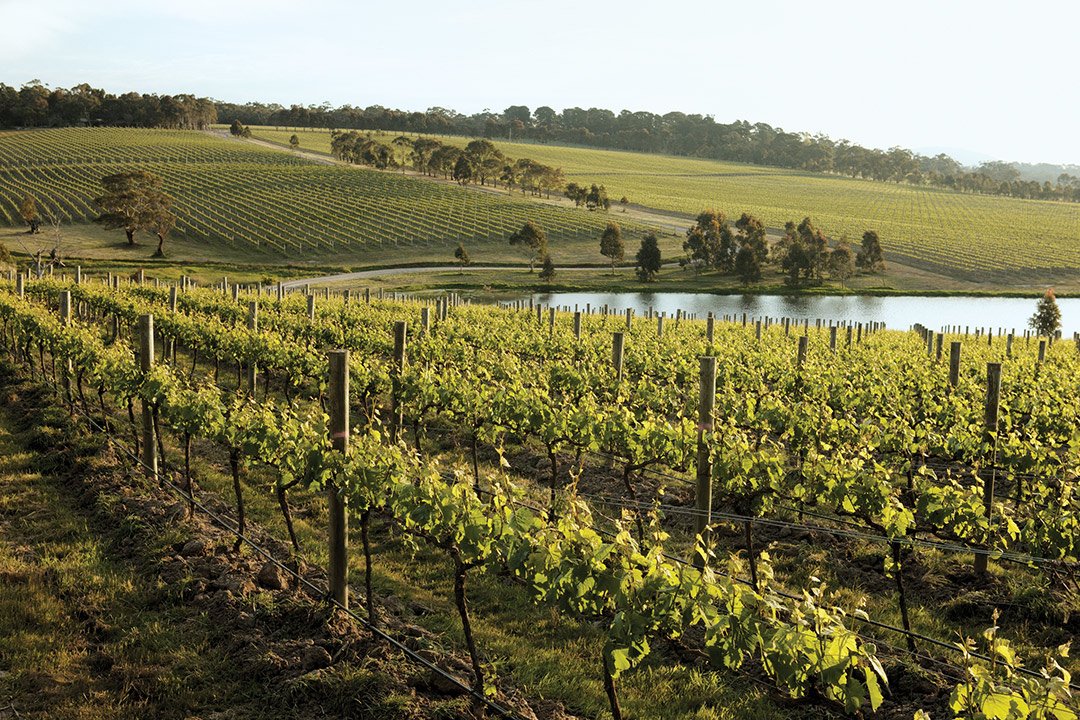
Port Phillip Estate and its Kooyong label present a measured, classic winery personality rooted in site and technique. The writing emphasizes elevation and cool mornings on Red Hill, so the place reads as deliberate and composed rather than flashy. Winemaking here is about restraint—letting natural acidity and site expression steer choices about oak, vessel and aging—so the atmosphere feels sober, focused and ideal for people who appreciate terroir-driven wines. Comparisons to Burgundy reinforce a timeless, studied aesthetic: not trendy theatrics but craft that privileges nuance and lineage over immediate spectacle.
Best For
This is a venue for visitors who want to dig into viticultural detail and taste site-specific expressions of Pinot Noir and Chardonnay. The copy’s emphasis on barrel maturation, vineyard-designated bottlings and the cellar’s decision-making makes Port Phillip Estate/Kooyong especially well suited to wine-education outings and serious tasting sessions. It also aligns with elevated visits—think special-occasion tastings where the goal is to compare barrels, vintages and vineyard sites rather than casual drinking. Bring curiosity about oak selection, whole-bunch practice and cool-climate structure.
Tasting Tips
Focus your tasting on vineyard-designated bottlings and the Kooyong label to understand site expression versus the broader Port Phillip Estate range. Ask the staff about oak selection, vessel choices and aging durations—those are presented as central to the winery’s approach and will illuminate stylistic differences. Prioritize Pinot Noir and Chardonnay flights, and request side-by-side comparisons when available to hear the contrast that elevation and slower ripening produce. Frame questions around barrel maturation and cellar philosophy to get the most instructive perspective from the tasting experience.
Venue details
Ambiance
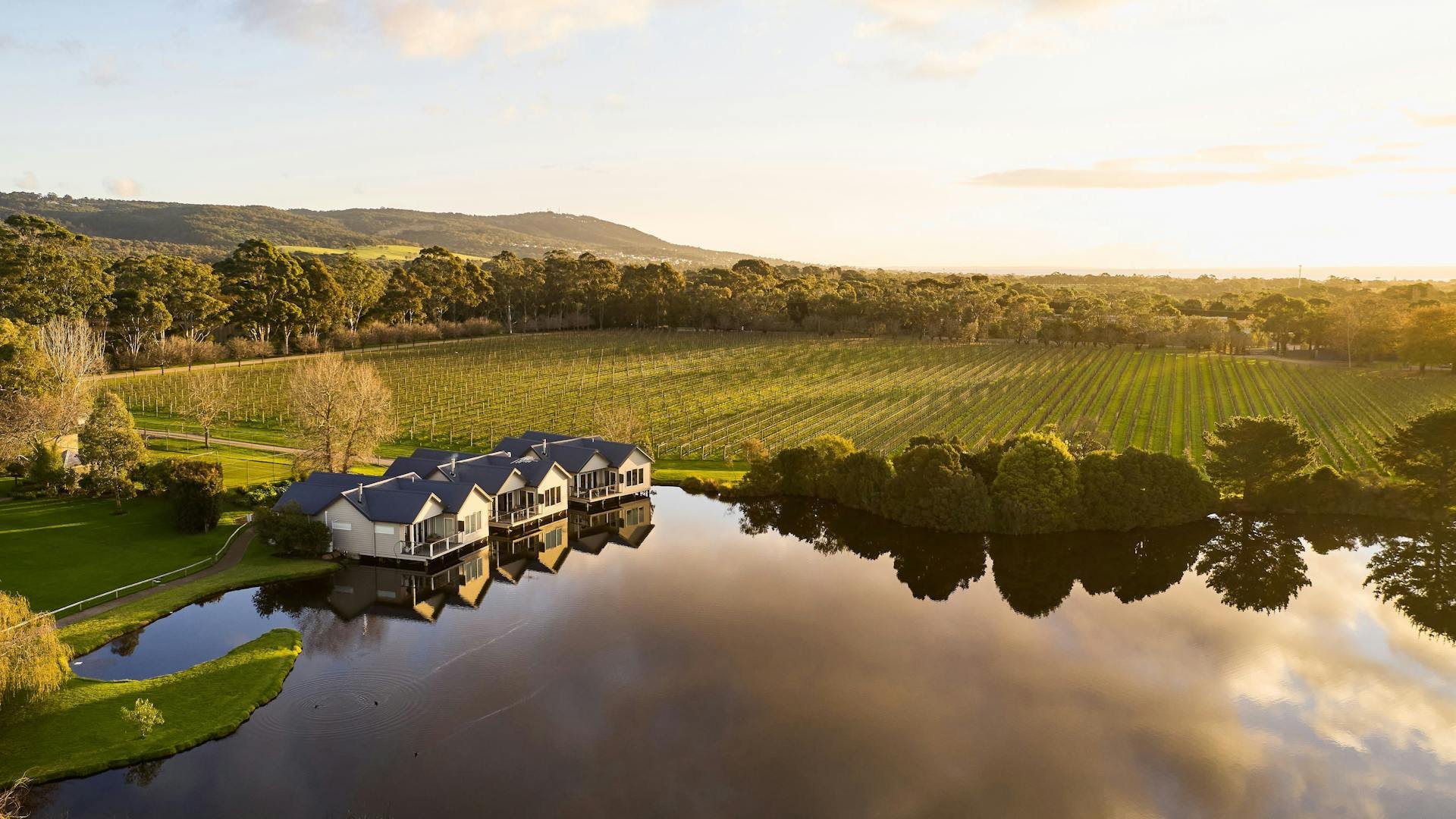
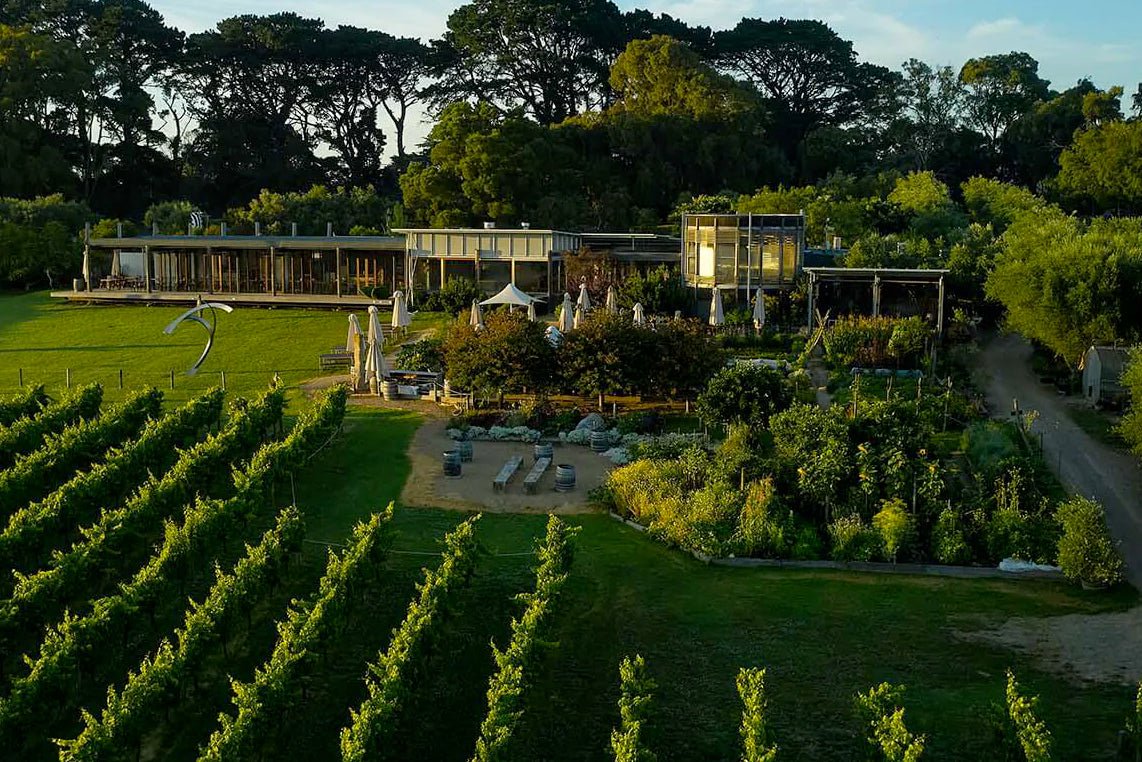
Sleek, modern, light-filled space with sweeping valley views, elegant tasting bar, and a serene, sophisticated atmosphere enhanced by sea breezes.
Tags
Vibe
Best For
Experience
Sourcing
View
At the Vineyard
- Appellation
- Mornington Peninsula
- Varietals
- Pinot Noir, Chardonnay, Pinot Gris, Shiraz
- Tour Duration
- 60-90 minutes
- Visits
- By reservation
- Farming
- Sustainable
- Production
- Small producer
- Wine Styles
- Still White, Still Red
- Food Pairing
- Offered
- Shipping
- Available
- Wine Club
- Available
Know before you go
Know Before You Go
- Getting there
- 263 Red Hill Rd, Red Hill South VIC 3937
Planning details
Location
Also consider
Also Consider
- Paringa Estate, Notable alternative
- Crittenden Estate, Notable alternative
- Montalto, Notable alternative
- Ten Minutes by Tractor, Notable alternative
- Bass & Flinders Distillery, Notable alternative
Winery context
Port Phillip Estate/Kooyong is the splurge-leaning choice in this Mornington Peninsula set: pick it when the meal is the centre of the day and the group wants a more polished estate experience. Paringa Estate and Ten Minutes by Tractor are the closest cross-shops for readers who want serious winery dining rather than a casual tasting stop, but Port Phillip Estate/Kooyong is the one to prioritise when ambience carries equal weight with the table itself.
For value and flexibility, Crittenden Estate and Montalto are easier alternatives to consider if availability is the deciding factor or the group wants a broader Peninsula day without putting one booking at the centre. They make more sense for mixed-age groups or plans that need less formality. Choose Port Phillip Estate/Kooyong when the occasion justifies tighter planning.
If the group cannot get a table or wants a tasting-led stop rather than winery dining, Bass & Flinders Distillery changes the format completely and is better for a drinks-focused itinerary. It is not a like-for-like replacement for a special-occasion meal, but it is a practical backup when the priority is keeping the Mornington Peninsula route moving.
Explore Mornington Peninsula
Around this place
Discover more on Pearl
Unlock the full Port Phillip Estate/Kooyong guide in Pearl, including awards, comparisons, FAQs, planning details, and nearby places.
Compare Port Phillip Estate/Kooyong
| Venue | Location | Awards |
|---|---|---|
| Port Phillip Estate/Kooyong | Mornington Peninsula | No published awards |
| Paringa Estate | Mornington Peninsula | 2026 Falstaff Winery Guide |
| Crittenden Estate | Mornington Peninsula | No published awards |
| Montalto | Mornington Peninsula | 2026 Falstaff Winery Guide |
| Ten Minutes by Tractor | Mornington Peninsula | No published awards |
| Bass & Flinders Distillery | Mornington Peninsula | No published awards |

How Port Phillip Estate/Kooyong compares with similar nearby venues.
FAQ
Frequently Asked Questions
Do I need a reservation at Port Phillip Estate/Kooyong?
For a planned Mornington Peninsula visit, it is sensible to check availability and booking requirements directly with the venue. The Pearl 2 Star Prestige recognition makes it a venue many guests may want to organise in advance, especially for an occasion-focused outing. Compared with Montalto, it should be considered on its own current availability and confirmed details.
What is Port Phillip Estate/Kooyong known for?
Port Phillip Estate/Kooyong is a Mornington Peninsula venue with Pearl 2 Star Prestige recognition for 2025. Its dress code is smart casual.
Where is Port Phillip Estate/Kooyong located?
Port Phillip Estate/Kooyong is located in Mornington Peninsula.