

Szepsy
Mád
Winery in Mád, Hungary
 Book with Pearl
The Read
Six-Century Aszú Lineage
Why go
Against Mád peers, Szepsy is the serious wine-lover's anchor rather than the easy casual stop. Prioritize it if Tokaj depth and producer reputation matter more than convenience; cross-shop Holdvölgy, Royal Tokaji, Barta Pince, Szent Tamás Winery, and Zsirai Winery if the day needs a more flexible route.
About Szepsy
Szepsy is a venue in Mád with recognition from Pearl 2 Star Prestige (2025) and World's 50 Best Vineyards #35 (2023). For travelers comparing premium stops, those accolades are a strong reason to keep it on the shortlist.
The practical verdict: consider Szepsy as a priority if your Mád plans are built around recognized venues, but keep the rest of the itinerary flexible. If you are shaping a broader itinerary, compare it with names such as Holdvölgy, Royal Tokaji, Barta Pince, Szent Tamás Winery, or Zsirai Winery.
Build the Mád day around one serious anchor
The strongest reason to plan around Szepsy is its recognition profile. Pearl 2 Star Prestige (2025) and World's 50 Best Vineyards #35 (2023) make it a notable Mád name for visitors who want their itinerary anchored by accolades.
Keep the rest of the day flexible. Use Mád as the planning frame and avoid building the day around assumptions about hours, food, tour structure, or availability.
Who should put this first, and who should cross-shop
Put Szepsy first if recognition is the main filter for your Mád itinerary. Cross-shop Holdvölgy, Royal Tokaji, Barta Pince, Szent Tamás Winery, and Zsirai Winery if you want to compare other notable names.
For a wider trip, treat other unnamed venues outside Mád as separate planning considerations rather than substitutes for a Mád-focused day. The grounded case for Szepsy is simple: it is in Mád, it has smart casual dress code guidance, and it has recognition from Pearl 2 Star Prestige (2025) and World's 50 Best Vineyards #35 (2023).
Planning details
- Location
- Mád, Batthyány u. 59, 3909
- Website
- szepsy.hu
- Phone
- +36 47 348 349
The take
The Take
The Vibe
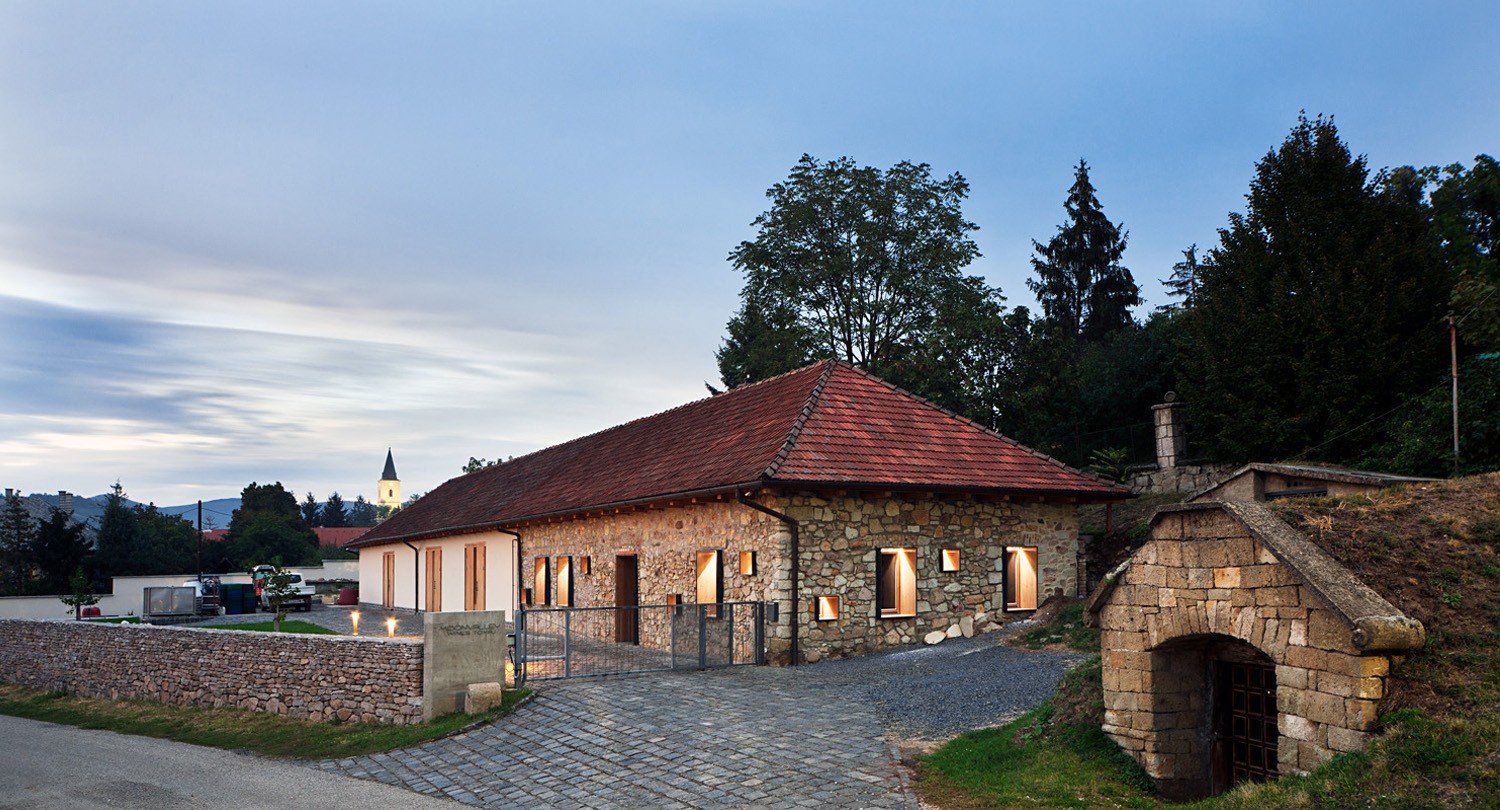
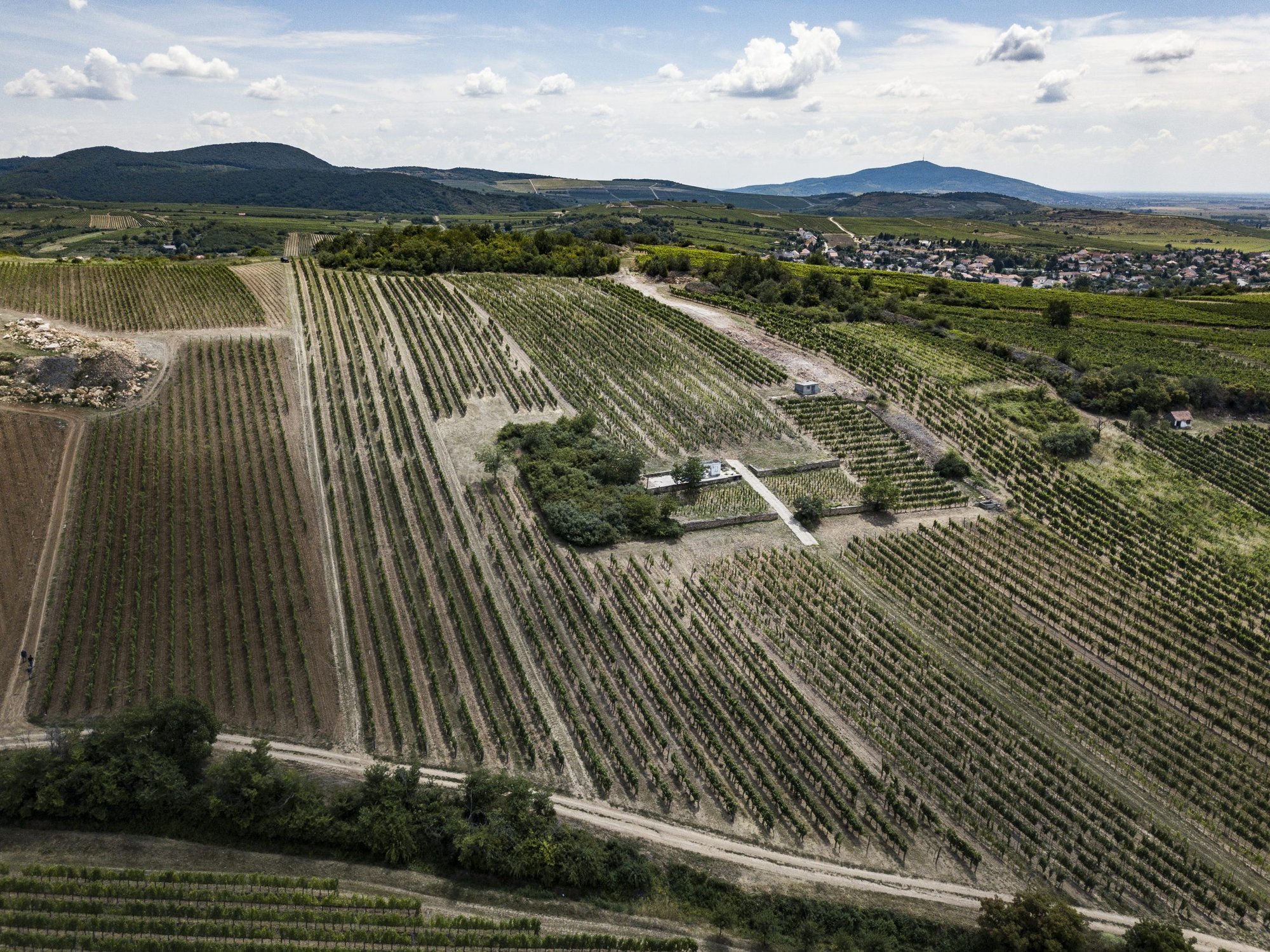
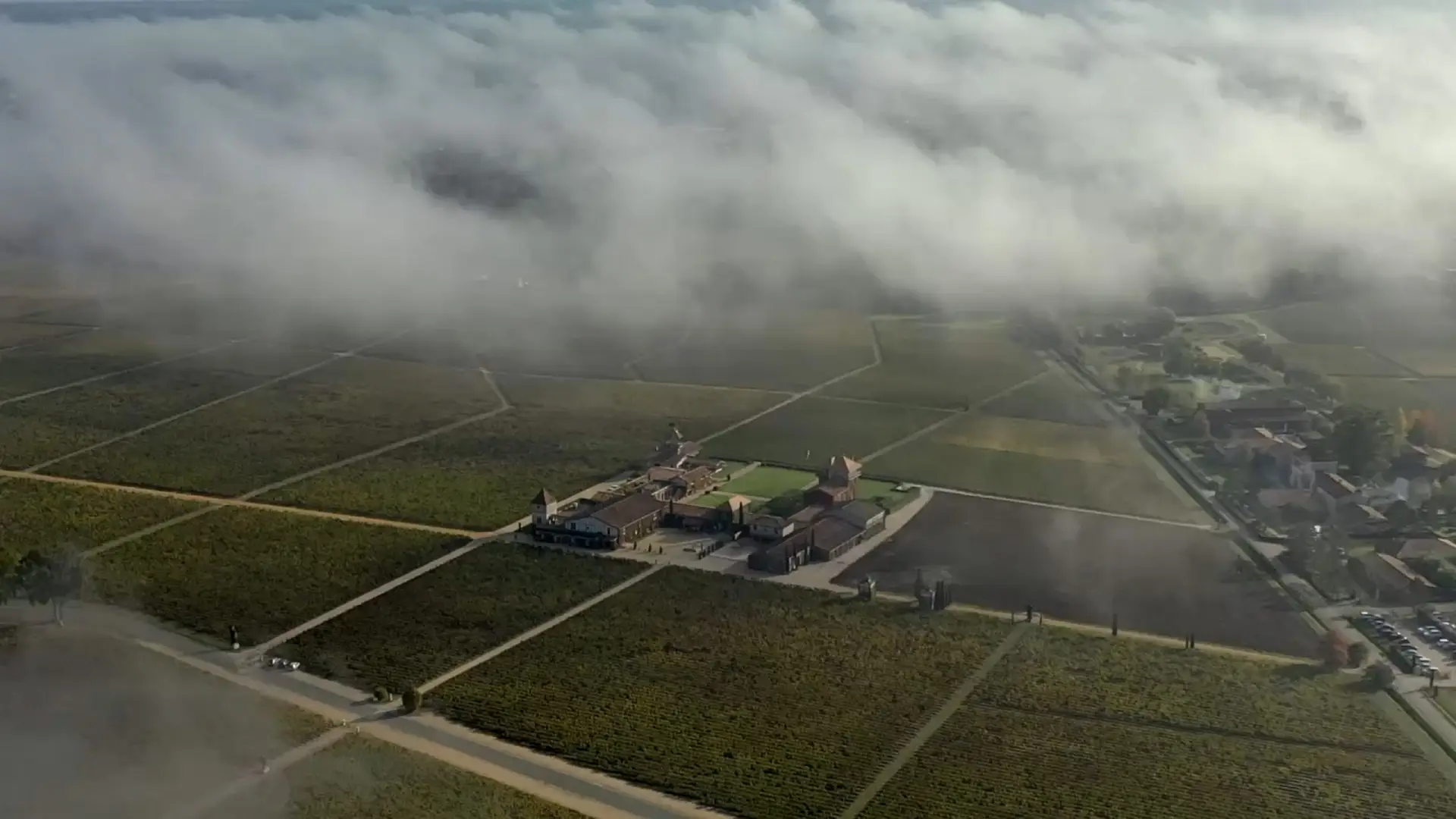
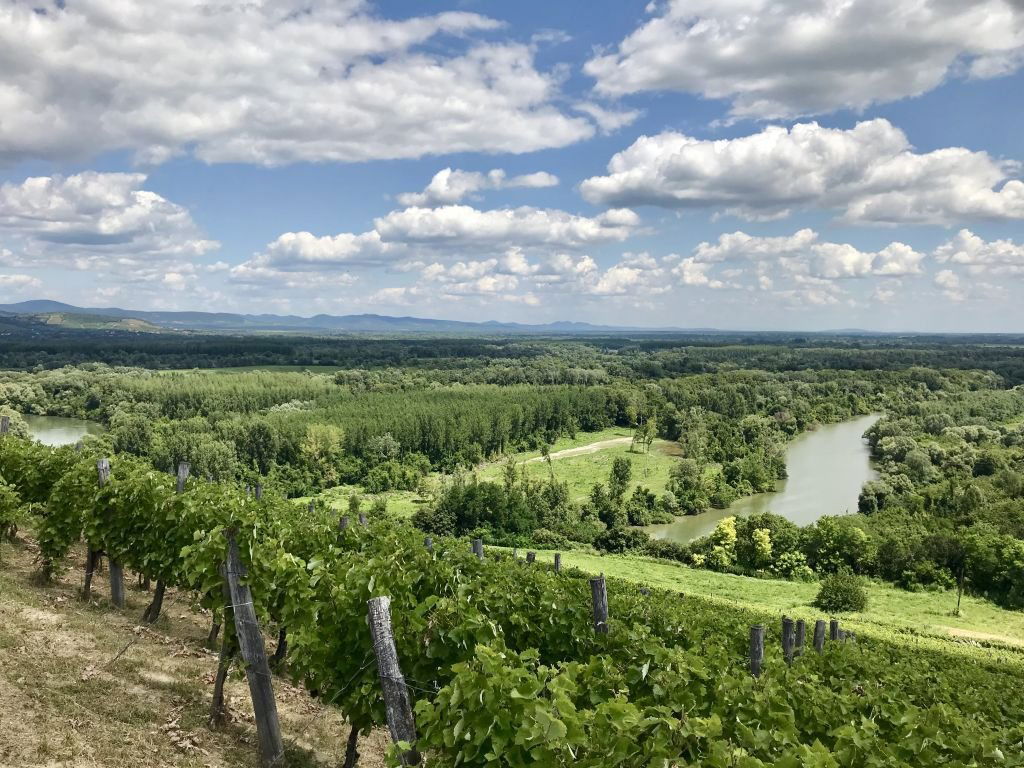
Szepsy reads like a living chapter of Tokaj's past. The estate's sixteenth-century winemaking records, stone walls and terraced vineyards fold history into the present, giving every visit a sense of continuity and place. The village setting—a church tower, narrow lanes and vines pressing close to rooftops—feels intimate and quietly storied rather than theatrical. Recognition such as the 2025 Pearl 2 Star Prestige award underscores the estate's standing, but the dominant impression is of an authentic, historically layered property that still defines local viticultural identity.
Best For
This is a destination for those who come to study Tokaj as much as to taste it. The estate's deep archival roots and its position among Mád's leading producers make Szepsy well suited to wine education, historical context and focused tastings. It also serves as a natural choice for special occasions when provenance and pedigree matter: visitors seeking a sense of continuity with Tokaj's past will find the setting and the wines especially resonant. The property functions as a reference point within the village's cluster of serious producers.
Venue details
Ambiance
Elegant and historic atmosphere reflecting meticulous traditional winemaking heritage.
Tags
Vibe
Best For
Experience
Sourcing
View
At the Vineyard
- Appellation
- Tokaj
- Varietals
- Furmint, Hárslevelű
- Tour Duration
- 60-90 minutes
- Tour Languages
- Hungarian, English
- Visits
- By appointment only
- Farming
- Sustainable
- Wine Styles
- Still White, Dessert
- Wine Club
- Available
Know before you go
Know Before You Go
- Getting there
- Mád, Batthyány u. 59, 3909
Planning details
Location
Recognition and awards


Also consider
Also Consider
- Holdvölgy, Notable alternative
- Zsirai Winery, Notable alternative
- Royal Tokaji, Notable alternative
- Barta Pince, Notable alternative
- Szent Tamás Winery, Notable alternative
Winery context
How Szepsy compares in Mád
Szepsy is the high-conviction choice in Mád: better for collectors and Tokaj-focused travelers than for visitors trying to fit in an easy tasting between other plans. Holdvölgy is the cleaner cross-shop if the visit format and overall guest flow matter more than producer scarcity, while Royal Tokaji makes sense for travelers who want broader regional name recognition in a less single-producer-focused itinerary.
For value and flexibility, look harder at Zsirai Winery, Barta Pince, or Szent Tamás Winery. Those are better backups when the priority is building a full Mád day with multiple stops rather than centering the schedule on one difficult appointment.
The decision is simple: choose Szepsy when the trip is built around serious Tokaj context; choose Holdvölgy or Royal Tokaji for a more polished comparison point; choose Zsirai, Barta Pince, or Szent Tamás when ease, pacing, and group practicality matter more.
Explore Mád
Around this place
Discover more on Pearl
Unlock the full Szepsy guide in Pearl, including awards, comparisons, FAQs, planning details, and nearby places.
Compare Szepsy
| Venue | Location | Awards |
|---|---|---|
| Szepsy | Mád | 2026 Falstaff Winery Guide2024 World's 50 Best Vineyards · #432023 World's 50 Best Vineyards · #35 |
| Holdvölgy | Mád | 2026 Falstaff Winery Guide |
| Zsirai Winery | Mád | No published awards |
| Royal Tokaji | Mád | 2026 Falstaff Winery Guide |
| Barta Pince | Mád | 2026 Falstaff Winery Guide |
| Szent Tamás Winery | Mád | No published awards |
How Szepsy Mád compares with similar nearby venues.
FAQ
Frequently Asked Questions
How long should I plan for a visit to Szepsy?
Plan flexibly and treat it as part of a Mád itinerary rather than relying on fixed timing assumptions.
Does Szepsy serve food?
Do not plan around a dining format unless Szepsy confirms it directly through its official channels.
What services are available at Szepsy?
Use Szepsy's direct channels to ask about current options, availability, and any relevant rules.
When is the best time to visit Szepsy?
Build your Mád plans around confirmed arrangements from the venue, and leave flexibility if you are also comparing names such as Holdvölgy, Royal Tokaji, Barta Pince, Szent Tamás Winery, or Zsirai Winery.
Do I need a reservation at Szepsy?
Plan ahead by checking directly with Szepsy before making it a fixed part of your Mád itinerary.
What should I know before prioritizing Szepsy?
The key signals are Szepsy's Mád location, smart casual dress code guidance, Pearl 2 Star Prestige (2025), and World's 50 Best Vineyards #35 (2023).