
Weingut Erwin Sabathi
Leutschach
Winery in Leutschach, Austria
 Book with Pearl
The Read
Opok-Driven Precision
Why go
Prioritise Weingut Erwin Sabathi if Leutschach is part of a serious South Styrian wine itinerary rather than a casual tasting crawl. The practical move is to arrange the visit in advance, cluster it with nearby wineries, and compare it directly with Lackner-Tinnacher, Walter Skoff, Sattlerhof, and Gross.
About Weingut Erwin Sabathi
Weingut Erwin Sabathi is a Leutschach venue with 2 Star Prestige recognition for 2025. Plan around known details rather than assuming a specific visitor format, menu, tasting structure, or set of services.
Arrange this stop carefully in Leutschach. If the day needs food, bars, hotels, or other backup plans, confirm current arrangements directly with the venue before you go.
Book this for a focused Leutschach stop, not an assumption-heavy itinerary
Weingut Erwin Sabathi holds 2 Star Prestige for 2025. That makes it a relevant name to consider when planning a Leutschach visit, especially if the itinerary is already centered on premium venues.
Restaurant-style dining, fixed tasting formats, posted visitor hours, pricing, or take-out and delivery services are not detailed. Dress code is smart casual. Build the day around confirmed arrangements and leave buffer time rather than relying on assumptions.
Where it fits among comparable venues
Cross-shop this with Weingut Lackner-Tinnacher, Weingut Walter Skoff, Familienweingut Sattlerhof, and Weingut Gross if the decision is about which venue deserves a fixed slot. Add Feindestillerie Stelzl if the group wants another option rather than focusing only on Weingut Erwin Sabathi.
For a broader plan, compare Weingut Erwin Sabathi with other named venues carefully and confirm each stop directly. The useful decision is whether this Leutschach venue fits the timing, tone, and purpose of the trip.
Planning details
- Location
- Pößnitz 48, 8463 Leutschach
- Website
- sabathi.com
- Phone
- +43 3454 265
The take
The Take
The Vibe
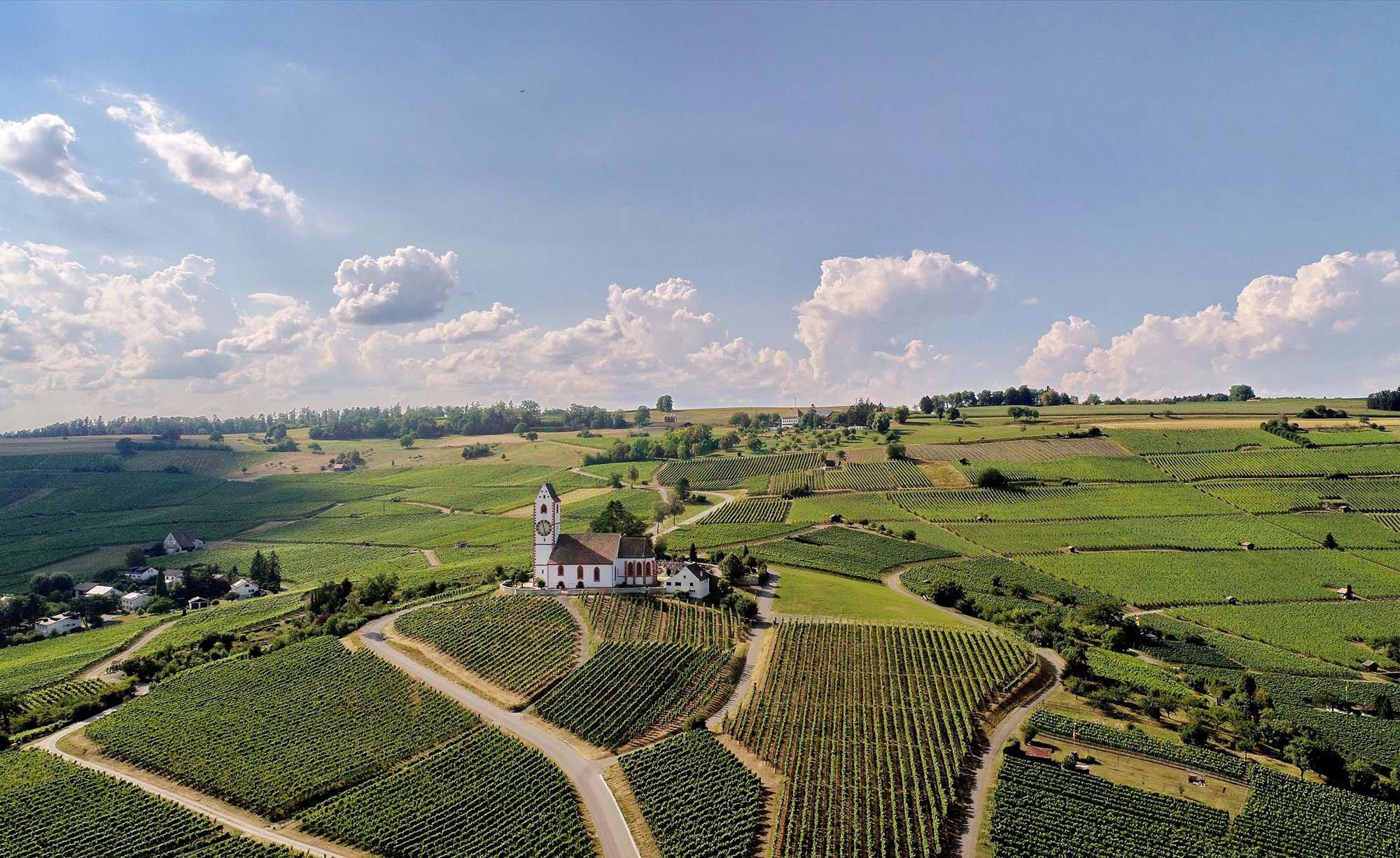
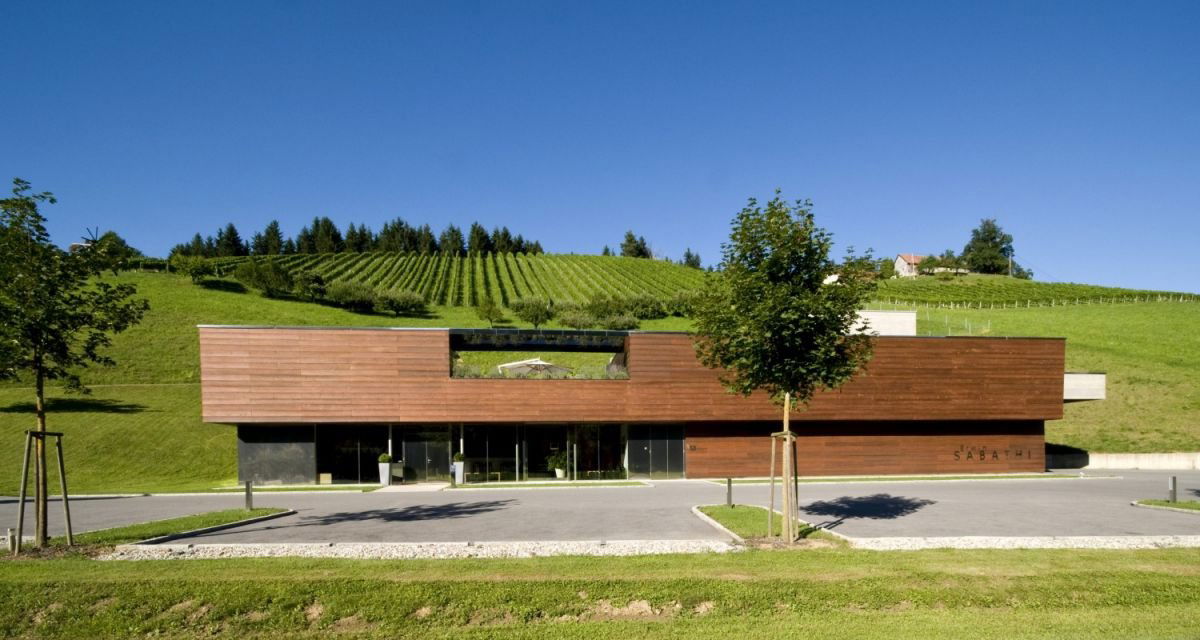
Weingut Erwin Sabathi reads as a focused, terroir-first producer set high on the slopes of Südsteiermark. The writing emphasizes disciplined winemaking and estate-level consistency: steep, vine-covered ridges, opok soils and a Pearl 2 Star Prestige rating all signal an estate that privileges precision and clarity over showiness. The overall impression is refined and quietly accomplished — a place for serious wine drinkers who value mineral definition, acidity and a direct expression of site rather than spectacle.
Best For
Sabathi is best for visitors who come to learn about place-driven white wine. The description repeatedly frames the estate in geological and viticultural terms, making it a fit for wine-education outings and solo exploration by people interested in how opok soils and steep slopes shape flavor and acidity. It also suits small special-occasion visits when the goal is tasting refined, site-specific wines rather than a boisterous, social scene.
Tasting Tips
When tasting at Sabathi, focus on the white wines that showcase high natural acidity and a mineral backbone; the write-up highlights a saline, stony note derived from opok and slate soils. Prioritize site-specific bottlings or estate-designated wines that reflect Pößnitz’s elevation and soil mix—the producer’s Pearl 2 Star Prestige rating suggests these expressions are the winery’s strength. Skip generic styles and look for vintages where acidity and minerality are most pronounced.
Venue details
Ambiance
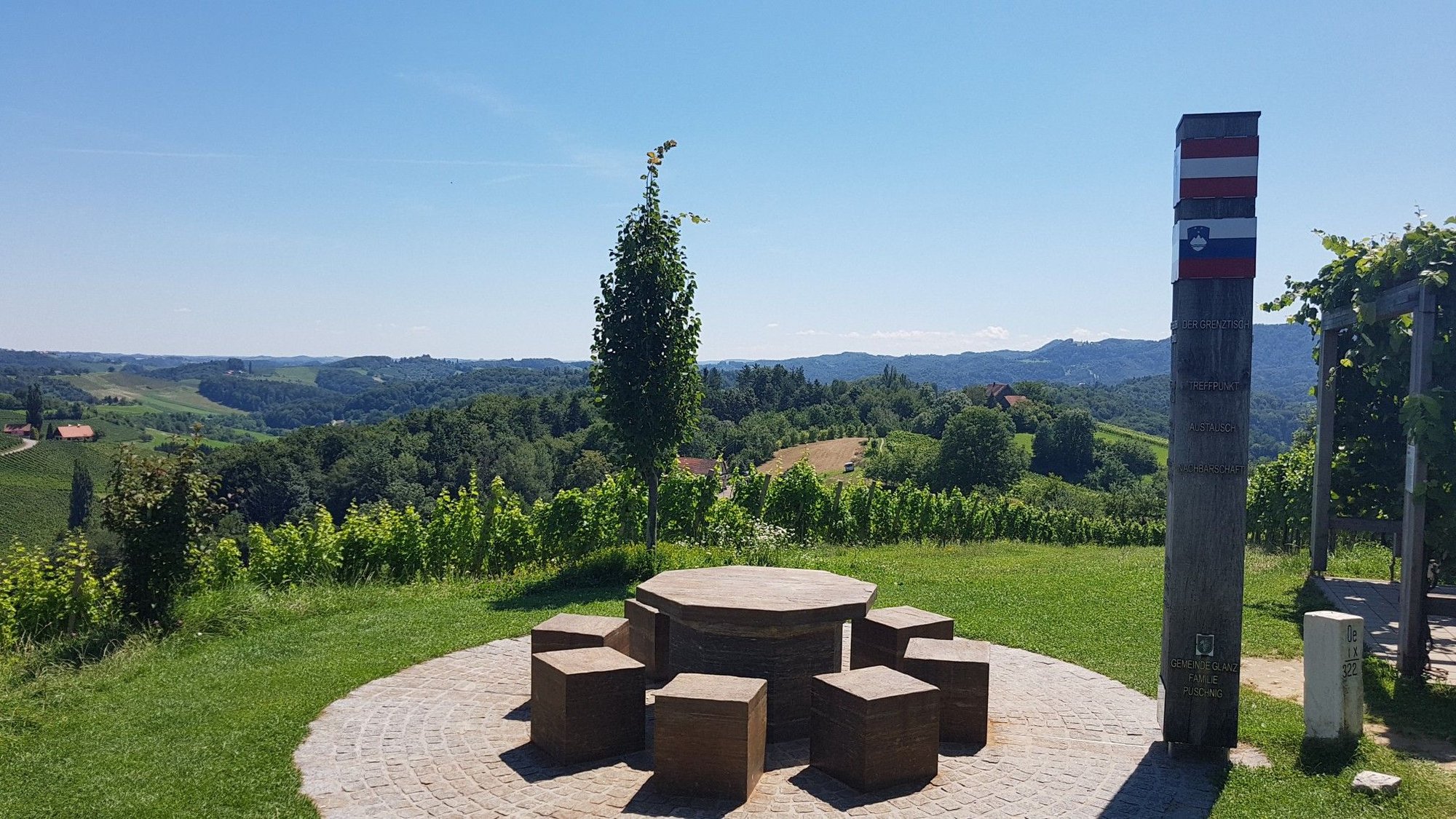
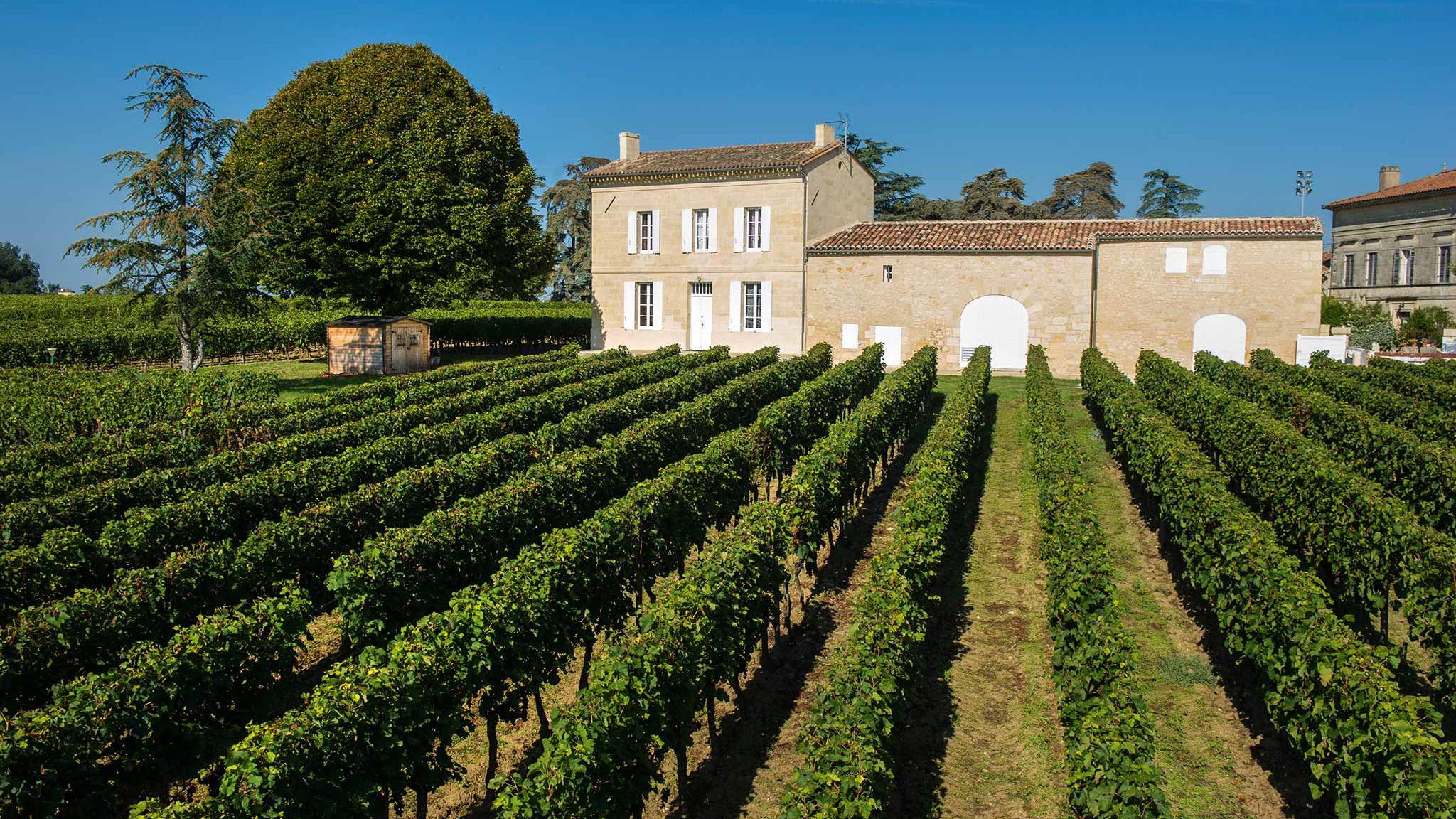
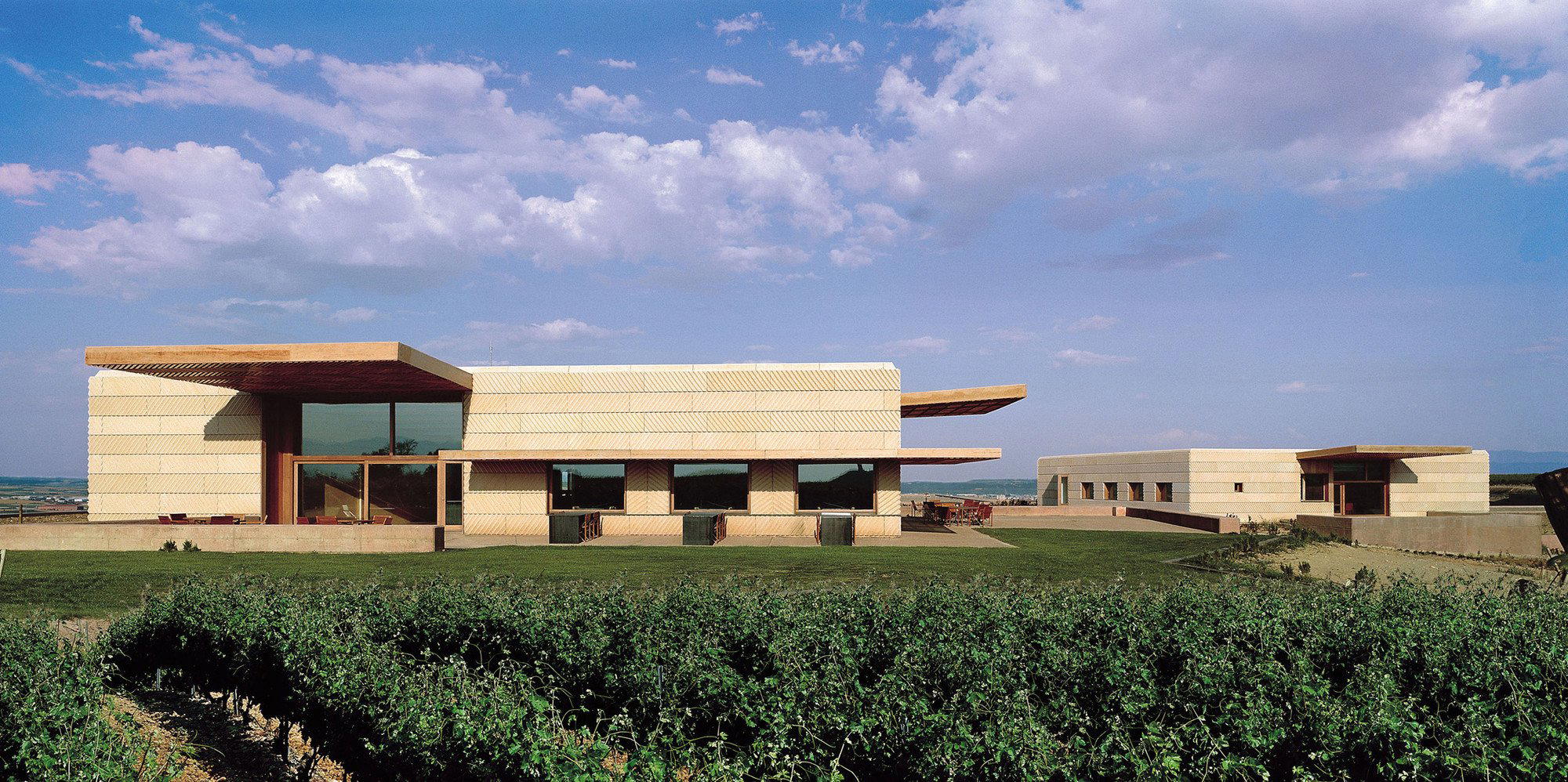
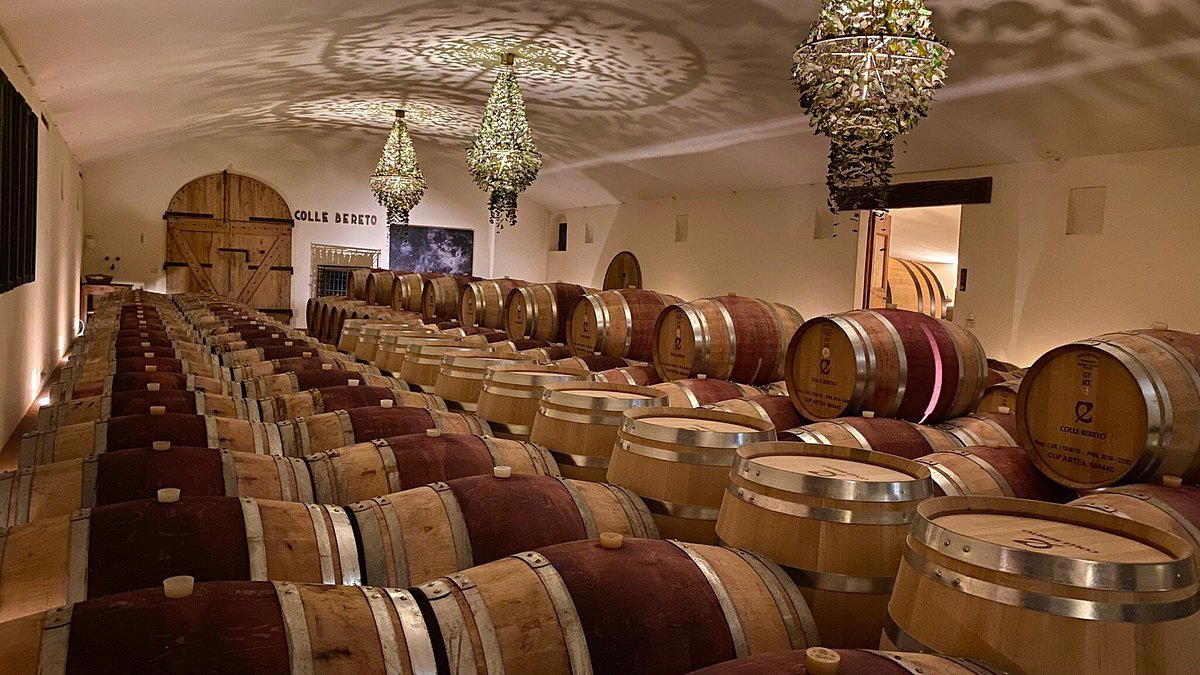
Refined and terroir-driven atmosphere in a modern cellar amid steep, scenic vineyards, emphasizing tradition and precision in winemaking.
Tags
Vibe
Best For
Experience
Sourcing
View
At the Vineyard
- Appellation
- Südsteiermark
- Varietals
- Sauvignon Blanc, Chardonnay, Welschriesling, Gelber Muskateller, Pinot Blanc
- Visits
- By appointment only
- Farming
- Organic
- Wine Styles
- Still White
- Wine Club
- Not available
Know before you go
Know Before You Go
- Getting there
- Pößnitz 48, 8463 Leutschach
Planning details
Location
Recognition and awards

Also consider
Also Consider
- Weingut Lackner-Tinnacher, Notable alternative
- Weingut Walter Skoff, Notable alternative
- Familienweingut Sattlerhof, Notable alternative
- Weingut Gross, Notable alternative
- Feindestillerie Stelzl, Notable alternative
Winery context
How it compares in Leutschach
Choose Weingut Erwin Sabathi when the day is built around a focused South Styrian wine appointment and the group is willing to plan ahead. Weingut Lackner-Tinnacher, Weingut Walter Skoff, Familienweingut Sattlerhof, and Weingut Gross are the more relevant cross-shops for a wine-led Leutschach itinerary; compare them on confirmed availability, tasting structure, and how tightly the day can be routed.
For value, the deciding factor is not a listed bottle or tasting price here, but how much depth the group wants from one stop. If the goal is to understand the local wine region through fewer, more deliberate appointments, keep Sabathi high on the shortlist. If the group needs easier scheduling, broader hospitality cues, or a more flexible stop, test availability across Lackner-Tinnacher, Walter Skoff, Sattlerhof, and Gross before locking the day.
Feindestillerie Stelzl is the outlier: useful if someone in the group wants a spirits contrast, less useful if the point of the trip is a clean comparison among Leutschach wineries. For ambiance, treat Sabathi and the winery peers as countryside appointments where planning matters more than walk-in convenience.
Explore Leutschach
Around this place
Discover more on Pearl
Unlock the full Weingut Erwin Sabathi guide in Pearl, including awards, comparisons, FAQs, planning details, and nearby places.
Compare Weingut Erwin Sabathi
| Venue | Location | Awards |
|---|---|---|
| Weingut Erwin Sabathi | Leutschach | 2026 Falstaff Winery Guide |
| Weingut Lackner-Tinnacher | Gamlitz | 2026 Falstaff Winery Guide |
| Weingut Walter Skoff | Gamlitz | 2026 Falstaff Winery Guide |
| Familienweingut Sattlerhof | Gamlitz | 2026 Falstaff Winery Guide |
| Weingut Gross | Ehrenhausen | 2026 Falstaff Winery Guide |
| Feindestillerie Stelzl | St. Johann im Saggautal | No published awards |
How Weingut Erwin Sabathi Leutschach compares with similar nearby venues.
FAQ
Frequently Asked Questions
Does Weingut Erwin Sabathi ship wine?
When is the best time to visit Weingut Erwin Sabathi?
Visit when you can confirm arrangements directly and give the stop enough time within a Leutschach itinerary. The 2 Star Prestige recognition for 2025 makes it a venue to prioritize, but current visitor details should be checked before you go.
What other venues should I compare with Weingut Erwin Sabathi?
Cross-shop it with Weingut Lackner-Tinnacher, Weingut Walter Skoff, Familienweingut Sattlerhof, Weingut Gross, and Feindestillerie Stelzl if you are comparing premium venues for the same trip. Confirm each venue directly before building a schedule around it.
Is the wine club at Weingut Erwin Sabathi worth joining?
How long should I plan for a visit to Weingut Erwin Sabathi?
Plan conservatively, confirm arrangements in advance, and leave enough time in your Leutschach itinerary so the stop does not depend on a rushed schedule.