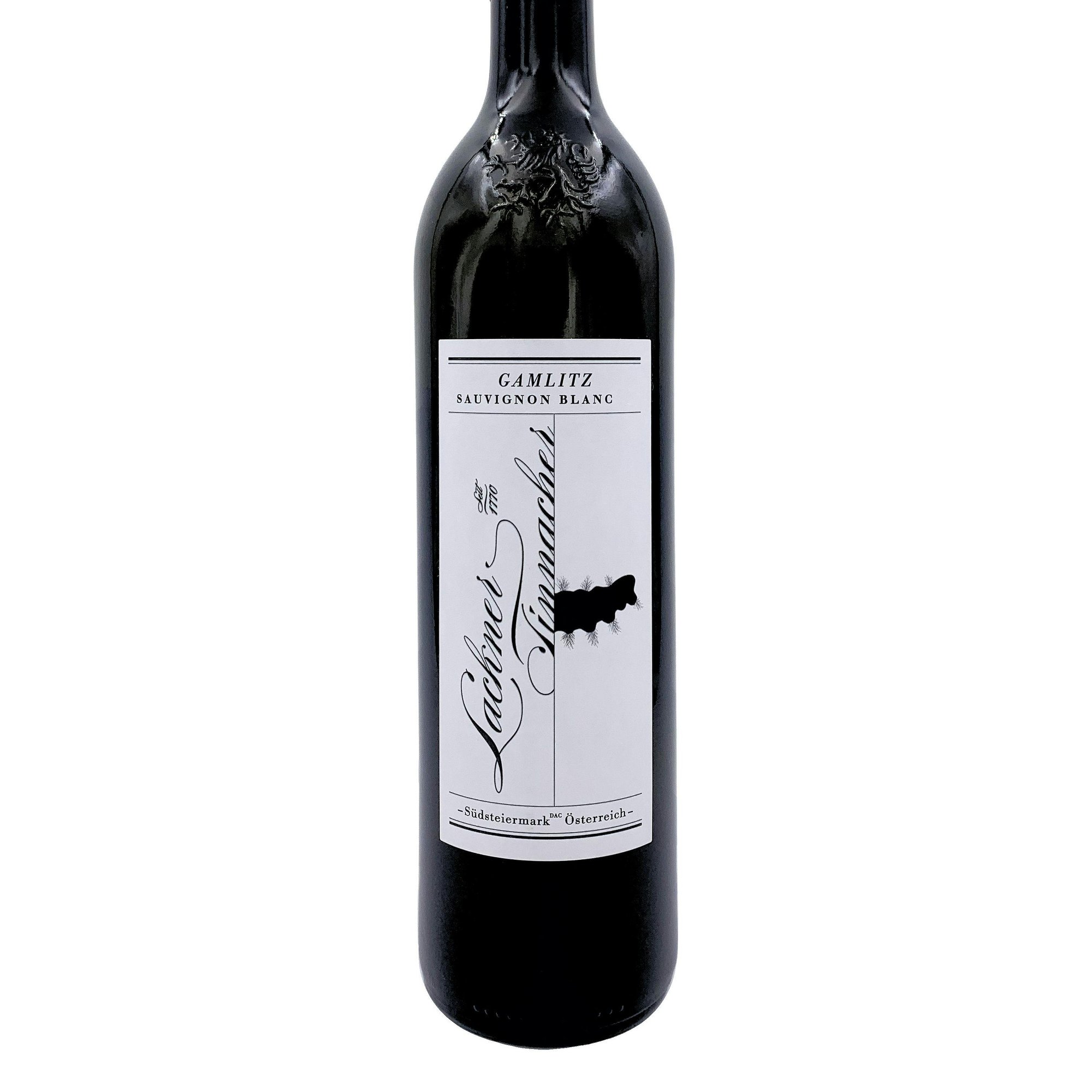

Weingut Lackner-Tinnacher
Gamlitz
Winery in Gamlitz, Austria
 Book with Pearl
The Read
Südsteiermark Prestige Viticulture
Why go
Weingut Lackner-Tinnacher is a better fit for a focused South Styrian wine stop than for a casual, food-led afternoon. Plan it as a confirmed appointment within a broader Gamlitz itinerary, with Weingut Walter Skoff or Familienweingut Sattlerhof as practical backups if timing is tight.
About Weingut Lackner-Tinnacher
Weingut Lackner-Tinnacher is a Gamlitz venue with Pearl 2 Star Prestige (2025). The safest way to plan is to confirm practical arrangements directly before building the day around it.
The strongest signals are simple: the venue is in Gamlitz, the dress code is casual, and it has Pearl 2 Star Prestige for 2025. Details such as specific visit formats, opening windows, food service, prices, or other amenities should not be assumed. For a special occasion, make the plan flexible enough that the rest of the day does not depend on unconfirmed services.
Plan it as a serious stop in Gamlitz
Confirm the visit details directly before making this the centerpiece of the day. Keep food, hotel, and bar planning separate through the Gamlitz restaurants guide, Gamlitz hotels guide, and Gamlitz bars guide. That keeps the itinerary from depending on details that are not available.
For a special occasion, the value is in choosing the venue for what is confirmed rather than for assumptions. It may suit travelers who want a Gamlitz stop with recognition and a casual dress code, but any expectations around food, appointment format, group size, or visit structure should be checked directly. If the trip includes other activities, use broader Gamlitz planning resources to fill the rest of the itinerary rather than stretching the visit beyond what is confirmed.
Who should choose it over other regional names
Choose Weingut Lackner-Tinnacher when the goal is a Gamlitz venue with Pearl 2 Star Prestige (2025). For comparison, Weingut Walter Skoff, Familienweingut Sattlerhof, Familienweingut Tement, Weingut Erwin Sabathi, and Weingut Gross are other names to consider as part of a broader regional plan. The distinction should be based on confirmed availability and the mood of the day, not on claims about service style or amenities.
Bottom line: Weingut Lackner-Tinnacher is worth considering for a Gamlitz itinerary because its profile includes Pearl 2 Star Prestige (2025) and a casual dress code. Keep the rest of the plan flexible, confirm practical details directly, and compare it naturally with other regional options if timing or availability is uncertain.
Planning details
- Location
- Steinbach 12, 8462 Gamlitz
- Website
- lackner-tinnacher.at
- Phone
- +43 3453 2142
The take
The Take
The Vibe
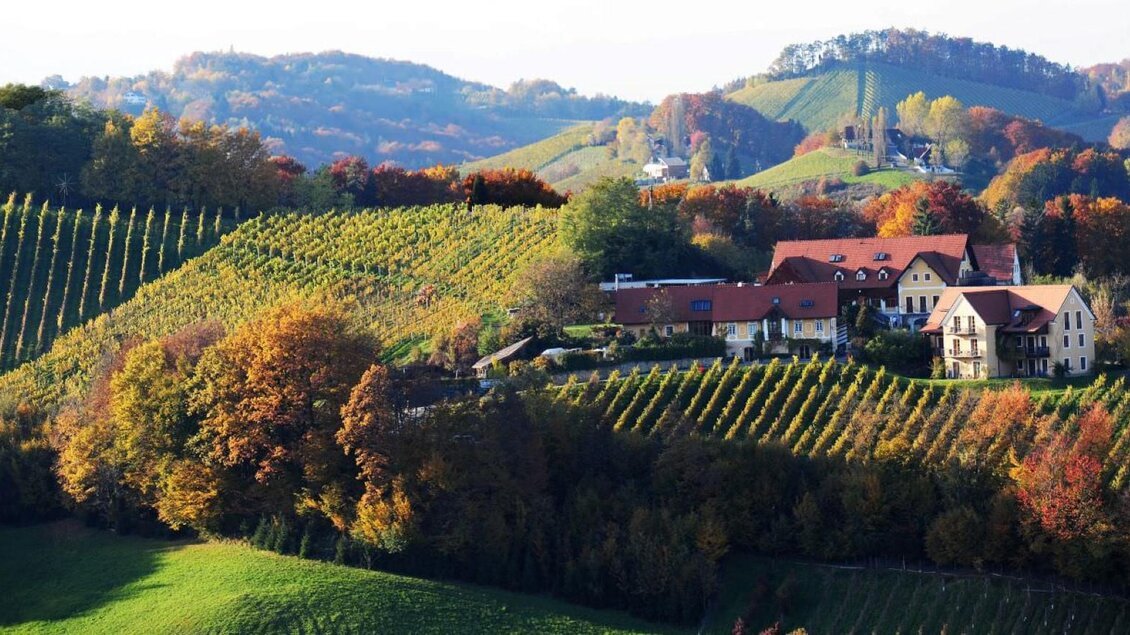
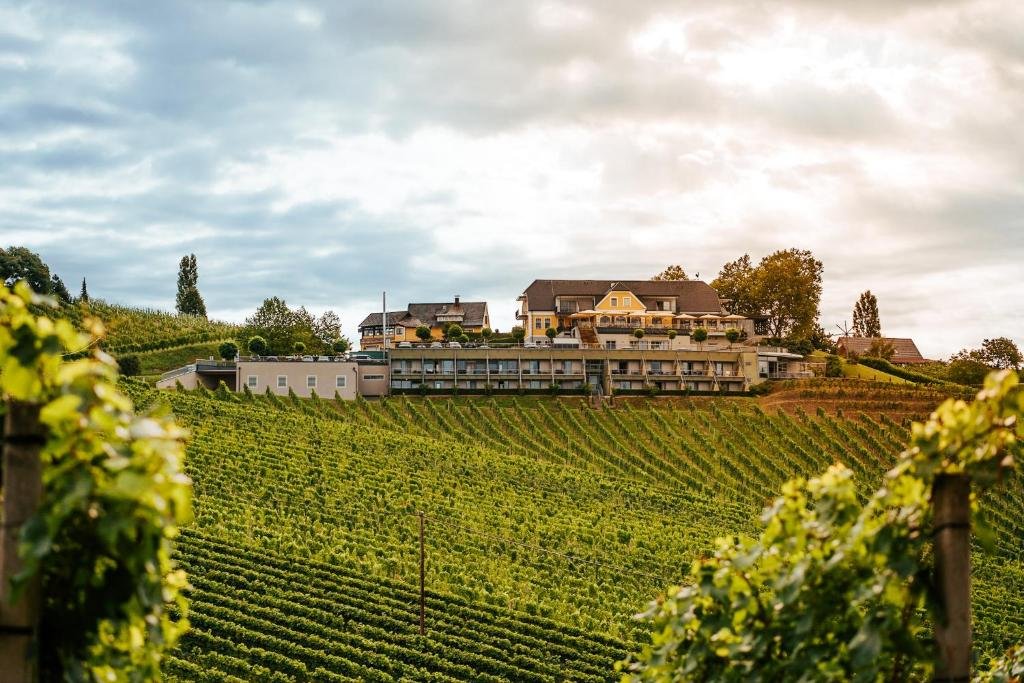
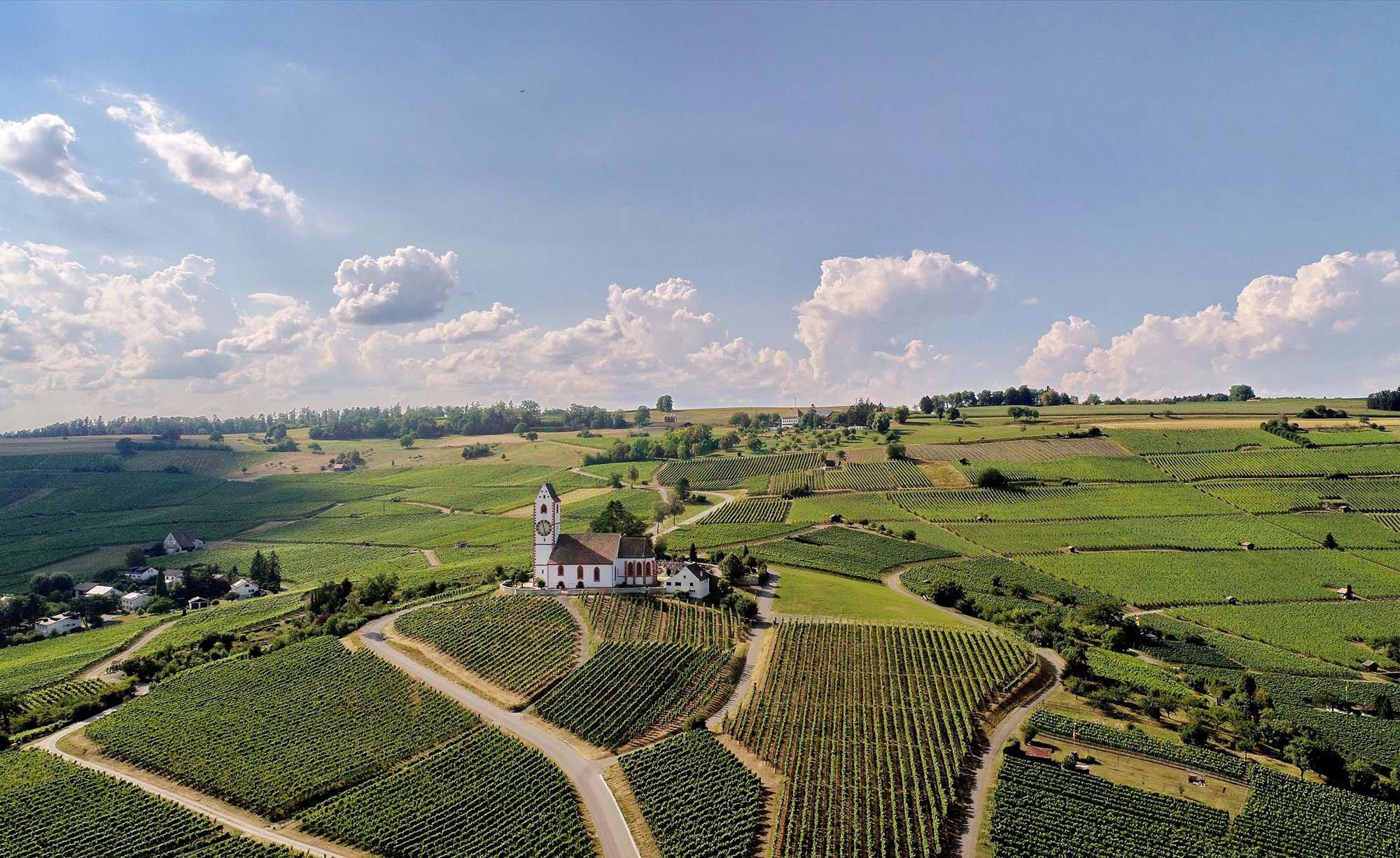
Weingut Lackner-Tinnacher presents a measured, sophisticated presence on the Südsteiermark hillsides. The writing emphasizes precision—steep parcels, varied exposures and a single-site focus—so the estate reads less like a tourist stop and more like a serious study in terroir. The recent Pearl 2 Star Prestige recognition underscores an editorially relevant quality that complements the calm of vine-covered slopes. Visitors encounter a composed, refined atmosphere where the landscape and the wines are the primary protagonists rather than spectacle.
Best For
This estate is best for people who want to read the landscape in a glass. Wine-education seekers and solo explorers who appreciate site-specific expression find the Steinbach site particularly rewarding, and the estate’s recent industry recognition makes it a fitting stop for celebratory or special-occasion visits. The tasting experience leans toward contemplative and intentional, so it suits visitors who prefer focused, terroir-driven conversations over casual, high-volume tasting rooms.
Tasting Tips
Prioritize the region’s aromatic whites to understand the house’s approach: Sauvignon Blanc is the export-facing flagship and Gelber Muskateller represents a more regionally specific profile. Look for wines that reference the Steinbach site or single-parcel sourcing—these bottlings are described as measures of how precisely winemaking translates site character. Ask staff about recent vintages from steep parcels and about any tasting notes that illustrate exposure-driven differences for a clearer sense of terroir.
Venue details
Ambiance
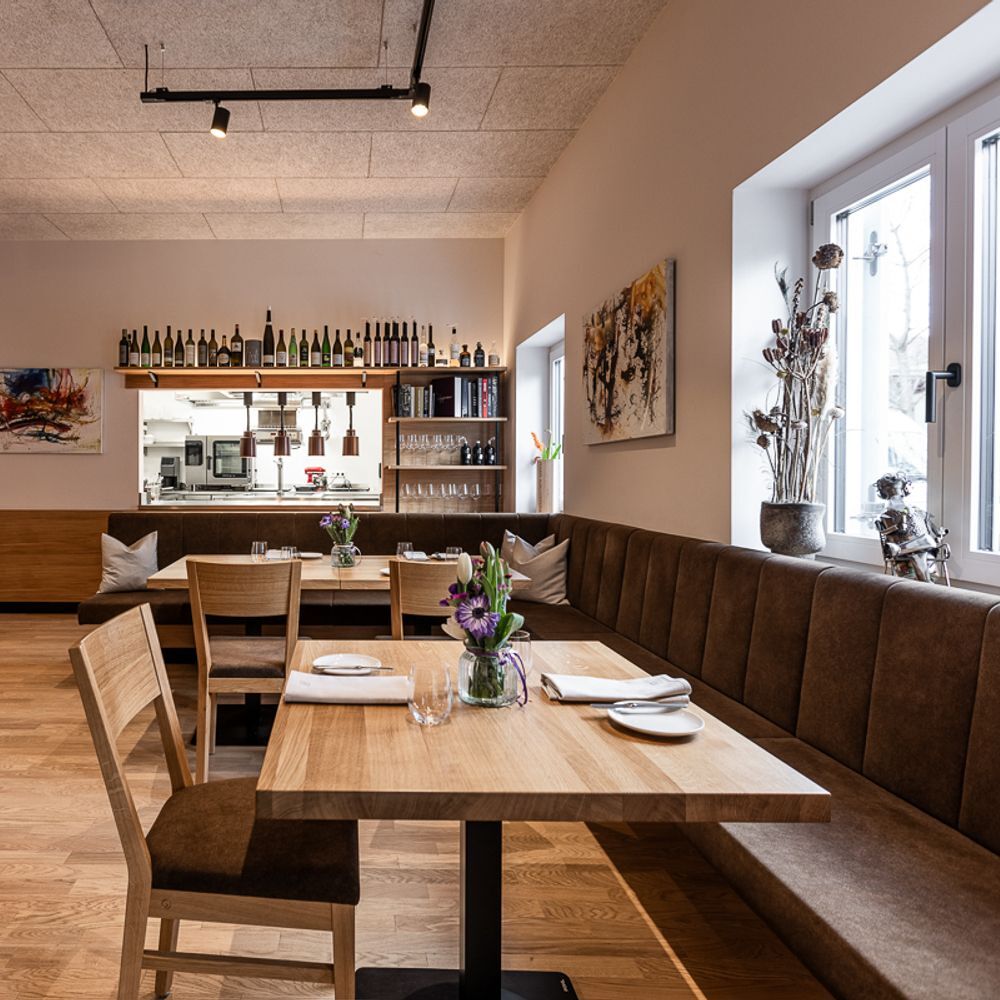
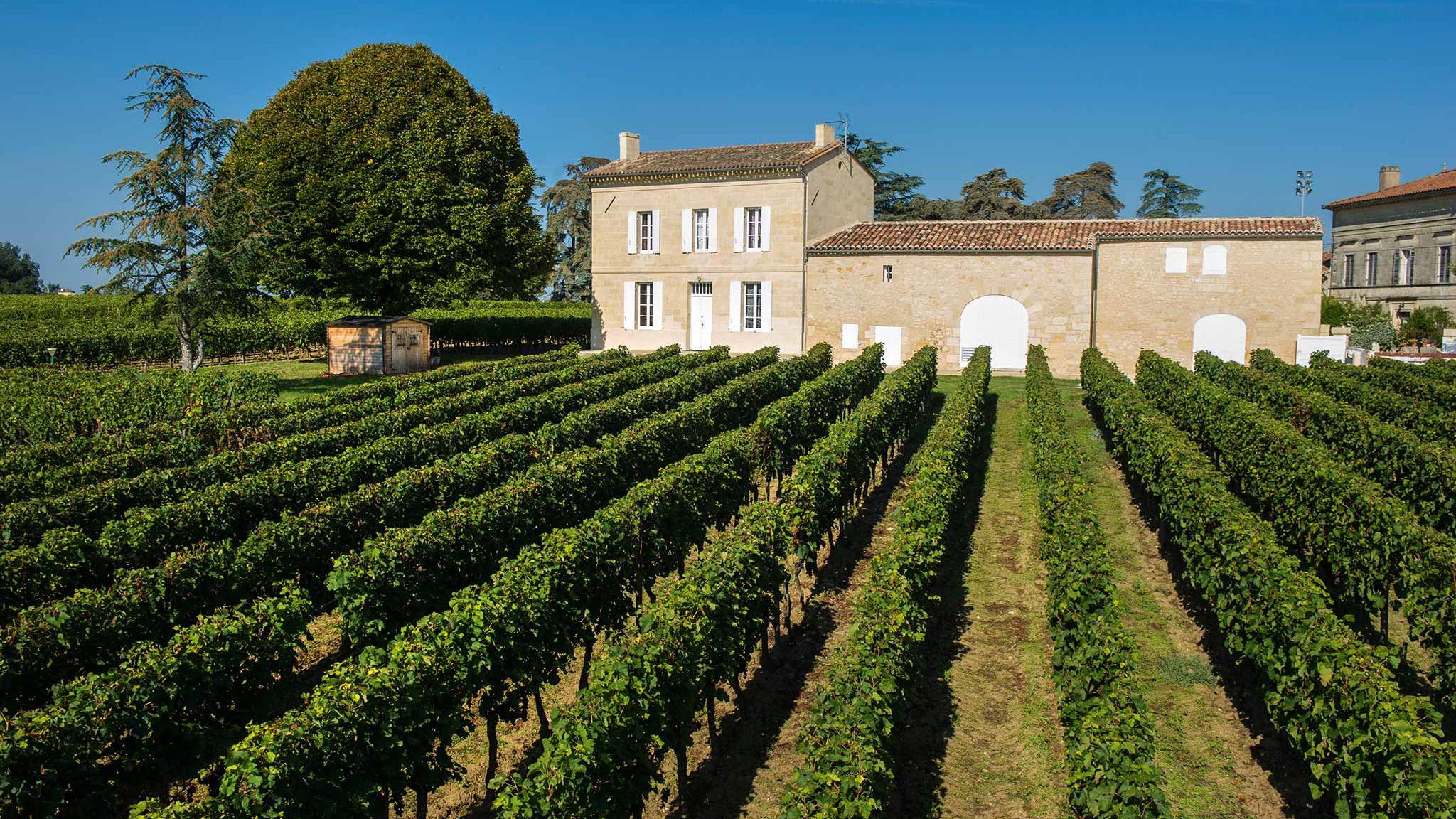
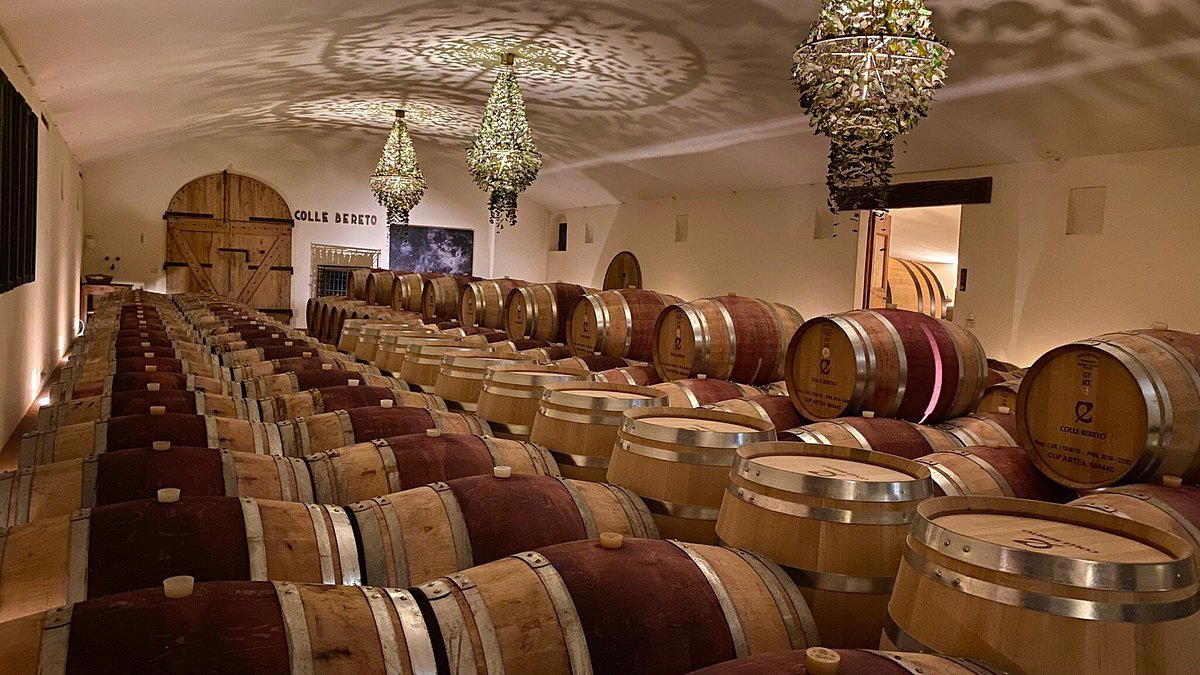
Historic century-old cellar vault tasting room in a renovated manor house, surrounded by patchwork vineyards on hillsides, offering a serene and elegant atmosphere.
Tags
Vibe
Best For
Experience
Sourcing
View
At the Vineyard
- Appellation
- Südsteiermark
- Varietals
- Sauvignon Blanc, Morillon, Weißburgunder, Grauburgunder, Gelber Muskateller
- Visits
- By reservation
- Farming
- Organic
- Wine Styles
- Still White
- Food Pairing
- Offered
- Wine Club
- Not available
Know before you go
Know Before You Go
- Getting there
- Steinbach 12, 8462 Gamlitz
Planning details
Location
Recognition and awards

Also consider
Good backups if you cannot make it work
Try Weingut Walter Skoff first if the priority is staying in Gamlitz and keeping the schedule workable. Try Familienweingut Sattlerhof if the group wants another established local name that can anchor the same wine day.
Winery context
How it compares with Gamlitz winery peers
Weingut Lackner-Tinnacher is the choice for a more focused, occasion-minded wine stop in Gamlitz. Weingut Walter Skoff is the easier cross-shop for readers who want another local producer to keep the day flexible, while Familienweingut Sattlerhof works well as a second Gamlitz anchor when the itinerary needs a broader safety net.
Weingut Gross, Familienweingut Tement, and Weingut Erwin Sabathi are better used as regional comparisons rather than same-town fallbacks. Choose them when the day is built around a wider South Styrian route instead of staying tightly around Gamlitz.
For value, the right move is not chasing the lowest spend; it is matching the stop to the group. Couples and serious wine drinkers should prioritize Weingut Lackner-Tinnacher. Mixed groups, first-time visitors, or anyone trying to reduce booking friction should keep Weingut Walter Skoff and Familienweingut Sattlerhof in play.
Explore Gamlitz
Around this place
Discover more on Pearl
Unlock the full Weingut Lackner-Tinnacher guide in Pearl, including awards, comparisons, FAQs, planning details, and nearby places.
Compare Weingut Lackner-Tinnacher
| Venue | Location | Awards |
|---|---|---|
| Weingut Lackner-Tinnacher | Gamlitz | 2026 Falstaff Winery Guide |
| Weingut Walter Skoff | Gamlitz | 2026 Falstaff Winery Guide |
| Familienweingut Sattlerhof | Gamlitz | 2026 Falstaff Winery Guide |
| Weingut Gross | Ehrenhausen | 2026 Falstaff Winery Guide |
| Familienweingut Tement | Ehrenhausen | 2026 Falstaff Winery Guide2025 World's 50 Best Vineyards · #822019 World's 50 Best Vineyards · #15 |
| Weingut Erwin Sabathi | Leutschach | 2026 Falstaff Winery Guide |

How Weingut Lackner-Tinnacher Gamlitz compares with similar nearby venues.
FAQ
Frequently Asked Questions
What is about Weingut Lackner-Tinnacher?
Weingut Lackner-Tinnacher is in Gamlitz, has a casual dress code, and has Pearl 2 Star Prestige (2025). Other practical details should be confirmed directly before you go.
How long should I plan for a visit to Weingut Lackner-Tinnacher?
If you are planning a Gamlitz day, leave enough flexibility in the schedule and confirm timing directly with the venue before committing the rest of the itinerary.
Do I need a reservation at Weingut Lackner-Tinnacher?
What should I wear to Weingut Lackner-Tinnacher?
When is the best time to visit Weingut Lackner-Tinnacher?
Plan the rest of your Gamlitz itinerary around confirmed information.