
González Byass (Tío Pepe)
Old Town, Jerez
Winery in Jerez, Spain
 Book with Pearl
The Read
Solera-Aged Sherry at Source
Price
$20–30tasting
Why go
González Byass (Tío Pepe) is the Jerez bodega to prioritize when the trip needs a high-recognition sherry anchor rather than a casual tasting stop. It is a stronger fit for planned itineraries, repeat visitors, and mixed-knowledge groups than for anyone trying to improvise a quick visit between meals.
About González Byass (Tío Pepe)
Choose González Byass (Tío Pepe) if the goal is to place a clearly identified Jerez venue at the center of the day. The venue is in Jerez, the dress code is smart casual, and it carries Pearl 3 Star Prestige (2025) recognition as well as a World's 50 Best Vineyards #9 ranking from 2021.
Because public details are concise, plan conservatively. Treat González Byass (Tío Pepe) as a priority stop in Jerez, leave enough time around the visit, and confirm practical details directly before building the rest of the day around it.
Use it as a Jerez benchmark
For a Jerez itinerary, González Byass (Tío Pepe) works well as a central reference point rather than an incidental add-on. Its recognition gives it a clear reason to sit high on the list for travelers comparing notable venues in the city.
For planning, pair it with the broader city rather than treating it as an isolated appointment. Keep the day flexible, and use other Jerez dining and experiences to shape the schedule around the visit without making assumptions about format, timing, or services.
Who should prioritize it on a second Jerez trip
Regular visitors to Jerez should prioritize González Byass (Tío Pepe) when they want a prominent, recognized reference point in the city. The smart-casual dress code makes the tone clear enough for planning, while its Pearl 3 Star Prestige (2025) and World's 50 Best Vineyards #9 (2021) recognition support its place on a premium itinerary.
If the group is comparing notable names, keep the comparison focused on notable options such as Bodegas Barbadillo, Bodegas Tradición, Lustau, Valdespino, and Williams & Humbert. González Byass (Tío Pepe) is worth prioritizing when the trip needs a central Jerez reference rather than another marginal stop.
Planning details
- Location
- C. Manuel María González, 12, 11403 Jerez de la Frontera, Cádiz
- Website
- tiopepe.com
- Phone
- +34 956 35 70 16
The take
The Take
The Vibe
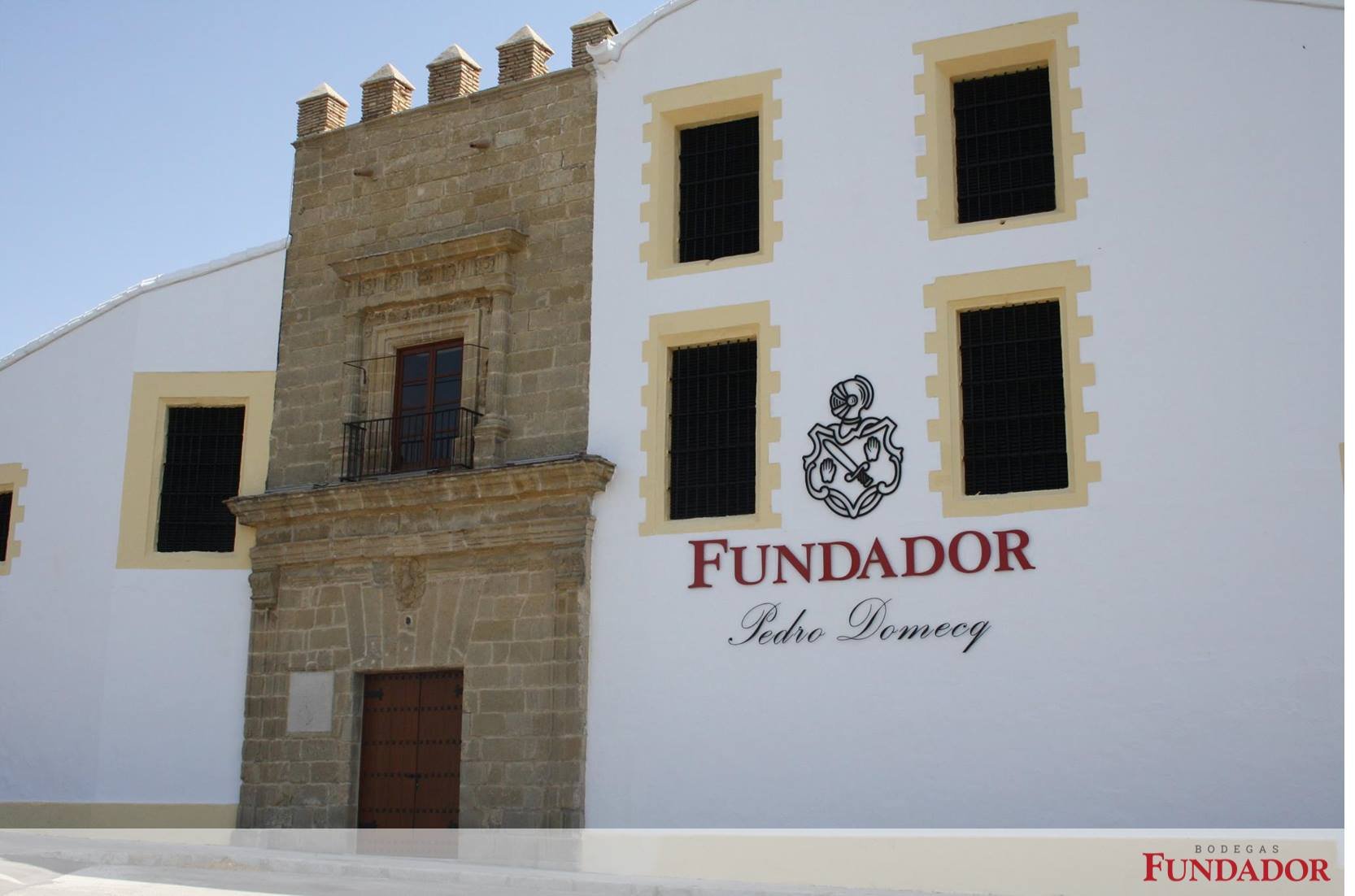
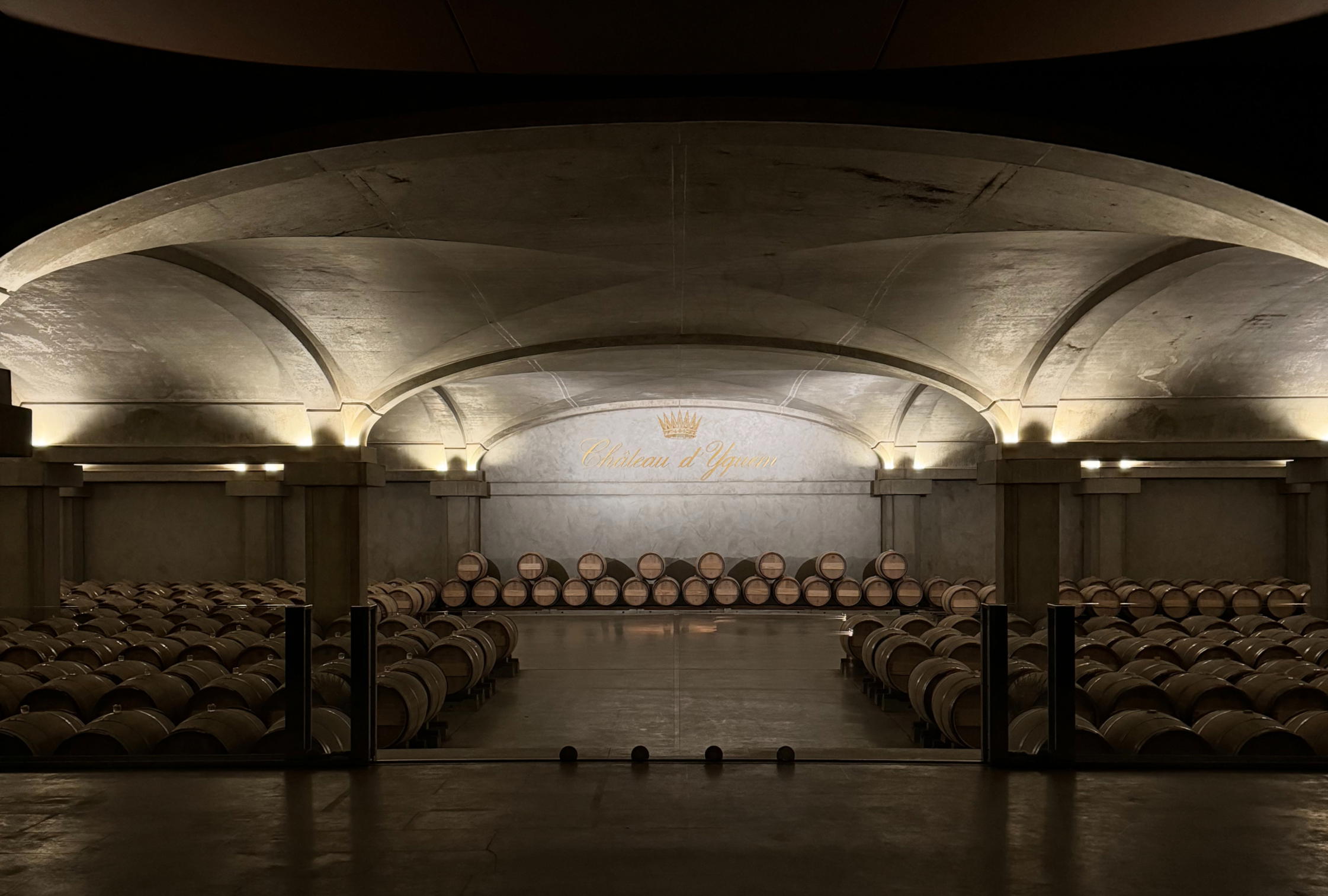
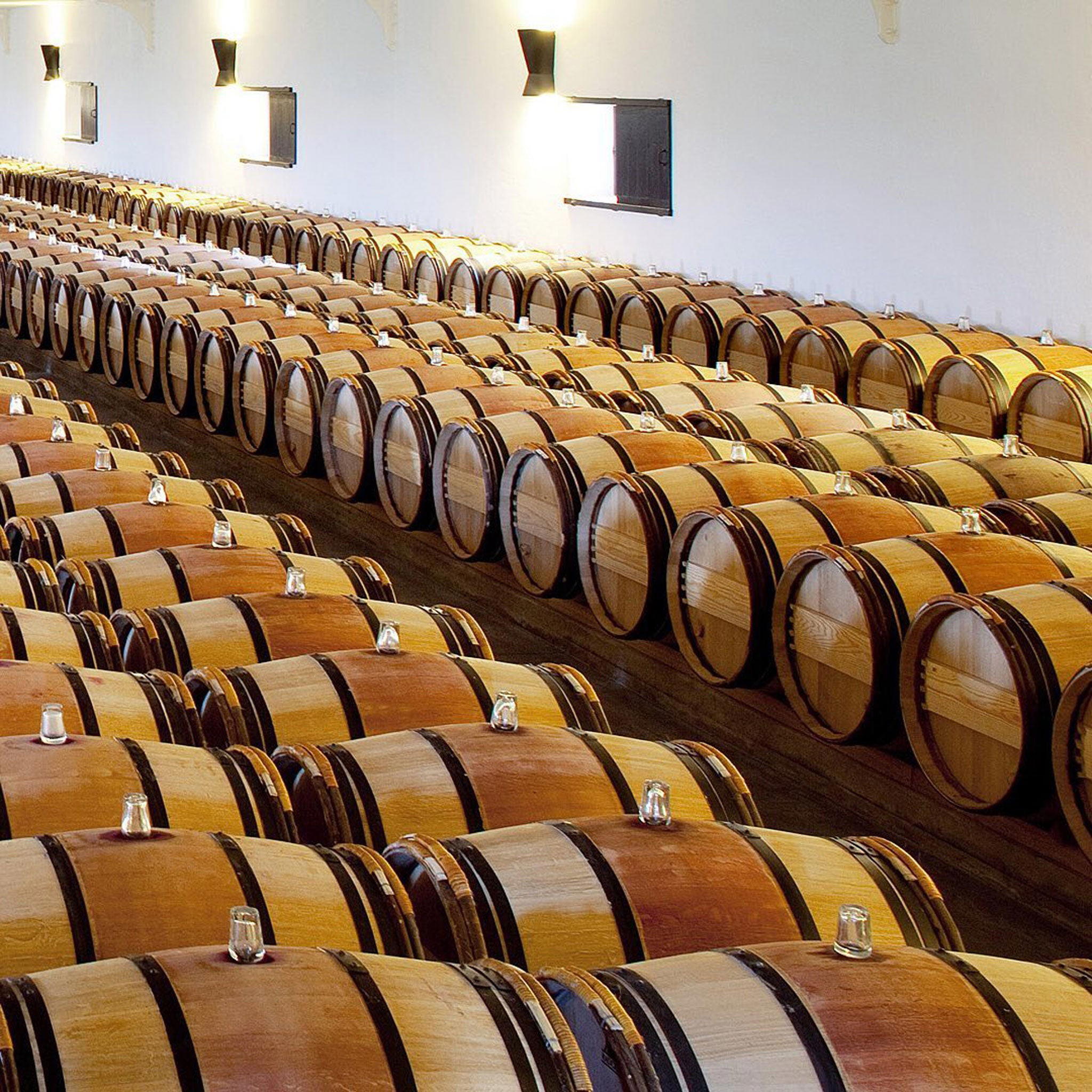
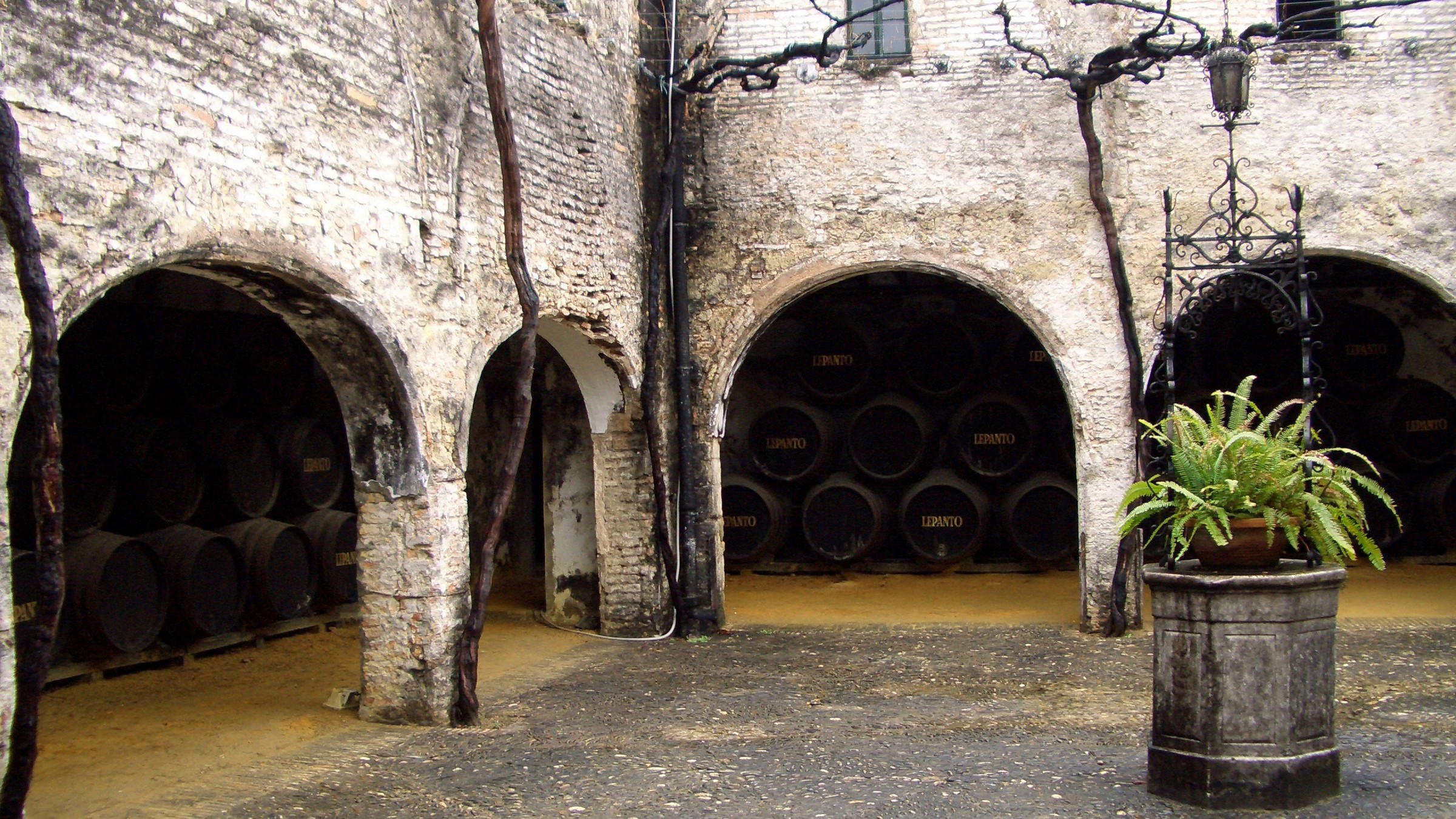
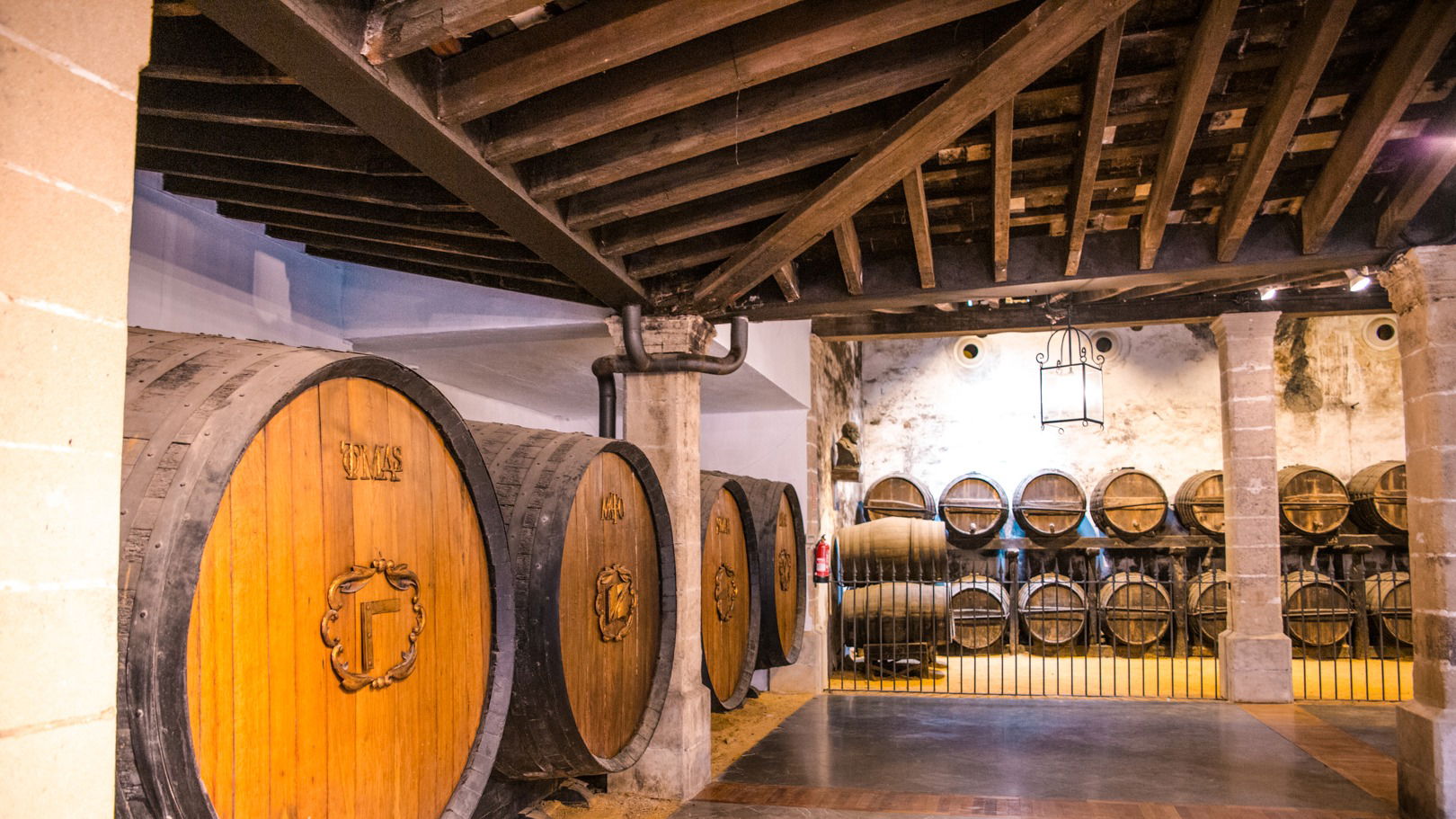
González Byass (Tío Pepe) reads as architecture first and winery second: nineteenth-century soleras, cathedral-scale ageing halls and whitewashed workers’ cottages form a compound that announces its history before the tasting begins. The estate’s continuity — a working bodega that has shaped local production for nearly two centuries — gives the place a quietly magnetic character. Terroir talk is literal here: albariza soils, Poniente and Levante winds, and the biology of flor are central to the story, so the visitor experiences a place where landscape, technique and long-form production feel inseparable from the buildings that house them.
Best For
This venue is best for visitors who want to go deep on sherry: students of terroir, groups interested in winemaking history, and anyone drawn to the material culture of ageing wine. The text positions González Byass as both a historical monument and a working bodega, making it a destination for guided learning and collective visits rather than casual drop-ins. Located in Old Town Jerez de la Frontera, the estate’s compound and hotel-adjacent buildings also make it a natural stop for organized outings that prioritize education and context.
Tasting Tips
When tasting at González Byass focus on the region’s signature expressions: seek out fino (the Tío Pepe benchmark is highlighted in the text) and pay attention to the effects of albariza and flor. The description frames fino as a product of biological and oxidative ageing, so approach pours with an eye to texture and the influence of the solera system and cellar conditions. Prioritize wines that the narrative links to the estate’s long-standing solera practice to understand how place and process shape flavor.
Venue details
Ambiance
Shaded cellars filled with aromas of soleras, wood, and grapevines; serene gardens and cobblestone streets with light filtering through shutters, creating a peaceful and timeless atmosphere.
Tags
Vibe
Best For
Experience
View
At the Vineyard
- Appellation
- Jerez-Xérès-Sherry
- Varietals
- Palomino Fino, Pedro Ximenez
- Tour Duration
- 90-120 minutes
- Tour Languages
- English, Spanish, German
- Visits
- By reservation
- Wine Styles
- Fortified
- Food Pairing
- Offered
- Wine Club
- Not available
Know before you go
Know Before You Go
- Getting there
- C. Manuel María González, 12, 11403 Jerez de la Frontera, Cádiz
Planning details
Location
C. Manuel María González, 12, 11403 Jerez de la Frontera, Cádiz · Directions

Also consider
Also Consider
- Bodegas Tradición, Notable alternative
- Lustau, Notable alternative
- Williams & Humbert, Notable alternative
- Valdespino, Notable alternative
- Bodegas Barbadillo, Notable alternative
Winery context
How it compares in Jerez
Choose González Byass (Tío Pepe) when the priority is a central, high-demand Jerez reference point. Bodegas Tradición is the better cross-shop for visitors who want a more specialist, collection-led feel, while Lustau makes sense for drinkers who want another major sherry name with a slightly different lens on the category.
Williams & Humbert is the practical alternative if group scale matters more than intimacy, while Valdespino is the smarter comparison for visitors who already know sherry and want to go deeper rather than broader. If the itinerary can stretch beyond Jerez, Bodegas Barbadillo gives a coastal counterpoint in Sanlúcar de Barrameda.
For value, the right move is not to chase the cheapest slot; it is to avoid booking two similar big-name visits on the same day. Pair González Byass (Tío Pepe) with Bodegas Tradición or Valdespino for contrast, or with Bodegas Barbadillo if the day is built around comparing Jerez and Sanlúcar rather than staying in one lane.
Explore Jerez
Around this place
Discover more on Pearl
Unlock the full González Byass (Tío Pepe) guide in Pearl, including awards, comparisons, FAQs, planning details, and nearby places.
Compare González Byass (Tío Pepe)
| Venue | Location | Awards |
|---|---|---|
| González Byass (Tío Pepe) | Jerez | 2025 World's 50 Best Vineyards · #212024 World's 50 Best Vineyards · #342023 World's 50 Best Vineyards · #212022 World's 50 Best Vineyards · #62021 World's 50 Best Vineyards · #92020 World's 50 Best Vineyards · #18 |
| Bodegas Tradición | Jerez de la Frontera | 2026 Falstaff Winery Guide |
| Lustau | Jerez de la Frontera | 2026 Falstaff Winery Guide |
| Williams & Humbert | Jerez de la Frontera | 2026 Falstaff Winery Guide |
| Valdespino | Jerez de la Frontera | 2026 Falstaff Winery Guide |
| Bodegas Barbadillo | Sanlúcar de Barrameda | 2026 Falstaff Winery Guide |

How González Byass (Tío Pepe) Jerez compares with similar nearby venues.
FAQ
Frequently Asked Questions
How long should I plan for a visit to González Byass (Tío Pepe)?
A visit length is not specified. Plan enough time for a considered stop in Jerez and confirm timing directly before arranging the rest of the day.
When is the best time to visit González Byass (Tío Pepe)?
The best time of day to visit is not specified. If González Byass (Tío Pepe) is a priority, build the Jerez schedule around practical details and keep the rest of the day flexible.
Can González Byass (Tío Pepe) handle large groups?
What should I ask González Byass (Tío Pepe) before visiting?
Because practical details are limited, ask the venue directly about timing, availability, and any visit-specific requirements. For another notable comparison, Bodegas Tradición may be useful to consider as part of a broader Jerez itinerary.
Do I need a reservation at González Byass (Tío Pepe)?
Reservation requirements are not specified. Because González Byass (Tío Pepe) has Pearl 3 Star Prestige (2025) recognition and was ranked World's 50 Best Vineyards #9 in 2021, planning ahead is the safer approach.
What should I compare González Byass (Tío Pepe) with in Jerez?
For a broader comparison, consider notable names such as Lustau, Valdespino, Williams & Humbert, and Bodegas Tradición. Bodegas Barbadillo is another relevant regional comparison.