



Bodegas Muga
Barrio de la Estación, Haro
Winery in Haro, Spain
 Book with Pearl
The Read
Oak-Aged Rioja Tradition
Why go
Bodegas Muga is a winery on Avenida Vizcaya in Haro, Rioja.
About Bodegas Muga
Is Bodegas Muga worth planning a Haro stop around? Yes, if the goal is to prioritise a Haro name with strong external recognition rather than choose randomly among Haro options. The key signals are Pearl 4 Star Prestige (2025) and World's 50 Best Vineyards #23 (2024). The venue also calls for a polished visit, with a smart casual dress code.
The case for Bodegas Muga is direct: it is in Haro, it carries clear recognition, and it fits a trip focused on notable local venues. The dress code is smart casual, so it is sensible to treat the visit as a polished stop rather than an entirely casual one.
Plan it as a focused Haro day, not an overpacked checklist
For logistics, keep the location simple: Bodegas Muga is in Haro. The useful decision is not whether it belongs on a Haro itinerary, but what kind of day you want around it. López de Heredia (Viña Tondonia), La Rioja Alta, Bodegas Roda, CVNE (Cune), and Ramón Bilbao are natural names to compare when shaping a Haro-focused plan.
The safer approach is to avoid stacking too many stops without confirming details directly. Moving between venues, checking in, and leaving enough time between plans can take longer than expected. If you are adding meals or an overnight stay, use our full Haro restaurants guide, our full Haro hotels guide, and broader Haro planning resources so the day stays realistic.
Who should prioritise it, and who should cross-shop first
Prioritise Bodegas Muga if the trip is built around recognised Haro venues and you want a stop with confirmed prestige markers. Cross-shop first if your decision depends on specific details such as visit format, food, group handling, or a particular itinerary structure. In that case, compare Bodegas Muga with Ramón Bilbao, Bodegas Roda, CVNE (Cune), La Rioja Alta, or López de Heredia (Viña Tondonia) before committing.
For regular travellers, the value is strongest when Bodegas Muga is treated as one important Haro stop rather than as proof that every practical detail is settled. Visitors extending the trip can add other Haro dining, hotel, and experience planning around it. This is a high-priority Haro name for travellers who care about recognition and are comfortable confirming operational details directly.
Planning details
- Location
- Av. Vizcaya, 2, 26200 Haro, La Rioja
- Website
- bodegasmuga.com
- Phone
- +34 941 30 60 60
The take
The Take
The Vibe
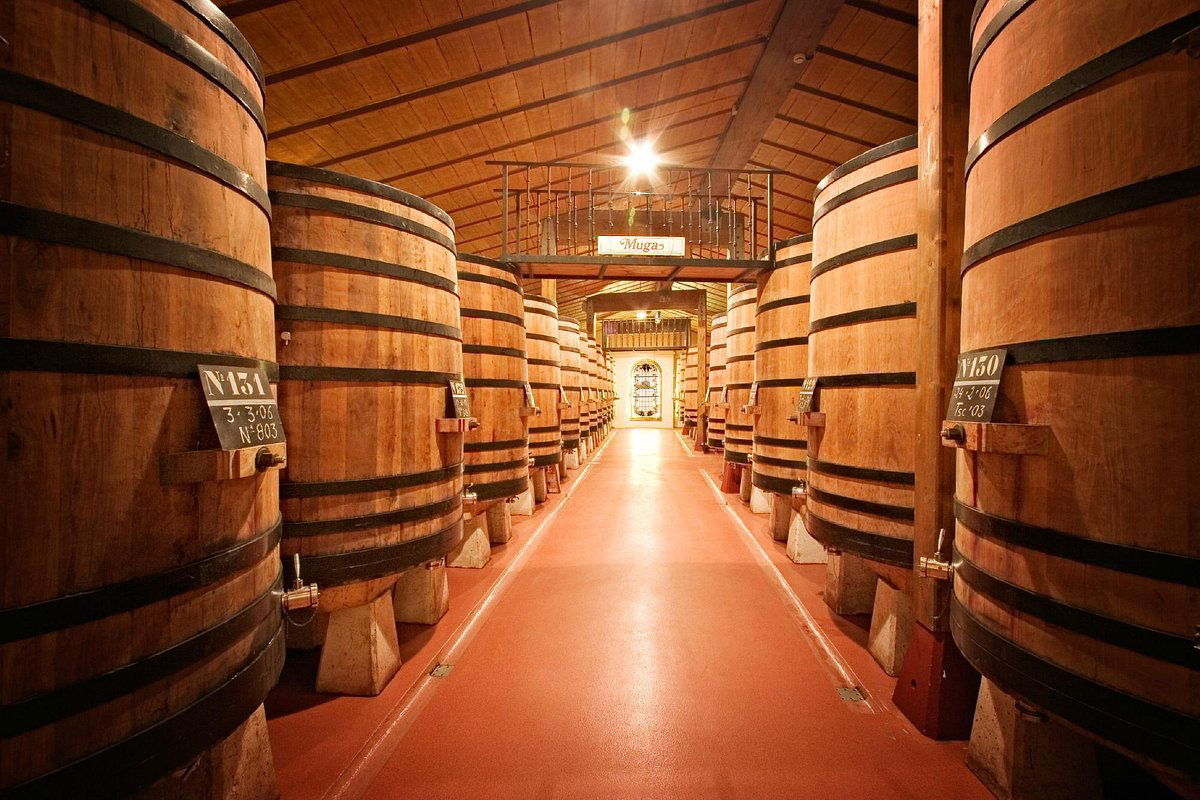
Bodegas Muga reads like a physical history of Rioja: stone facades, barrel-stacked courtyards and generations of family stewardship give the place a layered, reverent presence. The writing emphasizes continuity—operation from the same address since 1932—and the faint sweetness of oak in the air reinforces the sensory imprint of traditional Rioja aging. Visitors encounter architecture and craft together; the estate’s reputation within Haro’s Station Quarter positions it as both culturally significant and quietly refined, a winery where provenance and patience shape the atmosphere as much as the wines.
Best For
Muga is best for anyone seeking a deeper understanding of Rioja’s traditional methods: it suits wine-education visits where the focus is on extended oak and bottle aging and on lineage. The bodega’s long-running presence and evocative buildings also make it appropriate for special-occasion visits that favor gravitas over flash. Because the tasting experience is embedded in the Station Quarter—a compact cluster of historic producers—the site naturally fits group outings or comparative walks that pair well with tasting multiple neighboring bodegas.
Tasting Tips
When tasting here, orient yourself to Rioja’s time-based identity: prioritize wines that show extended oak and bottle aging, since the text highlights those practices as central to the region. Pay attention to aromas of oak and the deeper, aged expressions that reflect multi-generational production. Allow for time to experience the setting—the courtyard and barrel presence are part of the story—and approach flights or tastings with a focus on how ageing and traditional methods shape each wine’s profile.
Venue details
Ambiance
Historic, family-run atmosphere in a 200-year-old building with the scent of oak from vast barrel rooms and cooperage, evoking timeless tradition and craftsmanship.
Tags
Vibe
Best For
Experience
View
At the Vineyard
- Appellation
- Rioja
- Varietals
- Tempranillo, Garnacha, Graciano, Mazuelo, Viura
- Tour Duration
- 60-90 minutes
- Tour Languages
- English, Spanish
- Visits
- By appointment only
- Wine Styles
- Still Red, Still White, Still Rose, Sparkling
- Wine Club
- Not available
Know before you go
Know Before You Go
- Getting there
- Av. Vizcaya, 2, 26200 Haro, La Rioja
Planning details
Location
Recognition and awards


Also consider
Also Consider
- López de Heredia (Viña Tondonia), Notable alternative
- La Rioja Alta, Notable alternative
- CVNE (Cune), Notable alternative
- Bodegas Roda, Notable alternative
- Ramón Bilbao, Notable alternative
Winery context
How it compares in Haro
Bodegas Muga is the practical pick for travellers who want a polished, serious Rioja stop without turning the day into a tasting marathon. López de Heredia (Viña Tondonia) is the stronger choice for visitors chasing old-school Rioja atmosphere, while La Rioja Alta sits closest in classic Haro appeal. If the group has time for only one appointment, choose based on the style of day: Muga for a balanced, prestige-led visit; López de Heredia for a deeper heritage cue; La Rioja Alta for another traditional benchmark.
CVNE (Cune) is a sensible cross-shop for travellers who want another historic Haro name, while Bodegas Roda is the sharper contrast if the itinerary needs a more contemporary Rioja perspective. Ramón Bilbao is the one to compare for a broader, more accessible visitor plan, especially if the group is less wine-technical.
For booking strategy, do not try to force all five into one day. Pair Muga with either López de Heredia or La Rioja Alta for a classic Haro day, or with Bodegas Roda for contrast. That two-stop structure gives better value than rushing between appointments, and it leaves enough time for lunch or a hotel break in Haro.
Around this place
Discover more on Pearl
Unlock the full Bodegas Muga guide in Pearl, including awards, comparisons, FAQs, planning details, and nearby places.
Compare Bodegas Muga
| Venue | Location | Awards |
|---|---|---|
| Bodegas Muga | Haro | 2026 Falstaff Winery Guide2025 World's 50 Best Vineyards · #532024 World's 50 Best Vineyards · #232023 World's 50 Best Vineyards · #49 |
| López de Heredia (Viña Tondonia) | Haro | 2026 Falstaff Winery Guide2019 World's 50 Best Vineyards · #3 |
| La Rioja Alta | Haro | 2026 Falstaff Winery Guide |
| CVNE (Cune) | Haro | No published awards |
| Bodegas Roda | Haro | 2026 Falstaff Winery Guide |
| Ramón Bilbao | Haro | 2026 Falstaff Winery Guide |
How Bodegas Muga Haro compares with similar nearby venues.
FAQ
Frequently Asked Questions
What recognition does Bodegas Muga have?
The key signals are Pearl 4 Star Prestige (2025) and World's 50 Best Vineyards #23 (2024).
Do I need a reservation at Bodegas Muga?
Reservation requirements should be confirmed directly. Because Bodegas Muga is a recognised Haro venue, it is sensible to confirm visit details before planning the rest of your day.
What should I wear to Bodegas Muga?
Does Bodegas Muga serve food?
Food service details should be confirmed directly. Do not plan Bodegas Muga as a meal stop unless the venue directly confirms that the visit you are booking includes food.
When is the best time to visit Bodegas Muga?
Specific hours and seasonal timing should be confirmed directly. Plan enough time around the visit, keep the dress code smart casual, and confirm current details before finalising a Haro itinerary.