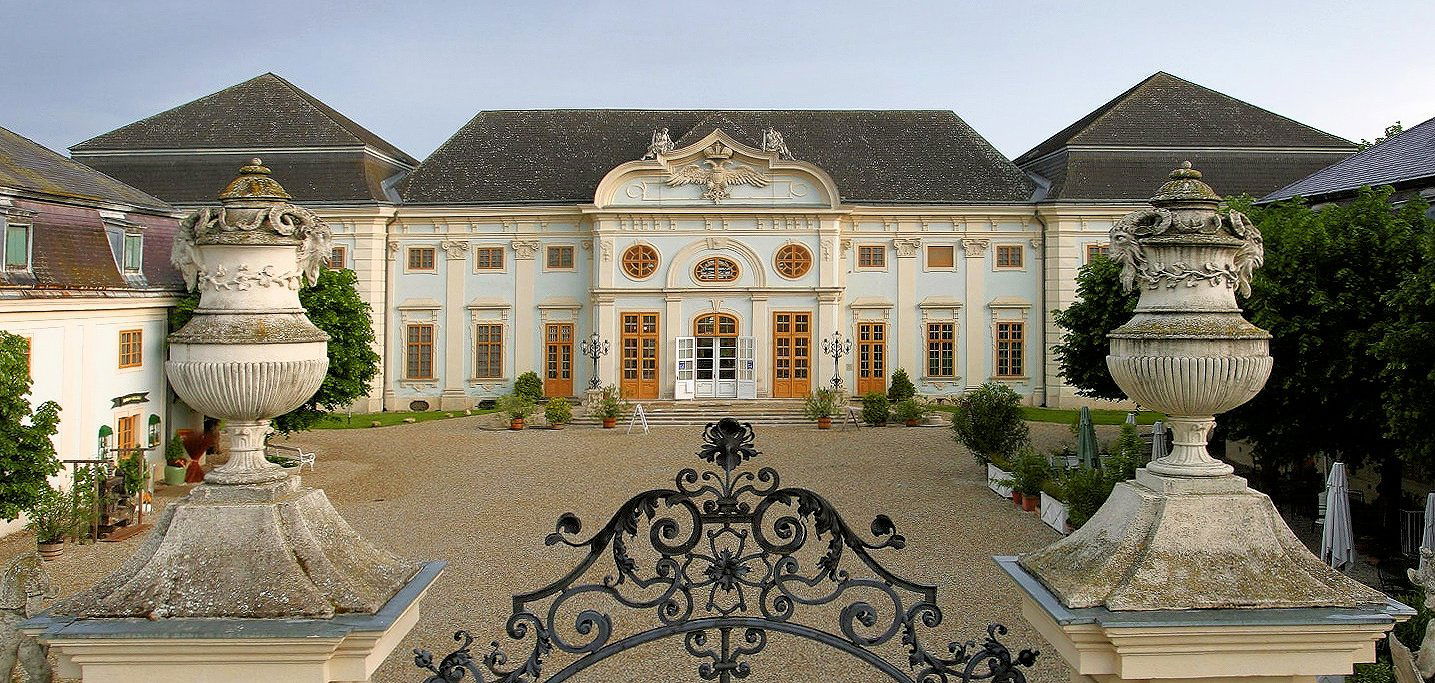
Schloss Halbturn Winery
Halbturn
Winery in Halbturn, Austria
 Book with Pearl
The Read
Pannonian Estate Viticulture
Why go
Schloss Halbturn Winery is the right pick if the draw is a Halbturn winery with a formal estate setting, not a guaranteed flagship-bottle hunt. First-timers should confirm tasting, shipping, food, and group options before anchoring a full day around it, and should cross-shop nearby Gols producers if comparative tasting is the priority.
About Schloss Halbturn Winery
Use a simple test for a first visit: make Schloss Halbturn Winery a planned stop in Halbturn only if you are specifically interested in this venue, and keep a backup option for the same day. Confirm current visitor arrangements directly before building an itinerary around it.
Schloss Halbturn Winery is worth considering if the goal is a winery stop in Halbturn with Pearl 2 Star Prestige recognition for 2025. It is not the right choice if you need advance certainty on a named flagship bottle, a food program, specific prices, opening hours, shipping, or a clearly published visitor format. Dress smart casual, confirm the current options in advance, and decide whether it fits your route once the practical details are clear.
Choose it for the venue recognition, not a guaranteed bottle checklist
For a first-timer, the smart expectation is focused: this is a Halbturn winery with Pearl 2 Star Prestige recognition in 2025. Check tasting formats, menus, bottle lists, and purchasing arrangements directly before planning around them. If the priority is comparing multiple producers, consider regional alternatives such as Weingut Anita und Hans Nittnaus, Weingut Gernot und Heike Heinrich, Weingut Keringer, Weingut Paul Achs, or Weingut Pöckl as part of your wider planning.
The bottle question needs discipline. Without a named flagship wine to plan around, do not build the visit around a single cuvée or assume shipping, allocation, or cellar-door availability. Ask what is currently available, then decide on the spot whether the visit fits your plans. That is especially important for travelers who are building a wider route through Halbturn and regional wine destinations.
How to fit it into a Halbturn day
Keep the visit narrow and practical. Pair it with broader Halbturn research rather than overbuilding the itinerary around one stop. The most useful preparation is direct confirmation of current visit options, timing, group suitability, and any purchase arrangements.
For a broader wine-focused day, compare Schloss Halbturn Winery with other regional names such as Weingut Anita und Hans Nittnaus, Weingut Gernot und Heike Heinrich, Weingut Keringer, Weingut Paul Achs, and Weingut Pöckl. Treat each as a separate planning option, and check practical details with the venue before committing your schedule.
Planning details
- Location
- Im Schloß 3, 7131 Halbturn
- Website
- weingut-schlosshalbturn.com
- Phone
- +43 2172 201620
The take
The Take
The Vibe
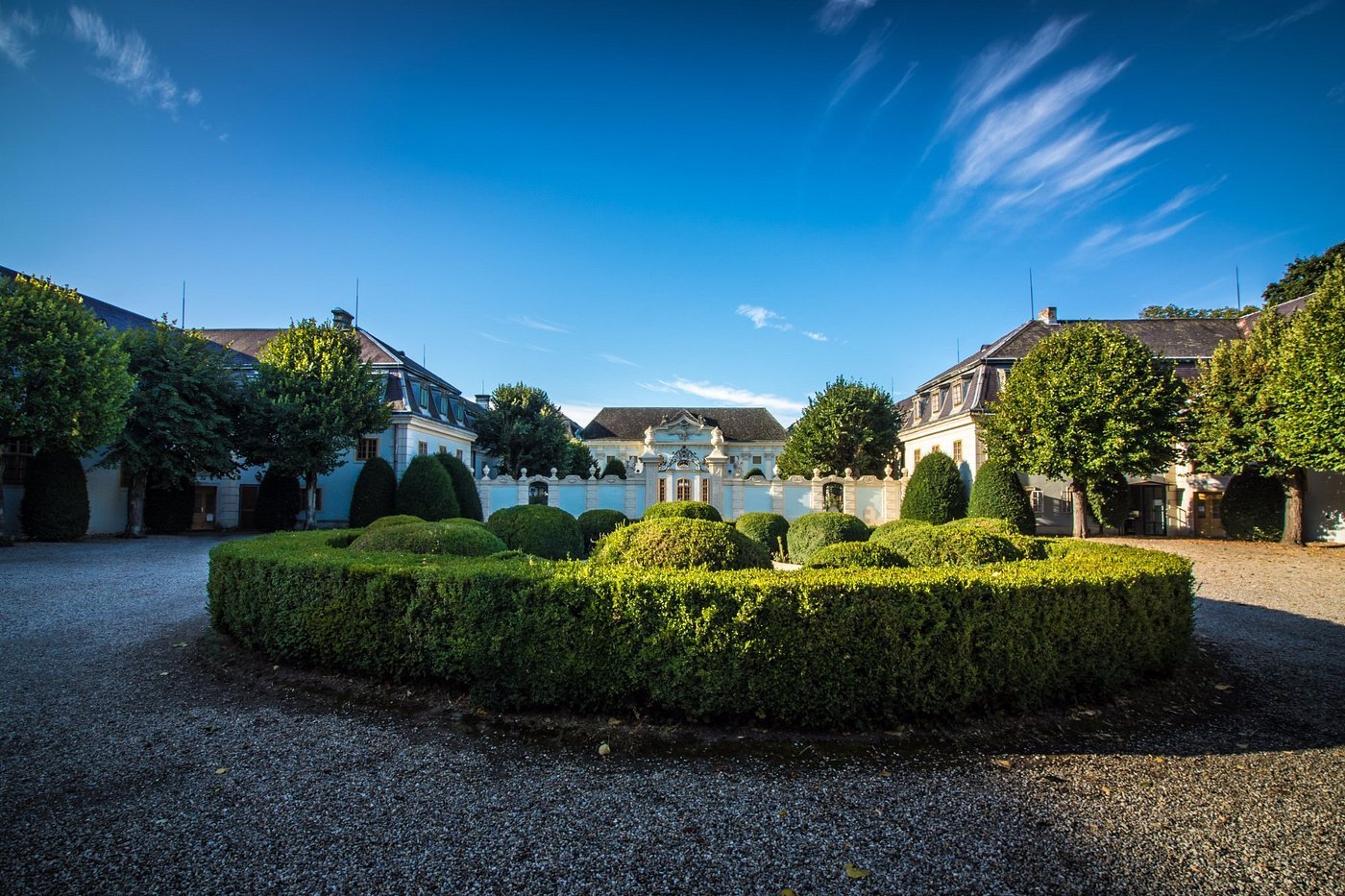
Schloss Halbturn reads like an architectural punctuation on the flat Pannonian plain: a Baroque château anchoring vineyards and production on a single landed estate. The writing emphasizes the interplay of heritage stone and open agricultural light, producing a composed, historically resonant atmosphere rather than overt opulence. The surrounding low horizon, reed-fringed lake nearby and steady summer heat give the site a quietly measured character—well suited to slow, attentive visits among vines and classical architecture.
Best For
This estate is best for guests who want to pair wine learning with an atmospheric setting. The description foregrounds regional climate dynamics—the Neusiedlersee’s thermal moderation and the Pannonian summer heat—so the property naturally suits tastings that explore terroir-driven reds and botrytised sweet wines. The château and estate grounds also make the winery an attractive choice for special occasions that value historic presence and a sense of place: think small celebrations, focused wine-study visits, and events that benefit from garden- or estate-centred backdrops.
Tasting Tips
When tasting at Schloss Halbturn, prioritize wines that reflect the Pannonian influence the text highlights: concentrated red wines and late-harvest or botrytised sweet wines. Ask staff about the local soils—loam, sandy deposits and loess—and how those plots influence ripeness and flavor profiles. Since the property includes a tasting room attached to the production facilities, request guided explanations of vinification and vintage variation to understand how the Neusiedlersee’s thermal buffering extends ripening and shapes the house style.
Venue details
Ambiance
Elegant and sophisticated atmosphere reflecting the historic Baroque palace setting with a focus on refined, matured wines.
Tags
Vibe
Best For
Experience
View
At the Vineyard
- Appellation
- Neusiedlersee
- Varietals
- Pinot Noir, Blaufränkisch, Sankt Laurent, Zweigelt, Merlot
- Tour Duration
- 60-90 minutes
- Tour Languages
- English
- Visits
- By reservation
- Wine Styles
- Still Red, Still White
- Wine Club
- Not available
Know before you go
Know Before You Go
- Getting there
- Im Schloß 3, 7131 Halbturn
Planning details
Location
Also consider
Where to look if this does not fit the plan
Try Weingut Keringer if the goal is a practical wine-buying stop with less emphasis on estate atmosphere. Try Weingut Gernot und Heike Heinrich if the trip is built around a broader Burgenland producer shortlist.
Winery context
How it compares with nearby Burgenland wineries
Choose Schloss Halbturn Winery when the setting matters and Halbturn is already on the route. For a more producer-comparison-driven day, Weingut Pöckl, Weingut Keringer, Weingut Gernot und Heike Heinrich, Weingut Anita und Hans Nittnaus, and Weingut Paul Achs are better cross-shops because the decision is more clearly about producer style and bottle buying.
On value, do not assume Schloss Halbturn Winery wins unless the visit format and bottle availability line up with the trip. Weingut Keringer and Weingut Paul Achs are the safer alternatives for travelers who want the day to revolve around tasting and purchasing rather than estate atmosphere.
For ambience, Schloss Halbturn Winery is the more formal choice. For a wine-first itinerary, put Weingut Gernot und Heike Heinrich or Weingut Anita und Hans Nittnaus on the backup list, especially if appointment access or group handling becomes the deciding factor.
Explore Halbturn
Around this place
Discover more on Pearl
Unlock the full Schloss Halbturn Winery guide in Pearl, including awards, comparisons, FAQs, planning details, and nearby places.
Compare Schloss Halbturn Winery
| Venue | Location | Awards |
|---|---|---|
| Schloss Halbturn Winery | Halbturn | No published awards |
| Weingut Pöckl | Mönchhof | 2026 Falstaff Winery Guide |
| Weingut Keringer | Mönchhof | 2026 Falstaff Winery Guide |
| Weingut Gernot und Heike Heinrich | Gols | 2026 Falstaff Winery Guide |
| Weingut Anita und Hans Nittnaus | Gols | 2026 Falstaff Winery Guide |
| Weingut Paul Achs | Gols | 2026 Falstaff Winery Guide |

How Schloss Halbturn Winery in Halbturn compares with similar nearby venues.
FAQ
Frequently Asked Questions
When is the best time to visit Schloss Halbturn Winery?
Go when you can treat it as a focused Halbturn stop rather than a rushed add-on. Schloss Halbturn Winery has Pearl 2 Star Prestige recognition for 2025 and a smart casual dress code; confirm timing directly before you go.
Does Schloss Halbturn Winery ship wine?
Do not plan on shipping as the main reason to go. Ask the venue directly about current shipping options before relying on them.
What is the flagship wine at Schloss Halbturn Winery?
Do not expect a named flagship bottle to guide the visit. Plan around Schloss Halbturn Winery’s Halbturn setting and Pearl 2 Star Prestige recognition for 2025 rather than a specific flagship wine.
Is the wine club at Schloss Halbturn Winery worth joining?
Do not make a wine club the reason to visit unless the venue outlines membership, pricing, and policy for you directly. If membership is important to you, treat it as a follow-up question for the venue rather than a reason to plan the visit.
Can Schloss Halbturn Winery handle large groups?
Does Schloss Halbturn Winery serve food?
Do not count on a food program unless the venue confirms it directly. Plan the visit as a winery stop in Halbturn with Pearl 2 Star Prestige recognition for 2025 and a smart casual dress code, not as a guaranteed restaurant-style meal.