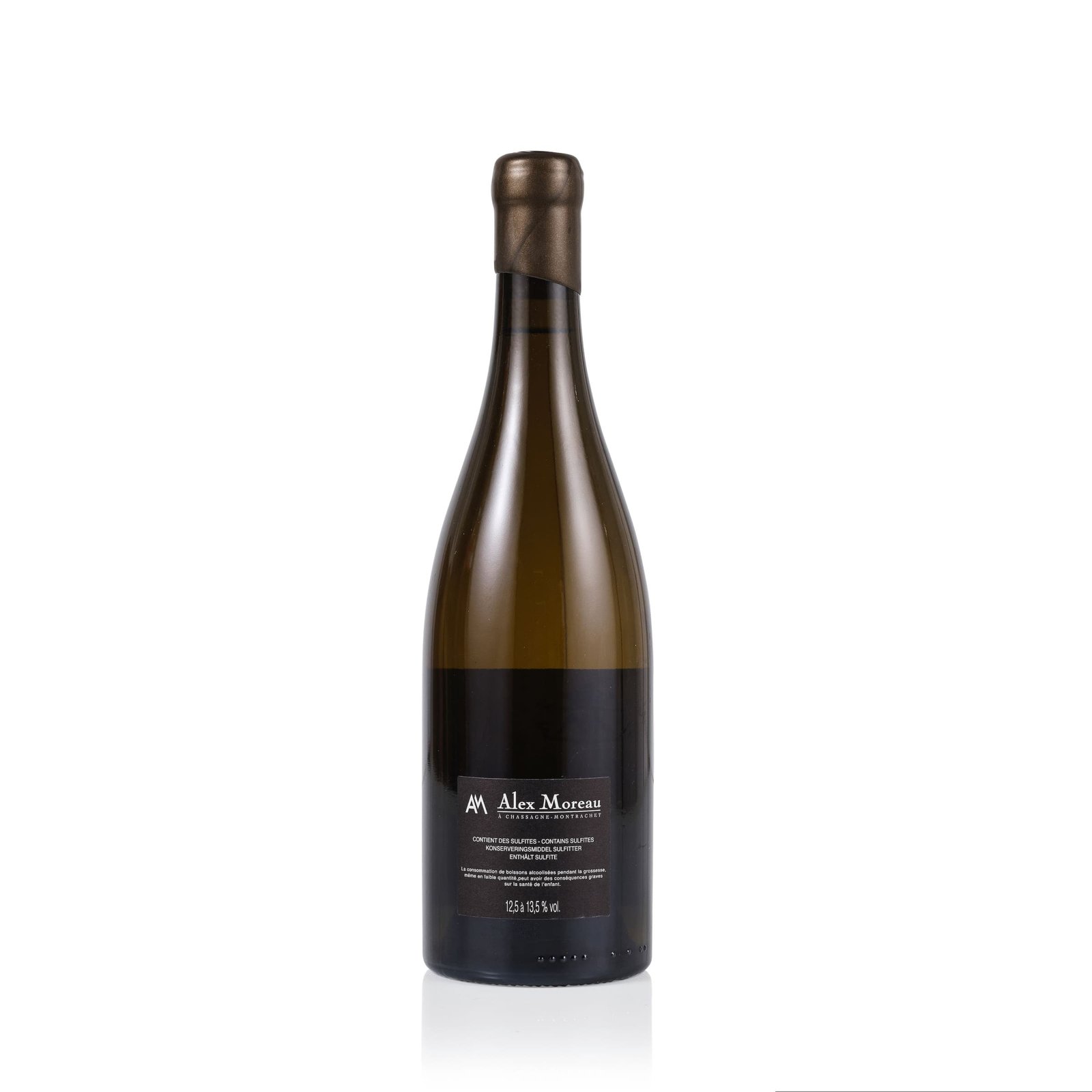

Domaine Alex Moreau
Chassagne-Montrachet
Winery in Chassagne-Montrachet, France
 Book with Pearl
The Read
Terroir-Anchored Burgundy
Why go
Domaine Alex Moreau is worth pursuing for a serious Chassagne-Montrachet wine occasion, especially for Burgundy-focused collectors. It is a high-effort target, so build backup plans nearby and avoid making it the only anchor for a large or casual group.
About Domaine Alex Moreau
Domaine Alex Moreau is a premium venue in Chassagne-Montrachet with Pearl 2 Star Prestige recognition for 2025. It is best approached as a place to plan carefully rather than a casual stop.
The clearest details are its Chassagne-Montrachet location, smart casual dress code, and 2025 Pearl 2 Star Prestige recognition.
A Chassagne-Montrachet choice to plan with care
For travelers comparing premium options in Chassagne-Montrachet, Domaine Alex Moreau belongs on a focused shortlist. The safest planning approach is to confirm current arrangements directly before building an itinerary around it.
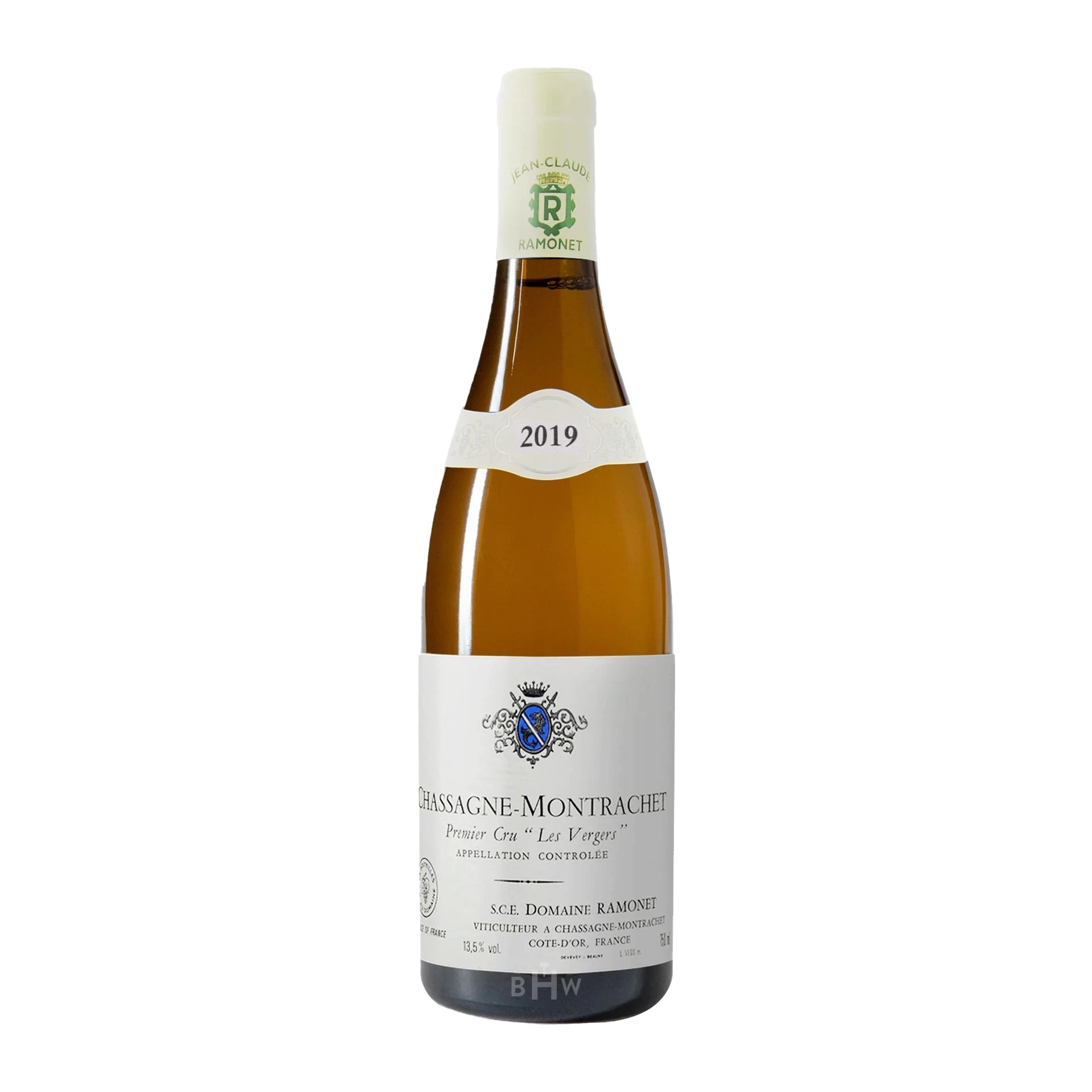
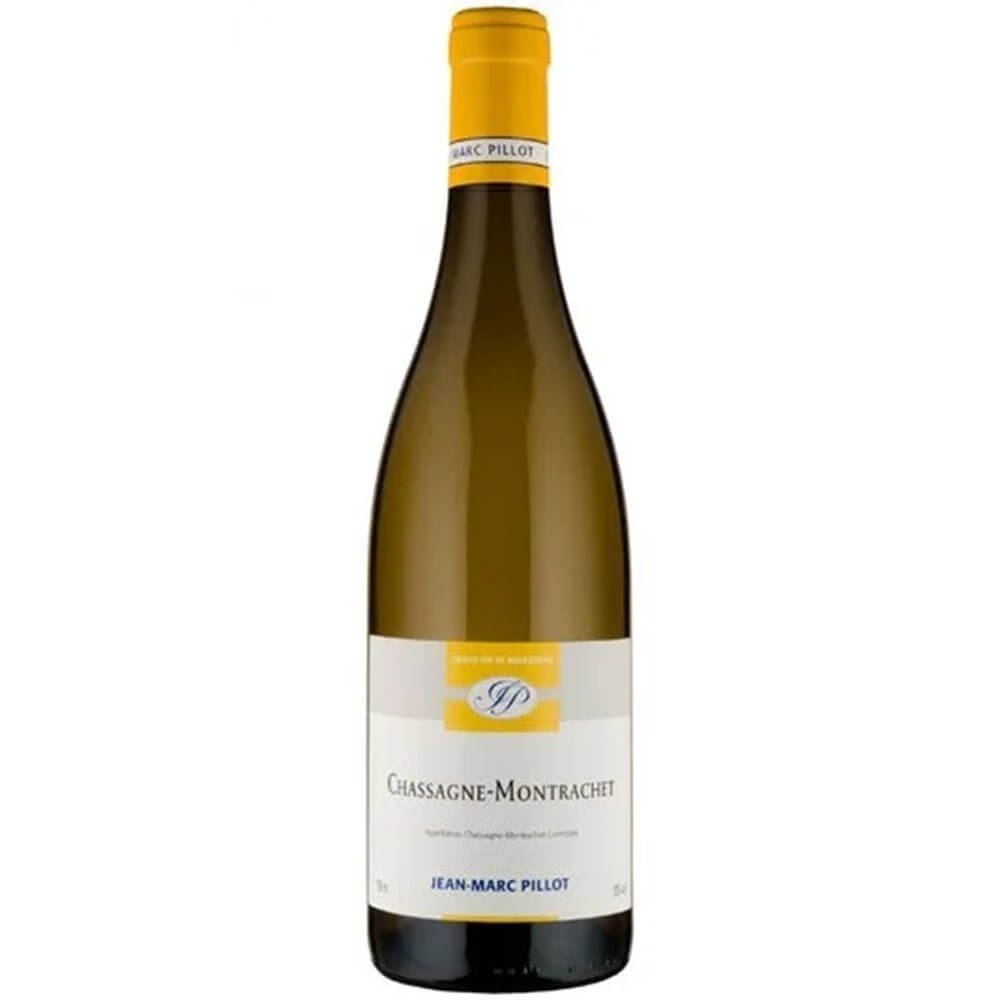
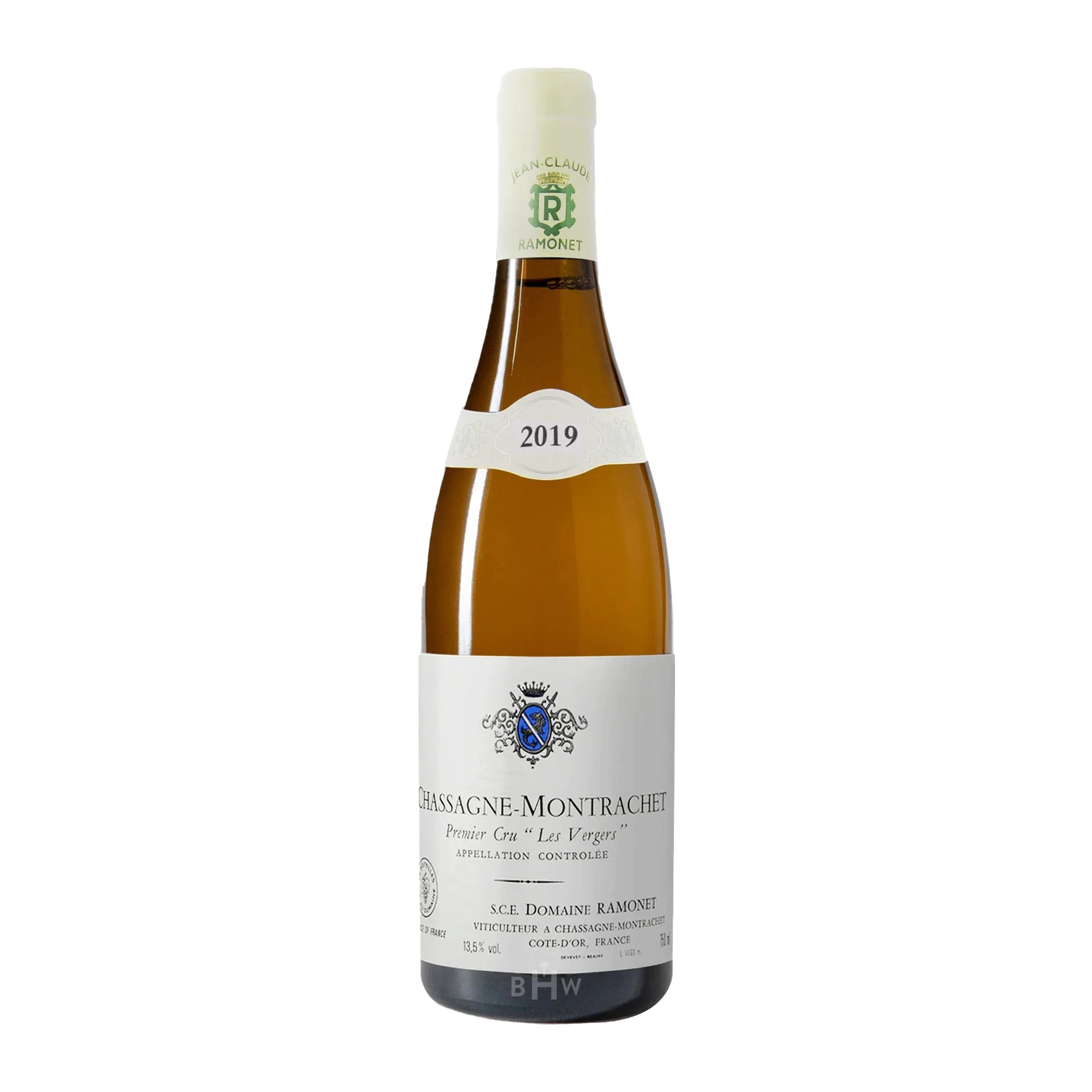
Useful points of comparison include Domaine Ramonet, Domaine Fontaine-Gagnard, Domaine Jean-Marc Pillot, Domaine Jean-Noël Gagnard, and Domaine Simon Colin. Domaine Alex Moreau is best evaluated against those names as part of a carefully checked plan.
Who should prioritize it, and who should cross-shop
Prioritize Domaine Alex Moreau if you are specifically looking for a recognized Chassagne-Montrachet venue and are comfortable confirming the practical details in advance. It is less suitable for travelers who need published details on format, services, or group arrangements before committing.
If the goal is a broader comparison, consider Domaine Fontaine-Gagnard, Domaine Jean-Marc Pillot, Domaine Jean-Noël Gagnard, Domaine Ramonet, and Domaine Simon Colin alongside Domaine Alex Moreau. For planning around the village, keep any meals or other itinerary details separate through Our full Chassagne-Montrachet restaurants guide.
The verdict: Domaine Alex Moreau is worth considering for a carefully planned Chassagne-Montrachet itinerary, especially for travelers who value confirmed recognition. Before committing, compare it with other options if your plans require more certainty.
Planning details
- Location
- 21 Rte de Santenay, 21190 Chassagne-Montrachet
- Website
- domainebernardmoreau.com
- Phone
- +33 3 80 21 33 70
The take
The Take
The Vibe
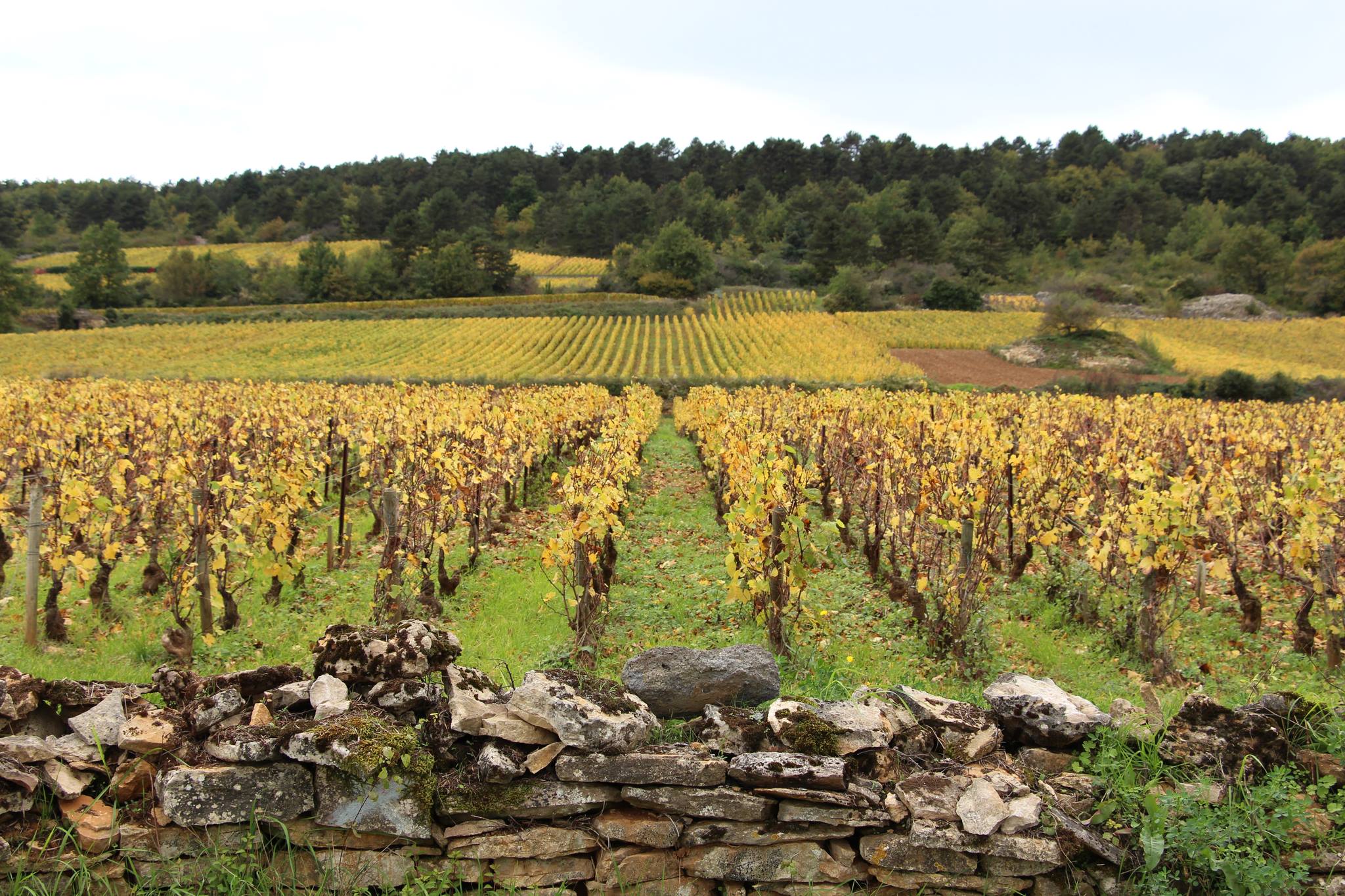
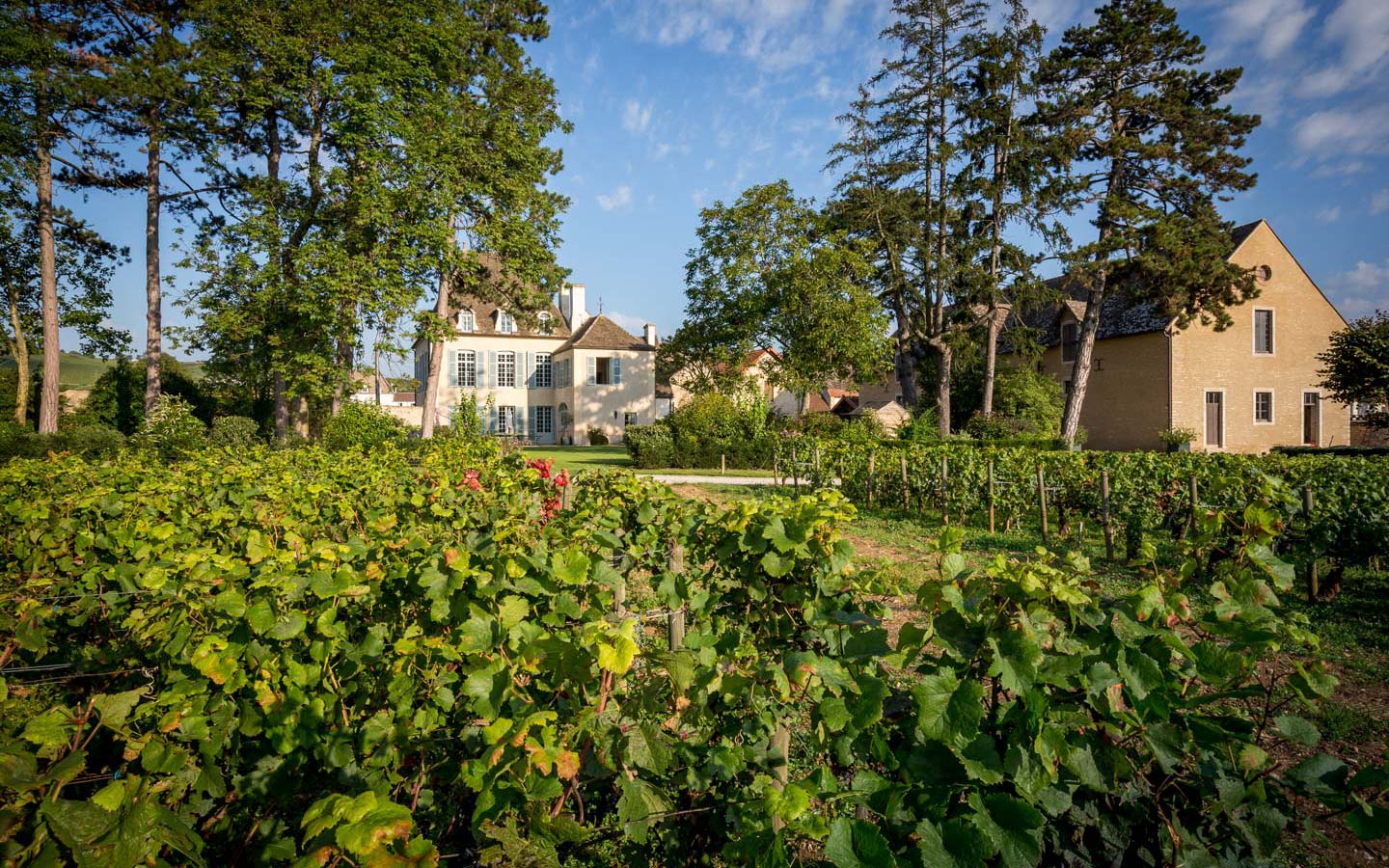
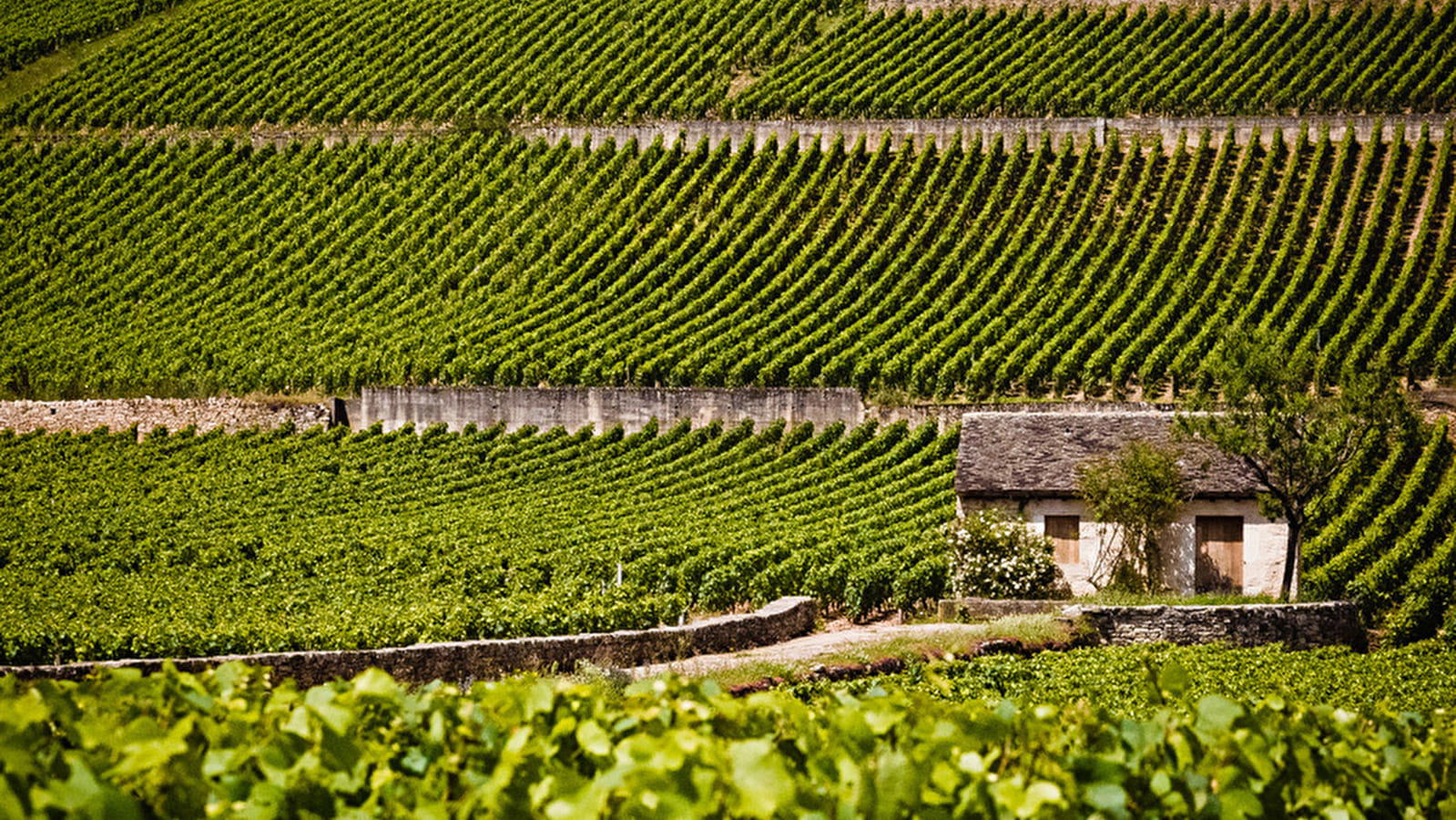
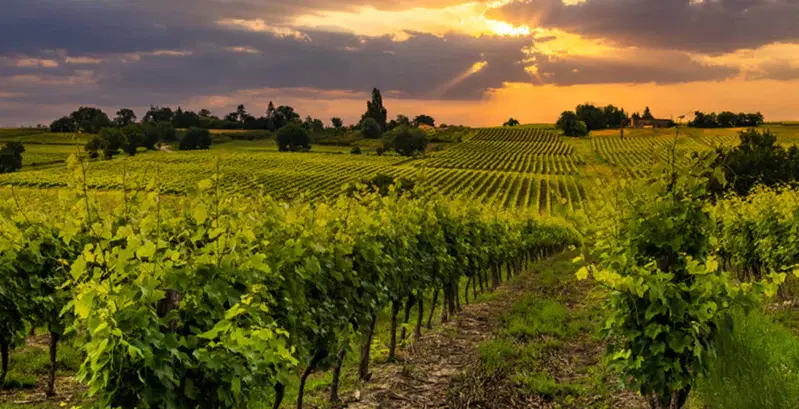
Domaine Alex Moreau reads like a quietly assured Burgundy domaine. It sits on the southern stretch of Chassagne‑Montrachet where limestone and marl subtly shift, and the copy foregrounds those geological nuances as the primary character marker. The tone is classic and elegant—an upper‑tier producer recognized by a 2025 Pearl 2 Star Prestige award—while retaining a rustic, intimate feel rooted in small parcels and a consistent winemaking hand. Visiting feels like stepping into a focused study of terroir rather than a spectacle: reserved, instructive and refined in equal measure.
Best For
This domaine is best for people who want to study terroir and taste wines that reflect specific vineyard siting. The description emphasizes subsoil differences, parcel identity and the producer’s place among Chassagne’s higher‑tier houses, so it suits wine education and focused tastings. Its quiet, rural setting and the sense of a modest-scale operation also make it a fit for solo exploration and low‑key special occasions where attention to detail matters more than fanfare. Expect a contemplative, terroir-driven experience rather than a bustling tourist stop.
Venue details
Ambiance
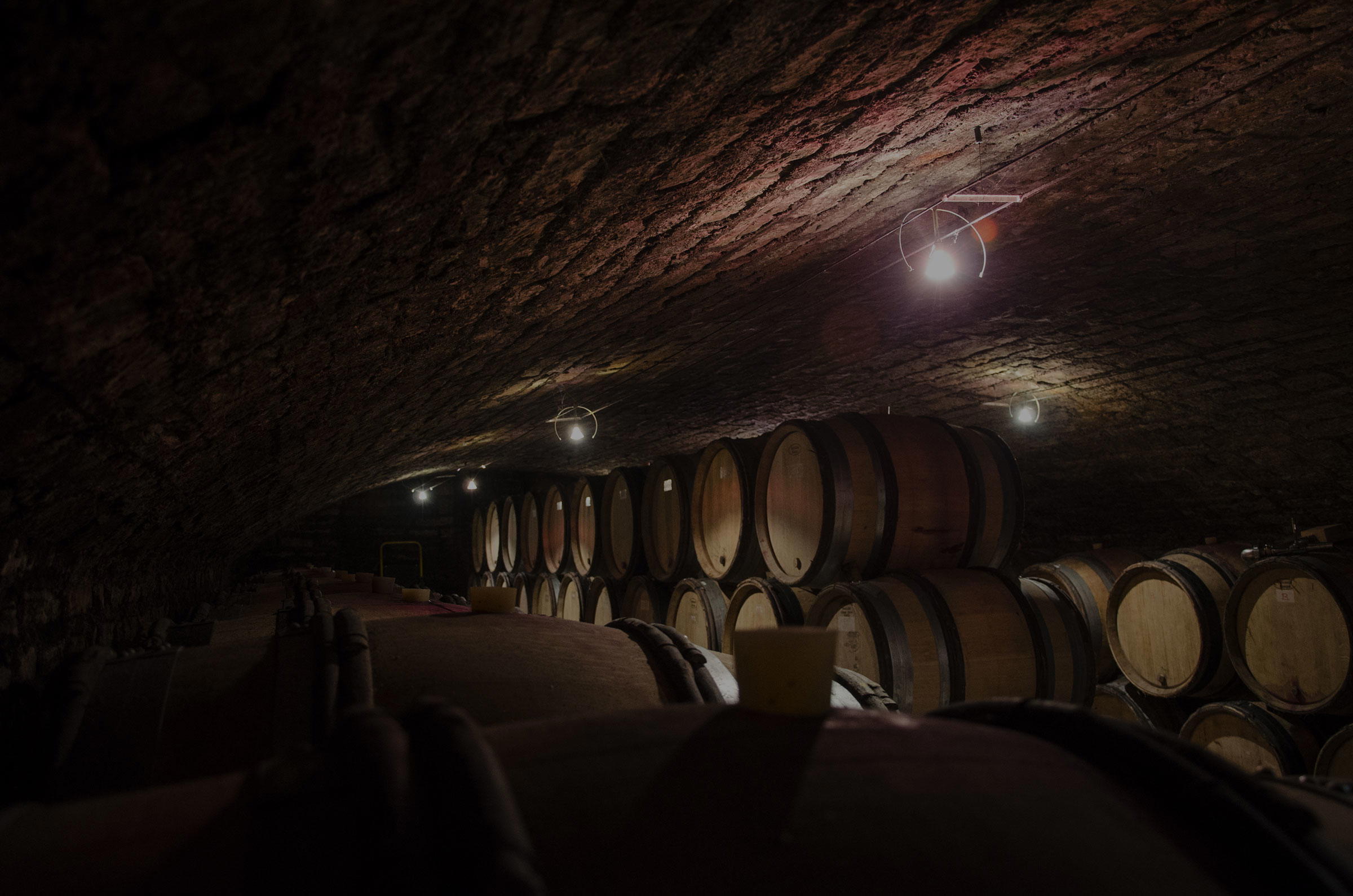
Classic rustic elegance with intimate cellar atmosphere rooted in centuries-old Burgundian tradition.
Tags
Vibe
Best For
Experience
Sourcing
View
At the Vineyard
- Appellation
- Chassagne-Montrachet
- Varietals
- Chardonnay, Pinot Noir, Aligote, Gamay
- Visits
- By appointment only
- Farming
- Sustainable
- Production
- Small producer
- Wine Styles
- Still White, Still Red
- Wine Club
- Not available
Know before you go
Know Before You Go
- Getting there
- 21 Rte de Santenay, 21190 Chassagne-Montrachet
Planning details
Location
21 Rte de Santenay, 21190 Chassagne-Montrachet · Directions
Recognition and awards
Also consider
Where to look if this does not work
Try Domaine Fontaine-Gagnard if the goal is a Chassagne-Montrachet plan with less pressure on a single difficult booking.
Choose Domaine Jean-Marc Pillot for a practical alternative that keeps the itinerary in the same village and fits better when the group needs more flexibility.
Winery context
How it compares in Chassagne-Montrachet
Domaine Alex Moreau is the higher-effort choice for readers who care about Burgundy producer hierarchy and are willing to accept booking friction. Domaine Ramonet is the more obvious benchmark cross-shop for prestige-led Chassagne planning, while Domaine Fontaine-Gagnard is the more practical name to consider if the day needs to feel less dependent on one hard-to-secure visit.
For value-for-effort, Domaine Jean-Marc Pillot and Domaine Simon Colin are useful alternatives for readers who want strong Chassagne context without turning the itinerary into a single producer chase. Domaine Jean-Noël Gagnard belongs in the same conversation for a collector-minded route, but the better pick depends on which visit can actually be confirmed.
For a celebration, choose Domaine Alex Moreau when scarcity and producer focus matter more than ease. For a smoother group itinerary, start with Fontaine-Gagnard or Jean-Marc Pillot, then add Alex Moreau only if access lines up.
Explore Chassagne-Montrachet
Around this place
Discover more on Pearl
Unlock the full Domaine Alex Moreau guide in Pearl, including awards, comparisons, FAQs, planning details, and nearby places.
Compare Domaine Alex Moreau
| Venue | Location | Awards |
|---|---|---|
| Domaine Alex Moreau | Chassagne-Montrachet | 2026 Michelin Grape Main Selection - Burgundy |
| Domaine Fontaine-Gagnard | Chassagne-Montrachet | No published awards |
| Domaine Ramonet | Chassagne-Montrachet | 2026 Falstaff Winery Guide2026 Michelin Grape Main Selection - Burgundy |
| Domaine Jean-Noël Gagnard | Puligny-Montrachet | 2025 Pearl 3 Star Prestige |
| Domaine Simon Colin | Chassagne-Montrachet | No published awards |
| Domaine Jean-Marc Pillot | Chassagne-Montrachet | 2026 Falstaff Winery Guide |


How Domaine Alex Moreau compares with similar nearby venues.
FAQ
Frequently Asked Questions
When is the best time to visit Domaine Alex Moreau?
Specific visiting hours and seasonal guidance should be confirmed directly before planning around Domaine Alex Moreau in Chassagne-Montrachet. If you are comparing options, Domaine Jean-Marc Pillot and Domaine Ramonet are useful reference points.