Blenheim Vineyards
Albemarle County, Charlottesville
Winery in Charlottesville, United States
 Book with Pearl
The Read
Albemarle Estate Viticulture
Price
$20–30tasting
Why go
Blenheim Vineyards is worth prioritizing for a Charlottesville wine-country itinerary when the estate setting matters as much as the tasting. It is a stronger fit for scenic, group-friendly planning than for visitors chasing a specific flagship bottle or detailed production brief. Cross-shop Michael Shaps Wineworks for a more technical angle and Eastwood Farm & Winery for a more casual local alternative.
About Blenheim Vineyards
Blenheim Vineyards is a Charlottesville venue with a casual dress code and Pearl 3 Star Prestige recognition for 2025. It is best considered alongside other Charlottesville options, especially if you are choosing among venues for a specific format, price point, reservation policy, or service style.
The strongest reasons to keep Blenheim Vineyards on a Charlottesville route are its identity as the venue in question, its casual dress code, and its Pearl 3 Star Prestige recognition. For comparison, Michael Shaps Wineworks is a natural venue to cross-shop; Gabriele Rausse Winery is another relevant comparison.
What is confirmed about Blenheim Vineyards
Blenheim Vineyards is in Charlottesville, the dress code is casual, and it holds Pearl 3 Star Prestige for 2025.
That means the planning decision should be based on confirmed fit rather than assumptions about specific details. If you are comparing Charlottesville venues, use our full Charlottesville guide to build a route around the venues that best match the kind of outing you want, then confirm current details directly with each venue.
Who should consider it, and who should cross-shop
Consider Blenheim Vineyards if you want a casual Charlottesville venue with Pearl 3 Star Prestige recognition. Cross-shop Eastwood Farm & Winery, Gabriele Rausse Winery, Michael Shaps Wineworks, Mount Ida Reserve, and Trump Winery if you are comparing choices for the same broader trip.
For a full Charlottesville weekend, keep the plan focused. Pair venue research with our full Charlottesville restaurants guide, our full Charlottesville hotels guide, our full Charlottesville bars guide, and our full Charlottesville experiences guide.
Planning details
- Location
- 31 Blenheim Farm, Charlottesville, VA 22902
- Website
- blenheimvineyards.com
- Phone
- +1 434-293-5366
The take
The Take
The Vibe
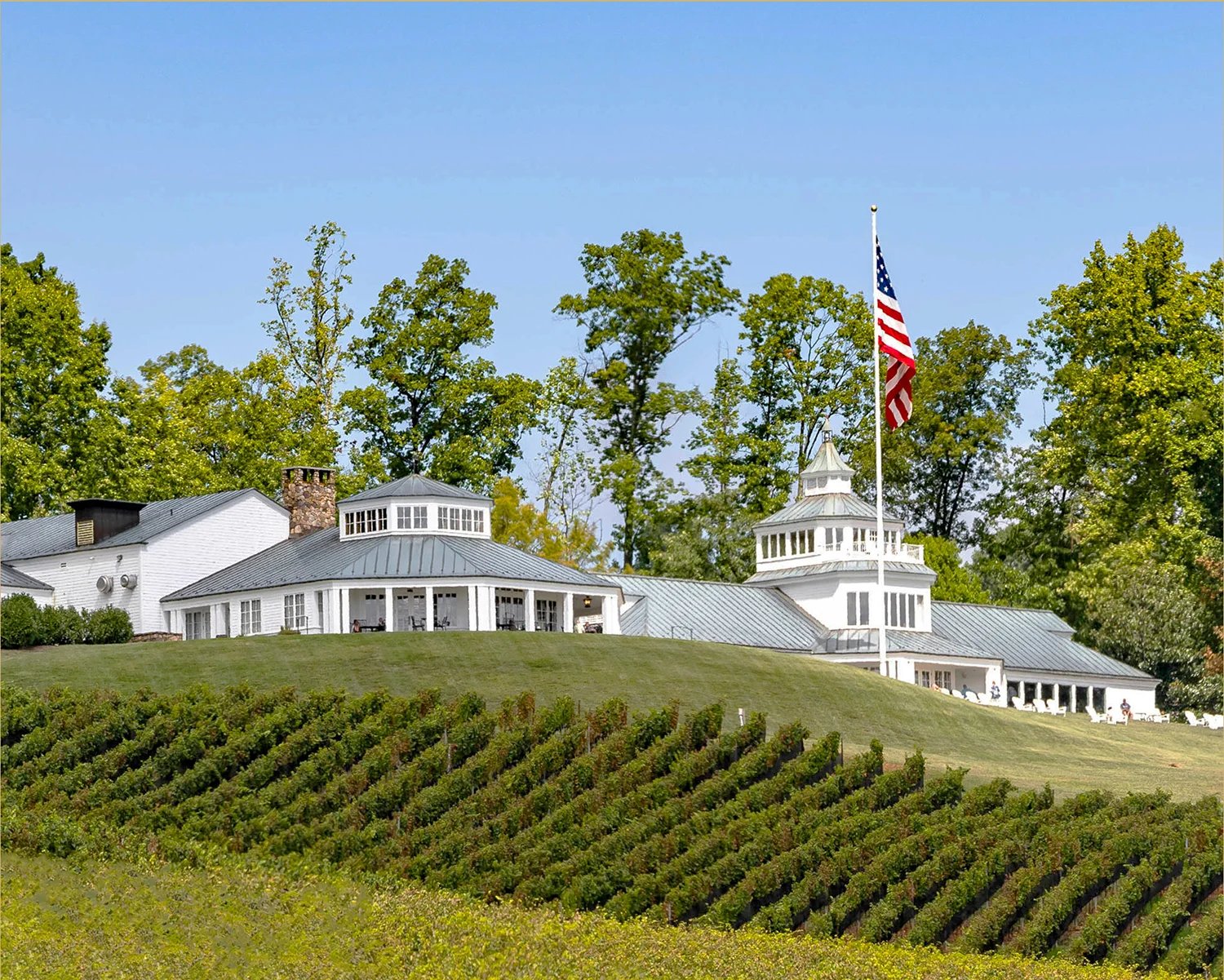
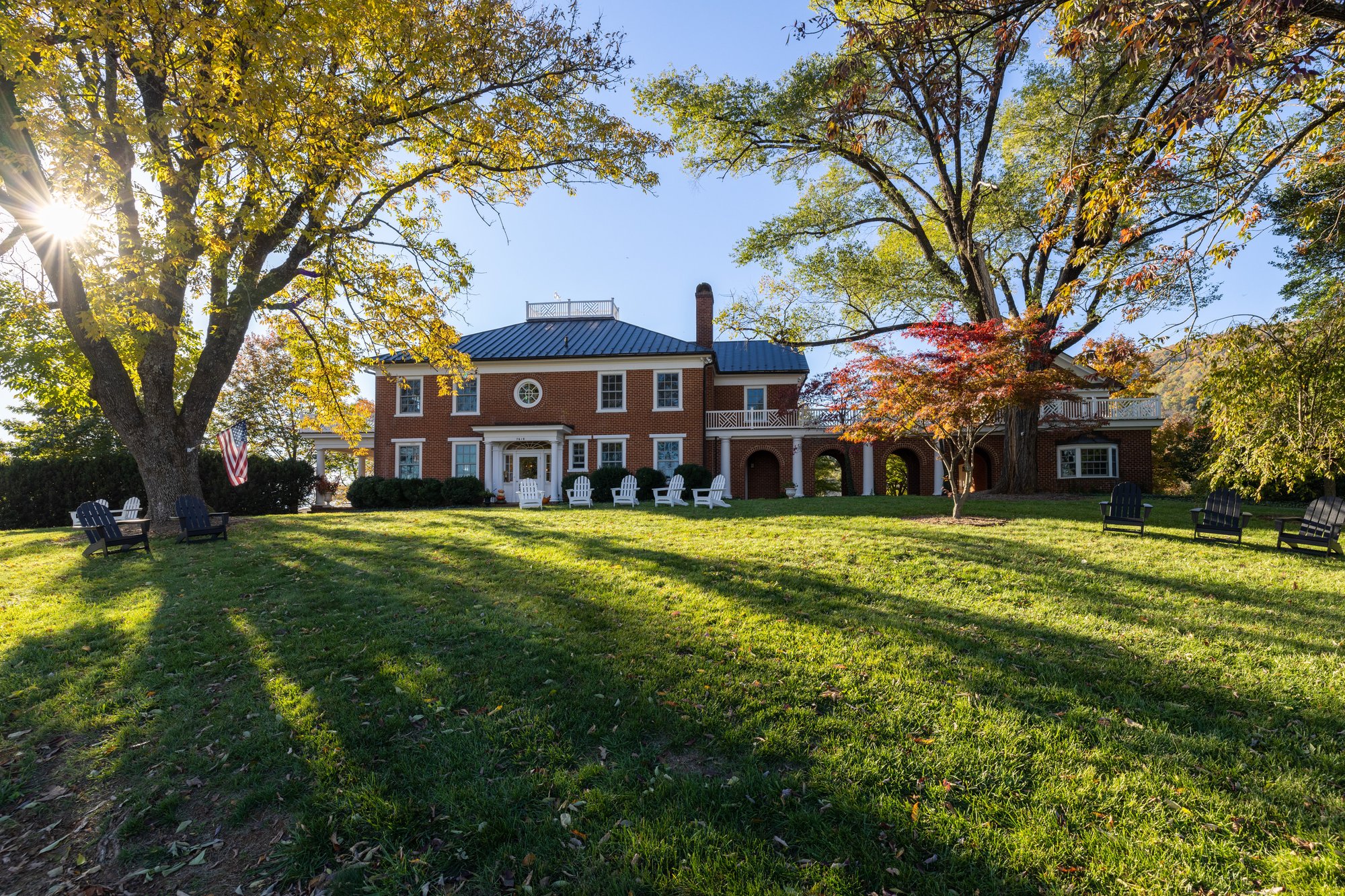
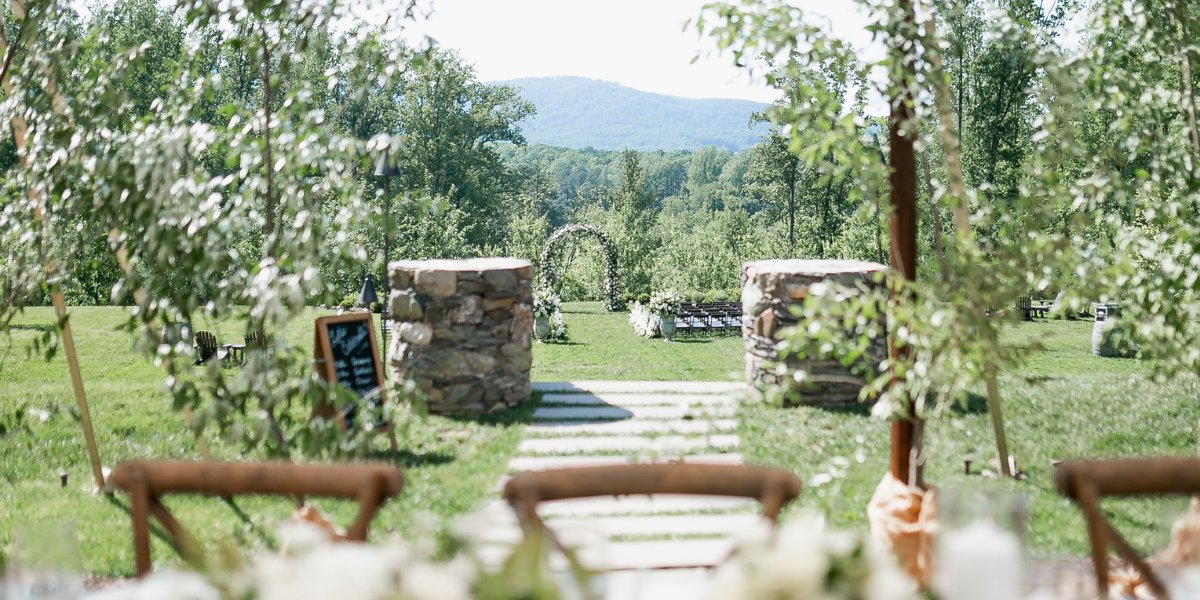
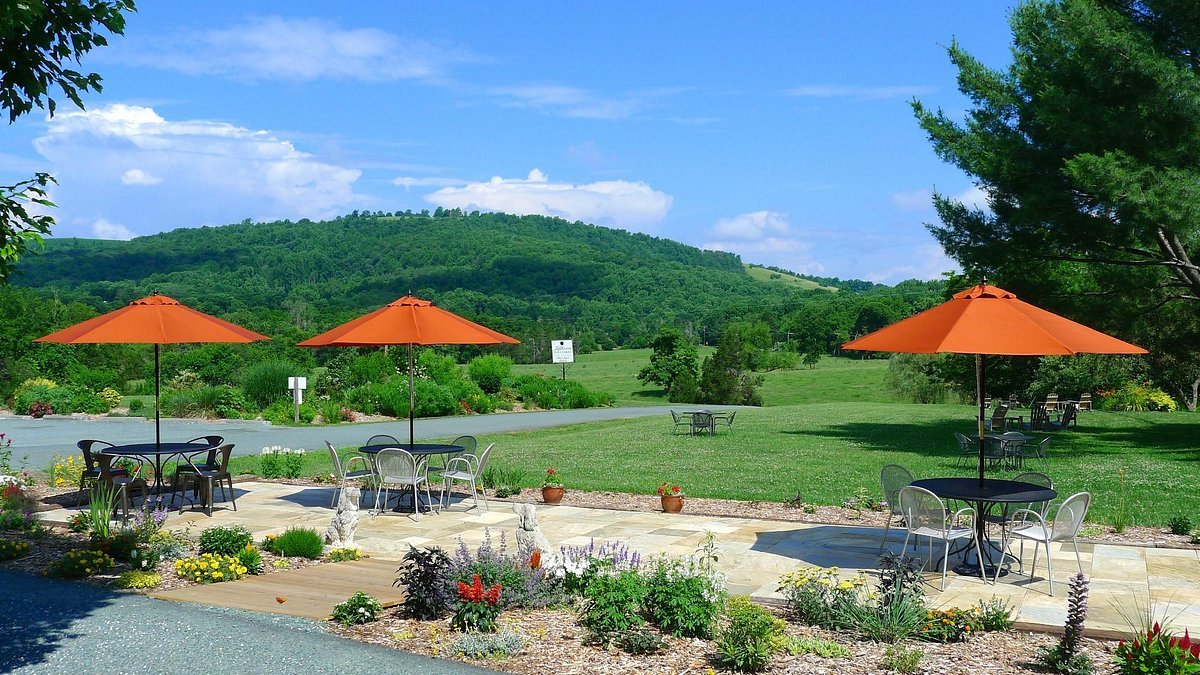
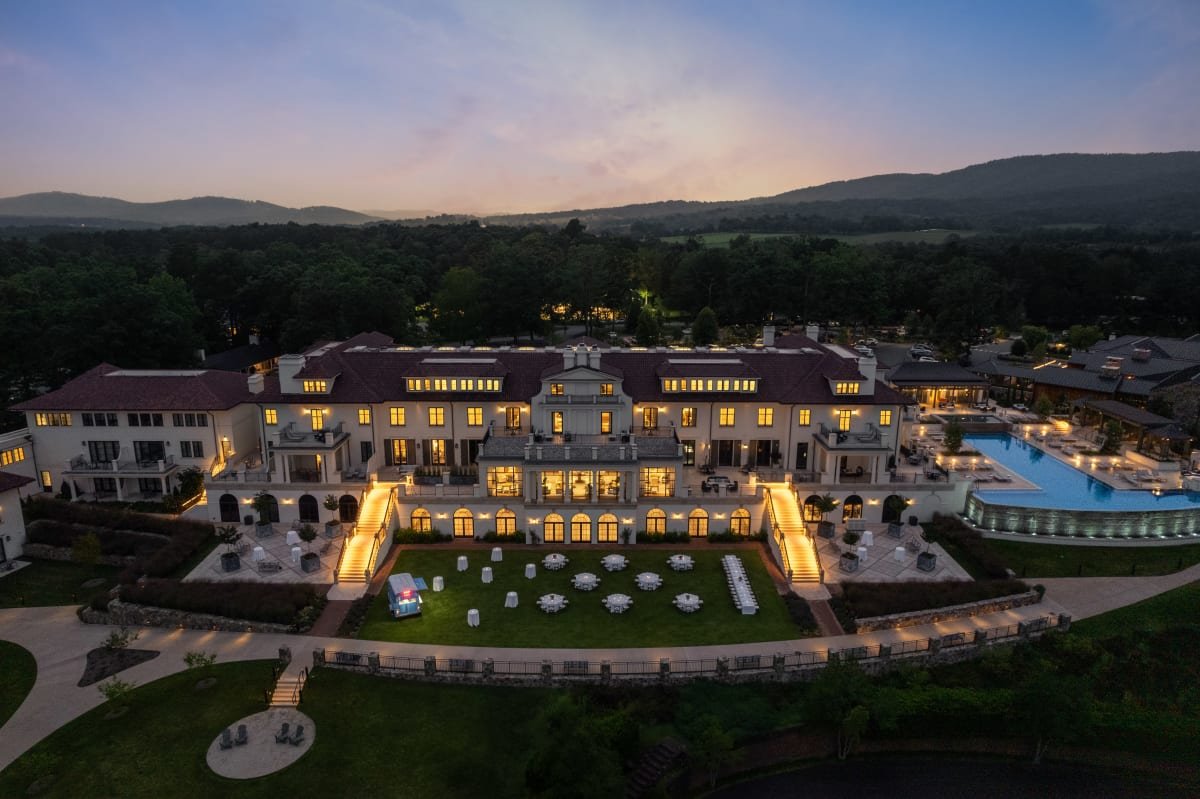
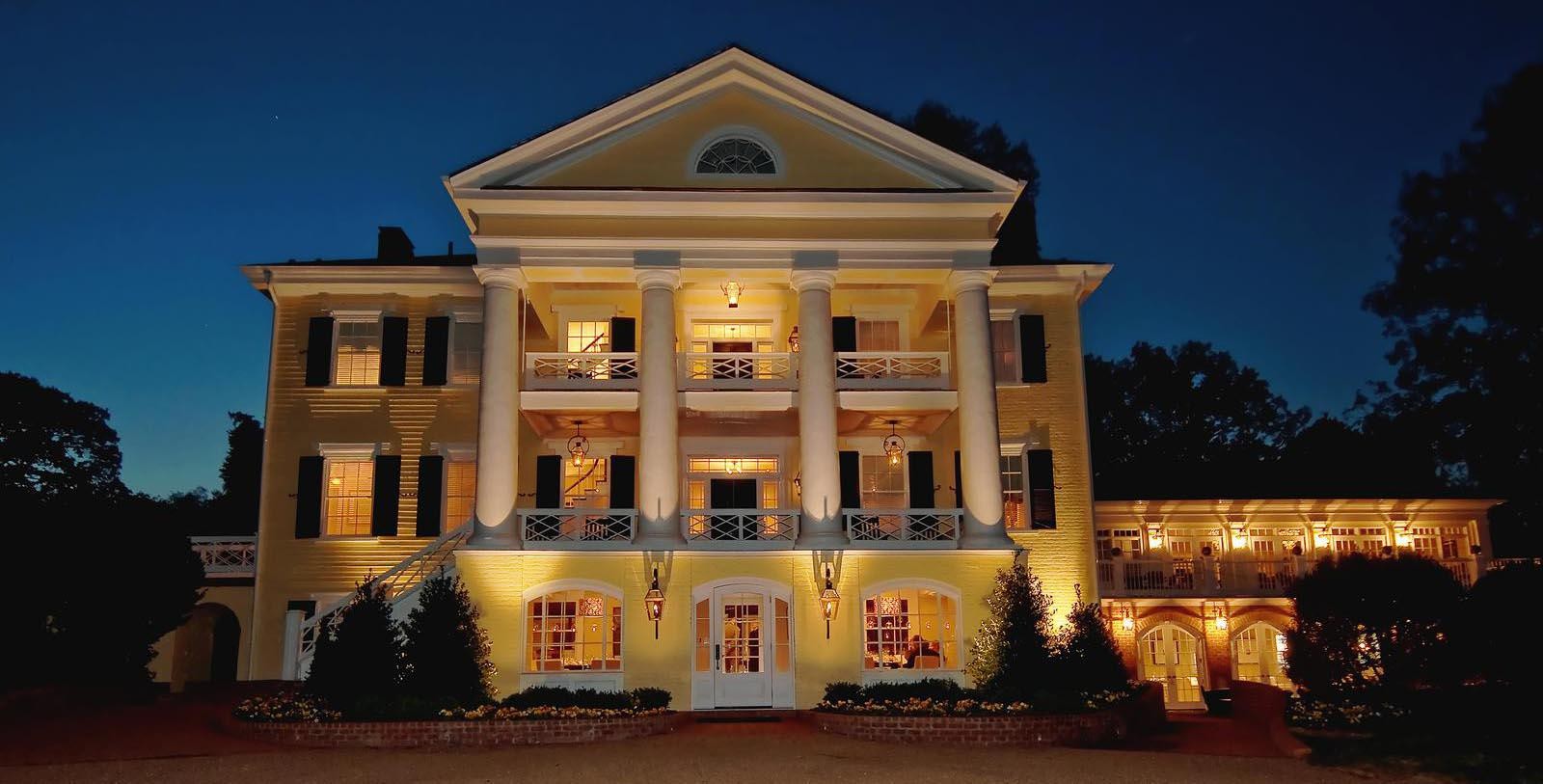
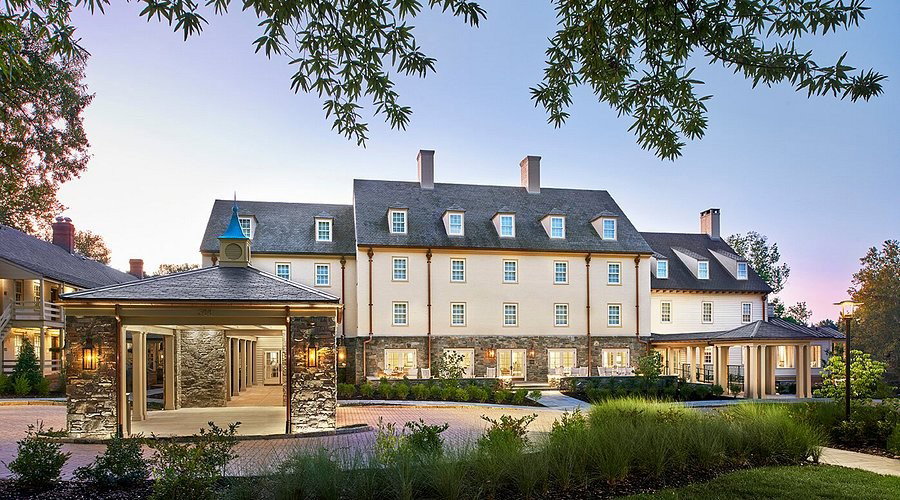
Blenheim reads like a working agricultural estate where the landscape dictates the visitor experience. The Blue Ridge frames sweeping views while rolling farmland and vineyard rows underscore a placemaking that prioritizes land stewardship above flashy tourism. The writing emphasizes terroir, diurnal temperature swings, and structural acidity—language more commonly found in serious production houses than tasting-room boutiques—so the overall feel is measured, contemplative, and grounded. Visits feel like a quiet study of place: pastoral, a little removed from town, and focused on the connection between site, farming practice, and the wines that result.
Best For
This estate suits travelers who value a rural, terroir-forward wine experience more than a visitor-optimized tasting. It works well for weekend escapes from Charlottesville and for anyone pursuing a deeper understanding of Virginia viticulture—students of terroir, serious wine drinkers, and small groups who want to compare site-driven expressions. The property’s working-farm character and emphasis on production discipline make it less about flashy hospitality and more about the land and wines, so it’s best for visitors who come to learn, to stroll the grounds, and to taste with attention.
Tasting Tips
Center your tasting on the property’s terroir-driven expressions and ask staff about the estate’s farming and production choices; the description highlights land management and a disciplined wine program. Inquire about the wines’ aging potential and the role of diurnal swings in shaping acidity and structure—the text flags these as distinguishing qualities. Look for commentary on the estate’s Pearl 3 Star Prestige rating as a guide to consistency, and treat a visit as an opportunity to discuss how vineyard practices translate into the bottle rather than as a casual, surface-level tasting.
Venue details
Ambiance
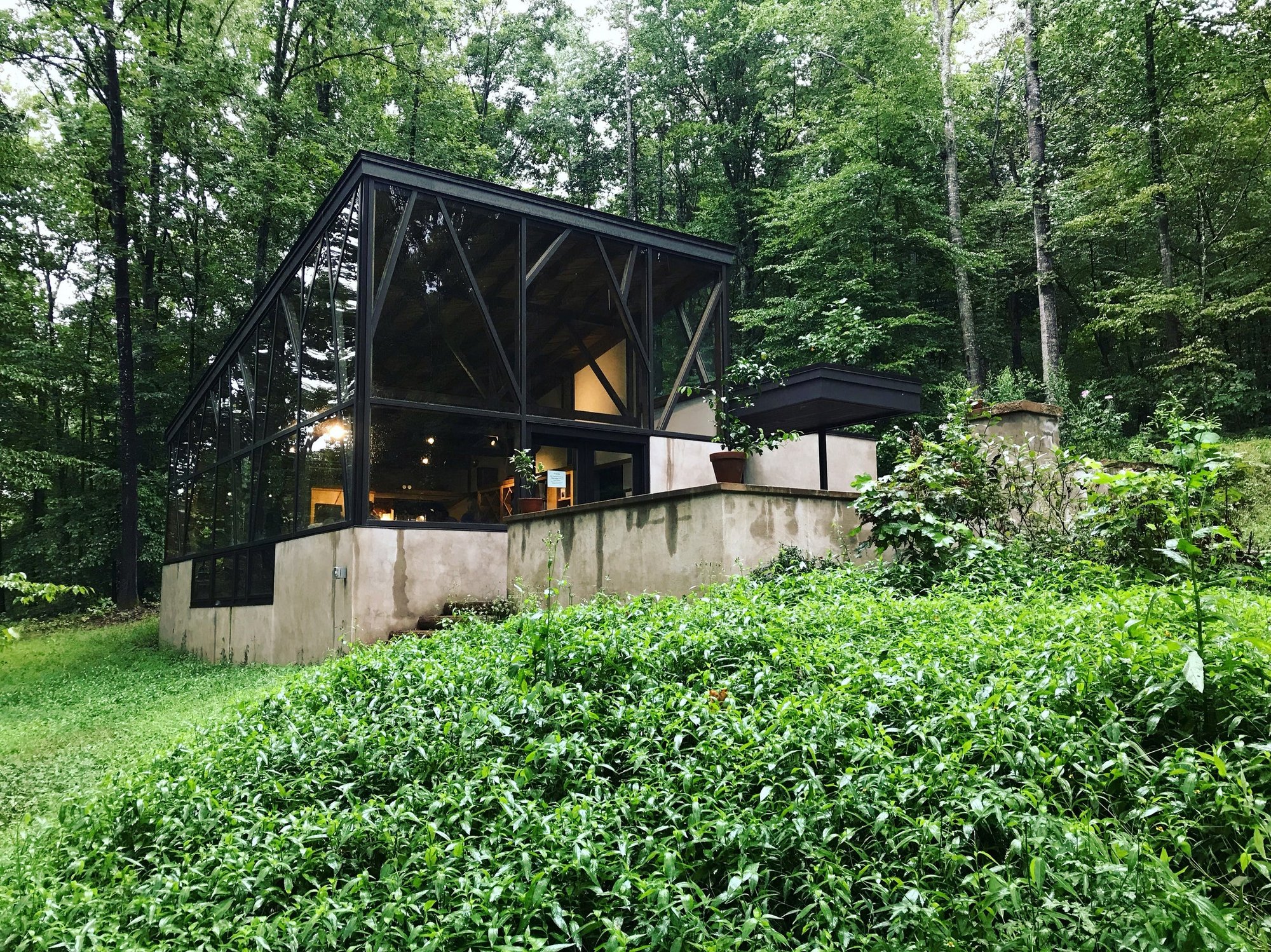
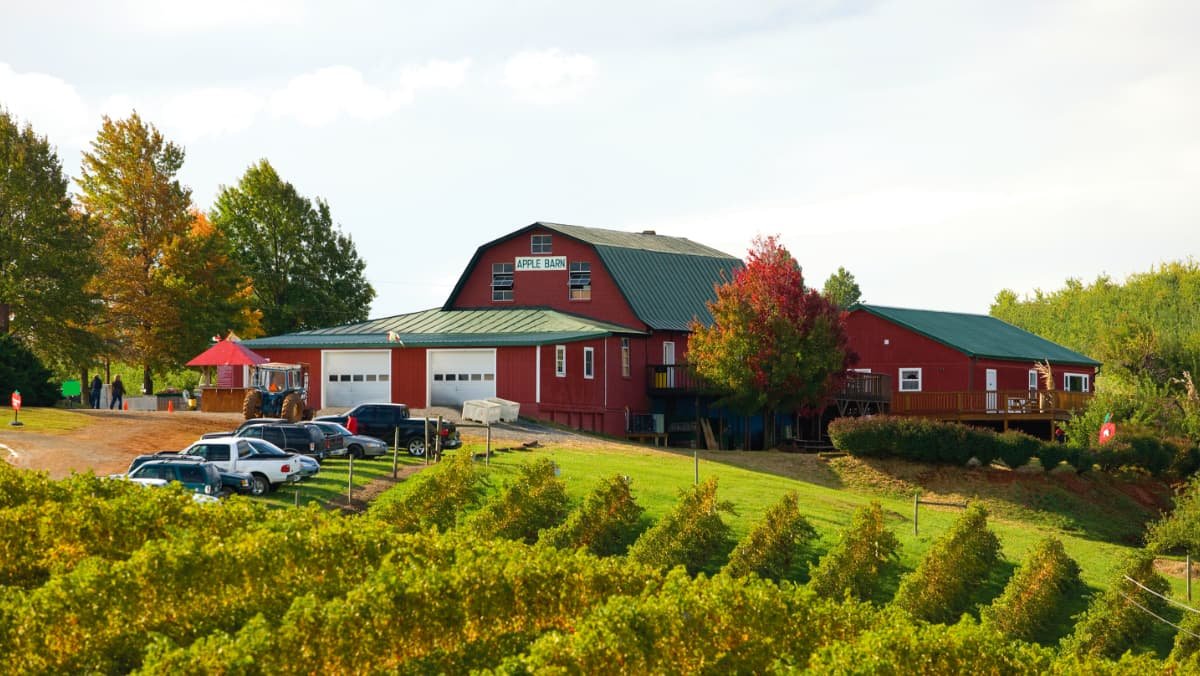
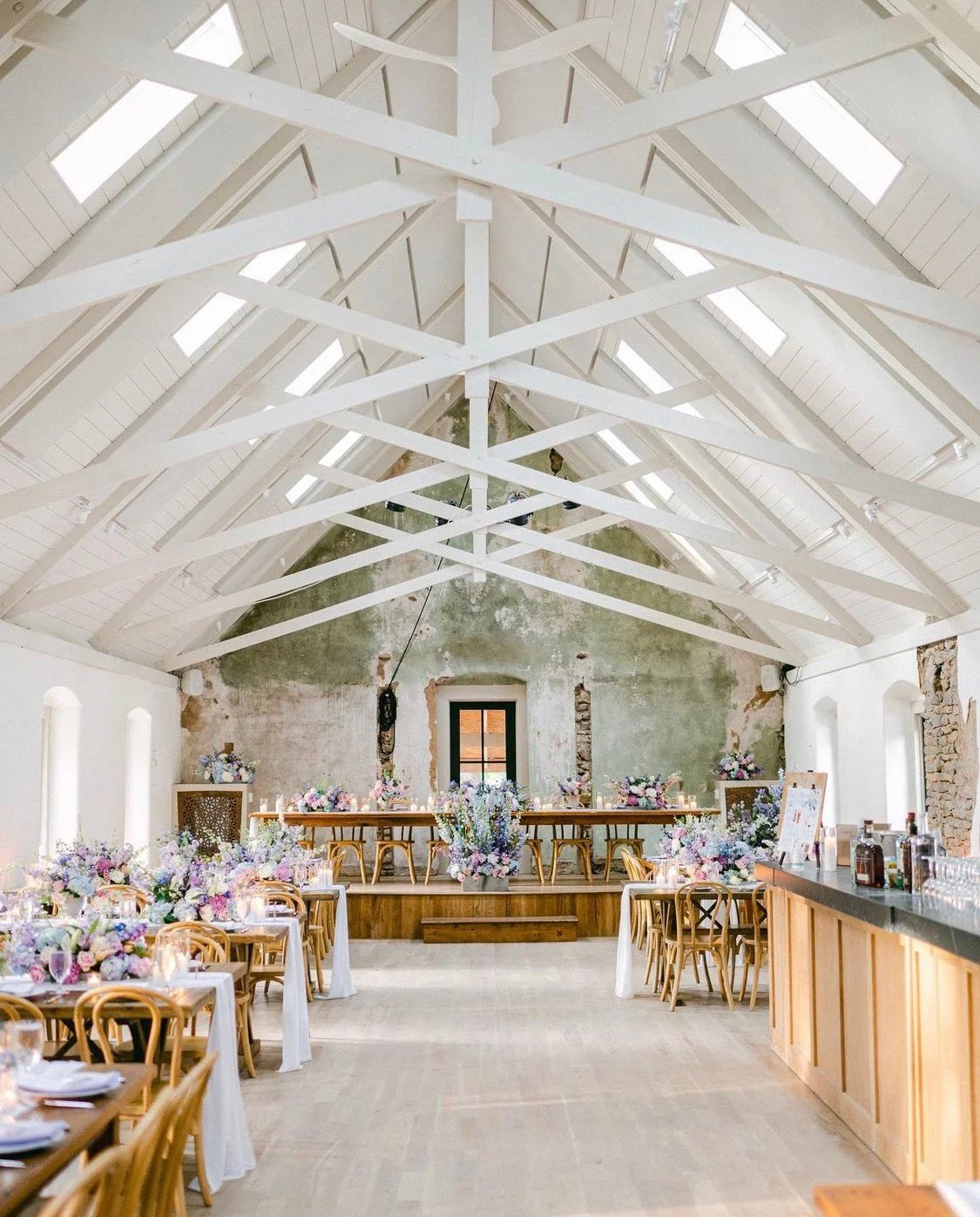
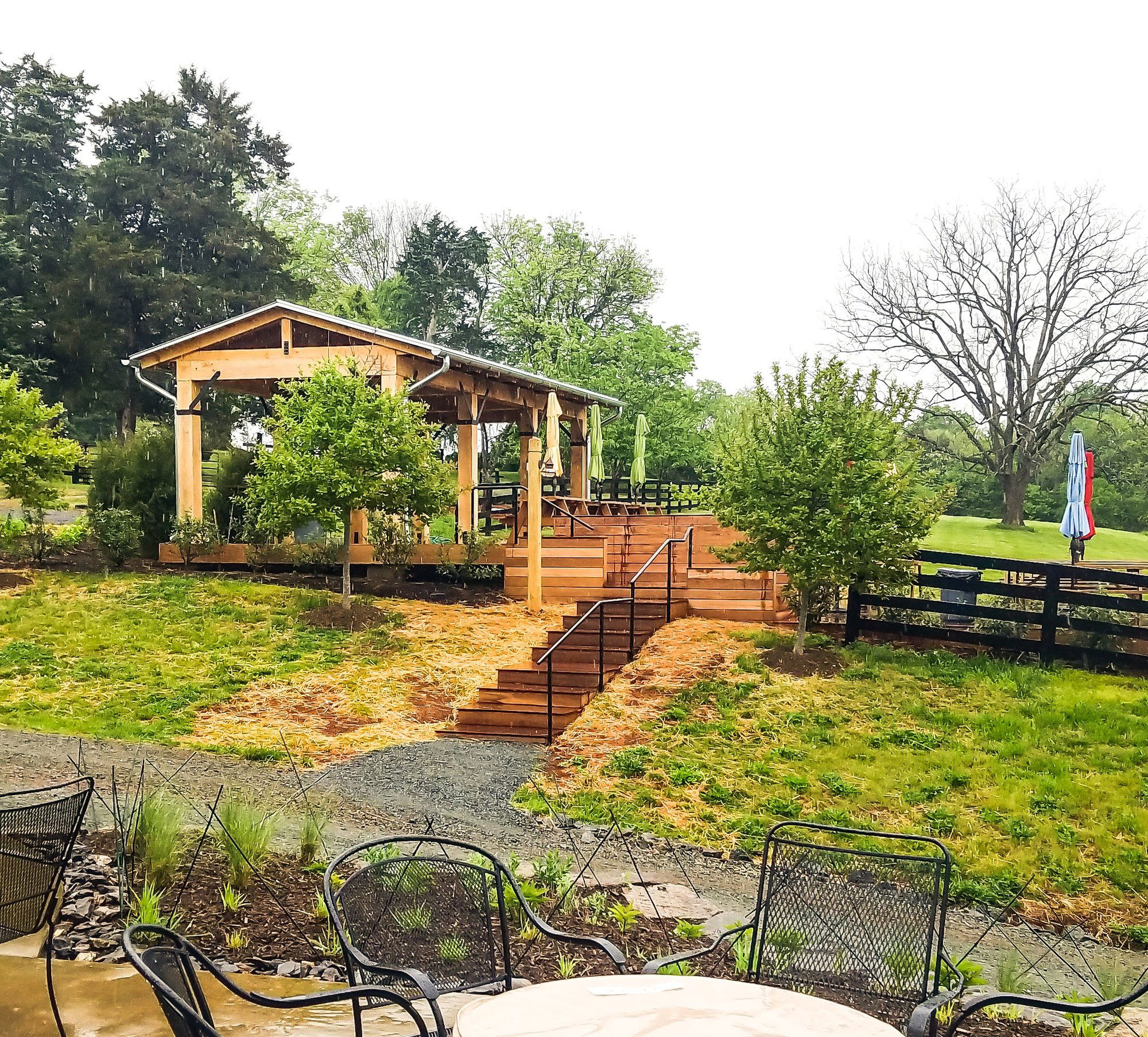
Bright, naturally lit timber-framed barn built into hillside with reclaimed wood; south-facing windows provide natural light in summer; views of vineyards and Jefferson's 'sea view' beyond.
Tags
Vibe
Best For
Experience
Sourcing
View
Accessibility
At the Vineyard
- Appellation
- Monticello AVA
- Varietals
- Viognier, Chardonnay, Cabernet Franc, Cabernet Sauvignon, Petit Verdot
- Tour Duration
- 60-90 minutes
- Tour Languages
- English
- Visits
- Walk-ins welcome
- Farming
- Sustainable
- Wine Styles
- Still Red, Still White
- Food Pairing
- Offered
- Shipping
- Available
- Wine Club
- Available
Know before you go
Know Before You Go
- Getting there
- 31 Blenheim Farm, Charlottesville, VA 22902
Planning details
Location
Also consider
Where to go if this is not the right fit
Choose Michael Shaps Wineworks if the priority is a more technical wine stop, or Gabriele Rausse Winery if the group wants a smaller producer feel. Eastwood Farm & Winery is the safer fallback for a relaxed Charlottesville outing where ease matters more than a formal tasting plan.
Winery context
How it compares in Charlottesville wine country
Blenheim Vineyards is the better pick when ambiance and estate feel are central to the day. Gabriele Rausse Winery is the sharper choice for travelers who want a smaller, more intimate Charlottesville stop, while Michael Shaps Wineworks is the more useful comparison for visitors who care more about production context than grounds.
For groups, Eastwood Farm & Winery is the easier-feeling cross-shop if the goal is a relaxed local winery stop without making the estate setting the main event. Trump Winery and Mount Ida Reserve read as larger destination plays, so choose them when scale, views, and a fuller property experience matter more than a compact Charlottesville tasting route.
The practical call: book Blenheim when the group wants a scenic anchor close to Charlottesville; choose Michael Shaps Wineworks for wine-focused depth, Gabriele Rausse Winery for a quieter producer feel, and Eastwood Farm & Winery for a lower-pressure alternative.
Around this place
Discover more on Pearl
Unlock the full Blenheim Vineyards guide in Pearl, including awards, comparisons, FAQs, planning details, and nearby places.
Compare Blenheim Vineyards
| Venue | Location | Awards |
|---|---|---|
| Blenheim Vineyards | Charlottesville | No published awards |
| Gabriele Rausse Winery | Charlottesville | No published awards |
| Trump Winery | Charlottesville | No published awards |
| Eastwood Farm & Winery | Charlottesville | No published awards |
| Mount Ida Reserve | Scottsville | No published awards |
| Michael Shaps Wineworks | Charlottesville | No published awards |
How Blenheim Vineyards Charlottesville compares with similar nearby venues.
FAQ
Frequently Asked Questions
Do I need a reservation at Blenheim Vineyards?
Blenheim Vineyards is in Charlottesville, has a casual dress code, and holds Pearl 3 Star Prestige (2025), so check the venue directly before planning around a specific time or format.
What is Blenheim Vineyards known for?
Blenheim Vineyards is in Charlottesville, has a casual dress code, and holds Pearl 3 Star Prestige (2025). It does not list a flagship offering, menu, visit format, pricing, or service style here.
What other venues should I compare with Blenheim Vineyards?
Relevant comparisons include Eastwood Farm & Winery, Gabriele Rausse Winery, Trump Winery, Mount Ida Reserve, and Michael Shaps Wineworks. Use them as reference points when deciding how Blenheim Vineyards fits into a broader trip.
Are membership or club benefits confirmed for Blenheim Vineyards?
Membership or club details and benefits are not listed here. If that matters to your planning, compare the current terms directly with Blenheim Vineyards and with other options such as Mount Ida Reserve or Michael Shaps Wineworks.
When is the best time to visit Blenheim Vineyards?
Before going to Blenheim Vineyards in Charlottesville, confirm current hours, availability, and visit details directly with the venue, especially if you are also considering Trump Winery or Gabriele Rausse Winery.