Michael Shaps Wineworks
south of Charlottesville, Charlottesville
Winery in Charlottesville, United States
 Book with Pearl
The Read
Production-Floor Precision
Why go
Book Michael Shaps Wineworks if the goal is a serious Charlottesville wine stop with regional context, not a casual add-on between downtown plans. It is better suited to wine-focused travelers than mixed groups that mainly want easy logistics, scenery, or flexible same-day planning.
About Michael Shaps Wineworks
For Michael Shaps Wineworks in Charlottesville, the main reasons to put it on a shortlist are direct and limited: it carries Pearl 2 Star Prestige for 2025, and the dress code is casual. Those two points are enough to make it worth considering, particularly for travelers who like to anchor a trip around recognized venues without making the visit feel overly formal. Beyond that, specific details such as format, pricing, menu, hours, and booking requirements still need to be checked, so plan with those limits in mind.
Charlottesville has multiple regional options to consider, so the decision should be practical. If you are comparing regional stops, consider Michael Shaps Wineworks alongside Eastwood Farm & Winery, Blenheim Vineyards, Gabriele Rausse Winery, Mount Ida Reserve, or Trump Winery, then confirm current logistics directly before you go. That approach keeps the planning flexible: recognition can help you identify a promising stop, but direct confirmation is still what determines whether it fits your timing, group needs, and overall route.
A Charlottesville stop with confirmed recognition
The clearest distinction is the Pearl 2 Star Prestige recognition in 2025. That makes Michael Shaps Wineworks a notable Charlottesville option for travelers using recognition as a planning filter, especially when there are several regional names competing for a place in the same itinerary. The dress code is casual, so the visit does not require formal attire, which can make it easier to fold into a broader day of moving around Charlottesville.
Because tasting format, pricing, food availability, and service details still need to be checked, avoid planning around assumptions. The venue has a recognized level of prestige and a casual dress code, while the practical details need to be confirmed. Treat this as a venue to confirm directly before building a tight itinerary, especially if your group needs specific timing, accessibility details, dietary information, or a particular type of experience. That matters most when the visit is part of a larger day, because one uncertain element can affect meal planning, transportation, and the amount of time you leave between stops.
How to fit it into a Charlottesville itinerary
Plan around Charlottesville first, then confirm the current details with the venue. If the day includes meals, use Our full Charlottesville restaurants guide and Our full Charlottesville hotels guide to keep the route sensible. The goal is to create a practical framework that can be adjusted once the venue confirms what is currently available. For a broader regional trip, compare Michael Shaps Wineworks with other relevant options rather than relying on a single stop, particularly if your schedule leaves little room for changes.
If Michael Shaps Wineworks is the priority, verify the current booking process, hours, and visit format before finalizing the rest of the day. Those checks are especially important if you are coordinating a group, connecting the stop with meals, or trying to balance several regional venues in one itinerary. If you want alternatives to compare, Blenheim Vineyards, Gabriele Rausse Winery, Eastwood Farm & Winery, Mount Ida Reserve, and Trump Winery are relevant regional names to consider. For non-venue planning around the visit, use Our full Charlottesville bars guide and Our full Charlottesville experiences guide.
Planning details
- Location
- 1650 Harris Creek Rd, Charlottesville, VA 22902
- Website
- michaelshapswines.com
- Phone
- +1 434-296-3438
The take
The Take
The Vibe
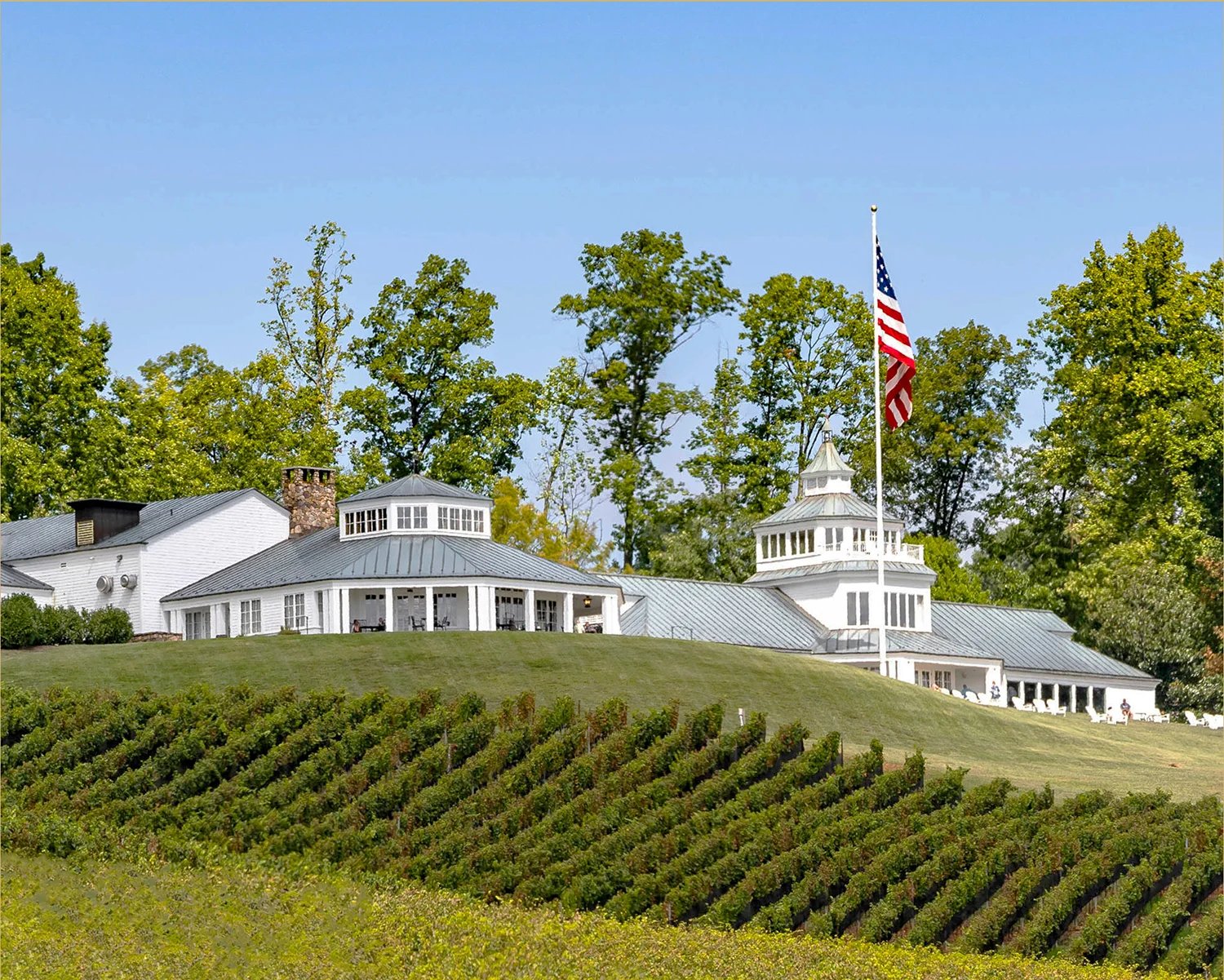
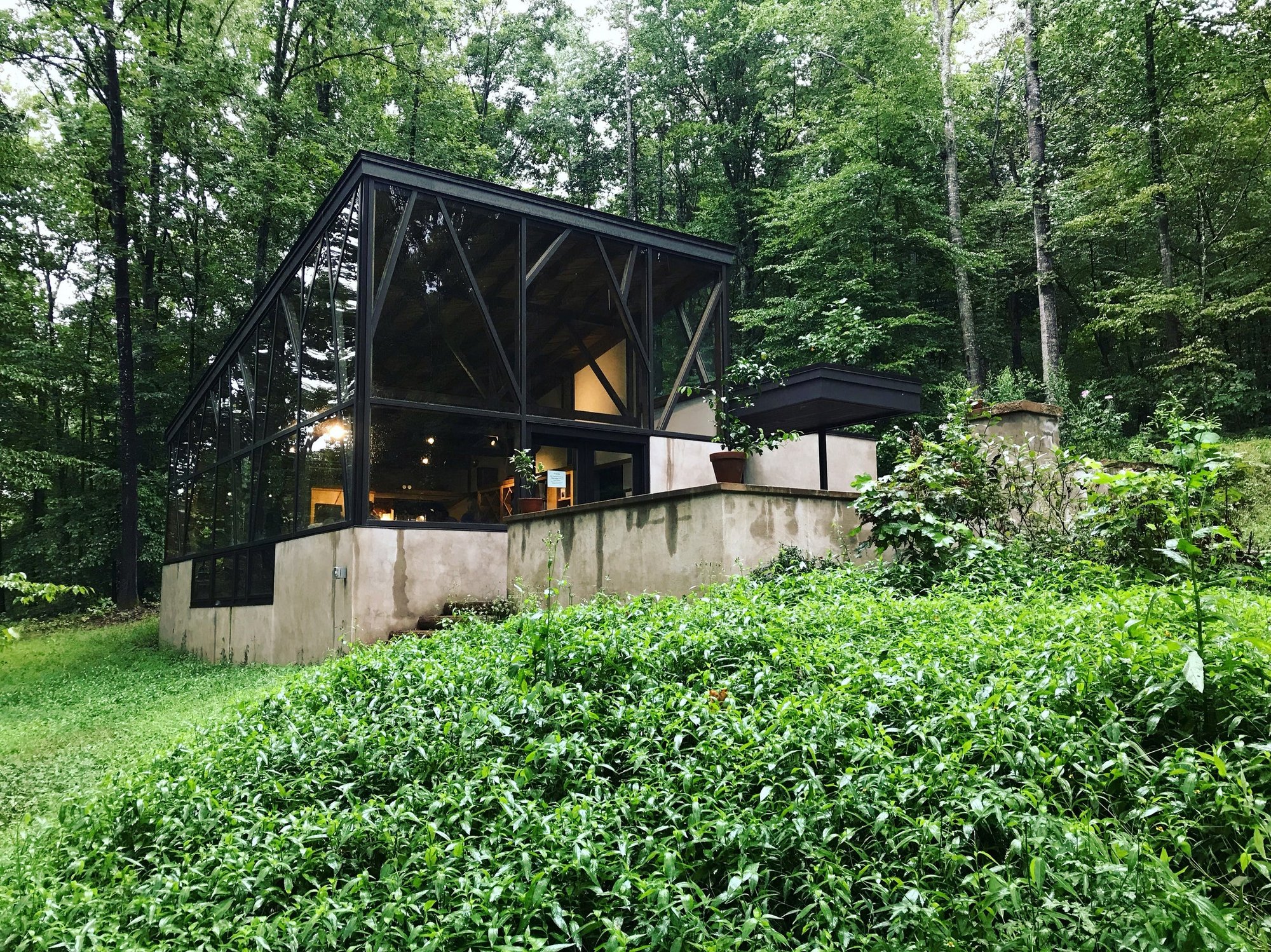
Michael Shaps Wineworks reads as an understated, quietly confident property set in the rolling Blue Ridge foothills. The writing emphasizes substance over spectacle: the winery 'makes that argument quietly, through the wines rather than the packaging.' That translates to a serene, rural tasting experience focused on site expression and farming choices. Visitors encounter an unflashy operation where attention to viticulture and honest winemaking takes precedence, and the overall impression is calm, deliberate and rooted in the land rather than hospitality theatrics.
Best For
This winery suits wine students and curious visitors who want to learn how a region's climate and farming choices shape wine. It is especially good for solo explorers and anyone seeking a quieter, more contemplative tasting that privileges vineyard story over showmanship. Because the copy concentrates on viticulture, canopy management and decisions to declassify or blend in difficult years, the place appeals to people interested in technical detail and regional identity rather than a flashy tasting‑room experience.
Tasting Tips
When you visit, orient your questions around the land and the vintage. Ask how they manage fungal pressure, which grape varieties they favor for reliable ripening and how they decide when to declassify or blend. Request explanations of site‑driven bottlings and look for wines that reflect those farming choices rather than packaging. The tasting here rewards curiosity about viticulture and vintage variation, so steer the conversation toward vineyard practices and what a given bottle is meant to express.
Venue details
Ambiance
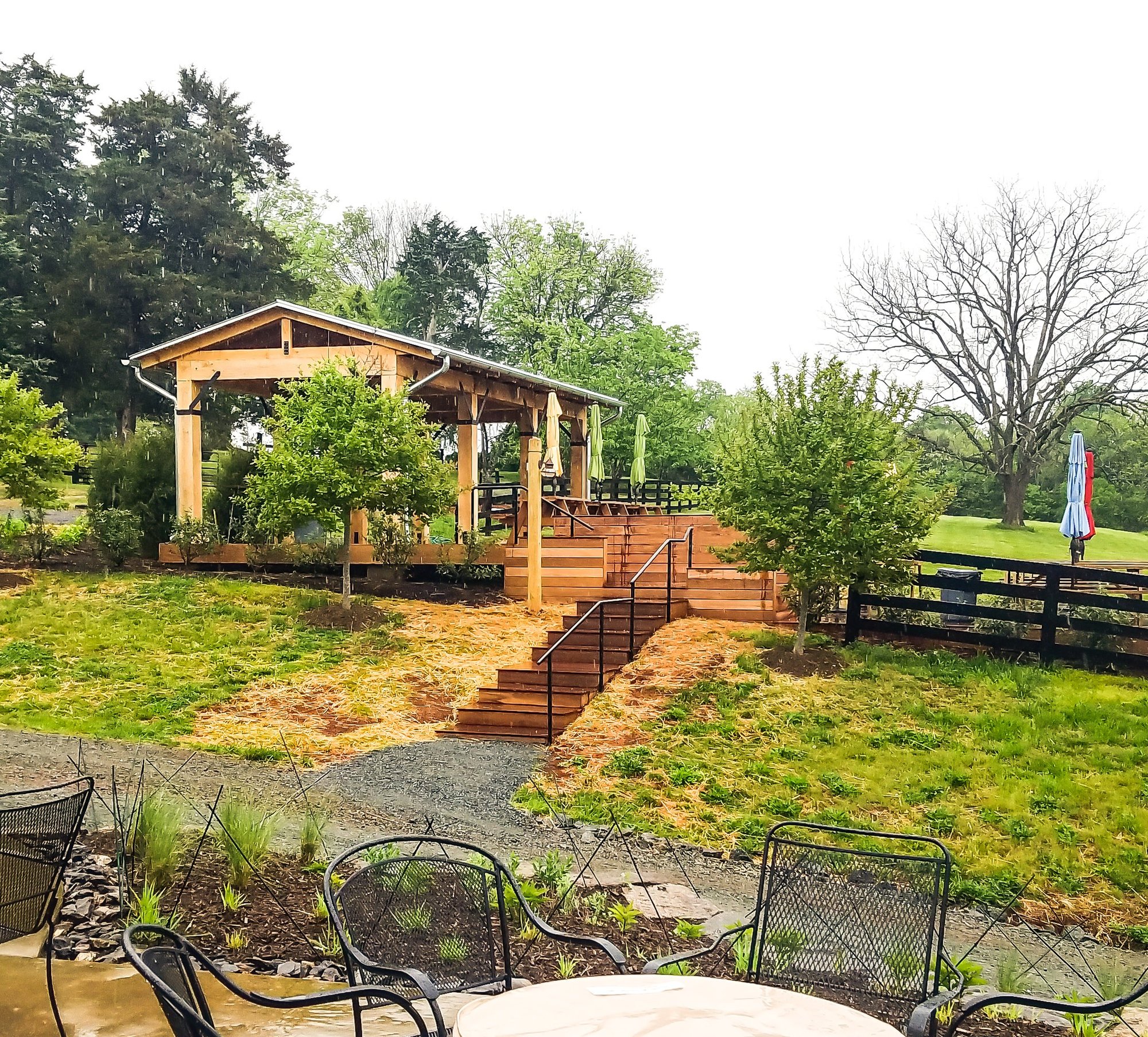
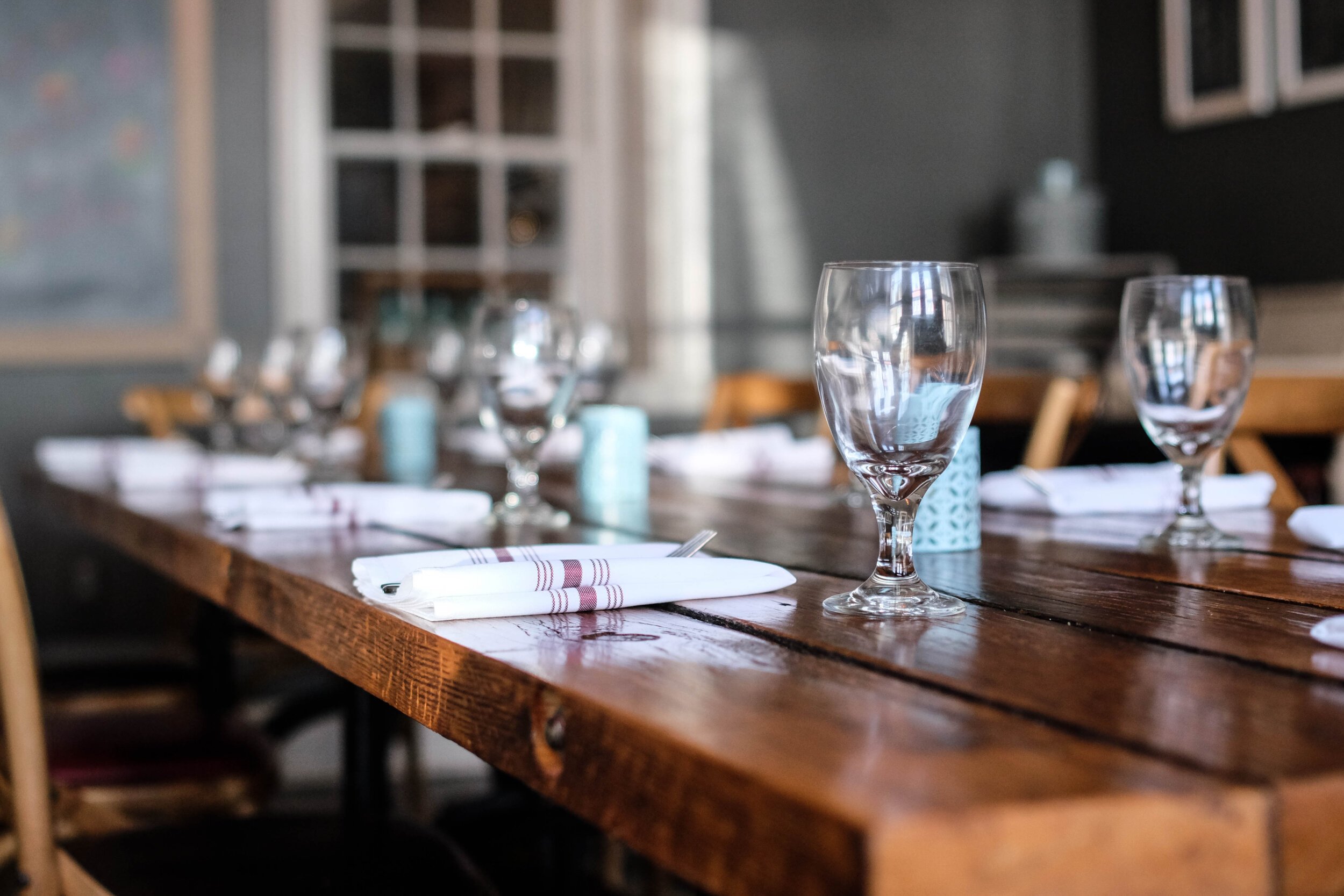
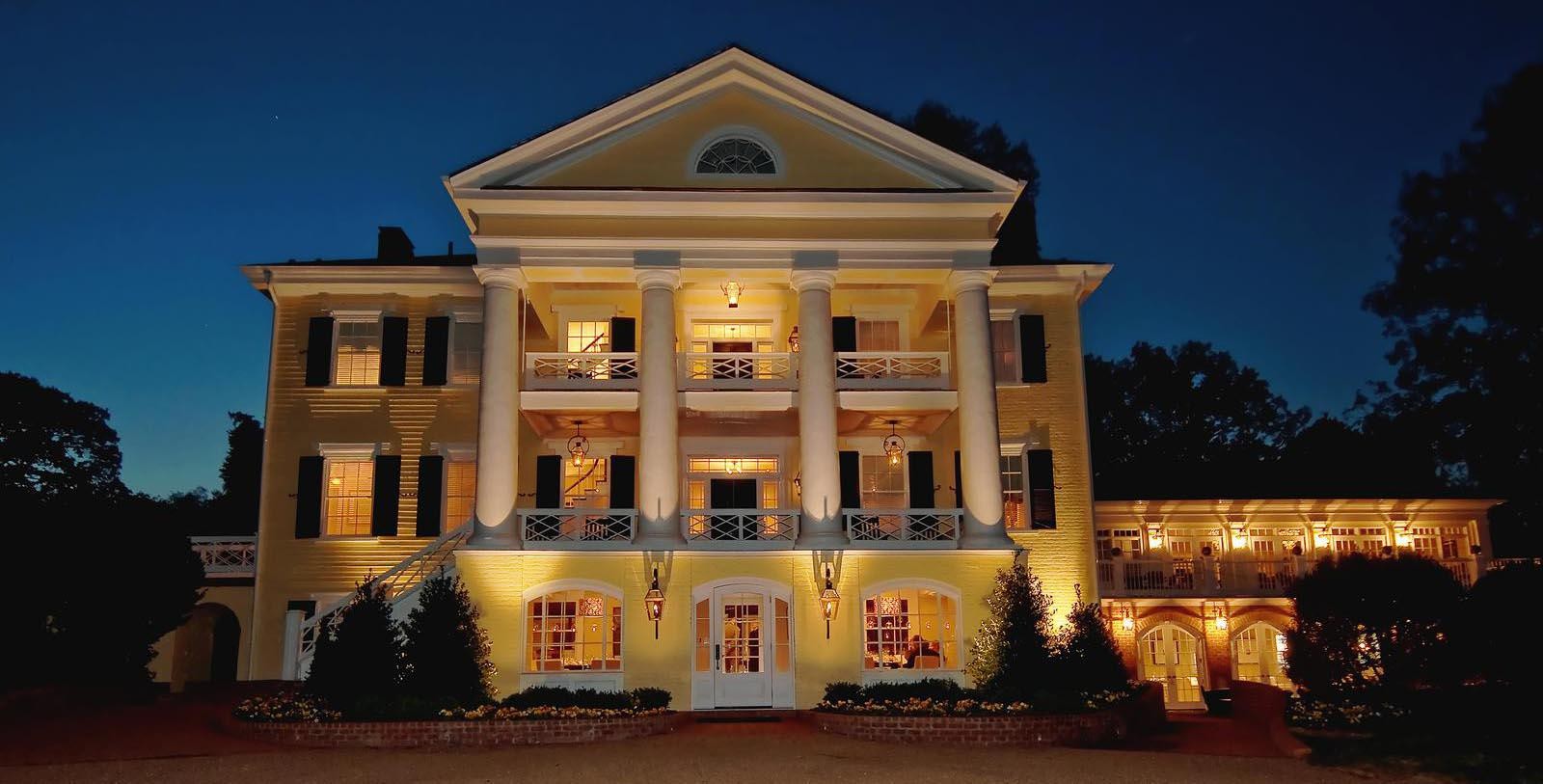
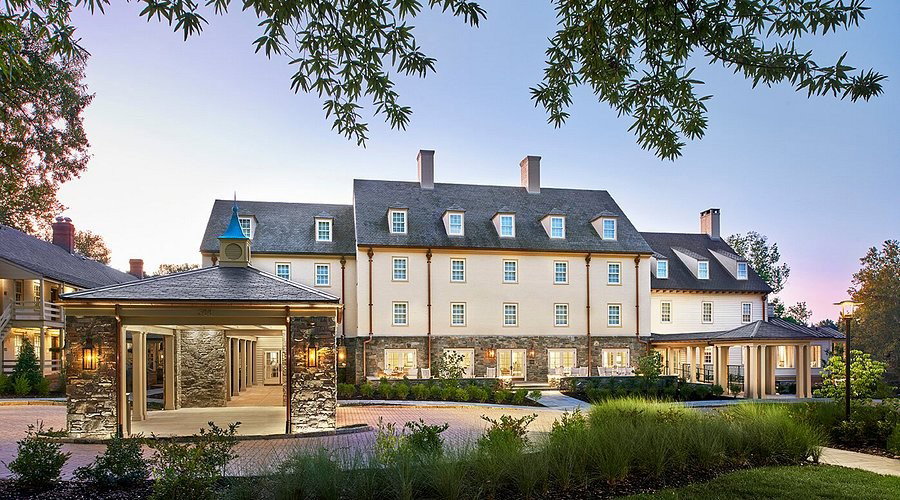
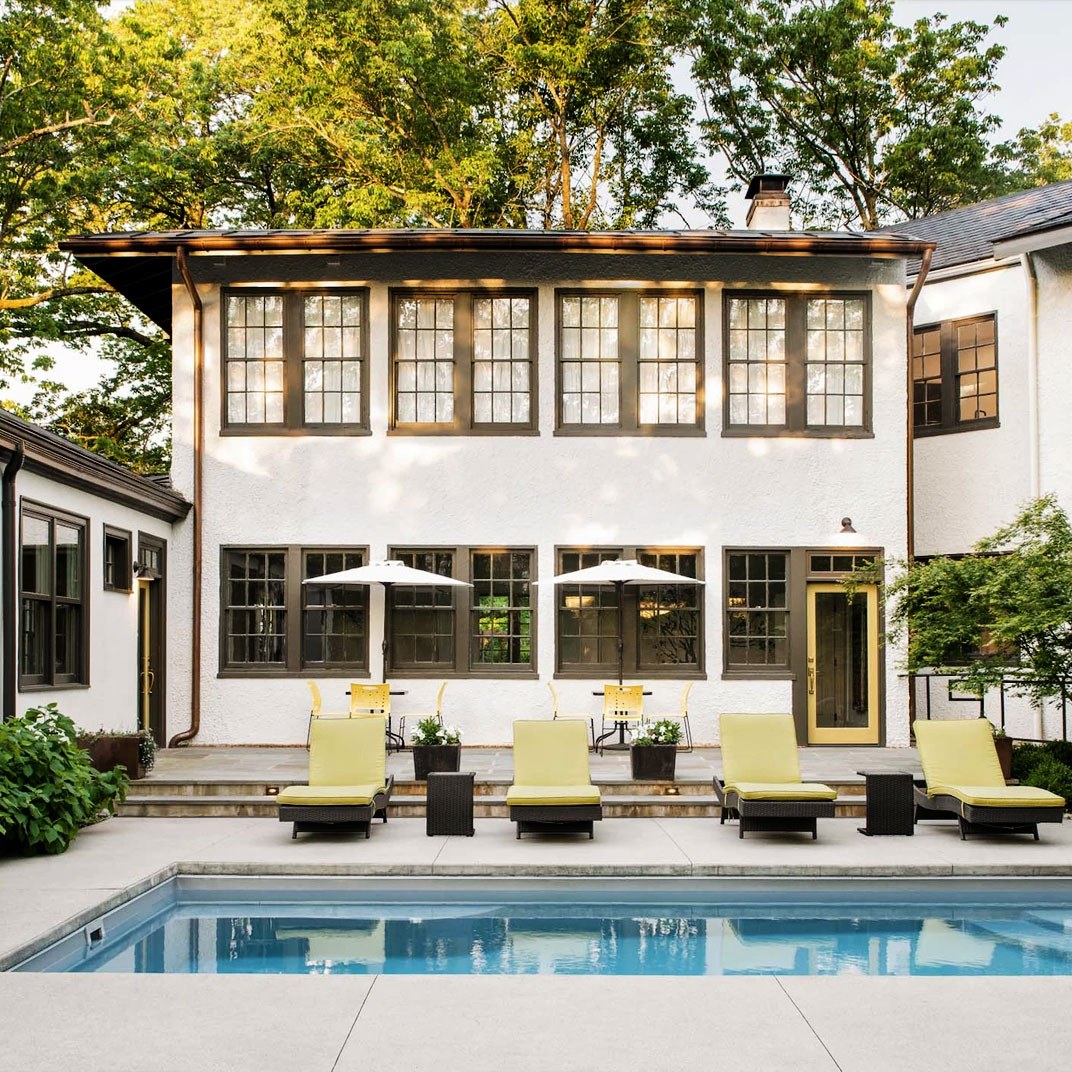
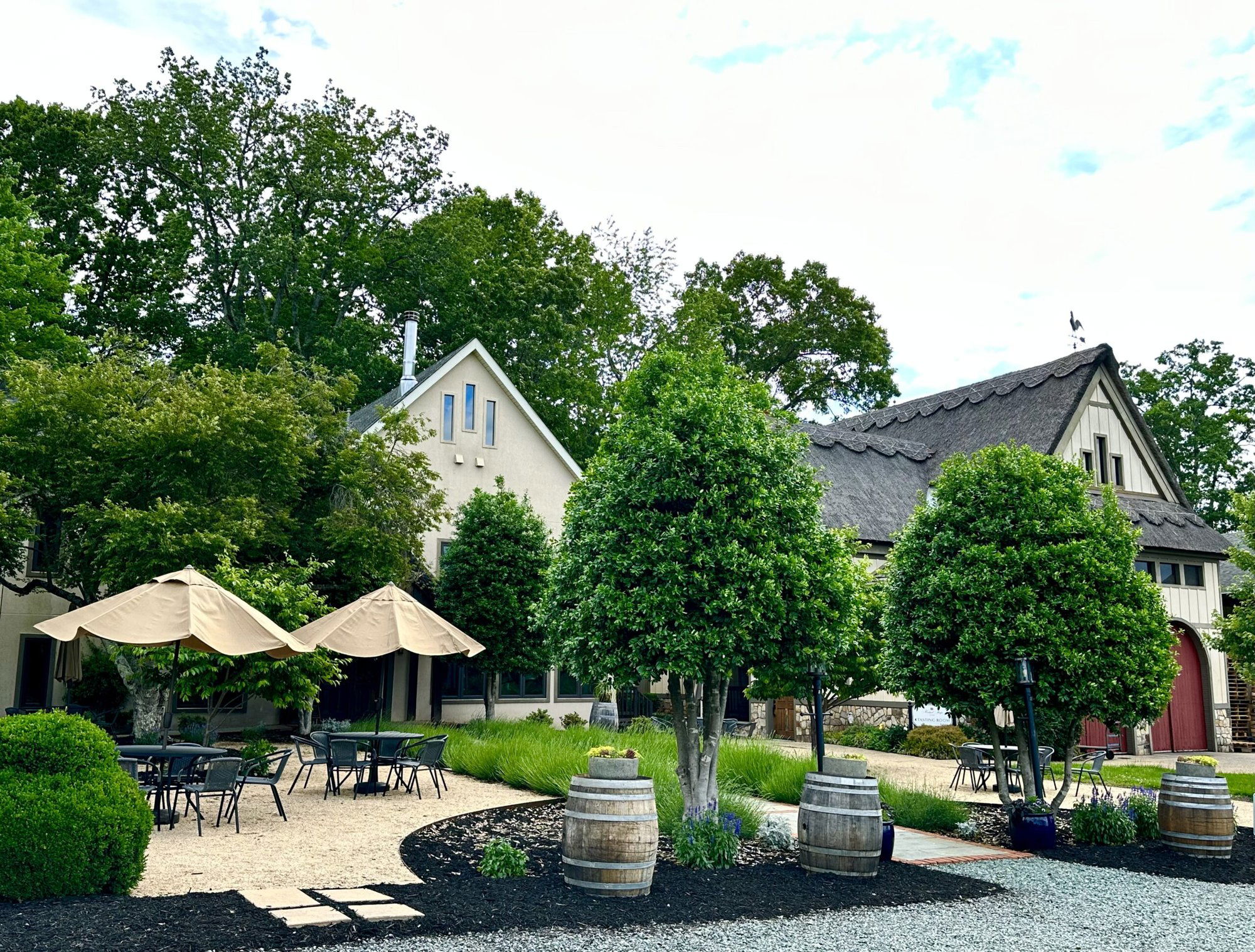
Cozy, minimalist tasting room nestled in the woods with indoor and outdoor seating, offering a secluded and authentic hospitality experience.
Tags
Vibe
Best For
Experience
View
At the Vineyard
- Appellation
- Monticello AVA
- Varietals
- Cabernet Franc, Chardonnay, Viognier, Petit Verdot, Tannat
- Tour Duration
- 60-90 minutes
- Wine Club
- Available
Know before you go
Know Before You Go
- Getting there
- 1650 Harris Creek Rd, Charlottesville, VA 22902
Planning details
Location
Also consider
Where to go if this is unavailable
If availability is tight, try Gabriele Rausse Winery for another Charlottesville wine-focused stop, or Eastwood Farm & Winery if the group wants an easier, more relaxed outing.
Winery context
How It Compares
Choose Michael Shaps Wineworks when the wine is the point of the outing. Against Blenheim Vineyards, it reads as the more wine-led decision; Blenheim is the easier recommendation for visitors who want a softer, more scenic Charlottesville winery day.
Mount Ida Reserve is the better fit for a broader destination-style plan, especially if the group wants a fuller property experience outside the immediate metro. Trump Winery is the more obvious pick for scale and name recognition, but that is not the same as a tighter wine-focused visit.
For backup plans, Gabriele Rausse Winery and Eastwood Farm & Winery are the practical cross-shops. Gabriele Rausse suits a compact local tasting route; Eastwood is the safer call for relaxed groups that value ease and ambiance over a more concentrated wine agenda.
Around this place
Discover more on Pearl
Unlock the full Michael Shaps Wineworks guide in Pearl, including awards, comparisons, FAQs, planning details, and nearby places.
Compare Michael Shaps Wineworks
| Venue | Location | Awards |
|---|---|---|
| Michael Shaps Wineworks | Charlottesville | No published awards |
| Blenheim Vineyards | Charlottesville | No published awards |
| Mount Ida Reserve | Scottsville | No published awards |
| Trump Winery | Charlottesville | No published awards |
| Gabriele Rausse Winery | Charlottesville | No published awards |
| Eastwood Farm & Winery | Charlottesville | No published awards |
How Michael Shaps Wineworks Charlottesville compares with similar nearby venues.
FAQ
Frequently Asked Questions
What other venues should I compare with Michael Shaps Wineworks?
Blenheim Vineyards, Mount Ida Reserve, Trump Winery, Gabriele Rausse Winery, and Eastwood Farm & Winery are relevant regional comparisons to consider alongside Michael Shaps Wineworks. Confirm current hours, booking details, and visit format directly with each venue before planning.
When is the best time to visit Michael Shaps Wineworks?
Michael Shaps Wineworks has Pearl 2 Star Prestige recognition for 2025, so it is worth confirming current availability and planning details directly before you go.
What is Michael Shaps Wineworks known for?
Michael Shaps Wineworks is a Charlottesville venue with Pearl 2 Star Prestige recognition for 2025. The dress code is casual.
Where is Michael Shaps Wineworks located?
Michael Shaps Wineworks is located in Charlottesville.