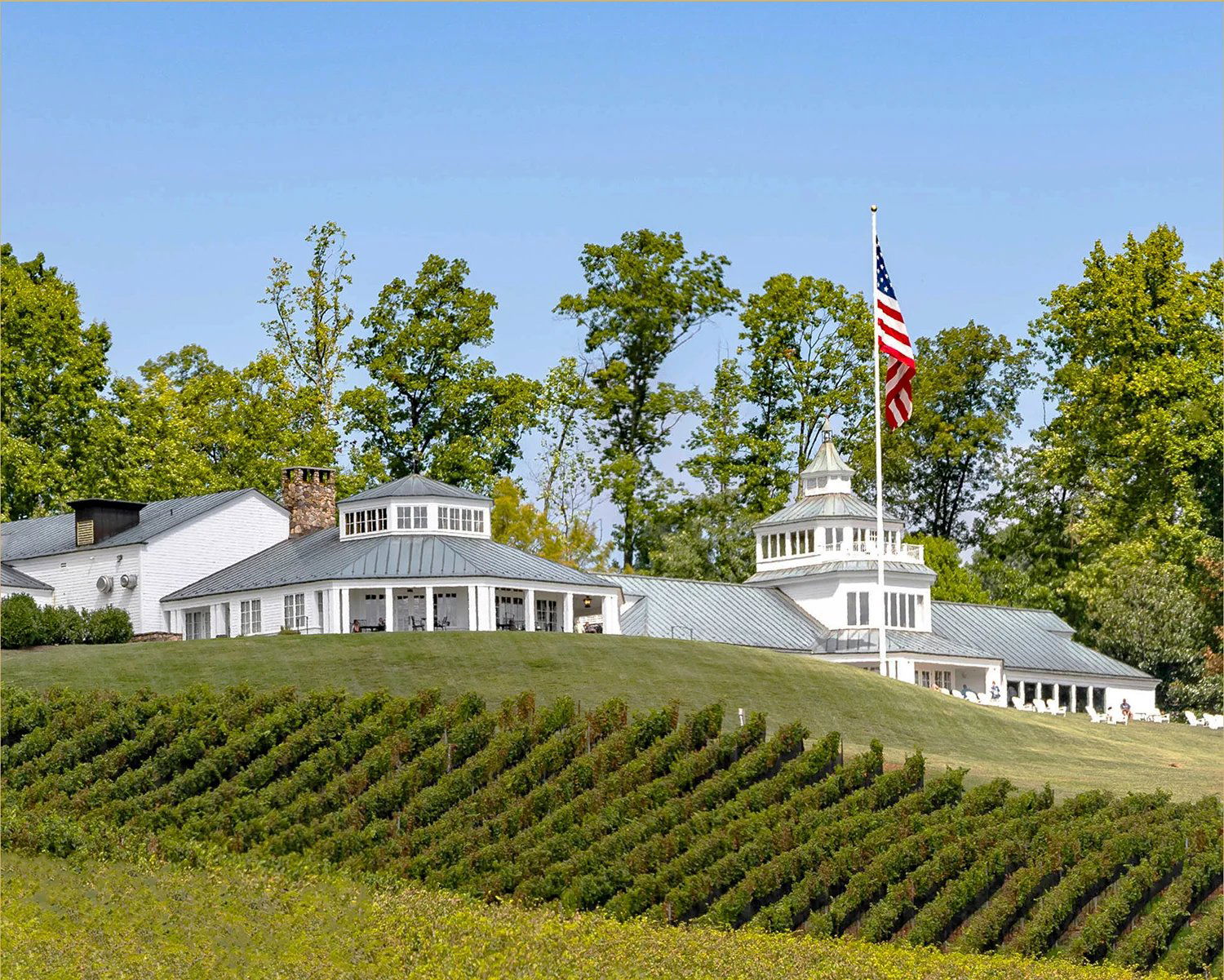
Trump Winery
Monticello Wine Trail, Charlottesville
Winery in Charlottesville, United States
 Book with Pearl
The Read
Blue Ridge Estate Viticulture
Why go
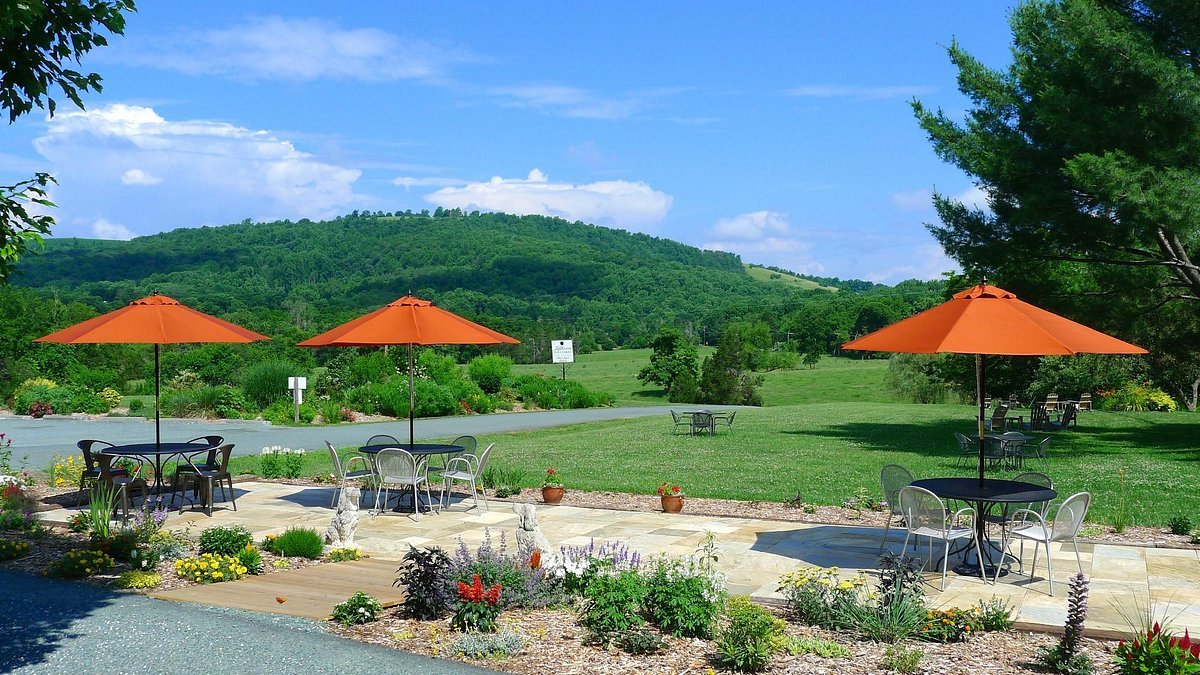
Trump Winery is worth prioritizing if the estate setting is a major part of the Charlottesville wine-country appeal. It is a stronger fit for scenic visitors and groups than for travelers seeking the smallest, most intimate tasting-room experience; cross-shop Gabriele Rausse Winery or Michael Shaps Wineworks if wine-geek depth matters more than the grounds.
About Trump Winery
For a Charlottesville visit, Trump Winery is best treated as a stop to evaluate alongside the rest of your route. It is in Charlottesville, the dress code is smart casual, and it carries Pearl 3 Star Prestige (2025) recognition.
Do not build the plan around assumptions about service format, food, reservations, hours, pricing, or specific offerings. If you are comparing options, Gabriele Rausse Winery is another winery to consider, while Eastwood Farm & Winery may suit a different kind of stop.
About Trump Winery
Trump Winery is a Charlottesville winery with smart casual dress and Pearl 3 Star Prestige (2025) recognition. Visitors should verify current details directly before making it the anchor of a day.
For comparison planning, Blenheim Vineyards and Jefferson Vineyards are useful reference points. Compared with Michael Shaps Wineworks, Trump Winery should be considered based on its current visitor details rather than on any assumed format or specialty.
Who should put it on the Charlottesville route
Choose it if you want to include a Pearl 3 Star Prestige-recognized Charlottesville winery and are comfortable confirming the current visit details in advance. If you need a specific format, food plan, timing, or purchase goal, check directly before committing.
For a broader trip, pair this decision with our full Charlottesville wineries guide, then build around meals, stays, and after-dinner plans using our full Charlottesville restaurants guide, our full Charlottesville hotels guide, our full Charlottesville bars guide, and our full Charlottesville experiences guide.
Planning details
- Location
- 385 Albemarle House Dr, Charlottesville, VA 22902
- Website
- trumpwinery.com
- Phone
- +1 434-266-9909
The take
The Take
The Vibe
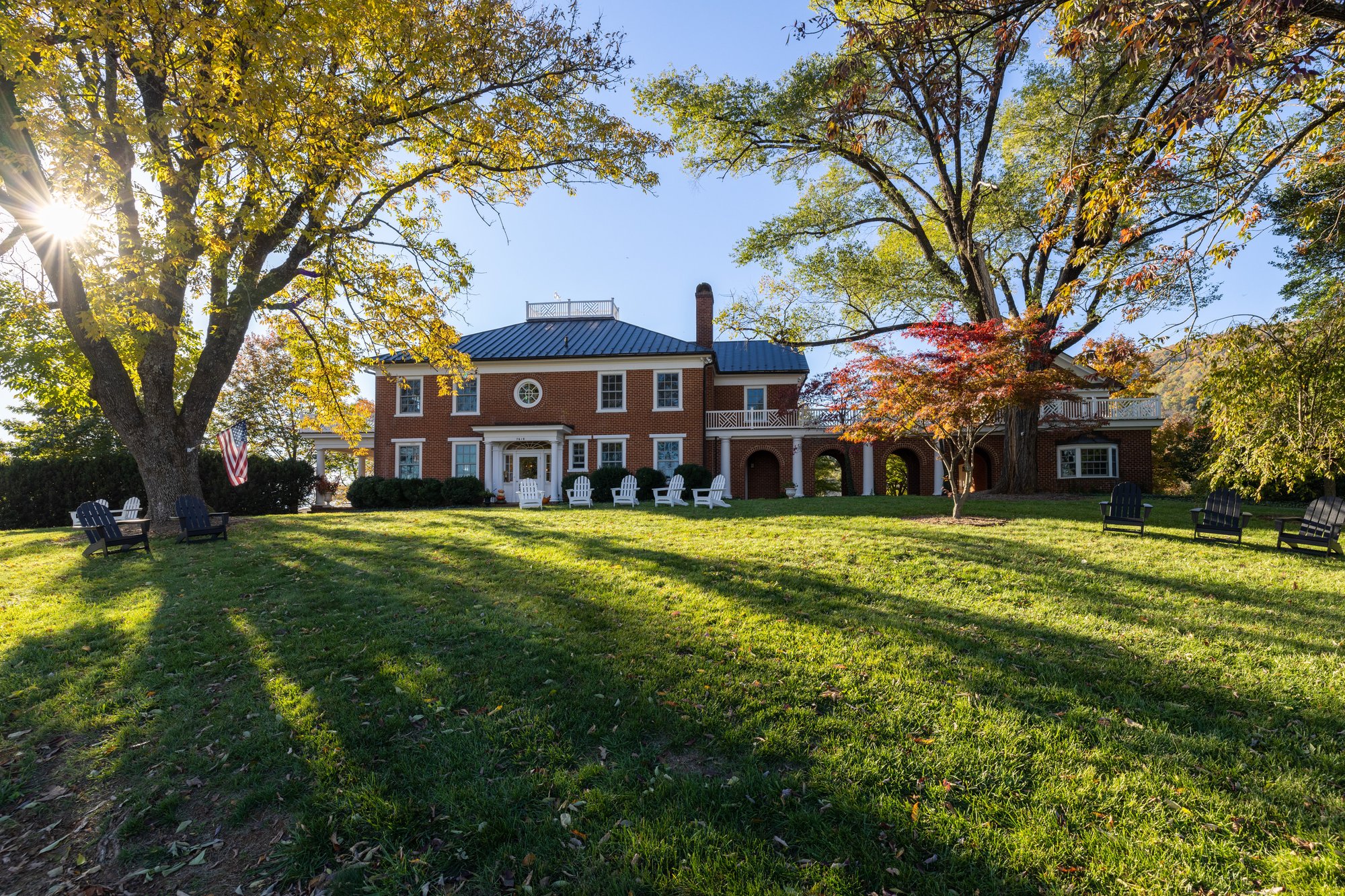
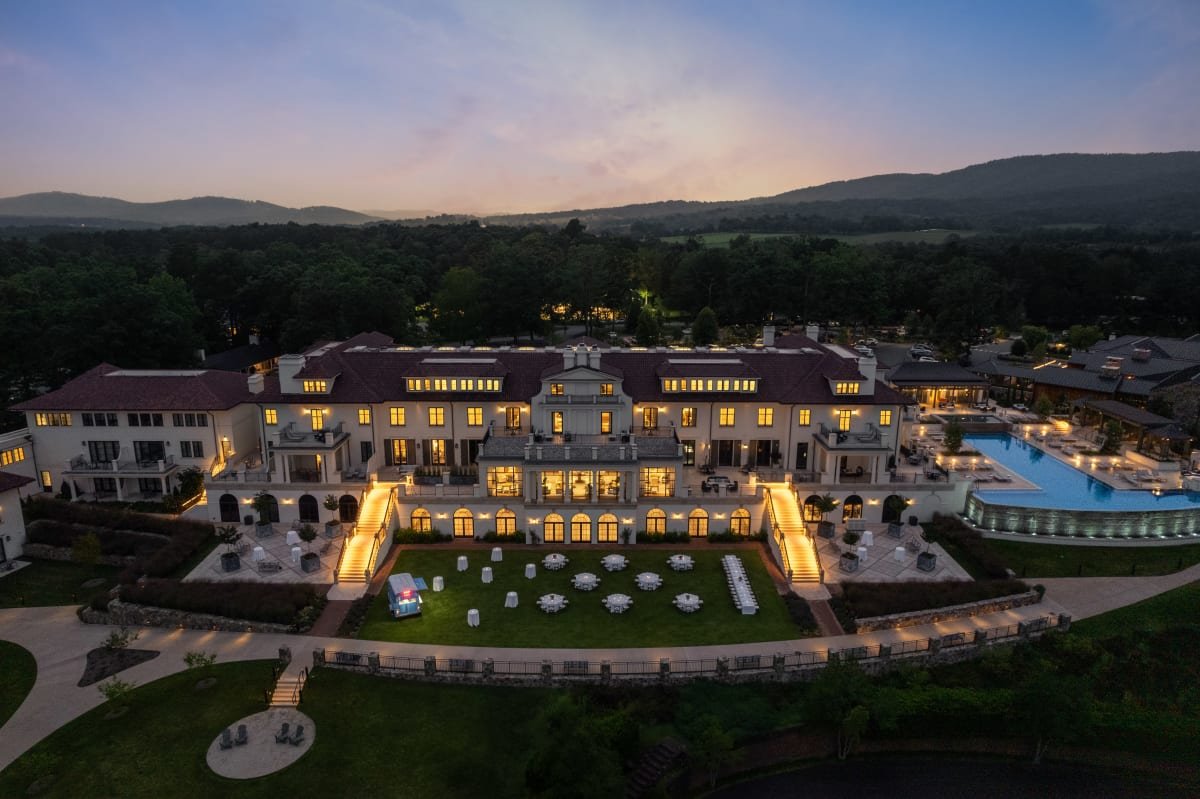
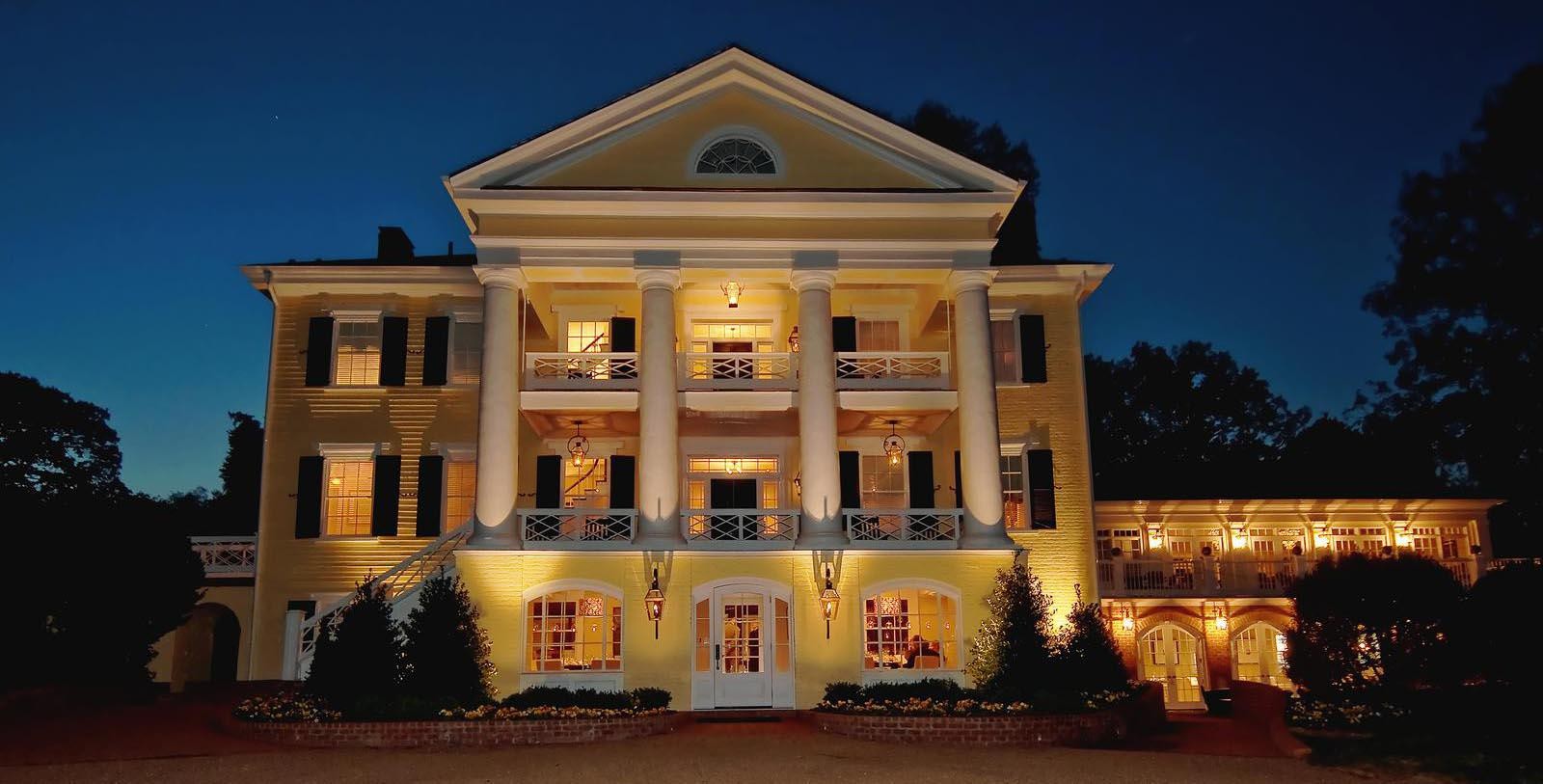
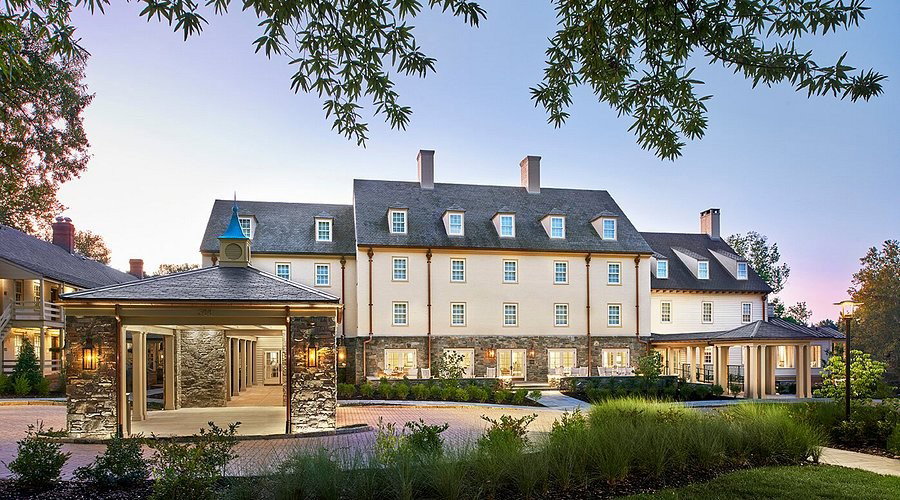
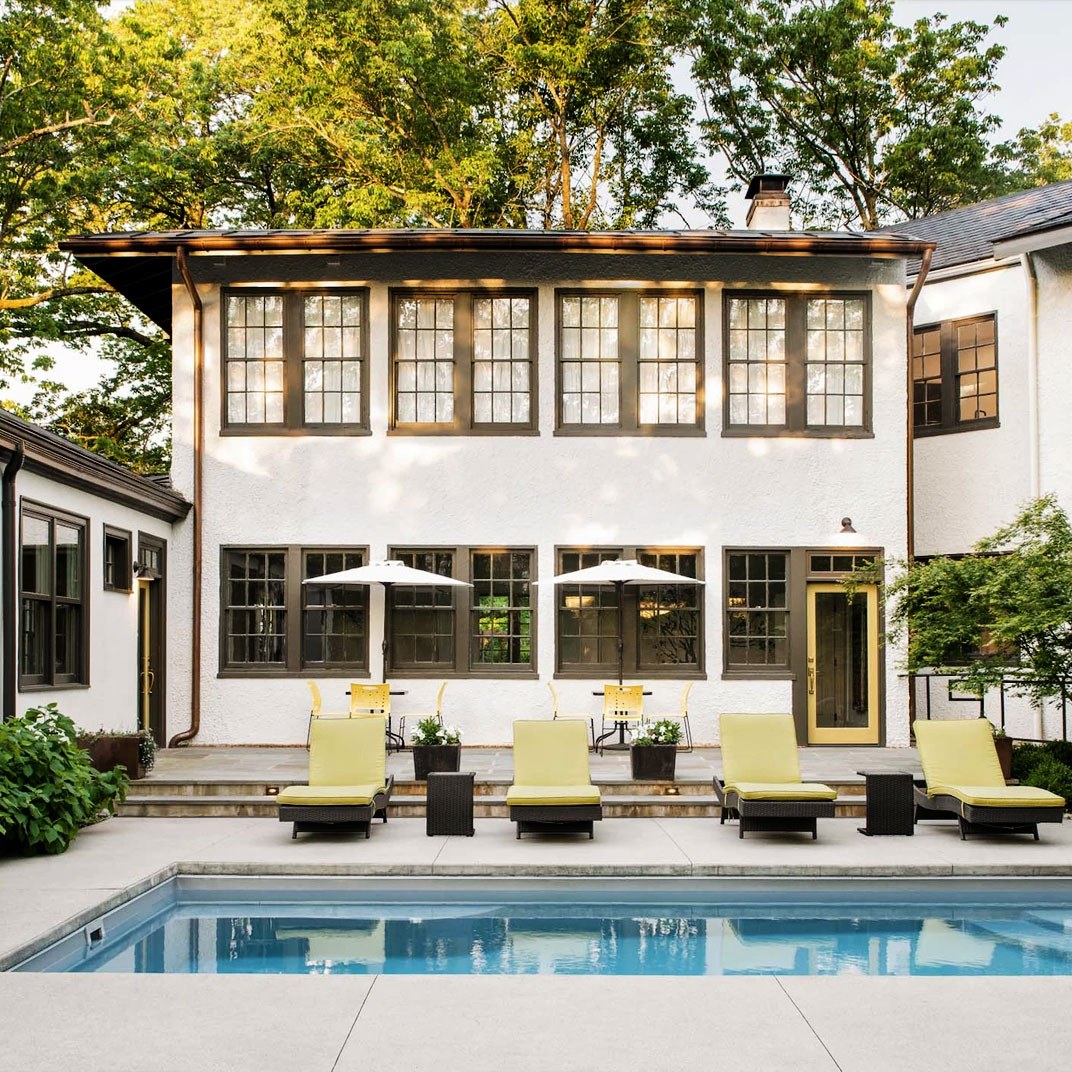
Trump Winery presents as a large, estate-driven wine destination that leans into hospitality at scale. The write-up positions it in the upper tier of Charlottesville’s Albemarle estate properties—an operation that emphasizes grounds, programming depth and a food-integrated approach to tasting. The 2025 Pearl 3 Star Prestige rating reinforces a consistent, well-invested presentation of wine alongside food, so the overall impression is polished and purposeful rather than boutique or casual. Visitors encounter a property designed for lingering: landscaped estate grounds, formal hospitality offerings and a hospitality program that treats wine tasting as part of a broader culinary experience.
Best For
This estate is best for visitors planning an extended winery visit—groups, celebrations and anyone seeking a more structured hospitality program. The description explicitly highlights its appeal to guests who make a winery stop into a full-day outing, and it notes private events and dining rooms as part of the offer. It therefore suits group outings, special-occasion meals and wine-education-minded visitors who want both a tasting and food-focused hospitality. Travelers building multi-stop itineraries in the Monticello Wine Trail will also find it a purposeful destination stop rather than a quick tasting.
Tasting Tips
Book ahead and allow plenty of time. The property is framed as an estate-level operation with private events and dining rooms, so reservations for seated dining or private functions are advisable—especially on peak days when multi-stop itineraries bring larger visitor flows. Expect a food-integrated experience rather than just a bar tasting; inquire about dining-room availability and whether a private event or longer seated tasting is required for the hospitality programming you want. The venue’s Pearl 3 Star Prestige rating suggests consistent service, so confirm timing and any food pairing options when you reserve.
Venue details
Ambiance
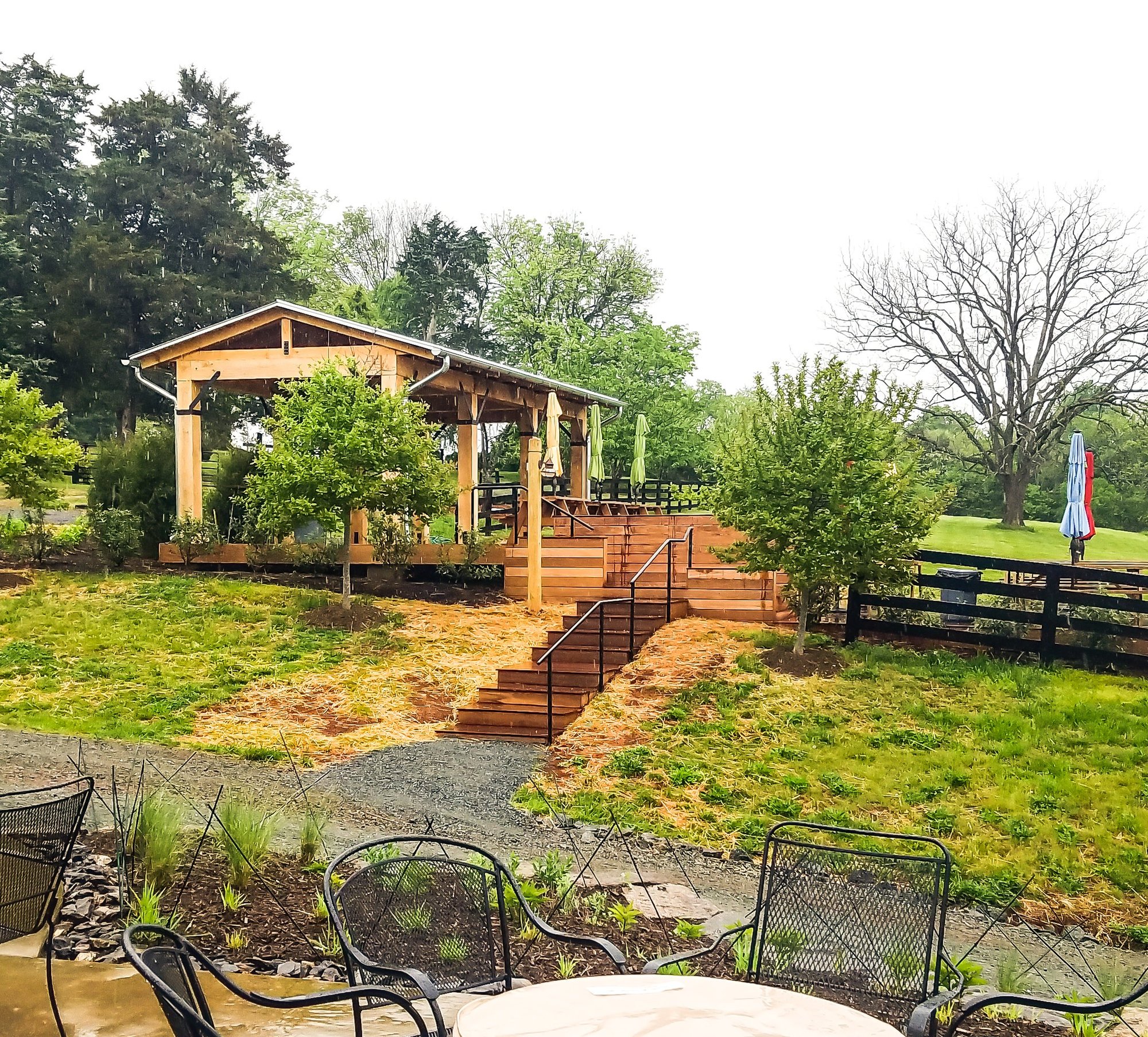
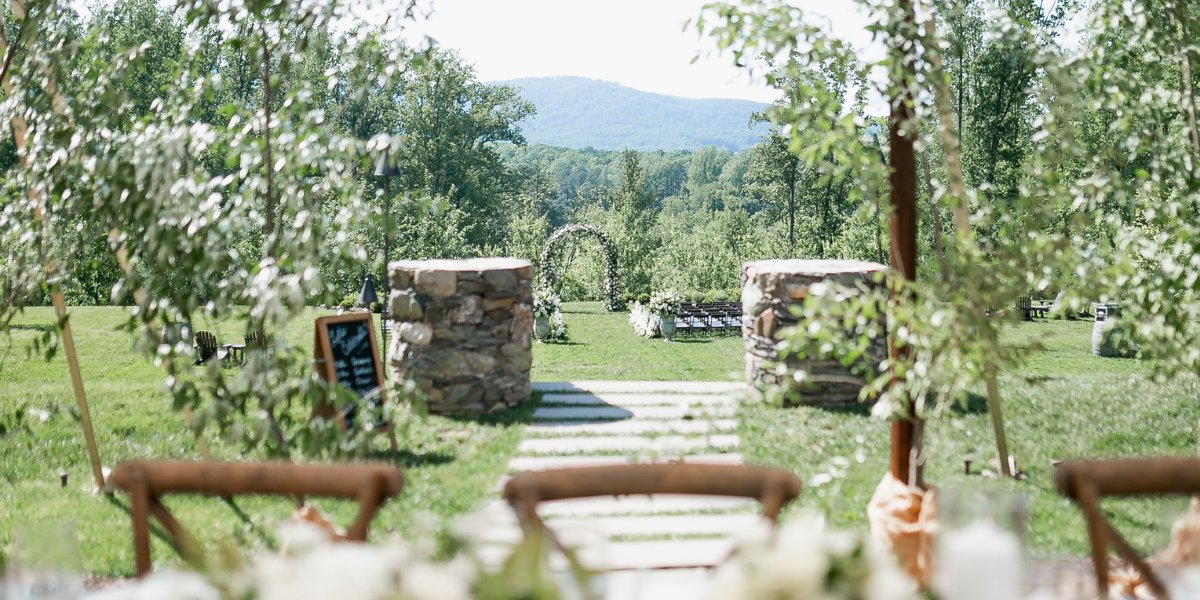
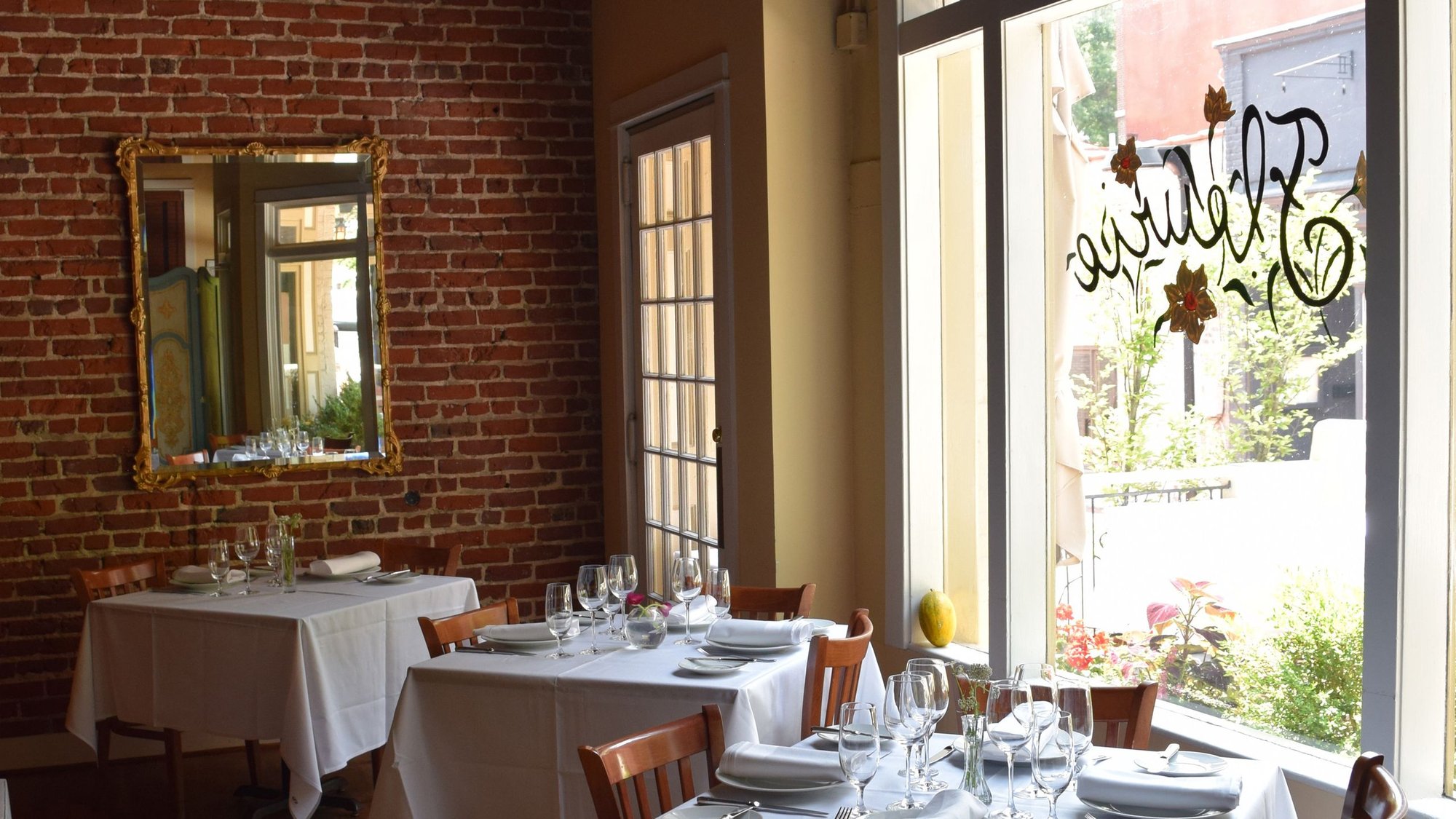
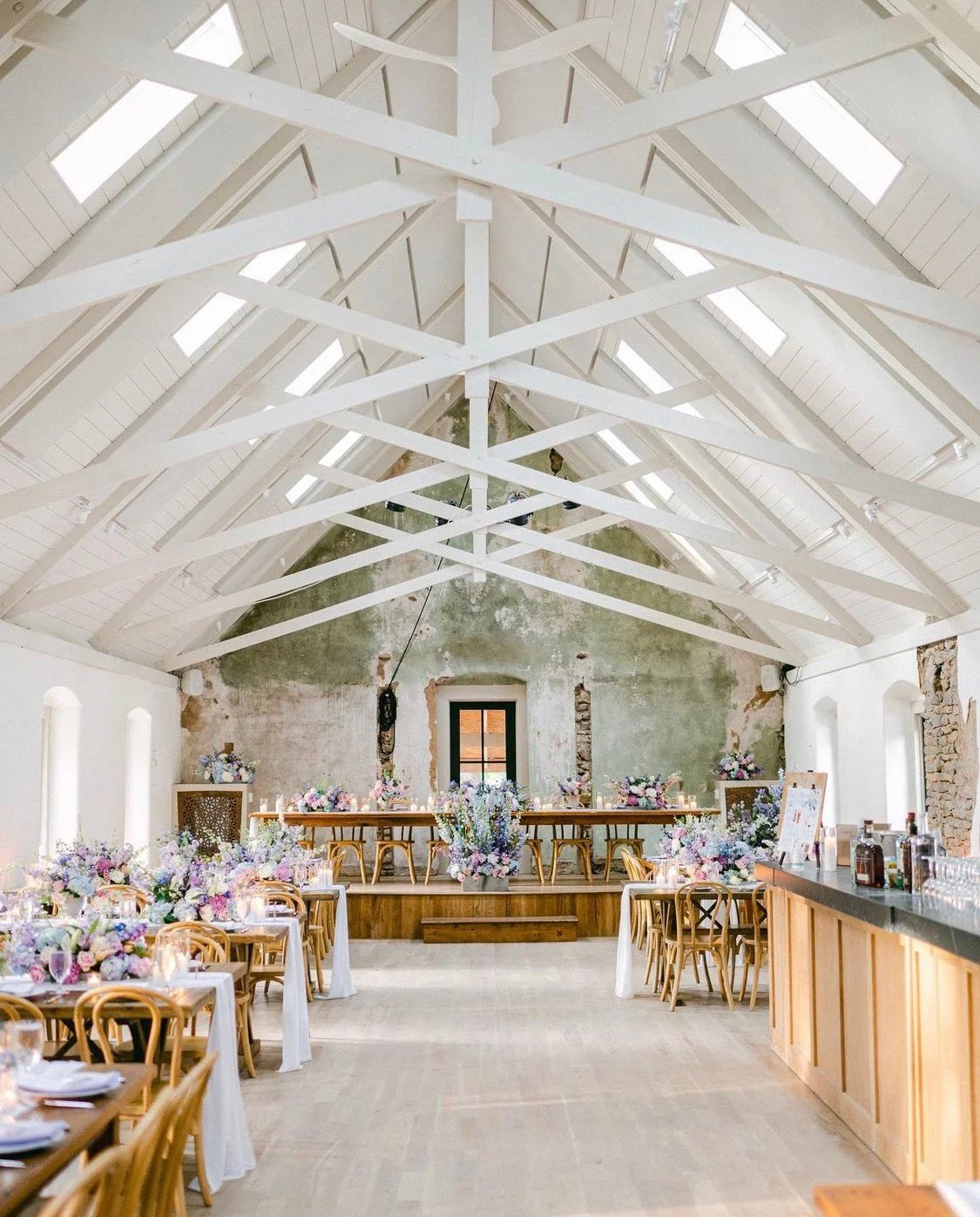
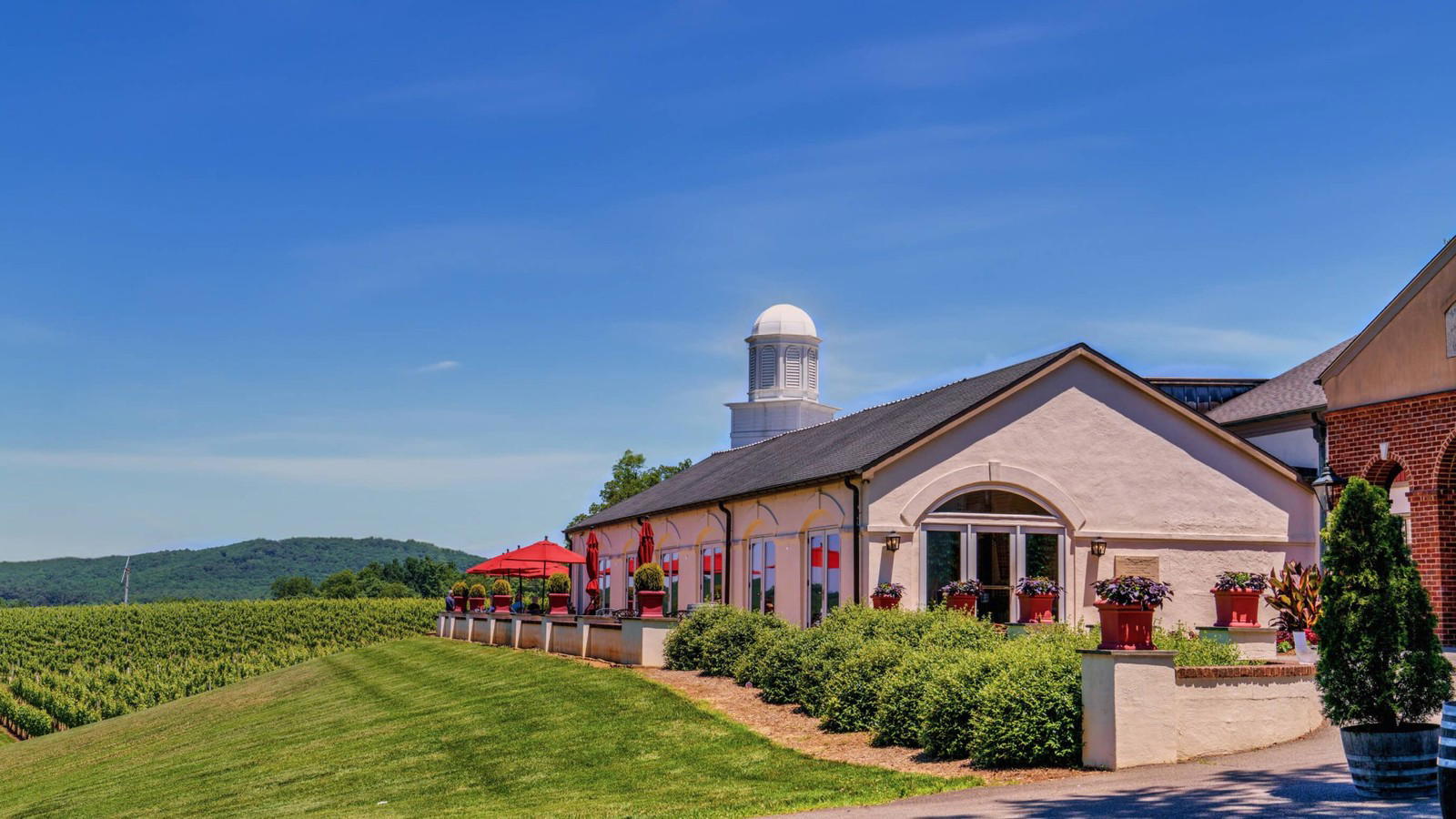
Warm atmosphere in the Grand Hall Tasting Room with floor-to-ceiling windows overlooking rolling hills and vineyards, wood-burning fireplaces, and elegant yet casual seating areas.
Tags
Vibe
Best For
Experience
View
At the Vineyard
- Appellation
- Monticello AVA
- Varietals
- Viognier, Chardonnay, Sauvignon Blanc, Cabernet Sauvignon, Merlot
- Tour Duration
- 60-90 minutes
- Visits
- Walk-ins welcome
- Farming
- Sustainable
- Wine Styles
- Still Red, Still White, Sparkling
- Food Pairing
- Offered
- Shipping
- Available
- Wine Club
- Available
Know before you go
Know Before You Go
- Getting there
- 385 Albemarle House Dr, Charlottesville, VA 22902
Planning details
Location
Also consider
If you cannot get the visit you want
Try Gabriele Rausse Winery if the priority is a quieter, more intimate tasting feel. Try Eastwood Farm & Winery if the group needs a more relaxed Charlottesville winery stop.
Winery context
How it compares in Charlottesville wine country
Trump Winery is the estate-forward choice in this group: book it when ambiance, vineyard views, and a sense of occasion matter. Eastwood Farm & Winery is the better fallback for a more relaxed group outing, while Gabriele Rausse Winery is stronger for visitors who prefer a quieter, more focused tasting-room feel.
Blenheim Vineyards and Jefferson Vineyards sit closer to the classic Charlottesville winery-day template: approachable, scenic, and easier to slot into a broader route. Trump Winery is more of a destination stop, but that also means it can be harder to plan casually if availability is tight.
For wine-first travelers, Michael Shaps Wineworks is the sharper comparison because the appeal leans more toward production focus than estate atmosphere. Choose Trump Winery for the setting; choose Michael Shaps Wineworks when the cellar-side angle matters more.
Around this place
Discover more on Pearl
Unlock the full Trump Winery guide in Pearl, including awards, comparisons, FAQs, planning details, and nearby places.
Compare Trump Winery
| Venue | Location | Awards |
|---|---|---|
| Trump Winery | Charlottesville | No published awards |
| Eastwood Farm & Winery | Charlottesville | No published awards |
| Gabriele Rausse Winery | Charlottesville | No published awards |
| Blenheim Vineyards | Charlottesville | No published awards |
| Jefferson Vineyards | Charlottesville | No published awards |
| Michael Shaps Wineworks | Charlottesville | No published awards |
How Trump Winery Charlottesville compares with similar nearby venues.
FAQ
Frequently Asked Questions
When is the best time to visit Trump Winery?
Trump Winery is in Charlottesville. Confirm current hours and visit details directly before going, especially if you are planning a broader day with Jefferson Vineyards or Blenheim Vineyards.
Does Trump Winery offer shipping?
Do I need a reservation at Trump Winery?
Plan ahead by checking directly with Trump Winery, especially if you are coordinating a group visit or comparing it with Eastwood Farm & Winery for your itinerary.
Are membership or purchase programs at Trump Winery worth considering?
Review any current terms directly with Trump Winery before committing, and compare your plans with other winery visits such as Michael Shaps Wineworks and Jefferson Vineyards.
How long should I plan for a visit to Trump Winery?
Does Trump Winery serve food?
Do not assume food availability unless Trump Winery confirms it for your visit date, and confirm details directly for any other winery you are comparing, such as Eastwood Farm & Winery.
What should I try at Trump Winery?
Confirm current options directly with Trump Winery, and use the Pearl 3 Star Prestige (2025) recognition as a reason to consider it within a Charlottesville winery route.