Mazzei (Castello di Fonterutoli)
Castellina in Chianti
Winery in Castellina in Chianti, Italy
 Book with Pearl
The Read
Six-Century Sangiovese Terroir
Price
$50–100tasting
Why go
Mazzei (Castello di Fonterutoli) is worth prioritizing if the trip is built around Chianti Classico depth near Castellina in Chianti. Treat it as a planned wine appointment rather than a flexible drop-in, and cross-shop Castello di Ama, Fontodi, Montevertine, Isole e Olena, and Castello di Volpaia depending on whether you want heritage, collector appeal, village setting, or regional comparison.
About Mazzei (Castello di Fonterutoli)
Mazzei (Castello di Fonterutoli) is a Pearl 2 Star Prestige (2025) venue in Castellina in Chianti. It is a notable stop in the area; confirm any practical specifics directly before arranging a visit.
For travelers building a day around Castellina in Chianti, note these basics: the venue is in Castellina in Chianti, the dress code is smart casual, and Pearl recognizes it with 2 Star Prestige for 2025. For dining around the same city, layer in our full Castellina in Chianti restaurants guide if meals are part of the plan.
Why this works as a Castellina in Chianti anchor
The clearest reason to prioritize Mazzei (Castello di Fonterutoli) is its Pearl 2 Star Prestige (2025) recognition in Castellina in Chianti. Beyond that, avoid assuming specific formats, services, menus, pricing, or visit structure unless confirmed directly with the venue.
For overnight planning, pair it with our full Castellina in Chianti hotels guide. If the day depends on timing, group size, or a particular experience, confirm those details before building the rest of the route around the stop.
Who should choose it over other comparison venues
Choose Mazzei (Castello di Fonterutoli) if you want a Pearl-recognized venue in Castellina in Chianti and prefer to keep the plan centered on this area. Castello di Ama, Castello di Volpaia, Fontodi, Montevertine, and Isole e Olena are useful comparison points when deciding how to structure a broader itinerary.
The practical verdict: Mazzei (Castello di Fonterutoli) has Pearl 2 Star Prestige (2025), is in Castellina in Chianti, and has a smart casual dress code. For anything more specific, check directly before committing the day.
Planning details
- Location
- Via Ottone III di Sassonia n. 5 Loc, 53011 Fonterutoli SI
- Website
- mazzei.it/pages/castello-di-fonterutoli
- Phone
- +39 0577 73571
The take
The Take
The Vibe
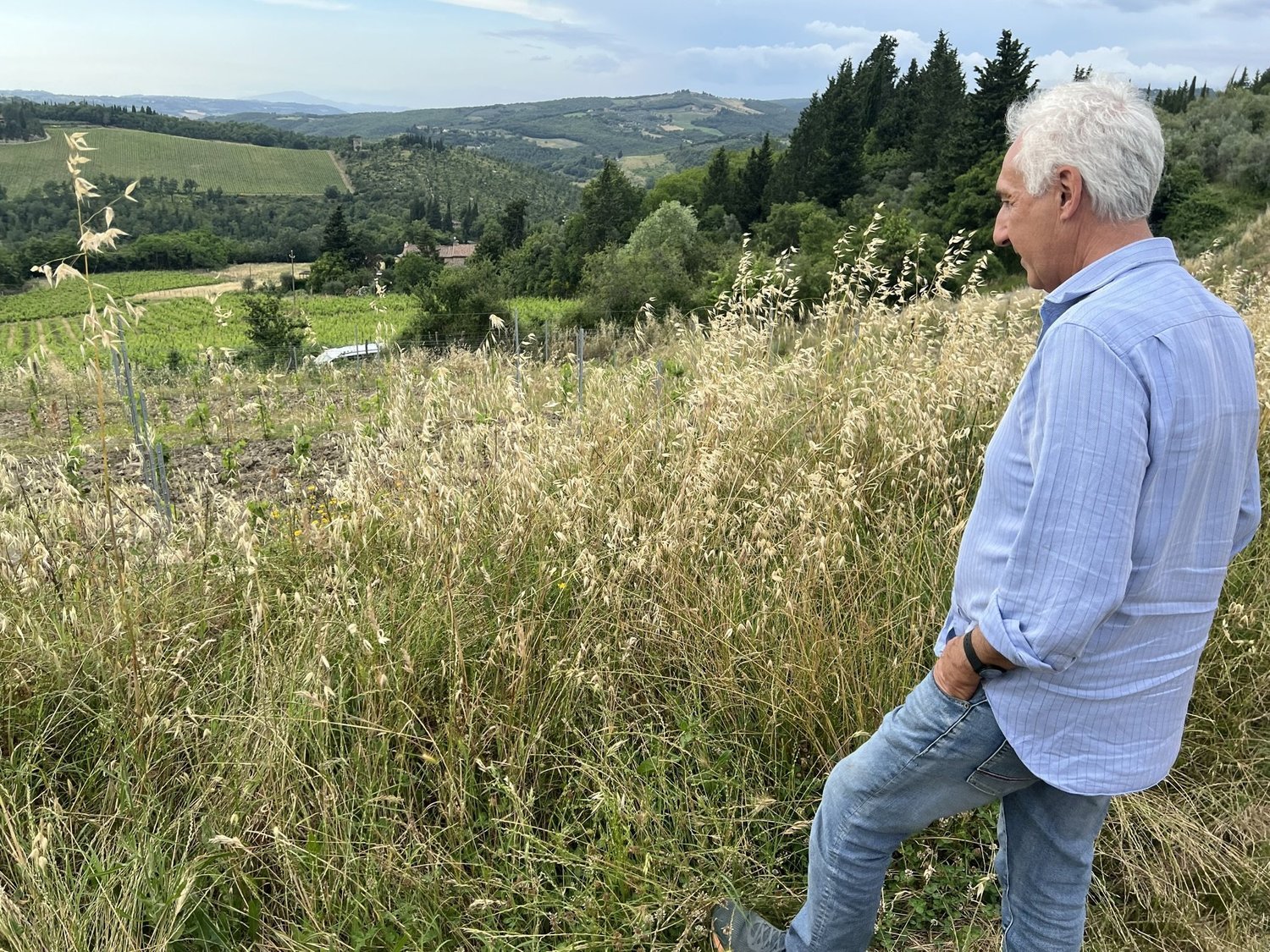
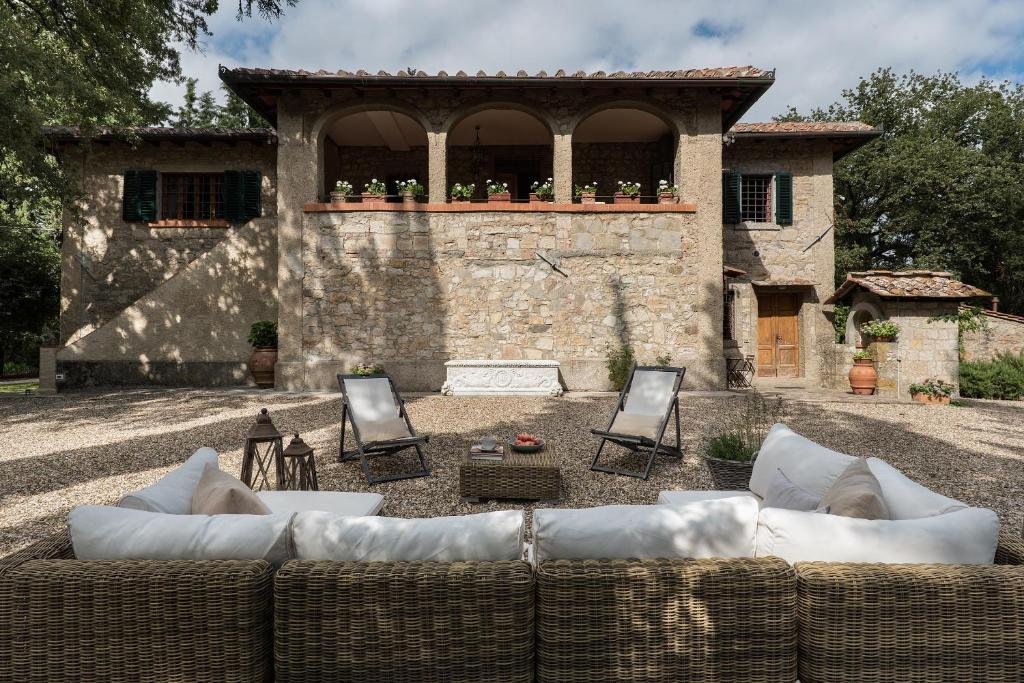
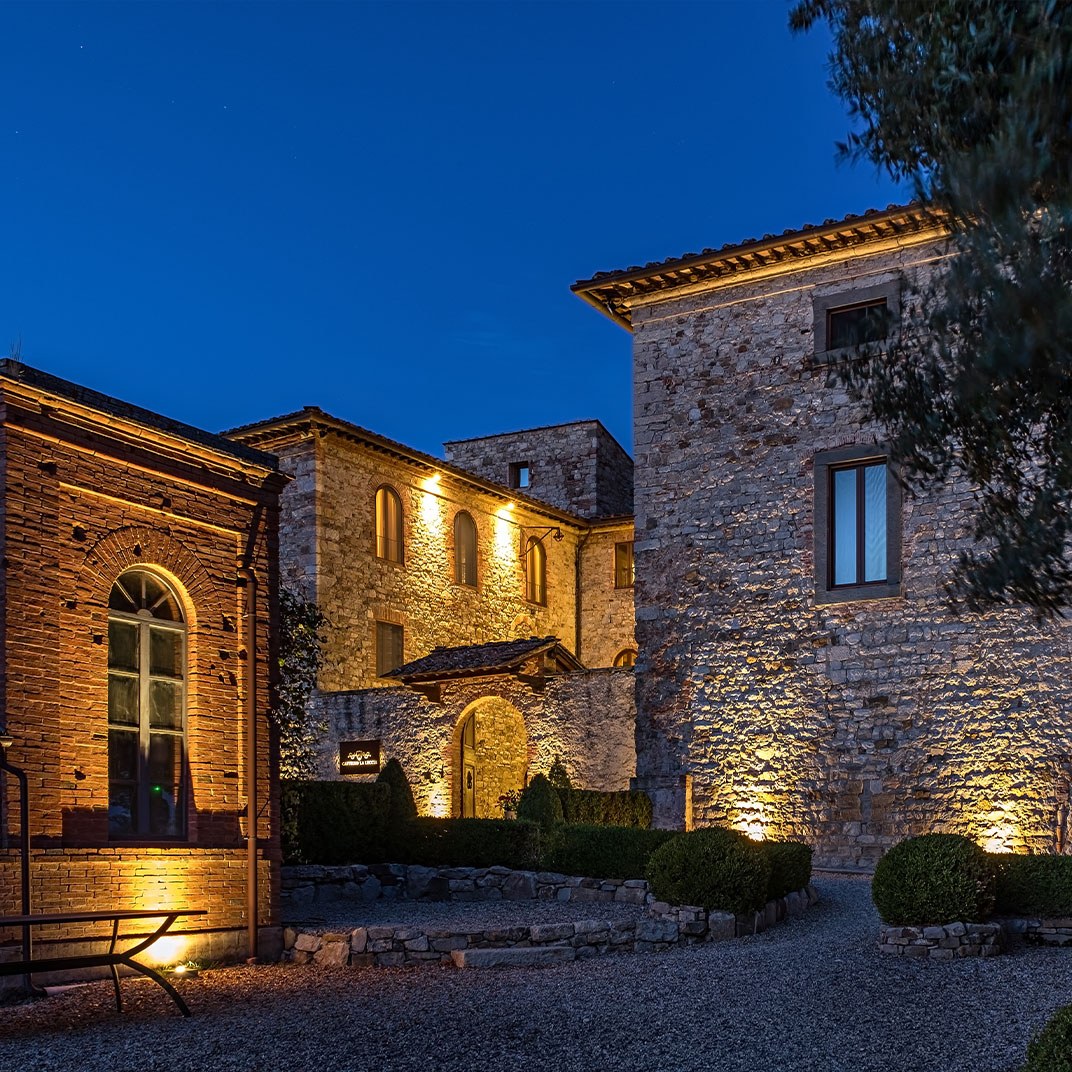
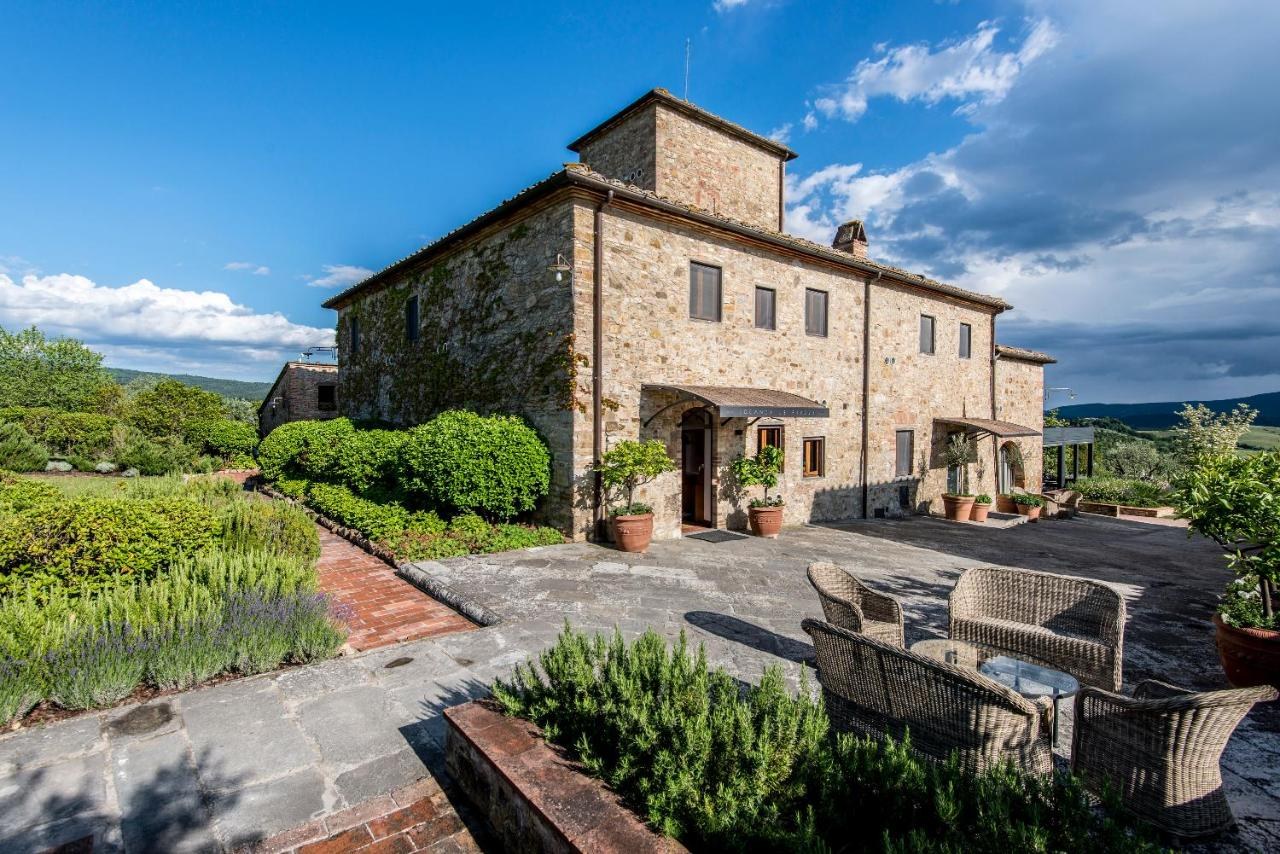
Fonterutoli reads like a living piece of Chianti history: a compact hamlet where estate buildings and stone tell as much of the story as the wines. The writing foregrounds continuity — the Mazzei family's recorded transactions date to 1435 — and situates the estate on a ridge above Castellina, where the physical tightness of the village produces an intimate, old-world feeling. Discussion of galestro and alberese soils and the estate's elevation imparts a measured, contemplative tone; this is a place that favors quiet appreciation over flash, where terroir and time are the dominant characters.
Best For
This estate is best for visitors who want to explore terroir-driven Chianti Classico and deepen their understanding of Sangiovese in context. The description focuses on soils, elevation and the estate's multi-century continuity, making it an ideal stop for wine-education–minded tastings and focused visits. Because the hamlet itself is integral to the experience, the setting suits thoughtful, small-group appointments or solitary study of site differences rather than loud, social gatherings. Travelers seeking historic atmosphere and vineyard-focused explanations get the clearest returns here.
Tasting Tips
When you arrange a visit, center your tasting on site expression: ask to compare wines made from galestro versus alberese parcels and to hear how the estate’s 250–600 metre band influences phenolic ripeness. The write-up emphasizes altitude and soil as the argument, so request explanations of harvest timing, tannin development and acidity management for Sangiovese. If available, prioritize opportunities to see the vineyards on foot or to taste single-vineyard expressions that showcase the estate’s compositional flexibility; these angles are what the description highlights most.
Venue details
Ambiance
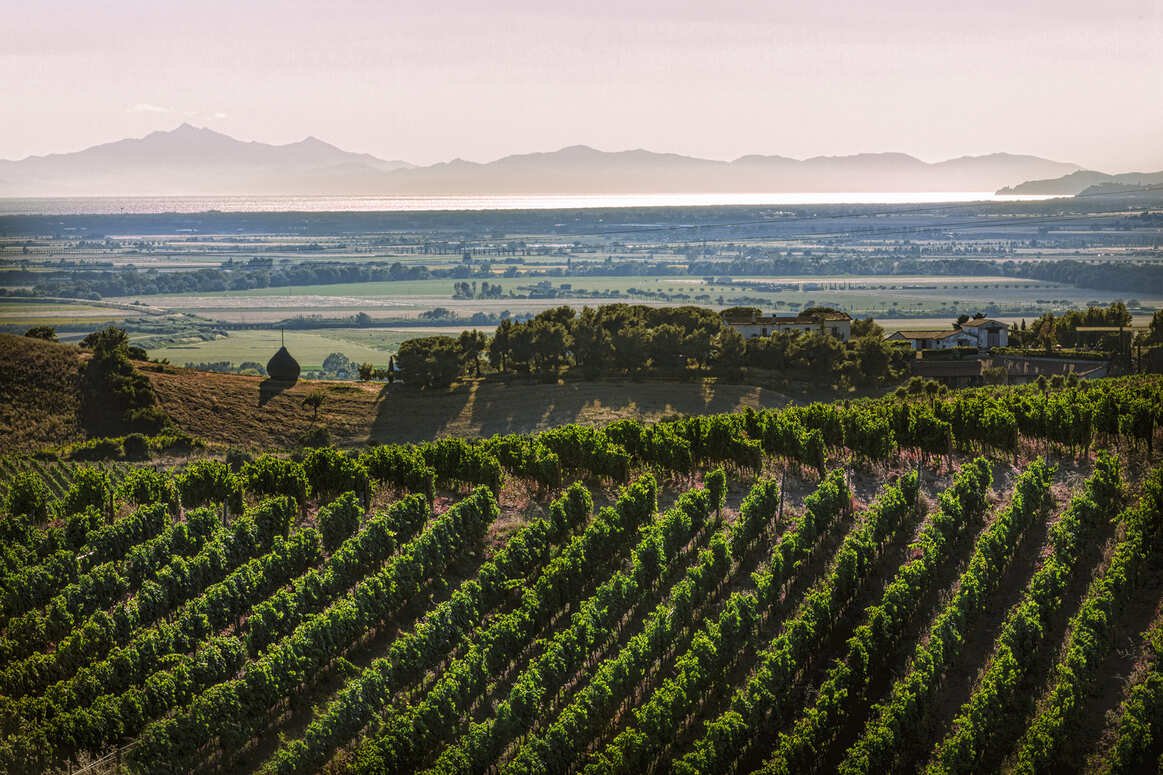
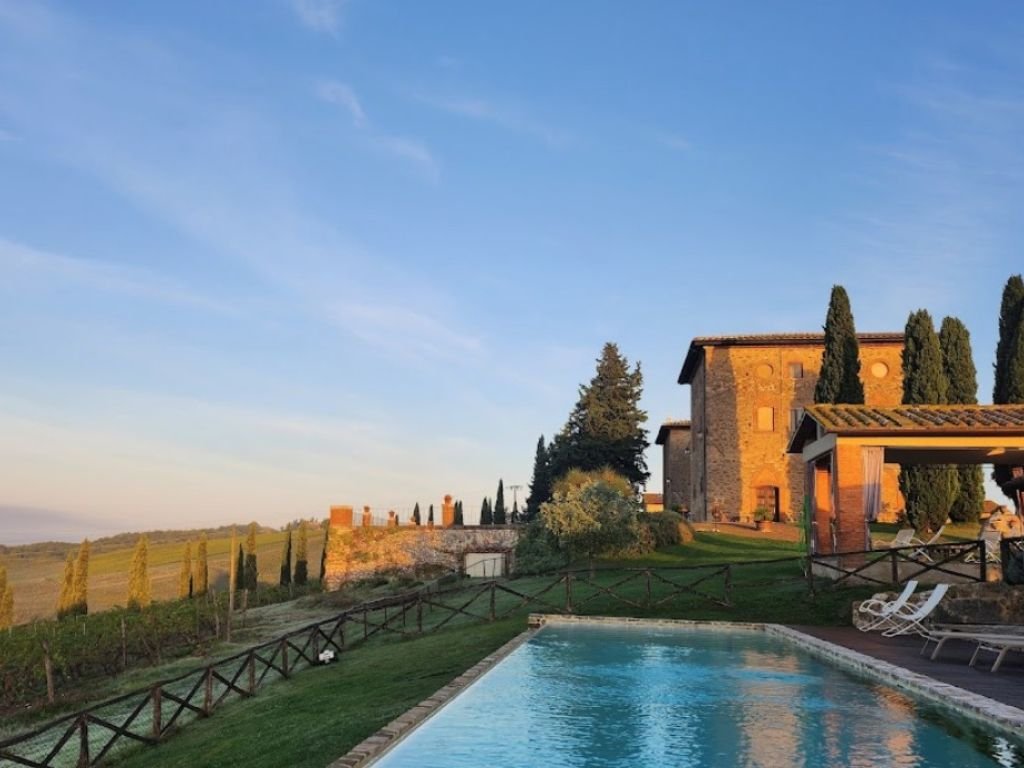
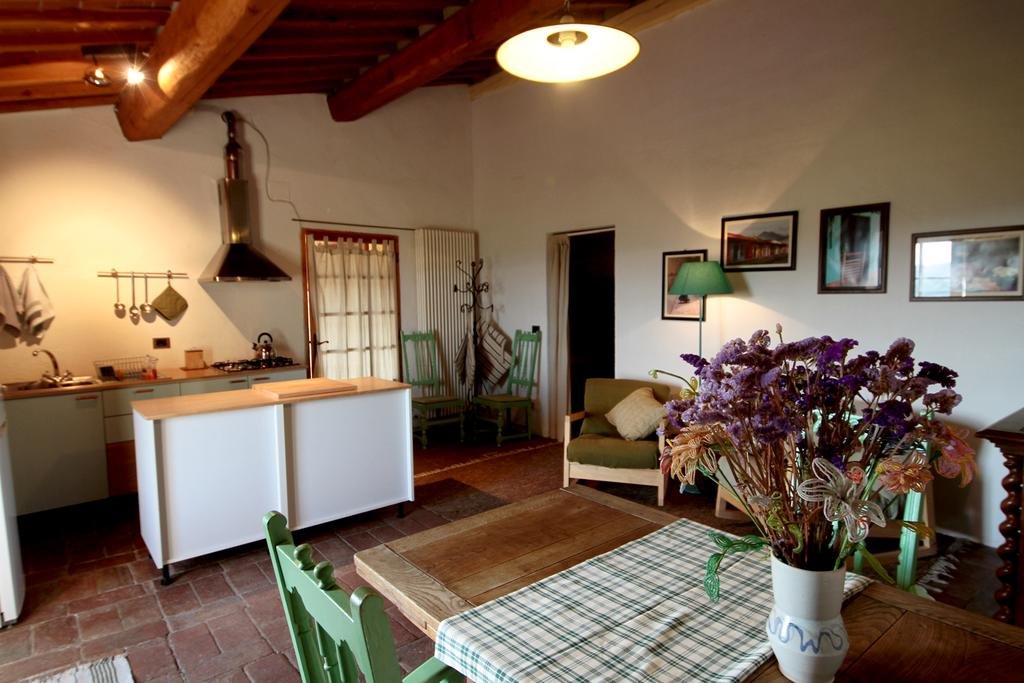
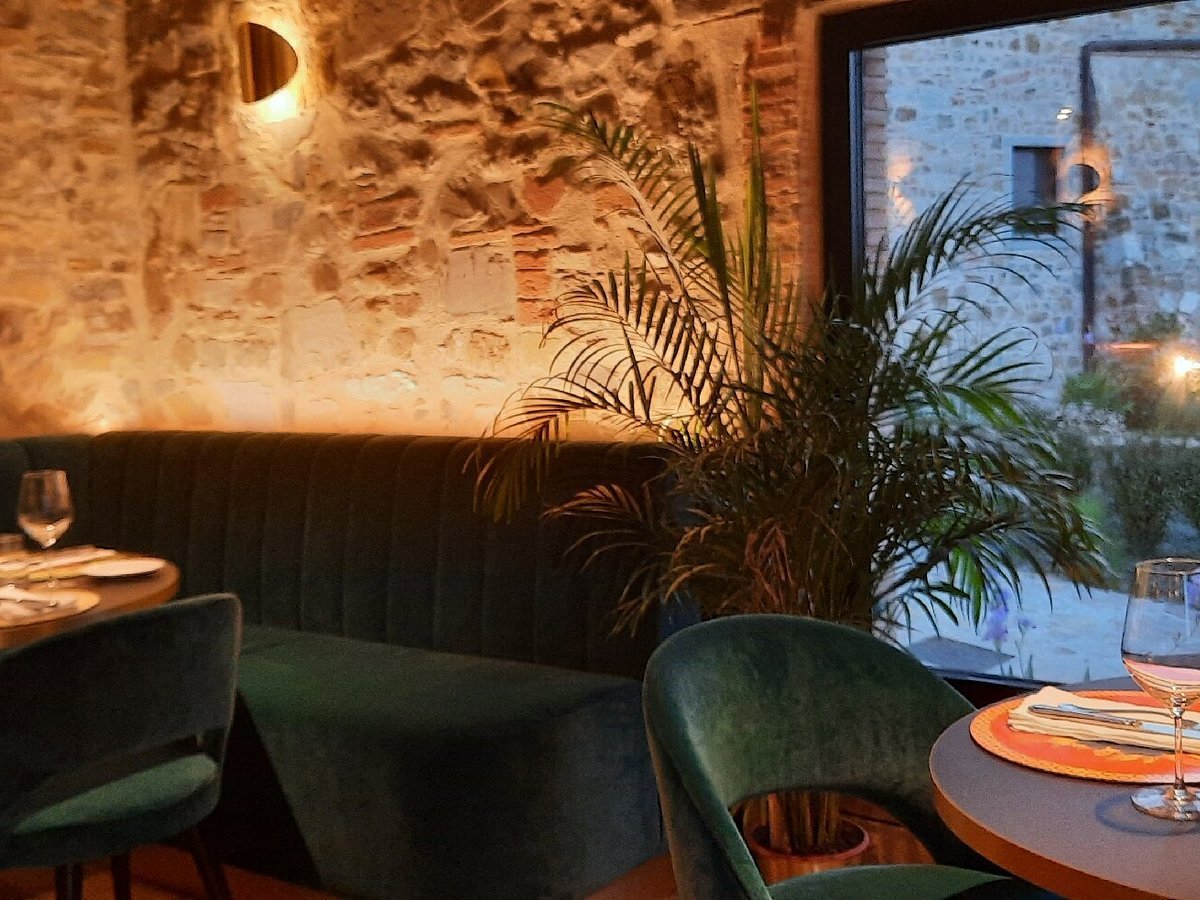
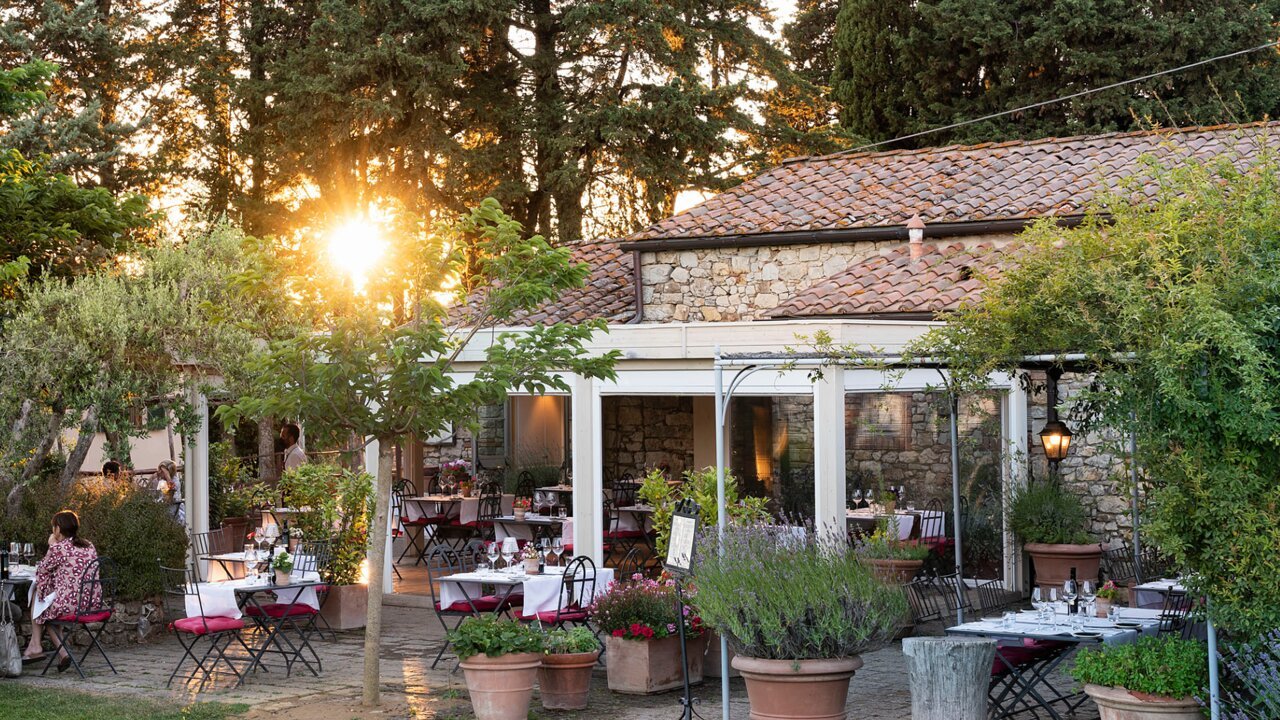
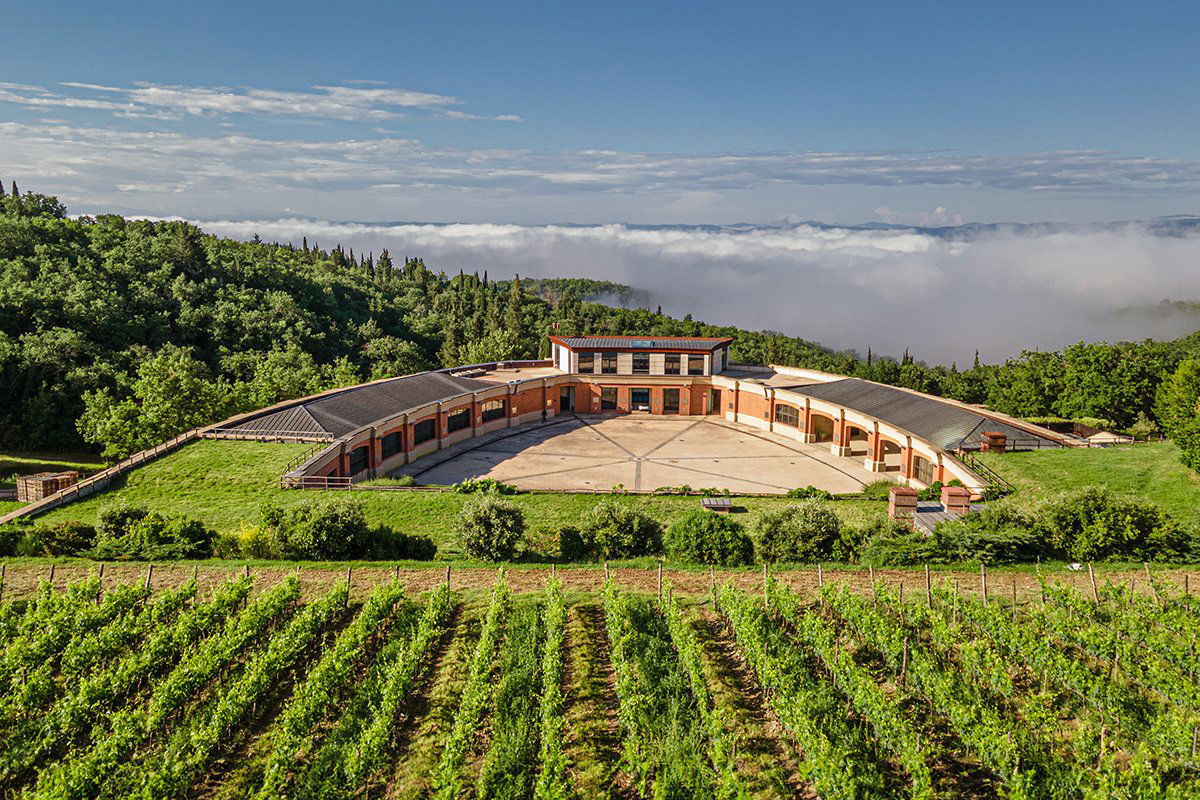
Authentic rustic Tuscan borgo atmosphere with warm, historical charm, silenzi (silence), and panoramic vineyard views.
Tags
Vibe
Best For
Experience
Sourcing
View
At the Vineyard
- Appellation
- Chianti Classico
- Varietals
- Sangiovese, Merlot, Cabernet Sauvignon, Malvasia, Colorino
- Tour Duration
- 60-90 minutes
- Tour Languages
- Italian, English
- Visits
- By reservation
- Farming
- Sustainable
- Wine Styles
- Still Red
- Food Pairing
- Offered
- Wine Club
- Available
Know before you go
Know Before You Go
- Getting there
- Via Ottone III di Sassonia n. 5 Loc, 53011 Fonterutoli SI
Planning details
Location
Via Ottone III di Sassonia n. 5 Loc, 53011 Fonterutoli SI · Directions
Also consider
Also Consider
- Castello di Ama, Notable alternative
- Isole e Olena, Notable alternative
- Montevertine, Notable alternative
- Fontodi, Notable alternative
- Castello di Volpaia, Notable alternative
Winery context
How it compares in Chianti Classico
Mazzei (Castello di Fonterutoli) is the pick for travelers who want their Chianti Classico day anchored near Castellina in Chianti with a strong sense of estate context. Castello di Ama is better if the day can revolve around a destination estate with a more art-and-place feel, while Fontodi is the stronger fit for visitors orienting around Panzano and a more producer-driven comparison.
For collector-minded travelers, Montevertine is the sharper cross-shop, but it is not the easy fallback if access is tight. Isole e Olena makes sense for a quieter, wine-first itinerary, especially if the goal is to compare producers without overloading the day with estate spectacle. For groups that care as much about setting as bottles, Castello di Volpaia has the village advantage.
Value depends on what the visit is meant to do. Choose Mazzei when one appointment needs to carry the regional story; choose Volpaia for atmosphere, Fontodi for a Panzano-led route, Ama for a destination feel, and Montevertine when scarcity and collector interest matter more than convenience.
Explore Castellina in Chianti
Around this place
Discover more on Pearl
Unlock the full Mazzei (Castello di Fonterutoli) guide in Pearl, including awards, comparisons, FAQs, planning details, and nearby places.
Compare Mazzei (Castello di Fonterutoli)
| Venue | Location | Awards |
|---|---|---|
| Mazzei (Castello di Fonterutoli) | Castellina in Chianti | No published awards |
| Castello di Ama | Gaiole in Chianti | 2026 Falstaff Winery Guide2025 Pearl 4 Star Prestige |
| Isole e Olena | Barberino Tavarnelle | 2026 Falstaff Winery Guide |
| Montevertine | Radda in Chianti | 2026 Falstaff Winery Guide2025 Pearl 4 Star Prestige |
| Fontodi | Greve in Chianti | 2026 Falstaff Winery Guide2025 Pearl 4 Star Prestige |
| Castello di Volpaia | Radda in Chianti | 2026 Falstaff Winery Guide |


How Mazzei (Castello di Fonterutoli) compares with similar nearby venues.
FAQ
Frequently Asked Questions
How long should I plan for a visit to Mazzei (Castello di Fonterutoli)?
Mazzei (Castello di Fonterutoli) is in Castellina in Chianti and has Pearl 2 Star Prestige (2025), so confirm timing directly before planning the rest of the day around it.
Can Mazzei (Castello di Fonterutoli) handle large groups?
If you are planning for more than a small party, contact Mazzei (Castello di Fonterutoli) directly with your headcount before arranging the itinerary.
What other venues are useful comparisons for Mazzei (Castello di Fonterutoli)?
Castello di Ama, Isole e Olena, Montevertine, Fontodi, and Castello di Volpaia are relevant comparison points for a broader plan. Mazzei (Castello di Fonterutoli) itself is in Castellina in Chianti.
What details should I confirm before visiting Mazzei (Castello di Fonterutoli)?
Mazzei (Castello di Fonterutoli) is in Castellina in Chianti, has a smart casual dress code, and holds Pearl 2 Star Prestige (2025). Confirm specific services, formats, menus, pricing, and timing directly with the venue.
Is there a specific item or experience to plan around at Mazzei (Castello di Fonterutoli)?
Ask Mazzei (Castello di Fonterutoli) directly for current information if a particular item or experience is important to your visit.