

 Book with Pearl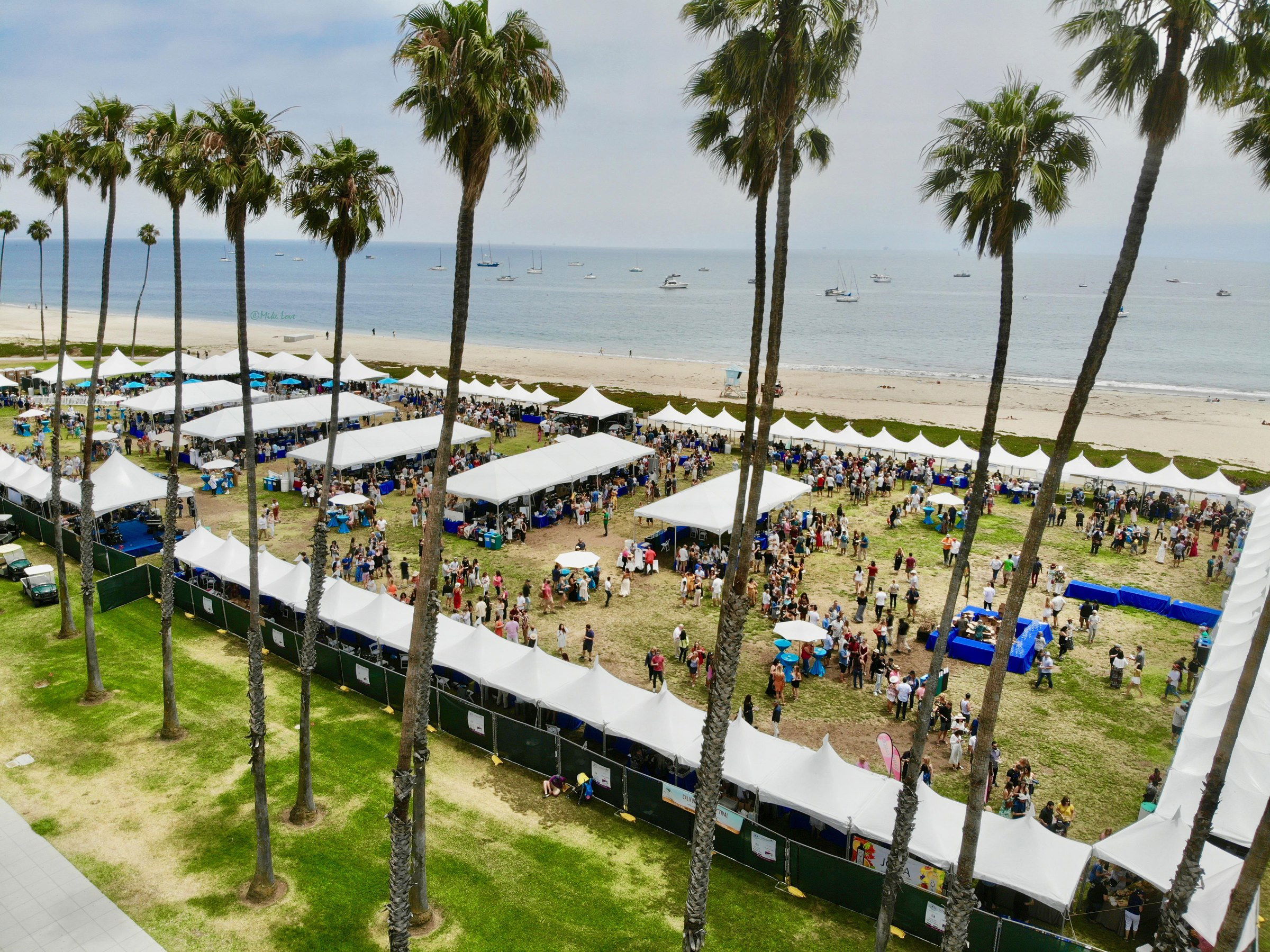
California Wine Festival Huntington Beach
A two-day Huntington Beach wine and food festival at Paséa Hotel & Spa, with California wines, food samples, craft brews, and live music.
Sta. Rita Hills, Buellton
Winery in Buellton, United States
Maritime-Climate Cellar Craft
Price
$50–100tasting
Why go
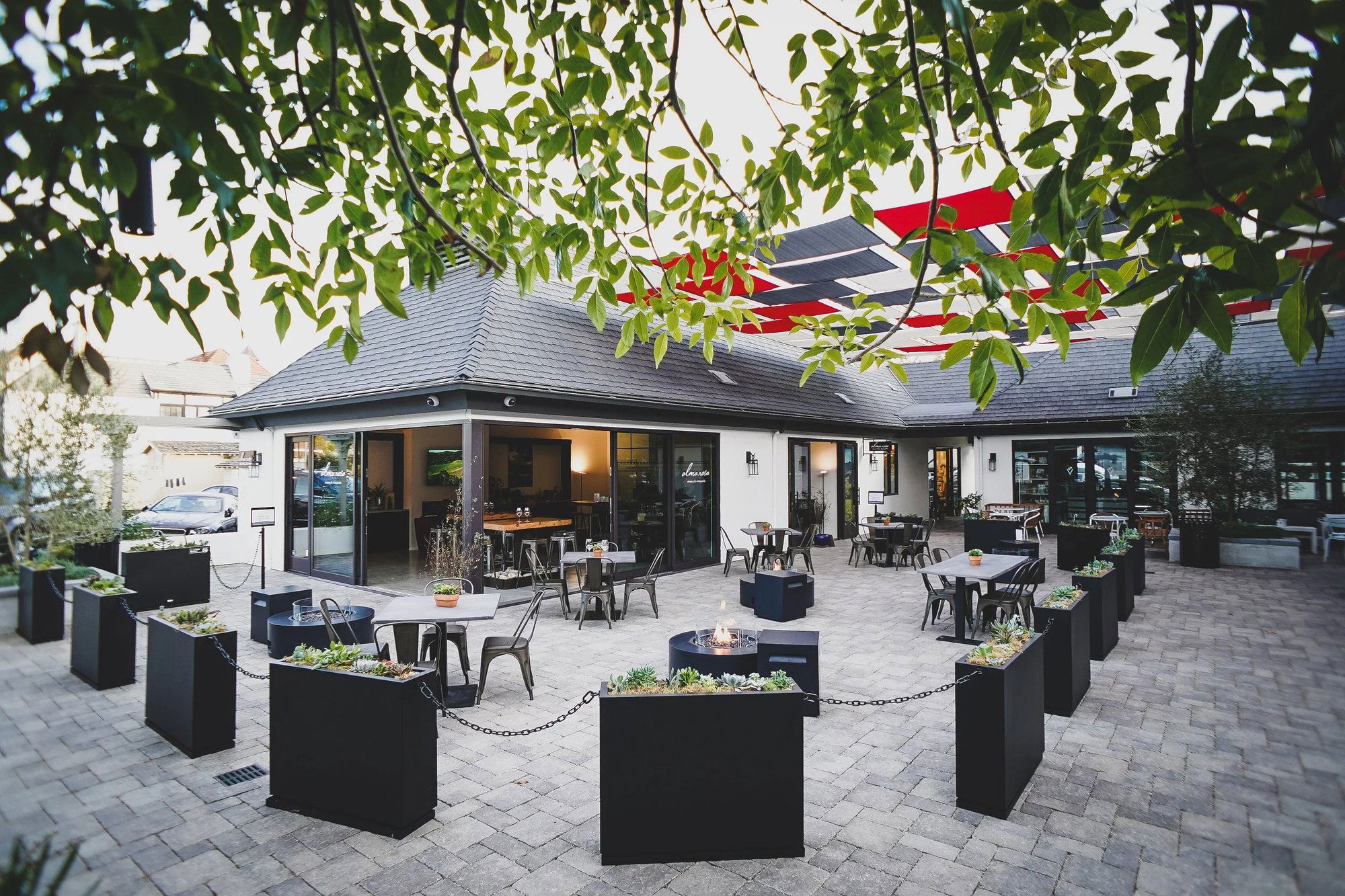
Alma Rosa Winery & Vineyards is worth prioritizing for a focused Buellton wine stop, especially if the day is built around tasting rather than casual flexibility. Access is the main constraint, so first-timers should plan ahead and keep a nearby backup ready.
Alma Rosa Winery & Vineyards is in Buellton and is recognized with Pearl 2 Star Prestige for 2025.
First-timers should prioritize the basics: Alma Rosa Winery & Vineyards is a Buellton venue with 2025 Pearl 2 Star Prestige. Before building a day around the visit, check current visit format, hours, pricing, menu offerings, and reservation requirements directly. If the day needs flexibility, keep a backup ready from our full Buellton wineries guide.
If the visit is part of a broader Buellton stay, use our full Buellton restaurants guide, our full Buellton hotels guide, our full Buellton bars guide, and our full Buellton experiences guide for planning. For questions about food service, club details, shipping, seating, or visit format at Alma Rosa Winery & Vineyards, check directly before you go.
If Alma Rosa Winery & Vineyards does not fit the schedule, comparison names to research next include Ascendant Spirits, Kalyra Winery, Lafond Winery & Vineyards, Mosby Winery, and Pence Vineyards & Winery. Confirm each venue's current access, hours, and booking requirements through official channels before finalizing an itinerary.
Alma Rosa presents as a terroir-forward vineyard estate where landscape and climate are the protagonists. The copy describes the Santa Rita Hills wind corridor and sandy, low-nutrient soils that force vines to produce leaner, more acid-driven fruit. The narrative frames the property as part of a cooler-climate tradition—restrained, structured wines rather than broad California ripeness—so the feeling is contemplative and landscape-oriented. Visitors encounter a place defined by site expression and viticultural rigor, appealing to those who appreciate precision and regional character in wine rather than flash.
This winery is best for people who want to explore cooler-climate California wines and understand how site influences style. The text repeatedly highlights Pinot Noir and Chardonnay as varieties that thrive here and positions Alma Rosa as part of a serious wine conversation, making it a fit for focused tasting visits, comparative sampling of varietals, and learning about wind-driven viticulture. It suits wine enthusiasts, students of terroir, and travelers who prioritize vineyard context and stylistic nuance over casual, food-driven outings.
When engaging with wines from Alma Rosa, seek out the Burgundian varieties the text singles out—Pinot Noir and Chardonnay—because the region’s cool growing season produces wines with notable acidity and structural tension. Look for bottlings that reference site or block names and expect restraint rather than overt fruit sweetness; the copy emphasizes low-nutrient soils and persistent winds that yield leaner, more mineral-driven profiles. Approach tastings with an eye toward structure, midpalate tension, and salivating acidity to appreciate what this cooler-climate corridor imparts to the wines.
Thoughtfully paced, intimate estate tastings set among rolling vineyards, ancient oaks, and wide-open skies create a deeply personal and scenic atmosphere.
7250 Santa Rosa Rd, Buellton, CA 93427 · Directions
Choose Alma Rosa Winery & Vineyards when the priority is a serious winery appointment in the Buellton area and the schedule can handle a harder booking. Lafond Winery & Vineyards is the closer cross-shop for visitors who want another vineyard-focused option, while Mosby Winery is the simpler alternative to check if the day needs less friction.
Ascendant Spirits is the better pivot for groups split between wine and spirits, especially when not everyone wants a vineyard tasting. Pence Vineyards & Winery and Kalyra Winery make more sense as broader-area alternatives rather than direct replacements for a Buellton-centered route.
For value and ease, start with Lafond or Mosby if availability matters more than prestige. For a higher-commitment tasting day, keep Alma Rosa as the anchor and use the others as backup rather than equal substitutes.
Unlock the full Alma Rosa Winery & Vineyards guide in Pearl, including awards, comparisons, FAQs, planning details, and nearby places.
| Venue | Location | Awards |
|---|---|---|
| Alma Rosa Winery & Vineyards | Buellton | No published awards |
| Lafond Winery & Vineyards | Buellton | No published awards |
| Pence Vineyards & Winery | Solvang | No published awards |
| Ascendant Spirits | Buellton | No published awards |
| Mosby Winery | Buellton | No published awards |
| Kalyra Winery | Santa Ynez | No published awards |
How Alma Rosa Winery & Vineyards Buellton Verdict compares with similar nearby venues.
Lafond Winery & Vineyards, Pence Vineyards & Winery, Mosby Winery, and Kalyra Winery are useful comparison names to research. Ascendant Spirits is another option to check when planning an itinerary.
Before heading to Alma Rosa Winery & Vineyards in Buellton, check current hours through the venue's official channels, especially if you are planning around its 2025 Pearl 2 Star Prestige recognition.
Evaluate any current club terms directly from Alma Rosa Winery & Vineyards and compare your plans with other options such as Lafond Winery & Vineyards or Pence Vineyards & Winery.
Plan your Buellton dining separately unless Alma Rosa Winery & Vineyards lists current food options through its official channels.
If shipping matters, check the current policy with Alma Rosa Winery & Vineyards before making it part of your visit plan.
Pearl events
Public events currently associated with this Pearl venue.
A two-day Huntington Beach wine and food festival at Paséa Hotel & Spa, with California wines, food samples, craft brews, and live music.
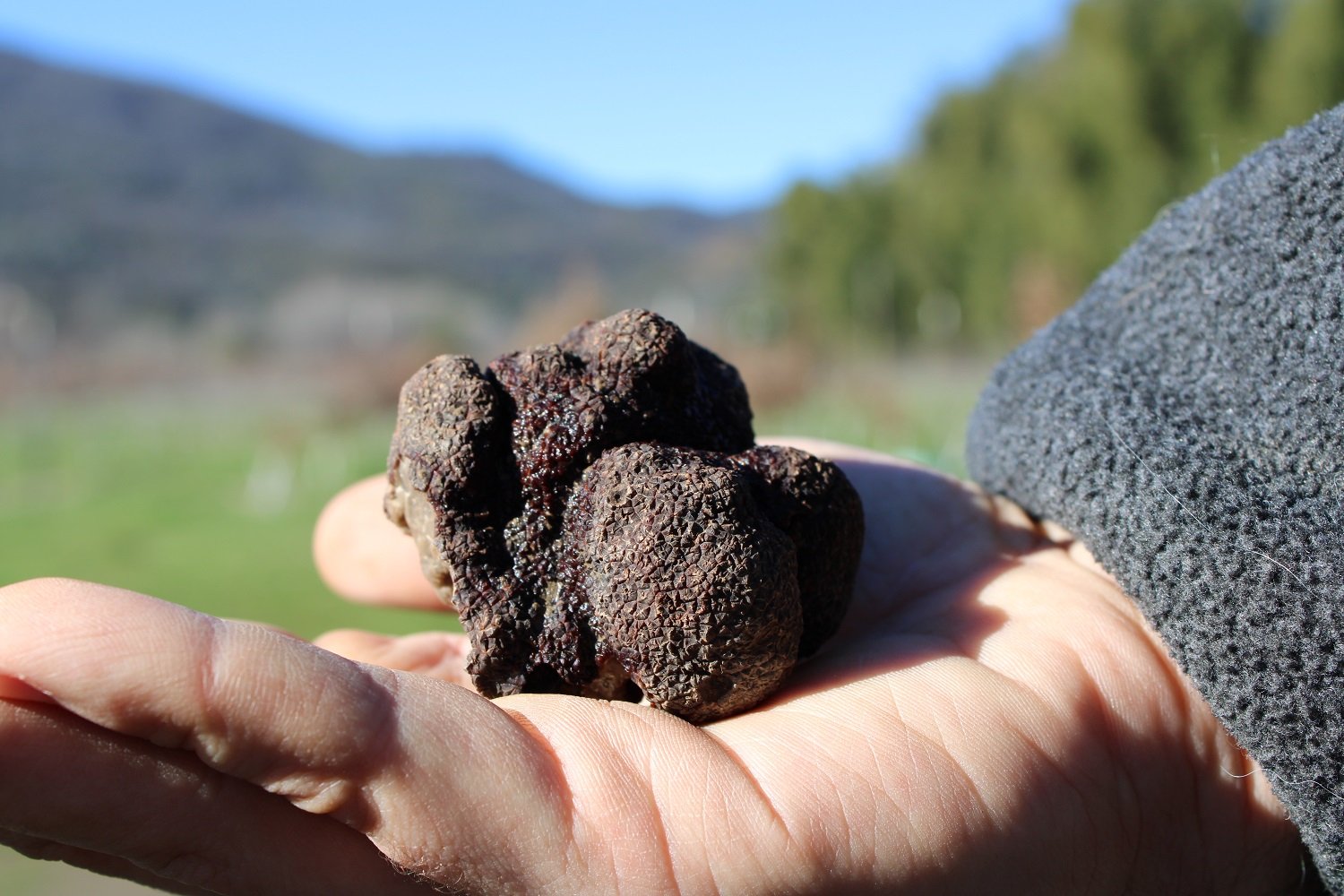 RacinesBuelltonRacines is a serious Buellton wine priority for travelers who care more about bottle quality than easy logistics.…
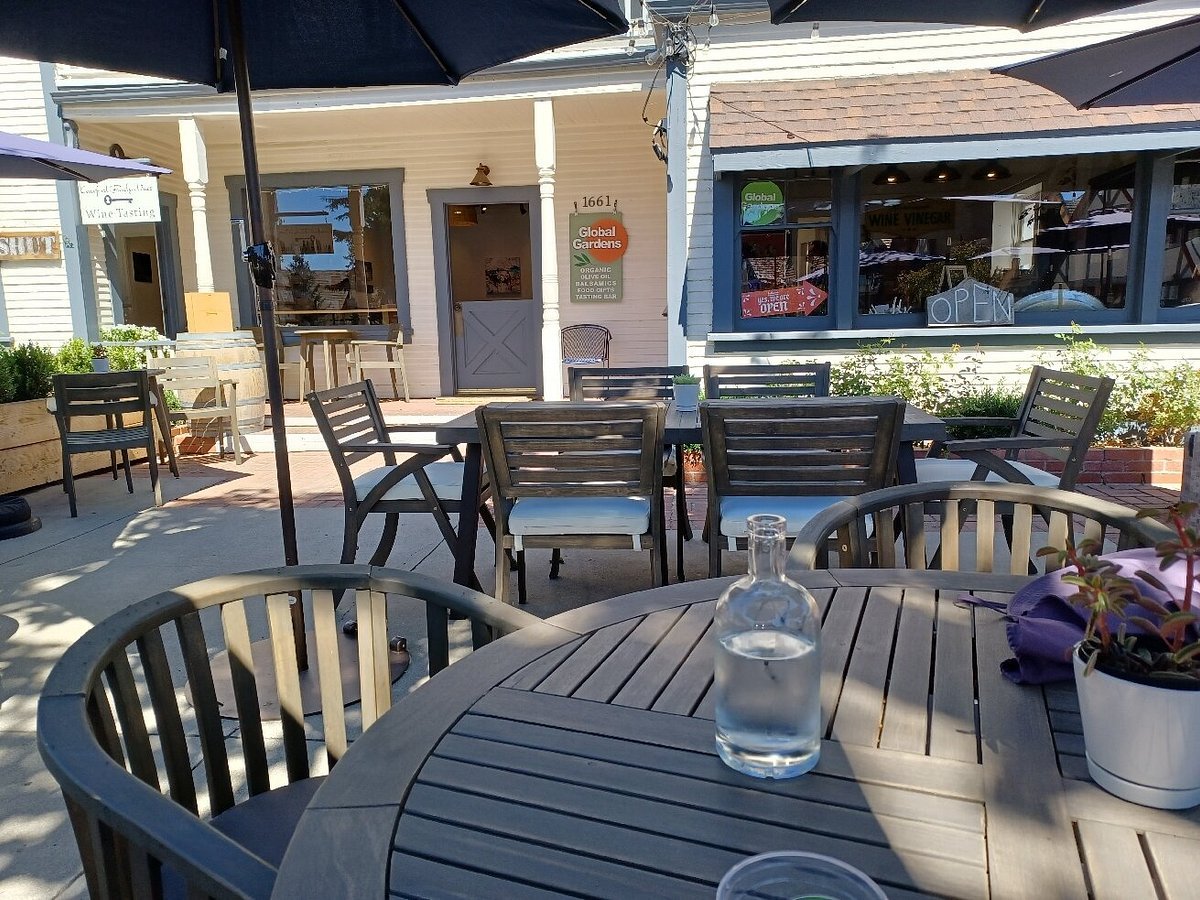 Crawford Family WinesBuelltonCrawford Family Wines is a practical Buellton pick for a wine-first tasting, especially for smaller celebrations or…
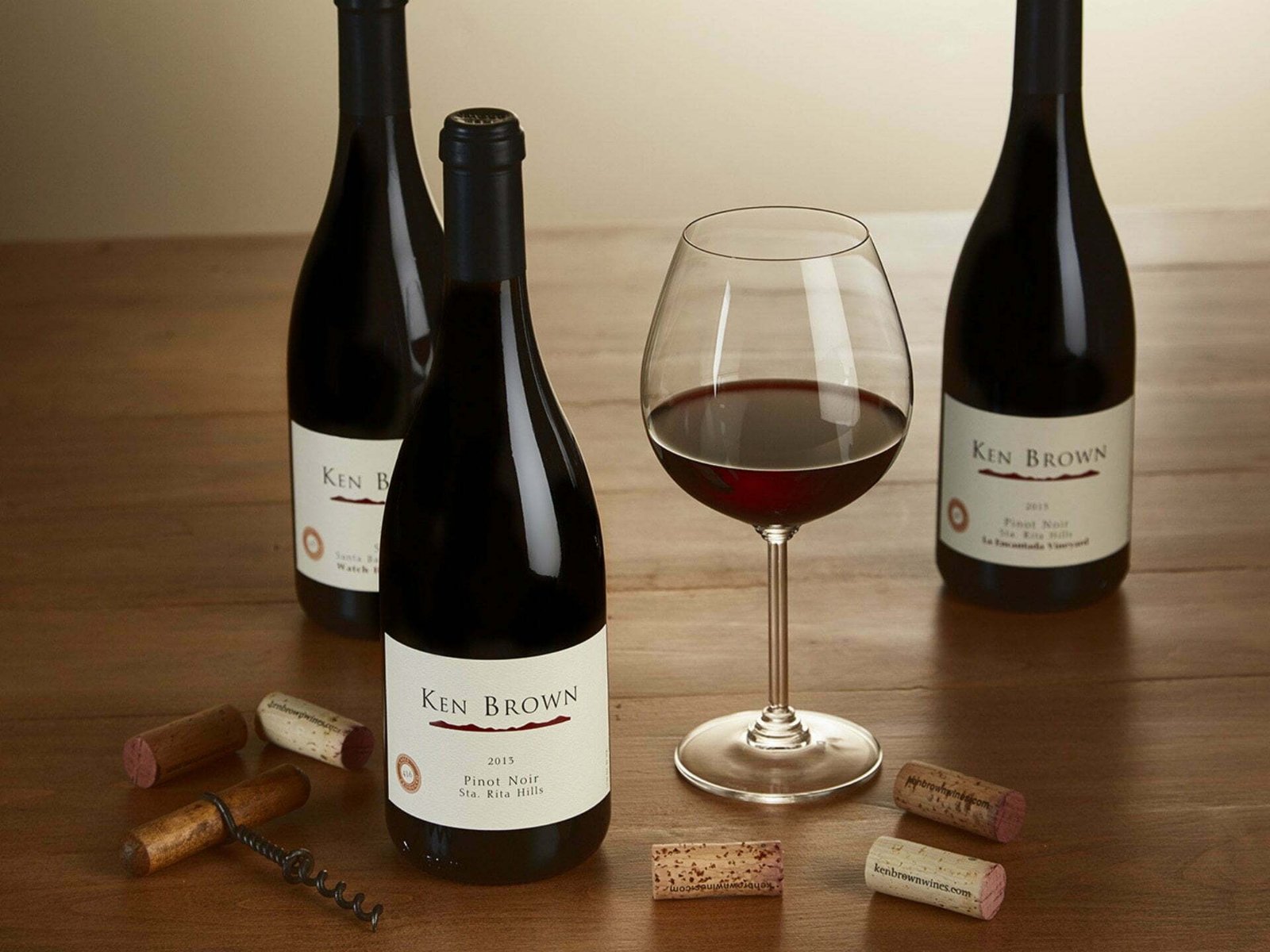 Ken Brown WinesBuelltonKen Brown Wines is worth prioritizing when the visit is about serious bottle decisions rather than a casual all-day…
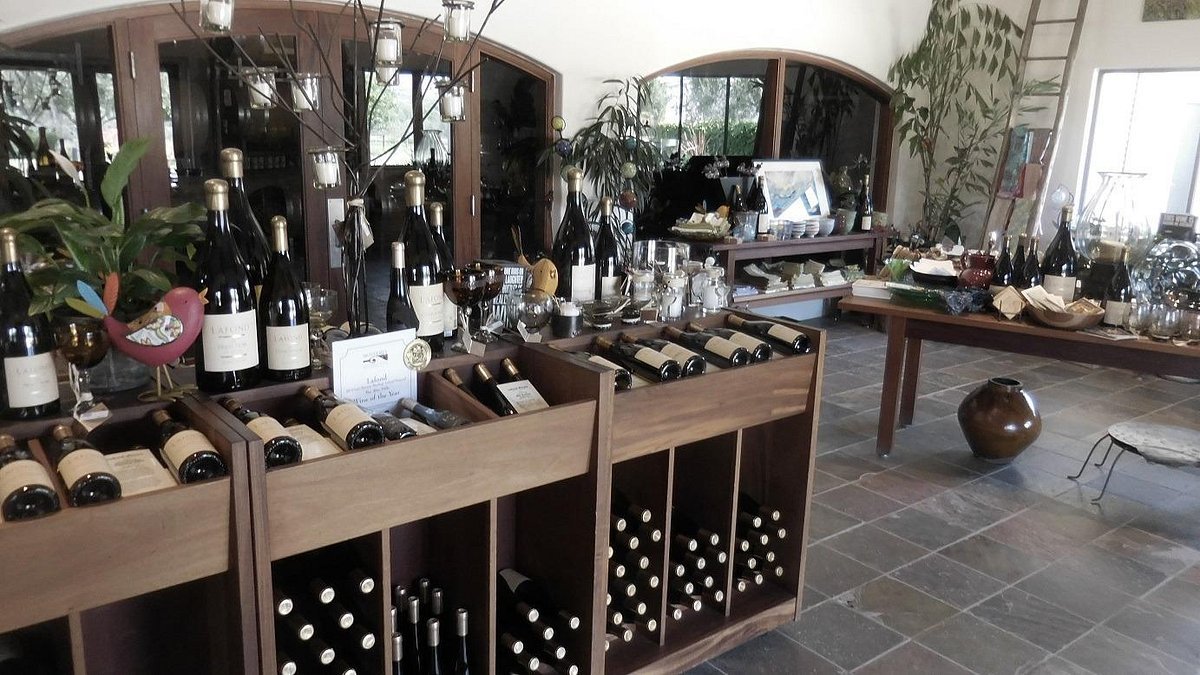 Lafond Winery & VineyardsBuelltonLafond Winery & Vineyards is a strong fit for a Buellton wine-country day where the winery visit is the anchor, not a…
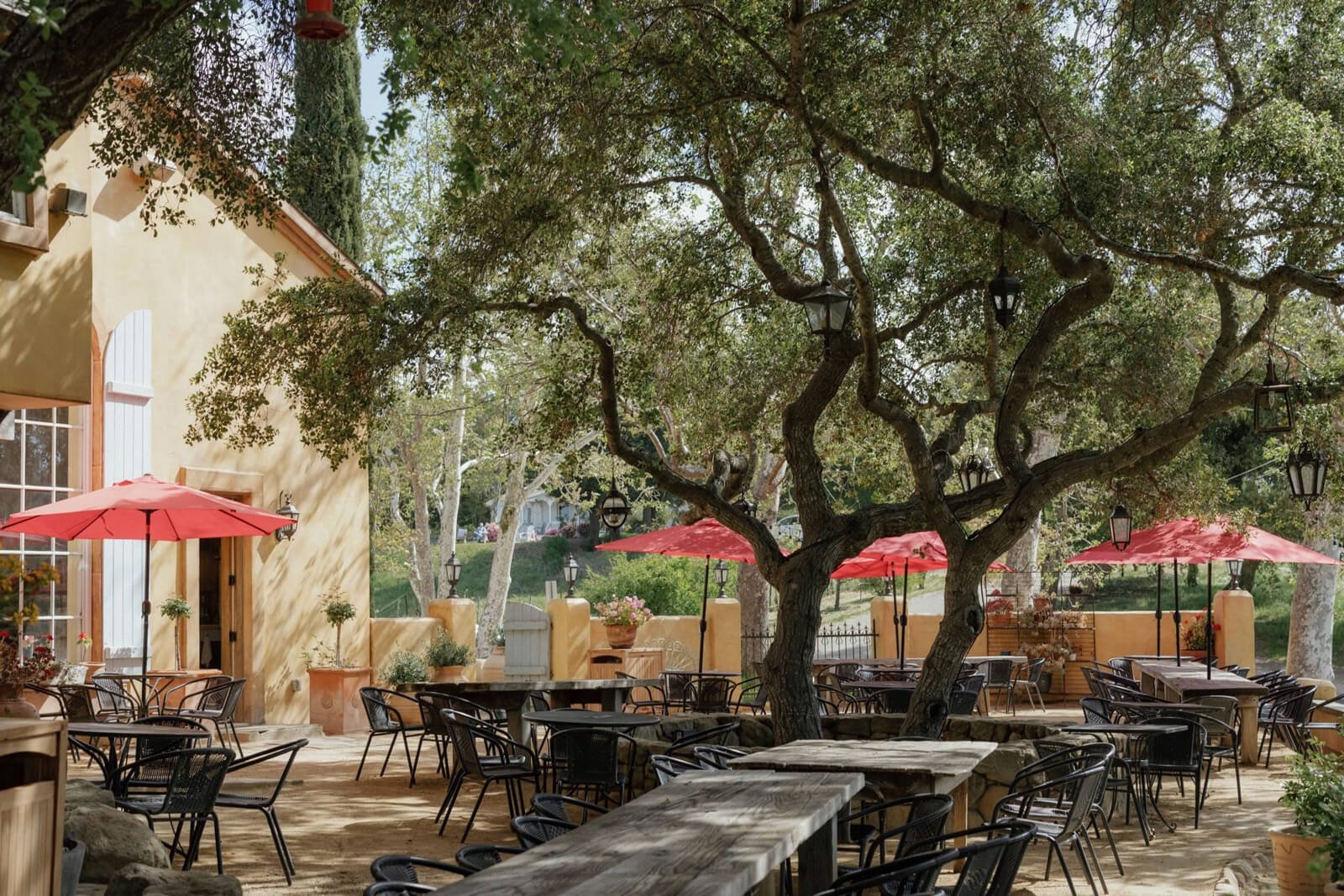 Standing Sun WinesBuelltonStanding Sun Wines is worth prioritizing for collector-minded visitors who want a selective Buellton wine stop, not a…
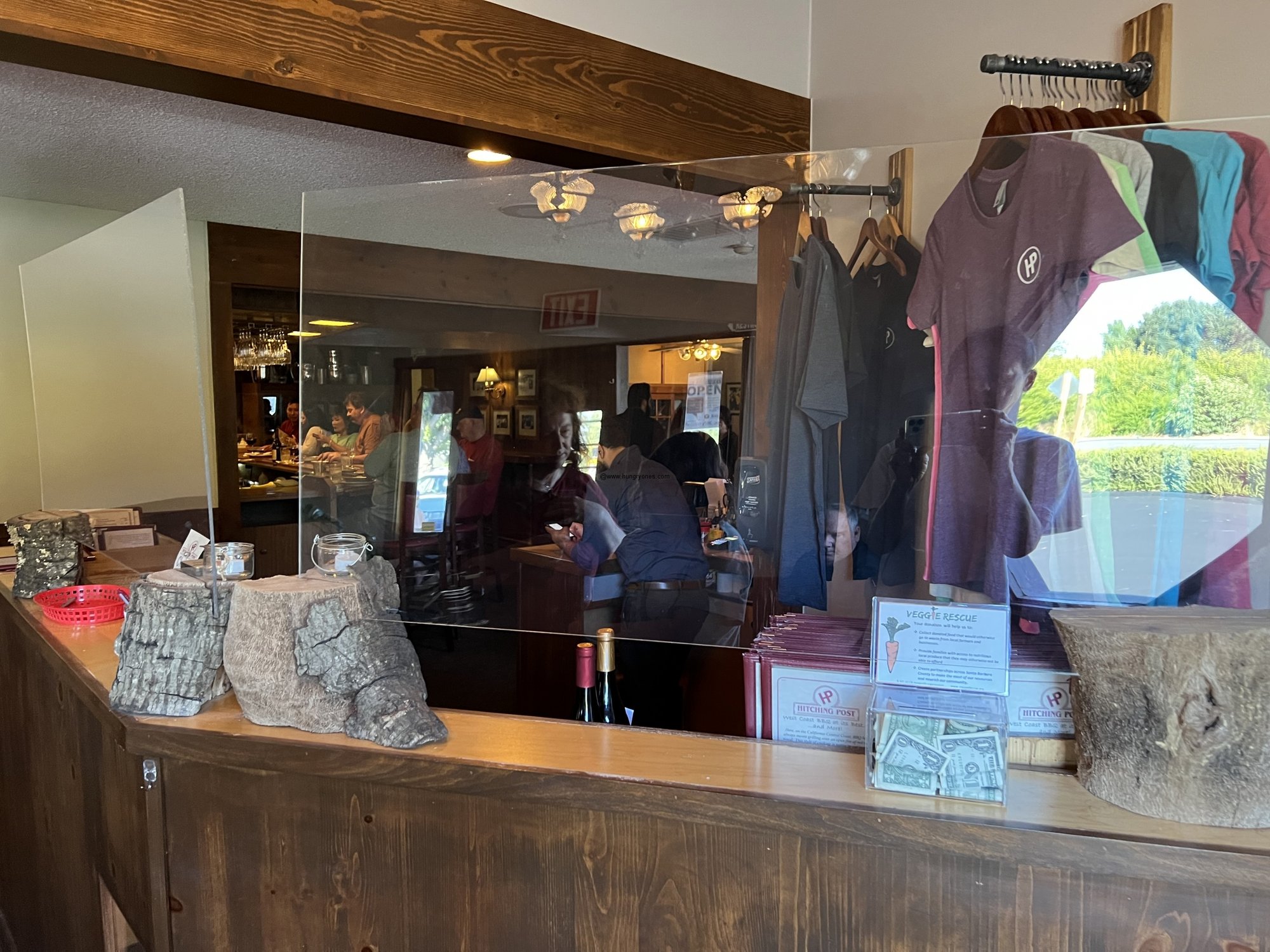 Hitching Post 2BuelltonBook Hitching Post 2 when the goal is an easy Central Coast anchor meal in Buellton, especially for mixed groups after…
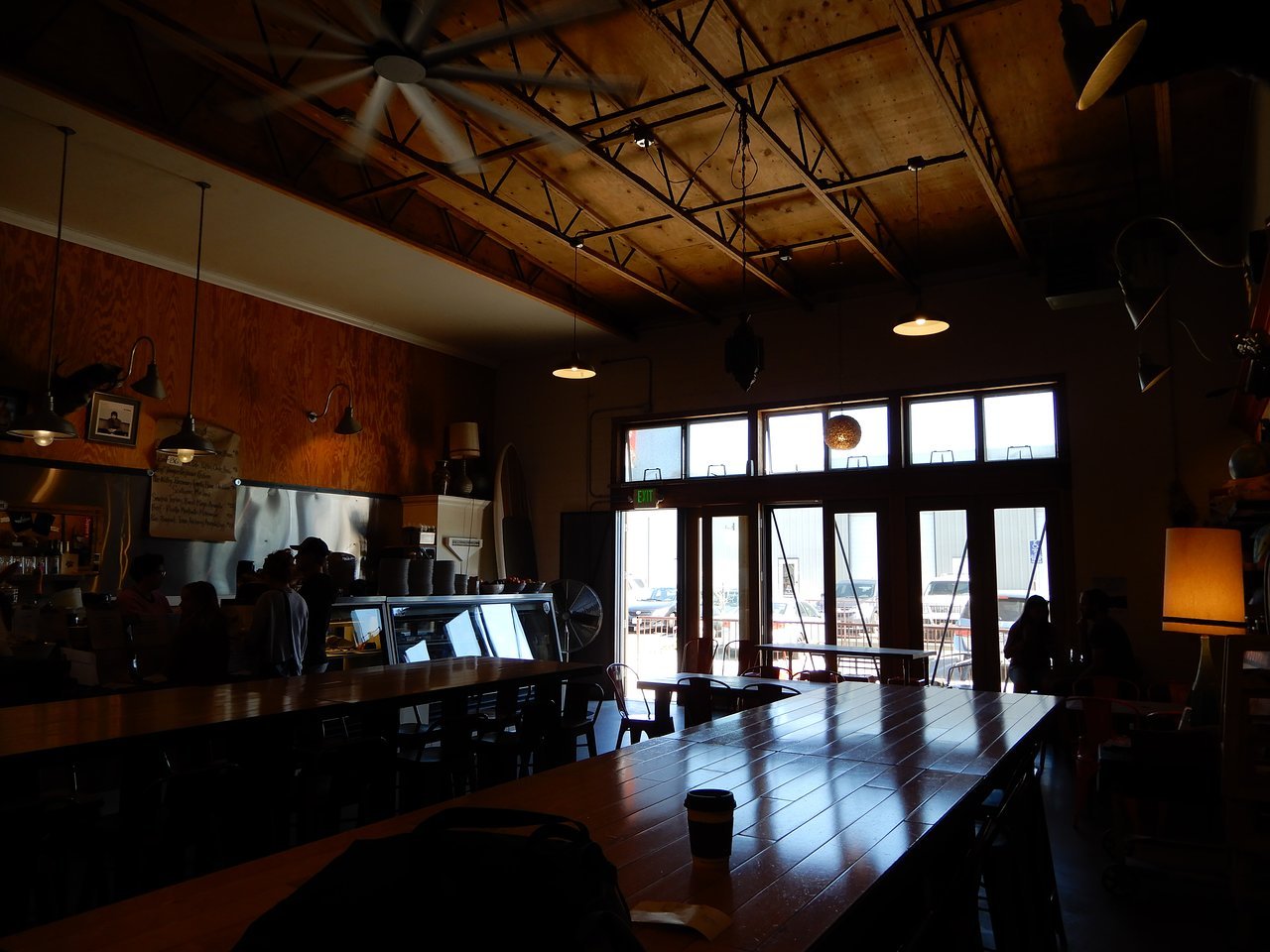 Industrial EatsBuelltonIndustrial Eats is the most credentialed casual restaurant in Buellton, earning a spot on the Opinionated About Dining…
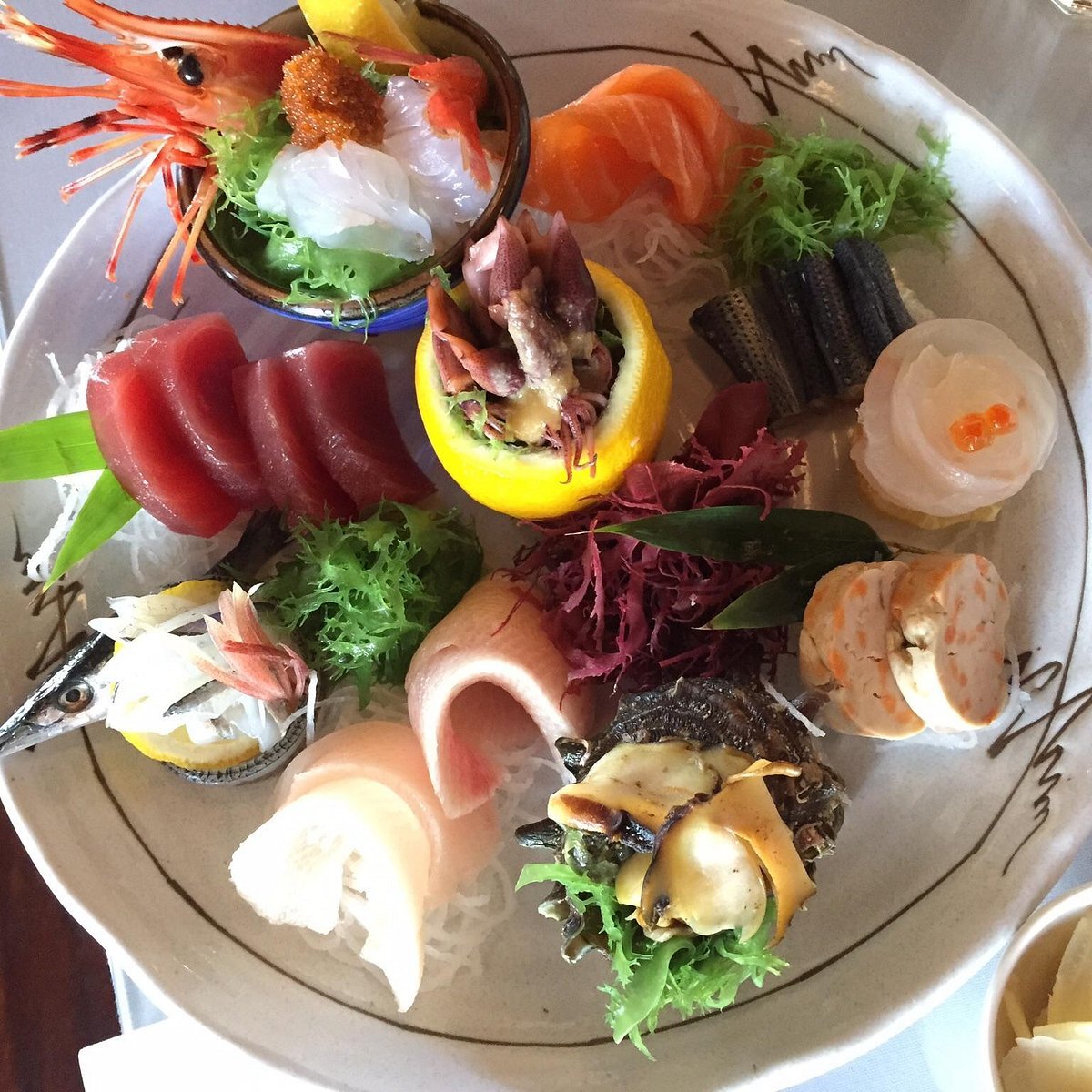 A-RUBuelltonA-RU is a practical Buellton option when convenience matters more than a high-ceremony dining experience. For a…
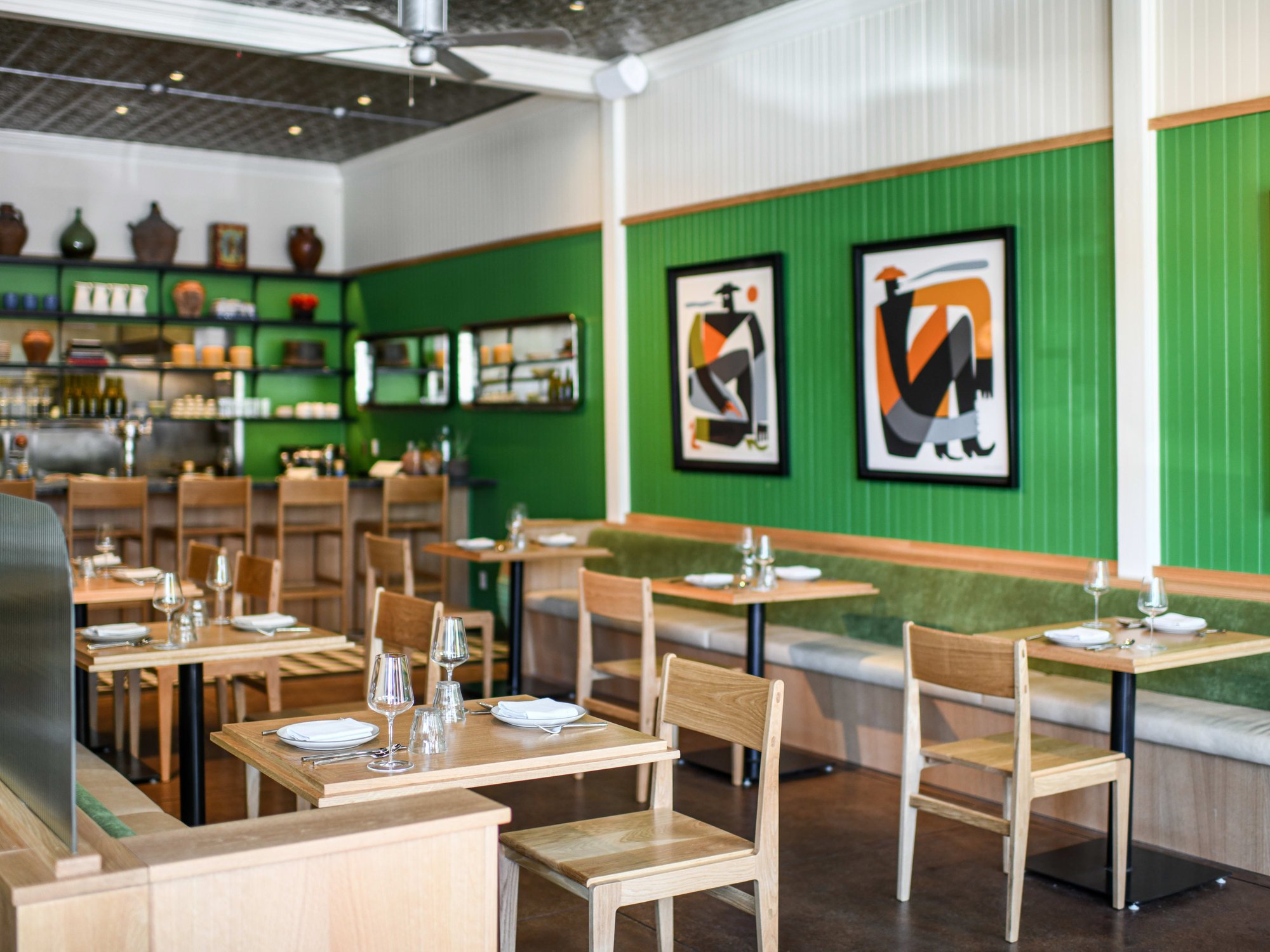 Na Na ThaiBuelltonNa Na Thai is worth booking when the table wants casual Thai street-food flavors in Buellton with more focus than a…