
Weingut Fritz Waßmer
Bad Krozingen-Schlatt
Winery in Bad Krozingen-Schlatt, Germany
 Book with Pearl
The Read
Allocation-Tier Markgräflerland
Why go
Plan Weingut Fritz Waßmer as a serious, appointment-minded wine stop in Bad Krozingen-Schlatt rather than a casual tasting-room detour. It makes the most sense for travellers deciding which bottles justify carrying or shipping home, especially when the day can be built around confirmed access and nearby dining or hotel plans.
About Weingut Fritz Waßmer
Weingut Fritz Waßmer is a venue in Bad Krozingen-Schlatt recognized with Pearl 2 Star Prestige for 2025. With that recognition and a casual dress code, it is best approached as a focused stop for travellers planning in the area.
The practical verdict is simple: treat Weingut Fritz Waßmer as a Bad Krozingen-Schlatt venue with notable recognition, but do not assume specific hours, pricing, visitor format, or access requirements unless you have checked them directly. If you are planning a wider local stay, use our Bad Krozingen-Schlatt restaurants guide alongside your own arrangements.
Choose it for a focused Bad Krozingen-Schlatt stop
The strongest case for Weingut Fritz Waßmer is its Pearl 2 Star Prestige recognition in 2025. That makes it a relevant name to consider for travellers building an itinerary around Bad Krozingen-Schlatt.
Before relying on a visit, keep the surrounding day flexible and confirm visitor hours, pricing, group capacity, and the visit format directly. The dress code is casual, so planning does not need to revolve around formal attire.
How to use the confirmed details
Use the Pearl 2 Star Prestige 2025 recognition as a quality signal, then make any buying or travel decision only after checking current pricing, access details, and visitor programs with the venue.
For a wider itinerary, compare this stop with other relevant venue pages such as Weingut Bercher, Weingut Bernhard Huber, Weingut Dr. Heger, Weingut Franz Keller, and Weingut Salwey. Those comparisons can help frame a broader plan without assuming that each venue offers the same access, format, or visitor experience.
Planning details
- Location
- Lazariterstraße 2, 79189 Bad Krozingen
- Website
- weingutfritzwassmer.de
- Phone
- +49 7633 3965
The take
The Take
The Vibe
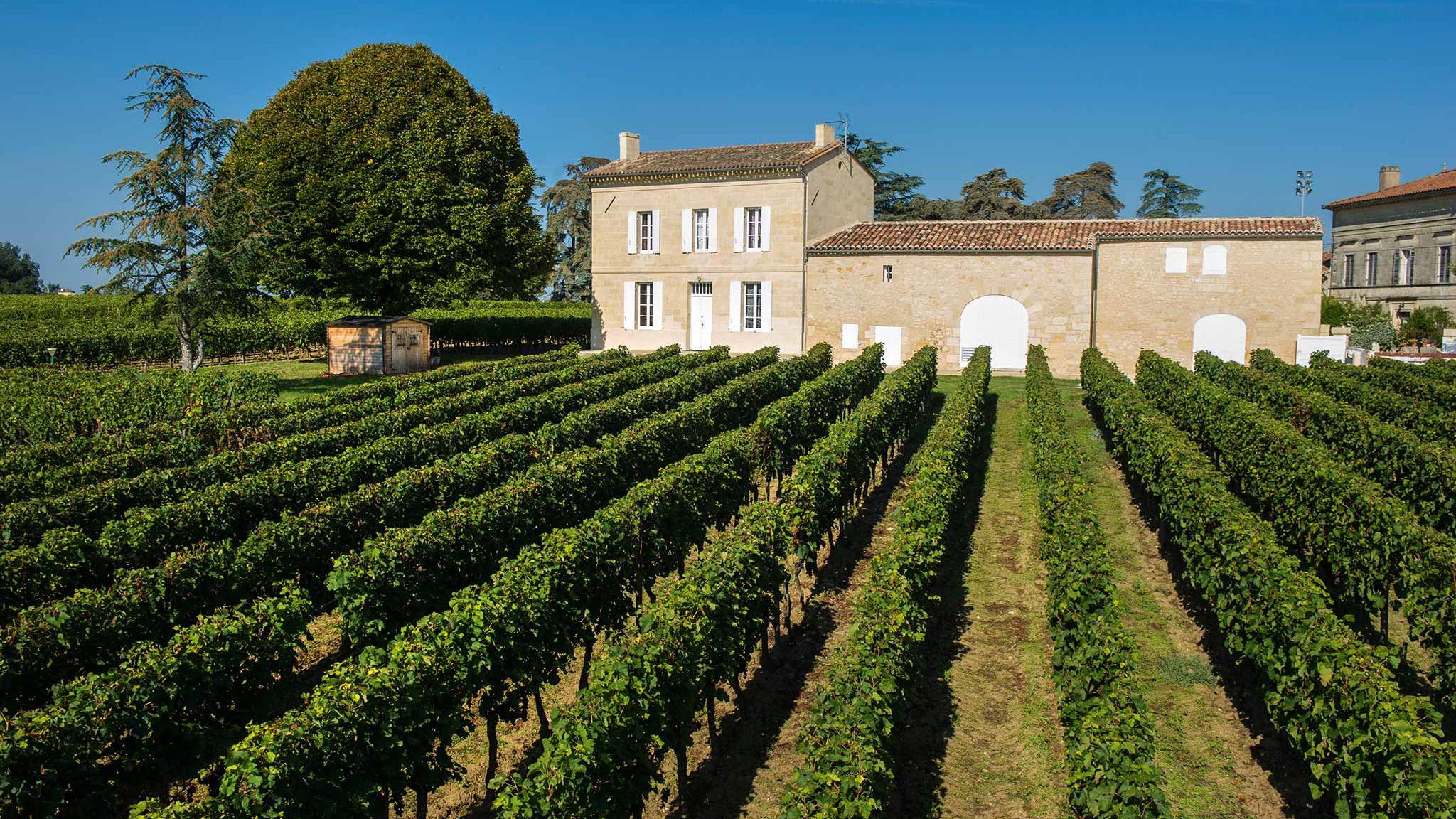
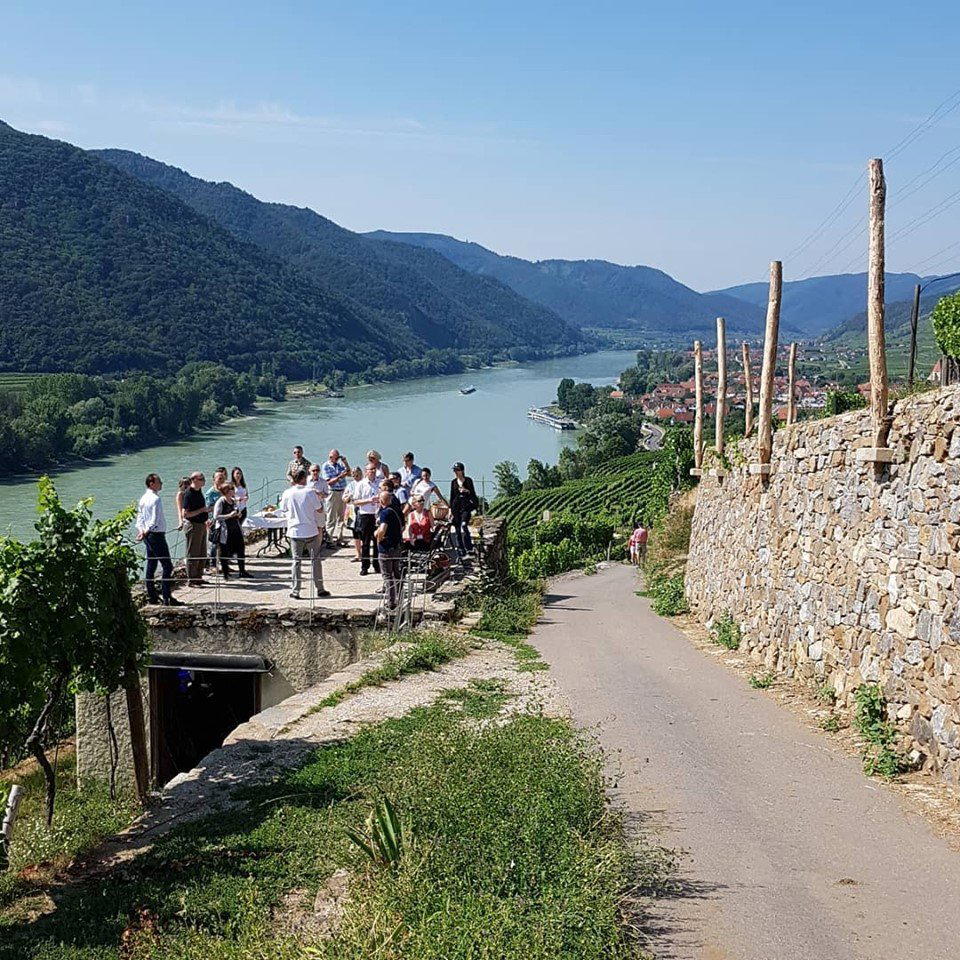
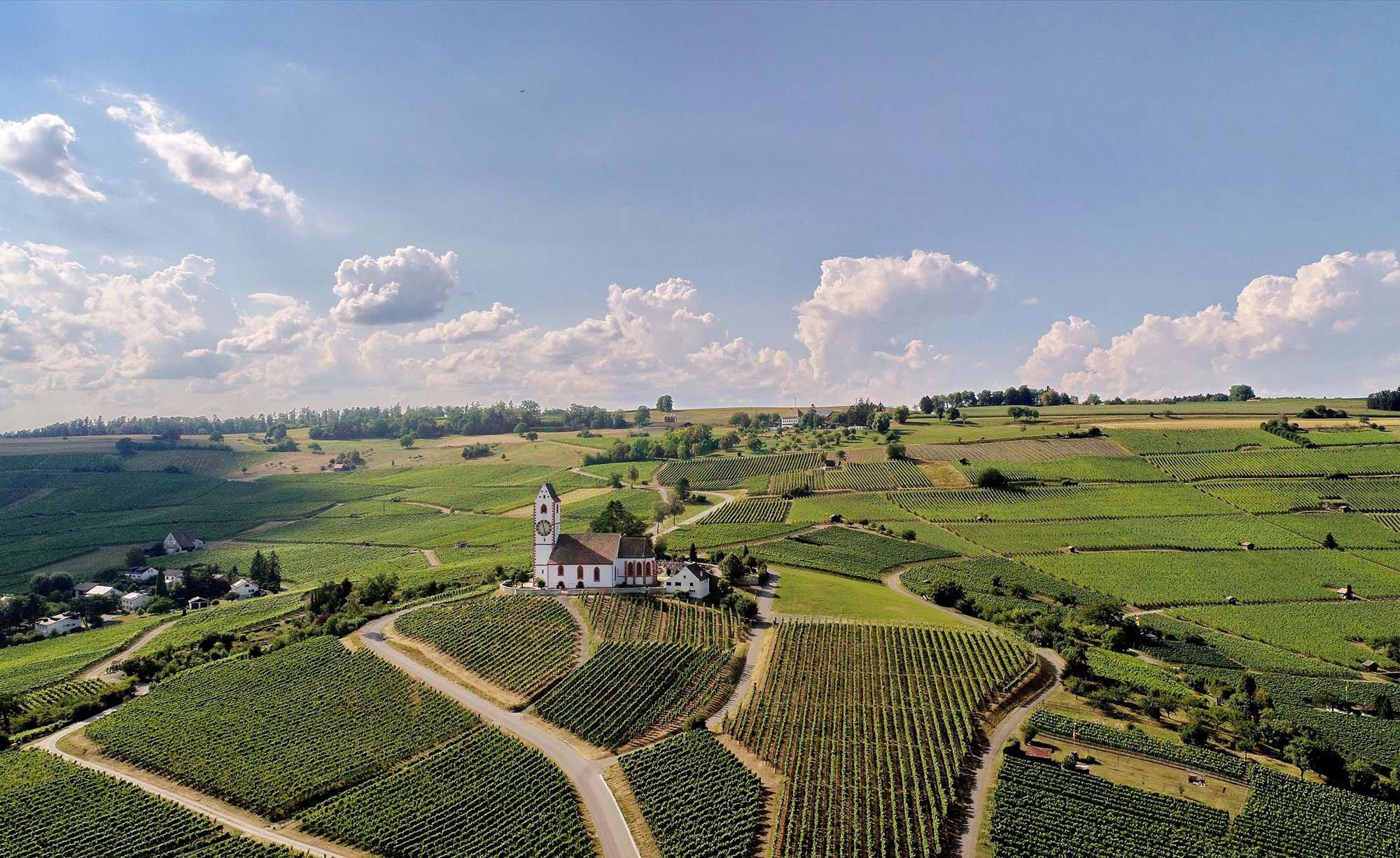
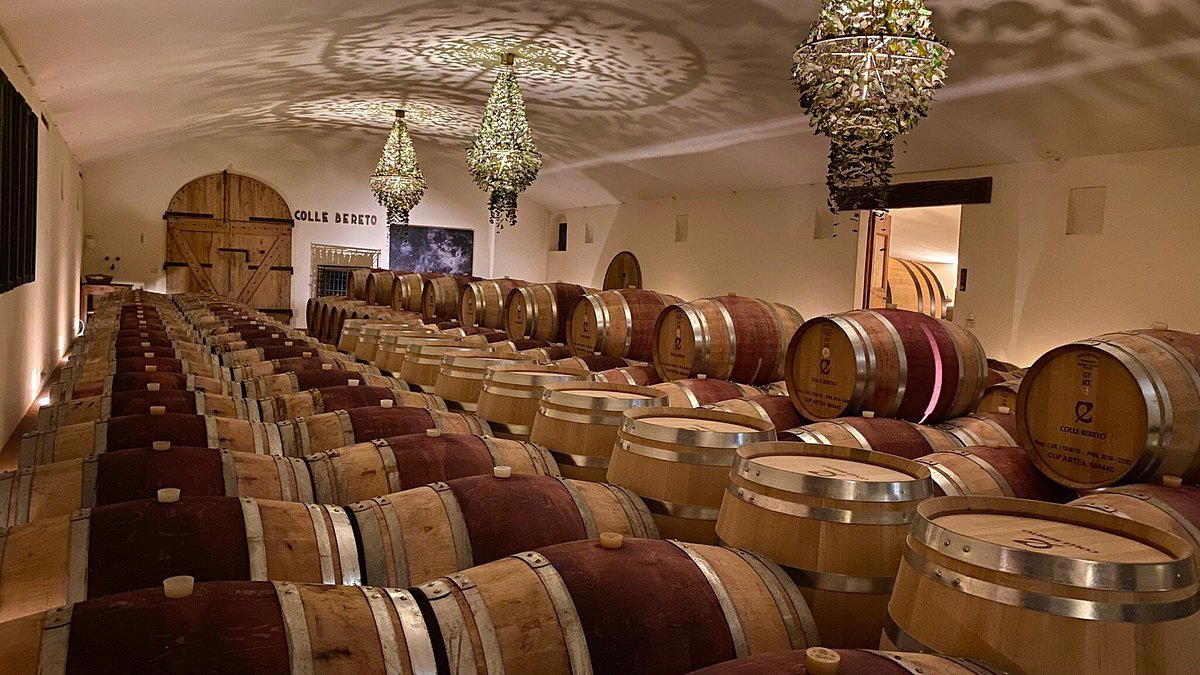
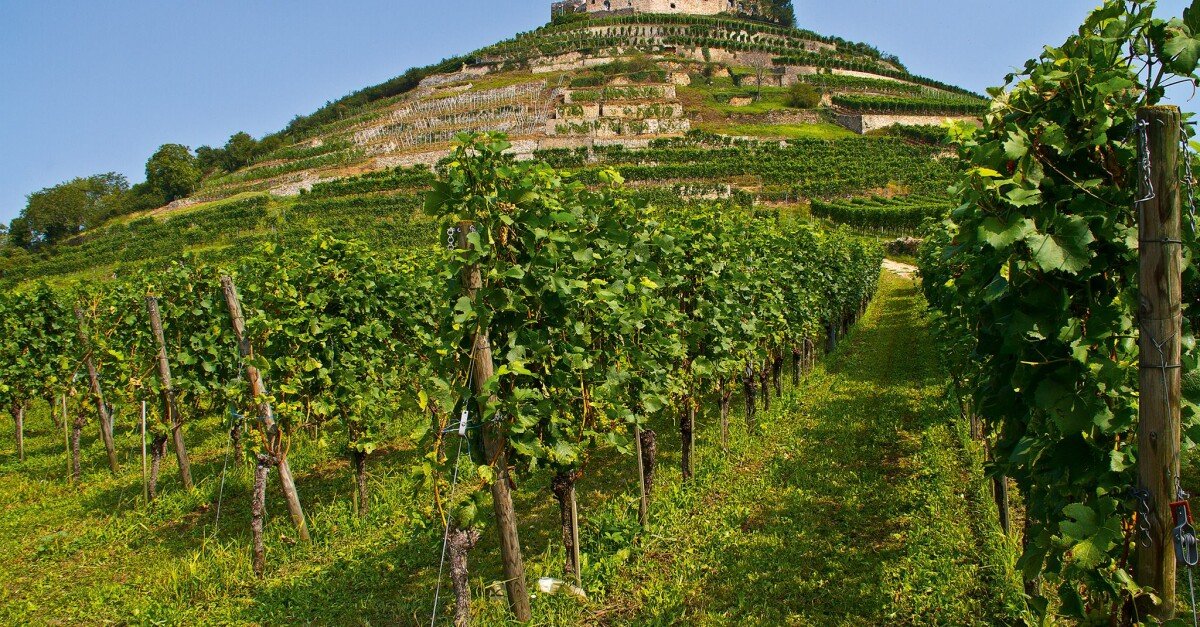
Weingut Fritz Waßmer sits quietly on the southern edge of Baden, where a varied soil mosaic and a warm, funneling climate produce wines of focus and structure. The estate reads like a study in terroir: Pinot Noir with shape rather than simple ripeness, and whites that carry texture while remaining precise. Its 2025 Pearl 2 Star Prestige recognition places it among Germany’s more serious, internationally minded producers, so the overall character is measured and sophisticated rather than flashy. The setting among hillside vineyards reinforces a thoughtful, terroir-driven atmosphere that feels refined and purposeful.
Best For
This estate is best for visitors who want to learn as they taste. The write-up emphasizes site expression and consistent quality across the principal reds and whites, so it’s an ideal stop for wine-education minded travelers and solo explorers who want to study how soil and sun shape wines in southern Baden. Tasting here rewards attention to detail—compare the Pinots for structure and the whites for their textural weight and precision. The quiet junction above Bad Krozingen encourages unhurried visits and focused tasting sessions rather than loud social gatherings.
Tasting Tips
When tasting at Weingut Fritz Waßmer, prioritize examples that showcase regional typicity: start with a structured Pinot Noir to see how the house balances ripeness and acidity, then move to the estate whites to note texture alongside precision. Ask for bottles that reference site or vineyard to follow the estate’s emphasis on site expression. Given the estate’s recent 2025 Pearl 2 Star Prestige recognition, consider comparing current-release wines to any single-vineyard or prestige bottlings on offer to evaluate consistency and the depth that earns the estate its standing.
Venue details
Tags
Vibe
Best For
Experience
View
At the Vineyard
- Appellation
- Baden
- Varietals
- Pinot Noir, Pinot Gris, Pinot Blanc, Chardonnay, Syrah
- Visits
- By reservation
- Wine Styles
- Still Red, Still White, Sparkling
- Wine Club
- Not available
Know before you go
Know Before You Go
- Getting there
- Lazariterstraße 2, 79189 Bad Krozingen
Planning details
Location
Recognition and awards

Also consider
Where to Look If This Is Full
If a visit cannot be arranged, start with Weingut Dr. Heger for another serious Baden producer comparison, or Weingut Franz Keller if the day needs a broader wine-country anchor. For collector-minded routing, Weingut Bernhard Huber is the closest strategic substitute from this.
Winery context
How It Compares
Choose Weingut Fritz Waßmer when the priority is a focused, bottle-led visit in Bad Krozingen-Schlatt and the schedule can absorb a difficult booking. Weingut Dr. Heger and Weingut Franz Keller are the stronger cross-shops for travellers who want a broader regional benchmark before deciding where to spend cellar budget.
Weingut Salwey and Weingut Bercher make sense if the aim is to compare multiple producers in one wine-country itinerary rather than anchor the day around a single scarce appointment. If access is the deciding factor, start with the venues that can confirm timing fastest, then use Fritz Waßmer as the higher-commitment target.
Weingut Bernhard Huber is the peer to consider when the trip is more collector-minded and less about a relaxed visitor experience. Fritz Waßmer is the better fit for travellers already staying near Bad Krozingen-Schlatt; Huber, Heger, Salwey, Keller, and Bercher are better used as comparison points for building a fuller Baden wine route.
Explore Bad Krozingen-Schlatt
Around this place
Discover more on Pearl
Unlock the full Weingut Fritz Waßmer guide in Pearl, including awards, comparisons, FAQs, planning details, and nearby places.
Compare Weingut Fritz Waßmer
| Venue | Location | Awards |
|---|---|---|
| Weingut Fritz Waßmer | Bad Krozingen-Schlatt | 2026 Falstaff Winery Guide |
| Weingut Dr. Heger | Ihringen | 2026 Falstaff Winery Guide |
| Weingut Salwey | Oberrotweil | 2026 Falstaff Winery Guide |
| Weingut Franz Keller | Vogtsburg im Kaiserstuhl | 2026 Falstaff Winery Guide |
| Weingut Bercher | Vogtsburg | 2026 Falstaff Winery Guide |
| Weingut Bernhard Huber | Malterdingen | 2026 Falstaff Winery Guide |
How Weingut Fritz Waßmer compares with similar nearby venues.
FAQ
Frequently Asked Questions
Can Weingut Fritz Waßmer handle large groups?
How long should I plan for a visit to Weingut Fritz Waßmer?
What other venues are useful comparisons for Weingut Fritz Waßmer?
Weingut Dr. Heger, Weingut Salwey, Weingut Franz Keller, Weingut Bercher, and Weingut Bernhard Huber are useful comparisons when planning a broader itinerary. Compare them on current access and the kind of visit you want rather than assuming the same format across all venues.