Book with Pearl

Chicago$195
Chicago Grand Tasting at Avec River North
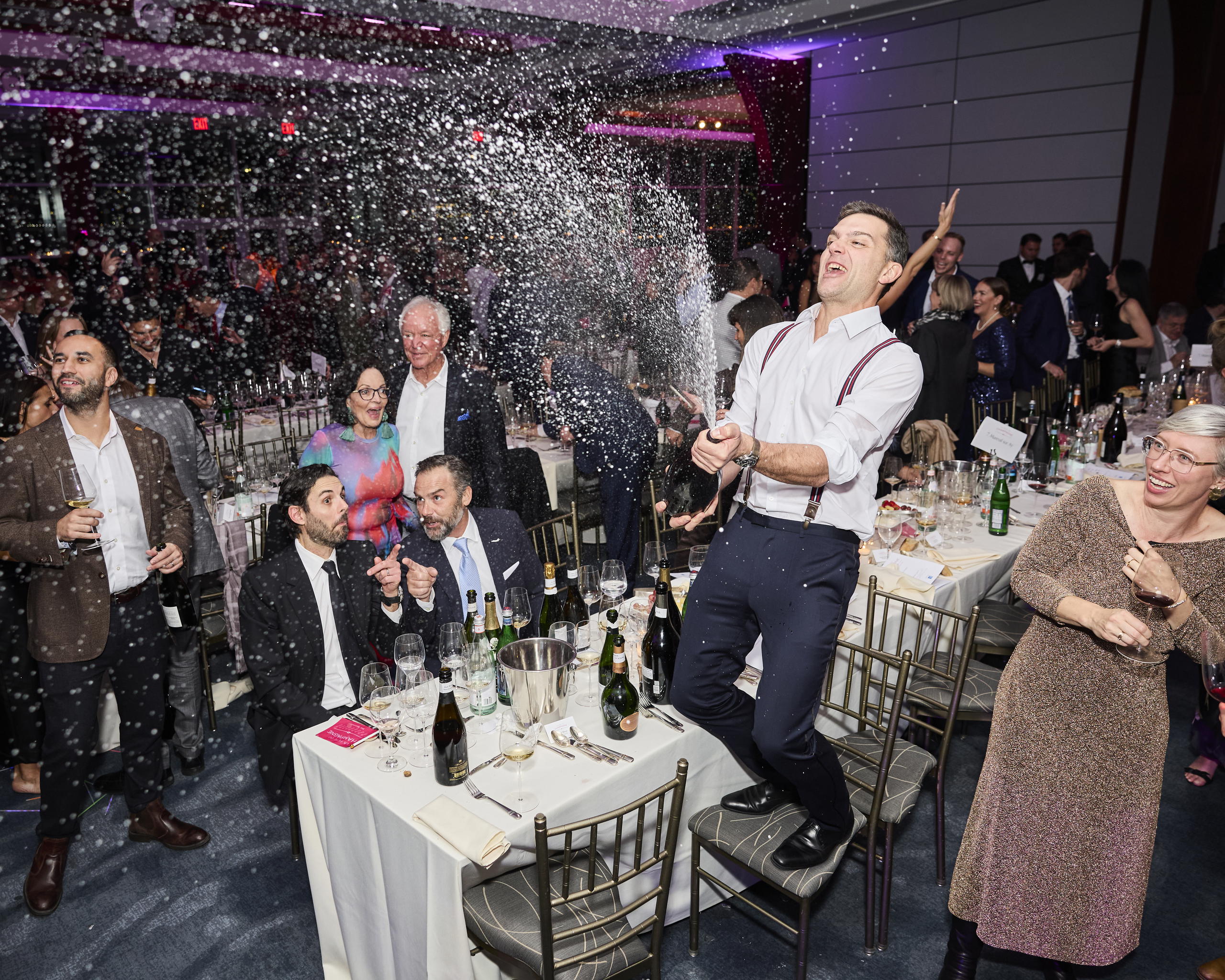
La Fête du Champagne presents a daytime Champagne tasting at Avec River North in Chicago, with producer pours and small bites.
Full La Fête du Champagne program →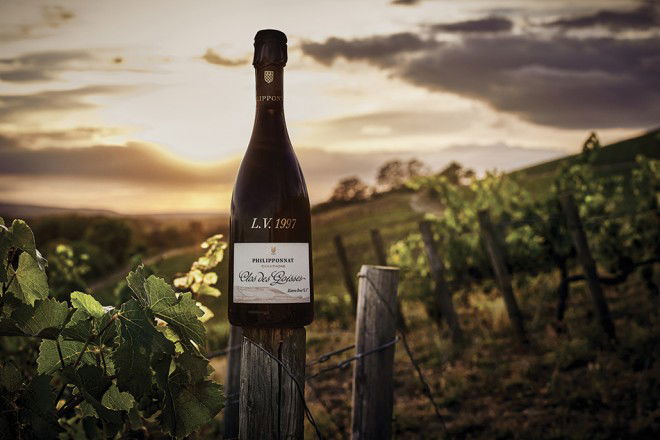


Aÿ
Winery in Aÿ, France
Monopole Cellar Patience
Price
$100–150tasting
Why go
Philipponnat is worth prioritising for a first Aÿ wine day if the goal is serious Champagne heritage, not an easy walk-in tasting. The 1522 first-vintage lineage, Charles Philipponnat's winemaker role, and 2025 World's 50 Best Vineyards recognition make it a high-signal booking, but access is difficult enough that nearby alternatives should be lined up.
Philipponnat is a venue in Aÿ with Charles Philipponnat listed as chef/owner. For planning purposes, the essentials are concise: the dress code is smart casual, and the venue has Pearl 3 Star Prestige (2025) as well as a World's 50 Best Vineyards ranking of #76 (2025). Those facts make it a notable stop to consider when organising a visit in Aÿ.
The strongest case for prioritising Philipponnat is its confirmed recognition rather than any specific public promise about format, pricing, food, timing, or visitor services. If you are comparing venues around Aÿ, keep the plan flexible and confirm current visit details directly with the venue before building the rest of the day around it.
Philipponnat is best treated as a planned stop in Aÿ. Confirm the current arrangements before you travel.
If you are comparing relevant names, Ayala, Deutz, Bollinger, Henri Giraud, and Lallier are useful to consider alongside Philipponnat. The right choice depends on what each venue is offering on your date, so use confirmed availability and current visitor information rather than assumptions about format or service style.
Build an Aÿ itinerary around confirmed appointments, travel time, and the level of structure you want in the day. Philipponnat can serve as a central stop if its availability and format match your plans, but the data does not establish a specific duration, meal component, or tasting style.
First-timers should keep the wider day practical: confirm logistics directly, dress smart casual, and leave enough margin between any venue visits. The verdict: consider Philipponnat if its Aÿ location, Charles Philipponnat association, Pearl 3 Star Prestige (2025), and World's 50 Best Vineyards #76 (2025) recognition fit the kind of visit you want.
Philipponnat presents a quietly assured presence in the heart of Aÿ. The house’s centuries-old roots (dating back to 1522) and its location on Rue Nicolas Philipponnat reinforce a sense of lineage rather than flash. The writing dwells on slow, measured time—post-harvest calm, cellar processes and patient aging—so the overall mood is contemplative and village-centered. Visitors encounter a producer that prizes tradition and depth; the story here is less about immediate spectacle and more about the long, deliberate work that defines serious Champagne.
This is a house for exploration and ceremonial moments. The text foregrounds technical choices—lees aging, disgorgement and reserve wines—making Philipponnat especially well suited to wine-education visits, tastings focused on technique and vertical flights. Its Grand Cru pedigree and long history also position it as a natural pick for special-occasion bottles and milestone celebrations where provenance and aging matter as much as sparkling finesse.
When engaging with Philipponnat’s lineup, focus on cellar-driven questions: ask about time on lees, when disgorgement occurred and the role of reserve wines in each assemblage. The house narrative centers on extended aging and post-harvest decisions, so prioritizing cuvées that showcase longer lees contact or older reserve blends will illustrate the producer’s philosophy. For tastings, request bottles or flights that let you compare different disgorgement dates or vintages to appreciate how the house’s cellar logic shapes texture and complexity.
Elegant and historic atmosphere in impeccably kept cellars with scenic vineyard views and knowledgeable guided tours.
Try Ayala or Deutz first if staying within Aÿ is the priority. Both keep the itinerary efficient and avoid turning the day into a transfer problem.
If the goal is a heavier Champagne-name itinerary, cross-shop Bollinger. It is the better alternative when prestige matters more than keeping the visit intimate or flexible.
Choose Philipponnat over Lallier if the priority is heritage depth and a more serious wine-led stop. Lallier is the easier fallback for a smoother Aÿ itinerary, especially when the day needs less pressure around access, but Philipponnat carries the stronger historical hook with a first vintage listed in 1522.
Against Ayala and Deutz, Philipponnat is the pick for visitors who want a house with heavier prestige signals rather than simply another convenient Aÿ tasting. Ayala and Deutz make more sense when availability and schedule control matter more than chasing the harder table, so use them as practical backups rather than lesser versions of the same plan.
Henri Giraud and Bollinger are the stronger cross-shops for travellers who want a bigger-name Champagne day. Bollinger is the more obvious prestige comparison in Aÿ, while Henri Giraud is useful if the itinerary can stretch beyond the tightest in-town circuit. Philipponnat is the more focused choice when the draw is lineage, recognition, and a compact Aÿ anchor.
Unlock the full Philipponnat guide in Pearl, including awards, comparisons, FAQs, planning details, and nearby places.
| Venue | Location | Awards |
|---|---|---|
| Philipponnat | Aÿ | 2025 World's 50 Best Vineyards · #762025 Pearl 3 Star Prestige |
| Lallier | Aÿ | 2026 Falstaff Winery Guide |
| Ayala | Aÿ | 2026 Falstaff Winery Guide2025 Pearl 4 Star Prestige |
| Deutz | Aÿ | 2026 Falstaff Winery Guide2025 Pearl 4 Star Prestige |
| Henri Giraud | Germenay | 2026 Falstaff Winery Guide2025 Pearl 3 Star Prestige |
| Bollinger | Aÿ | 2026 Falstaff Winery Guide2025 World's 50 Best Vineyards · #152025 Pearl 4 Star Prestige2024 World's 50 Best Vineyards · #122023 World's 50 Best Vineyards · #23 |
How Philipponnat Aÿ compares with similar nearby venues.
Confirm directly with Philipponnat before visiting Aÿ. The information confirms Pearl 3 Star Prestige (2025) and World's 50 Best Vineyards #76 (2025), but it does not confirm current booking rules, opening hours, or walk-in availability.
Lallier, Ayala, Deutz, Henri Giraud, and Bollinger are useful comparisons when planning time around Philipponnat in Aÿ. Check each venue's current visitor information before deciding how to structure the day.
Check current availability with Philipponnat and plan your Aÿ schedule around confirmed appointment times.
Pearl events
Public events currently associated with this Pearl venue.
La Fête du Champagne presents a daytime Champagne tasting at Avec River North in Chicago, with producer pours and small bites.
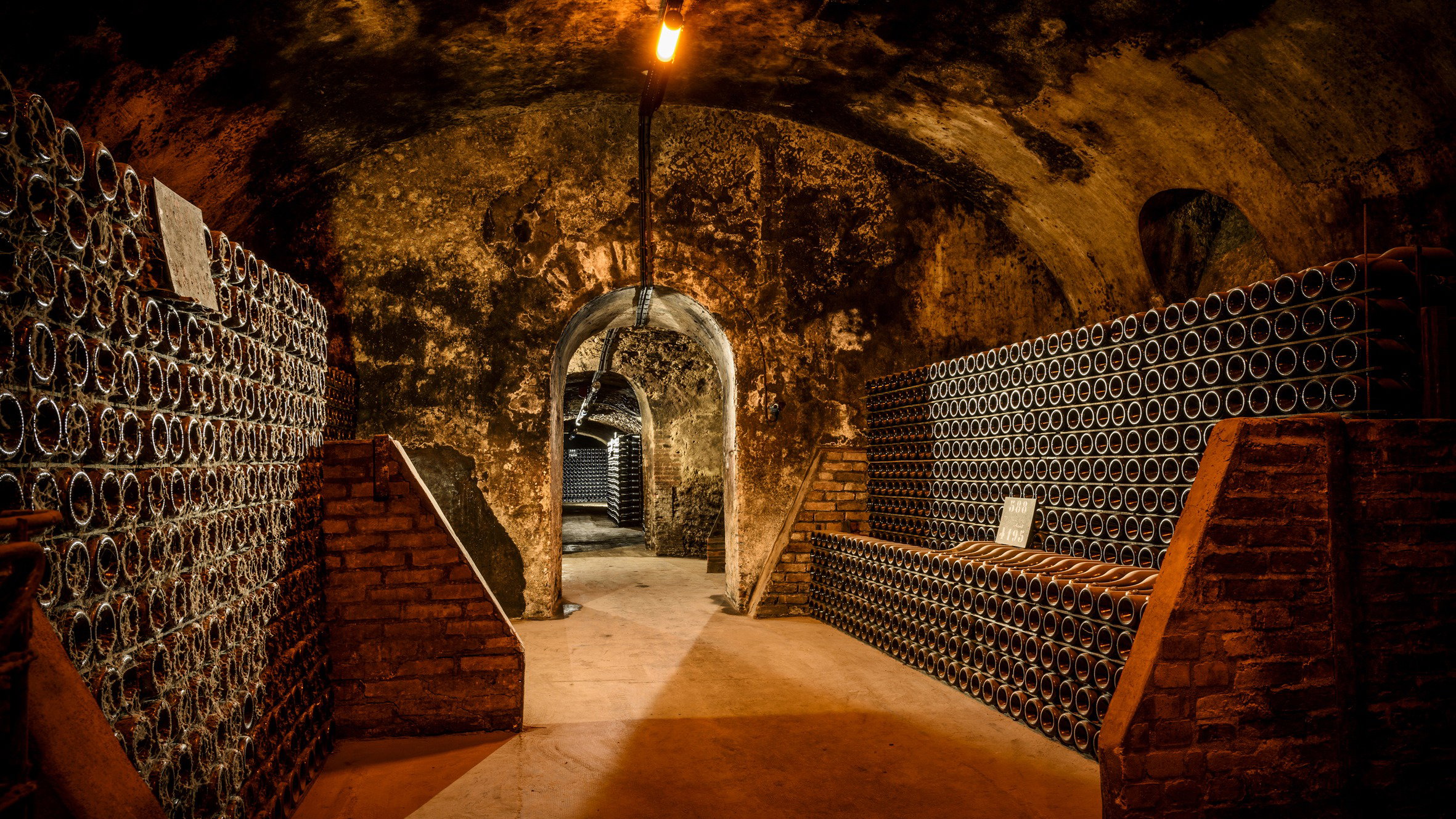
Full La Fête du Champagne program →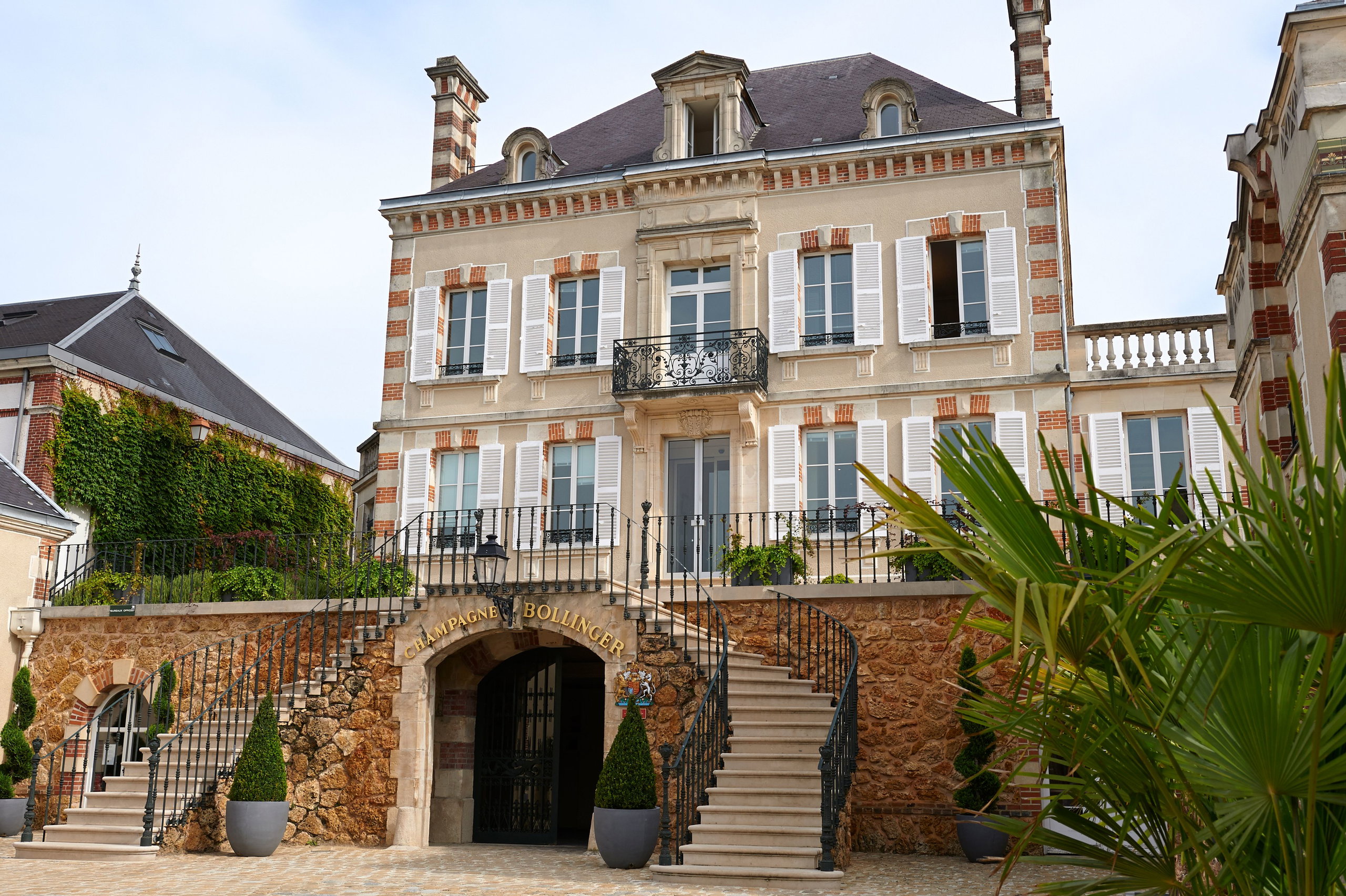 BollingerAÿBollinger offers bookable cellar tours and tastings in Aÿ through its 1829 app. Go for a look at its Pinot Noir-led…
 Billecart-SalmonAÿBillecart-Salmon in Mareuil-sur-Aÿ works best as a Champagne house, with Le Rosé, family history and a…
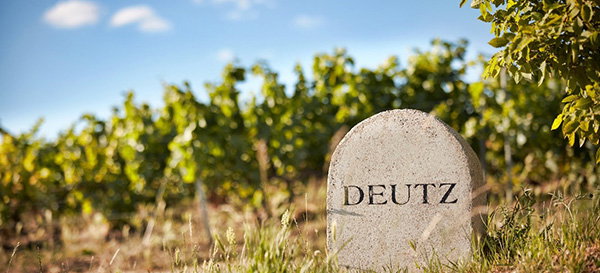 DeutzAÿDeutz is worth pursuing if the goal is serious Champagne buying or cellar comparison, not an easy casual tasting. In…
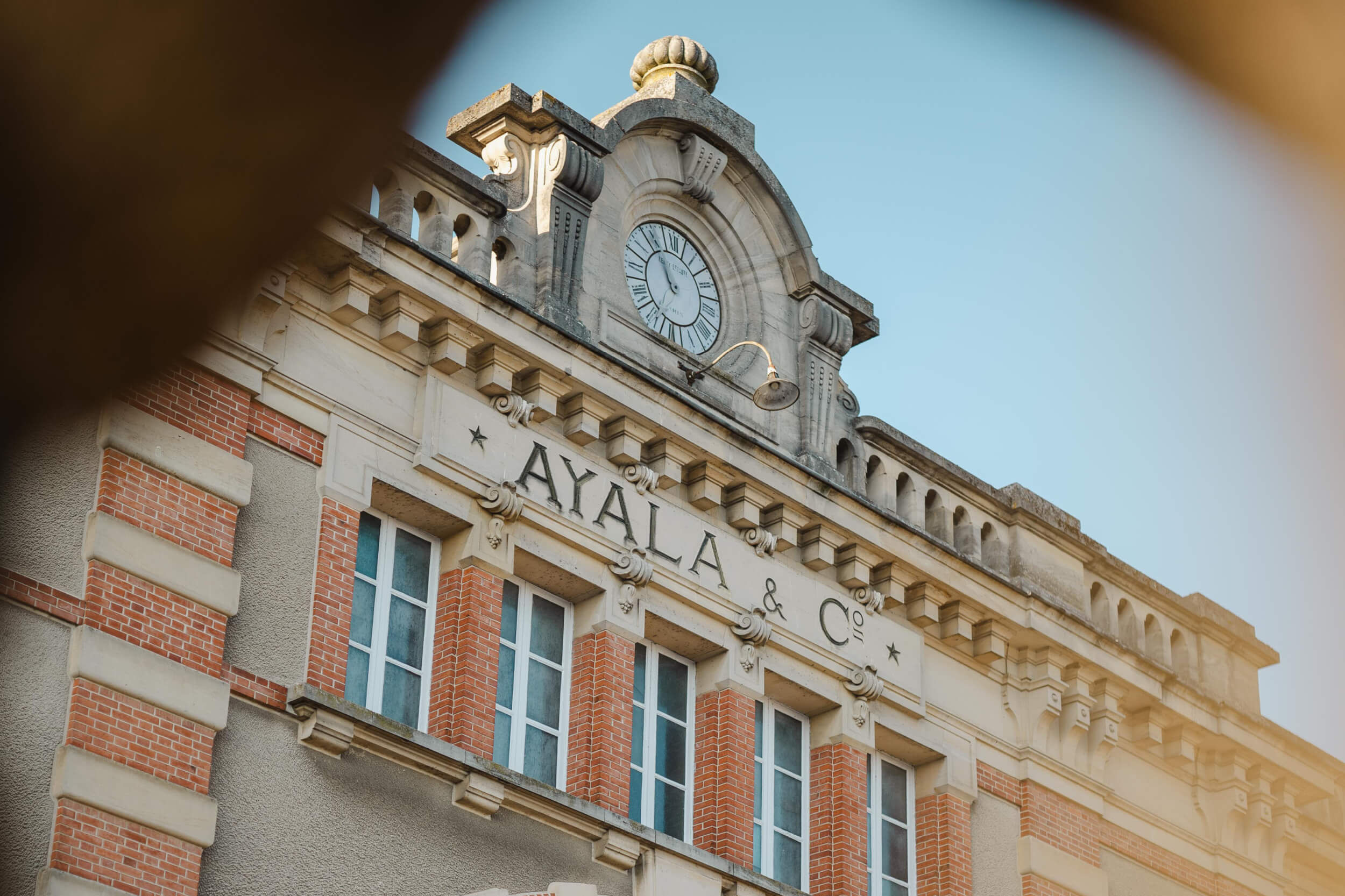 AyalaAÿAyala is worth targeting if you want a focused Champagne-house appointment in Aÿ rather than just another famous-name…
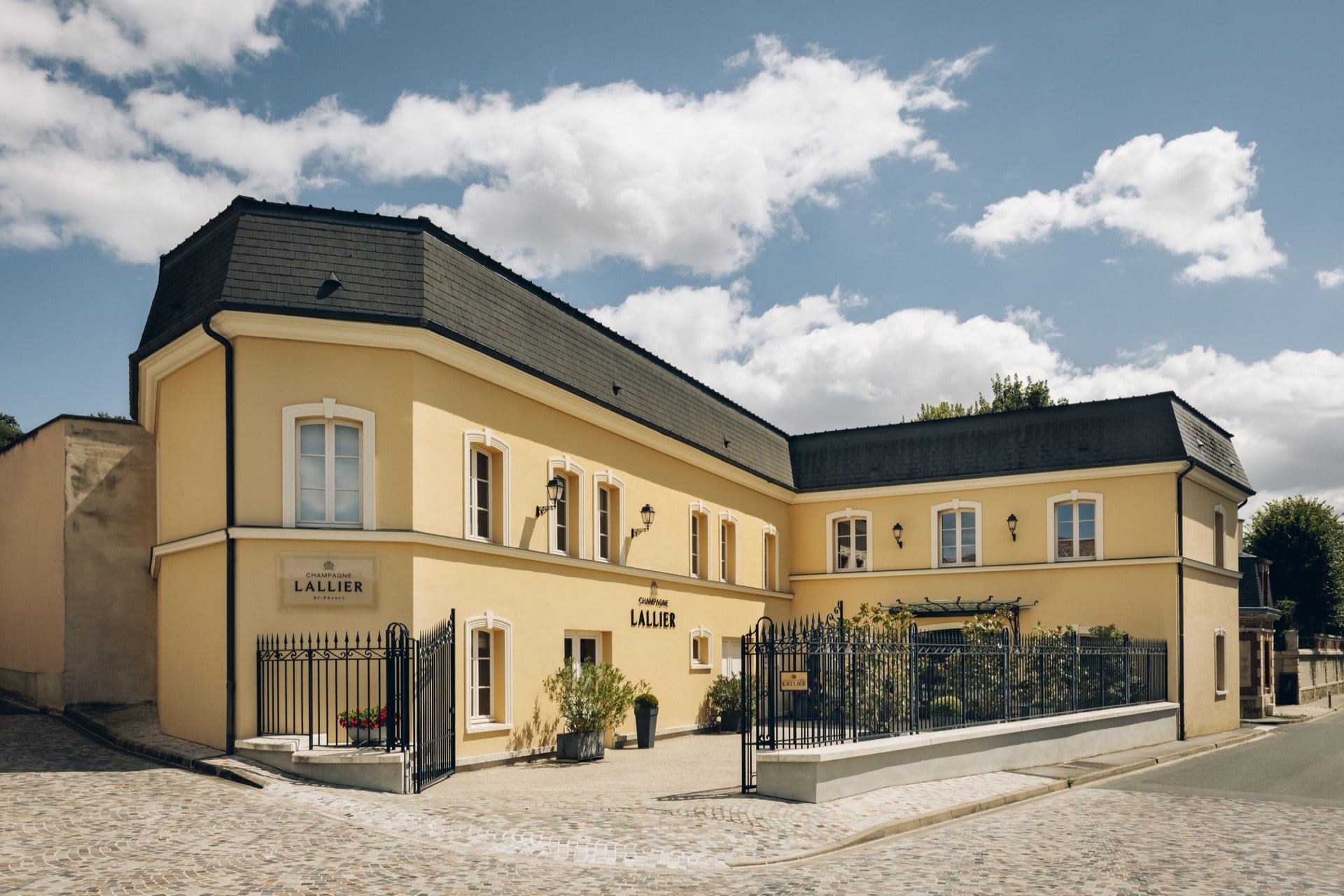 LallierAÿLallier is worth prioritizing if the goal is a serious Champagne stop in Aÿ rather than a casual tasting-room visit.…
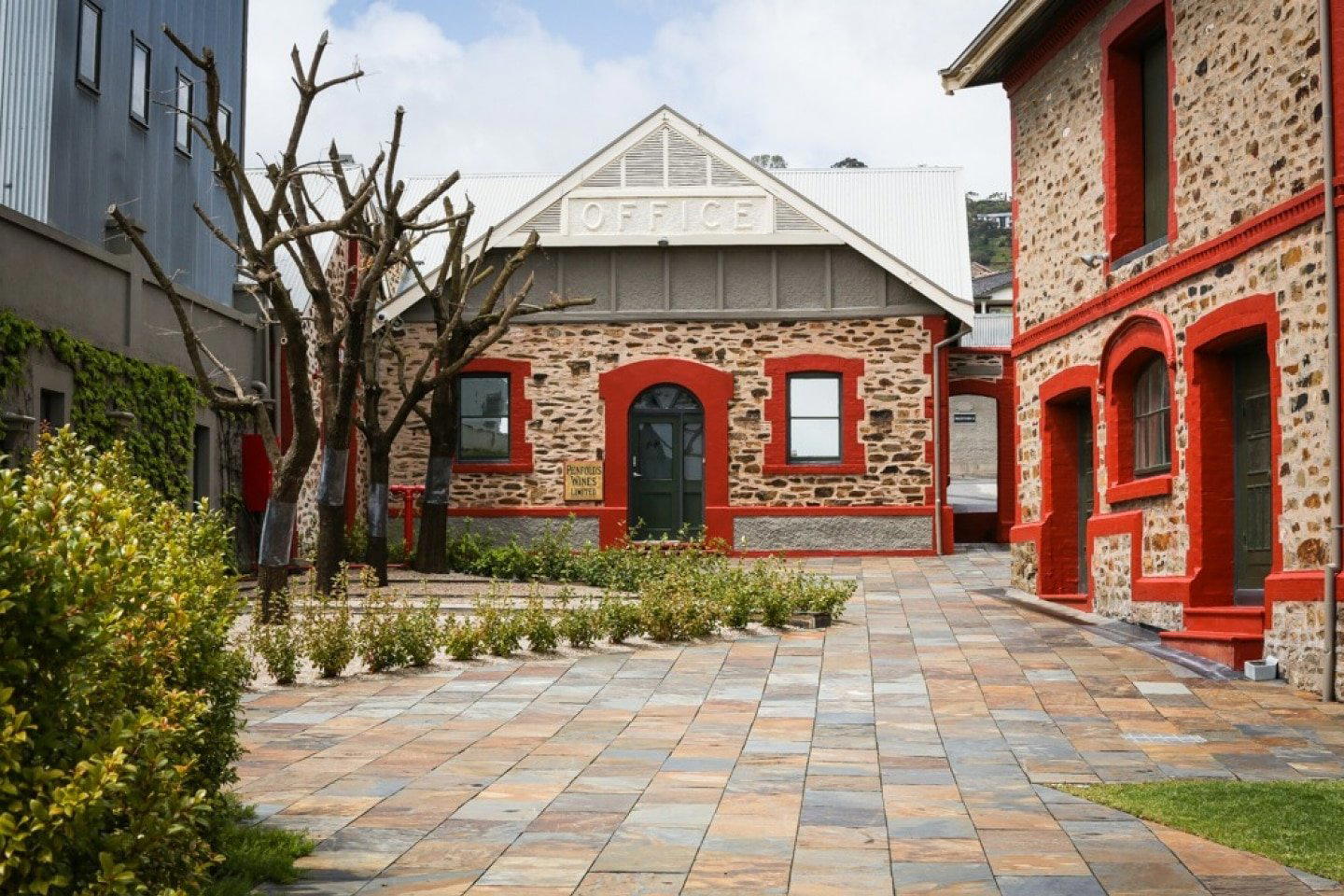 Penfolds Magill EstateMagillPenfolds Magill Estate is a winery and cellar-door destination in Magill, Adelaide.
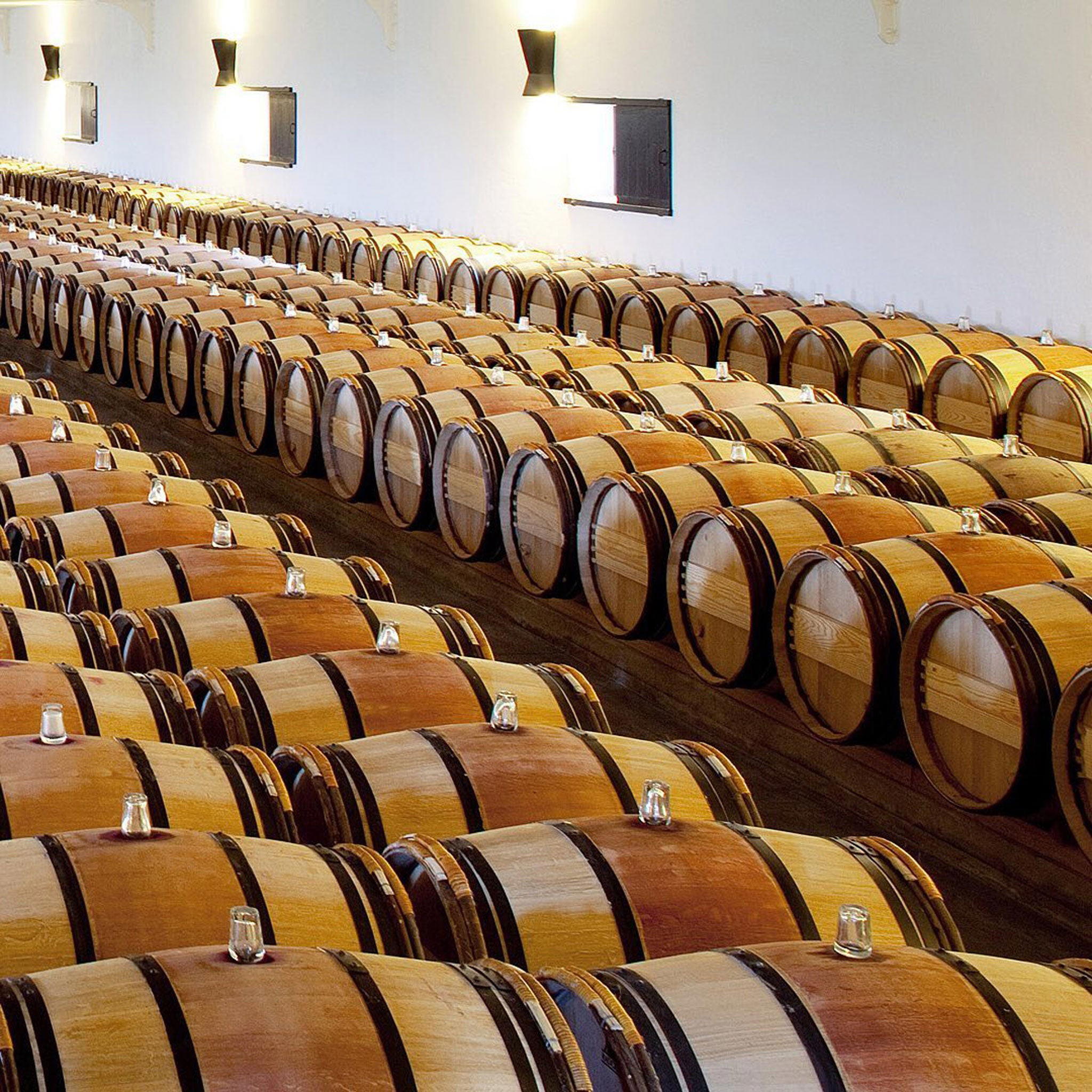 Chateau Mouton RothschildPauillacChâteau Mouton Rothschild is a classified First Growth wine estate in Pauillac, Bordeaux.
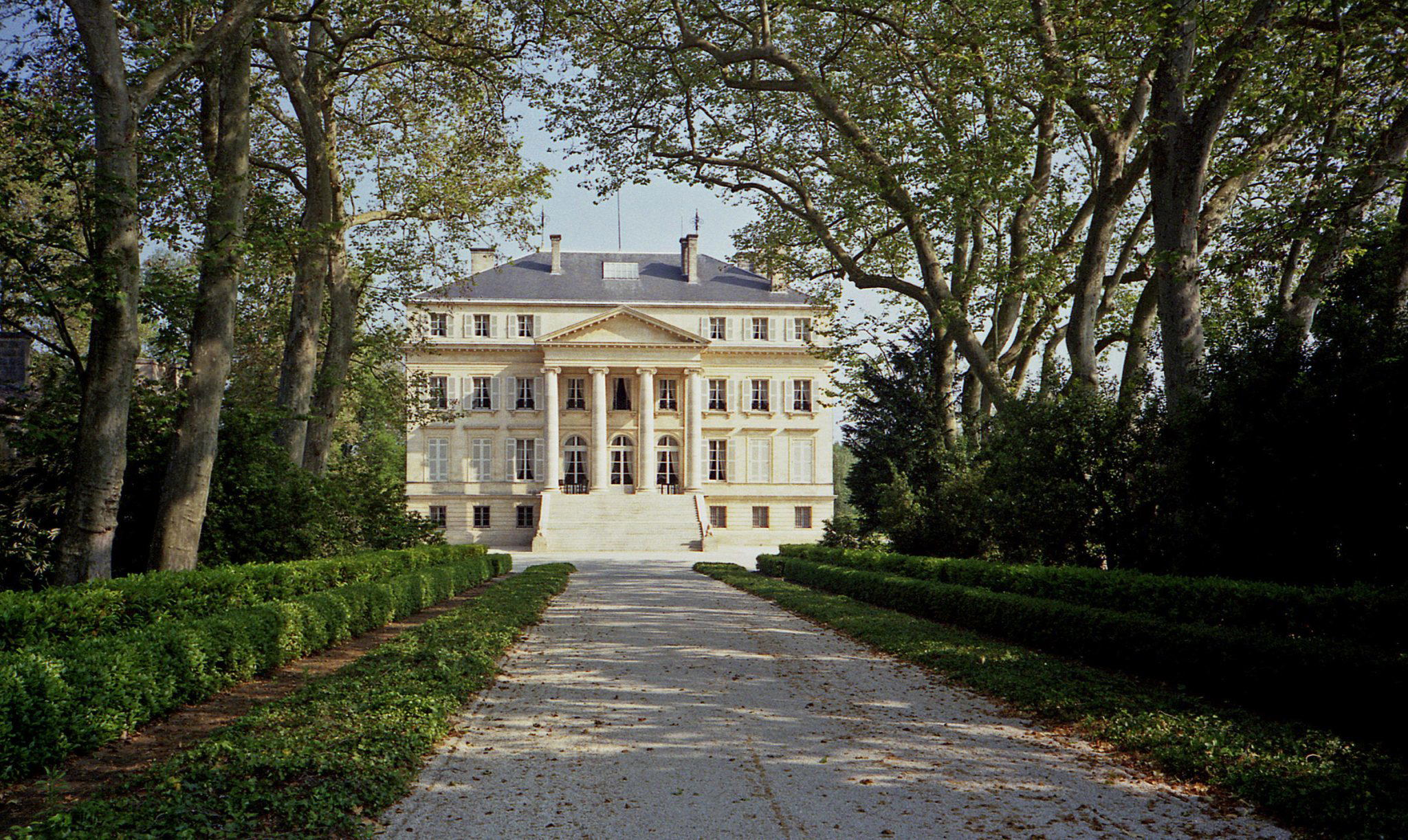 Château MargauxMargauxChâteau Margaux is a classified First Growth wine estate in Margaux-Cantenac, Bordeaux.
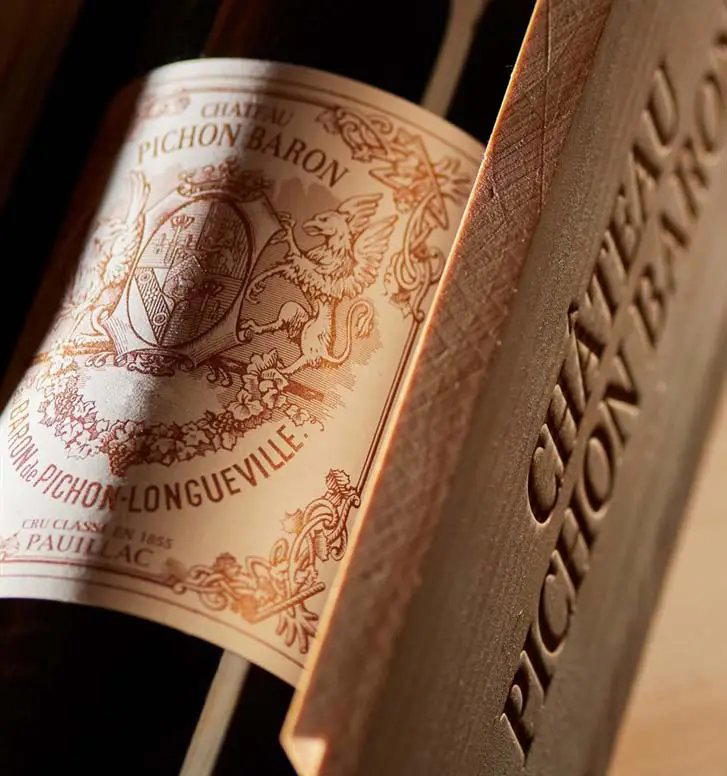 Château Pichon Longueville BaronPauillacChâteau Pichon Longueville Baron is a winery in Pauillac, Bordeaux.
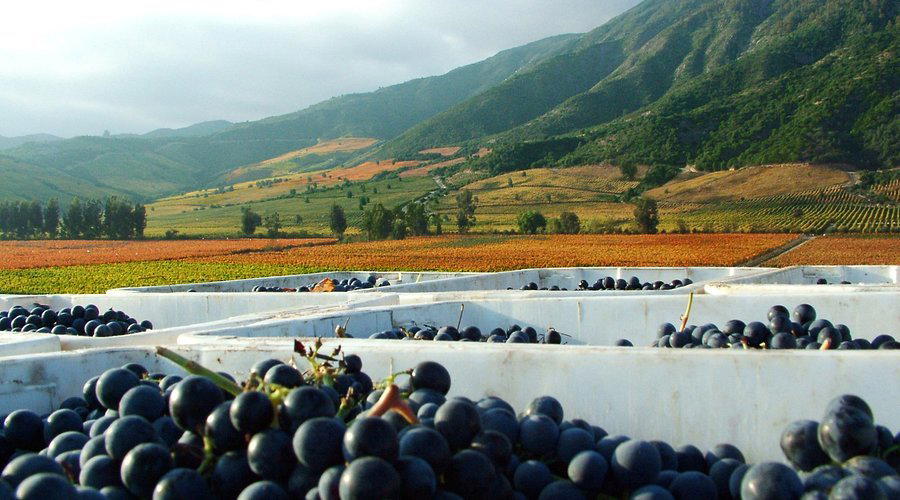 Viña MontesSanta CruzViña Montes is a winery in Chile's Colchagua Valley.