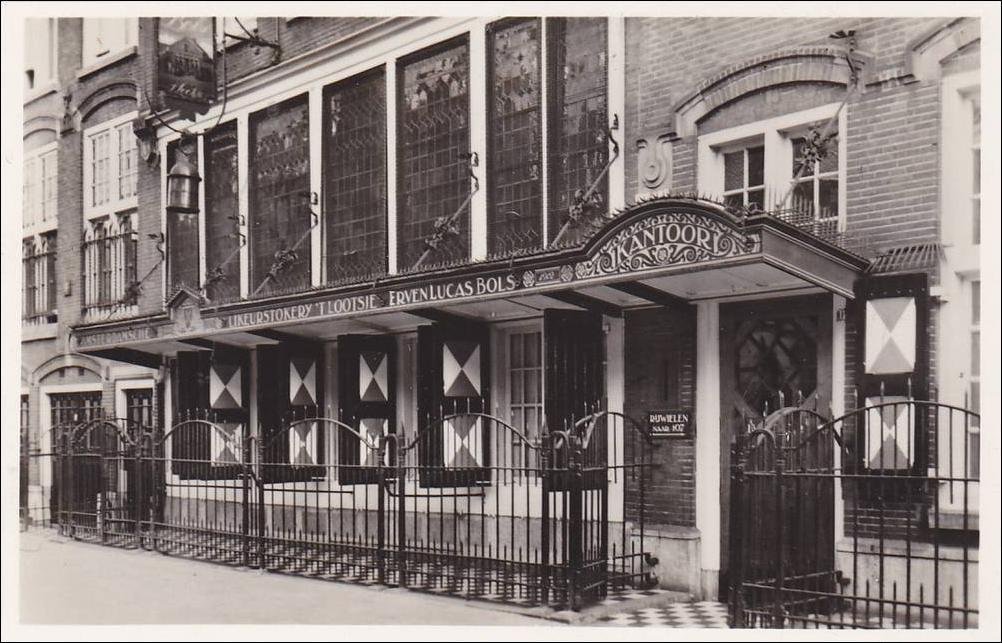
Bols
Jordaan, Amsterdam
Winery in Amsterdam, Netherlands
 Book with Pearl
The Read
Living Genever Archive
Why go
Book Bols if the goal is a polished, centrally located Amsterdam drinks experience with Dutch spirits context. Do not treat it as a traditional winery or wine-club play; collectors looking for flagship bottles, shipping terms, or allocation value should compare alternatives first.
About Bols
Bols is a venue in Amsterdam with a smart casual dress code and Pearl 3 Star Prestige recognition for 2025.
Use this page as a concise planning note. For broader trip planning, compare it with our full Amsterdam restaurants guide, our full Amsterdam hotels guide, or our full Amsterdam bars guide.
Plan around the essentials, then confirm the details
The case for Bols is simple: it is in Amsterdam, carries Pearl 3 Star Prestige recognition for 2025, lists smart casual as the dress code. If your decision depends on a particular service format, menu, price, schedule, or booking requirement, confirm those details directly with the venue before making plans.
For comparison within a broader shortlist, Wynand Fockink, Jacquart, Nolet Distillery, SÜNNER Distillery, Van Kleef, Bols are the only named venues this guide uses as reference points.
Good for a polished occasion, less useful for detail-heavy planning
Bols may suit guests who want an Amsterdam venue with a smart casual standard and a Pearl 3 Star Prestige 2025 distinction. For opening hours, pricing, capacity, service format, or specific offerings, check directly with the venue before making plans.
If you are building a broader Amsterdam itinerary, treat Bols as one possible stop to evaluate alongside other Amsterdam dining, bar, hotel, experience options. Keep any assumptions about service style, group handling, reservations, purchasing, or delivery out of the plan until they are confirmed by the venue.
Planning details
- Location
- Paulus Potterstraat 14, 1071 CZ Amsterdam
- Website
- bols.com/pages/cocktail-academy
- Phone
- +31 20 570 8575
The take
The Take
The Vibe
Bols reads less like a late-night bar and more like a working museum: a deliberate, low-key house rooted in centuries of Dutch distilling. The space sits in Amsterdam’s Museumkwartier and projects a calm, scholarly energy—visitors tend to move with purpose, attentive to history and craft. Rather than loud merriment, the mood favors close listening and thoughtful tasting; the distillery’s emphasis on traditional maltwine and historical botanicals gives the place a classic, museum-like gravitas. It feels composed and respectful of its lineage, a place where the past and production processes are central to the atmosphere.
Best For
Bols is best for people who come with curiosity about spirits history and production—museum-goers, solo explorers, and small, focused groups who want to connect context to tasting. Its location amid the Rijksmuseum and Van Gogh Museum attracts visitors oriented toward cultural learning rather than nightlife, so it suits those who enjoy deliberate, educational experiences. If you appreciate historical narratives about grain-based maltwine, juniper-forward genever and the old Amsterdam spice-trade context, Bols rewards that attention with a setting geared toward interpretation rather than casual drinking.
Tasting Tips
The house tends to attract guests who have done research before arriving, so arrive prepared to engage with the history behind what you taste. The write-up emphasizes the maltwine core and the role of botanicals—juniper and spice-trade ingredients—so frame questions around those elements rather than generic cocktail chatter. Approach the visit as a chance to learn: listen for explanations of production and provenance, and allow the pace to be measured; the venue favors a thoughtful, educational rhythm over quick rounds.
Venue details
Ambiance
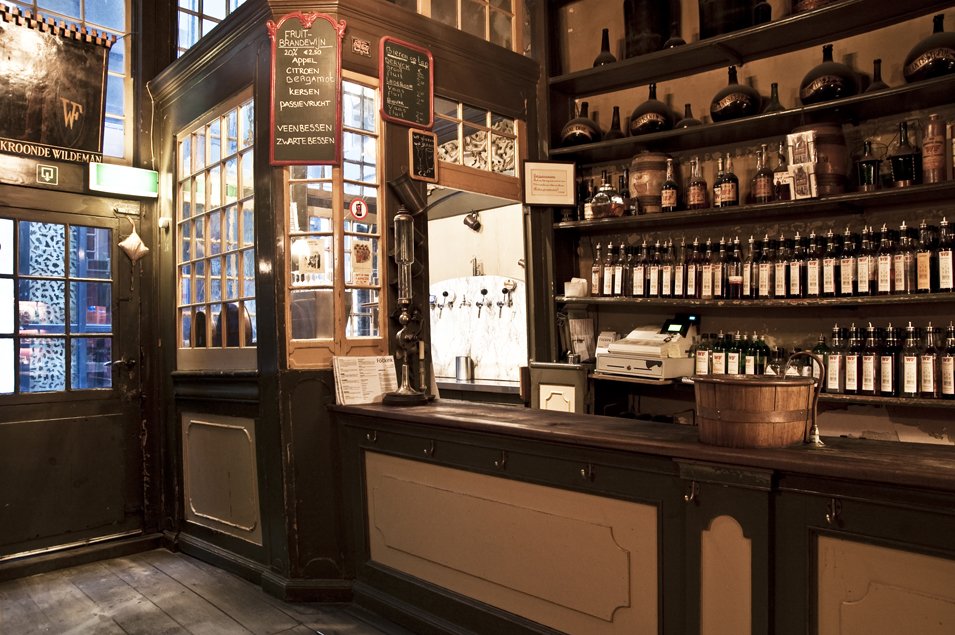
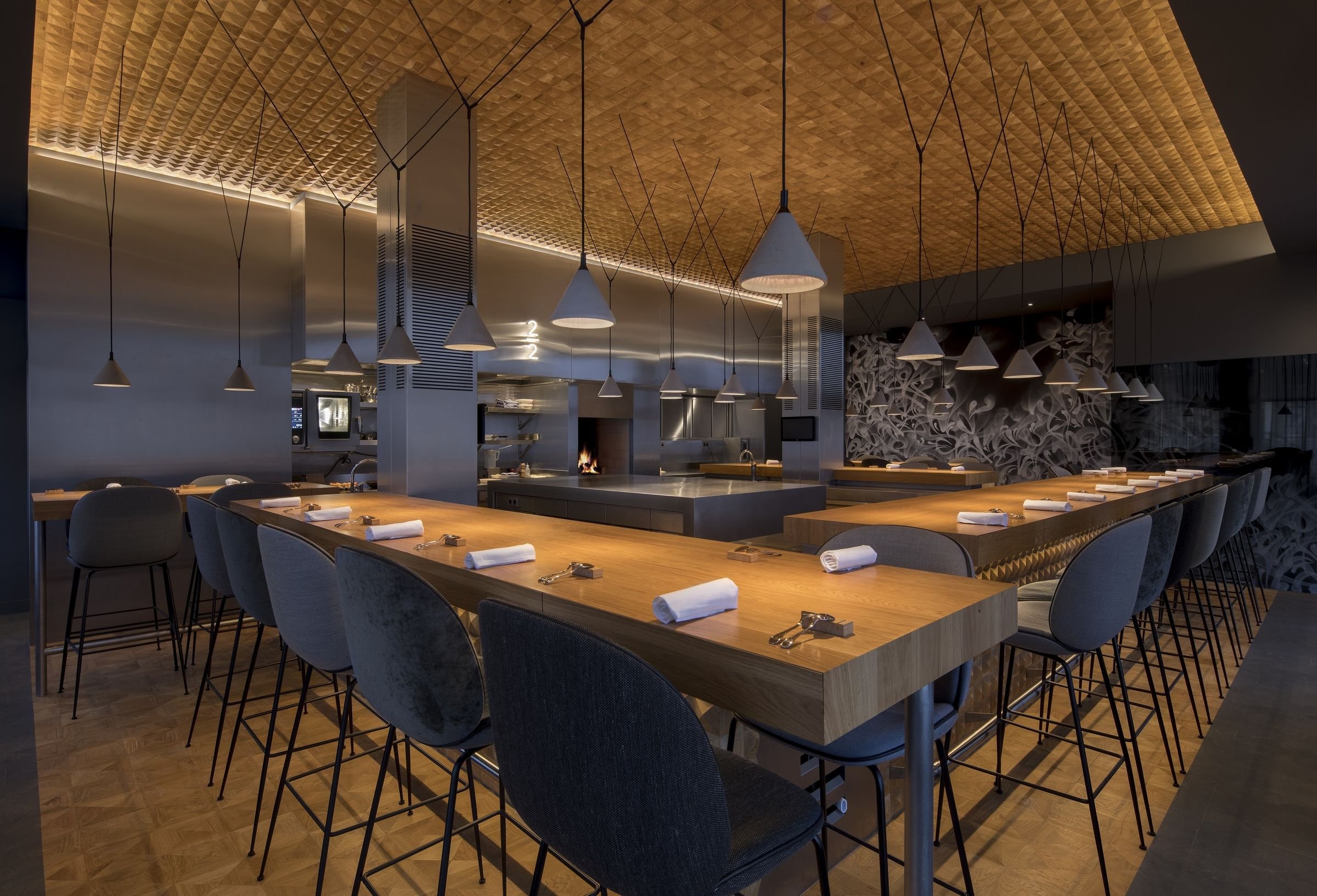
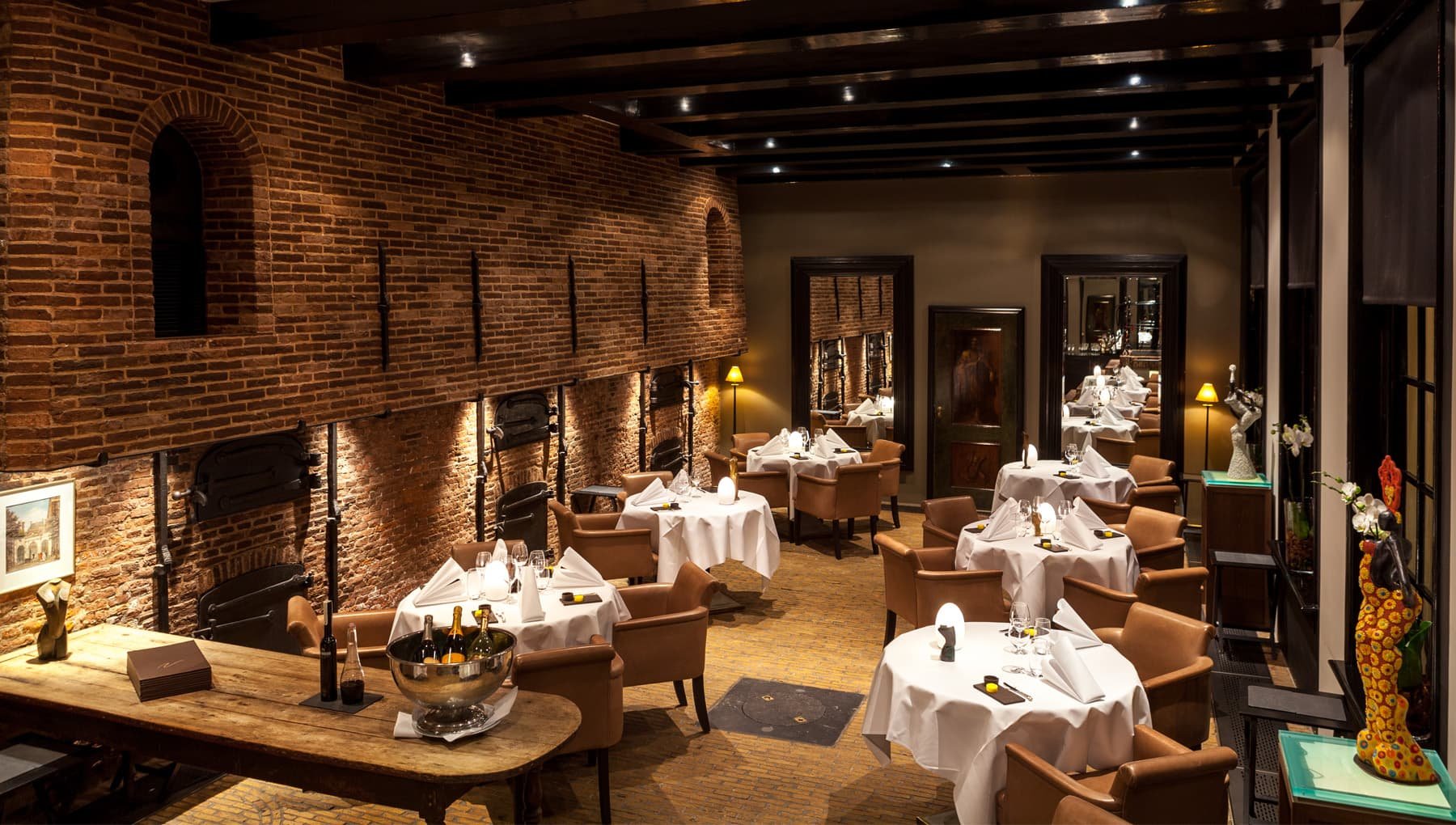
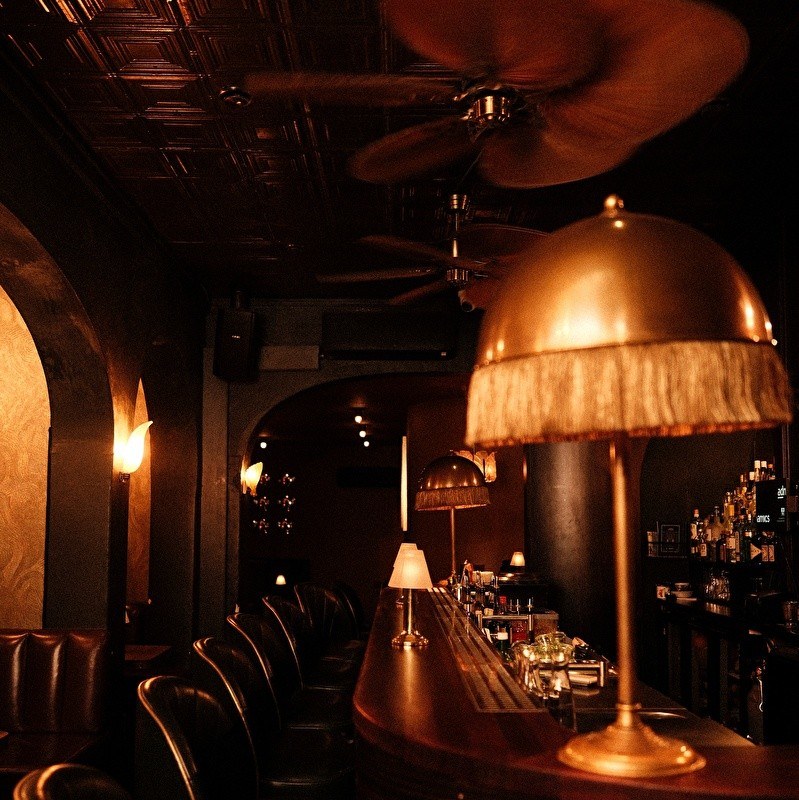
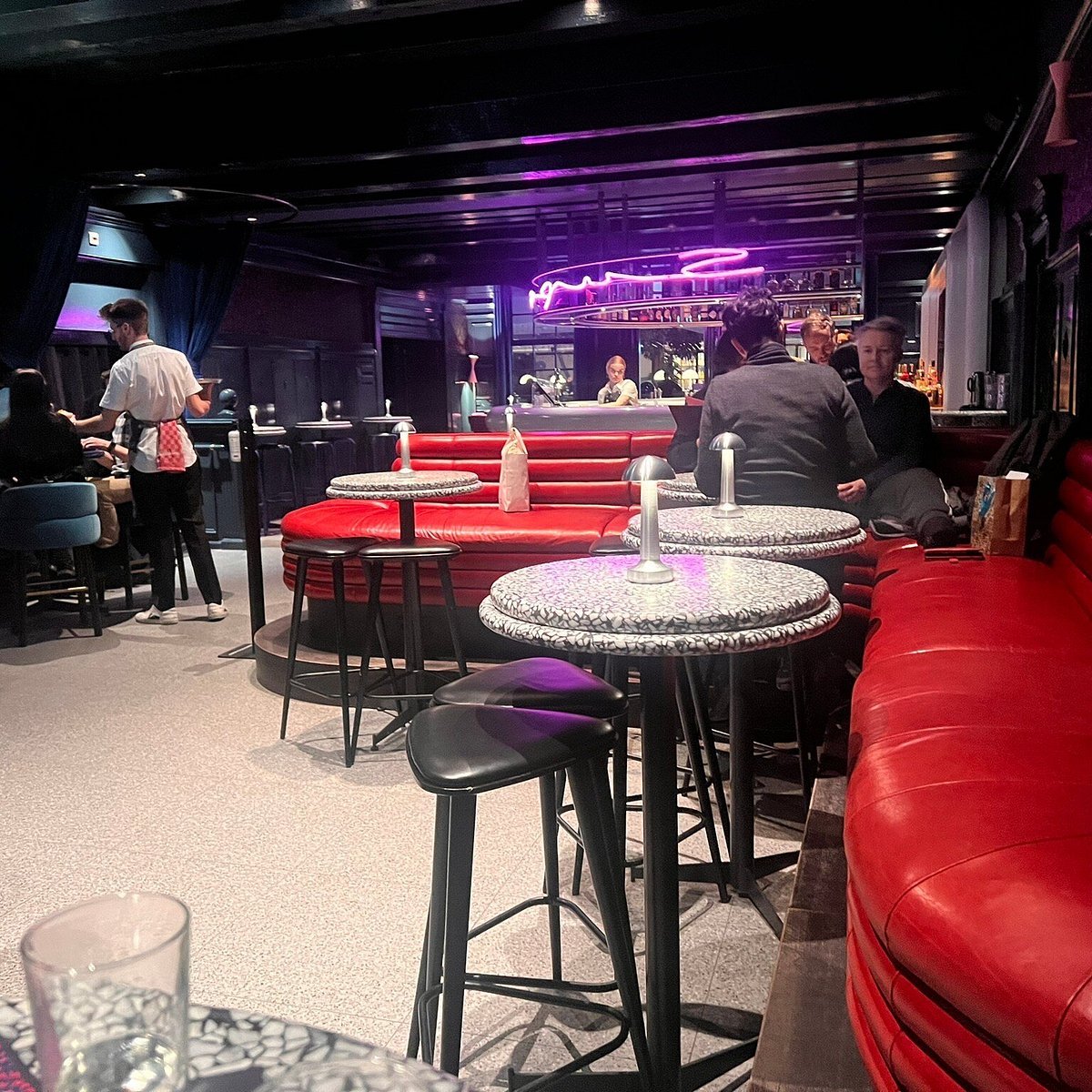
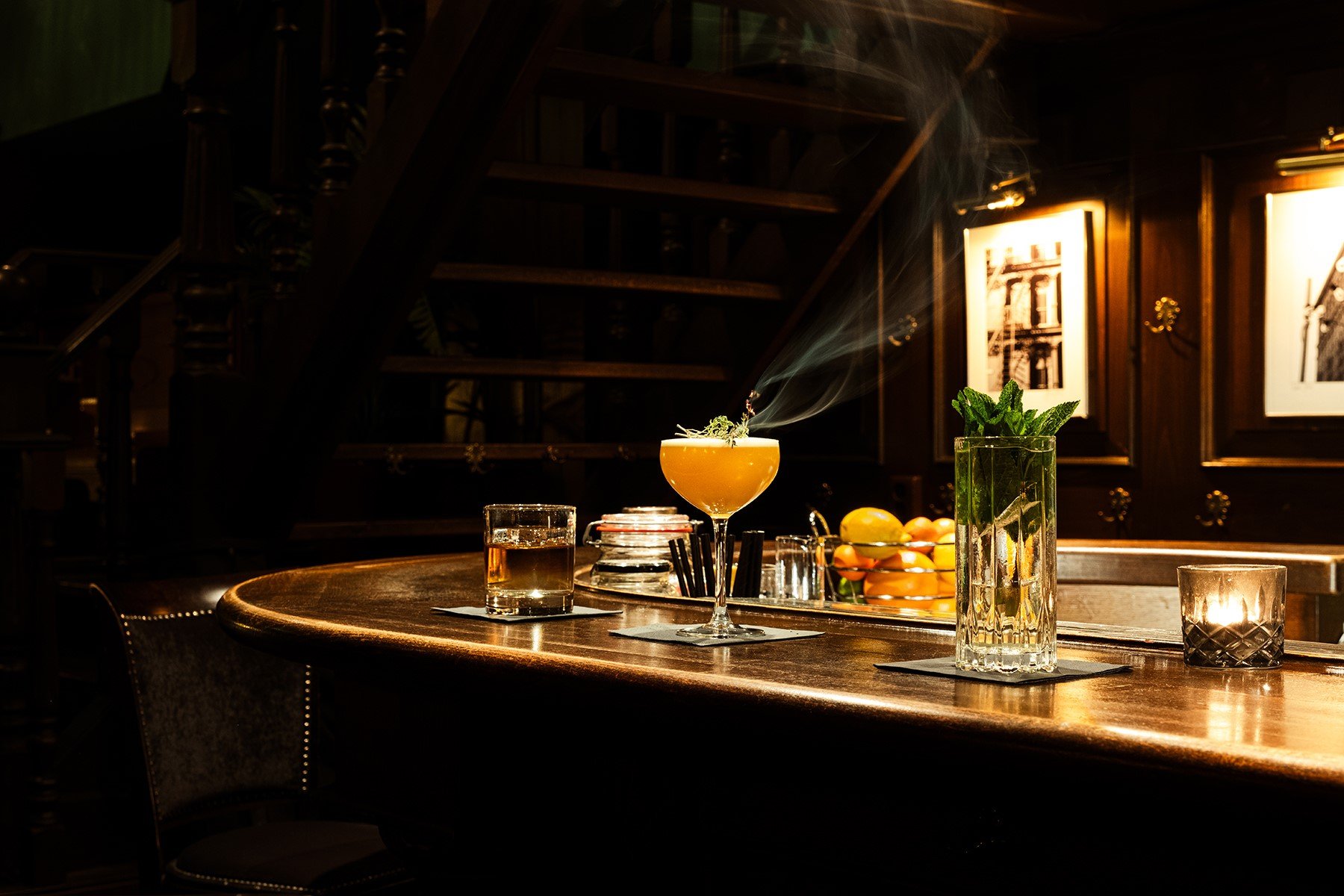
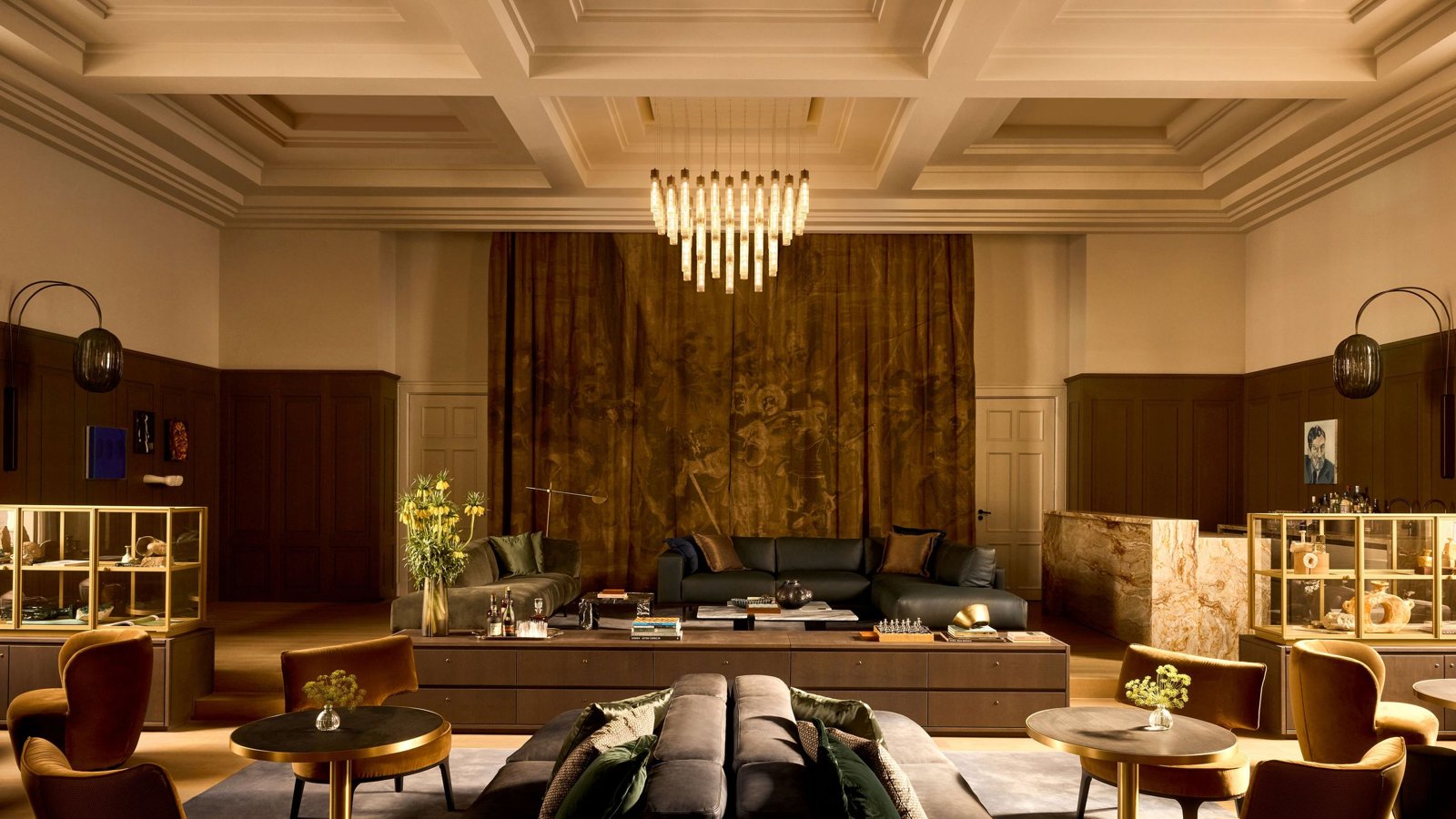
Historic and elegant with light-filled rooms displaying antique distilling equipment, family bibles, and a vibrant atmosphere blending heritage with modern cocktail culture.
Tags
Vibe
Best For
Experience
At the Vineyard
- Appellation
- Amsterdam
- Tour Duration
- 60-90 minutes
- Wine Club
- Not available
Planning details
Location
Paulus Potterstraat 14, 1071 CZ Amsterdam · Directions
Also consider
Where to look if Bols is not the right fit
Try Wynand Fockink if the group wants an Amsterdam alternative with a more historic tasting-room feel. Choose Nolet Distillery if leaving the city for a producer-led spirits stop is acceptable.
Winery context
How Bols compares with Amsterdam-area drinks venues
Bols is the stronger pick for a planned Museum Quarter occasion where convenience and structure matter. Wynand Fockink is the better cross-shop for a more historic Amsterdam tasting-room feel, especially if the group wants something less formal and more centered on old-city atmosphere.
Van Kleef and Nolet Distillery make more sense for readers willing to leave Amsterdam for a broader Dutch spirits comparison. They are less convenient for a tight city itinerary, but more useful if the point is to compare producers rather than slot one drinks stop into a museum-and-dinner day.
SÜNNER Distillery and Jacquart are better treated as out-of-metro reference points rather than direct substitutes. Choose Bols for Amsterdam logistics; look beyond it only if the trip is being built around producer visits rather than a single special-occasion stop.
Around this place
Discover more on Pearl
Unlock the full Bols guide in Pearl, including awards, comparisons, FAQs, planning details, and nearby places.
Compare Bols
| Venue | Location | Awards |
|---|---|---|
| Bols | Amsterdam | No published awards |
| Wynand Fockink | Amsterdam | No published awards |
| Van Kleef | The Hague | No published awards |
| Nolet Distillery | Schiedam | No published awards |
| SÜNNER Distillery | Cologne | No published awards |
| Jacquart | Grafschaft | 2025 Pearl 2 Star Prestige |

How Bols Amsterdam compares with similar nearby venues.
FAQ
Frequently Asked Questions
What should I know about Bols?
Bols is in Amsterdam, has a smart casual dress code, holds Pearl 3 Star Prestige recognition for 2025. For a specific menu, service format, address, hours, price, or seating count, check directly with the venue.
Do I need a reservation at Bols?
For reservations, confirm directly with Bols before going, especially if timing matters. The core planning details are Amsterdam as the city, smart casual dress, Pearl 3 Star Prestige recognition for 2025.
What other venues can I compare with Bols?
For a natural comparison set, consider Bols alongside Wynand Fockink, Van Kleef, Nolet Distillery, SÜNNER Distillery, Jacquart. Confirm each venue's current format, location details, visit requirements directly before planning around them.