Winery in Achenkirch, Austria
Kräuterdestillerie Steiner
250ptsTyrolean Botanical Distillation

About Kräuterdestillerie Steiner
Kräuterdestillerie Steiner in Achenkirch, Austria, earned a Pearl 1 Star Prestige award in 2025, placing it among a small tier of recognized herbal distilleries in the Alpine region. The operation sits within a landscape where altitude, glacial soils, and Tyrolean herb traditions shape what ends up in the bottle. For those tracing Austria's craft distillation scene beyond wine country, Steiner is a reference point worth building a visit around.
Alpine Distillation and the Tyrolean Herb Tradition
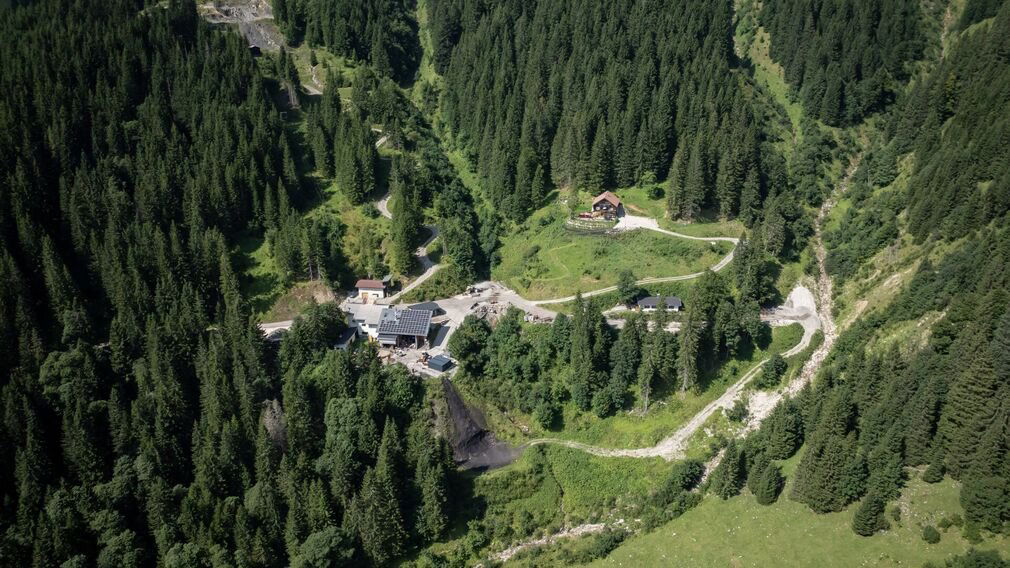
Achenkirch occupies the northern edge of the Achensee basin in Tyrol, a stretch of Austria where the interaction between limestone geology, cold air drainage from the Karwendel range, and high-altitude meadows produces a herb and botanical profile that has no direct equivalent in the lowland distilling regions further east. This is not wine country in the Wachau or Burgenland sense, and producers here do not compete on the same terms as, say, Weingut Emmerich Knoll in Dürnstein or Weingut Bründlmayer in Langenlois. Instead, Tyrolean distilleries like Kräuterdestillerie Steiner operate within a different tradition entirely: one defined by mountain botanicals, centuries of medicinal herb cultivation, and a craft identity that draws its authority from place rather than grape variety.
The broader Austrian craft spirits scene has expanded steadily over the past decade, with producers across Styria, Upper Austria, and the Alpine west gaining recognition in international competition frameworks. Weingut Scheiblhofer in Andau and 1310 Spirit of the Country Distillery in Sierning represent the southern and central Austrian ends of this movement, while Tyrolean herbal distilleries occupy a distinct northern Alpine tier. Kräuterdestillerie Steiner's Pearl 1 Star Prestige recognition in 2025 places it within this recognized cohort.
What the Land Puts in the Bottle
The editorial angle on any serious herbal distillery in the Tyrolean Alps starts not with the still, but with the sourcing altitude. Meadow botanicals collected above 1,000 metres carry a chemical complexity that lower-elevation equivalents do not: shorter growing seasons concentrate aromatic compounds, while the diurnal temperature swings common to the Achensee region preserve volatile oils that warmer climates drive off. This is the local equivalent of what Tyrolean cheesemakers and schnapps producers have understood for generations, and it is the framework within which Kräuterdestillerie Steiner's output should be read.
Austria's herbal distillation tradition sits in a peer category that includes dedicated producers like A. Batch Distillery in Bergheim and Abfindungsbrennerei Franz in Leithaprodersdorf, though the Tyrolean herbal focus is geographically and botanically distinct from either. Where Burgenland producers like Weingut Kracher in Illmitz or Weingut Pittnauer in Gols anchor identity in the Pannonian basin's warmth and the particular character of Neusiedlersee-area soils, a Tyrolean herbal operation's terroir argument rests on cold, thin mountain air and the specific floristic communities of limestone upland meadows. The two traditions do not translate across each other.
Recognition and Where Steiner Sits in the Austrian Spirits Tier
The Pearl 1 Star Prestige award, received in 2025, is the primary verifiable quality signal for Kräuterdestillerie Steiner in the public record. Within Austria's craft spirits recognition framework, prestige-tier citations at this level indicate a product that has cleared the threshold for technical quality and regional character that competition panels apply to small-batch Alpine producers. It does not place Steiner in the same commercial tier as larger national brands, nor does it suggest output volumes comparable to Styrian wine-and-spirit estates like Weingut Wohlmuth in Kitzeck. What it does establish is that within the narrower category of herbal distillation from the Tyrolean Alpine zone, the operation has earned external validation from a named awards body in a recent evaluation year.
For comparative context, Austrian craft distilling now spans a wide range from urban operations like 1516 Brewing Company Distillery in Vienna and 1404 Manufacturing Distillery in Sankt Peter-Freienstein to rural Alpine producers. Kräuterdestillerie Steiner occupies the latter end of that spectrum, in a location where the production logic follows the rhythm of the mountain growing season rather than urban on-demand supply. This is a meaningful structural difference: it shapes what is available and when, and it is part of what award panels evaluate when assessing terroir-driven spirits.
Achenkirch as a Destination Context
Visitors approaching Kräuterdestillerie Steiner from Innsbruck face approximately a 45-minute drive northeast along the Inn valley and then up into the Achensee basin, where the lake and the surrounding Karwendel and Rofan ranges form one of Tyrol's more concentrated tourist zones. The area draws winter skiers and summer hikers in roughly equal measure, and the local gastronomy reflects this: Tyrolean Gasthöfe, lakeside terraces, and a handful of specialist producers serving visitors who are already in the region for outdoor reasons. Steiner fits into this pattern as a production-focused destination rather than a destination-first tourist attraction. The visit is structured around the distillery itself, not around hospitality infrastructure built around it.
Planning around a visit to Kräuterdestillerie Steiner requires more preparation than a visit to a wine estate with an established tasting room programme. With no website, phone, or booking information in the public record at time of writing, the practical approach is to contact local Achenkirch tourism bodies for current access details, or to combine the visit with broader Tyrolean itinerary planning. The full Achenkirch restaurants and producers guide provides updated regional context for building a multi-stop visit. For those travelling from further afield, Kufstein and Innsbruck both offer rail connections that put the Achensee basin within reach without a hire car, though the final stretch to Achenkirch itself is more practical by road.
The Herbal Distillery Visit in the Alps: What to Expect from the Format
Across the Alpine herbal distillation category, from the Voralberg in Austria's far west to Tyrolean and Salzburg producers, the visit format tends toward the intimate and production-centric. These are not large estates with visitor centres and tasting flights built around a hospitality model. The interaction is typically closer to a working farm visit than a wine estate tour: small groups, direct engagement with the production environment, and a purchasing context that rewards visitors who have done research in advance and arrive with specific questions. Comparable formats at Scottish producers like Aberlour in Aberlour or Californian producers like Accendo Cellars in St. Helena operate under very different visitor models, which underscores how format varies by category and region. At a Tyrolean herbal distillery in the 2025 landscape, the format is defined by scarcity of product, depth of regional knowledge on offer, and an environment where the surrounding mountains are as much part of the visit as anything poured in a glass.
The 2025 Pearl 1 Star Prestige award gives Kräuterdestillerie Steiner a concrete reason to be sought out for those building an Austrian spirits itinerary with an Alpine dimension. It is the kind of recognition that separates a producer worth the planning effort from the broader field of unlisted operations in the same region.
Planning Your Visit
Achenkirch is accessible year-round, though the herbal distillation season is concentrated in the warmer months when mountain botanicals are harvested and processed, making late spring through early autumn the most logistically relevant window for a production-focused visit. Given the absence of public contact details in the current record, reaching out through Tyrolean tourism networks or regional food-and-drink directories is the recommended approach before travelling specifically for this destination. See the Achenkirch producers and dining guide for current regional listings and any updated access information for Kräuterdestillerie Steiner.
Frequently Asked Questions
- What is the general vibe at Kräuterdestillerie Steiner?
- The operation sits in Achenkirch, in the Tyrolean Alps, and the atmosphere follows the character of the region: production-focused, tied to the mountain growing environment, and oriented toward visitors who are specifically interested in herbal distillation rather than broad hospitality. The 2025 Pearl 1 Star Prestige award signals a level of craft seriousness that shapes the visit experience. This is not a large estate with a hospitality programme; it is a specialist producer in an Alpine context.
- What do visitors recommend trying at Kräuterdestillerie Steiner?
- Given the herbal distillation focus and the Tyrolean botanical sourcing context, the core products are rooted in Alpine herb traditions rather than grape-based spirits. The Pearl 1 Star Prestige recognition (2025) indicates the flagship output has cleared a recognized quality threshold. Specific product details are not confirmed in the current public record, so arriving with an open approach and direct questions for the producer is advisable.
- Why do people go to Kräuterdestillerie Steiner?
- The combination of Achenkirch's location in the Karwendel-adjacent Achensee basin and the 2025 Pearl 1 Star Prestige award makes Steiner a reference point for those tracing Austria's Alpine herbal distillation tradition. Visitors tend to be spirits-focused travellers already in the Tyrolean region, rather than day-trippers from a major city.
- Can I walk in to Kräuterdestillerie Steiner?
- No website, phone, or booking policy is confirmed in the current public record, which makes an unannounced visit a practical risk. The most reliable approach is to contact Achenkirch's local tourism office for current access information before travelling. Given the production-focused nature of small Alpine distilleries, advance contact is standard practice regardless of whether a formal booking system exists.
- What should I do before I arrive at Kräuterdestillerie Steiner?
- Check the Achenkirch guide for updated contact details and any recent changes to the visit format. Contact local tourism bodies in the Achensee region for current access information. Given the absence of public booking infrastructure in the record, arriving without prior contact carries the risk of finding the production facility closed to visitors. The 2025 Pearl 1 Star Prestige recognition confirms the operation is active and award-evaluated, but does not guarantee open access.
- How does Kräuterdestillerie Steiner differ from Austria's wine-country distilleries?
- Unlike Burgenland or Wachau producers whose spirits programmes sit alongside viticulture, Kräuterdestillerie Steiner operates in a purely Alpine botanical context, where the production logic follows the mountain herb-harvesting season rather than the vine cycle. The Pearl 1 Star Prestige award (2025) recognizes this distinct category rather than placing it in competition with wine-estate spirits producers elsewhere in Austria. Visitors should approach it as a specialist herbal operation in the tradition of Tyrolean medicinal and culinary herb cultivation, not as a complement to a wine-tasting itinerary.
Related editorial
- Asia's 50 Best Restaurants 2026: The Chairman and Wing Go 1-2 from the Same BuildingThe Chairman takes No. 1 and Wing climbs to No. 2 at Asia's 50 Best Restaurants 2026. Both operate from the same Hong Kong building. Here's what it means.
- Four Seasons Yachts Debut: 95 Suites, 11 Restaurants, and a March 2026 Maiden VoyageFour Seasons I launches March 20, 2026, with 95 suites, a one-to-one staff ratio, and 11 onboard restaurants. Worth tracking if you want hotel-grade service at sea.
- LA Michelin Guide 2026: Seven New Restaurants from Tlayudas to Uzbek DumplingsMichelin's March 2026 California Guide update adds six LA restaurants and one Montecito newcomer, spanning Oaxacan tlayudas, Uzbek manti, and Korean-Italian pasta.
Save or rate Kräuterdestillerie Steiner on Pearl
Keep this venue in your Pearl passport, rate it after you visit, and track it alongside every other place you collect.