

Yotsuya Minemura
Japanese · Shinjuku, Tokyo
Restaurant in Tokyo, Japan
 Book with Pearl
The Read
Cross-Discipline Omakase
Price
¥¥¥¥
Dress
Smart Casual
Why go
A Michelin-starred counter kappo in Shinjuku's Arakicho that earns its ¥¥¥¥ price with a genuinely varied omakase arc: soup, sashimi, steamed sushi, and a finale of handmade 100% buckwheat soba. Booking is hard with no listed website or phone — plan through a concierge. The format suits special occasion dinners for two more than group tables.
About Yotsuya Minemura
Verdict: Worth the effort to book, but go in knowing what you're signing up for
Securing a seat at Yotsuya Minemura is hard. It doesn't have a listed phone number or website, which means you're booking through third-party reservation platforms or a concierge who knows the room. If you're planning a special occasion dinner in Tokyo and want something that deviates from a standard omakase sushi format, this is one of the more compelling options at the ¥¥¥¥ tier. Book as early as possible — availability here doesn't sit idle.
The Tasting Menu: A Genuine Arc, Not a Parade of Courses
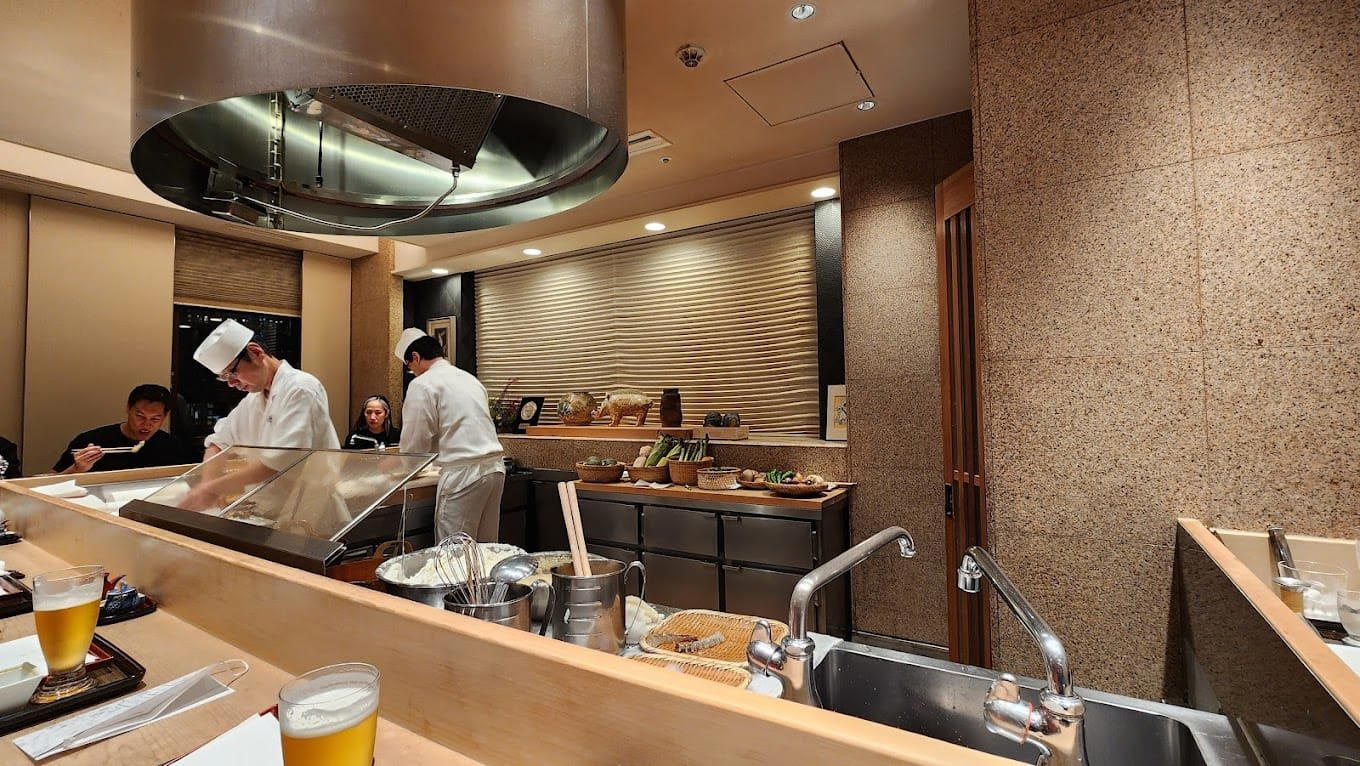
What separates Yotsuya Minemura from a conventional sushi counter or a kaiseki room is the deliberate structure of its omakase set. The kitchen operates in kappo style, meaning the chef works in open view, and the menu moves across formats rather than staying within one discipline. You move through graceful soup courses and sashimi, then into steamed seafood sushi, before arriving at what is arguably the most distinctive pairing in Tokyo's omakase circuit: a finale of handmade 100% buckwheat soba.
That soba course is not an afterthought. At serious soba establishments across Japan, 100% buckwheat (juwari soba) is a demanding medium — more fragile than blended soba, more expressive of the grain. Ending a multi-course meal with it signals a kitchen that treats soba as a main event, not a filler starch. For diners used to omakase meals that end with tamago or a small sweet, this is a meaningfully different experience.
Then there's the dessert: a rolled omelette executed as a sushi artist would approach it. This is the kind of move that either reads as precious or genuinely clever depending on your tolerance for technique-as-concept. Based on the Michelin recognition and the consistency of the guest ratings, it lands on the right side of that line for most diners.
The overall arc, soup, sashimi, steamed sushi, soba, tamago dessert, covers more ground than a straight sushi omakase and asks more of the diner's attention. If you're coming for a celebratory meal and want variety across a single sitting, this format rewards that expectation. If you want the focused repetition of a 20-piece nigiri progression, Harutaka is a better fit.
The Setting and Occasion Fit
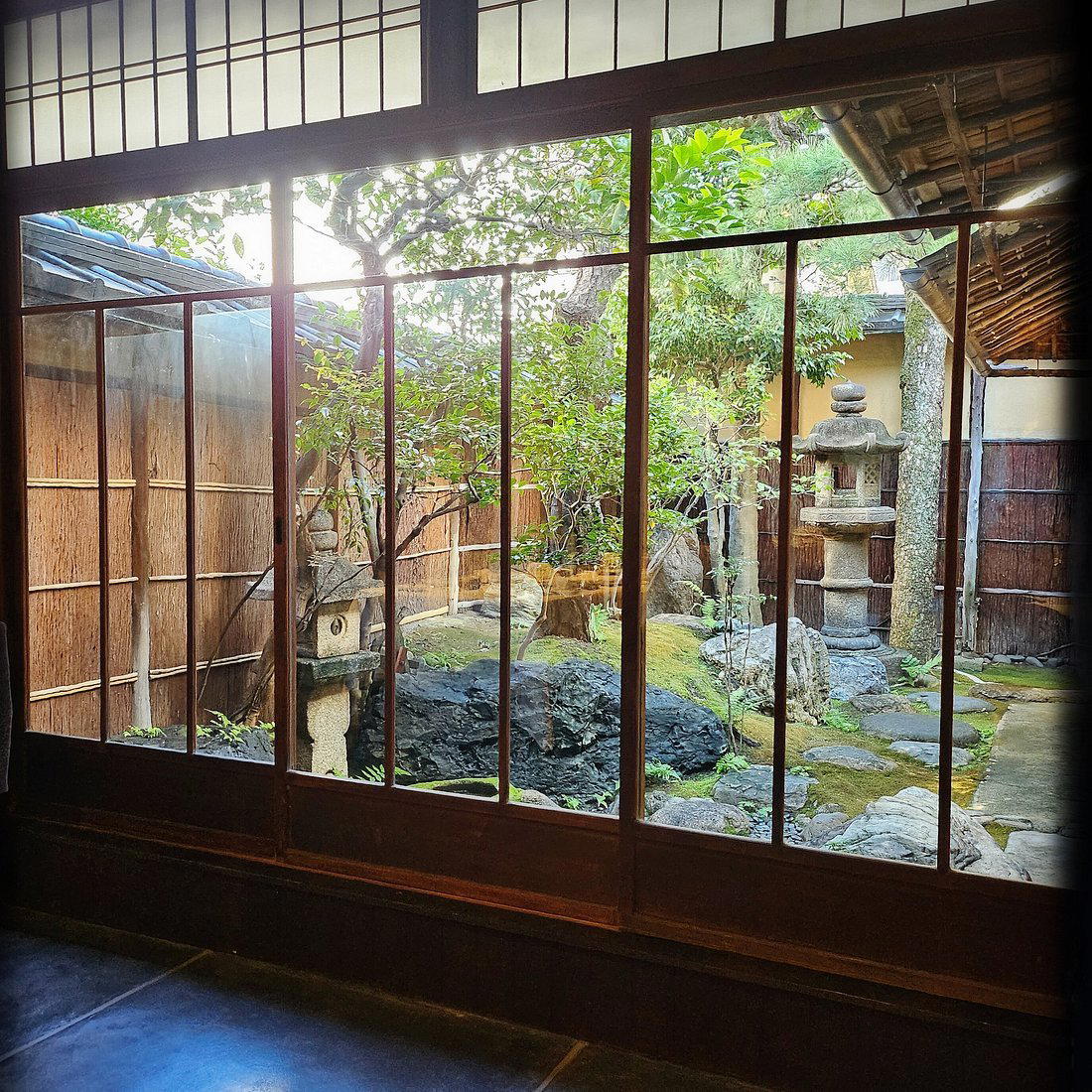
Arakicho is a quiet enclave within Shinjuku, not a tourist pocket. The address in the Nemoto Building, ground floor, suggests a modest exterior with a deliberate interior. Counter kappo rooms in this style are typically 8–12 seats, placing you close to the chef's work, the appropriate setting for a meal built around watching technique unfold. For a date or a celebratory dinner for two, this format works well. For a larger group, a counter of this scale is unlikely to accommodate more than two or three guests together comfortably, and likely won't take groups at all at peak times.
The ¥¥¥¥ price range puts it in the same bracket as Kagurazaka Ishikawa and Azabu Kadowaki, both of which are multiple-Michelin-star kaiseki venues with more established international profiles. Yotsuya Minemura's single star means you're paying comparable prices for a room with less booking friction, relatively speaking, and a more personal scale. That trade-off is worth making if intimacy and format variety matter more to you than prestige.
Booking Reality
There is no website and no published phone number in the public record. Your most reliable paths are a hotel concierge with local connections, Tableall, or Omakase reservation platforms that list Tokyo counter seats. Do not assume you can walk in. Given the Michelin recognition in 2024, demand has almost certainly outpaced the room's modest capacity. Book a minimum of three to four weeks out, and further in advance if you're planning around a fixed travel date.
For more counter dining options in the same neighbourhood tier, Myojaku and Ginza Fukuju are worth considering alongside. For a broader view of what Tokyo's dining scene offers at this level, see our full Tokyo restaurants guide. If you're building a full trip around the meal, our Tokyo hotels guide and Tokyo bars guide will help round out the stay.
For similar counter experiences elsewhere in Japan, Gion Sasaki in Kyoto and HAJIME in Osaka offer comparable investment at the ¥¥¥¥ level. If you want to explore further afield, Goh in Fukuoka and Isshisoden Nakamura in Kyoto are both worth the detour.
Quick reference: Michelin 1 Star (2024) · ¥¥¥¥ · Counter kappo · Omakase format · Arakicho, Shinjuku · Book via concierge or third-party platform · No walk-ins advised.
Planning details
- Location
- Japan, 〒160-0007 Tokyo, Shinjuku City, Arakicho, 8-1 「根本ビル/1F」
- Website
- pocket-concierge.jp/en/restaurants/243920?date=2025-03-13&partySize=2&serviceType=DINNER
- Phone
- +81 3-5363-1046
The take
The Take
The Vibe
Yotsuya Minemura presents a studied, traditional atmosphere that privileges craft and sequence over spectacle. The room is a counter kappo where the chef works directly in front of diners, and the meal reads like a tightly argued composition: decorative kaiseki-like sashimi, steamed seafood sushi, a technically demanding 100% buckwheat soba and a sushi-style rolled omelette that closes the sequence. The service and plating feel rooted in classical Japanese disciplines, and the Michelin recognition underscores the restaurant’s exacting standards. Because the setting sits in a subdued residential enclave, the overall impression is quietly refined rather than theatrical.
Best For
This place is best for diners who want a focused, chef-led omakase experience—couples marking a special evening, sober-minded food lovers who prize technical precision, and anyone curious about how different Japanese disciplines can be sequenced into a single coherent meal. The counter format rewards close attention to technique and timing, so it suits small parties or solo diners who expect direct interaction with the chef. It is not a scene-driven destination; rather, it appeals to people who come to read the meal as a crafted progression.
Ordering Tips
Accept the omakase sequence and let the chef dictate pacing: the menu is intentionally ordered to build and resolve. Expect sashimi presented with kaiseki sensibility, a steamed seafood sushi course, and a finishing sequence that includes a 100% buckwheat soba and a rolled omelette served in the sushi tradition. Because the kitchen moves between registers, resist the urge to request major substitutions that interrupt the intended flow; instead, ask questions about preparation and provenance at the counter to deepen your understanding of each course.
Venue details
Ambiance
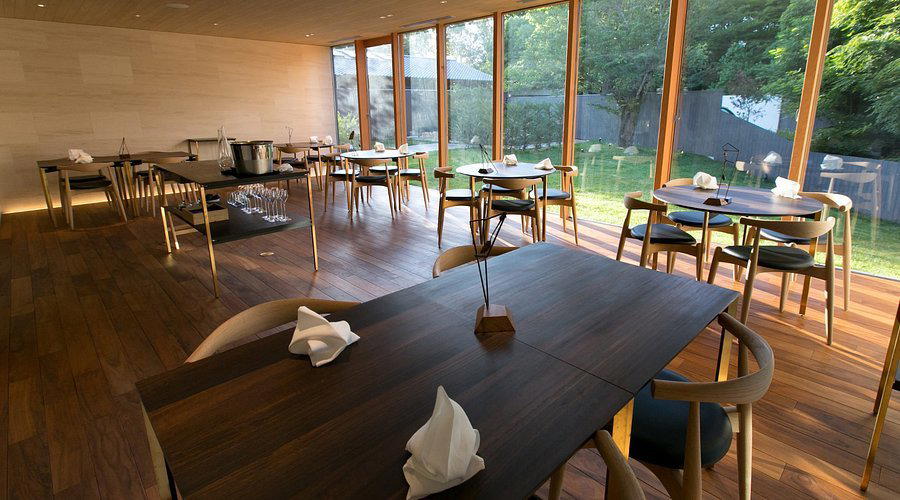
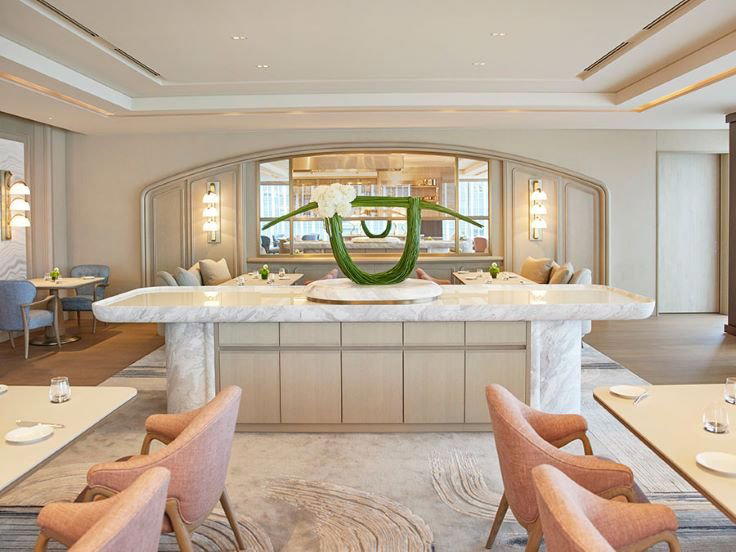
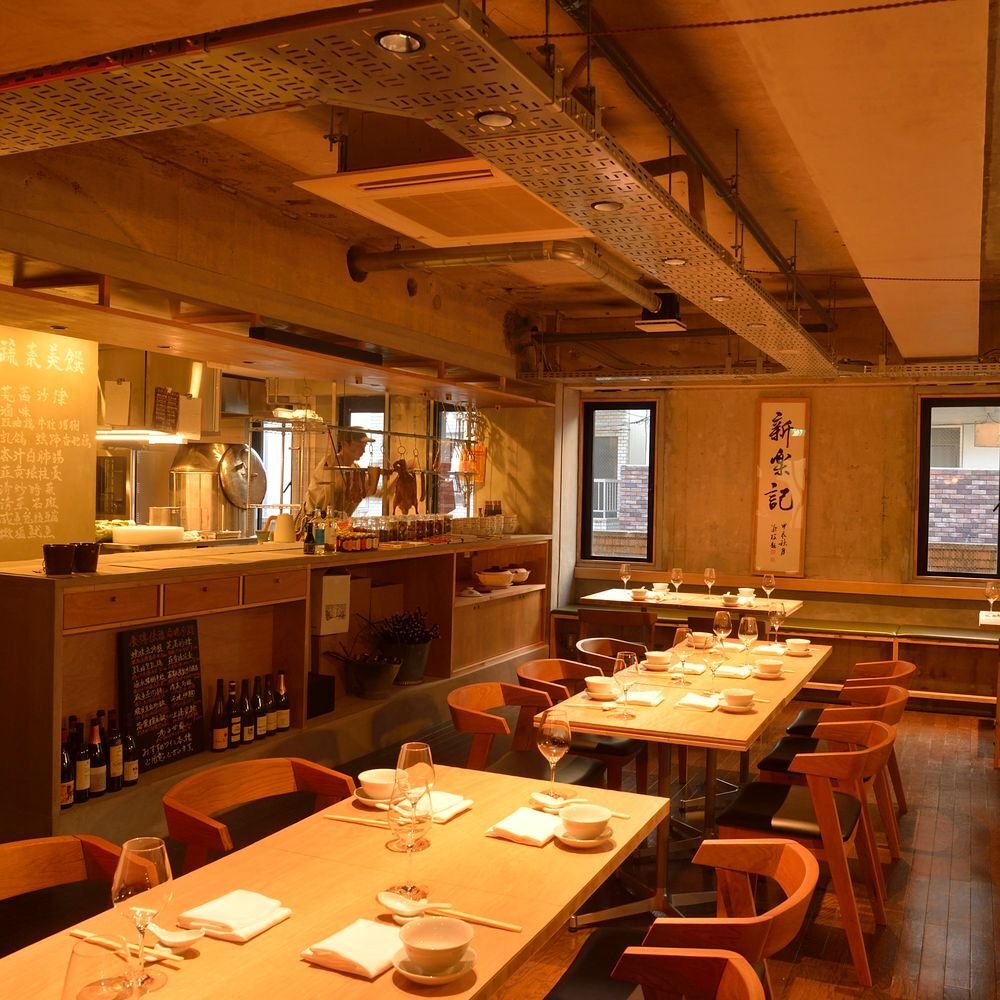
Modest, serene space with natural woods, soft lighting, and calm focus on the kappo counter.
Tags
Vibe
Best For
Experience
At the Table
- Dress Code
- Smart Casual
- Noise Level
- Quiet
- Service Style
- Formal
- Meal Pacing
- Leisurely
- Capacity
- Intimate
Signature Dishes
- handmade 100% buckwheat soba
- steamed seafood sushi
- sushi-style rolled omelette
Know before you go
Know Before You Go
- Getting there
- Japan, 〒160-0007 Tokyo, Shinjuku City, Arakicho, 8-1 「根本ビル/1F」
Planning details
Location
Japan, 〒160-0007 Tokyo, Shinjuku City, Arakicho, 8-1 「根本ビル/1F」 · Directions
pocket-concierge.jp/en/restaurants/243920?date=2025-03-13&partySize=2&serviceType=DINNER
Recognition and awards

Also consider
Also Consider
- Harutaka, Sushi, ¥¥¥¥
- RyuGin, Kaiseki, Japanese, ¥¥¥¥
- L'Effervescence, French, ¥¥¥¥
- HOMMAGE, Innovtive French, French, ¥¥¥¥
- Florilège, French, ¥¥¥
Restaurant context
How Yotsuya Minemura Compares
At the ¥¥¥¥ level in Tokyo, the competition is serious. RyuGin is the reference point for Japanese tasting menus that prioritise seasonal precision and visual drama, if you want kaiseki executed at a three-Michelin-star level with a more polished service experience, RyuGin justifies its premium. Yotsuya Minemura is quieter and more personal, with a menu format that covers more disciplines (sushi, soba, soup) in a single sitting. The trade-off: less ceremony, more variety.
For pure sushi, Harutaka is the stronger choice at the same price tier if a focused nigiri progression is what you're after. Yotsuya Minemura's counter is not a sushi bar in the traditional sense, it's a kappo room that uses sushi as one chapter within a broader menu. If those distinctions matter to your preference, they should drive your booking decision directly. For French tasting menus at comparable spend, L'Effervescence and HOMMAGE are both ¥¥¥¥ options with strong critical records, while Florilège at ¥¥¥ offers a more accessible entry point if budget is a factor.
The clearest case for choosing Yotsuya Minemura over its peers: you want a Japanese omakase that doesn't stay in one lane, you're dining as a couple on a meaningful occasion, and you'd rather have a close-up counter experience than a formal dining room. Against RyuGin's theatre or Harutaka's sushi focus, Minemura's mixed-format menu occupies a specific niche, and fills it well enough to have earned Michelin recognition in 2024.
Explore Tokyo
Around this place
Discover more on Pearl
Unlock the full Yotsuya Minemura guide in Pearl, including awards, comparisons, FAQs, planning details, and nearby places.
Compare Yotsuya Minemura
| Venue | Awards | Price |
|---|---|---|
| Yotsuya Minemura | 2026 OAD Top Restaurants in Japan Recommended2026 Michelin 1 Star2024 Michelin 1 Star | ¥¥¥¥ |
| Harutaka | 2026 Tabelog Silver · #312026 OAD Top Restaurants in Japan Ranked · #1282026 Michelin 3 Stars2026 La Liste Top RestaurantsTabelog 100 - Sushi - TOKYO - 2025 · #372025 Asia's 50 Best Restaurants · #762025 OAD Top Restaurants in Japan Ranked · #1172025 La Liste Top Restaurants2025 Tabelog Bronze | ¥¥¥¥ |
| RyuGin | 2026 OAD Top Restaurants in Japan Ranked · #802026 Tabelog Bronze · #3772026 Michelin 3 Stars2026 La Liste Top RestaurantsTabelog 100 - Japanese cuisine - TOKYO - 2025 · #212025 OAD Top Restaurants in Japan Ranked · #542025 Michelin 3 Stars2025 La Liste Top Restaurants2025 The Best Chef Three Knives | ¥¥¥¥ |
| L'Effervescence | 2026 Tabelog Silver · #682026 OAD Top Restaurants in Japan Ranked · #103Star Wine Lists 20262026 Black Pearl 2 Diamond2026 Relais Chateaux Restaurants2026 La Liste Top Restaurants2026 Michelin 3 Stars2025 Asia's 50 Best Restaurants · #692025 OAD Top Restaurants in Japan Ranked · #92 | ¥¥¥¥ |
| HOMMAGE | 2026 Tabelog Bronze · #1232026 OAD Top Restaurants in Japan Highly Recommended2026 Michelin 2 StarsTabelog 100 - French - TOKYO - 2025 · #762025 Asia's 50 Best Restaurants · #782025 OAD Top Restaurants in Japan Ranked · #1752025 Michelin 2 Stars2025 The Best Chef One Knife2025 La Liste Top Restaurants | ¥¥¥¥ |
| Florilège | 2026 Asia's 50 Best Restaurants · #312026 Tabelog Bronze · #712026 OAD Top Restaurants in Japan Ranked · #1242026 Black Pearl 1 Diamond2026 Michelin 2 Stars2026 La Liste Top Restaurants2025 Asia's 50 Best Restaurants · #172025 World's 50 Best Restaurants · #36Tabelog 100 - French - TOKYO - 2025 · #68 | ¥¥¥ |












Key differences to consider before you reserve.
FAQ
Frequently Asked Questions
Can I eat at the bar at Yotsuya Minemura?
Yes — Yotsuya Minemura is a counter kappo, so the bar is essentially the entire dining room. Sitting at the counter is the intended format, not an alternative. This is worth knowing before you book: if you prefer a private table, this is the wrong venue.
What are alternatives to Yotsuya Minemura in Tokyo?
For a more traditional high-end sushi counter, Harutaka in Ginza is the benchmark comparison at a similar price tier. If you want the full kaiseki arc rather than kappo's looser format, RyuGin offers that with a longer track record of international recognition. Yotsuya Minemura sits between those two: more structured than casual kappo, less ceremonial than kaiseki.
Does Yotsuya Minemura handle dietary restrictions?
There is no published policy on dietary restrictions, and as a small counter kappo running a fixed omakase set, the kitchen has limited flexibility by design. Communicate any restrictions at the time of booking — ideally through the concierge or reservation service you use, since there is no public website or phone number. Serious restrictions may make this format a poor fit.
Is Yotsuya Minemura good for solo dining?
This is one of the stronger solo formats in Tokyo. Counter kappo is designed around one-to-one engagement between the chef and each guest, and a single seat is easier to secure than a table for two. At ¥¥¥¥ pricing, you are paying for that proximity — solo diners get the full value of it.
Is the tasting menu worth it at Yotsuya Minemura?
If you want a single omakase that moves from sashimi through steamed seafood sushi and ends with handmade 100% buckwheat soba — plus a rolled omelette served as dessert — the structure here is genuinely different from a standard sushi counter. The Michelin 1 Star awarded in 2024 confirms the kitchen delivers at that price point. If you want a more conventional sushi-only progression, Harutaka is the cleaner choice.
Is Yotsuya Minemura worth the price?
At ¥¥¥¥, it sits at the top of Tokyo's dining price tier. The 2024 Michelin star gives an independent benchmark: the kitchen is operating at a level that justifies the cost. The value case is strongest for diners who specifically want the kappo format — the variety of sushi, soba and sashimi within one meal — rather than depth in a single discipline.
Is Yotsuya Minemura good for a special occasion?
Yes, provided the occasion suits an intimate counter setting rather than a large group dinner. Arakicho is a quiet Shinjuku enclave, and a small kappo counter with a Michelin star and a structured omakase reads as a considered, low-key occasion choice. For groups larger than two or three, the counter format may feel constrained.