.png?width=1200&quality=80)
Yd’or
French · Shibuya, Tokyo
Restaurant in Tokyo, Japan
 Book with Pearl
The Read
Classical French, Counter-Immediate
Price
$200–300per person
Why go
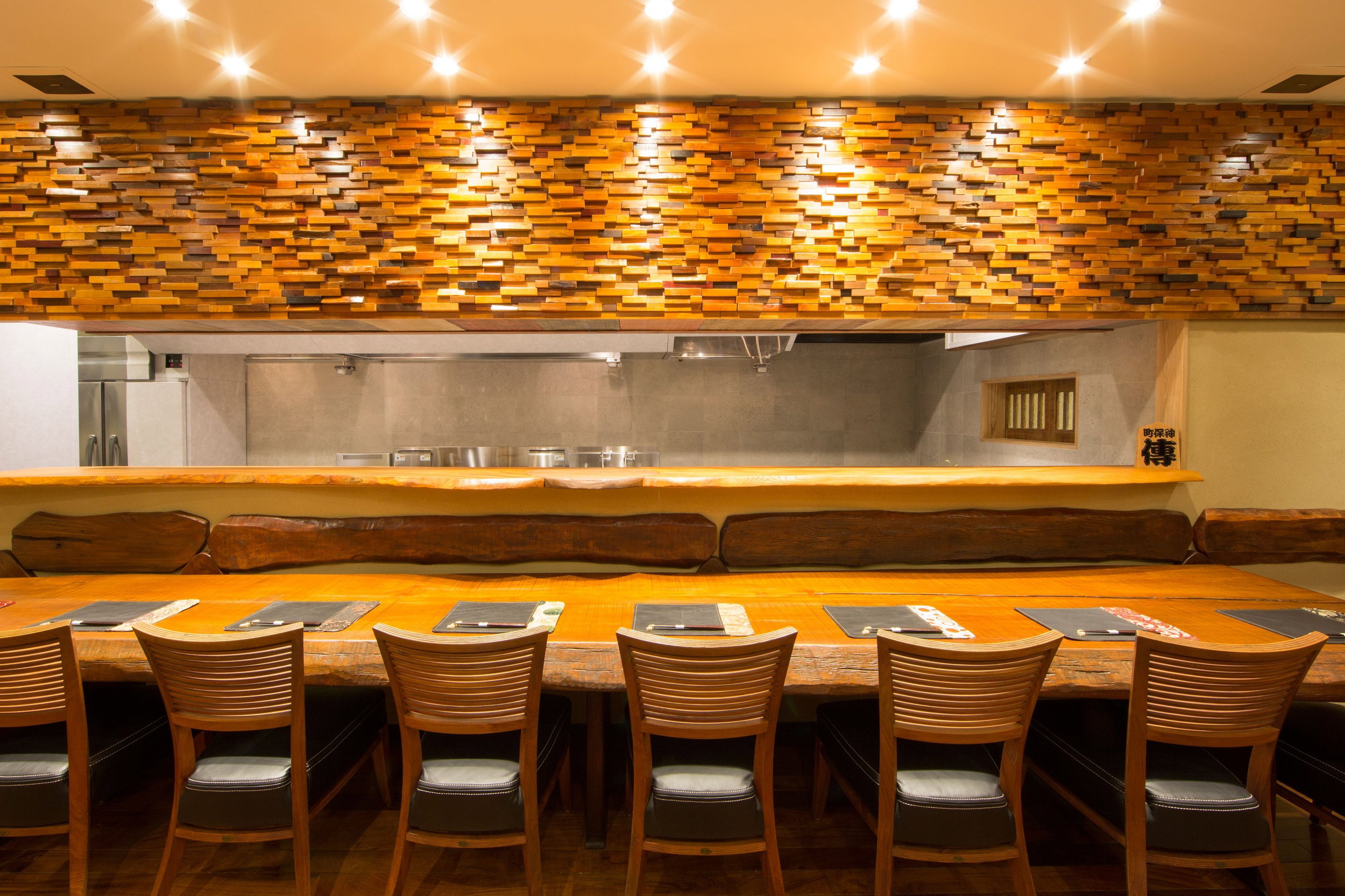
Yd'or is a counter-kitchen French restaurant in Daikanyama holding a Michelin Selected listing, priced a full tier below Tokyo's starred French circuit. The chef reappraises classical French recipes with reconsidered ingredients, serving each dish immediately from the kitchen. Easy to book and well-suited to solo diners, it is the most accessible serious French option in Shibuya.
About Yd’or
Yd'or Is Not the French Restaurant You Think It Is
Most diners arriving at Yd'or in Daikanyama expect a conservative French bistro with predictable execution. That assumption undersells it considerably. This is a counter-kitchen operation in Shibuya's quieter, residential-leaning Sarugakucho pocket, where the chef applies classical French technique to ingredients and recipes that have been deliberately reconsidered. The Michelin Plate recognition in 2025 confirms the kitchen is executing at a level worth your attention, and at ¥¥¥ pricing it sits a full tier below Tokyo's dominant French fine-dining circuit.
If you are weighing a French dinner in Tokyo and wondering where your money goes furthest without sacrificing culinary seriousness, Yd'or is the answer more often than not. That said, it is a specific kind of experience, and knowing what it is, and what it is not, will determine whether it belongs on your itinerary.
What Yd'or Actually Is
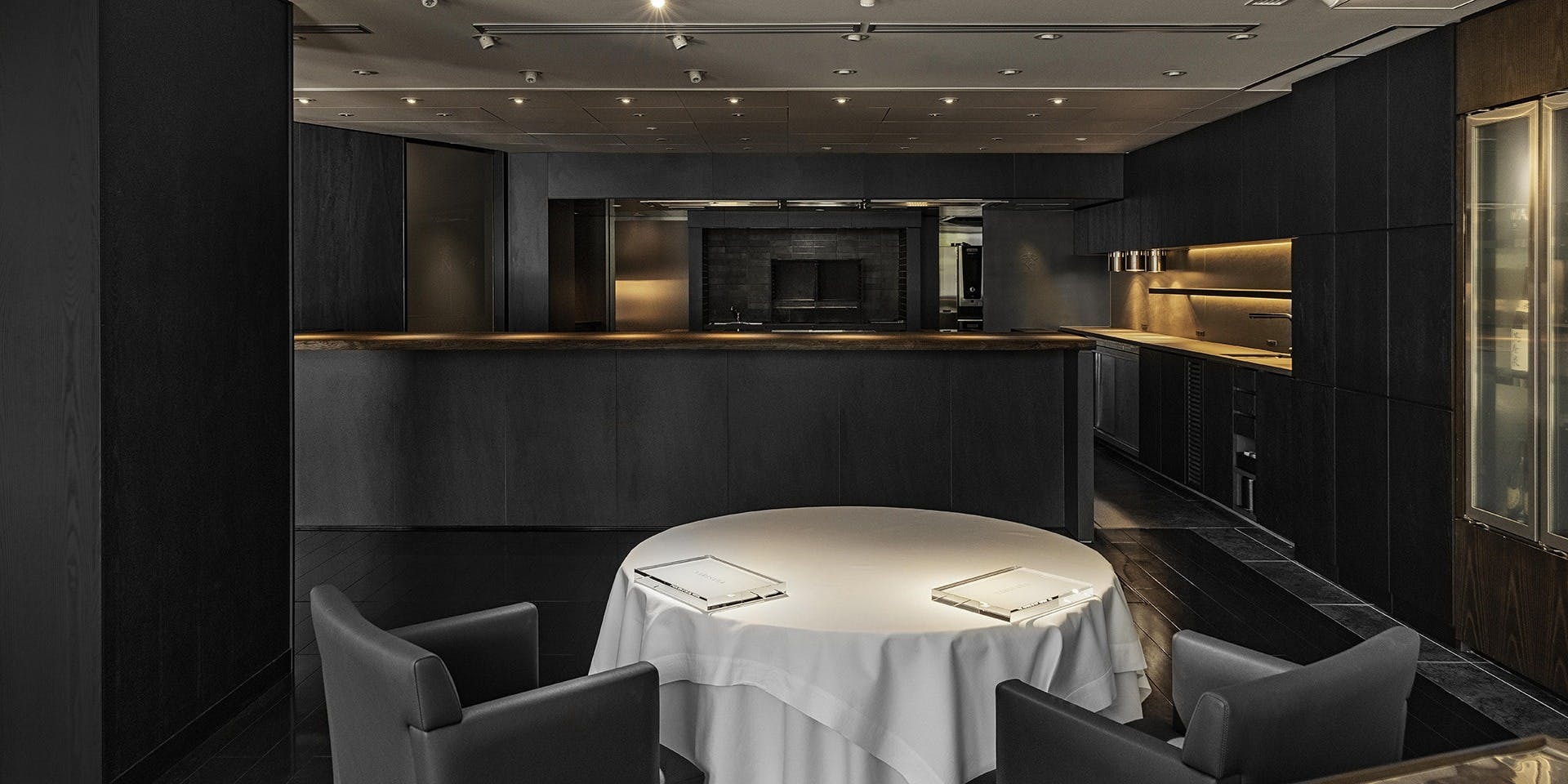
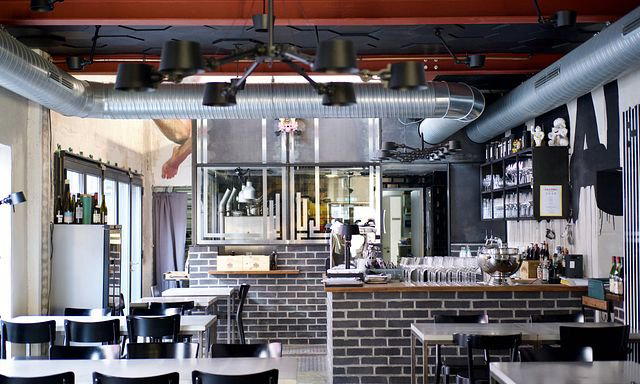
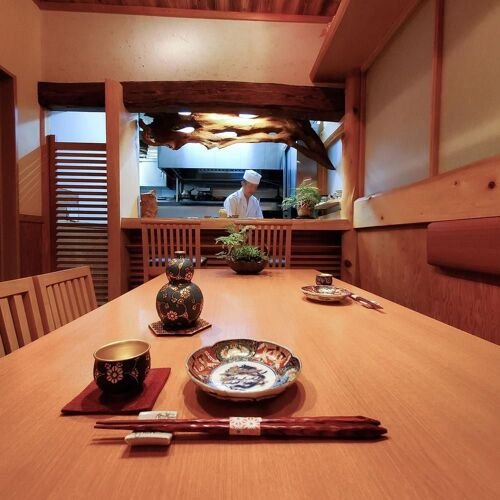
The format is counter-kitchen dining, which means dishes come directly to you the moment they are ready. That is not incidental to the experience — it is the point. The kitchen's stated philosophy centres on temperature and immediacy: food served at its correct moment rather than held or plated in sequence for service logistics. For dishes that depend on heat for textural integrity, this makes a measurable difference.
The cooking reappraises classical French recipes rather than abandoning them. Mackerel consommé, eel simmered in red wine, and a cheese-stuffed quail preparation described as 'Cordon Bleu' are the kinds of dishes on record here — familiar French references reframed through ingredient choices that are not standard in a Paris kitchen. This is not fusion in the loose, marketing-driven sense. It is a chef who has internalized classical French method and is asking specific questions about it through Japanese ingredient logic.
For the food-focused traveller who has already done L'Effervescence or Sézanne and wants to find what is happening one rung below the headline restaurants, Yd'or is exactly the kind of place worth tracking down. It is not trying to compete with Château Restaurant Joël Robuchon or ESqUISSE on ceremony. It is doing something more focused: precise cooking, immediate service, and a chef who explains each dish in terms of where the idea came from.
The Daikanyama Location
Sarugakucho sits within the Daikanyama neighbourhood of Shibuya, which is a different register from central Tokyo dining districts. The address, Avenue Side Daikanyama, second floor, means this is not a street-level walk-in venue. Daikanyama's general character is quieter and more residential than Ginza or Roppongi, which affects the late-evening dynamic. Diners who are building a night around a late dinner followed by further exploration in the immediate area should note that Daikanyama offers a smaller selection of late-night options than central Shibuya, a short distance away, or Nakameguro. The restaurant's own counter format does lend itself to an unhurried evening, and the absence of a large dining room means pacing tends to feel more personal than at volume-driven operations.
For context on what else Tokyo's French scene offers, Florilège in Minami-Aoyama takes a more overtly produce-driven contemporary French approach at the ¥¥¥¥ tier, and is worth comparing if budget is not the primary constraint. If you are touring Japan more broadly, French technique applied through local ingredients is also a thread worth following at HAJIME in Osaka and akordu in Nara, both of which take a different but related approach to the question Yd'or is asking.
Who This Is For
Solo diners will find the counter format particularly well-suited to this restaurant. You are positioned directly in front of the kitchen, the chef explains each dish as it arrives, and there is no social awkwardness to the format. It is one of the more comfortable solo dining configurations in Tokyo's French category, and the ¥¥¥ price point means the total spend for a solo evening is not prohibitive relative to what you receive.
For special occasions, Yd'or works if the occasion calls for focused food conversation and a personal feel rather than grand room impressiveness. It will not deliver the sweep of a full Michelin-starred dining room, but it will deliver attentive, personal cooking at a price that compares well against the ¥¥¥¥ tier. Couples who want to avoid the formal distance of larger French dining rooms and prefer to sit at a counter watching their food come together will find this a more engaging format.
Groups larger than four should think carefully. Counter kitchen operations of this type typically suit smaller parties. Check seat configuration before booking if you are more than three.
Booking and Timing
Know Before You Go
- Cuisine: French, classical technique with reconsidered ingredients and recipes
- Price tier: ¥¥¥ (one full tier below Tokyo's major French fine-dining operators)
- Recognition: Michelin Plate 2025
- Location: Sarugakucho, Daikanyama, Shibuya, second floor, Avenue Side Daikanyama building
- Format: Counter kitchen; dishes served immediately upon completion
- Booking difficulty: Easy, book 1 to 2 weeks ahead as a reasonable baseline; availability is less pressured than Michelin-starred peers
- Solo dining: Well-suited; counter format is comfortable for one
- Late-night note: Daikanyama is quieter after dinner than central Shibuya; plan onward options accordingly
- Phone/website: Not publicly listed, check current booking channels via Google or reservation platforms
Booking at Yd'or is categorized as easy relative to Tokyo's competitive French fine-dining tier. Where L'Effervescence or a Michelin two- or three-star operation may require weeks or months of advance planning, Yd'or is accessible with more reasonable lead time. One to two weeks out is a sensible minimum for a weekend dinner; weekday availability is likely to be more flexible. Given the small format, specific seating positions or days can fill faster than the overall availability picture suggests, so don't leave it to the day before.
For a broader picture of where Yd'or fits in Tokyo's dining scene, see our full Tokyo restaurants guide. If you are planning a longer stay, our Tokyo hotels guide, bars guide, and experiences guide cover the rest of the itinerary. And if Yd'or's approach to reframing classical European technique through Japanese ingredient thinking interests you, the thread continues in Osaka at HAJIME, in Kyoto at Gion Sasaki, and further afield at Les Amis in Singapore and Hotel de Ville Crissier for classical French benchmarking.
FAQ
What are alternatives to Yd'or in Tokyo?
- For French at a higher budget with Michelin-star credentials, L'Effervescence and Sézanne are the most direct comparisons. Both operate at ¥¥¥¥ and carry significant recognition.
- For innovative French at ¥¥¥¥ with a counter-forward format, Crony and HOMMAGE are worth considering.
- If you want to step outside French entirely, RyuGin offers kaiseki at ¥¥¥¥ for a comparison point in Japanese fine dining.
- Yd'or's advantage over all of these: lower price tier and easier booking. Its trade-off is a smaller room and less ceremonial presentation.
Is Yd'or good for solo dining?
- Yes, the counter kitchen format is one of the more naturally comfortable solo configurations in Tokyo's French category.
- You sit directly facing the kitchen, the chef narrates each dish, and there is no table dynamics pressure.
- At ¥¥¥, the solo spend is accessible relative to what the cooking delivers.
How far ahead should I book Yd'or?
- One to two weeks is a reasonable target for weekend dinners. Weekdays are likely more flexible.
- Booking difficulty is rated easy, which puts it well below Michelin-starred peers that may require months of lead time.
- The small counter format means specific evenings can fill faster than availability appears, so booking ahead rather than same-week is still advisable.
What should a first-timer know about Yd'or?
- This is a counter kitchen operation, food arrives when it is ready, not on a conventional multi-course schedule. The immediacy is deliberate and part of what you are paying for.
- The chef explains dishes as they are served. Expect conversation and context, not silent formal service.
- The price tier is ¥¥¥, placing it below Tokyo's starred French circuit. The Michelin Plate (2025) confirms the kitchen quality is genuine, not just accessible pricing.
- The location is second-floor in a Daikanyama building, not a ground-floor walk-in venue.
Is the tasting menu worth it at Yd'or?
- At ¥¥¥ pricing with Michelin Plate recognition, the value case is strong relative to what the competition charges at ¥¥¥¥.
- The cooking reappraises French classics with genuine technical intent, mackerel consommé and eel in red wine are not dishes that work if the fundamentals are weak.
- If your reference points are L'Effervescence or Sézanne, the room and ceremony will feel more modest. If technical cooking at an honest price is the metric, it holds up.
Is Yd'or good for a special occasion?
- Yes, with the right framing. It works for occasions where the food itself is the gesture, a counter kitchen dinner with a chef who explains each course is a more personal experience than a large formal dining room.
- It is not the venue for grand room impressiveness or extensive floor service. For that, Château Restaurant Joël Robuchon or ESqUISSE would be more appropriate.
- For a couple or small group where conversation and cooking quality matter more than setting, Yd'or at ¥¥¥ is a strong choice.
Planning details
- Location
- Japan, 〒150-0033 Tokyo, Shibuya, Sarugakucho, 3−9 アヴェニューサイド代官山 1 2F
- Reservations
- Book on TableCheck
- Website
- ydordaikanyama.jp
- Phone
- +81 3-6768-9446
The take
The Take
The Vibe
Yd'or presents a disciplined, counter-focused take on French cooking in Daikanyama. The dining room is organised around a working kitchen counter where timing governs service and dishes depart the pass the instant they’re ready. That immediacy gives the place an intimate, focused energy: the experience is less about theatrical front-of-house pacing and more about direct contact with technique and execution. The restaurant reads as sophisticated rather than ostentatious—Michelin Plate recognition nods to its quality—while its reconstructive approach to classical French recipes keeps the feel contemporary and quietly exacting.
Best For
Yd'or suits diners who prize technical cooking and immediacy over long, front-of-house-paced tasting formats. It attracts people interested in French technique applied with a contemporary spirit—particularly those curious about classical recipes reworked with local sensibilities. Because the kitchen controls the rhythm from a counter, the restaurant is a good match for intimate solo visits or pairs who want to watch the cooking process and appreciate precise timing. The ¥¥¥ price point also makes it appealing to serious eaters seeking high-quality cooking without the booking pressure of starred addresses.
Ordering Tips
Expect the kitchen to set the tempo: dishes are sent out the moment they’re complete, so pacing is driven by the pass rather than by requests to slow or speed service. Embrace that immediacy—courses will arrive as they’re finished, which is part of the experience. The venue’s Michelin Plate status signals careful execution, and the ¥¥¥ positioning indicates serious cooking at a more accessible price tier than Tokyo’s starred French rooms. If you want a measured, sequential meal, be prepared for the kitchen’s timing to determine the flow.
Venue details
Ambiance
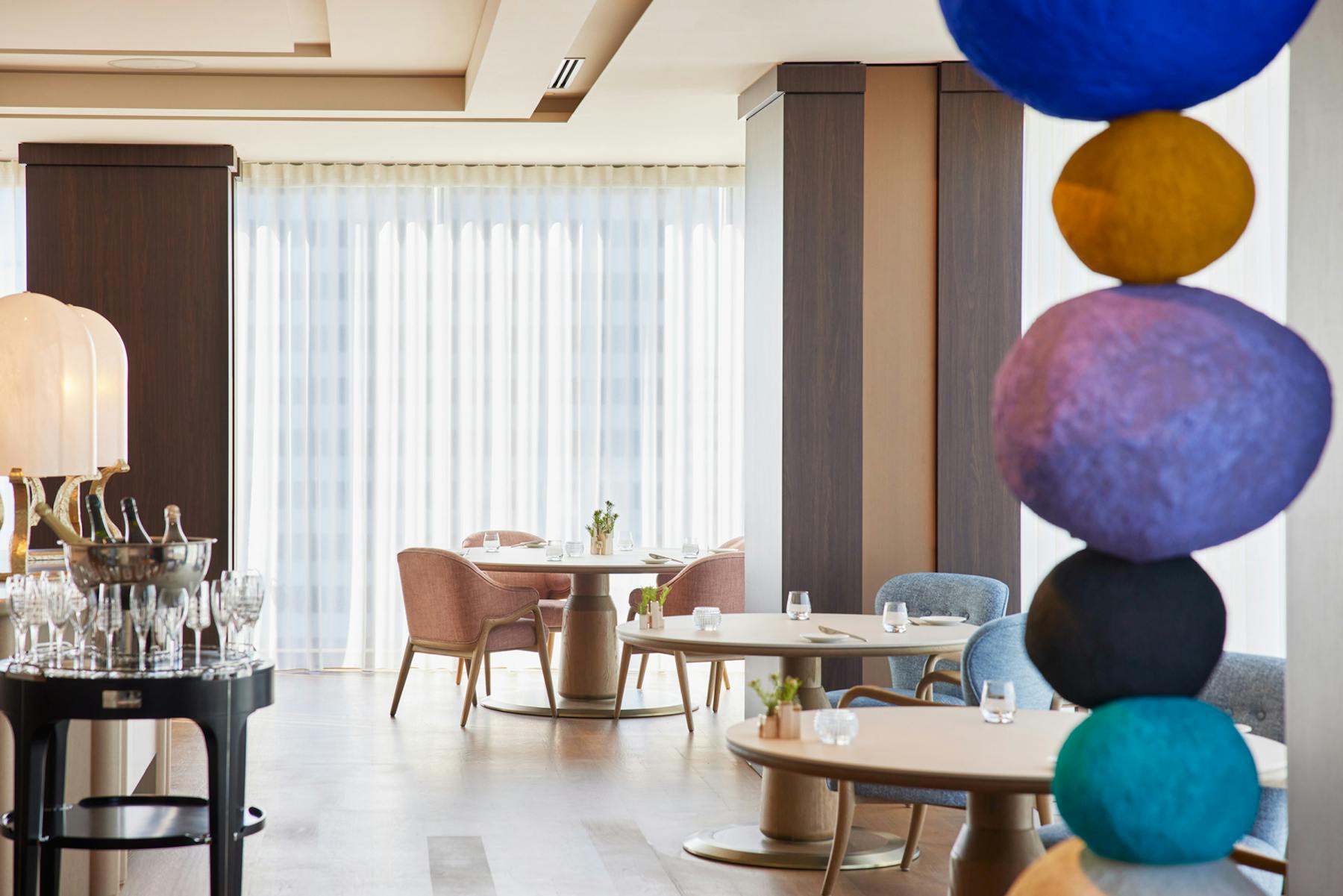
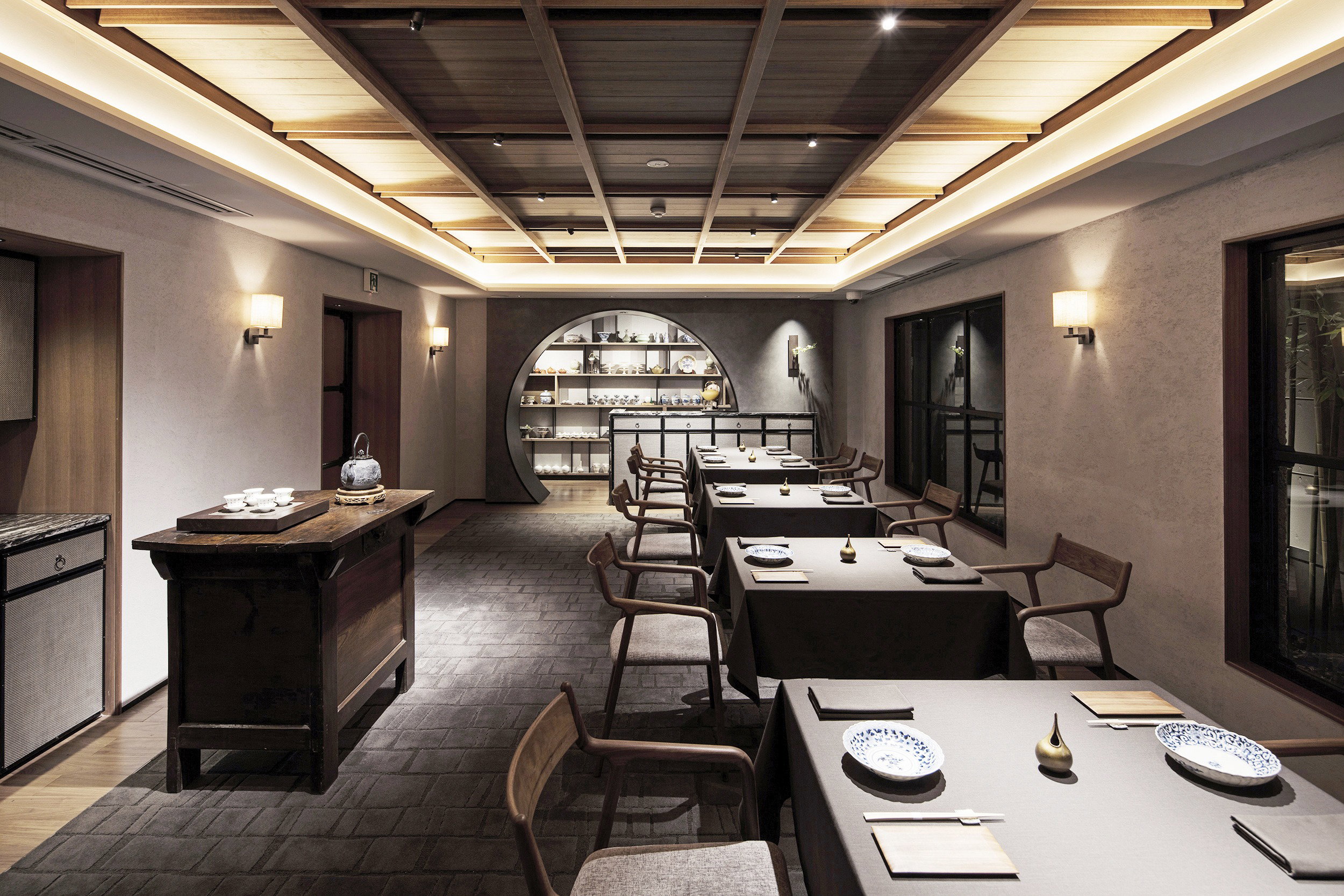
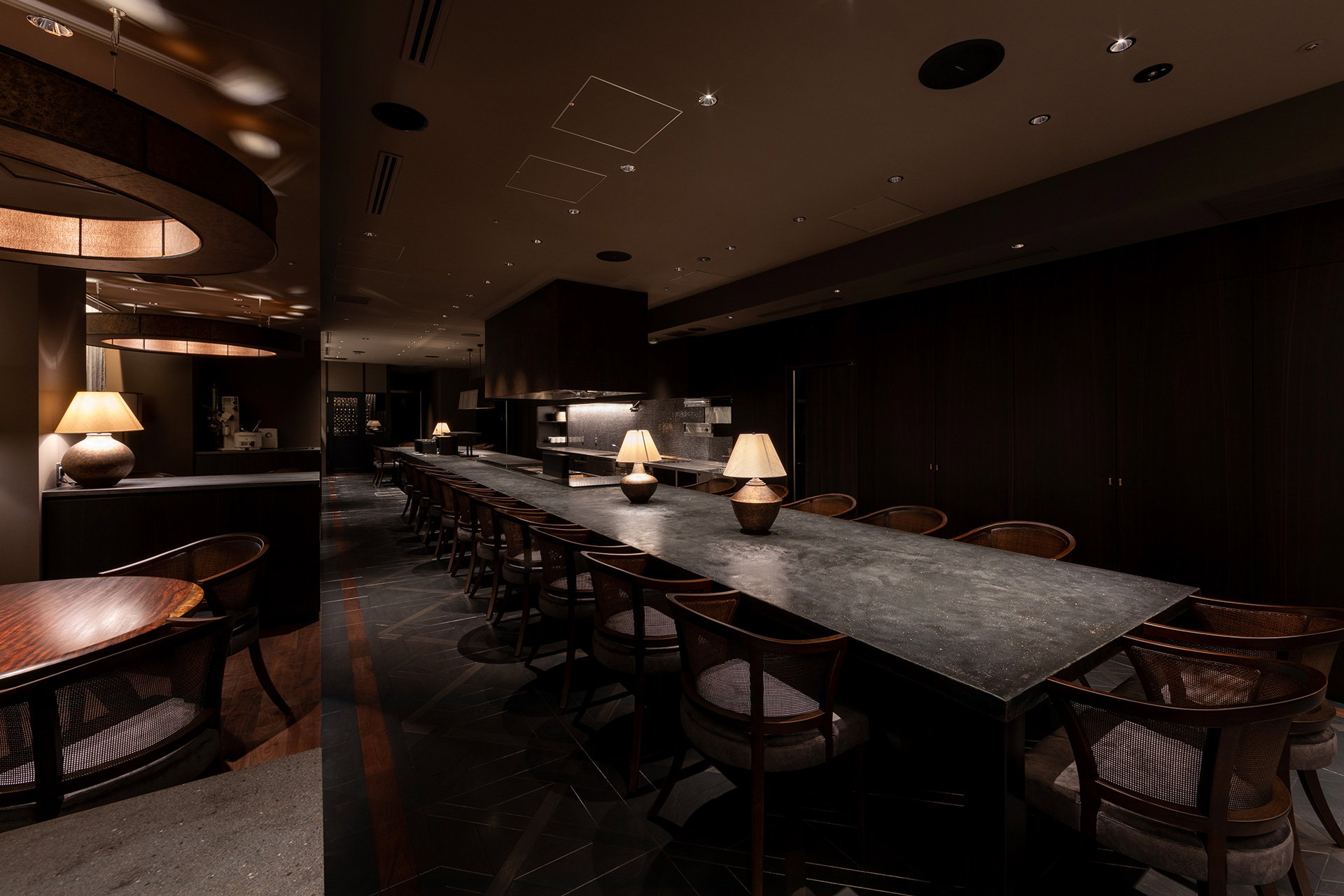
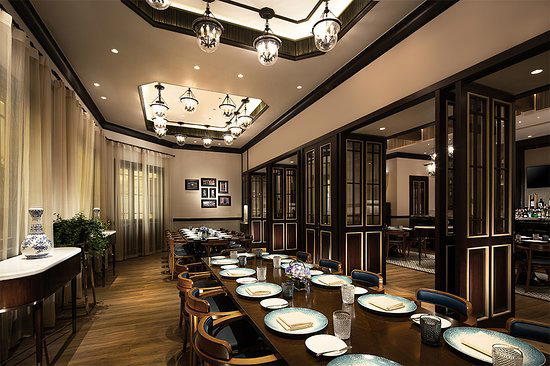
Refined and serene, with an intimate counter-dining atmosphere suited to a quiet, polished French tasting-menu experience.
Tags
Vibe
Best For
Experience
At the Table
- Noise Level
- Quiet
- Service Style
- Formal
- Meal Pacing
- Extended Experience
- Capacity
- Small
- Kitchen
- Seasonal
- Menu Format
- Tasting menu, Set menu, Counter dining, Omakase
- Private Dining
- Available
- Opened
- 2024
Know before you go
Know Before You Go
- Getting there
- Japan, 〒150-0033 Tokyo, Shibuya, Sarugakucho, 3−9 アヴェニューサイド代官山 1 2F
Planning details
Location
Japan, 〒150-0033 Tokyo, Shibuya, Sarugakucho, 3−9 アヴェニューサイド代官山 1 2F · Directions
Recognition and awards
Also consider
Also Consider
- Harutaka, Sushi, ¥¥¥¥
- L'Effervescence, French, ¥¥¥¥
- RyuGin, Kaiseki, Japanese, ¥¥¥¥
- HOMMAGE, Innovtive French, French, ¥¥¥¥
- Crony, Innovative, French, ¥¥¥¥
Restaurant context
Yd'or sits at ¥¥¥ in a Tokyo French dining field where most of its peers operate at ¥¥¥¥. That price difference is the clearest reason to consider it first. L'Effervescence and HOMMAGE both deliver French cooking with stronger award credentials and more extensive floor service, but you will pay significantly more and face harder booking conditions. If your priority is technically serious French food at a price that does not require a special-occasion budget, Yd'or is the call.
For diners specifically drawn to innovative French approaches at the ¥¥¥¥ tier, Crony takes a more contemporary creative direction, while HOMMAGE applies classical French discipline with a Tokyo sensibility. Both outperform Yd'or on room scale and service depth. But neither matches Yd'or's booking accessibility, and the counter kitchen format at Yd'or creates a directness that larger rooms cannot replicate. If you want to watch your food made and hear the chef explain it in real time, Yd'or is the more engaging format of the group. For kaiseki as an alternative to French fine dining entirely, RyuGin is a different discipline altogether at ¥¥¥¥, but worth considering for the same diner profile.
Bottom line by profile: book Yd'or if you want the most accessible serious French dinner in Tokyo with a personal counter format. Book L'Effervescence if Michelin-star credentials and a full-service room matter more than price. Book Crony if you want maximum creativity at the expense of classical grounding. And if you are comparing Yd'or against Harutaka, they are not the same decision at all; sushi omakase at ¥¥¥¥ is a separate category with a separate value logic.
Explore Tokyo
Around this place
Discover more on Pearl
Unlock the full Yd’or guide in Pearl, including awards, comparisons, FAQs, planning details, and nearby places.
Compare Yd’or
| Venue | Cuisine | Awards | Booking Difficulty |
|---|---|---|---|
| Yd’or | French | 2026 Michelin Plate2025 Michelin Plate | Easy |
| Harutaka | Sushi | 2026 Tabelog Silver · #312026 OAD Top Restaurants in Japan Ranked · #1282026 Michelin 3 Stars2026 La Liste Top RestaurantsTabelog 100 - Sushi - TOKYO - 2025 · #372025 Asia's 50 Best Restaurants · #762025 OAD Top Restaurants in Japan Ranked · #1172025 La Liste Top Restaurants2025 Tabelog Bronze | Unknown |
| L'Effervescence | French | 2026 Tabelog Silver · #682026 OAD Top Restaurants in Japan Ranked · #103Star Wine Lists 20262026 Black Pearl 2 Diamond2026 Relais Chateaux Restaurants2026 La Liste Top Restaurants2026 Michelin 3 Stars2025 Asia's 50 Best Restaurants · #692025 OAD Top Restaurants in Japan Ranked · #92 | Unknown |
| RyuGin | Kaiseki, Japanese | 2026 OAD Top Restaurants in Japan Ranked · #802026 Tabelog Bronze · #3772026 Michelin 3 Stars2026 La Liste Top RestaurantsTabelog 100 - Japanese cuisine - TOKYO - 2025 · #212025 OAD Top Restaurants in Japan Ranked · #542025 Michelin 3 Stars2025 La Liste Top Restaurants2025 The Best Chef Three Knives | Unknown |
| HOMMAGE | Innovtive French, French | 2026 Tabelog Bronze · #1232026 OAD Top Restaurants in Japan Highly Recommended2026 Michelin 2 StarsTabelog 100 - French - TOKYO - 2025 · #762025 Asia's 50 Best Restaurants · #782025 OAD Top Restaurants in Japan Ranked · #1752025 Michelin 2 Stars2025 The Best Chef One Knife2025 La Liste Top Restaurants | Unknown |
| Crony | Innovative, French | 2026 Asia's 50 Best Restaurants · #34Star Wine Lists 20262026 OAD Top Restaurants in Japan Recommended2026 Michelin 2 Stars2025 Asia's 50 Best Restaurants · #30Tabelog 100 - French - TOKYO - 2025 · #782025 OAD Top Restaurants in Japan Ranked · #227We're Smart World Top Restaurants 20252025 Michelin 2 Stars | Unknown |














Comparing your options in Tokyo for this tier.
FAQ
Frequently Asked Questions
What are alternatives to Yd'or in Tokyo?
For French fine dining in Tokyo, L'Effervescence and HOMMAGE sit at a higher price point with more formal settings. Crony in Daikanyama is a closer geographic peer and runs a more casual format. If you want counter-focused Japanese-inflected cooking rather than French, Harutaka or RyuGin are in a different category altogether. Yd'or sits at ¥¥¥ with a Michelin Plate, making it the most accessible French counter option in this peer group.
Is Yd'or good for solo dining?
Yes, and it is one of the stronger solo dining cases in Tokyo at this price range. The counter-kitchen format means dishes arrive directly from the chef the moment they are ready, and the chef explains each dish as it is served — which makes the experience engaging rather than isolating. Parties of two or more work fine, but solo diners get the most from this format.
How far ahead should I book Yd'or?
Booking details are not publicly listed, and Yd'or does not appear to have a website or phone number in current records. Given its Michelin Plate recognition for 2025 and a counter-kitchen format that implies limited covers, booking well in advance — or confirming through a hotel concierge — is the practical approach.
What should a first-timer know about Yd'or?
The restaurant is on the second floor of Avenue Side Daikanyama in Sarugakucho, Shibuya — a quieter residential pocket that is a different register from central Tokyo dining streets. The format is counter dining: dishes come from the open kitchen the moment they are complete, and the chef explains each plate. The cooking reframes classical French techniques, so expect dishes like mackerel consommé and eel simmered in red wine rather than conventional bistro fare.