.png?width=1200&quality=80)
YAKUMO
Ramen · Meguro, Tokyo
Restaurant in Tokyo, Japan
 Book with Pearl
The Read
Dual-Wonton Dashi Precision
Why go
Yakumo's wonton ramen holds a 2026 Michelin Bib Gourmand — strong signals for a single-yen neighbourhood counter in Meguro. The Tokusei bowl combines both wonton types with your choice of white dashi, black dashi, or mixed broth. Walk-in format, easy to book, and one of the more accessible Michelin-recognised ramen in Tokyo.
About YAKUMO
Is Yakumo worth booking for ramen in Tokyo?
Yes — and if you have been once, the answer to returning is even clearer. Yakumo in Meguro earned a Michelin Bib Gourmand in 2024, which in Tokyo's ramen category is a meaningful credential: the Bib Gourmand flags good cooking at a reasonable price, and Yakumo's single-yen price range makes it one of the more accessible Michelin-recognised bowls in the city. The wonton ramen is the reason people come back, and if you left last time without ordering the 'Tokusei' special, that is where to start this visit.
What Yakumo actually delivers
The menu is built around a single strong idea: wonton ramen with two distinct wonton types — one pork parcel sharpened with ginger, one shrimp wonton cooked for texture, served in a broth you choose yourself. That broth choice is the decision that shapes your bowl. White dashi, made with white soy sauce, runs cleaner and lighter; black dashi, built on dark soy, carries more depth and richness. The third option, 'Mix', splits the difference. You also choose between thin noodles and flat. For a first return visit, the Mix broth with flat noodles alongside the Tokusei gives you the widest read on what the kitchen does well.
The kitchen at Yakumo sits in Higashiyama, Meguro City, a quieter residential part of Tokyo compared to the high-traffic ramen corridors of Shinjuku or Shibuya. That geography matters. The walk from the nearest station takes you past neighbourhood bakeries and small coffee shops, and the air carries the kind of low-level roasting and stock-simmering warmth that signals you are moving toward a working kitchen rather than a dining destination designed for foot traffic. The room reflects the same register: this is a local spot that happens to hold a Michelin recognition, not a venue that has rearranged itself around that recognition.
At a ¥ price point, Yakumo sits in the same tier as Tokyo's everyday ramen counters, which makes the Bib Gourmand signal more useful than usual. The award is not elevating the price, it is confirming that the quality at this price tier is verifiably above average. For a returning visitor looking to go deeper, the customisation structure (broth type, noodle width, wonton combination) means there is genuine reason to order differently each visit rather than defaulting to the same bowl.
Groups and the main room
Yakumo's format is a counter-and-table neighbourhood ramen shop, which shapes how groups should think about it. The venue does not appear to offer a private dining room or separated group space, so parties arriving together will be seated in the main room alongside solo diners and pairs. For groups of two or three, this is a non-issue: ramen shops in Tokyo routinely handle small groups efficiently, and the short menu and clear ordering structure keep things moving. Larger groups, four or more, should think carefully. A neighbourhood ramen counter in Meguro is not built around group pacing. Everyone orders individually, bowls arrive when ready, and there is no table-sharing dynamic that keeps a group in sync the way a shared-plates format would. If group cohesion and a shared experience matter more than the bowl itself, a venue with a private dining option will serve that need better. If the group is simply hungry and wants good ramen at a low price point, Yakumo handles it fine, just arrive with realistic expectations about the setting.
For solo diners, Yakumo is close to the ideal format. Counter seating, a focused menu, and a quick service rhythm mean you are in and out efficiently without the social friction of occupying a table alone.
How it compares to other Tokyo ramen worth knowing
Yakumo sits in a specific part of the Tokyo ramen spectrum: Michelin-recognised, wonton-focused, with a customisable broth structure. For comparison, Afuri in Tokyo is better known internationally and runs a lighter yuzu shio style that suits different preferences, go there if you want a cleaner, more citrus-forward bowl. Chukasoba Ginza Hachigou and Chukasoba KOTETSU are worth knowing if you are moving through different ramen styles across the city. Fuunji covers tsukemen if dipping noodles are more your current interest. Yakumo's specific advantage is the wonton combination and the broth customisation at a single-yen price point, that combination is not something every shop in the city replicates.
If your Tokyo trip is taking you beyond the capital, the Michelin-recognised ramen and noodle category extends across Japan. HAJIME in Osaka and Gion Sasaki in Kyoto cover different cuisine registers if you are building a wider itinerary. For ramen reference points further afield, Afuri Ramen in Portland and Akahoshi Ramen in Chicago show how the form translates internationally. Our full Tokyo restaurants guide covers the broader dining picture, and if you are building out the rest of a trip, the Tokyo hotels guide, Tokyo bars guide, and Tokyo experiences guide are worth checking alongside it.
Booking and logistics
Booking difficulty is rated Easy. Yakumo is a neighbourhood ramen shop rather than a reservation-driven restaurant, which means walk-ins are the expected format. The address is in Higashiyama, Meguro City, 3 Chome-6-15, Ebiya Building 1F, accessible from the Meguro or Nakameguro station areas. Arrive during standard lunch or dinner service windows; peak hours will see a short queue. Phone and website details are not available in the current record, so checking Google Maps for current hours before visiting is the practical move, particularly if you are combining this with other stops in Meguro. At this price tier, a brief wait is part of the format and does not change the value calculation.
For broader context on what else is worth eating in the neighbourhood and city, Chuogo Hanten Mita covers a different Chinese-influenced register nearby, and 1000 in Yokohama is a short trip out of the city if your itinerary extends that far.
Planning details
- Location
- Japan, 〒153-0043 Tokyo, Meguro City, Higashiyama, 3 Chome−6−15 エビヤビル 1F
- Website
- embodying-heart.com
- Phone
- +81 3-6303-3663
The take
The Take
The Vibe
Yakumo presents a discipline-forward ramen experience rooted in Tokyo tradition. The menu is intentionally narrow — two wonton types, two broths and a noodle-width choice — and that constraint is the point: the kitchen pursues clarity and balance so every element registers in the bowl. The writing on the wall is about craft rather than flash; wonton fillings and dashi are treated with the kind of quiet rigor that suggests a shop aware of its place in a longer local lineage. Diners encounter a classic, ingredient-led approach that favors precision and restraint.
Best For
Yakumo suits diners who want a focused, ingredient-forward ramen meal. The restaurant’s tight matrix of choices rewards people who care about the interplay of filling, broth and noodle texture — from enthusiasts tracing wonton history to casual visitors seeking a refined bowl. Because the menu concentrates on a single format, it’s ideal for solo diners or small parties who want to evaluate the subtle contrasts between pork-and-ginger and shrimp wontons or between lighter white dashi and deeper black dashi.
Ordering Tips
Order with the menu’s simple variables in mind: pick one of the two wontons, choose white or black dashi, and select your preferred noodle width. If you want the filling to read bright against the soup, go for the pork wonton with ginger — the ginger cuts through fat and keeps the dumpling from feeling heavy. Choose the shrimp wonton when texture and a lighter shell-to-filling contrast are your priority. For broth, white dashi delivers a cleaner, umami-forward profile that lets the wonton fillings sing; black dashi brings a darker, rounder soy richness.
Venue details
Ambiance
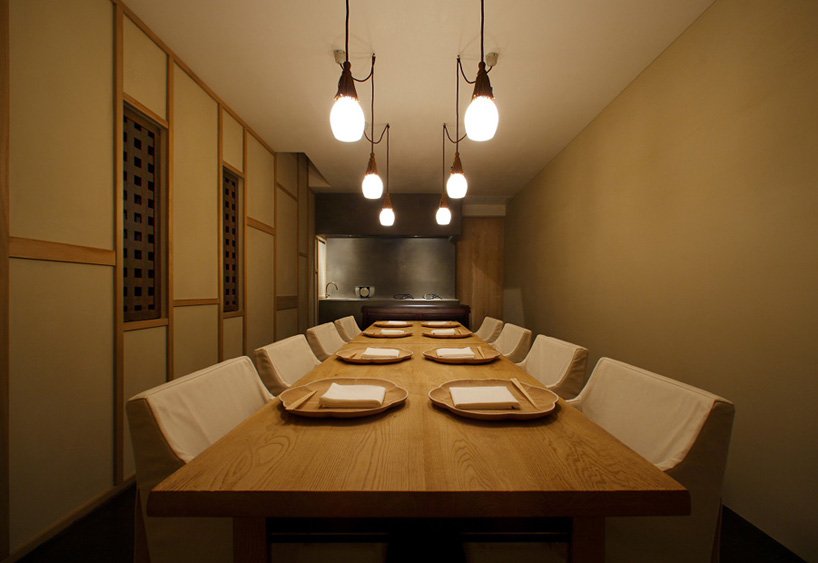
An efficient, well-kept ramen shop atmosphere that feels tidy and understated rather than showy.
Tags
Vibe
Best For
Experience
At the Table
- Service Style
- Counter Service
- Meal Pacing
- Quick Bite
- Capacity
- Small
- Kitchen
- Traditional
- Menu Format
- A la carte
- Opened
- 1999
Signature Dishes
- white shoyu ramen
- special wonton ramen
- pork and shrimp wontons
Know before you go
Know Before You Go
- Getting there
- Japan, 〒153-0043 Tokyo, Meguro City, Higashiyama, 3 Chome−6−15 エビヤビル 1F
Planning details
Location
Japan, 〒153-0043 Tokyo, Meguro City, Higashiyama, 3 Chome−6−15 エビヤビル 1F · Directions
Recognition and awards
Also consider
Also Consider
- Harutaka, Sushi, ¥¥¥¥
- L'Effervescence, French, ¥¥¥¥
- RyuGin, Kaiseki, Japanese, ¥¥¥¥
- HOMMAGE, Innovtive French, French, ¥¥¥¥
- Crony, Innovative, French, ¥¥¥¥
Restaurant context
Yakumo operates in a completely different price bracket from most of Tokyo's Michelin-recognised dining. Where Harutaka and RyuGin both sit at ¥¥¥¥ and require advance reservations weeks or months out, Yakumo is a walk-in ramen counter with a single-yen price point and a Bib Gourmand rather than a star. These are not competing for the same booking decision. If your question is where to spend a serious dinner budget in Tokyo, RyuGin delivers kaiseki at a level that justifies the outlay, and L'Effervescence is the call for French technique at the top of the market. Yakumo answers a different question entirely: where to eat well at lunch without a reservation and without spending much.
Within the value tier, the comparison is more useful. Yakumo's Bib Gourmand puts it above the average neighbourhood ramen shop, and the wonton customisation gives it a specific identity that generic shoyu or tonkotsu counters do not replicate. HOMMAGE and Crony are both ¥¥¥¥ innovative French, so again the comparison does not land on price, but they illustrate how differently a serious Tokyo dining budget can be allocated. Yakumo is what you book when one meal in the day needs to be fast, affordable, and confirmed-good rather than a project.
The practical recommendation: if you are in Meguro and want a Michelin-recognised bowl without a booking, Yakumo is the answer. If you want to spend more and sit down to something longer, the ¥¥¥¥ options above require lead time and a different budget conversation. They are not substitutes for each other.
Explore Tokyo
Around this place
Discover more on Pearl
Unlock the full YAKUMO guide in Pearl, including awards, comparisons, FAQs, planning details, and nearby places.
Compare YAKUMO
| Venue | Price | Awards |
|---|---|---|
| YAKUMO | ¥ | 2026 Bib Gourmand2024 Michelin Bib Gourmand |
| Harutaka | ¥¥¥¥ | 2026 Tabelog Silver · #312026 OAD Top Restaurants in Japan Ranked · #1282026 Michelin 3 Stars2026 La Liste Top RestaurantsTabelog 100 - Sushi - TOKYO - 2025 · #372025 Asia's 50 Best Restaurants · #762025 OAD Top Restaurants in Japan Ranked · #1172025 La Liste Top Restaurants2025 Tabelog Bronze |
| L'Effervescence | ¥¥¥¥ | 2026 Tabelog Silver · #682026 OAD Top Restaurants in Japan Ranked · #103Star Wine Lists 20262026 Black Pearl 2 Diamond2026 Relais Chateaux Restaurants2026 La Liste Top Restaurants2026 Michelin 3 Stars2025 Asia's 50 Best Restaurants · #692025 OAD Top Restaurants in Japan Ranked · #92 |
| RyuGin | ¥¥¥¥ | 2026 OAD Top Restaurants in Japan Ranked · #802026 Tabelog Bronze · #3772026 Michelin 3 Stars2026 La Liste Top RestaurantsTabelog 100 - Japanese cuisine - TOKYO - 2025 · #212025 OAD Top Restaurants in Japan Ranked · #542025 Michelin 3 Stars2025 La Liste Top Restaurants2025 The Best Chef Three Knives |
| HOMMAGE | ¥¥¥¥ | 2026 Tabelog Bronze · #1232026 OAD Top Restaurants in Japan Highly Recommended2026 Michelin 2 StarsTabelog 100 - French - TOKYO - 2025 · #762025 Asia's 50 Best Restaurants · #782025 OAD Top Restaurants in Japan Ranked · #1752025 Michelin 2 Stars2025 The Best Chef One Knife2025 La Liste Top Restaurants |
| Crony | ¥¥¥¥ | 2026 Asia's 50 Best Restaurants · #34Star Wine Lists 20262026 OAD Top Restaurants in Japan Recommended2026 Michelin 2 Stars2025 Asia's 50 Best Restaurants · #30Tabelog 100 - French - TOKYO - 2025 · #782025 OAD Top Restaurants in Japan Ranked · #227We're Smart World Top Restaurants 20252025 Michelin 2 Stars |















Key differences to consider before you reserve.
FAQ
Frequently Asked Questions
Is YAKUMO good for solo dining?
Yes — Yakumo's counter-and-table neighbourhood format suits solo diners well. You can walk in, choose your broth (white dashi, black dashi, or mixed) and noodle style, and be eating within minutes. For solo ramen in Tokyo on a budget, a Michelin Bib Gourmand spot at ¥-level pricing is a strong call.
What should a first-timer know about YAKUMO?
Order the Tokusei ramen to get both wonton types — the pork-ginger parcel and the shrimp wonton — in a single bowl. Then decide between white dashi (lighter, white soy), black dashi (richer, dark soy), or a mix of the two, and pick thin or flat noodles. Booking is rated Easy, so walk-ins are the standard approach rather than the exception.
Can YAKUMO accommodate groups?
Small groups of two to four should be fine at a neighbourhood ramen shop of this format, but Yakumo does not appear to offer a private dining option. Larger groups should plan for a potential wait or consider splitting into smaller tables. If a private room is a requirement, RyuGin or L'Effervescence in Tokyo are better-suited options.