
Yakitori Shinka
Yakitori · Minato, Tokyo
Restaurant in Tokyo, Japan
 Book with Pearl
The Read
Charcoal Counter Precision
Chef
Takuhiro Murakawa
Dress
Smart Casual
Why go
Yakitori Shinka has held back-to-back Opinionated About Dining recognition in Japan — ranked #408 in 2024 and recommended in 2023 — making it one of the more quietly credible yakitori addresses in Nishiazabu. Chef Takuhiro Murakawa runs a focused, calm counter experience that rewards diners who want craft over spectacle. Booking is straightforward; this is the right call for serious yakitori without the theatre.
About Yakitori Shinka
Verdict
Yakitori Shinka is not the most talked-about grill room in Nishiazabu, and that is precisely the point. The assumption that yakitori requires a basement counter in Shinjuku or a tourist-friendly open kitchen is worth correcting here. Shinka operates on the fourth floor of a building in one of Tokyo's quieter residential pockets, and it earns its place on the Tokyo dining circuit through consistency rather than spectacle. Ranked #408 on Opinionated About Dining's Leading Restaurants in Japan in 2024 — and recommended in 2023 — it has now held external recognition across consecutive years, which for a single-format grill restaurant in a city this competitive is a meaningful signal. Chef Takuhiro Murakawa runs the kitchen. Book it if you want a focused, craft-driven yakitori experience without the theatre of a flagship destination. If you need the full kaiseki arc or a bold wine program as the centerpiece, look elsewhere.
The Experience
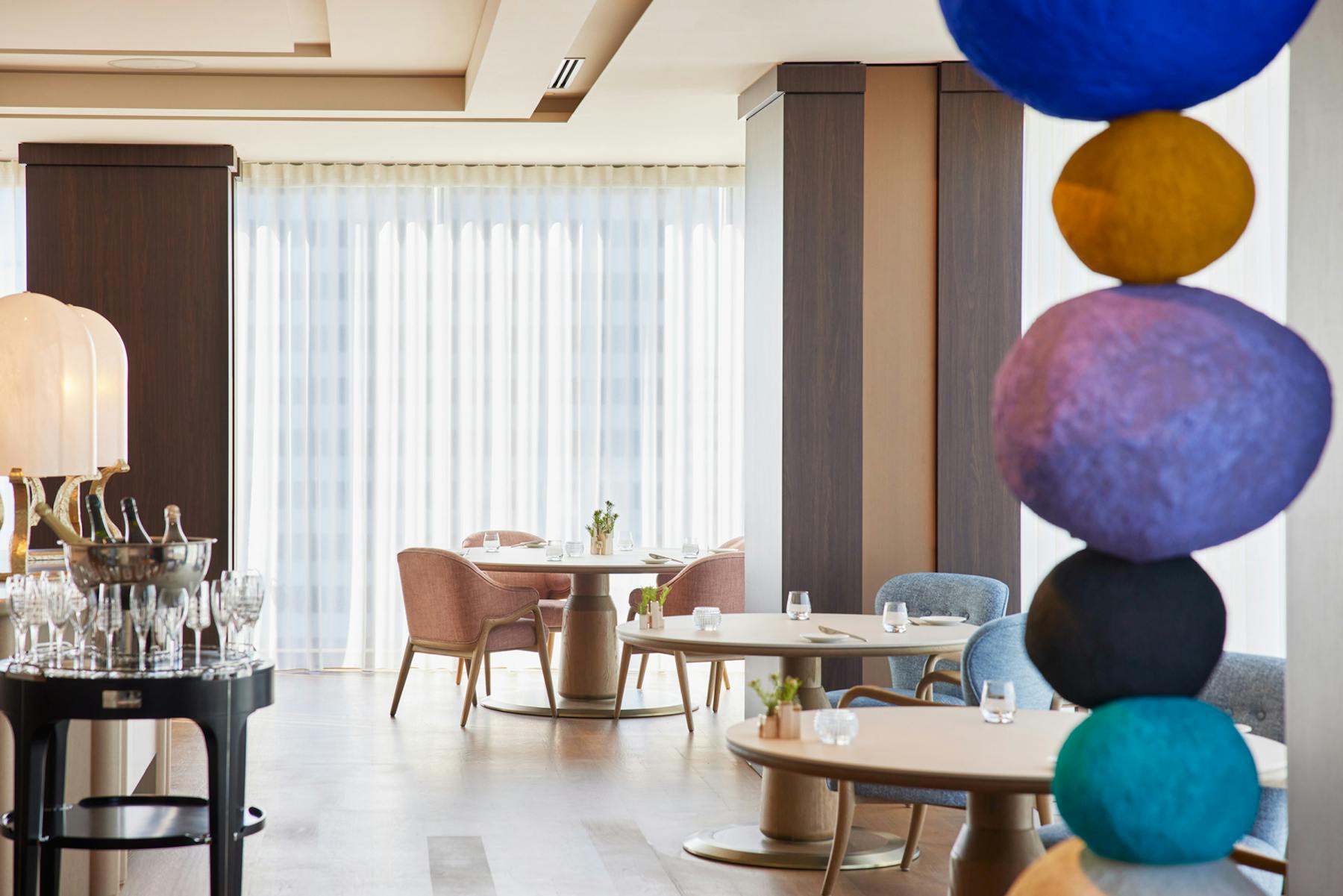
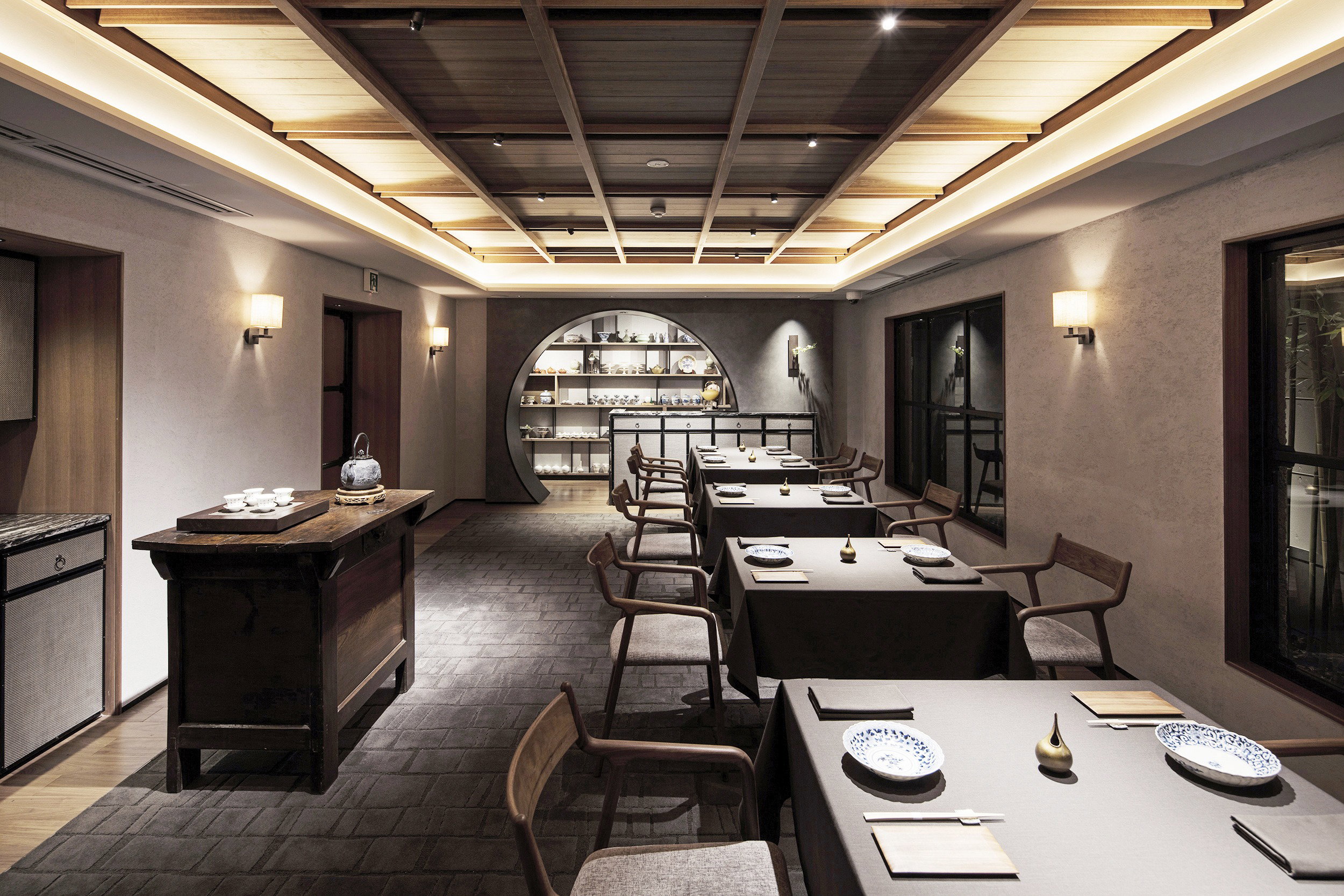
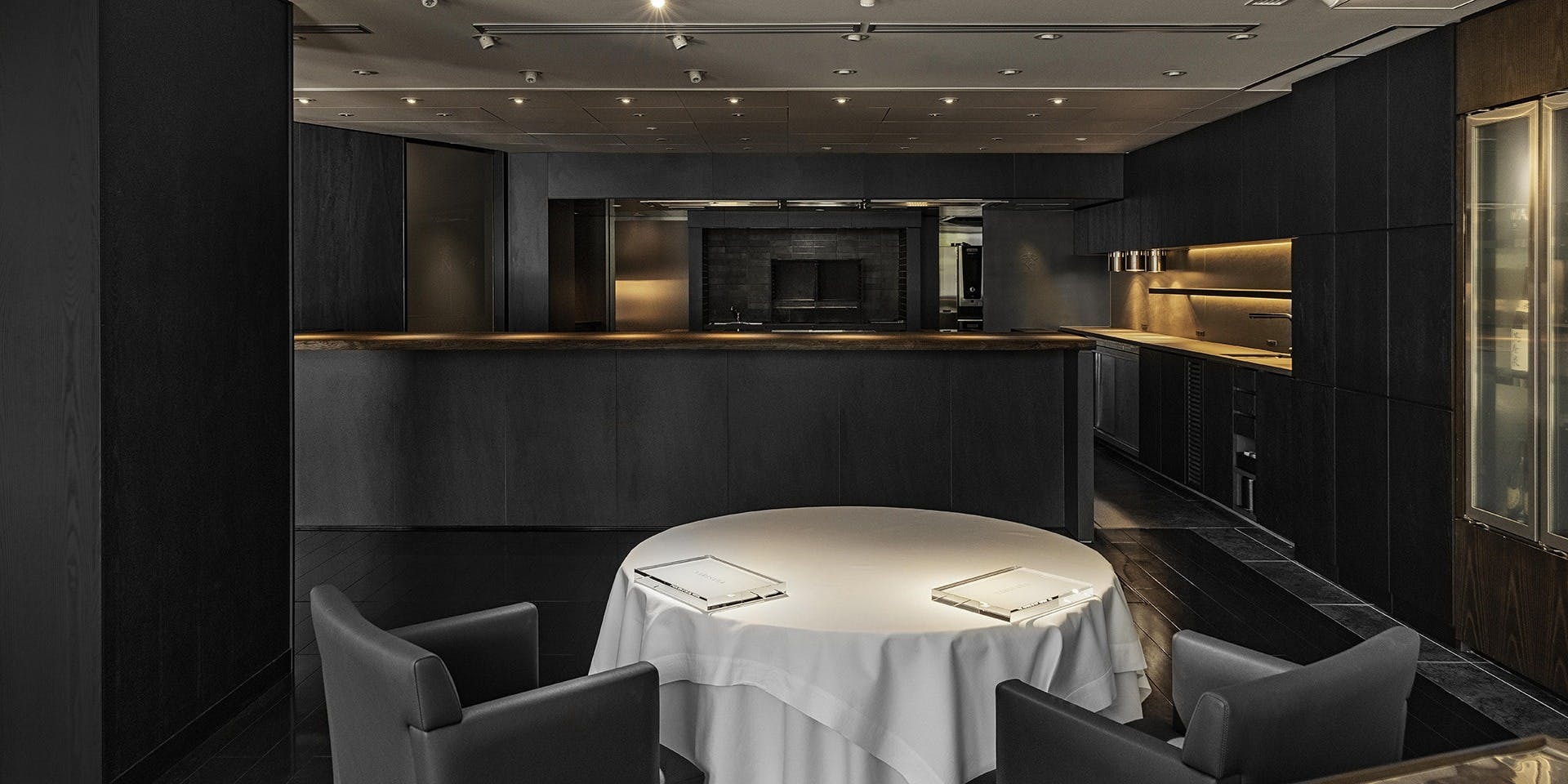
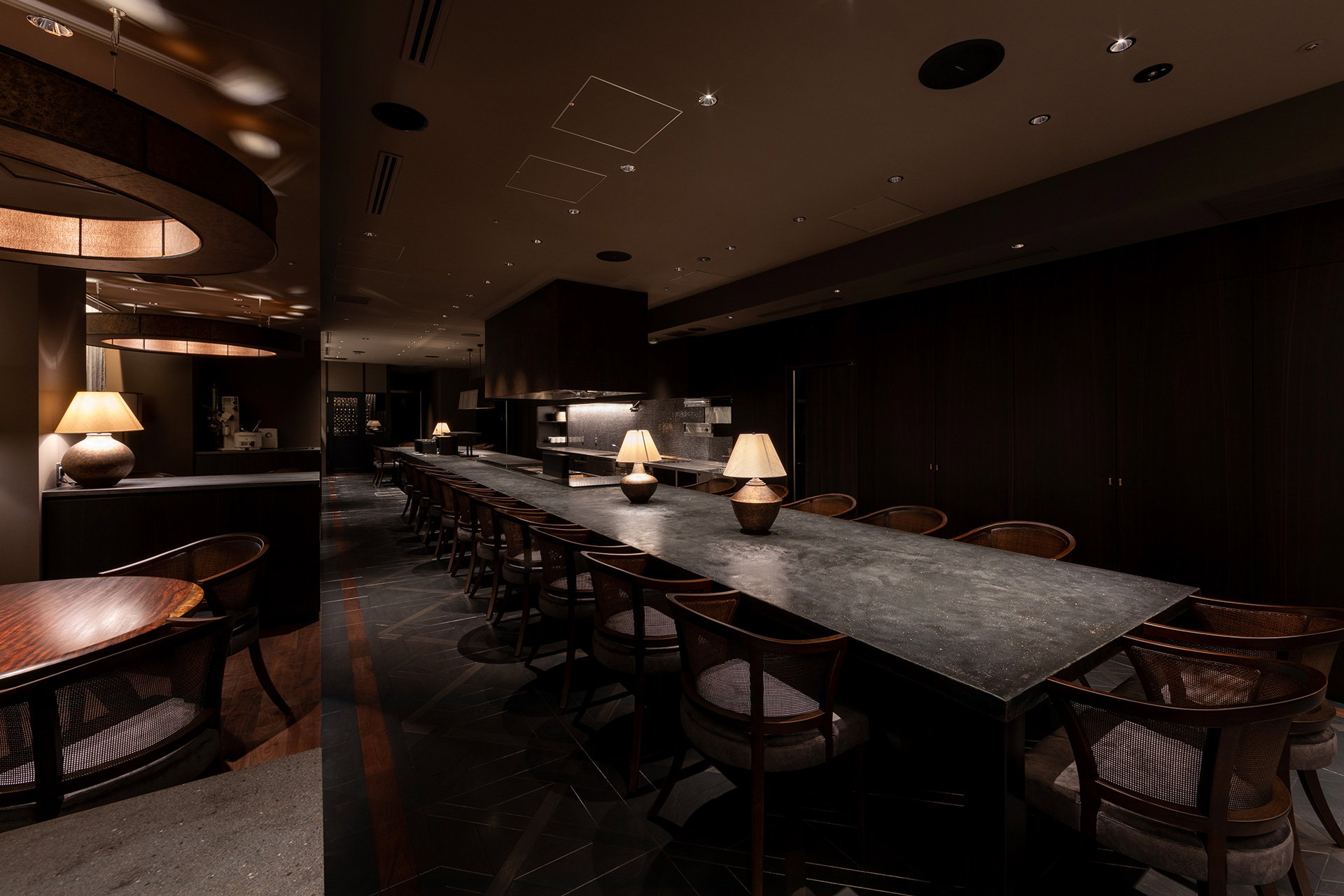
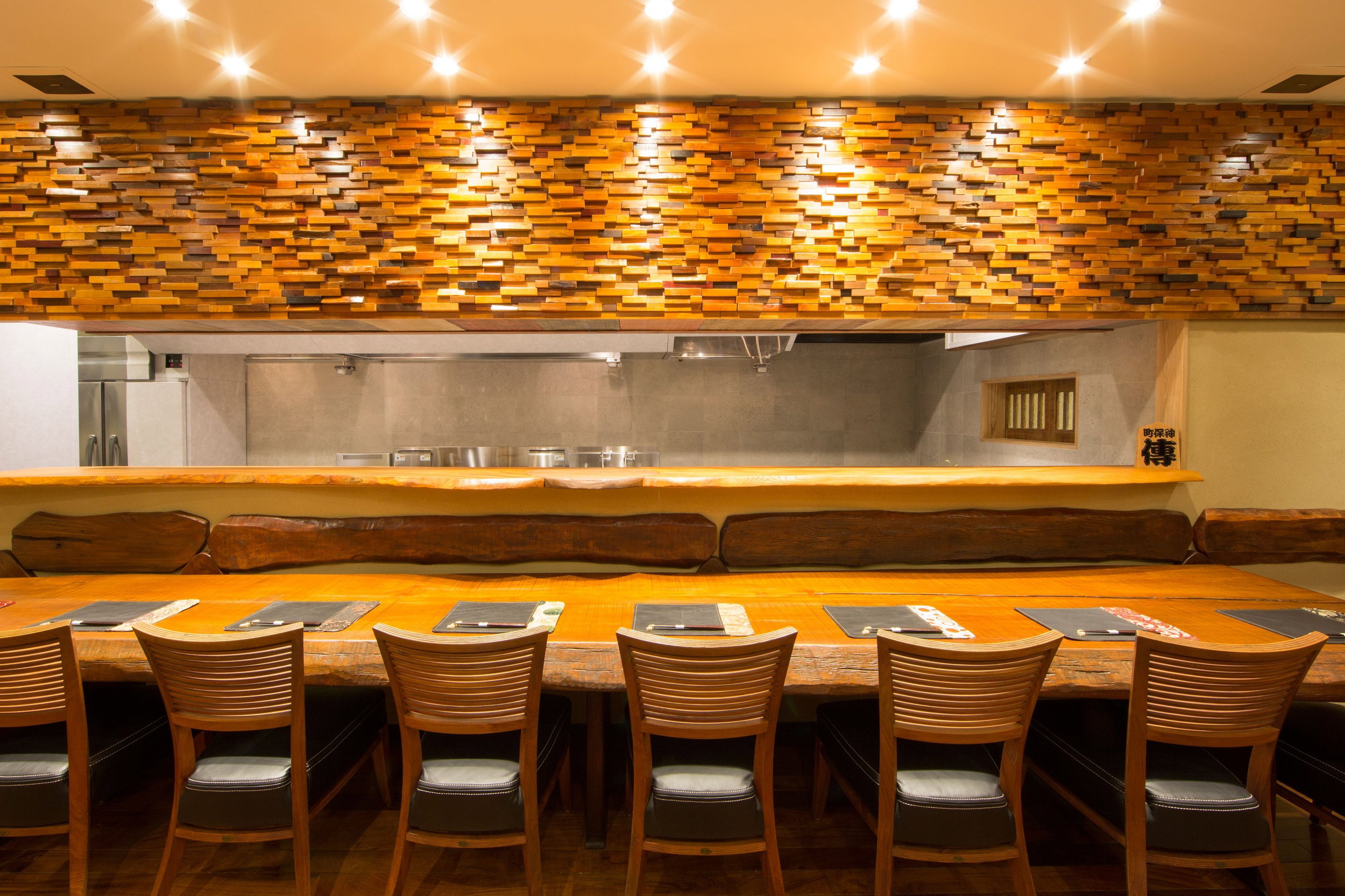
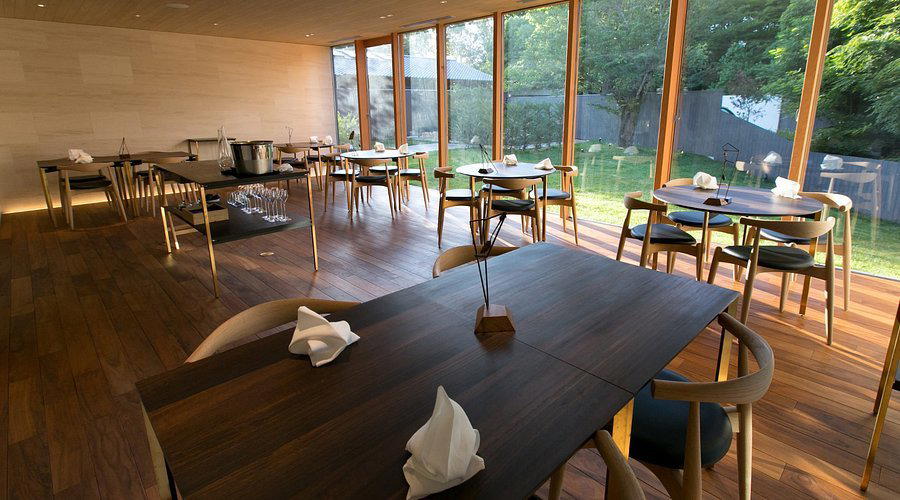
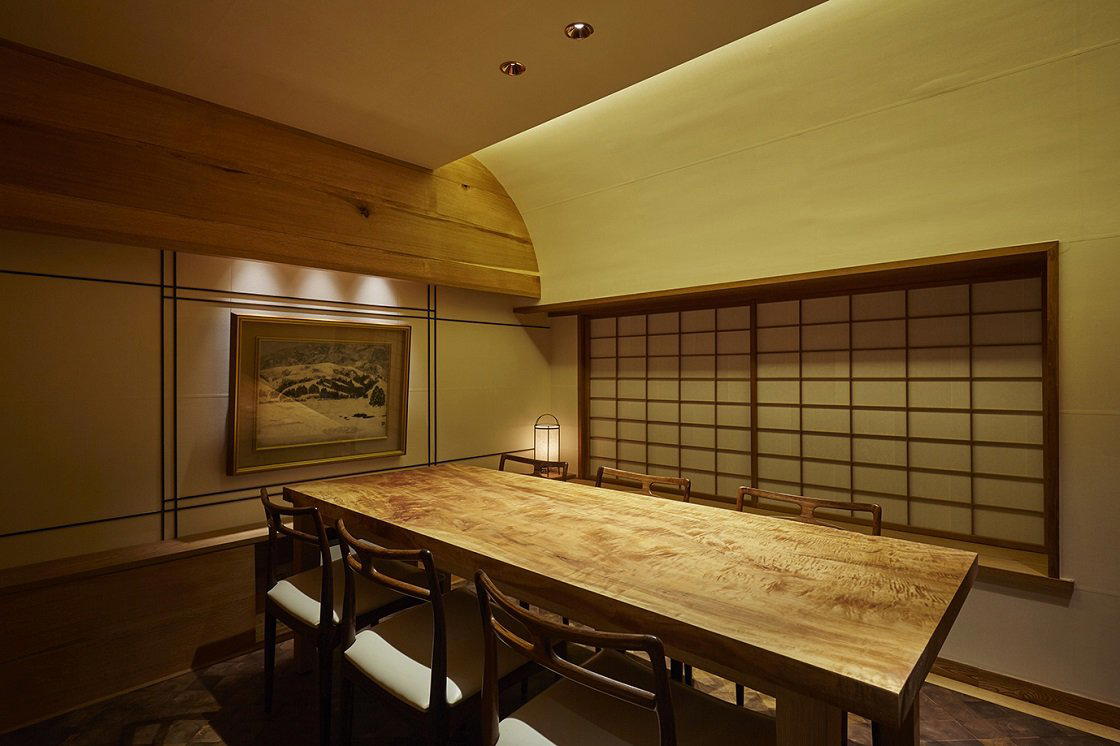
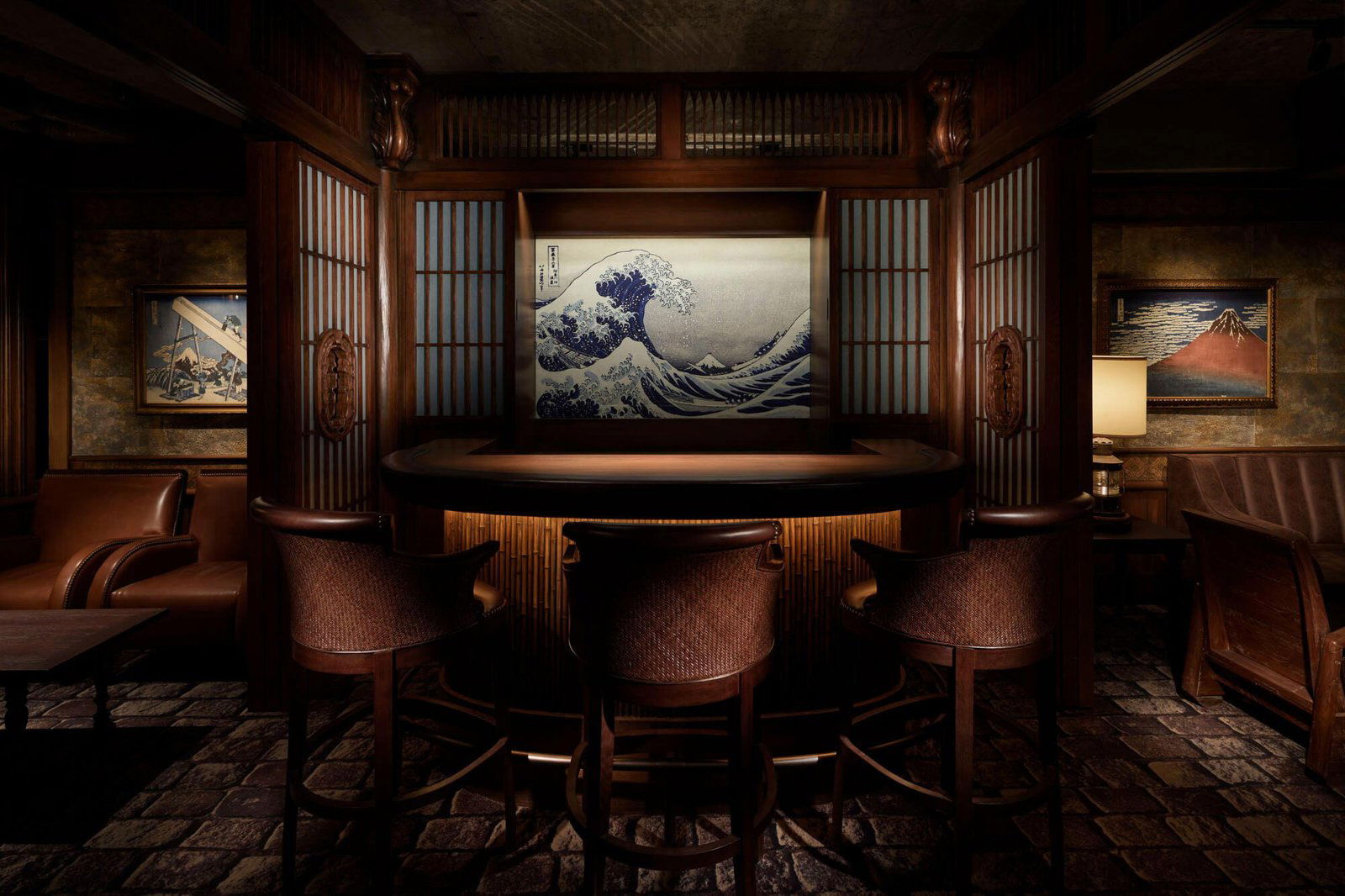
The atmosphere at Shinka reads quiet and deliberate. This is not a loud izakaya with smoke-filled air and overlapping orders shouted across the room. The fourth-floor setting filters out street noise and creates a room where the sounds that register are the ones that matter: charcoal hiss, the soft exchange between diner and chef, the rhythm of a counter that is moving at its own pace. For a food and travel enthusiast who values depth over energy, that restraint is the point. You are here to pay attention to what is on the skewer, not to manage a chaotic room.
Yakitori at this level is a study in ingredient sourcing and fire control. The format does not allow a kitchen to hide behind sauce complexity or plating. What reaches the counter reflects exactly how well the kitchen understands its protein, its heat, and its timing. Shinka's OAD recognition in back-to-back years suggests those fundamentals are being executed with enough precision to matter to serious food critics. For context, OAD rankings are driven by votes from professional diners and frequent restaurant-goers rather than institutional guides, which makes a sustained presence in the list a reliable indicator of consistent quality rather than a one-time spike.
On drinks: the editorial angle here is worth addressing directly. Yakitori restaurants in Tokyo span a wide range when it comes to beverage depth. Some lean entirely on beer, highballs, and house sake, treating the drink as a complement rather than a conversation. Others have developed genuine sake or shochu programs that track with skewer progression the way a wine list tracks with a tasting menu. Without confirmed details on Shinka's current beverage offering, the honest guidance is this: if a serious sake or wine pairing is essential to your evening, confirm the program before booking. The venue's OAD standing and Nishiazabu address suggest it is not operating as a casual grill, but the depth of the drinks list is something to verify directly. Yakitori at comparable Tokyo addresses, see BIRD LAND and Asagaya BIRD LAND, tends to anchor on Japanese spirits rather than wine, which shapes the pairing experience considerably.
For a broader view of what the yakitori category offers across Tokyo and Japan, Yakitori Omino and 124. KAGURAZAKA provide useful comparison points within the city. Outside Tokyo, Torisaki in Kyoto and Torisho Ishii in Osaka demonstrate how the format translates across Japan's other serious dining cities. If you are building a multi-city itinerary, HAJIME in Osaka, Gion Sasaki in Kyoto, and akordu in Nara round out the range of serious dining options across the region.
Shinka's two-year run on OAD's Japan list now functions as a milestone: this is no longer a restaurant to watch, it is a restaurant that has demonstrated it can hold its position. That matters when deciding whether to spend a limited evening in Nishiazabu here versus at a splashier address. The answer is yes, book it, particularly if you prioritise craft and calm over name recognition and spectacle.
Know Before You Go
- Address: 1 Chome-11-10 Nishiazabu, Minato City, Tokyo 〒106-0031, 4th floor
- Cuisine: Yakitori
- Chef: Takuhiro Murakawa
- Awards: Opinionated About Dining Leading Restaurants in Japan, Ranked #408 (2024); Recommended (2023)
- Booking difficulty: Easy, no extended lead time required, but confirm availability before travel days
- Price range: Not confirmed, verify before booking
- Hours: Not confirmed, check directly with the venue
- Dress code: Not confirmed, smart casual is a reasonable default for a Nishiazabu dining room at this level
- Getting there: Nishiazabu is accessible from Hiroo or Roppongi stations; a short taxi or walk from either
- More Tokyo dining: Our full Tokyo restaurants guide | Hotels | Bars | Experiences
Planning details
- Location
- Japan, 〒106-0031 Tokyo, Minato City, Nishiazabu, 1 Chome−11−10 4F
- Website
- tabelog.com/tokyo/A1307/A130701/13236855/#
- Phone
- +81 3-6434-5983
The take
The Take
The Vibe
Yakitori Shinka presents a focused, intimate counter experience that treats skewers with the same discipline as kaiseki or omakase sushi. The writing frames the meal as ritualized rather than casual, emphasising attentive sourcing, timing, and sequence. This is not a bustling standing izakaya; it belongs to the small cohort of chef-led counters where technique and progression matter. The tone throughout is serious and refined: the restaurant reads as a classic, sophisticated take on yakitori that prioritises measured service and technical polish over casual conviviality.
Best For
Shinka suits diners who prize technical rigor and a carefully paced meal. The profile highlights an audience of repeat visitors and experienced eaters who notice the difference between competent and leading yakitori counters, so it's ideal for people seeking a thoughtful, chef-led tasting rather than a quick snack. Given the comparison to kaiseki and omakase formats and the restaurant's critical traction, it also fits date nights or special-occasion dinners where the sequence and craft of each skewer are the main attraction.
Ordering Tips
Approach a meal at Shinka as a sequence: begin with lighter, more delicate pieces such as breast or skin, move through richer cuts, offal, and vegetable skewers, and allow the progression to build toward the final tsukune. The write-up stresses that the tsukune often functions as a technical showcase and closing punctuation, so save room for that finale. Let the chef dictate pacing and selection — the experience is structured, deliberate, and designed to be consumed in the intended order.
Venue details
Ambiance
An intimate, reservation-only counter with a refined but relaxed atmosphere, where the experience feels personal and chef-driven.
Tags
Vibe
Best For
Experience
At the Table
- Dress Code
- Smart Casual
- Noise Level
- Conversational
- Service Style
- Upscale Casual
- Meal Pacing
- Leisurely
- Capacity
- Intimate
- Kitchen
- Modern
- Menu Format
- Set menu, Counter dining
- Wine Program
- Curated
- Drinks Focus
- Sake, Wine
Signature Dishes
- 12-course yakitori tasting menu
- chicken sashimi
- oyakodon
- foie gras with homemade brioche
Know before you go
Know Before You Go
- Getting there
- Japan, 〒106-0031 Tokyo, Minato City, Nishiazabu, 1 Chome−11−10 4F
Planning details
Location
Japan, 〒106-0031 Tokyo, Minato City, Nishiazabu, 1 Chome−11−10 4F · Directions
Recognition and awards

Also consider
Also Consider
- Harutaka, Sushi, ¥¥¥¥
- RyuGin, Kaiseki, Japanese, ¥¥¥¥
- L'Effervescence, French, ¥¥¥¥
- HOMMAGE, Innovtive French, French, ¥¥¥¥
- Florilège, French, ¥¥¥
Restaurant context
Yakitori Shinka sits in a different category from most of its Nishiazabu neighbours. Compared to RyuGin or L'Effervescence, which operate at the top of Tokyo's fine dining tier with multi-course kaiseki and French tasting menus, Shinka offers something narrower and more focused: a single-format grill room where the entire experience is built around yakitori execution. That is not a downgrade, it is a different proposition. If you want a long, wine-paired progression through multiple cuisines and techniques, RyuGin or HOMMAGE are the stronger choices. If you want to eat seriously within a single Japanese tradition, Shinka's OAD standing makes it the more honest option for that specific evening.
On price, Florilège is the most accessible of the comparable set at ¥¥¥ versus the ¥¥¥¥ tier of RyuGin, L'Effervescence, and HOMMAGE, though Shinka's price range is unconfirmed, so direct comparison is difficult. Harutaka at ¥¥¥¥ represents Tokyo sushi at a high level and is a stronger choice if raw fish is the format you want. For booking ease, Shinka is rated easier to secure than most of its OAD-listed peers, which makes it a practical anchor point for a Tokyo itinerary that already has one or two harder reservations in play.
The clearest guidance: book Shinka when you want a focused, low-pressure yakitori evening in a serious room. Book RyuGin or L'Effervescence when you want a full production, the long menu, the wine pairing, the destination-dining experience. They are not competing for the same evening.
Explore Tokyo
Around this place
Discover more on Pearl
Unlock the full Yakitori Shinka guide in Pearl, including awards, comparisons, FAQs, planning details, and nearby places.
Compare Yakitori Shinka
| Venue | Location | Cuisine | Awards | Price |
|---|---|---|---|---|
| Yakitori Shinka | Tokyo | Yakitori | 2024 OAD Top Restaurants in Japan Ranked · #4082023 OAD Top Restaurants in Japan Recommended | , |
| Harutaka | Tokyo | Sushi | 2026 Tabelog Silver · #312026 OAD Top Restaurants in Japan Ranked · #1282026 Michelin 3 Stars2026 La Liste Top RestaurantsTabelog 100 - Sushi - TOKYO - 2025 · #372025 Asia's 50 Best Restaurants · #762025 OAD Top Restaurants in Japan Ranked · #1172025 La Liste Top Restaurants2025 Tabelog Bronze | ¥¥¥¥ |
| RyuGin | Tokyo | Kaiseki, Japanese | 2026 OAD Top Restaurants in Japan Ranked · #802026 Tabelog Bronze · #3772026 Michelin 3 Stars2026 La Liste Top RestaurantsTabelog 100 - Japanese cuisine - TOKYO - 2025 · #212025 OAD Top Restaurants in Japan Ranked · #542025 Michelin 3 Stars2025 La Liste Top Restaurants2025 The Best Chef Three Knives | ¥¥¥¥ |
| L'Effervescence | Tokyo | French | 2026 Tabelog Silver · #682026 OAD Top Restaurants in Japan Ranked · #103Star Wine Lists 20262026 Black Pearl 2 Diamond2026 Relais Chateaux Restaurants2026 La Liste Top Restaurants2026 Michelin 3 Stars2025 Asia's 50 Best Restaurants · #692025 OAD Top Restaurants in Japan Ranked · #92 | ¥¥¥¥ |
| HOMMAGE | Tokyo | Innovtive French, French | 2026 Tabelog Bronze · #1232026 OAD Top Restaurants in Japan Highly Recommended2026 Michelin 2 StarsTabelog 100 - French - TOKYO - 2025 · #762025 Asia's 50 Best Restaurants · #782025 OAD Top Restaurants in Japan Ranked · #1752025 Michelin 2 Stars2025 The Best Chef One Knife2025 La Liste Top Restaurants | ¥¥¥¥ |
| Florilège | Tokyo | French | 2026 Asia's 50 Best Restaurants · #312026 Tabelog Bronze · #712026 OAD Top Restaurants in Japan Ranked · #1242026 Black Pearl 1 Diamond2026 Michelin 2 Stars2026 La Liste Top Restaurants2025 Asia's 50 Best Restaurants · #172025 World's 50 Best Restaurants · #36Tabelog 100 - French - TOKYO - 2025 · #68 | ¥¥¥ |












How Yakitori Shinka Tokyo compares with similar nearby venues.
FAQ
Frequently Asked Questions
How far ahead should I book Yakitori Shinka?
Book at least 4 to 6 weeks out. Shinka holds an OAD ranking among Japan's top restaurants (2024), which means demand runs ahead of what the fourth-floor Nishiazabu space can absorb. Leaving it to the week before is a risk not worth taking for a trip-defining meal.
Is Yakitori Shinka good for a special occasion?
Yes, provided your occasion suits a focused, quiet format rather than a celebratory group dinner. Chef Takuhiro Murakawa's counter-driven approach rewards attention, making it well-suited to a serious dinner for two over a milestone birthday with a large party.
What are alternatives to Yakitori Shinka in Tokyo?
For an entirely different register, RyuGin delivers multi-course Japanese haute cuisine with a longer wine list and more ceremony. If you want to stay within the precision-grill format but at a sushi counter instead, Harutaka is a natural comparison at the top of that category. Shinka is the move if yakitori specifically is what you are after.
Can I eat at the bar at Yakitori Shinka?
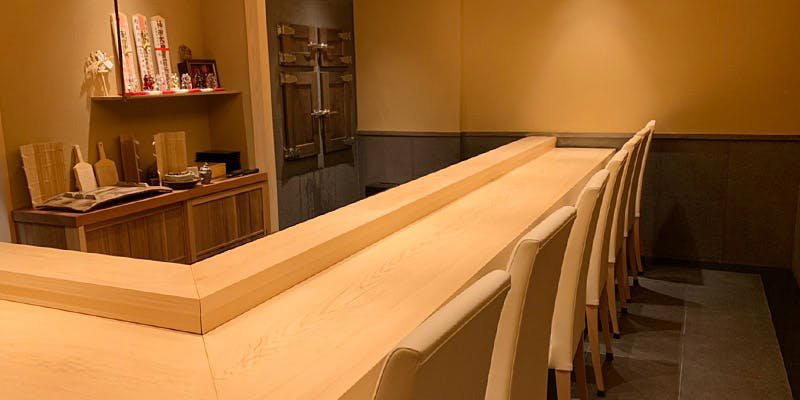
The venue operates on the fourth floor in Nishiazabu and its format is counter-oriented by nature, which is consistent with serious yakitori operations in Tokyo. Counter seating is the experience here, not an alternative to a table.
Does Yakitori Shinka handle dietary restrictions?
Yakitori is a protein-forward, skewer-based format with limited structural flexibility, so strict vegetarian or vegan diets are a poor fit. If you have a specific allergy or restriction, communicate it clearly at booking — chef-led counters of this type generally accommodate where they can, but the core format is built around chicken.
Can Yakitori Shinka accommodate groups?
The fourth-floor Nishiazabu address suggests a small, counter-format space, which typically caps group sizes at four to six. Parties larger than that should enquire directly at booking — this is not a venue designed around large-group dining, and the experience narrows in proportion to group size.
Is Yakitori Shinka good for solo dining?
Counter seating makes solo dining a natural fit here. An OAD-ranked yakitori counter in Tokyo is one of the better formats for a solo diner who wants full engagement with the kitchen — you are watching Murakawa work the grill, not staring at a table set for two.