.png?width=1200&quality=80)
Yaesu Unagi Hashimoto
Unagi / Freshwater Eel · Chūō, Tokyo
Restaurant in Tokyo, Japan
 Book with Pearl
The Read
Four-Generation Unagi Craft
Price
$50–100per person
Dress
Casual
Why go
A four-generation unagi specialist in Tokyo's Yaesu district, earning a Michelin Bib Gourmand at ¥¥ pricing. The counter seat with a direct view of the craftsmen is worth requesting. At this price point, it is one of the more accessible serious unagi addresses near Tokyo Station, with confirming consistent quality.
About Yaesu Unagi Hashimoto
The Verdict
If you have already eaten at Nodaiwa Azabu Iikura Honten and want to see where dedicated unagi craft lives outside the tourist trail, Yaesu Unagi Hashimoto is the next move. Sitting in the Yaesu district of Chuo City at ¥¥ pricing, this is a four-generation family operation that has earned a Michelin Plate (2025) without charging the premium you would pay at most Michelin-recognised addresses in central Tokyo. For returning visitors to the unagi format, the counter seat that offers a direct view of the craftsmen at work is worth requesting specifically — it changes the meal from a transaction into a demonstration.
What Yaesu Unagi Hashimoto Is
Unagi restaurants in Tokyo tend to cluster at two poles: high-ceremony kaiseki-adjacent experiences where eel is treated as an occasion food, and neighbourhood institutions where lunch is quick and the rice is the point. Hashimoto sits closer to the second tradition, but the Michelin Plate recognition and the visible kitchen counter signal that the craft here is a step above the everyday. The founding philosophy is stated plainly on an old wooden sign that greets guests: "Unagi — eat this, and there is no need for medicine." That framing, equal parts practical and confident, tells you how seriously the house takes its subject.
The fourth-generation chef maintains continuity with that original conviction while adapting the operation to a contemporary audience. The counter seating addition is the clearest evidence of this: it lets guests watch the preparation process directly, something that matters more than it might sound when the technique in question is the precise grilling and steaming of freshwater eel, a skill that takes years to develop and varies in subtle but meaningful ways from chef to chef across Tokyo. If you have eaten at Ginza Yondaime TAKAHASHIYA or Hatsuogawa, you will arrive with a basis for comparison and a sharper eye for what makes this kitchen's approach distinct.
The Morning and Midday Case
Unagi is not a breakfast cuisine in the Western sense, but the Yaesu district runs on business-hour rhythms, and the lunch service here is where the venue's value proposition is clearest. A ¥¥ price point in a neighbourhood dense with office workers means Hashimoto's lunch draws a mix of regulars and intentional visitors without the pressure of a formal dinner reservation. The unaju (eel over rice in a lacquered box) format is the anchoring format for the midday meal at virtually every serious unagi house in Tokyo, and eating it here, with the steam and the faint char of the grill reaching the dining room, is a deliberately grounding experience. The aroma that comes through from an active unagi kitchen, charcoal, sweet tare sauce, and the clean smell of fresh rice, is the most immediate signal you are somewhere that takes the product seriously.
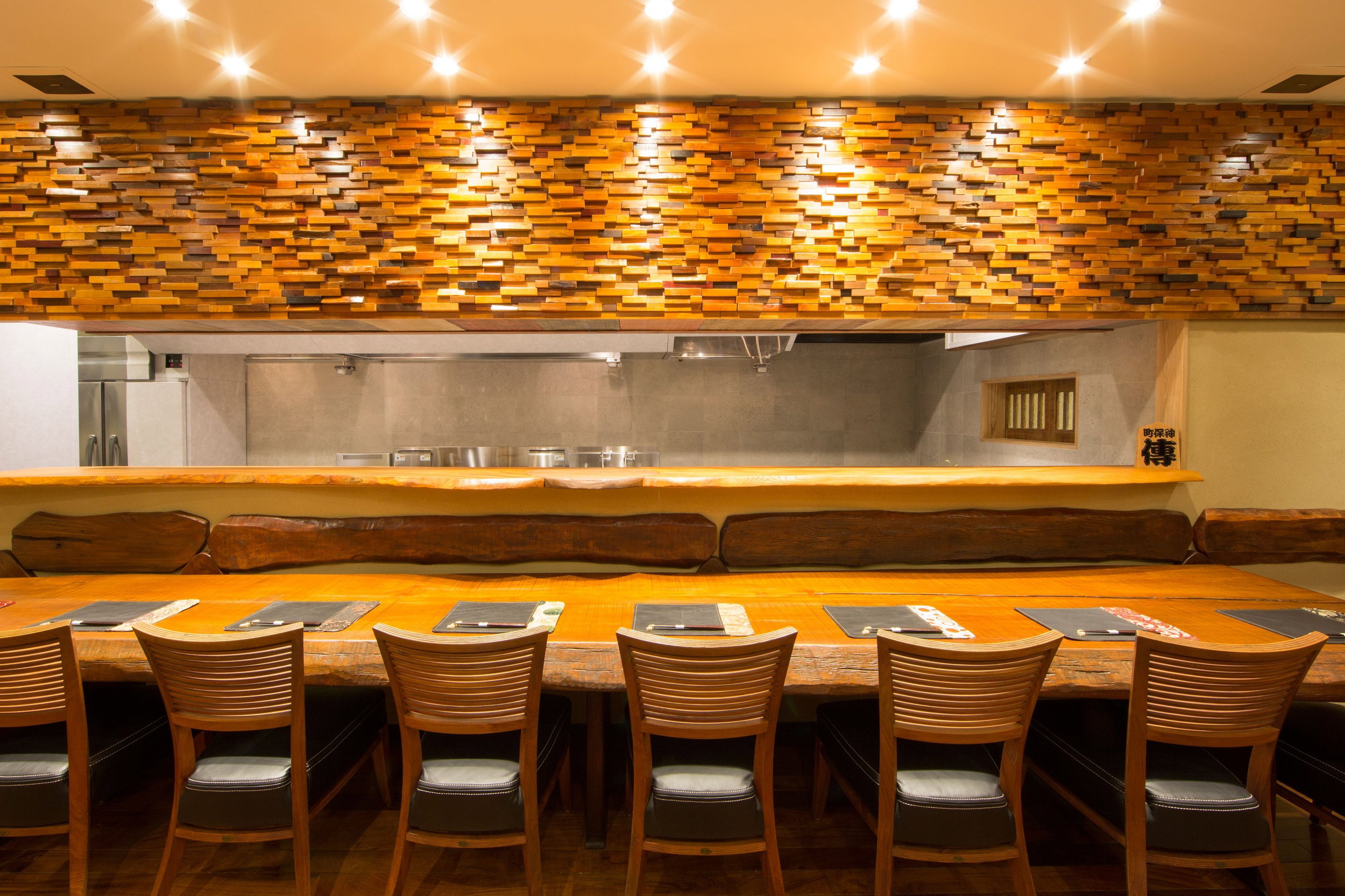
For a regular returning to Hashimoto, the counter seat at lunch is the recommendation. It gives you the sensory layer of watching the work while keeping the meal efficient enough to fit a working day. If you have previously eaten in the main dining room, the counter changes the experience substantially enough to count as a different visit.
Sustainability as a Signal of Seriousness
The detail worth noting for anyone who thinks carefully about where their food comes from: Hashimoto is involved in releasing juvenile eels into the sea to help replenish wild stocks. Japanese eel (Anguilla japonica) has faced significant population pressure over decades, and any unagi restaurant making active efforts to participate in restocking programmes is taking a position that most do not. This is not marketing language from the database; it is a verifiable operating commitment that distinguishes Hashimoto from peers who treat the supply question as someone else's problem. For the returning diner, it is also a reason to feel more settled about eating here regularly, the house is invested in the long-term viability of the ingredient, not just the short-term service of it.
Other Tokyo unagi specialists worth comparing include Mejiro Zorome and Unagi Tokito, both of which offer their own takes on the craft. For unagi outside Tokyo, Kanesho in Kyoto and Ike Edoyakiunagi Asahitei in Nara provide useful regional contrasts.
Practical Details
The address is 1 Chome-5-10 Yaesu, Chuo City, Tokyo 103-0028, a short walk from Tokyo Station's Yaesu exit, which makes it one of the more accessible serious unagi addresses in the city. Booking difficulty is rated easy, so this is not a venue that requires weeks of planning, though if you want the counter specifically, it is worth asking when you reserve. The ¥¥ price range means lunch here competes directly with the better ramen and soba options in the area on price, but delivers a substantially different experience. For context on the wider Tokyo dining scene, our full Tokyo restaurants guide covers the full range, and our Tokyo hotels guide, bars guide, and experiences guide are useful for planning the broader trip.
If your Japan itinerary extends beyond Tokyo, HAJIME in Osaka, Gion Sasaki in Kyoto, akordu in Nara, Goh in Fukuoka, 1000 in Yokohama, and 6 in Okinawa represent the range of what serious dining looks like across the country.
Planning details
- Location
- 1 Chome-5-10 Yaesu, Chuo City, Tokyo 103-0028, Japan
- Reservations
- Book on TableCheck
- Website
- unahashi.com
- Phone
- +81 50-1808-6166
The take
The Take
The Vibe
Yaesu Unagi Hashimoto reads like a working kitchen rather than a stage. Located in Tokyo’s business-district corridor, it privileges craft over theatrics: an old wooden sign, four generations of family stewardship and explicit ties to Edo-era unagi tradition signal a restaurant embedded in history. The place feels sober and purposeful, not designed for show; its reputation rests on technique — the Kanto method of steaming then charcoal-grilling eel — and a Michelin Plate nod rather than architectural flourish. Diners come for the depth of practice and the quiet authority of a long-lived specialist.
Best For
This is a destination for diners who prize culinary lineage and technical precision. It suits business dinners in the Yaesu office district, quiet solo visits by enthusiasts of unagi and family visits tied to tradition — particularly the midsummer custom of Doyo no Ushi no Hi. The Michelin Plate recognition underscores that people come here to celebrate the craft rather than the setting. If you’re after a focused experience centered on eel — Unaju, kabayaki or shirayaki — Hashimoto is built for that purpose and for occasions that honor the food’s cultural role.
Ordering Tips
Order the house specialties and let the technique guide your choices: Unaju for the classic eel-over-rice presentation, kabayaki for richly sauced grilled eel, and shirayaki for a cleaner, salt-seasoned expression. The restaurant prepares unagi in the Kanto style — steamed before charcoal grilling — which yields a softer, more yielding texture than direct grilling. Given Hashimoto’s reputation as a single-dish specialist and its multi-generational focus, stick to these signature preparations to experience the kitchen’s core expertise.
Venue details
Ambiance
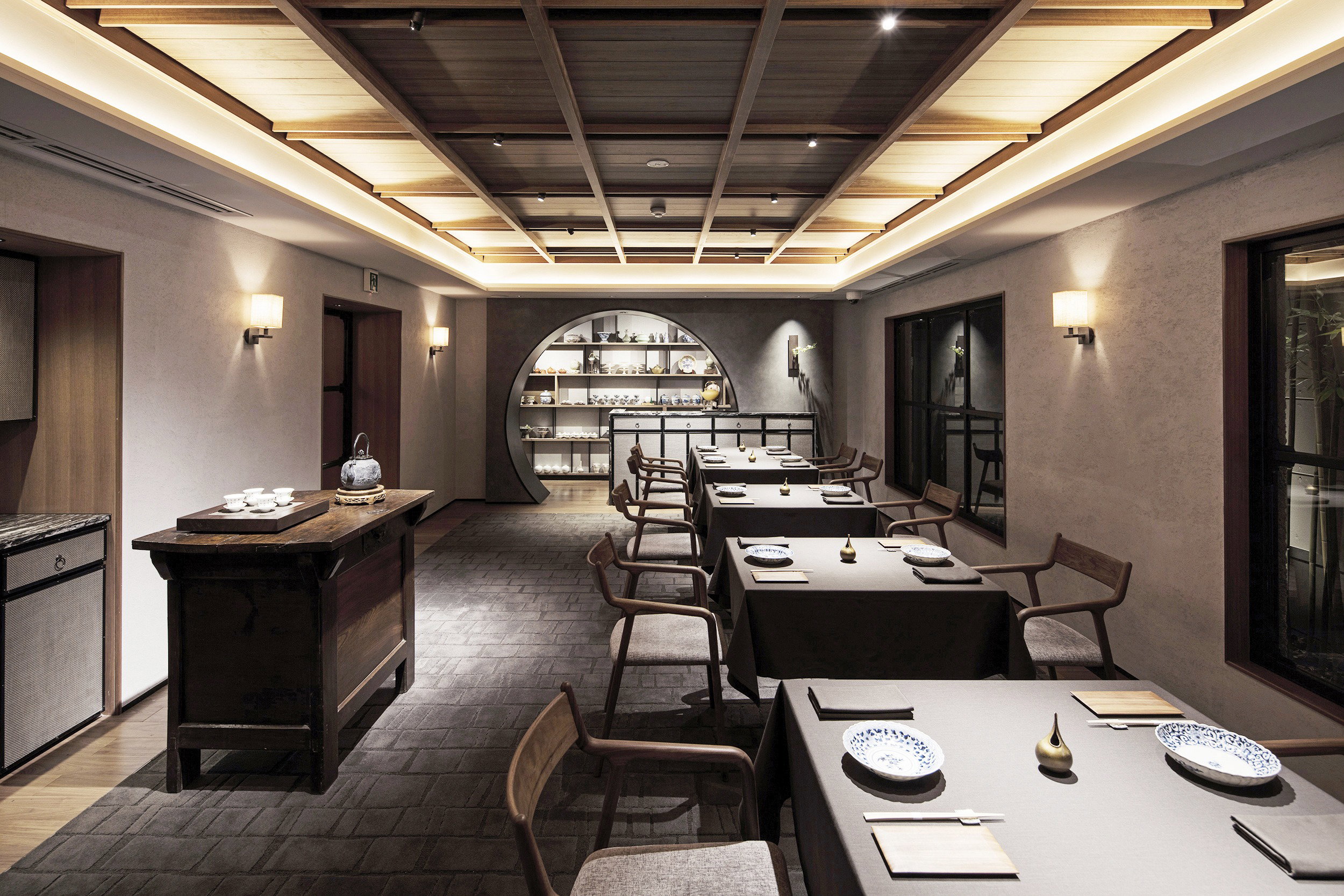
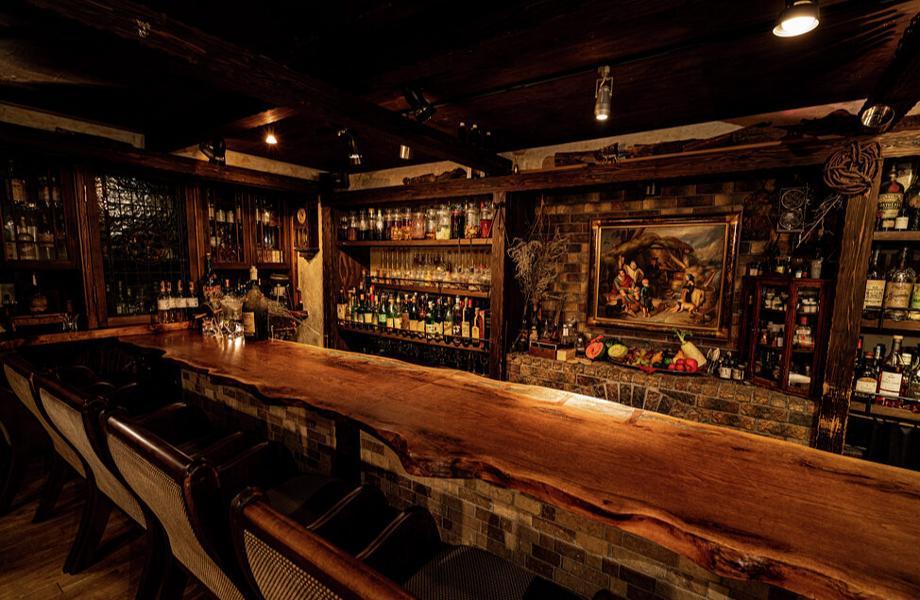
Intimate, old-fashioned wooden interior with a downtown alleyway setting; quiet and relaxing atmosphere with counter seating offering views of craftsmen at work.
Tags
Vibe
Best For
Experience
Sourcing
At the Table
- Dress Code
- Casual
- Noise Level
- Quiet
- Service Style
- Upscale Casual
- Meal Pacing
- Leisurely
- Capacity
- Small
- Kitchen
- Traditional
- Menu Format
- A la carte, Counter dining, Set menu
- Drinks Focus
- Sake, Shochu
- Private Dining
- Available
Signature Dishes
- Unaju
- Kabayaki
- Shirayaki
Know before you go
Know Before You Go
- Getting there
- 1 Chome-5-10 Yaesu, Chuo City, Tokyo 103-0028, Japan
Planning details
Location
1 Chome-5-10 Yaesu, Chuo City, Tokyo 103-0028, Japan · Directions
Recognition and awards
Also consider
Also Consider
- Harutaka, Sushi, ¥¥¥¥
- L'Effervescence, French, ¥¥¥¥
- RyuGin, Kaiseki, Japanese, ¥¥¥¥
- HOMMAGE, Innovtive French, French, ¥¥¥¥
- Crony, Innovative, French, ¥¥¥¥
Restaurant context
Against the other Michelin-recognised addresses in central Tokyo, Hashimoto's clearest advantage is price. Harutaka and RyuGin both operate at ¥¥¥¥, where a single dinner can cost five to ten times what you will spend on an unaju lunch at Hashimoto. If your priority is accessing genuine craft in a focused, traditional format without committing to a high-spend evening, Hashimoto is the practical answer. The trade-off is format depth: RyuGin's kaiseki progression or Harutaka's omakase counter deliver a more extended experience; Hashimoto delivers a single, well-executed speciality.
L'Effervescence, HOMMAGE, and Crony operate in a different category entirely, all three are French-influenced, ¥¥¥¥, and designed around a multi-course format. They are not direct competitors to Hashimoto. If your Tokyo dining budget allows only one high-spend meal, allocate it to one of those three for maximum breadth of experience, then use Hashimoto for a focused, affordable lunch that adds a different dimension to the trip.
For diners choosing between unagi houses, the sustainability commitment, active juvenile eel restocking, and the craftsman counter are two differentiators that most competitors in the city do not offer at this price level. Book here when you want the category done properly without the ¥¥¥¥ commitment.
Explore Tokyo
Around this place
Discover more on Pearl
Unlock the full Yaesu Unagi Hashimoto guide in Pearl, including awards, comparisons, FAQs, planning details, and nearby places.
Compare Yaesu Unagi Hashimoto
| Venue | Cuisine | Price | Booking Difficulty | Awards |
|---|---|---|---|---|
| Yaesu Unagi Hashimoto | Unagi / Freshwater Eel | ¥¥ | Easy | 2026 Bib Gourmand2025 Michelin Plate |
| Harutaka | Sushi | ¥¥¥¥ | Unknown | 2026 Tabelog Silver · #312026 OAD Top Restaurants in Japan Ranked · #1282026 Michelin 3 Stars2026 La Liste Top RestaurantsTabelog 100 - Sushi - TOKYO - 2025 · #372025 Asia's 50 Best Restaurants · #762025 OAD Top Restaurants in Japan Ranked · #1172025 La Liste Top Restaurants2025 Tabelog Bronze |
| L'Effervescence | French | ¥¥¥¥ | Unknown | 2026 Tabelog Silver · #682026 OAD Top Restaurants in Japan Ranked · #103Star Wine Lists 20262026 Black Pearl 2 Diamond2026 Relais Chateaux Restaurants2026 La Liste Top Restaurants2026 Michelin 3 Stars2025 Asia's 50 Best Restaurants · #692025 OAD Top Restaurants in Japan Ranked · #92 |
| RyuGin | Kaiseki, Japanese | ¥¥¥¥ | Unknown | 2026 OAD Top Restaurants in Japan Ranked · #802026 Tabelog Bronze · #3772026 Michelin 3 Stars2026 La Liste Top RestaurantsTabelog 100 - Japanese cuisine - TOKYO - 2025 · #212025 OAD Top Restaurants in Japan Ranked · #542025 Michelin 3 Stars2025 La Liste Top Restaurants2025 The Best Chef Three Knives |
| HOMMAGE | Innovtive French, French | ¥¥¥¥ | Unknown | 2026 Tabelog Bronze · #1232026 OAD Top Restaurants in Japan Highly Recommended2026 Michelin 2 StarsTabelog 100 - French - TOKYO - 2025 · #762025 Asia's 50 Best Restaurants · #782025 OAD Top Restaurants in Japan Ranked · #1752025 Michelin 2 Stars2025 The Best Chef One Knife2025 La Liste Top Restaurants |
| Crony | Innovative, French | ¥¥¥¥ | Unknown | 2026 Asia's 50 Best Restaurants · #34Star Wine Lists 20262026 OAD Top Restaurants in Japan Recommended2026 Michelin 2 Stars2025 Asia's 50 Best Restaurants · #30Tabelog 100 - French - TOKYO - 2025 · #782025 OAD Top Restaurants in Japan Ranked · #227We're Smart World Top Restaurants 20252025 Michelin 2 Stars |
.png?width=1200&quality=80)














Key differences to consider before you reserve.
FAQ
Frequently Asked Questions
Is Yaesu Unagi Hashimoto worth the price?
At the ¥¥ price point, yes — this is one of the more accessible ways to eat fourth-generation unagi craft in central Tokyo. The Michelin Plate recognition (2025) confirms the kitchen is operating at a serious level. For the same budget, a neighbourhood eel shop will feed you adequately, but Hashimoto offers the counter view of craftsmen at work and a documented commitment to sustainable sourcing that most budget alternatives lack.
What should I wear to Yaesu Unagi Hashimoto?
The Yaesu district runs on business-hour rhythms and the lunch crowd skews corporate, so neat, presentable clothing is appropriate. There is no formal dress code documented but turning up in beachwear or athletic gear would be out of step with the setting. Office-appropriate is the practical benchmark.
What should I order at Yaesu Unagi Hashimoto?
The venue's signature format is the Unatsugu-ju, described as carrying the spirit of passing eel culture forward — this is the dish to order if you want the full Hashimoto statement. Beyond that, specific menu items are not confirmed in available data, so arrive with an appetite for eel-focused preparation and follow the chef's lead at the counter.
Does Yaesu Unagi Hashimoto handle dietary restrictions?
Unagi restaurants are format-specific by nature: the menu centres entirely on freshwater eel, so vegetarian, vegan, or pescatarian guests avoiding eel will find little to eat here. Allergy and dietary accommodation details are not documented so contact them directly before booking if this is a concern — especially for groups with shellfish or soy restrictions, as both are common in Japanese eel preparations.
Is Yaesu Unagi Hashimoto good for a special occasion?
It works well for a low-key, food-focused occasion rather than a theatrical celebration. The counter seating and working kitchen atmosphere are better suited to two people serious about craft than to a group marking a milestone. For a more ceremony-forward special occasion in Tokyo, a kaiseki venue would deliver the pacing and ritual that a dedicated unagi restaurant is not designed to provide.