.png?width=1200&quality=80)
wokotote
Japanese · Bunkyō, Tokyo
Restaurant in Tokyo, Japan
 Book with Pearl
The Read
Flexible Kaiseki Counter
Price
$100–150per person
Chef
wokotote: Not Available
Dress
Smart Casual
Why go
wokotote holds a Michelin Bib Gourmand (2025) and a ¥¥ price point in Tokyo's Nezu neighbourhood, making it one of the better value Japanese dining options in the city. A kaiseki-trained chef runs prix fixe and à la carte formats together, giving you structure without rigidity. Booking is easy and the format works well for solo diners or small groups.
About wokotote
The Verdict
wokotote is one of the better-value Japanese dining decisions you can make in Tokyo right now. With a Michelin Bib Gourmand (2024) and a ¥¥ price point, it delivers a genuinely considered omakase and prix fixe experience in Bunkyo City's Nezu neighbourhood without the financial commitment of a ¥¥¥¥ kaiseki room. If you want Japanese cuisine on your own terms — structured enough to feel special, flexible enough to add à la carte — book here ahead of comparable mid-range options in the city.
What You're Booking
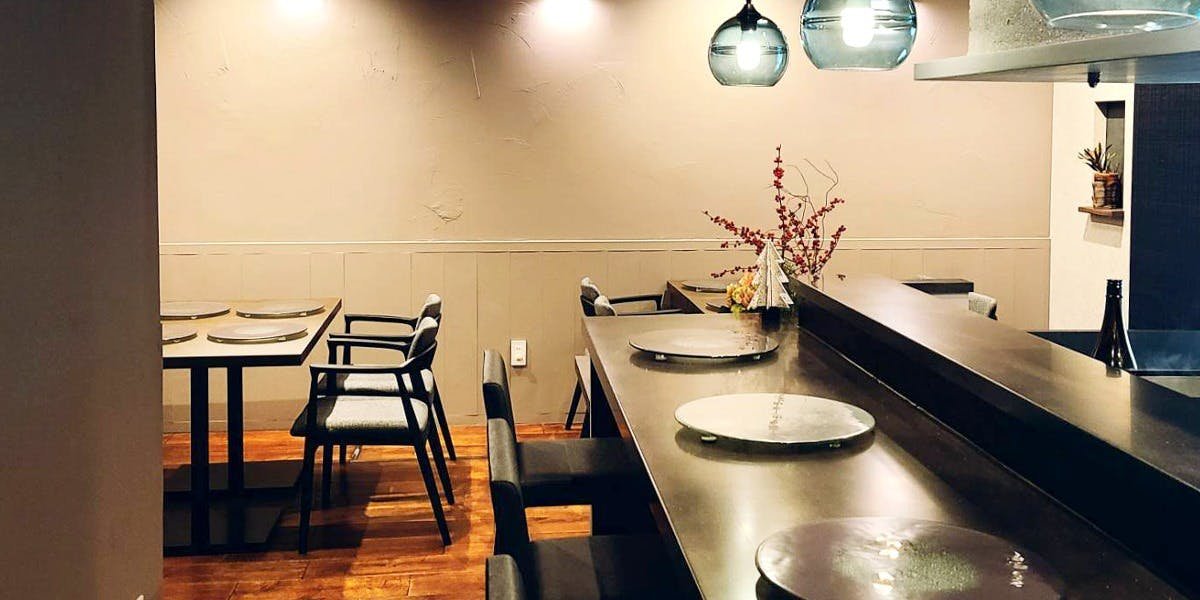
The chef trained in kaiseki, and that foundation shows in the structure of the meal. The format is a prix fixe core with optional à la carte additions, which means you're not locked into a single tasting progression but can shape the evening as you go. For a food enthusiast who finds rigid omakase pacing frustrating, that flexibility matters. The sashimi arrives with a dipping sauce of malted rice and fish sauce, a considered departure from standard soy, and the mixed drinking snack platters cover both grilled and fried preparations. These aren't afterthoughts; they reflect the same attention to detail you'd expect from a kitchen with kaiseki training. The restaurant's name draws from Japanese grammatical particles, a deliberate nod to the idea that food, people, and space are connective elements rather than separate experiences. That framing is reflected in the room itself, where the interior, the menu, and the pace of service are designed to settle you in rather than move you through.
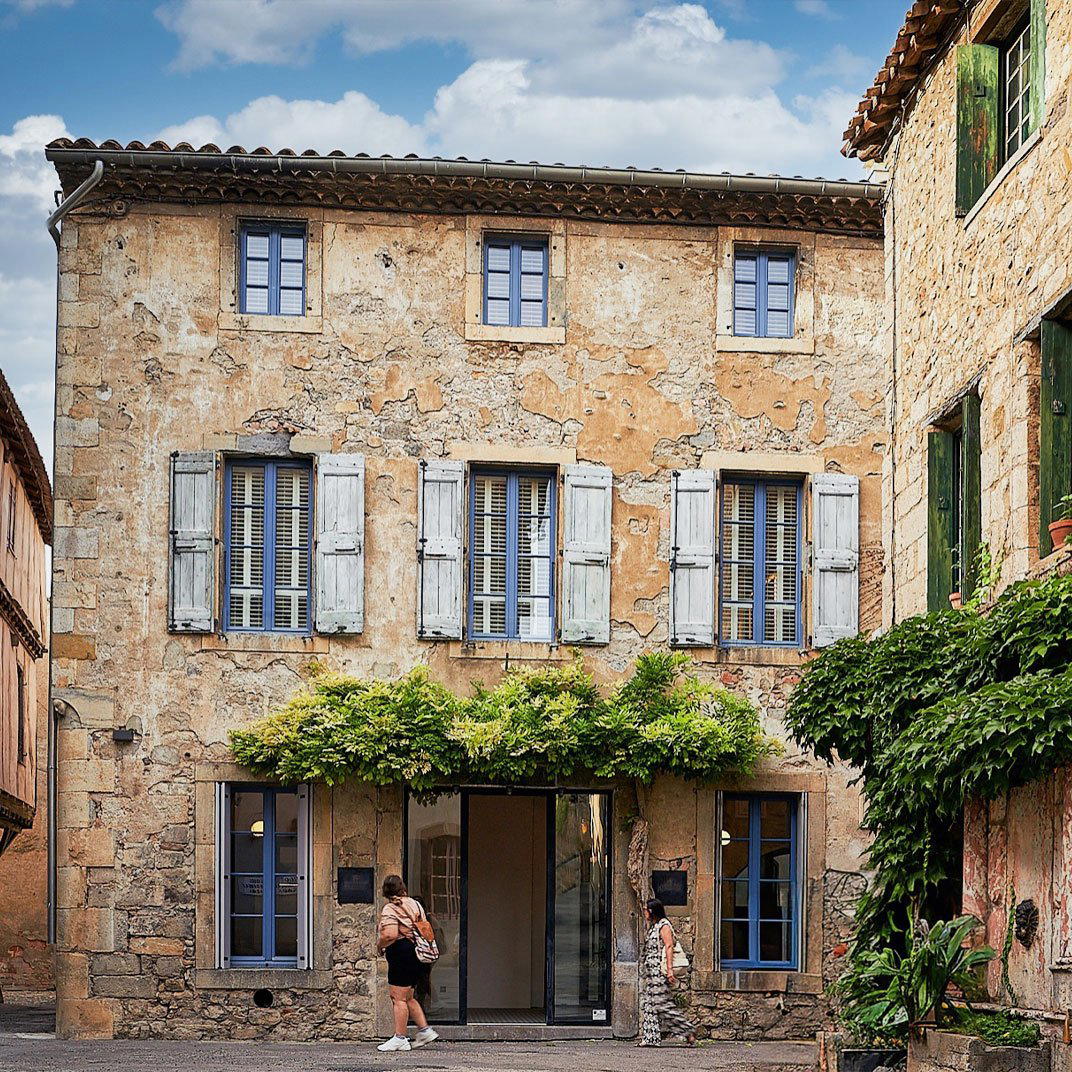
Nezu is a quieter pocket of Tokyo, less trafficked by tourists than Ginza or Shinjuku, and wokotote fits that register. This isn't a destination you book for the postcode. You book it because the value-to-quality ratio is genuinely difficult to match at this price tier in the city.
How to Book
Booking difficulty is rated Easy, which puts wokotote in a different category from the city's harder-to-access restaurants. You should still plan ahead, the seat count is not listed in available data, but smaller Japanese restaurants in this format typically run with limited covers. If you're visiting Tokyo on a fixed itinerary, book before you arrive. The address is 2 Chome-35-1 Nezu, Bunkyo City. No phone or website is confirmed in the current venue record, so approach booking through a hotel concierge or a third-party reservation platform for Tokyo. The ¥¥ price range means this is a realistic dinner for most travel budgets, and the à la carte flexibility allows you to calibrate spend on the night.
Who Should Book wokotote
Solo diners will feel comfortable here, the bar and counter format typical of this style of Japanese restaurant suits a single diner well, and the drinking-snack platter format means you can order meaningfully without over-committing. For pairs, the prix fixe with additions gives you enough structure to feel like a proper dinner without the formality of a full kaiseki sequence. Groups of three or four are workable at this price tier, but confirm capacity when booking as the restaurant's seat count is not published. This is not the right call for a large group dinner or a corporate table.
For a special occasion at the ¥¥ tier, wokotote punches above its price. The Bib Gourmand signals quality-per-yen rather than luxury signalling, so if you're looking for a celebratory dinner and want to save the ¥¥¥¥ spend for somewhere like Kagurazaka Ishikawa or Azabu Kadowaki, wokotote makes a strong case as the better value evening.
Tokyo Context
Tokyo's Japanese dining options span every price tier and format. At the ¥¥¥¥ end, restaurants like Myojaku and Ginza Fukuju offer a different level of ceremony and ingredient sourcing. At the mid-range, wokotote's kaiseki-trained approach and menu flexibility make it one of the more interesting options in Bunkyo. For broader planning, see our full Tokyo restaurants guide, our full Tokyo hotels guide, and our full Tokyo bars guide. If you're extending your Japan trip, Gion Sasaki in Kyoto, HAJIME in Osaka, and Kashiwaya Osaka Senriyama are worth building around. For something more off the beaten path, akordu in Nara and 6 in Okinawa reward the extra travel. Closer to Tokyo, 1000 in Yokohama is a direct day-trip addition. Also worth knowing about: Jingumae Higuchi in Tokyo for a different take on contemporary Japanese, and Isshisoden Nakamura in Kyoto if kaiseki tradition is the priority. See also Goh in Fukuoka and our full Tokyo experiences guide for wider Japan planning. Tokyo wineries are a niche but growing category worth exploring alongside your dining itinerary.
FAQ
What should I order at wokotote?
- Start with the prix fixe as your base, the kaiseki training behind the menu means the set sequence is designed to work as a whole.
- Add à la carte drinking snacks (grilled and fried preparations) to extend the meal at your own pace.
- The sashimi with malted rice and fish sauce dipping sauce is a confirmed highlight of the format, order it as part of the set.
Is wokotote good for a special occasion?
- Yes, at the ¥¥ tier it is one of the more considered options in Tokyo for a dinner that feels special without requiring a ¥¥¥¥ commitment.
- The Michelin Bib Gourmand (2024) gives it credibility as a quality destination, not just a budget fallback.
- For a milestone occasion where spend is less of a constraint, consider pairing this with a ¥¥¥¥ option like Kagurazaka Ishikawa on a separate night.
Is wokotote good for solo dining?
- The format suits solo diners well, prix fixe with à la carte additions means you can build a satisfying meal without over-ordering.
- The drinking snack platters work particularly well for a solo diner who wants variety without committing to a full shared spread.
- The relaxed, unhurried service style described in the venue record supports solo dining comfortably.
Can wokotote accommodate groups?
- Pairs and small groups of three to four should book in advance and confirm capacity, seat count is not published.
- The flexible menu format (prix fixe plus à la carte) suits small groups who want to order differently.
- Large groups are unlikely to be well-served here given the intimate, counter-style format typical of this restaurant type in Tokyo.
What are alternatives to wokotote in Tokyo?
- For a step up in formality and price: Azabu Kadowaki or Kagurazaka Ishikawa at ¥¥¥¥.
- For contemporary Japanese at a similar exploratory register: Jingumae Higuchi.
- For a full kaiseki experience with Michelin recognition at a higher price tier: Myojaku.
Planning details
- Location
- 2 Chome-35-1 Nezu, Bunkyo City, Tokyo 113-0031, Japan
- Reservations
- Book on Omakase
- Website
- wokotote-nezu.com
- Phone
- +81 3-5834-2144
The take
The Take
The Vibe
wokotote reads as a thoughtful, neighborhood Japanese spot that blends serious technique with approachability. It earned a Bib Gourmand in 2024, signaling food that meets Michelin’s quality bar without star-level pricing. The restaurant sits in Nezu, Bunkyo City, and presents itself at a ¥¥ price point — precise cooking that doesn’t insist on the formalities of a kaiseki-only program. That mix makes the room feel considered rather than precious: diners encounter careful execution and accessible options, attracting knowledgeable locals and visitors who value quality without the full commitment of a long omakase progression.
Best For
wokotote is best for diners seeking high-quality Japanese cooking in a less rigid setting than Tokyo’s classic counters. It suits those who want a focused dinner — solo travelers plotting one excellent meal, couples on a date, or colleagues after work — but also anyone who prefers the freedom to pick a few standout dishes. The ¥¥ pricing and Bib Gourmand nod make it a sensible choice when you want refined flavors without the expense or multi-month planning often tied to starred omakase counters, especially for an evening outing in Nezu.
Ordering Tips
The kitchen’s flexibility is the practical takeaway: wokotote offers omakase set meals for diners who want the full tasting progression, plus prix fixe formats to anchor a meal, with à la carte items you can add. If you want the chef’s sequence, choose the omakase; if you prefer to limit commitment or focus on specific plates, pick a prix fixe or assemble a la carte choices. That structure lowers booking stakes compared with strictly set counters, so you can plan with more flexibility while still expecting Michelin-recognized quality.
Venue details
Ambiance
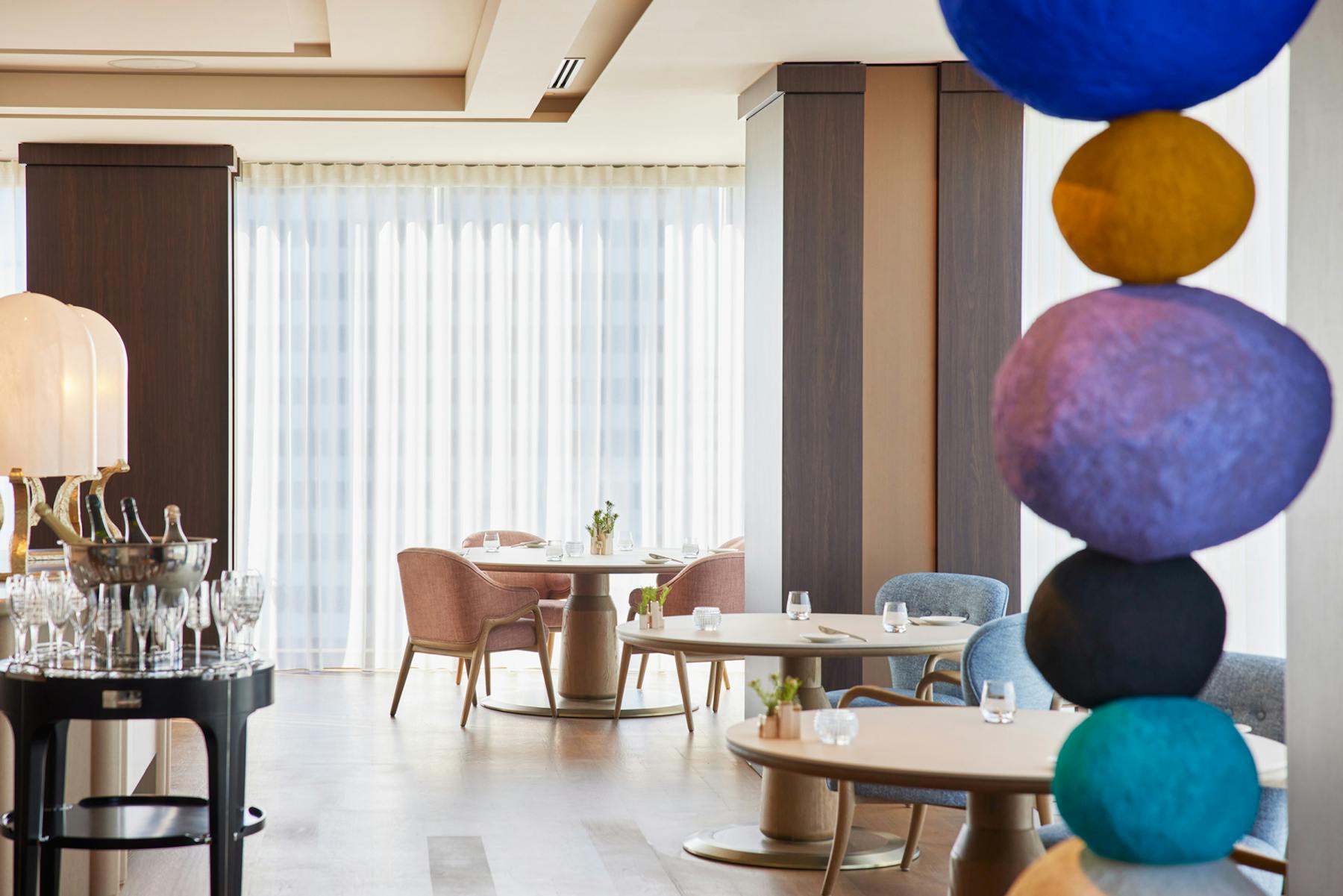
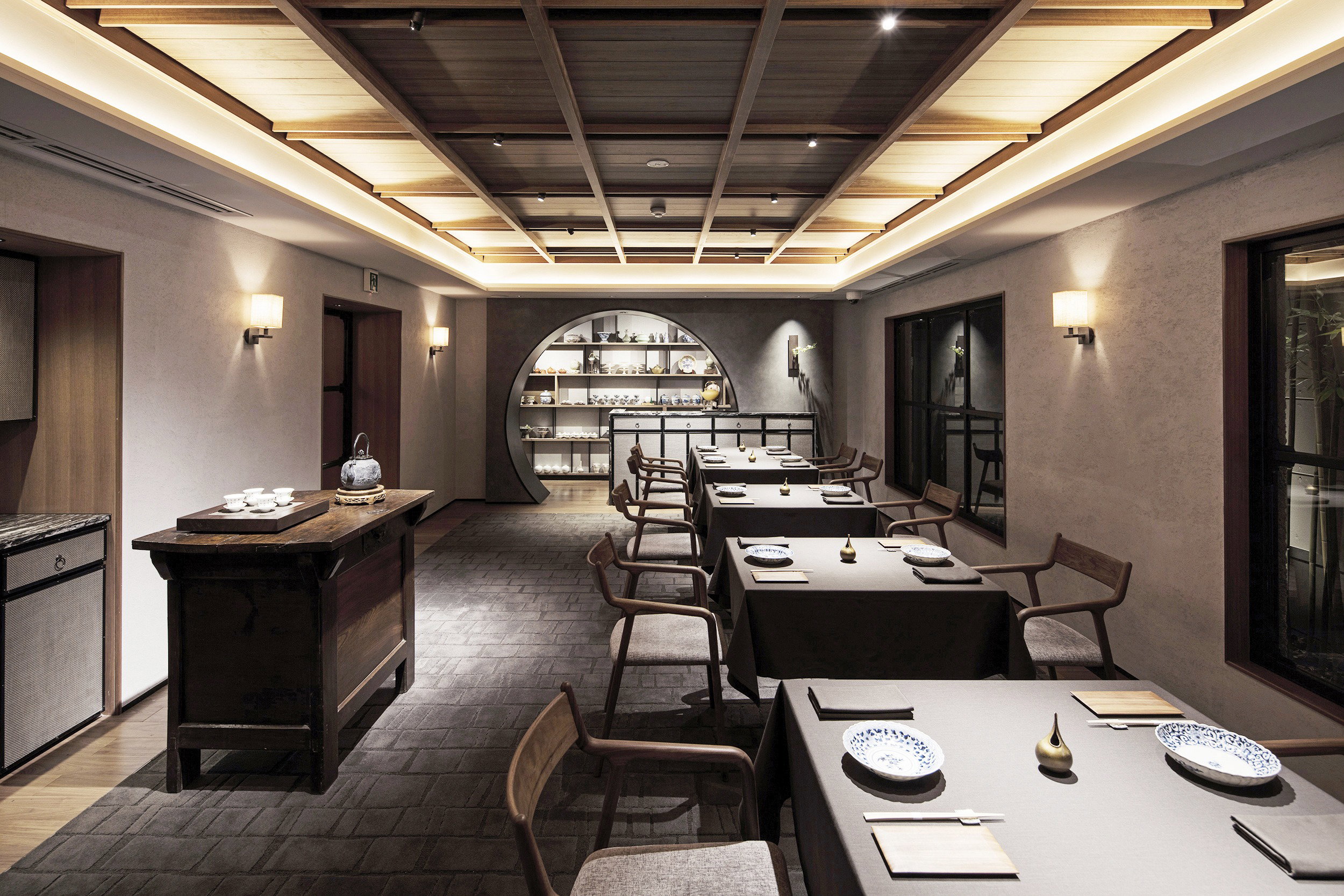
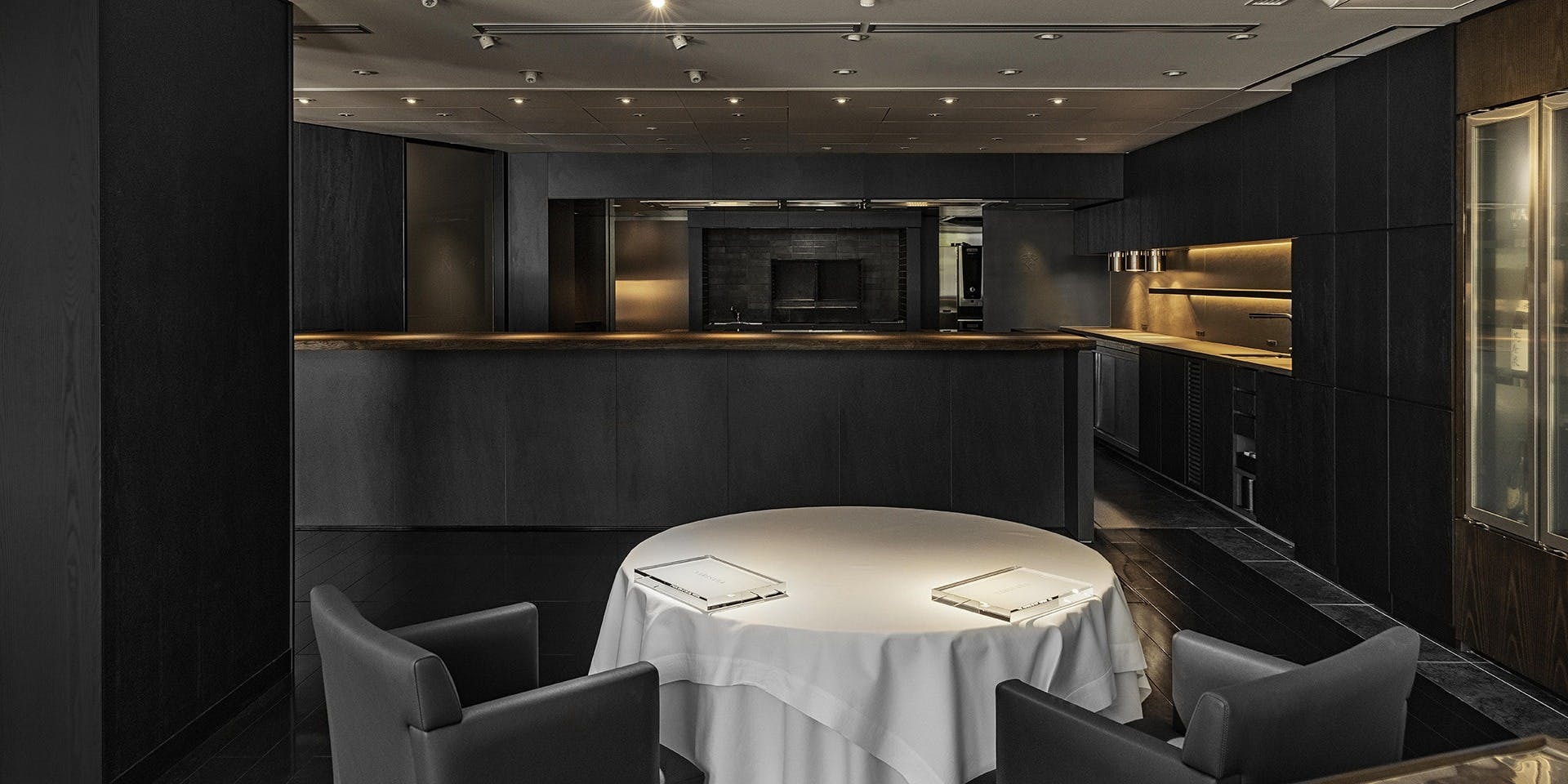
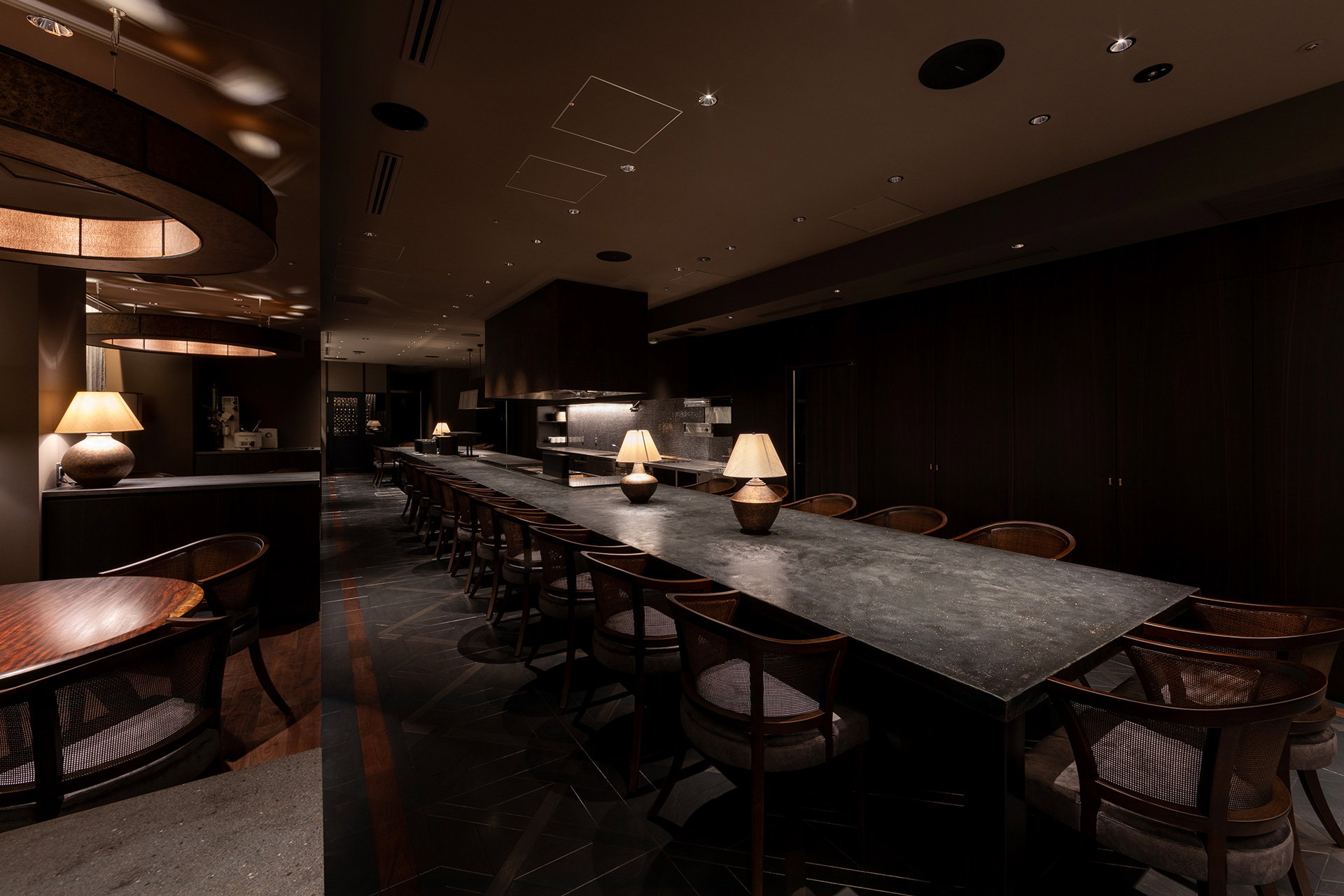
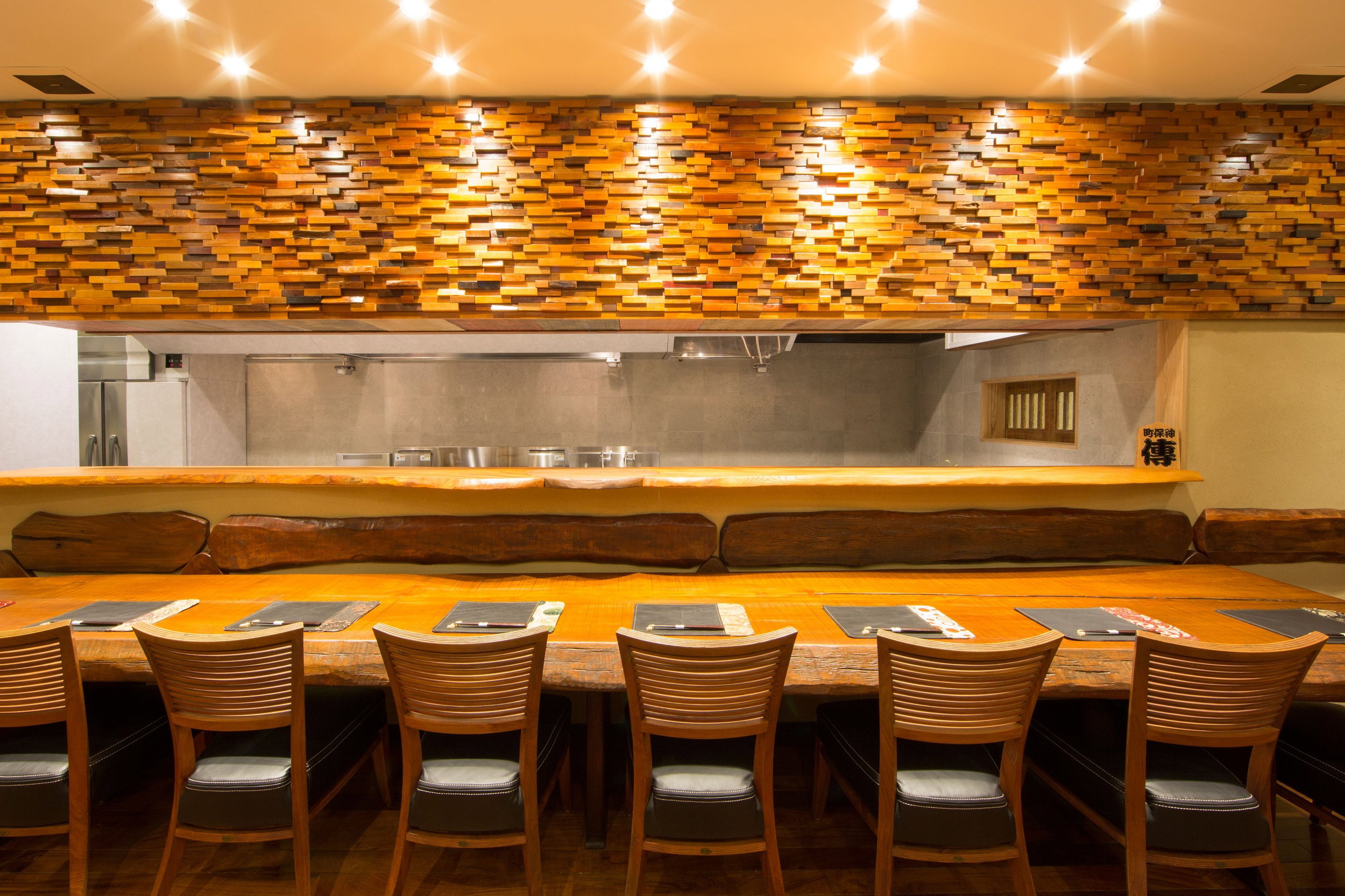
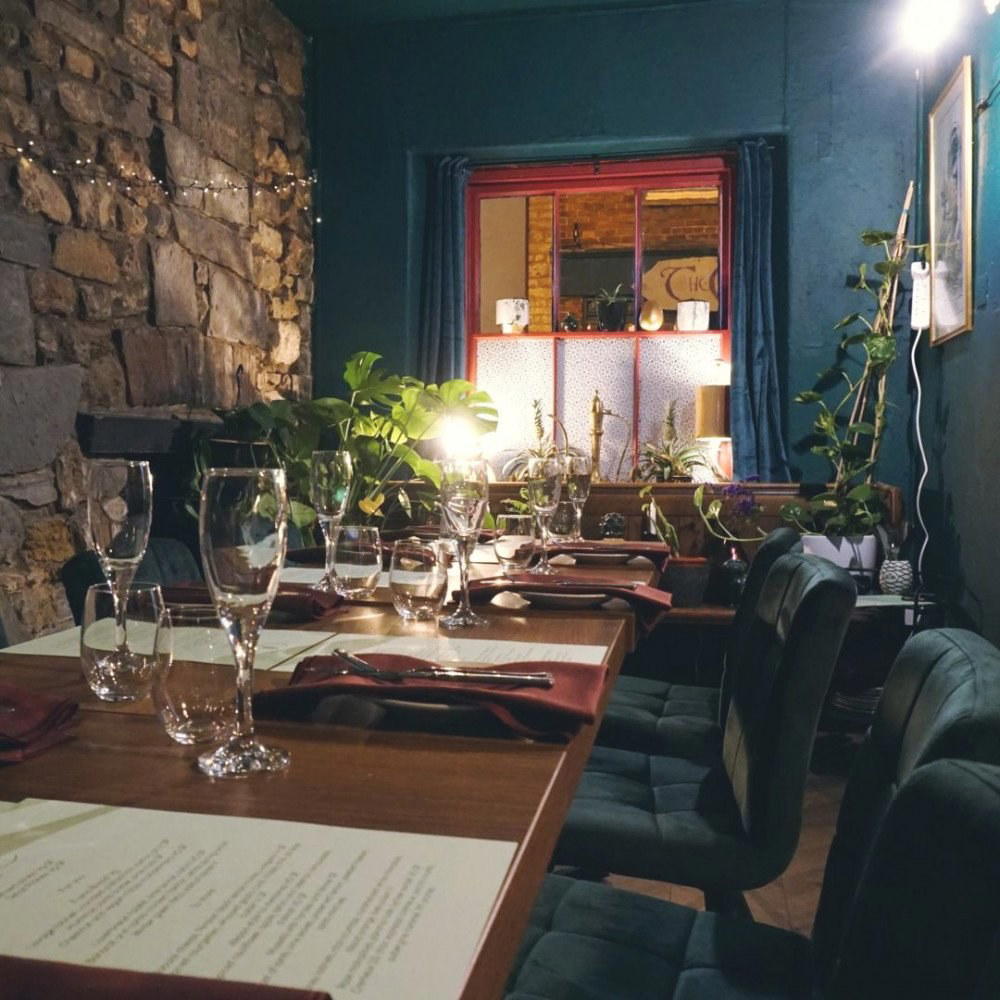
Relaxed yet refined warm atmosphere with cozy, modern Japanese design encouraging connection among guests.
Tags
Vibe
Best For
Accessibility
At the Table
- Dress Code
- Smart Casual
- Noise Level
- Quiet
- Service Style
- Upscale Casual
- Meal Pacing
- Leisurely
- Capacity
- Intimate
- Kitchen
- Modern
- Menu Format
- Omakase, Prix fixe, A la carte
- Wine Program
- Curated
- Drinks Focus
- Sake
Know before you go
Know Before You Go
- Getting there
- 2 Chome-35-1 Nezu, Bunkyo City, Tokyo 113-0031, Japan
Planning details
Location
2 Chome-35-1 Nezu, Bunkyo City, Tokyo 113-0031, Japan · Directions
Recognition and awards
Also consider
Also Consider
- Harutaka, Sushi, ¥¥¥¥
- L'Effervescence, French, ¥¥¥¥
- RyuGin, Kaiseki, Japanese, ¥¥¥¥
- HOMMAGE, Innovtive French, French, ¥¥¥¥
- Crony, Innovative, French, ¥¥¥¥
Restaurant context
How wokotote Compares
The most direct value comparison is between wokotote and Tokyo's ¥¥¥¥ Japanese restaurants. RyuGin is the obvious benchmark for kaiseki at the top tier: technically precise, ingredient-led, and priced accordingly. If the kaiseki format is what you want and budget is not the constraint, RyuGin is the stronger choice. wokotote is the better call if you want a kaiseki-trained sensibility at a fraction of the price, with the added flexibility to shape the meal yourself through à la carte additions.
Against the French-leaning ¥¥¥¥ rooms, L'Effervescence, HOMMAGE, and Crony, wokotote is a different proposition entirely. Those are destination tasting menu experiences with high ceremony and high spend. wokotote suits a diner who wants Japanese food on Japanese terms, in a neighbourhood setting, without the performance. For a Tokyo trip where you're booking across multiple nights, a logical split is wokotote for a relaxed mid-week dinner and one of the ¥¥¥¥ rooms for the occasion night.
Harutaka at ¥¥¥¥ is the relevant comparison if sushi specifically is the draw, the technical level is higher and the price reflects it. wokotote's format is broader, covering drinking snacks and sashimi across a more casual register. On booking difficulty, wokotote is rated Easy, which gives it a practical advantage over harder-to-access ¥¥¥¥ rooms. If you're planning a Tokyo dining itinerary and have limited bandwidth for chasing reservations, wokotote is the low-friction, high-quality option that belongs on the list.
Explore Tokyo
Around this place
Discover more on Pearl
Unlock the full wokotote guide in Pearl, including awards, comparisons, FAQs, planning details, and nearby places.
Compare wokotote
| Venue | Price | Awards |
|---|---|---|
| wokotote | ¥¥ | 2026 Bib Gourmand2024 Michelin Bib Gourmand |
| Harutaka | ¥¥¥¥ | 2026 Tabelog Silver · #312026 OAD Top Restaurants in Japan Ranked · #1282026 Michelin 3 Stars2026 La Liste Top RestaurantsTabelog 100 - Sushi - TOKYO - 2025 · #372025 Asia's 50 Best Restaurants · #762025 OAD Top Restaurants in Japan Ranked · #1172025 La Liste Top Restaurants2025 Tabelog Bronze |
| L'Effervescence | ¥¥¥¥ | 2026 Tabelog Silver · #682026 OAD Top Restaurants in Japan Ranked · #103Star Wine Lists 20262026 Black Pearl 2 Diamond2026 Relais Chateaux Restaurants2026 La Liste Top Restaurants2026 Michelin 3 Stars2025 Asia's 50 Best Restaurants · #692025 OAD Top Restaurants in Japan Ranked · #92 |
| RyuGin | ¥¥¥¥ | 2026 OAD Top Restaurants in Japan Ranked · #802026 Tabelog Bronze · #3772026 Michelin 3 Stars2026 La Liste Top RestaurantsTabelog 100 - Japanese cuisine - TOKYO - 2025 · #212025 OAD Top Restaurants in Japan Ranked · #542025 Michelin 3 Stars2025 La Liste Top Restaurants2025 The Best Chef Three Knives |
| HOMMAGE | ¥¥¥¥ | 2026 Tabelog Bronze · #1232026 OAD Top Restaurants in Japan Highly Recommended2026 Michelin 2 StarsTabelog 100 - French - TOKYO - 2025 · #762025 Asia's 50 Best Restaurants · #782025 OAD Top Restaurants in Japan Ranked · #1752025 Michelin 2 Stars2025 The Best Chef One Knife2025 La Liste Top Restaurants |
| Crony | ¥¥¥¥ | 2026 Asia's 50 Best Restaurants · #34Star Wine Lists 20262026 OAD Top Restaurants in Japan Recommended2026 Michelin 2 Stars2025 Asia's 50 Best Restaurants · #30Tabelog 100 - French - TOKYO - 2025 · #782025 OAD Top Restaurants in Japan Ranked · #227We're Smart World Top Restaurants 20252025 Michelin 2 Stars |















What to weigh when choosing between wokotote and alternatives.
FAQ
Frequently Asked Questions
Can wokotote accommodate groups?
Small groups should be fine, though the intimate setting typical of this format works best for two to four diners. The counter and bar-style layout suits pairs more naturally than larger parties. If you are planning for five or more, call ahead — no booking policy is published, so confirming directly is the safe move.
What are alternatives to wokotote in Tokyo?
For a step up in formality and price, RyuGin and Harutaka both operate in a higher tier with more elaborate omakase formats. L'Effervescence is the French-leaning option if you want comparable craft at a different price point. wokotote's case is its Michelin Bib Gourmand recognition at ¥¥ — that combination is harder to match in Tokyo at this address.
Is wokotote good for solo dining?
Yes — this is one of the stronger solo dining cases in Tokyo at the ¥¥ level. The counter format suits a single diner, and the drinking-snack culture here means you can pace the meal across several small plates without committing to a full set. The Michelin Bib Gourmand (2024) adds confidence that the solo spend is justified.
What should I order at wokotote?
The prix fixe is the starting point, and the à la carte additions are designed to let you build around it. The sashimi with malted rice and fish sauce dipping sauce is specifically noted in the venue's Michelin recognition, so that is the clearest ordering anchor. The mixed drinking-snack platters — grilled and fried items — are also part of what the kitchen is recognised for.
Is wokotote good for a special occasion?
It works for a low-key celebration where the food matters more than the setting's formality. The ¥¥ price point and Bib Gourmand status make it a considered choice rather than a splurge occasion. If you need a more ceremonial atmosphere or a private room, restaurants like RyuGin or Ginza Fukuju in a higher tier would serve that purpose better.